
Tool choice matters more for Black men with razor bumps
For Black men, the act of shaving transcends a simple grooming routine; it’s a critical component of skin health, especially when dealing with the pervasive challenge of razor bumps for Black men. Pseudofolliculitis Barbae (PFB), commonly known as razor bumps, is not merely an aesthetic concern but a chronic inflammatory condition. It arises when sharply cut hairs curl back into the skin, causing irritation, inflammation, and sometimes infection. This phenomenon is particularly prevalent among men with coarse, curly hair, a characteristic common within the African American community.
The choice of shaving tool is not a minor detail; it is the cornerstone of preventing and managing PFB. Using the wrong razor or trimmer can exacerbate the condition, leading to discomfort, scarring, and hyperpigmentation. Conversely, selecting the right tool, coupled with a precise technique, can transform your shaving experience from a source of frustration into a seamless part of your self-care regimen. This guide delves into the specifics, offering a roadmap to informed decisions that prioritize your skin’s health and your grooming standards.
Understanding the mechanics of hair removal and its impact on curly hair is paramount. When a hair is cut below the skin’s surface or at too sharp an angle, its natural curl pattern can guide it to re-enter the skin. This ingrown hair triggers an immune response, resulting in the characteristic bump. The goal, therefore, is to cut the hair in a manner that minimizes this risk, which often means avoiding an excessively close shave or employing tools designed to lift and cut the hair precisely without irritating the follicle. Your choice of razor or trimmer directly influences how the hair is cut and, consequently, your susceptibility to PFB.
The market is saturated with various shaving instruments, each promising a superior shave. However, for Black men prone to razor bumps, not all tools are created equal. Multi-blade razors, often marketed for their ‘close shave,’ can be particularly problematic due to their tendency to cut hair below the skin’s surface and create multiple sharp edges that can irritate. Conversely, single-blade razors or electric trimmers, when used correctly, can offer a safer alternative by cutting hair at or just above the skin’s surface, significantly reducing the likelihood of ingrown hairs. This distinction is not merely academic; it is fundamental to achieving a smooth, bump-free complexion.
Furthermore, the frequency and method of shaving also play a crucial role. For some, a daily close shave is a professional necessity, while for others, a less frequent, less aggressive approach is more suitable. Your lifestyle, occupation, and personal grooming preferences will all factor into the optimal tool choice and routine. This comprehensive guide will equip you with the knowledge to navigate these choices, ensuring that your grooming routine supports, rather than compromises, your skin’s health. We will explore the nuances of electric trimmers, single-blade razors, and even address the pitfalls of multi-blade cartridges, providing actionable insights for every scenario.
The 3 tool lanes (choose based on your bump history)
Navigating the world of shaving tools requires a strategic approach, especially when razor bumps are a persistent concern. We categorize shaving tools into three distinct ‘lanes,’ each suited to different skin sensitivities and desired outcomes. Your personal history with razor bumps, the closeness of shave you require, and your willingness to invest time in technique will dictate which lane is best for you. Understanding these distinctions is the first step toward a customized, effective grooming regimen that prioritizes skin health.
The core principle behind these lanes is to manage the interaction between your curly hair and your skin. For men with coarse, curly hair, minimizing irritation and preventing the hair from re-entering the skin is paramount. Each lane offers a different mechanism for achieving this, from cutting hair above the skin to providing a single, precise cut. Your choice should be an informed one, based on a clear assessment of your skin’s needs and your grooming goals.
Consider your past experiences: Do you develop bumps after every shave? Are they mild or severe? Do they lead to hyperpigmentation? Your answers to these questions will guide you toward the most appropriate lane. This isn’t about finding a one-size-fits-all solution, but rather identifying the tool and technique that respects your unique skin and hair characteristics. Let’s delve into each lane, exploring their benefits, drawbacks, and ideal use cases.
LANE A: Electric trimmer (bump-prone)
For many Black men, especially those with a history of moderate to severe razor bumps, the electric trimmer is not just a convenience; it’s a necessity. This lane is designed for individuals whose skin reacts negatively to any form of blade-on-skin contact, often resulting in significant irritation and ingrown hairs. The primary advantage of an electric trimmer is its ability to cut hair just above the skin’s surface, effectively preventing the hair from retracting and curling back into the follicle. This method significantly reduces the risk of PFB, making it a cornerstone of a bump-free grooming routine.
As an affiliate site, GFBM may earn from qualifying purchases through product links.
Electric trimmers offer a versatile solution, allowing for various lengths depending on the guard used. For those seeking the closest possible trim without blade contact, a ‘zero-gap’ trimmer can achieve a finish that is remarkably close to a shave, yet still maintains a crucial barrier between the blade and the skin. This precision is vital for minimizing irritation. The key here is to find a quality electric trimmer for razor bumps that provides consistent performance without tugging or pulling, which can also contribute to irritation.
Beyond preventing bumps, electric trimmers offer speed and convenience. They are ideal for daily grooming, allowing for quick touch-ups without the need for shaving cream or water. This makes them perfect for busy schedules or for maintaining a consistently neat appearance. While the shave may not be as ‘baby-smooth’ as a traditional blade, the trade-off in terms of skin health and comfort is often well worth it. For men who prioritize skin integrity above all else, Lane A is the clear choice.
However, not all trimmers are created equal. Look for models with hypoallergenic blades and powerful motors to ensure a clean, efficient cut. Regular cleaning and oiling of the blades are also essential to maintain performance and hygiene. While trimmers reduce the risk of ingrown hairs, improper technique—such as pressing too hard or using a dull blade—can still cause irritation. Therefore, even with a trimmer, a mindful approach to grooming is necessary to maximize its benefits.
This lane also offers flexibility in styling. You can maintain a slight stubble, a neatly trimmed beard, or a very close-cut look, all while keeping razor bumps at bay. It’s about control and precision, giving you the power to define your look without compromising your skin. For many, embracing the electric trimmer is a liberation from the cycle of irritation and discomfort associated with traditional shaving methods.
LANE B: Single-blade style (close shave with skill)
For those who desire a closer shave than an electric trimmer can provide, but still struggle with razor bumps, the single-blade razor offers a sophisticated solution. This lane includes tools like safety razors and straight razors. The fundamental principle here is that a single blade cuts the hair once, cleanly and precisely, without lifting the hair and cutting it again below the skin’s surface, as multi-blade cartridges tend to do. This single pass significantly reduces the likelihood of ingrown hairs and subsequent irritation, making it a superior choice for sensitive skin.
Mastering the single-blade shave requires skill and patience. Unlike multi-blade razors that are designed to be forgiving, a single-blade razor demands attention to angle, pressure, and grain. The learning curve can be steep, but the rewards are substantial: a remarkably close shave with minimal irritation. Safety razors, in particular, offer a good entry point into this lane. They provide the benefit of a single blade within a protective head, making them safer than straight razors while still delivering a superior shave compared to cartridges.
The technique involves using light pressure, shaving with the grain, and maintaining a consistent blade angle (typically around 30 degrees). This approach minimizes tugging and pulling, which are common culprits of irritation. Furthermore, the ritual of a single-blade shave can be a meditative and enjoyable experience, transforming a mundane task into an act of self-care. It’s an investment in technique that pays dividends in skin health and the quality of your shave.
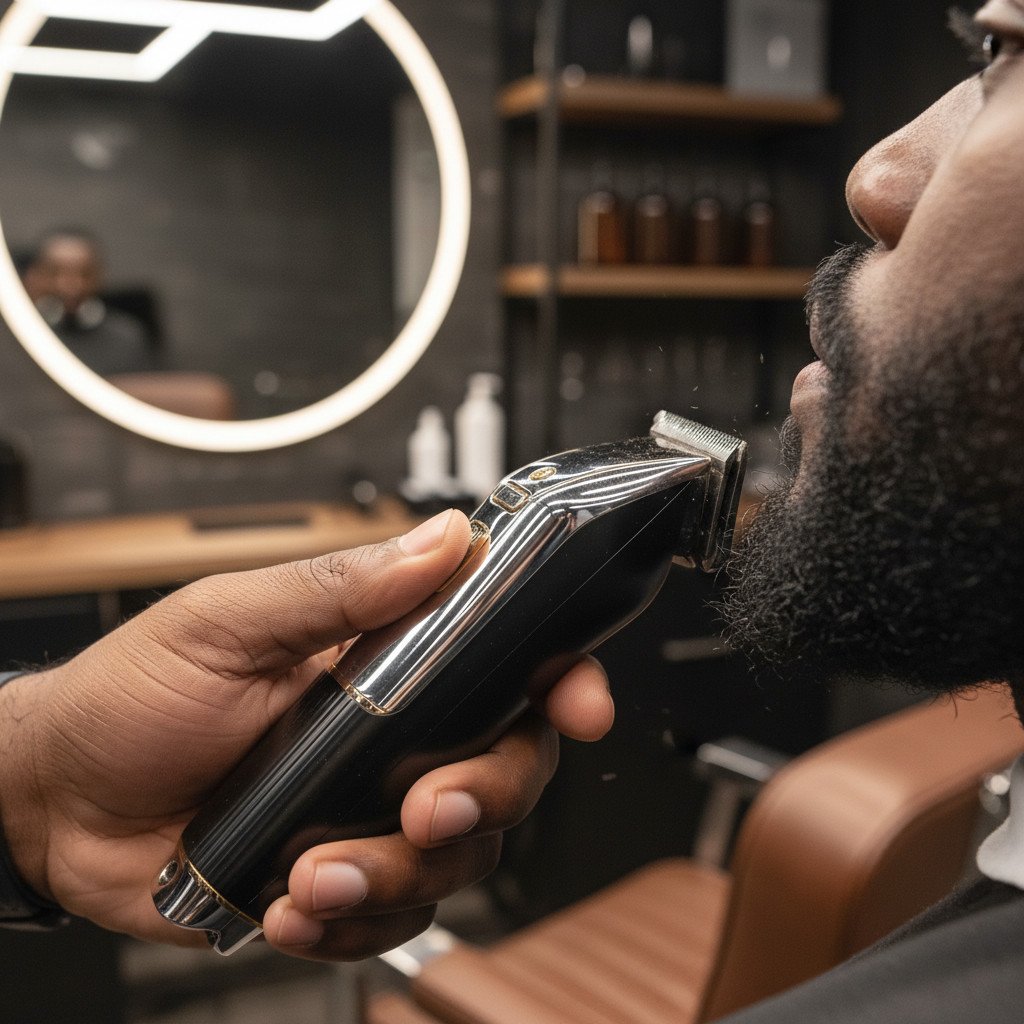
Pre-shave preparation is particularly crucial in this lane. Softening the hair with a hot towel and a quality pre-shave oil or cream can make a significant difference in blade glide and hair removal efficiency. This meticulous preparation, combined with the precise action of a single blade, creates an optimal environment for a close, comfortable, and bump-free shave. For those willing to dedicate time to refining their technique, Lane B offers the best of both worlds: closeness and skin health.
While straight razors offer the ultimate in closeness and control, they also demand the highest level of skill and maintenance. For most men transitioning from cartridge razors, a safety razor is the recommended starting point. It provides a similar benefit in terms of single-blade action but with a greater margin for error. Regardless of the specific tool, the philosophy of Lane B remains consistent: precision, patience, and respect for the skin’s integrity are paramount. For further reading on this topic, consider exploring safety razor vs. cartridge for Black men.
LANE C: Multi-blade cartridges (why they can backfire)
The multi-blade cartridge razor, ubiquitous in modern shaving, is often marketed as the pinnacle of shaving technology, promising unparalleled closeness with minimal effort. However, for Black men with curly hair, this promise frequently backfires, leading directly to the proliferation of razor bumps. This lane is generally advised against for those prone to PFB, and understanding why is crucial for informed grooming decisions.
The core issue with multi-blade razors lies in their design. They typically feature 2-5 blades, strategically positioned to provide an incredibly close shave. The first blade lifts the hair from the follicle, and subsequent blades cut it, often below the skin’s surface. While this mechanism achieves an exceptionally smooth finish for some, for men with coarse, curly hair, it creates a significant problem. When the hair is cut below the skin, its natural curl pattern causes it to retract and then grow sideways or downwards into the skin, leading to ingrown hairs and inflammation.
Furthermore, the multiple blades cause increased friction and irritation on the skin. Each pass of a multi-blade razor is essentially multiple passes, stripping away protective layers of skin and exacerbating sensitivity. This can lead to redness, burning, and a heightened inflammatory response, even before the ingrown hairs begin to form. The convenience of these razors often comes at the cost of skin health for a significant portion of the Black male population.
While some men with finer hair or less pronounced curl patterns might tolerate multi-blade razors without severe issues, for the majority of Black men, they are a primary contributor to PFB. The aggressive cutting action and the tendency to cut hair below the skin’s surface make them a high-risk option. If you are currently using a multi-blade cartridge and experiencing razor bumps, transitioning to Lane A or Lane B is a critical step towards improving your skin’s condition.
It’s important to note that even with the best technique and pre-shave preparation, the fundamental design of multi-blade razors works against the physiology of curly hair. No amount of careful shaving cream application or aftershave can fully mitigate the inherent risk posed by multiple blades cutting hair below the skin line. Therefore, for effective razor bump prevention, reconsidering the use of multi-blade cartridges is often the most impactful change one can make in their grooming routine.
The allure of a quick, close shave is understandable, but for men battling PFB, it’s a false economy. The long-term benefits of healthier, bump-free skin far outweigh the perceived convenience of a multi-blade razor. This is not to say that all multi-blade razors are inherently bad, but rather that their design is fundamentally incompatible with the needs of sensitive, curly-haired skin prone to ingrown hairs. Making this switch is often the most direct path to relief and improved skin appearance.
How to choose: your skin + your job + your grooming standards
Choosing the right shaving tool is a highly personal decision, influenced by a confluence of factors unique to each individual. It’s not merely about selecting the most popular or expensive option; it’s about aligning your tool choice with your skin’s specific needs, the demands of your profession, and your personal grooming standards. This holistic approach ensures that your shaving routine is both effective and sustainable, contributing positively to your overall appearance and confidence.
Assess your skin’s sensitivity: This is the most critical factor. If you consistently experience severe razor bumps, irritation, or hyperpigmentation after shaving, your skin is highly sensitive, and you should lean towards tools that minimize blade-to-skin contact. This typically means an electric trimmer (Lane A) or a very gentle single-blade approach. Conversely, if your skin is more resilient, you might have more flexibility, though caution is always advised for curly hair.
Consider your profession and lifestyle: Some professions require a clean-shaven look daily. For these individuals, finding a method that achieves closeness without irritation is paramount. An electric trimmer with a zero-gap setting might suffice, or a carefully executed single-blade shave. If your job allows for some stubble or a beard, an electric trimmer becomes an even more versatile and forgiving option, allowing you to maintain a neat appearance without the daily stress of a close shave.
Define your grooming standards: What does ‘well-groomed’ mean to you? Is it a baby-smooth finish, or are you content with a neatly trimmed stubble? Your personal aesthetic preferences play a significant role. If a perfectly smooth face is non-negotiable, you’ll need to invest time in mastering a single-blade technique. If a well-maintained, short beard or stubble is acceptable, an electric trimmer offers an excellent balance of style and skin health. Your standards should guide your tool choice, not the other way around.
Furthermore, consider the time commitment each method requires. An electric trimmer is generally the quickest option, ideal for busy mornings. A single-blade shave demands more time for preparation and execution, turning grooming into a deliberate ritual. Multi-blade cartridges, while fast, often lead to more time spent managing bumps and irritation later. Weigh these factors against your daily schedule and willingness to invest in your grooming routine.
Finally, don’t be afraid to experiment. What works for one man may not work for another. Start with the least irritating option (electric trimmer) and gradually explore other methods if you desire a closer shave and your skin tolerates it. Always introduce new tools and techniques cautiously, observing your skin’s reaction. Your journey to a bump-free shave is an iterative process of learning and adaptation, guided by your unique skin and preferences.
Table: Tool type → closeness → bump risk → best for
| Tool Type | Shave Closeness | Bump Risk | Best For | Biggest Mistake |
|---|---|---|---|---|
| Electric Trimmer (Zero-Gap) | Very close (stubble) | Low to Minimal | Highly bump-prone skin, daily maintenance, maintaining stubble/beard lines, quick grooming. | Pressing too hard, using dull blades, not cleaning regularly. |
| Safety Razor (Single Blade) | Very close (smooth) | Moderate to Low (with proper technique) | Seeking a close shave, willing to learn technique, moderate bump history, sensitive skin. | Shaving against the grain, excessive pressure, improper blade angle, skipping pre-shave prep. |
| Straight Razor | Extremely close (baby smooth) | Moderate to Low (with expert technique) | Experienced shavers, ultimate closeness, meditative ritual, minimal bump history. | Lack of skill, improper stropping/honing, rushing the shave, poor hygiene. |
| Cartridge Razor (Multi-blade) | Extremely close (baby smooth) | High (for curly hair) | Men with fine, straight hair; generally NOT recommended for Black men prone to bumps. | Using multiple blades on curly hair, shaving against the grain, daily use, neglecting skin prep. |
| Foil Shaver (Electric) | Close (smooth) | Low to Moderate | Sensitive skin, daily close shave, good for maintaining a clean look without wet shaving. | Using on longer stubble, not cleaning thoroughly, pressing too hard, not replacing foils. |
How to use a trimmer to look sharp without bumps (mini routine)
For Black men seeking a sharp, clean look without the constant battle against razor bumps, the electric trimmer is an indispensable tool. It offers a precise, controlled cut that minimizes irritation and prevents ingrown hairs. This mini-routine outlines a step-by-step approach to using your trimmer effectively, ensuring a smooth finish and healthy skin. Remember, consistency and proper technique are key to achieving optimal results and maintaining a bump-free complexion. This routine focuses on efficiency and skin protection.

- Prepare Your Skin and Trimmer: Begin with a clean, dry face. Washing your face with a gentle cleanser removes dirt, oil, and dead skin cells, allowing for a smoother glide. Ensure your electric trimmer for razor bumps is fully charged and its blades are clean and oiled. A well-maintained trimmer performs better and reduces the risk of tugging or pulling, which can irritate the skin. This initial step sets the foundation for a comfortable and effective trim.
- Choose the Right Guard and Trim with the Grain: For the closest possible trim without causing irritation, you can use no guard for a zero-gap finish, or a very low trimmer guards setting. Always trim with the grain of your hair growth. This is crucial for preventing razor bumps, as it ensures the hair is cut at an angle that discourages it from curling back into the skin. Use short, light strokes, stretching the skin taut with your free hand to create a flat surface for the trimmer. Avoid pressing too hard, as this can still cause irritation.
- Clean Up Edges and Detail: Once you’ve trimmed the main areas, use the trimmer without a guard (if you’re aiming for a very sharp line) or with a very fine guard to define your beard lines, neckline, and sideburns. Use a mirror and good lighting to ensure precision. For particularly sensitive areas, use even lighter pressure. The goal is to create crisp, clean lines that frame your face without irritating the delicate skin around the edges. Take your time with this step, as it significantly impacts the overall sharpness of your look.
- Soothe and Moisturize: After trimming, rinse your face with cool water to remove any loose hairs. Pat your skin dry with a clean towel. Immediately follow up with a high-quality, alcohol-free post-shave balm or moisturizer. This step is vital for calming the skin, reducing redness, and providing essential hydration. Look for ingredients like aloe vera, witch hazel, or chamomile, which have soothing properties. Regular moisturizing helps maintain skin barrier health and prevents dryness, which can exacerbate irritation. For a more in-depth post-shave routine, check out post-shave care for Black men.
Final Thoughts
The journey to a consistently smooth, bump-free shave for Black men is one of informed choices and disciplined practice. It’s about understanding the unique characteristics of your hair and skin, and then selecting tools and techniques that work in harmony with them, rather than against them. This guide has laid out a clear path, emphasizing that the right tool choice is not a luxury, but a fundamental necessity for preventing and managing razor bumps.
Whether you opt for the protective distance of an electric trimmer, the precise control of a single-blade safety razor, or a combination of methods, the underlying principle remains the same: prioritize skin health above all else. Avoid the common pitfalls of aggressive shaving and multi-blade cartridges, which often exacerbate PFB. Instead, embrace a routine that is gentle, deliberate, and tailored to your specific needs. Your skin will thank you for it, not just in the short term, but for years to come.
Remember that grooming is a continuous process of learning and adaptation. Pay attention to how your skin responds to different tools, products, and techniques. Don’t be afraid to adjust your routine as needed. The ultimate goal is to achieve a comfortable, confident shave that enhances your appearance without compromising your skin’s integrity. With the right knowledge and commitment, a bump-free complexion is well within your reach, allowing you to present your best self to the world, every single day.
Next reads: For a deeper dive into managing razor bumps, explore Razor bumps for Black men. To refine your trimmer technique, check out trimmer routine for razor bumps for Black men. And for comprehensive preparation, read about pre-shave routine for Black men.
Frequently Asked Questions
Why are multi-blade razors often problematic for Black men?
Multi-blade razors tend to lift the hair and cut it below the skin’s surface. For Black men with coarse, curly hair, this action causes the hair to retract and curl back into the skin as it grows, leading to ingrown hairs and painful razor bumps (Pseudofolliculitis Barbae). The multiple blades also increase friction and irritation on sensitive skin.
What is a ‘zero-gap’ electric trimmer and how does it help prevent razor bumps?
A ‘zero-gap’ electric trimmer is adjusted so that its cutting blade is extremely close to the stationary blade, allowing for an exceptionally close cut without direct blade-to-skin contact. This minimizes the risk of cutting hair below the skin’s surface, significantly reducing the likelihood of ingrown hairs and razor bumps while still providing a very clean, sharp look.
Is a safety razor a good alternative for a close shave without bumps?
Yes, a safety razor is an excellent alternative for men seeking a close shave with reduced bump risk. Its single-blade design cuts hair cleanly at the skin’s surface, preventing the hair from being pulled and cut beneath the skin. Mastering the technique (light pressure, correct angle, shaving with the grain) is crucial for optimal results and to avoid irritation.
How important is pre-shave preparation when using a single-blade razor?
Pre-shave preparation is critically important when using a single-blade razor. Softening the hair with warm water, a hot towel, and a quality pre-shave oil or cream helps to lift the hair, lubricate the skin, and prepare it for a smooth glide. This reduces tugging, minimizes irritation, and allows the single blade to cut the hair more efficiently, greatly contributing to a bump-free shave.
Can I still get razor bumps with an electric trimmer?
While electric trimmers significantly reduce the risk of razor bumps, it’s still possible to experience irritation if used improperly. Pressing too hard, using a dull or dirty blade, or trimming against the grain can still cause skin irritation and lead to bumps. Always ensure your trimmer is clean, well-maintained, and used with light pressure and the grain of your hair growth.
What post-shave steps are essential for preventing razor bumps?
After shaving or trimming, it’s essential to rinse your face with cool water to close pores and remove loose hairs. Follow immediately with an alcohol-free, soothing post-shave balm or moisturizer. Look for ingredients like aloe vera, witch hazel, or salicylic acid to calm irritation, reduce inflammation, and prevent ingrown hairs. Consistent moisturizing helps maintain skin barrier health.
How often should I clean and oil my electric trimmer?
You should clean your electric trimmer after every use to remove hair clippings and debris. Regularly oiling the blades, typically before or after every few uses (or as per manufacturer instructions), is crucial. This lubrication keeps the blades sharp, reduces friction, prevents rust, and ensures optimal performance, which in turn minimizes skin irritation and extends the life of your trimmer.
Shop electric trimmer on Amazon
Shop trimmer guards on Amazon
Shop post-shave balm on Amazon