Ingrown Hairs in Black Men: How to Treat Them Without Scarring or Dark Marks
Ingrown hairs are a common, frustrating reality for many Black men. These bumps, often mistaken for razor bumps, can lead to discomfort, irritation, and even lasting hyperpigmentation. Understanding the distinction between different types of shaving-related skin issues is the first step toward effective treatment and prevention. This guide cuts through the noise, offering clear, actionable strategies to treat ingrown hairs and prevent their recurrence, preserving your skin’s health and appearance.
We combine practical barbershop wisdom with modern dermatological insights, providing a roadmap for maintaining smooth, clear skin. This isn’t about quick fixes; it’s about establishing a consistent, informed grooming regimen. Your skin deserves a meticulous approach, free from the guesswork that often exacerbates these conditions. Let’s address ingrown hairs directly, ensuring your grooming routine supports skin health, not compromises it.
The journey to clear skin begins with accurate identification and a commitment to proper care. We will detail a comprehensive treatment plan, identify when professional intervention is necessary, and equip you with the knowledge to manage and prevent ingrown hairs effectively. This approach prioritizes your skin’s integrity, aiming to eliminate bumps without leaving behind scars or dark marks. For a broader understanding of common shaving issues, particularly those often confused with ingrown hairs, refer to our foundational guide on Razor bumps for Black men.
Ingrown hairs vs razor bumps: what you’re actually dealing with
Distinguishing between ingrown hairs and razor bumps is critical for effective treatment. While often used interchangeably, these conditions have distinct characteristics and underlying causes. Misidentification can lead to improper treatment, prolonging discomfort and potentially worsening skin damage. Understanding the nuances allows for a targeted approach.
Ingrown hairs, medically known as pseudofolliculitis barbae (PFB), occur when a hair, after being cut or shaved, curls back into the skin or grows sideways into the follicle wall. This penetration triggers an inflammatory response, leading to a red, often itchy, and sometimes painful bump. The hair itself is trapped beneath the skin’s surface, unable to exit normally. This condition is particularly prevalent in Black men due to the natural curvature of their hair follicles, which makes the hair more prone to re-entering the skin.
Razor bumps, while also a form of PFB, are specifically caused by shaving. They are the direct result of irritation from the razor blade cutting the hair too short or pulling and snapping it. This trauma creates sharp, angled hair tips that are more likely to pierce the skin as they grow. While all razor bumps are a type of ingrown hair, not all ingrown hairs are razor bumps. Ingrown hairs can also result from waxing, plucking, or even friction from clothing, though shaving is the primary culprit for facial and neck areas.
The key difference lies in the immediate cause and the presence of the hair. With an ingrown hair, the hair is visibly or palpably trapped beneath the skin. With a razor bump, the inflammation might be more generalized around the follicle, and the hair may not have fully re-entered the skin yet, but is growing in a way that will eventually lead to an ingrown situation. Both conditions can lead to post-inflammatory hyperpigmentation (PIH), resulting in dark spots that linger long after the bump has healed. This is a significant concern for Black men, as PIH can be more pronounced and persistent on darker skin tones.
Recognizing these distinctions is paramount. Treating a general skin irritation as an ingrown hair might involve different strategies than addressing a true razor bump. For instance, aggressive exfoliation might help release some ingrown hairs but could further irritate razor bumps. A precise diagnosis, even self-diagnosis, informs a more effective treatment plan. For further reading on managing shaving irritation, explore our guide on pre-shave routines for Black men.
Why Black men are more susceptible to ingrown hairs
The biological reality of hair growth patterns in Black men contributes significantly to their increased susceptibility to ingrown hairs. This isn’t a flaw; it’s a genetic predisposition rooted in hair follicle structure. Understanding this biological basis is fundamental to developing effective prevention and treatment strategies. It allows for a proactive approach, rather than simply reacting to outbreaks.
The primary factor is the natural curvature of the hair follicle. Black men typically have hair follicles that produce tightly curled or coiled hair. When this hair is cut, especially close to the skin, the sharp tip is more likely to curve back and penetrate the skin surface or grow sideways into the follicle wall. This re-entry is the direct cause of an ingrown hair. The skin’s immune system recognizes this trapped hair as a foreign body, initiating an inflammatory response that results in the characteristic red, often painful bump.
Another contributing factor is the thickness and strength of the hair shaft. Coarse, thick hair, common among Black men, can be more challenging to cut cleanly, leading to jagged edges that are more prone to piercing the skin. When a razor blade pulls and then snaps such a hair, the resulting sharp tip is perfectly angled to re-enter the skin. This mechanical trauma exacerbates the issue, creating a cycle of irritation and inflammation.
The shaving process itself can also play a role. Shaving too closely, using dull blades, or shaving against the grain can increase the likelihood of ingrown hairs. These practices cut the hair below the skin’s surface or create an even sharper, more angled tip, making it easier for the hair to become trapped. The tension created by pulling the skin taut during shaving also causes the hair to retract further into the follicle once released, increasing the chance of it growing inwards. For insights into post-shave care that can mitigate these issues, consider our article on post-shave care for Black men.
Furthermore, the skin’s natural healing response in darker skin tones can lead to more pronounced post-inflammatory hyperpigmentation (PIH). Even after an ingrown hair resolves, a dark spot can remain for weeks or months. This means that not only are Black men more prone to developing ingrown hairs, but the cosmetic aftermath can also be more significant and persistent. Addressing ingrown hairs effectively, therefore, has a dual benefit: clearing the current bumps and preventing future discoloration. This holistic understanding informs our comprehensive approach to treatment and prevention.
The “don’t make it worse” rules (read this first)
When dealing with ingrown hairs, the instinct to pick or prod is strong, but it’s crucial to resist. Certain actions can significantly worsen the condition, leading to infection, scarring, and persistent dark spots. Before attempting any treatment, internalize these fundamental rules. They are the bedrock of effective, non-damaging management. Violating these principles can turn a minor irritation into a prolonged skin issue. Your patience and discipline here will dictate the speed and quality of your skin’s recovery.
No picking, no digging, no squeezing
This is the most critical rule. When you see an ingrown hair, your first impulse might be to try and extract it. Do not pick, dig, or squeeze the bump. This action introduces bacteria from your fingers, potentially leading to infection. It also causes trauma to the skin, which can exacerbate inflammation and increase the likelihood of post-inflammatory hyperpigmentation (dark spots) and permanent scarring. The skin around an ingrown hair is already compromised; further physical manipulation only compounds the damage. Allow the skin to heal naturally with proper treatment. Aggressive intervention will delay resolution and leave lasting marks.
Pause close shaving during a flare-up
During an active ingrown hair flare-up, avoid close shaving in the affected area. Shaving over inflamed skin will irritate it further, potentially spreading bacteria and creating new ingrown hairs. It also prevents the existing ingrown hair from surfacing naturally. If you must groom, opt for a trimmer that leaves a slight stubble, or consider a temporary break from shaving altogether. The goal is to reduce friction and allow the skin to calm down and the hair to grow out. Using a trimmer routine for razor bumps can be a beneficial alternative during this period. This temporary adjustment is not a surrender but a strategic retreat to allow for healing.
Avoid harsh exfoliants and irritants
While exfoliation can be beneficial for preventing ingrown hairs, do not use harsh physical scrubs or highly irritating chemical exfoliants on active, inflamed ingrown hairs. This can break the skin barrier, increase inflammation, and worsen the condition. Stick to gentle, soothing cleansers and treatments specifically designed for sensitive, irritated skin. Introduce active ingredients gradually and only as directed in the treatment plan. Your skin is already under stress; introducing harsh chemicals or abrasive particles will only add to its burden. Patience and gentle care are more effective than aggressive treatments.
At-home treatment plan (AM + PM for 7 days)
Consistency is paramount when treating ingrown hairs. This 7-day AM and PM routine is designed to gently exfoliate, reduce inflammation, and encourage the hair to grow out naturally, without damaging the skin. Adhere to this schedule diligently for optimal results. Remember, the goal is to treat the existing bumps while preventing new ones and minimizing the risk of dark spots. This plan integrates proven dermatological principles with practical application, focusing on gentle yet effective action. Each step is chosen for its specific role in promoting skin recovery and preventing recurrence. Your commitment to this routine will yield visible improvements.

AM Routine
Your morning routine focuses on cleansing, protecting, and preparing your skin for the day. It’s about creating a clean, healthy environment for healing and warding off new irritations. This routine is designed to be gentle yet effective, ensuring your skin is not stripped or over-stimulated. Consistency every morning is key to seeing progress and maintaining skin health.
Step 1: Gentle Cleansing (Daily)
As an affiliate site, GFBM may earn from qualifying purchases through product links.
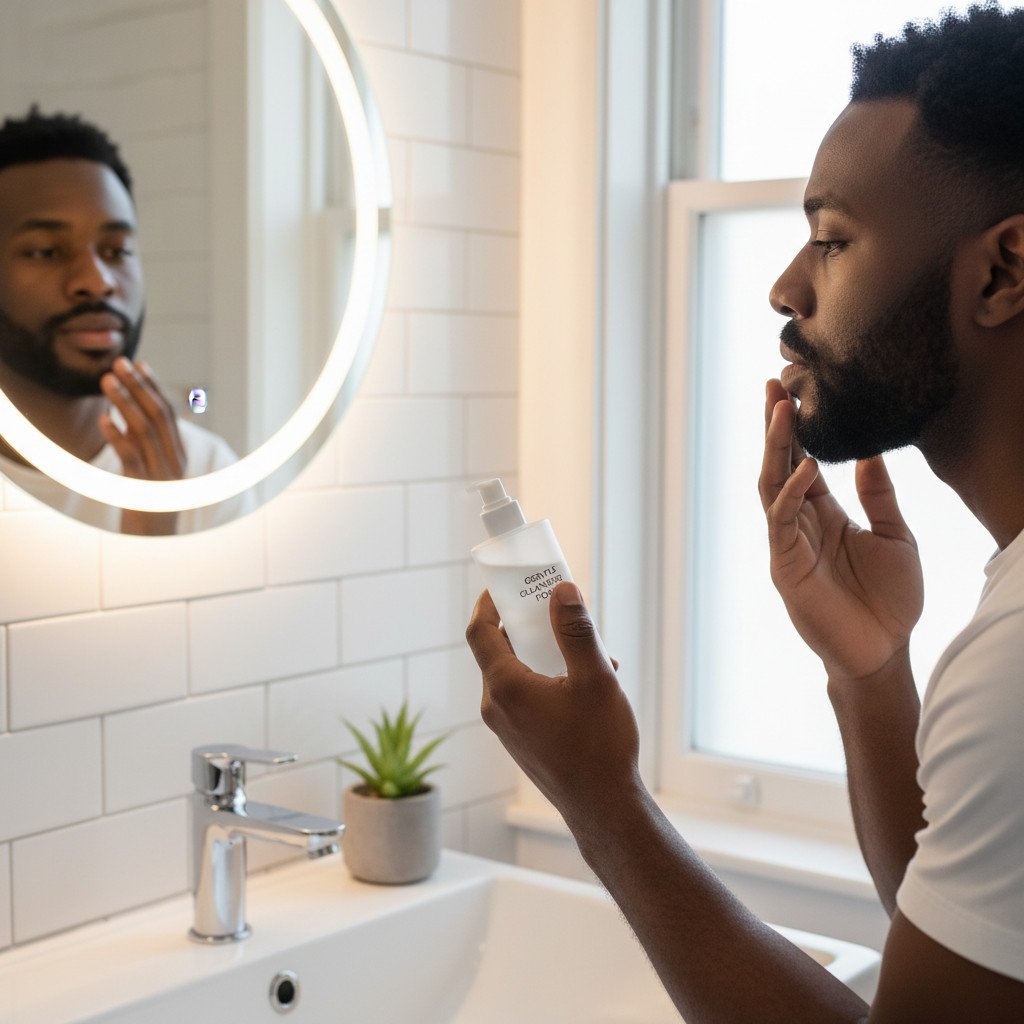
Begin your day by washing your face with a gentle face cleanser. Choose a sulfate-free, non-comedogenic formula that cleanses without stripping your skin’s natural moisture barrier. Use lukewarm water and your fingertips, massaging in gentle, circular motions for about 30-60 seconds. Rinse thoroughly and pat your skin dry with a clean, soft towel. This step removes impurities and prepares your skin for subsequent treatments without causing further irritation. A clean canvas is essential for effective treatment.
Step 2: Hydration and Protection (Daily)
Apply a lightweight, non-comedogenic moisturizer immediately after cleansing to lock in hydration. Follow with a broad-spectrum sunscreen with at least SPF 30, even on cloudy days. Sun protection is crucial for preventing post-inflammatory hyperpigmentation from worsening or becoming more persistent. Hydrated skin is more resilient and heals faster, while sunscreen actively works to prevent dark spots from forming or deepening. This dual approach safeguards your skin’s recovery and long-term appearance. Do not skip this step, as sun exposure is a major contributor to lingering dark marks.
Step 3: Spot Treatment (Optional, as needed)
If you have particularly stubborn or inflamed ingrown hairs, you may apply a very thin layer of a targeted spot treatment containing ingredients like salicylic acid (2%) or benzoyl peroxide (2.5%). Apply only to the affected area, not all over your face. Use sparingly to avoid excessive dryness or irritation. This step provides concentrated action on specific problem areas, accelerating the healing process. However, if your skin is very sensitive, you may opt to skip this step in the morning and focus on the PM treatment.
PM Routine
The evening routine is where the primary treatment for ingrown hairs takes place. It focuses on exfoliation, inflammation reduction, and deep hydration while your skin regenerates overnight. This is the most intensive part of your 7-day plan, designed to actively address and resolve ingrown hairs. Dedicate time to each step, ensuring thorough application and absorption. Consistency in the PM routine is crucial for seeing significant improvement.
Step 1: Double Cleansing (Daily)
Start with a double cleanse to thoroughly remove sunscreen, pollutants, and any accumulated oils from the day. First, use an oil-based cleanser or micellar water to break down makeup and SPF. Follow with your gentle face cleanser from the AM routine. This ensures your skin is impeccably clean, allowing subsequent treatments to penetrate effectively. A clean base is essential for maximum product efficacy. This thorough cleansing prevents clogged pores, a common precursor to ingrown hairs.
Step 2: Targeted Treatment (Daily)
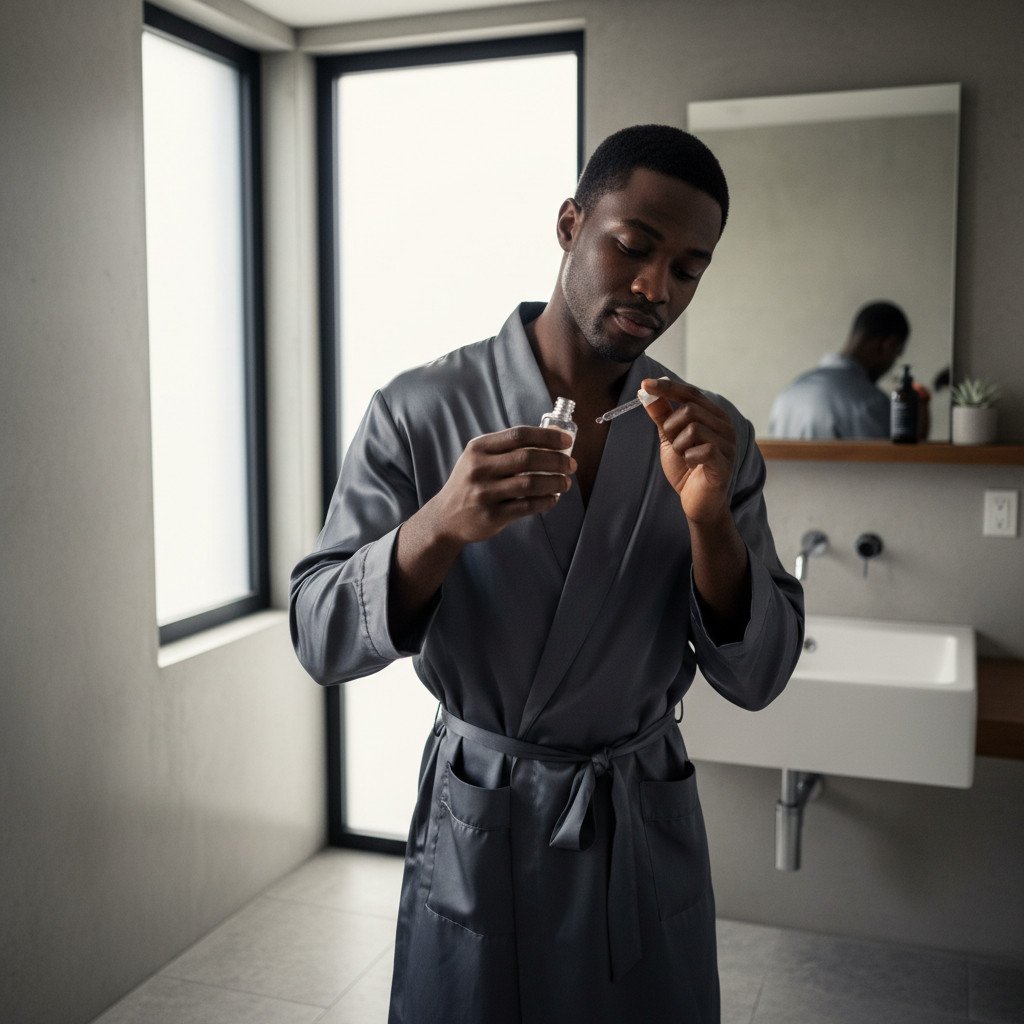
After cleansing and patting dry, apply a salicylic acid treatment (BHA) or an alpha hydroxy acid (AHA) serum. Salicylic acid is oil-soluble, allowing it to penetrate deeper into the pores to exfoliate from within, helping to free trapped hairs and reduce inflammation. AHAs like glycolic or lactic acid exfoliate the skin’s surface, promoting cell turnover. Start with a lower concentration (e.g., 2% salicylic acid or 5-8% AHA) and apply a thin layer to the affected areas. Use this consistently every night for 7 days. This step is critical for gently encouraging the ingrown hair to emerge. Be mindful of any irritation and adjust frequency if needed.
Step 3: Barrier Repair and Hydration (Daily)
Follow your treatment with a rich, nourishing barrier repair moisturizer. Look for ingredients like ceramides, hyaluronic acid, and niacinamide, which help to restore and strengthen the skin barrier. This step is vital because exfoliating treatments can sometimes lead to dryness or irritation. A robust skin barrier is essential for healing and preventing further inflammation. Adequate hydration also makes the skin more pliable, allowing hairs to grow out more easily. This moisturizer should be non-comedogenic to avoid clogging pores. Ensure the moisturizer is fully absorbed before lying down to prevent transfer to your pillow. This final step seals in moisture and supports the skin’s overnight repair processes.
Beyond 7 days: Maintenance and Prevention
After the initial 7-day intensive treatment, transition to a maintenance routine to prevent future ingrown hairs. Continue with gentle cleansing, daily hydration, and consistent sun protection. Incorporate your salicylic acid or AHA treatment 2-3 times a week, or as needed, to keep pores clear and prevent hair from becoming trapped. Regular, gentle exfoliation is key to long-term prevention. Consider using a soft-bristled brush or an exfoliating cloth a few times a week to manually lift hairs and remove dead skin cells, but always be gentle, especially if you have sensitive skin. Never scrub aggressively, as this can worsen the problem. For more advanced prevention strategies, consider exploring hyperpigmentation in Black men, as prevention of ingrown hairs directly impacts the prevention of dark spots.
Re-evaluate your shaving technique. If you’re still shaving, ensure you’re using a sharp blade, shaving with the grain, and avoiding excessive pressure. Consider switching to an electric shaver designed for sensitive skin or a single-blade safety razor, which can reduce the closeness of the shave and minimize irritation. For those who prefer a clean shave, experimenting with different razor types and shaving creams can make a significant difference. Always use a quality pre-shave oil or cream to soften the hair and create a protective barrier. Post-shave, apply a soothing, alcohol-free balm to calm the skin. Consistent attention to these details will drastically reduce the incidence of ingrown hairs and maintain clear, healthy skin. This holistic approach ensures that you’re not just treating symptoms but addressing the root causes. Prevention is always more effective than cure, especially when it comes to persistent skin issues. By integrating these practices, you establish a sustainable routine that supports long-term skin health and clarity.
When to stop DIY and see a dermatologist
While many ingrown hairs can be managed at home, there are clear indicators that professional medical attention is required. Ignoring these signs can lead to more serious complications, including severe infection, extensive scarring, and permanent hyperpigmentation. Knowing when to escalate your care is a sign of responsible self-management. A dermatologist can provide advanced treatments and accurate diagnoses for persistent or severe cases. Do not hesitate to seek expert advice if your condition worsens or fails to improve with consistent home care. Your skin’s health is paramount, and professional intervention can prevent long-term damage.
Clear red flags indicating a need for professional help:
- Pus-filled bumps: If an ingrown hair develops into a large, painful, pus-filled lesion, it could be a sign of a bacterial infection. This requires medical evaluation and potentially prescription antibiotics, either topical or oral. Do not attempt to pop or drain these yourself, as this can spread the infection and lead to scarring.
- Spreading redness and warmth: If the redness around an ingrown hair begins to spread rapidly, feels warm to the touch, and is accompanied by increasing pain, it may indicate cellulitis, a serious skin infection. This requires immediate medical attention to prevent it from spreading further into deeper tissues.
- Severe pain or tenderness: While some discomfort is normal, severe, throbbing pain that interferes with daily activities is a red flag. This level of pain suggests significant inflammation or infection that needs professional assessment and management.
- Fever or flu-like symptoms: If you develop a fever, chills, body aches, or other flu-like symptoms in conjunction with an ingrown hair, it could mean the infection has entered your bloodstream. This is a medical emergency and requires immediate attention.
- Recurring cyst-like bumps: If you consistently develop deep, painful, cyst-like bumps that don’t resolve with home treatment, or if they leave significant scars, you may be experiencing a more severe form of pseudofolliculitis barbae or even a different condition entirely. A dermatologist can diagnose and offer advanced treatments like topical steroids, oral retinoids, or even laser hair removal.
- Ingrown hairs in sensitive or widespread areas: If ingrown hairs are appearing in very sensitive areas (e.g., groin, armpits) and are particularly painful, or if they are widespread across large areas of your body, a dermatologist can offer more comprehensive solutions and identify underlying causes.
- No improvement after consistent home treatment: If you’ve diligently followed an at-home treatment plan for several weeks and see no significant improvement, or if the condition continues to worsen, it’s time to consult a dermatologist. They can offer stronger prescription-strength treatments or in-office procedures.
A dermatologist can offer a range of professional treatments, including prescription-strength topical creams (e.g., retinoids, stronger corticosteroids), oral antibiotics for infection, or procedures to extract stubborn ingrown hairs safely. They can also discuss long-term solutions like laser hair removal, which can permanently reduce hair growth and is highly effective for preventing ingrown hairs in Black men. Do not underestimate the value of a professional opinion, especially when dealing with persistent or severe skin conditions. Early intervention can prevent long-term damage and improve your quality of life. For concerns about the lasting effects of ingrown hairs, particularly dark spots, consider reading our detailed article on dark spots in Black men.
Table: Ingrown stage → what to do → what not to do
| Stage | Do | Avoid | Expected Timeline |
|---|---|---|---|
| Early Stage (Small, red bump, hair visible) | Gently cleanse. Apply warm compress for 5-10 min. Apply salicylic acid/AHA treatment. Moisturize. | Picking, squeezing, harsh scrubbing. Shaving over the bump. | 3-5 days to resolve or hair to emerge. |
| Inflamed Stage (Red, painful, no pus, hair trapped) | Continue gentle cleansing. Apply soothing anti-inflammatory cream (e.g., hydrocortisone 1%). Warm compress. Salicylic acid/AHA. | Aggressive exfoliation. Attempting to extract hair with tweezers. | 5-7 days for inflammation to reduce. |
| Infected Stage (Pus-filled, very painful, spreading redness) | See a dermatologist immediately. Keep clean. Apply warm compress. | Popping, squeezing. Applying harsh chemicals. | Requires medical intervention; timeline varies. |
| Post-Inflammation (Bump resolved, dark spot remains) | Continue gentle cleansing & moisturizing. Apply sunscreen daily. Use brightening serums (e.g., niacinamide, Vitamin C). | Sun exposure without protection. Picking at the dark spot. | Weeks to months for dark spot to fade. |
Frequently Asked Questions
Here are some common questions regarding ingrown hairs and their management, providing practical answers to help you navigate this common grooming challenge.
Next reads: For further mastery of your grooming routine, delve into our comprehensive guide on razor bumps, understand the nuances of hyperpigmentation, and refine your post-shave care.
Final Thoughts
Managing ingrown hairs is an ongoing commitment, not a one-time fix. For Black men, this commitment is particularly important due to genetic predispositions and the potential for lasting hyperpigmentation. By understanding the distinction between ingrown hairs and razor bumps, adhering to a consistent, gentle treatment plan, and knowing when to seek professional help, you can maintain clear, healthy skin. Your grooming routine is an investment in your appearance and confidence.
Embrace the discipline required for prevention and treatment. Avoid the common pitfalls of picking and aggressive shaving, which only exacerbate the problem. Instead, empower yourself with knowledge and consistent action. Your skin will respond to this respectful, informed approach, rewarding you with a smoother, more even complexion. This journey is about mastering your grooming, elevating your self-care, and presenting your best self, free from the irritation and aesthetic concerns of ingrown hairs.
Frequently Asked Questions
What is the best way to prevent ingrown hairs for Black men?
Prevention involves a multi-faceted approach. Key steps include using a sharp, single-blade razor or electric shaver, shaving with the grain, avoiding overly close shaves, and incorporating regular, gentle exfoliation. A consistent pre-shave and post-shave routine with hydrating, soothing products is also crucial. Consider chemical exfoliants like salicylic acid a few times a week.
Can I shave if I have active ingrown hairs?
It is strongly advised to avoid close shaving over active ingrown hairs. Shaving can further irritate the inflamed skin, spread bacteria, and prevent the trapped hair from emerging. If you must groom, use an electric trimmer that leaves a slight stubble, or consider taking a temporary break from shaving until the bumps have subsided. This allows the skin to heal and reduces further trauma.
How long does it take for ingrown hairs to go away?
With consistent and proper at-home treatment, most mild to moderate ingrown hairs can resolve within 3 to 7 days. However, more stubborn or inflamed ingrowns might take longer, potentially up to two weeks. Post-inflammatory hyperpigmentation (dark spots) left behind can take weeks to months to fade completely, emphasizing the importance of sun protection and targeted brightening treatments.
Will picking an ingrown hair make it worse?
Yes, picking, squeezing, or digging at an ingrown hair will almost certainly make it worse. This action introduces bacteria, increases inflammation, and significantly raises the risk of infection, scarring, and persistent dark spots. It can also push the hair deeper into the skin, prolonging the issue. Always resist the urge to pick and follow a gentle treatment plan instead.
Are ingrown hairs and razor bumps the same thing?
While often used interchangeably, they are distinct. Razor bumps are a specific type of ingrown hair caused directly by shaving, where the cut hair curls back into the skin. Ingrown hairs can result from shaving, waxing, plucking, or even friction, and refer to any hair trapped beneath the skin. All razor bumps are ingrown hairs, but not all ingrown hairs are razor bumps.
When should I see a dermatologist for ingrown hairs?
You should see a dermatologist if your ingrown hairs are persistent, severe, or show signs of infection such as pus, spreading redness, severe pain, or warmth. Also, seek professional help if you develop fever, recurring cyst-like bumps, or if home treatments yield no improvement after several weeks. A dermatologist can offer prescription treatments or procedures like laser hair removal.
Can laser hair removal help with ingrown hairs?
Yes, laser hair removal is a highly effective long-term solution for preventing ingrown hairs, especially for Black men. It works by targeting and destroying the hair follicle, significantly reducing or eliminating hair growth. This prevents hairs from growing back and becoming trapped under the skin. Multiple sessions are typically required for optimal and lasting results.
Shop gentle face cleanser on Amazon
Shop salicylic acid treatment on Amazon
Shop barrier repair moisturizer on Amazon