
How Often Should Black Men Shave? The Schedule That Prevents Razor Bumps
For Black men, shaving is not merely a routine; it’s a strategic act. The frequency with which you shave directly impacts the health and appearance of your skin, particularly concerning razor bumps, medically known as Pseudofolliculitis Barbae (PFB). This condition arises when coarse, curly hairs, common in men of African descent, curl back into the skin after being cut, causing inflammation, irritation, and sometimes infection. Understanding the optimal shaving schedule is paramount to achieving a smooth, clear complexion without the constant battle against these painful and unsightly blemishes.
The quest for a clean shave often clashes with the reality of sensitive skin and the natural growth pattern of Black men’s hair. Aggressive shaving, or shaving too frequently without proper technique, exacerbates the problem, leading to a cycle of irritation and regrowth issues. This guide cuts through the noise, offering direct, actionable advice rooted in both barbershop wisdom and dermatological understanding. We will explore how different shaving frequencies can either mitigate or trigger razor bumps, and provide tailored schedules designed to protect your skin while maintaining a sharp appearance.
Achieving a smooth, bump-free shave is a cornerstone of self-mastery. It requires discipline, the right tools, and a deep understanding of your own skin and hair. This comprehensive approach will empower you to take control of your grooming routine, transforming shaving from a chore into a ritual that enhances your confidence and skin health. For a deeper dive into preventing and treating this common issue, explore our pillar content on Razor bumps for Black men.
Shaving frequency is a razor bump trigger most men ignore
Many men focus solely on the shaving tool or the product, overlooking one of the most critical variables: how often the blade touches their skin. The frequency of shaving is a primary determinant of whether your skin will remain smooth or erupt in painful bumps. Each pass of a razor, regardless of its sharpness or quality, creates micro-traumas on the skin’s surface and cuts the hair at an angle that can facilitate ingrowth. For Black men, whose hair follicles are often curved, cutting the hair too short or too frequently increases the likelihood of the hair retracting beneath the skin’s surface and growing inwards, leading to PFB.
The skin needs time to heal and for hair to grow out sufficiently before the next shave. When you shave daily, or even every other day, you are constantly disrupting this natural process. This constant irritation prevents the skin from recovering, leading to chronic inflammation and a persistent cycle of razor bumps. Furthermore, frequent shaving can strip the skin of its natural oils, leading to dryness and increased sensitivity, which further compounds the problem. It’s a common misconception that shaving more often leads to a smoother, cleaner look; for many Black men, the opposite is true, as it often results in a perpetually irritated and bumpy complexion.
Understanding this critical link between shaving frequency and razor bump formation is the first step toward a more effective grooming strategy. It’s not about abandoning shaving entirely, but about adopting a mindful approach that respects your skin’s biology. By adjusting your shaving schedule, you can significantly reduce the incidence of PFB, allowing your skin to heal and your hair to grow in a healthier pattern. This strategic adjustment is often more impactful than any single product or technique, providing a sustainable solution to a long-standing challenge. It’s about working with your body, not against it, to achieve lasting skin health and a consistently refined appearance.
The biological basis of shaving frequency and PFB
The root cause of PFB lies in the unique structure of curly hair follicles. When a straight hair is cut, it grows straight out. When a curly hair is cut, especially very short and at an angle, the sharp tip can easily penetrate the skin’s surface as it regrows, acting like a tiny spear. The body then recognizes this ingrown hair as a foreign object, triggering an inflammatory response that manifests as red, itchy, and often pus-filled bumps. Each shave, particularly with multi-blade razors that pull the hair before cutting it below the skin’s surface, can exacerbate this process.
The frequency of shaving directly influences the length of the hair when it’s cut. Shaving daily means you’re cutting very short hairs, increasing the chance of them retracting and ingrowing. Allowing hair to grow slightly longer before shaving provides a less acute angle for the hair tip, making it less likely to re-enter the skin. This principle is fundamental to preventing PFB. Moreover, the constant mechanical exfoliation from daily shaving can compromise the skin’s natural barrier, making it more susceptible to irritation and infection. This barrier protects against environmental aggressors and maintains hydration; its disruption can lead to increased sensitivity and a heightened inflammatory response.
Therefore, a deliberate reduction in shaving frequency is not a sign of neglect but a calculated move towards healthier skin. It allows the skin to repair itself, reduces chronic inflammation, and gives the hair enough length to grow outwards rather than inwards. This approach requires patience and a shift in perspective from the traditional daily shave. It emphasizes quality over quantity, focusing on effective, less frequent shaves that prioritize skin health. By understanding and respecting these biological realities, Black men can transform their shaving experience, moving from a battle against bumps to a routine that promotes clear, smooth skin.
The psychological impact of chronic razor bumps
Beyond the physical discomfort, chronic razor bumps carry a significant psychological burden. The constant presence of irritated, discolored skin can erode self-confidence and impact social interactions. Many Black men report feeling self-conscious about their appearance, leading to avoidance of social situations or a constant effort to conceal the bumps. This can affect professional opportunities, personal relationships, and overall quality of life. The frustration of trying countless products and techniques without lasting success only adds to this distress, creating a cycle of hope and disappointment.
The visible nature of razor bumps means they are often the first thing people notice, leading to unwanted questions or assumptions. This can be particularly challenging in professional environments where a polished appearance is often expected. The emotional toll of dealing with persistent PFB can manifest as anxiety, stress, and even depression. It’s not just about vanity; it’s about feeling comfortable and confident in one’s own skin. The desire for clear skin is deeply tied to self-perception and how one navigates the world.
By addressing shaving frequency as a primary trigger, we offer a path not just to clearer skin, but to renewed self-esteem. When the physical discomfort and visible signs of PFB diminish, men often experience a profound improvement in their mental well-being. This renewed confidence allows them to engage more fully in their lives, unburdened by the constant worry about their skin. The journey to a bump-free shave is therefore also a journey to greater self-acceptance and empowerment, reinforcing the idea that thoughtful grooming is an integral part of holistic self-care. It underscores the importance of a comprehensive approach that considers both the physical and psychological dimensions of grooming.
The best shaving schedule based on your bump level
Tailoring your shaving schedule to your specific skin sensitivity and propensity for razor bumps is the most effective strategy for prevention. There is no universal ‘best’ frequency; it depends entirely on how your skin reacts. Identifying your ‘bump level’ is the first critical step. This involves honestly assessing the severity and frequency of your razor bumps. Are they a constant, painful presence, or do they appear only occasionally after an aggressive shave? Your answer will dictate the most appropriate and sustainable shaving regimen. This personalized approach moves beyond generic advice, offering a pathway to consistent skin health.
The goal is to find the sweet spot where you maintain a well-groomed appearance without irritating your skin. For some, this might mean shaving only once a week, while for others, a more frequent, yet gentle, approach is possible. The key is observation and adaptation. Pay close attention to how your skin responds to different frequencies. Does shaving every three days lead to fewer bumps than every two? Does a full week without a blade allow your skin to fully recover? This iterative process of adjustment and monitoring is essential for discovering your optimal rhythm. Remember, consistency in your chosen schedule, once identified, is crucial for long-term success.
This section will break down recommended shaving frequencies based on three distinct bump levels: Severe, Moderate, and Mild. Each level comes with specific guidance, not just on how often to shave, but also on the type of tools and techniques that complement that frequency. This structured approach provides a clear roadmap, empowering you to make informed decisions about your grooming routine. It’s about creating a sustainable practice that minimizes irritation and maximizes skin health, allowing you to present your best self, confidently and comfortably.
Severe Bump Level: Chronic PFB, frequent inflammation, painful cysts
If you experience severe razor bumps, characterized by chronic inflammation, frequent painful cysts, hyperpigmentation, and widespread irritation, your skin is telling you it needs a significant break from traditional shaving. This level of PFB indicates a high sensitivity to blade contact and a strong tendency for hair to ingrow. For men in this category, the priority is healing and breaking the cycle of inflammation. Aggressive daily or even every-other-day shaving is actively harming your skin, preventing it from ever fully recovering. It’s a constant battle that your skin is losing, leading to worsening conditions over time.
Do this first: Stop shaving with a razor entirely for at least 2-4 weeks. This is not a suggestion; it is a necessity. This period allows existing bumps to heal, reduces inflammation, and gives ingrown hairs a chance to grow out naturally. During this time, you can maintain a neat appearance using an electric trimmer set to a guard that leaves a slight stubble, ensuring the hair is not cut below the skin’s surface. This gentle approach provides a much-needed respite for your skin, allowing it to begin the healing process. Consult a dermatologist if you have pus-filled, painful, or infected bumps, as these may require medical intervention.
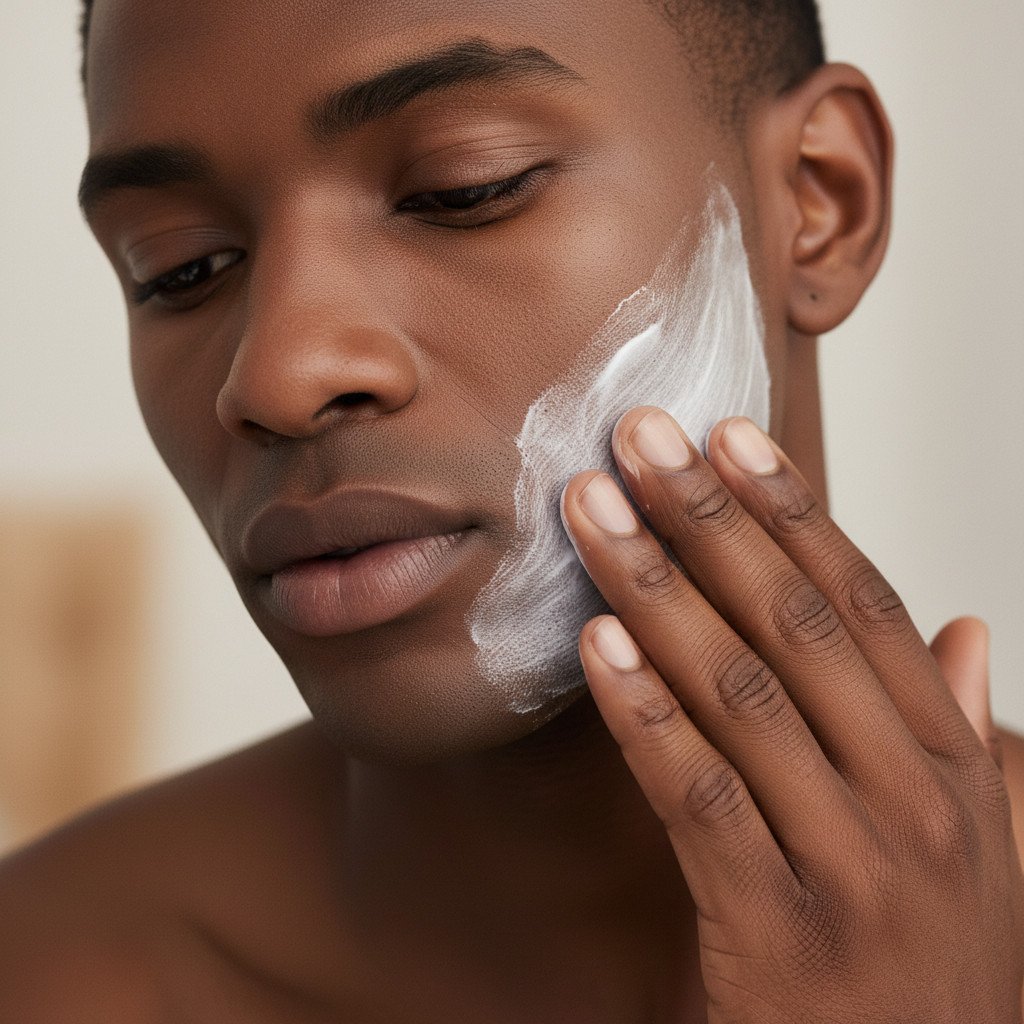
Once your skin has significantly healed and the inflammation has subsided, you can gradually reintroduce shaving, but with extreme caution and a very conservative schedule. Shave no more than once a week, or ideally, every 7-10 days. This extended interval allows hair to grow sufficiently long to prevent ingrowth and gives your skin ample time to recover between sessions. When you do shave, consider using a single-blade safety razor or an electric shaver designed for sensitive skin, always shaving with the grain. The objective is to minimize irritation and avoid cutting the hair too short. This frequency is about prioritizing skin health above all else, recognizing that a clear, healthy complexion is more valuable than a perfectly smooth, daily shave. Consistency with this reduced frequency is paramount for long-term success, as any deviation can quickly revert your progress.
Moderate Bump Level: Occasional bumps, mild irritation, some hyperpigmentation
For those with a moderate bump level, you might experience razor bumps regularly, but they may not be as severe or widespread as chronic PFB. You might notice bumps appearing after shaving too closely, or when you deviate from your usual routine. Mild irritation and some post-inflammatory hyperpigmentation are common indicators. Your skin is sensitive, but with careful management, you can significantly reduce the incidence of bumps. The goal here is to find a balance between maintaining a clean-shaven look and preventing irritation, without needing a complete cessation of shaving.
Do this first: Evaluate your current shaving technique and tools. Often, moderate bumps are a sign that your technique is too aggressive, or your tools are not suited for your skin type. Consider switching to a single-blade safety razor, a high-quality electric shaver, or a barber’s straight razor handled by an experienced professional. Ensure you are always shaving with the grain and using a rich, lubricating shave cream. This initial assessment helps identify and correct immediate triggers before adjusting frequency. A thorough pre-shave routine, including warm water and a gentle exfoliant, can also make a significant difference in preparing the skin and hair for a less irritating shave.
Once your technique and tools are optimized, aim to shave every 2-3 days. This frequency provides a good balance, allowing hair to grow out slightly before the next shave, reducing the likelihood of ingrowth. It also gives your skin enough time to recover from the minor stresses of shaving. On non-shaving days, focus on moisturizing and protecting your skin. If you find bumps still appearing, extend the interval to every 3-4 days. The key is to listen to your skin and adjust accordingly. This moderate schedule allows for a consistently groomed appearance while actively working to reduce and prevent razor bumps. Consistency in this schedule, combined with meticulous technique, will lead to noticeable improvements in skin clarity and comfort.
Mild Bump Level: Infrequent, small bumps, minimal irritation
If your experience with razor bumps is mild, characterized by infrequent, small bumps that clear up quickly, and minimal irritation, you are in a more fortunate position. This usually means your skin is relatively resilient, but still susceptible to irritation under certain conditions. Your primary goal is to prevent these occasional bumps from becoming a more persistent problem. This level often indicates that while your skin can tolerate shaving, there might be specific triggers, such as an aggressive shave, dull blades, or improper post-shave care, that lead to the occasional flare-up. You have more flexibility but still need to be mindful.
As an affiliate site, GFBM may earn from qualifying purchases through product links.
Do this first: Ensure your pre-shave and post-shave routines are impeccable. For mild cases, prevention often lies in meticulous preparation and aftercare. Always use a warm compress or shower to soften hair and open pores. Apply a high-quality pre-shave oil to create a protective barrier. After shaving, immediately apply a soothing post-shave balm to calm the skin and reduce inflammation. These steps are often enough to prevent the infrequent bumps you experience. Consistency in these routines is crucial, as even minor deviations can sometimes trigger a mild reaction. Consider incorporating a gentle exfoliant a few times a week to keep pores clear and prevent hair from getting trapped.
With a robust routine in place, you can generally shave every 1-2 days. This frequency allows for a consistently smooth appearance without over-stressing your skin. However, pay close attention to your skin’s reaction. If you notice any signs of irritation or the appearance of bumps, take a day off from shaving or extend the interval slightly. Using a fresh, sharp blade for every shave (or every other shave for cartridge razors) is also critical to minimize tugging and pulling, which can lead to irritation. The flexibility at this level means you can adjust based on your skin’s immediate needs, always prioritizing comfort and clarity. This proactive approach ensures that mild bumps remain an occasional nuisance rather than a recurring problem, allowing you to enjoy the benefits of frequent shaving without the associated drawbacks.
What to do between shaves (so you still look sharp)
Maintaining a sharp, well-groomed appearance between shaves is crucial, especially when you’ve adopted a less frequent shaving schedule to combat razor bumps. The goal is to look intentional and refined, not unkempt. This involves a strategic approach to managing facial hair growth and skin health on non-shaving days. It’s about extending the benefits of your shave and ensuring your skin remains in optimal condition, ready for the next gentle blade pass. These steps are designed to complement your shaving routine, providing continuous care and maintaining a polished aesthetic.
The period between shaves is not merely a waiting game; it’s an active phase of your grooming regimen. This is when you focus on nurturing your skin, preventing potential ingrown hairs, and keeping your facial hair neat. Neglecting this crucial interval can undermine the benefits of your carefully planned shaving schedule, leading to new irritations or an unkempt appearance. By integrating these practices, you ensure that your commitment to preventing razor bumps doesn’t compromise your overall style. It’s about holistic grooming that supports both skin health and aesthetic appeal, ensuring you always present your best self.
These practices are particularly important for Black men, whose hair texture and skin type benefit immensely from consistent, gentle care. They help manage the unique challenges of curly hair regrowth and maintain the skin’s natural barrier. By adopting these between-shave habits, you reinforce your commitment to a bump-free future and a consistently sharp look. It’s a testament to the fact that effective grooming is a continuous process, not just a once-a-week event. This proactive approach ensures that your skin remains calm and clear, and your appearance remains impeccable, regardless of your shaving frequency.
- Trim and Edge with Precision: Even if you’re not shaving your entire face, keeping your beard lines, mustache, and neck clean is essential. Use a high-quality electric trimmer with various guard lengths to maintain a consistent stubble or beard length. This allows you to define your look without cutting hair below the skin’s surface, which is the primary cause of razor bumps. Focus on crisp lines around your cheeks, neck, and jawline to maintain a polished appearance. A well-defined edge can make a short stubble look intentional and refined, rather than simply unshaven.
- Cleanse and Moisturize Daily: Regardless of your shaving frequency, daily cleansing and moisturizing are non-negotiable. Use a gentle, sulfate-free cleanser to remove dirt, oil, and dead skin cells. Follow immediately with a non-comedogenic moisturizer to keep your skin hydrated and supple. This helps prevent dryness, reduces irritation, and keeps the skin barrier healthy, making it more resilient to future shaves. Hydrated skin is less prone to inflammation and provides a better canvas for hair growth, reducing the likelihood of ingrown hairs.
- Exfoliate Gently (1-2 times a week): Incorporate a chemical exfoliant, such as an alpha hydroxy acid (AHA) or beta hydroxy acid (BHA) serum, 1-2 times a week. These ingredients help to gently remove dead skin cells that can trap hair, preventing ingrown hairs and promoting smoother skin texture. Unlike harsh physical scrubs, chemical exfoliants work by dissolving the bonds between dead skin cells, minimizing mechanical irritation. This step is crucial for keeping pores clear and ensuring hair grows outwards, not inwards. Be mindful not to over-exfoliate, as this can lead to irritation.
- Soothe and Protect: On days you don’t shave, especially if you’ve recently shaved or are prone to irritation, apply a soothing, anti-inflammatory serum or post-shave balm. Look for ingredients like aloe vera, chamomile, or niacinamide, which calm the skin and reduce redness. If you spend time outdoors, always apply a broad-spectrum sunscreen with at least SPF 30. Sun protection is vital for preventing post-inflammatory hyperpigmentation (dark spots) that can result from razor bumps and irritation. This protective layer ensures your skin is shielded from environmental stressors, maintaining its health and even tone.
Table: Your job/grooming standard → best approach
| Situation | Best Schedule | Best Tool | Notes |
|---|---|---|---|
| Corporate/Professional (Clean-shaven required) | Every 2-3 days (Moderate PFB) or Every 1-2 days (Mild PFB) | Single-blade safety razor or high-quality electric shaver | Prioritize pre-shave prep & post-shave care. Consider a professional barber for neck/cheek lines between shaves. If PFB is severe, discuss alternatives with HR or opt for a very close trim. |
| Creative/Flexible Work (Stubble acceptable) | Every 3-4 days (Moderate PFB) or Once a week (Severe PFB) | Electric trimmer with guard (0.5mm-1.5mm) | Maintain defined lines with the trimmer. Focus on healthy skin with daily cleansing and moisturizing. Stubble can be a stylish and skin-friendly option. |
| Minimalist/Low Maintenance (Beard preferred) | Once a week (for neck/cheek lines) or as needed | Electric trimmer for shaping, single-blade razor for crisp lines | Focus on beard care: washing, conditioning, and oiling. Only shave areas outside the beard line. This minimizes razor contact significantly. |
| Athletic/Active Lifestyle (Sweat-prone) | Every 3-4 days (Moderate PFB) or Once a week (Severe PFB) | Electric shaver or single-blade safety razor | Cleanse thoroughly after workouts. Prevent sweat/bacteria buildup. Consider anti-chafing balm if prone to irritation from friction. |
| Sensitive Skin/Acne-prone (High irritation risk) | Once a week (Severe PFB) or Every 3-5 days (Moderate PFB) | Electric shaver with foil head or single-blade safety razor | Use non-comedogenic products. Avoid aggressive scrubbing. Consult a dermatologist for persistent acne alongside PFB. |
Frequently Asked Questions
Here are some common questions about shaving frequency and razor bumps for Black men, with detailed answers to guide your grooming journey.
What is the absolute minimum time I should wait between shaves if I get razor bumps?
If you are prone to razor bumps, the absolute minimum time you should wait between shaves is 48 hours, or every other day. This allows the hair to grow out slightly above the skin’s surface, making it less likely to curl back and ingrow. For severe cases, extending this to 3-4 days, or even a full week, is often necessary to allow the skin to heal completely and prevent further irritation. Always prioritize skin health over the desire for a perfectly smooth shave.
Can shaving against the grain cause more razor bumps, regardless of frequency?
Yes, shaving against the grain is a significant trigger for razor bumps, especially for Black men with curly hair, regardless of shaving frequency. Shaving against the grain cuts the hair much shorter and at a sharper angle, increasing the likelihood of the hair retracting below the skin’s surface and growing inwards. Always shave with the grain, or in the direction of hair growth, to minimize irritation and reduce the risk of PFB. This technique, combined with proper frequency, forms the cornerstone of bump prevention.
Is an electric shaver better than a blade for preventing razor bumps?
For many Black men, an electric shaver can be a better option than a multi-blade cartridge razor for preventing razor bumps. Electric shavers, particularly foil shavers, cut the hair slightly above the skin’s surface, reducing the chance of ingrown hairs compared to blades that cut below the surface. However, not all electric shavers are created equal, and some can still cause irritation if used incorrectly or too aggressively. A single-blade safety razor, when used with proper technique, can also be highly effective, as it only makes one pass and doesn’t pull the hair before cutting.
How does diet and hydration affect razor bumps and shaving frequency?
Diet and hydration play a supportive role in overall skin health, which indirectly affects razor bumps. A diet rich in anti-inflammatory foods (fruits, vegetables, omega-3s) and adequate hydration can promote healthier skin, making it more resilient to irritation. Well-hydrated skin is more pliable and less prone to dryness, which can exacerbate razor bumps. While diet won’t directly prevent ingrown hairs, it contributes to a stronger skin barrier and faster healing, complementing your shaving frequency strategy. Conversely, poor diet and dehydration can compromise skin health, making it more susceptible to irritation.
What if my job requires a daily clean shave, but I get severe razor bumps?
If your job requires a daily clean shave and you suffer from severe razor bumps, this presents a significant challenge. First, consult a dermatologist to explore medical treatments for PFB. Second, discuss your condition with your employer or HR department. Many workplaces are becoming more understanding of skin conditions like PFB and may offer accommodations, such as allowing a very close trim with an electric shaver that doesn’t cut below the skin, or a short, well-maintained beard. It’s crucial to advocate for your skin health and seek professional guidance for both medical and workplace solutions.

Can I use a beard growth product if I’m trying to prevent razor bumps?
Using a beard growth product while trying to prevent razor bumps requires careful consideration. If you are growing a beard to avoid shaving altogether, then a growth product can be beneficial. However, if you are still shaving parts of your face, some growth products might irritate sensitive skin or clog pores, potentially worsening bumps. Focus on products that promote healthy hair and skin, such as beard oils and balms with natural, non-comedogenic ingredients. Always patch test new products and prioritize skin health over accelerated beard growth, especially in areas prone to PFB.
How long does it take to see improvement in razor bumps after adjusting shaving frequency?
The time it takes to see improvement in razor bumps after adjusting shaving frequency varies depending on the severity of your condition. For mild to moderate cases, you might notice a significant reduction in bumps and irritation within 2-4 weeks. Severe, chronic PFB with deep cysts and hyperpigmentation may take several months to show substantial improvement, as the skin needs time to heal and for existing ingrown hairs to resolve. Consistency is key; stick to your new schedule and routine for at least 3 months to fully assess its effectiveness and allow for proper skin recovery.
Final Thoughts
Mastering your shaving frequency is not just about avoiding razor bumps; it’s about reclaiming control over your grooming and, by extension, your confidence. For Black men, this often means challenging conventional notions of daily shaving and embracing a more strategic, skin-first approach. By understanding your unique skin and hair, and by adjusting your schedule accordingly, you can transform a source of frustration into a ritual of self-care and self-mastery. This journey requires patience, consistency, and a willingness to adapt, but the rewards—clear, healthy, and comfortable skin—are immeasurable.
Remember, your grooming routine is a reflection of your commitment to yourself. Invest in quality tools, practice meticulous technique, and, most importantly, listen to what your skin tells you. The right shaving frequency is a personalized answer, discovered through observation and dedication. Embrace this journey, and you will not only conquer razor bumps but also cultivate a deeper appreciation for your skin’s health and your refined appearance. Continue to refine your grooming knowledge with these essential reads: Razor bumps for Black men, Trimmer Routine for Razor Bumps, and Post-Shave Care for Black Men.
Frequently Asked Questions
What is the absolute minimum time I should wait between shaves if I get razor bumps?
If you are prone to razor bumps, the absolute minimum time you should wait between shaves is 48 hours, or every other day. This allows the hair to grow out slightly above the skin’s surface, making it less likely to curl back and ingrow. For severe cases, extending this to 3-4 days, or even a full week, is often necessary to allow the skin to heal completely and prevent further irritation. Always prioritize skin health over the desire for a perfectly smooth shave.
Can shaving against the grain cause more razor bumps, regardless of frequency?
Yes, shaving against the grain is a significant trigger for razor bumps, especially for Black men with curly hair, regardless of shaving frequency. Shaving against the grain cuts the hair much shorter and at a sharper angle, increasing the likelihood of the hair retracting below the skin’s surface and growing inwards. Always shave with the grain, or in the direction of hair growth, to minimize irritation and reduce the risk of PFB. This technique, combined with proper frequency, forms the cornerstone of bump prevention.
Is an electric shaver better than a blade for preventing razor bumps?
For many Black men, an electric shaver can be a better option than a multi-blade cartridge razor for preventing razor bumps. Electric shavers, particularly foil shavers, cut the hair slightly above the skin’s surface, reducing the chance of ingrown hairs compared to blades that cut below the surface. However, not all electric shavers are created equal, and some can still cause irritation if used incorrectly or too aggressively. A single-blade safety razor, when used with proper technique, can also be highly effective, as it only makes one pass and doesn’t pull the hair before cutting.
How does diet and hydration affect razor bumps and shaving frequency?
Diet and hydration play a supportive role in overall skin health, which indirectly affects razor bumps. A diet rich in anti-inflammatory foods (fruits, vegetables, omega-3s) and adequate hydration can promote healthier skin, making it more resilient to irritation. Well-hydrated skin is more pliable and less prone to dryness, which can exacerbate razor bumps. While diet won’t directly prevent ingrown hairs, it contributes to a stronger skin barrier and faster healing, complementing your shaving frequency strategy. Conversely, poor diet and dehydration can compromise skin health, making it more susceptible to irritation.
What if my job requires a daily clean shave, but I get severe razor bumps?
If your job requires a daily clean shave and you suffer from severe razor bumps, this presents a significant challenge. First, consult a dermatologist to explore medical treatments for PFB. Second, discuss your condition with your employer or HR department. Many workplaces are becoming more understanding of skin conditions like PFB and may offer accommodations, such as allowing a very close trim with an electric shaver that doesn’t cut below the skin, or a short, well-maintained beard. It’s crucial to advocate for your skin health and seek professional guidance for both medical and workplace solutions.
Can I use a beard growth product if I’m trying to prevent razor bumps?
Using a beard growth product while trying to prevent razor bumps requires careful consideration. If you are growing a beard to avoid shaving altogether, then a growth product can be beneficial. However, if you are still shaving parts of your face, some growth products might irritate sensitive skin or clog pores, potentially worsening bumps. Focus on products that promote healthy hair and skin, such as beard oils and balms with natural, non-comedogenic ingredients. Always patch test new products and prioritize skin health over accelerated beard growth, especially in areas prone to PFB.
How long does it take to see improvement in razor bumps after adjusting shaving frequency?
The time it takes to see improvement in razor bumps after adjusting shaving frequency varies depending on the severity of your condition. For mild to moderate cases, you might notice a significant reduction in bumps and irritation within 2-4 weeks. Severe, chronic PFB with deep cysts and hyperpigmentation may take several months to show substantial improvement, as the skin needs time to heal and for existing ingrown hairs to resolve. Consistency is key; stick to your new schedule and routine for at least 3 months to fully assess its effectiveness and allow for proper skin recovery.
Shop electric trimmer on Amazon
Shop post-shave balm on Amazon
Shop blotting papers on Amazon