
Patchy Beard in Black Men: What Helps, What’s Hype, and How to Style It Now
A full, dense beard is often seen as the pinnacle of masculine grooming. However, for many Black men, achieving this ideal can be a journey marked by uneven growth, bare spots, or areas where hair simply refuses to connect. This reality can be frustrating, leading some to believe a patchy beard is a sign of poor genetics or a lost cause. We’re here to tell you that’s not the full story.
Understanding the nuances of your beard growth—especially when it’s patchy—is the first step toward mastering your look. This guide cuts through the noise, offering practical strategies grounded in science and barbershop wisdom. We’ll separate effective solutions from marketing hype, empowering you to cultivate the best beard for your unique growth pattern. For a comprehensive overview of maintaining your facial hair, explore our foundational insights on Beard care for Black men.
This isn’t about shaming or quick fixes. It’s about informed action, patience, and embracing the journey. Your beard is a statement, and even with patchiness, it can be a powerful one when approached with knowledge and confidence. Let’s delve into what truly impacts beard growth for Black men and how to style it effectively.
Patchy doesn’t mean “bad genetics”—but be realistic
The notion that a patchy beard automatically equates to “bad genetics” is an oversimplification. While genetics certainly play a significant role in determining hair growth patterns, density, and texture, they are not the sole determinant. Many factors influence beard growth, and understanding these can shift your perspective from resignation to empowerment.
For Black men, hair growth patterns can be particularly diverse, ranging from very coarse and curly to softer textures. This diversity extends to facial hair, where growth can appear less uniform than in other ethnic groups. This isn’t a defect; it’s a characteristic. The key is to work with what you have, not against it.
Realism is crucial. Not everyone will grow a dense, full beard like a lumberjack. And that’s perfectly fine. The goal isn’t to force your beard into an unnatural state, but to optimize its health, encourage its best possible growth, and style it in a way that maximizes its visual impact. Confidence stems from accepting your unique growth and making the most of it.
Instead of focusing on what you perceive as lacking, shift your attention to what you can control: your grooming habits, your nutrition, and your styling techniques. These elements, when consistently applied, can significantly improve the appearance and health of your beard, even if it has patchy areas. Remember, a well-maintained patchy beard often looks better than a neglected full one.
The Genetic Blueprint: Understanding Your Hair Follicles
Your genes dictate the number of hair follicles on your face, their distribution, and the growth cycle of each hair. Some men naturally have fewer follicles in certain areas, leading to gaps. Androgen receptors, which respond to hormones like testosterone and DHT, also vary in sensitivity across different facial regions and individuals. This genetic variability is why some men grow full beards effortlessly, while others experience patchiness.
For Black men, the unique structure of hair follicles—often curved and prone to ingrown hairs—can also influence how beard hair appears. While genetics set the foundation, they don’t seal your fate entirely. Understanding this baseline allows you to set realistic expectations and focus on strategies that complement your natural growth, rather than trying to override it.
Beyond Genetics: The Role of Hormones and Age
Hormones, primarily testosterone and its derivative DHT (dihydrotestosterone), are critical drivers of beard growth. Higher levels of these hormones generally correlate with thicker, more robust facial hair. However, it’s not just about overall levels; it’s about how your individual hair follicles respond to these hormones. This sensitivity is largely genetic.
Age also plays a significant role. Beard growth often continues to mature and fill in until a man’s late 20s or even early 30s. What appears patchy in your early 20s might become significantly denser a few years down the line. Patience is a virtue when it comes to beard growth. Avoid making drastic decisions based on early growth patterns.
Lifestyle factors, discussed in detail later, can also indirectly influence hormonal balance and overall hair health. While you can’t fundamentally change your genetic predisposition, you can optimize your body’s environment to support the best possible growth your genetics allow.
4 reasons Black men experience patchiness
Patchy beard growth is a common concern, and for Black men, specific physiological and lifestyle factors can contribute to this phenomenon. Understanding these underlying causes is essential for addressing patchiness effectively. It’s rarely a single issue but rather a combination of influences.
1. Genetics and Hair Follicle Distribution
As touched upon, genetics are the primary determinant of where hair follicles are located on your face and how densely they are packed. Some men are simply predisposed to having fewer follicles in certain areas, such as the cheeks or under the jawline, leading to natural gaps. This is not a flaw; it’s just how your body is wired.
Additionally, the unique characteristics of Black men’s hair follicles—often curved and growing in a tight curl pattern—can sometimes make individual hairs appear less dense even when follicle count is high. The way the hair emerges and lays on the skin can create the illusion of patchiness, even if the actual growth potential is present. This is why proper styling and grooming are so vital.
2. Hormonal Fluctuations and Sensitivity
Testosterone and DHT are the engines of beard growth. While most men have sufficient levels of these hormones, the sensitivity of hair follicles to them varies. Some follicles are highly responsive, leading to robust growth, while others are less so, resulting in sparser areas. This sensitivity is largely genetically determined.
Significant hormonal imbalances, though less common, can also impact hair growth. However, for most men experiencing patchiness, it’s not about a lack of hormones, but rather the localized response of their follicles. As men age, hormonal profiles can subtly shift, which is why some men notice their beards filling in more completely in their late 20s and 30s.
3. Lifestyle Factors: Nutrition, Stress, and Sleep
Your body’s overall health directly impacts hair growth. A diet lacking essential vitamins and minerals can hinder the ability of hair follicles to produce strong, healthy strands. Key nutrients for hair include biotin, zinc, iron, and various B vitamins. Without these building blocks, even genetically predisposed follicles may struggle to perform optimally.
Chronic stress elevates cortisol levels, which can negatively affect hair growth cycles. Similarly, inadequate sleep deprives the body of crucial repair and regeneration time, impacting everything from hormone production to cellular health. A holistic approach to health—prioritizing balanced nutrition, stress management, and sufficient rest—creates an optimal environment for beard growth.
4. Skin Health and Ingrown Hairs
The skin beneath your beard is its foundation. Poor skin health, such as excessive dryness, inflammation, or clogged pores, can impede healthy hair growth. For Black men, the prevalence of ingrown hairs (pseudofolliculitis barbae) is a significant concern. When curly hairs grow back into the skin, they cause inflammation and can damage the follicle, potentially leading to permanent scarring and preventing future hair growth in that spot.
Improper shaving techniques, harsh grooming products, or a lack of consistent exfoliation can exacerbate these issues. Maintaining a clean, moisturized, and healthy skin environment is paramount for encouraging uninterrupted beard growth and minimizing patchiness caused by follicular damage. This is a critical area where proactive care can make a substantial difference. For more insights on preventing and treating these issues, refer to our guide on Razor bumps Black men.
What actually helps (30–90 day plan)
Addressing a patchy beard requires a strategic, consistent approach. There’s no magic pill, but a combination of dedicated grooming, nutritional support, and smart styling can significantly improve the appearance and health of your beard over 30 to 90 days. This plan focuses on what truly works, cutting through the hype.
Consistency is King: The Daily Routine
As an affiliate site, GFBM may earn from qualifying purchases through product links.
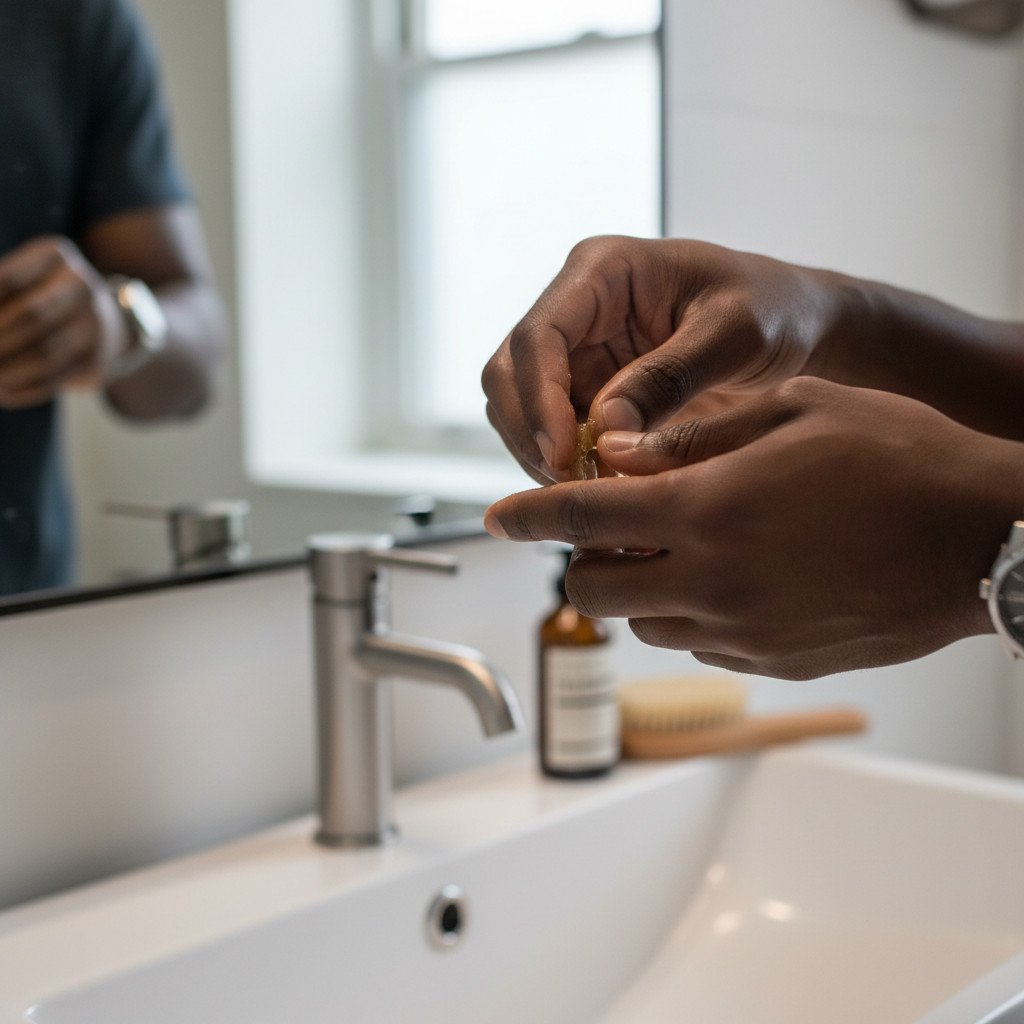
The most impactful change you can make is establishing and adhering to a consistent daily beard care routine. This isn’t just about applying products; it’s about creating an optimal environment for growth and health.
- Cleanse Daily (or every other day): Use a dedicated beard wash formulated for facial hair. Regular shampoo can strip natural oils, leading to dryness and breakage. Gently massage into your beard and the skin beneath, then rinse thoroughly. This removes dirt, dead skin cells, and product buildup without over-drying.
- Condition Regularly: Follow cleansing with a beard conditioner to soften hairs, reduce tangles, and provide essential moisture. Leave it in for a few minutes before rinsing. This is especially important for coarser, curlier textures common in Black men’s beards.
- Moisturize and Nourish: This is arguably the most crucial step. Immediately after washing and conditioning, while your beard is still damp, apply a high-quality beard oil. Work it into the hairs and down to the skin. Beard oil hydrates the hair, reduces itchiness, and nourishes the skin, creating a healthier foundation for growth. Follow with a beard balm to lock in moisture and provide light hold.
- Brush or Comb Daily: Use a beard brush or wide-tooth comb to detangle, distribute natural oils and products, and train your beard hairs to grow in a desired direction. This can help cover patchy areas and create a fuller appearance.
Do this first: Commit to this routine for at least 30 days. Observe the changes in your beard’s texture, health, and manageability. Consistency is the foundation upon which all other improvements are built.
Optimizing Your Internal Environment: Nutrition and Supplements
What you put into your body directly impacts the health and growth of your hair. A balanced diet is paramount, but certain supplements can provide an extra boost if your diet is lacking.
- Balanced Diet: Focus on whole, unprocessed foods. Include plenty of lean proteins (chicken, fish, beans), healthy fats (avocado, nuts, olive oil), and a wide array of fruits and vegetables for vitamins and minerals. These provide the building blocks for keratin, the protein that makes up hair.
- Key Nutrients for Hair Growth:
- Biotin: Found in eggs, nuts, and sweet potatoes. While often hyped, its effectiveness is most pronounced if you have a deficiency.
- Zinc: Crucial for hair tissue growth and repair. Found in red meat, shellfish, and legumes.
- Iron: Essential for oxygen transport to hair follicles. Found in spinach, lentils, and red meat.
- Vitamin D: Plays a role in hair follicle cycling. Get it from sunlight exposure or fortified foods.
- Omega-3 Fatty Acids: Support overall skin and hair health. Found in fatty fish like salmon, flaxseeds, and walnuts.
- Hydration: Drink plenty of water throughout the day. Dehydration can lead to dry, brittle hair and skin, hindering optimal growth.
- Supplements (Use with Caution): If your diet is consistently poor, a multivitamin can help fill gaps. Specific hair growth supplements exist, but their efficacy varies. Consult with a healthcare professional before starting any new supplement regimen, especially if you have underlying health conditions.
Do this first: Evaluate your current diet. Identify areas where you can incorporate more nutrient-dense foods. Aim for a minimum of 8 glasses of water daily. These are fundamental changes that yield long-term benefits.
The Barber Strategy: Shaping for Fullness
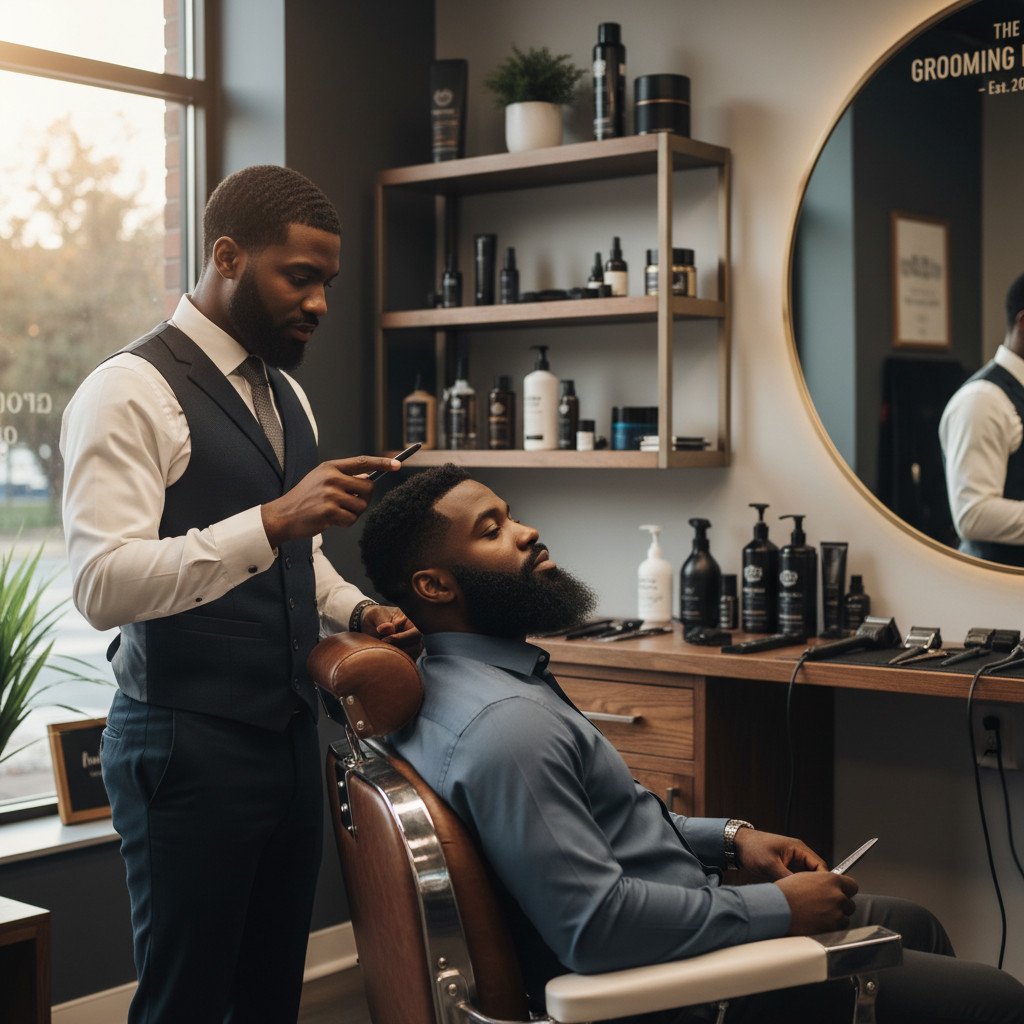
Your barber is an invaluable ally in managing a patchy beard. A skilled barber understands how to use angles, fades, and strategic trimming to create the illusion of fullness and definition, even in areas of sparse growth.
- Consultation is Key: Don’t just sit in the chair. Discuss your concerns about patchiness with your barber. Show them the areas that bother you. A good barber will offer realistic advice and suggest styles that complement your growth pattern.
- Strategic Trimming: Instead of letting a patchy beard grow wild, regular, light trims are essential. Trimming the denser areas slightly shorter can help blend them with sparser regions, creating a more uniform appearance. Your barber can also shape the cheek and neck lines precisely, which instantly makes any beard look cleaner and more intentional, drawing attention away from patchiness. For expert guidance on shaping, see our article on How to shape beard Black men.
- Fading Techniques: A skilled barber can fade the beard from denser areas into sparser ones, or from the sideburns down, to create a seamless transition. This technique is particularly effective for men with patchiness on the cheeks, as it avoids harsh lines that highlight gaps.
- Patience and Communication: It might take a few visits to find the perfect strategy. Be patient and communicate openly with your barber about what you like and dislike. They are there to help you achieve your best look.
Do this first: Find a barber who specializes in men’s grooming and has experience with diverse beard types. Schedule a consultation specifically to discuss your patchy beard concerns.
Lifestyle Adjustments: Sleep, Stress, and Exercise
Beyond diet, your overall lifestyle significantly impacts your body’s ability to grow hair. Neglecting these areas can undermine even the most diligent grooming routine.
- Prioritize Sleep: Aim for 7-9 hours of quality sleep per night. During sleep, your body repairs itself, regulates hormones, and regenerates cells—all crucial processes for healthy hair growth. Lack of sleep can disrupt these functions, potentially leading to slower or weaker hair growth.
- Manage Stress: Chronic stress elevates cortisol, a hormone that can negatively impact hair follicles and even contribute to hair loss. Incorporate stress-reducing activities into your daily routine, such as meditation, exercise, spending time in nature, or hobbies you enjoy.
- Regular Exercise: Physical activity improves blood circulation, which helps deliver essential nutrients to hair follicles. It also helps regulate hormones and reduce stress. Aim for at least 30 minutes of moderate exercise most days of the week.
- Avoid Smoking and Excessive Alcohol: Both smoking and heavy alcohol consumption can negatively impact blood circulation and nutrient absorption, hindering healthy hair growth. Reducing or eliminating these habits can have a positive effect on your overall health, including your beard.
Do this first: Identify one lifestyle area you can improve immediately—whether it’s getting an extra hour of sleep, taking a 15-minute walk, or practicing deep breathing for 5 minutes. Small, consistent changes add up.
Targeted Treatments: Minoxidil and Microneedling (Proceed with Caution)
For those seeking more aggressive intervention, minoxidil (Rogaine) and microneedling are often discussed. However, it’s crucial to approach these with realistic expectations and, ideally, professional guidance.
- Minoxidil: This topical solution is FDA-approved for hair loss on the scalp but is often used off-label for beard growth. It works by increasing blood flow to follicles and extending the anagen (growth) phase of hair. Results are not guaranteed, require consistent application (often twice daily), and can take several months to appear. Once you stop using it, any new growth may recede. Side effects can include skin irritation, dryness, and unwanted hair growth elsewhere.
- Microneedling: This involves using a device with tiny needles to create micro-injuries on the skin, stimulating collagen production and potentially activating dormant hair follicles. It’s often used in conjunction with minoxidil, as the micro-channels can enhance product absorption. Like minoxidil, results vary, and consistency is key. Proper hygiene and technique are essential to avoid infection or skin damage.
Do this first: Research these options thoroughly. Understand the commitment, potential side effects, and the fact that results are not permanent without continued use. Consult a dermatologist before starting either treatment, especially if you have sensitive skin or existing skin conditions. These are not first-line solutions for most patchy beard concerns but rather advanced considerations.
How to make a patchy beard look full today (styling)
While you work on encouraging new growth, you can immediately improve the appearance of a patchy beard through smart styling techniques. The goal is to create the illusion of density and definition, drawing attention away from sparser areas. This isn’t about hiding; it’s about enhancing.
- Let it grow, then shape: Many men with patchy beards make the mistake of trimming too early. Do this first: Allow your beard to grow for at least 4-6 weeks without significant trimming. This gives the hairs in sparser areas a chance to lengthen and potentially cover adjacent patches. Once you have some length, a skilled barber can assess your growth pattern and strategically shape it.
- Brush and comb strategically: Regular brushing with a beard brush is crucial. Use a boar bristle brush to train hairs to lie in a particular direction, which can help cover thinner spots. Brush hairs from denser areas over sparser ones. A wide-tooth comb can help detangle without pulling out precious hairs. This daily practice helps to distribute natural oils and styling products evenly, promoting a healthier and more uniform appearance.
- Define your lines: Even with patchiness, clean lines can make your beard look intentional and well-groomed. Do this first: Use a beard trimmer to create sharp cheek and neck lines. A crisp neckline, in particular, lifts the beard and gives it a more defined shape, making it appear fuller. Avoid shaving too high on the cheeks; a natural line often looks best.
- Use product for volume and hold: After applying your beard oil, follow up with a beard balm or wax. Balms provide a light hold, allowing you to sculpt and direct hairs to cover gaps. They also add a bit of volume and make the beard appear thicker. Work a small amount between your palms, then apply evenly, focusing on areas that need more coverage or shaping.
- Consider a shorter, styled look: Sometimes, trying to grow out a very patchy beard can highlight the gaps. For some, a shorter, well-maintained beard or even a stubble beard can look more intentional and stylish. A short, faded beard can create a neat, professional appearance that minimizes the visibility of patchiness. Discuss this option with your barber to find a length and style that suits your face shape and growth pattern.
The Art of Camouflage: Blending and Fading
Beyond the basic styling steps, advanced techniques like blending and fading are where a skilled barber truly shines. These methods are designed to create a seamless transition from denser to sparser areas, making patchiness less noticeable.
- Faded Sideburns: Instead of a hard line where your sideburns meet your beard, ask your barber for a fade. This gradually transitions from your head hair into your beard, creating a softer, more natural look that can visually extend the beard’s density.
- Strategic Length Variation: Your barber can leave the denser areas slightly longer and trim the sparser areas to a length that allows the longer hairs to lay over them. This creates a layered effect that adds perceived fullness.
- Edge Up with Precision: A sharp edge-up around your beard, particularly along the cheek and jawline, can frame your face and give your beard a clean, intentional look. This precision draws the eye to the overall shape rather than individual sparse spots.
Product Power: Beyond Basic Balms
While beard oil and balm are foundational, other products can further assist in styling a patchy beard for maximum impact.
- Beard Filler/Pencil: For significant gaps, some men use beard fillers or pencils. These products contain fibers or pigments that can temporarily color in sparse areas, creating the illusion of density. Choose a shade that closely matches your natural beard color and apply sparingly for a natural look. This is a temporary cosmetic solution, not a growth stimulant.
- Beard Straightener (Heat-Free or Low Heat): For very curly or unruly beards, a low-heat beard straightener or a heated brush can help relax the curl, allowing the hairs to lay flatter and cover more surface area. Use with caution and always apply a heat protectant to prevent damage.
- Volumizing Products: Some beard products are formulated with ingredients designed to slightly plump individual hair strands, making them appear thicker. Look for ingredients like hydrolyzed wheat protein or panthenol.
Do this first: Experiment with a small amount of beard balm or wax to see how you can manipulate your beard hairs. Practice brushing in different directions to find what best covers your patchy areas. These small adjustments can make a significant difference in your daily appearance.
Table: Patch pattern → best style move → maintenance
| Patch Pattern | Best Style Move | Maintenance & Product Focus |
|---|---|---|
| Cheeks (sparse) | Grow beard longer on the chin/mustache, fade sideburns, keep cheek line natural or lower. | Daily brushing to sweep hairs from denser areas over cheeks. Use beard balm for hold. Regular trims to maintain chin/mustache length. |
| Under Chin/Neck (sparse) | Keep neck clean-shaven, or grow a short, tight beard. Avoid trying to connect to a full neck beard. | Precise neckline trimming with a beard trimmer. Focus on beard oil for skin health to prevent ingrown hairs. |
| Disconnected Mustache/Goatee | Embrace the disconnected look, or keep the mustache/goatee short and clean. | Define the edges of the mustache/goatee with a precise trim. Use beard wax for mustache styling. Consider a clean-shaven look if connection is truly impossible. |
| Overall Thin/Light Density | Opt for a shorter, well-groomed beard or a stylish stubble. Keep lines sharp. | Consistent daily beard oil and balm for health and volume. Regular trims to maintain desired short length and clean edges. |
| Random Bare Spots | Grow beard out to allow surrounding hairs to cover. Use beard balm to direct hairs. | Patience during growth phase. Daily brushing and balm to manipulate hairs. Consider beard filler pencil for temporary camouflage on special occasions. |
Frequently Asked Questions
Can a patchy beard ever become full?
Yes, for many men, a patchy beard can fill in over time. Beard growth often continues to mature and densify until a man’s late 20s or even early 30s. Consistent grooming, a healthy lifestyle, and patience are key factors that can encourage your beard to reach its full genetic potential. While some genetic patchiness may persist, its appearance can be significantly improved.
How long does it take for a patchy beard to fill in?
There’s no single answer, as it varies greatly by individual. Some men may see noticeable improvements in density and coverage within 3-6 months of consistent care and lifestyle changes. For others, it might take a year or more for the beard to fully mature. Patience is crucial, as hair growth is a slow process.
Are there specific products that guarantee beard growth?
No product can guarantee beard growth or override your genetics. However, products like minoxidil have been shown to stimulate hair growth for some individuals, though results are not permanent and require continuous use. Beard oils and balms do not grow hair, but they create a healthy environment for existing hair to thrive, reducing breakage and promoting a fuller appearance.
Should I shave my patchy beard to make it grow back thicker?
This is a common myth. Shaving does not make hair grow back thicker, darker, or faster. It only creates a blunt tip, which can make the hair feel coarser initially. If you have a patchy beard, shaving it down will only bring you back to square one. It’s better to let it grow out and then shape it strategically.
What is the best way to style a patchy beard to make it look fuller?
The best way to style a patchy beard for fullness is to let it grow out for a few weeks, then work with a skilled barber to define clean lines and strategically trim. Brushing hairs from denser areas over sparser ones, and using beard balm for volume and hold, can also create the illusion of a denser beard. A shorter, well-maintained beard or stubble can also be a stylish option.
Can diet and exercise really help with beard growth?
Absolutely. A balanced diet rich in vitamins, minerals (like biotin, zinc, iron), and proteins provides the essential building blocks for healthy hair. Regular exercise improves blood circulation, delivering these nutrients more efficiently to hair follicles. Both contribute to overall health, which directly impacts the quality and potential growth of your beard.
Is it okay to use beard dye to cover patchy spots?
Yes, beard dye can be a temporary solution to make patchy areas less noticeable, especially if your beard hair is naturally light or graying in those spots. Choose a dye that closely matches your natural beard color and apply it carefully. However, be mindful of potential skin irritation and always perform a patch test first. This is a cosmetic fix, not a growth solution.
Final Thoughts
Navigating the realities of a patchy beard requires a blend of practical knowledge, patience, and self-acceptance. It’s a journey, not a sprint, and the most effective strategies involve a holistic approach to your grooming, health, and styling. Remember, your beard is an extension of your personal style, and even with uneven growth, it can be a powerful statement when cared for thoughtfully.
Embrace the process. Focus on consistent, healthy habits, and leverage the expertise of a skilled barber. The goal isn’t necessarily to achieve a perfectly uniform beard, but to cultivate the best possible beard for your unique growth pattern—one that exudes confidence and reflects your commitment to elevated self-mastery. Your beard, patchy or not, is part of your identity. Own it.
For more insights on maintaining your facial hair, explore our articles on beginner beard care routines, learn how to shape your beard, and discover the best beard oils for Black men.
Frequently Asked Questions
Can a patchy beard ever become full?
Yes, for many men, a patchy beard can fill in over time. Beard growth often continues to mature and densify until a man’s late 20s or even early 30s. Consistent grooming, a healthy lifestyle, and patience are key factors that can encourage your beard to reach its full genetic potential. While some genetic patchiness may persist, its appearance can be significantly improved.
How long does it take for a patchy beard to fill in?
There’s no single answer, as it varies greatly by individual. Some men may see noticeable improvements in density and coverage within 3-6 months of consistent care and lifestyle changes. For others, it might take a year or more for the beard to fully mature. Patience is crucial, as hair growth is a slow process.
Are there specific products that guarantee beard growth?
No product can guarantee beard growth or override your genetics. However, products like minoxidil have been shown to stimulate hair growth for some individuals, though results are not permanent and require continuous use. Beard oils and balms do not grow hair, but they create a healthy environment for existing hair to thrive, reducing breakage and promoting a fuller appearance.
Should I shave my patchy beard to make it grow back thicker?
This is a common myth. Shaving does not make hair grow back thicker, darker, or faster. It only creates a blunt tip, which can make the hair feel coarser initially. If you have a patchy beard, shaving it down will only bring you back to square one. It’s better to let it grow out and then shape it strategically.
What is the best way to style a patchy beard to make it look fuller?
The best way to style a patchy beard for fullness is to let it grow out for a few weeks, then work with a skilled barber to define clean lines and strategically trim. Brushing hairs from denser areas over sparser ones, and using beard balm for volume and hold, can also create the illusion of a denser beard. A shorter, well-maintained beard or stubble can also be a stylish option.
Can diet and exercise really help with beard growth?
Absolutely. A balanced diet rich in vitamins, minerals (like biotin, zinc, iron), and proteins provides the essential building blocks for healthy hair. Regular exercise improves blood circulation, delivering these nutrients more efficiently to hair follicles. Both contribute to overall health, which directly impacts the quality and potential growth of your beard.
Is it okay to use beard dye to cover patchy spots?
Yes, beard dye can be a temporary solution to make patchy areas less noticeable, especially if your beard hair is naturally light or graying in those spots. Choose a dye that closely matches your natural beard color and apply it carefully. However, be mindful of potential skin irritation and always perform a patch test first. This is a cosmetic fix, not a growth solution.
Shop beard wash on Amazon
Shop beard conditioner on Amazon
Shop beard oil on Amazon
Shop beard balm on Amazon
Shop beard brush on Amazon
Shop beard trimmer on Amazon
Shop beard wax on Amazon