Scalp Exfoliation for Black Men: How to Remove Buildup Without Irritating Your Scalp
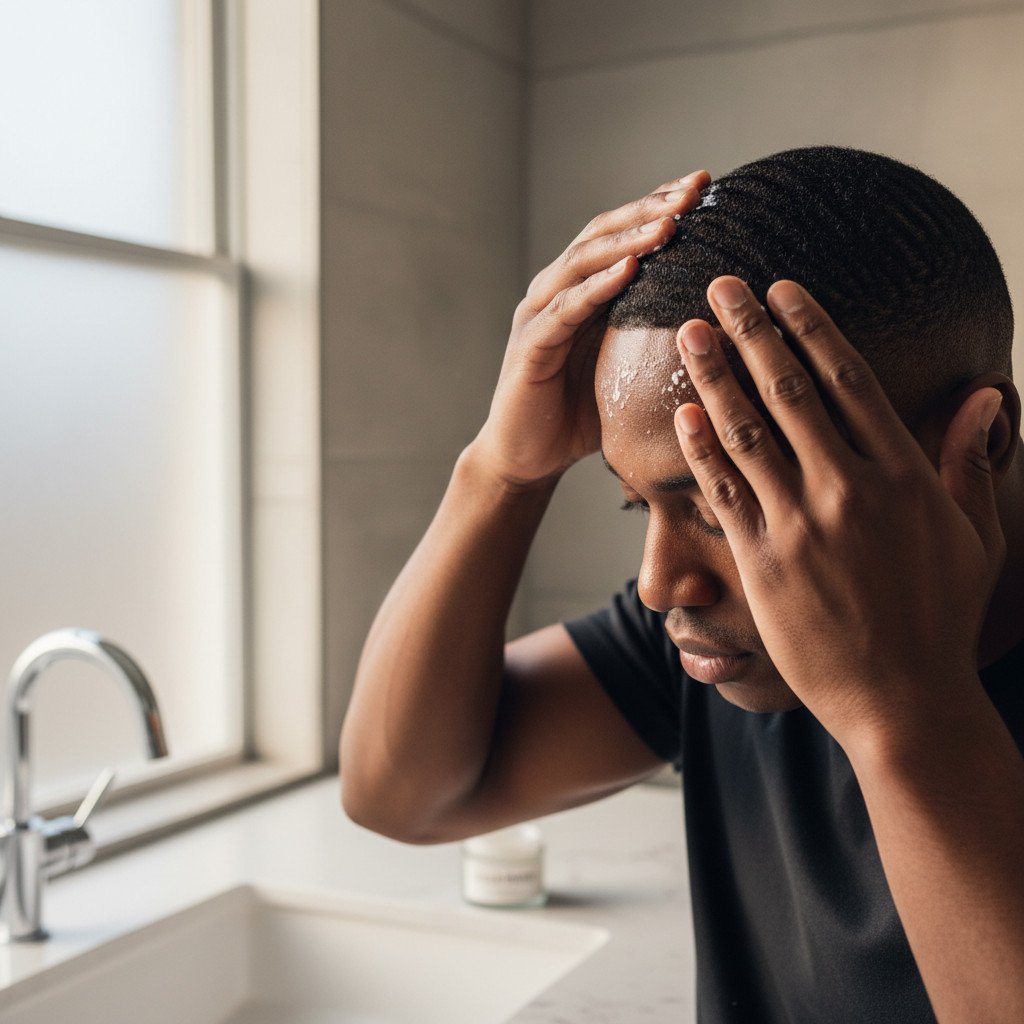
For Black men, maintaining optimal hair & scalp health for Black men is not merely about aesthetics; it is a foundational element of overall grooming. Our hair textures, often dense and coily, combined with specific styling practices, can lead to unique challenges. One of the most overlooked, yet crucial, practices is scalp exfoliation. It’s not just a trend; it’s a necessity for a healthy scalp environment.
Many men experience issues like persistent itchiness, flaking, or a feeling of heaviness at the roots. These symptoms are often misdiagnosed or treated incorrectly, leading to a cycle of discomfort. Understanding the root cause—often product buildup, dead skin cells, and excess sebum—is the first step toward effective relief and prevention. This guide will demystify scalp exfoliation, providing clear, actionable steps tailored for Black men.
We will explore the science behind why exfoliation is vital for our hair types, differentiate between various exfoliation methods, and provide precise schedules for different scalp conditions. By the end, you will possess the knowledge to integrate scalp exfoliation seamlessly into your grooming regimen, ensuring a clean, healthy, and thriving scalp without irritation. This isn’t about adding another complicated step; it’s about refining your existing routine for superior results.
If your scalp feels “tight” or “gunky,” you need exfoliation—not more oil
A common misconception among Black men, particularly those with dry or itchy scalps, is that more oil is always the answer. While natural oils and moisturizers are essential for hair and scalp hydration, indiscriminately adding more oil can exacerbate certain problems, especially if the underlying issue is buildup. When your scalp feels “tight,” “gunky,” or persistently itchy, it’s often a clear signal that it’s suffocating under layers of accumulated debris.
This debris isn’t just dirt. It’s a complex mixture of dead skin cells, excess sebum (the natural oil produced by your scalp), sweat, environmental pollutants, and, critically, residue from hair products. Gels, pomades, creams, and even some conditioners, while beneficial for styling and moisture, can leave a film that accumulates over time. This accumulation creates a barrier, preventing your scalp from breathing and absorbing nutrients effectively. It also creates an ideal breeding ground for bacteria and fungi, leading to conditions like dandruff or folliculitis.
Exfoliation addresses this directly by physically or chemically removing this buildup. It’s akin to clearing clogged pipes; once the obstruction is removed, everything flows smoothly again. A clean, unburdened scalp can better regulate its oil production, absorb beneficial treatments, and support healthier hair growth. Without proper exfoliation, even the best oils and moisturizers struggle to penetrate, leading to a superficial treatment that fails to address the core problem. This is why understanding the difference between dryness and buildup is paramount for effective scalp care.
The feeling of tightness can also stem from a lack of flexibility in the scalp skin itself, often due to this buildup. When the skin is encrusted, it loses its natural elasticity, contributing to discomfort and potentially hindering blood circulation to hair follicles. By removing these dead layers, you allow the scalp to become more supple and receptive. This process isn’t about stripping your scalp of its essential moisture; it’s about resetting its natural balance and promoting an environment where healthy hair can truly flourish. It’s a targeted approach that prioritizes scalp health as the foundation for strong, vibrant hair. Many men with dry scalp find that addressing buildup first significantly improves their condition.
Physical vs chemical scalp exfoliation (simple)
When it comes to scalp exfoliation, there are two primary methods: physical and chemical. Each approach offers distinct advantages and mechanisms for removing buildup and dead skin cells. Understanding these differences is crucial for choosing the right method for your specific scalp needs and avoiding irritation.
Physical Exfoliation: The Direct Approach
Physical exfoliation involves using abrasive particles or tools to manually scrub away dead skin cells and product buildup from the scalp surface. Think of it as a gentle scrub for your head. The most common forms include:
- Scalp Scrubs: These products contain fine granules, such as sugar, salt, or jojoba beads, suspended in a creamy base. When massaged into the scalp, these particles physically lift and dislodge debris. The key is to use a gentle touch and ensure the particles are fine enough not to cause micro-tears on the scalp.
- Scalp Brushes/Massagers: These tools, often made of silicone or soft plastic, feature flexible bristles designed to stimulate the scalp and help loosen flakes and buildup. They can be used with or without a product and are excellent for enhancing circulation while providing a mild physical exfoliation.
Pros:
- Immediate gratification: You can often feel the scalp being cleansed and refreshed instantly.
- Easy to understand and apply for most individuals.
- Effective for visible flakes and heavy product buildup.
Cons:
- Risk of over-exfoliation or irritation if too much pressure is applied or if the granules are too harsh.
- May not penetrate deeply into congested pores.
- Less suitable for very sensitive or inflamed scalps.
As an affiliate site, GFBM may earn from qualifying purchases through product links.
When selecting a physical exfoliant, always prioritize fine, smooth particles over jagged ones. A scalp massage brush can be a great addition to your wash day routine, providing gentle stimulation and aiding in product distribution.
Chemical Exfoliation: The Gentle Dissolver
Chemical exfoliation utilizes acids or enzymes to dissolve the bonds holding dead skin cells and buildup together, allowing them to be rinsed away easily. Unlike physical methods, there’s no scrubbing involved, making it a gentler option for many. The most common active ingredients are:
- Alpha Hydroxy Acids (AHAs): Glycolic acid and lactic acid are common AHAs. They work by dissolving the glue-like substance that holds dead skin cells to the scalp’s surface. Glycolic acid, with its smaller molecular size, can penetrate a bit deeper, while lactic acid is often milder and more hydrating.
- Beta Hydroxy Acids (BHAs): Salicylic acid is the most prominent BHA used in scalp care. It is oil-soluble, meaning it can penetrate into the pores and dissolve sebum and debris from within. This makes it particularly effective for oily scalps, dandruff, and conditions like seborrheic dermatitis.
- Enzymes: Less common but still effective, enzymes (like papain from papaya or bromelain from pineapple) gently break down proteins, including dead skin cells, without altering the scalp’s pH significantly.
Pros:
- Gentler on sensitive or inflamed scalps as it doesn’t involve scrubbing.
- Can penetrate deeper into pores, addressing issues like excess oil and stubborn flakes more effectively.
- Often provides a more even exfoliation.
Cons:
- Results may not be as immediately noticeable as physical exfoliation.
- Requires careful adherence to instructions to avoid over-processing or irritation.
- Some individuals may experience mild tingling or sensitivity.
For those dealing with persistent flaking or oiliness, a salicylic acid scalp treatment can be transformative. It’s crucial to understand that “chemical” does not equate to “harsh.” When formulated correctly, these products are designed to be effective yet gentle, respecting the delicate balance of your scalp. Many best shampoo for Black men often incorporate these ingredients for a deeper clean.
Choosing Your Method
The best method often depends on your scalp type and concerns. If you have significant product buildup and a relatively robust scalp, a physical scrub might be satisfying. If you suffer from dandruff, excessive oil, or a sensitive scalp, chemical exfoliation with salicylic acid or AHAs might be more beneficial. Some men find a combination approach—using a physical scrub occasionally and a chemical exfoliant regularly—to be most effective. Always start with the gentlest option and observe your scalp’s reaction before increasing frequency or intensity. Patch testing is always recommended for any new product, especially chemical exfoliants.
How often to exfoliate (exact schedule)
The frequency of scalp exfoliation is not a one-size-fits-all recommendation. It depends heavily on your individual scalp condition, hair type, product usage, and lifestyle. Over-exfoliation can strip the scalp of its natural oils, leading to irritation, dryness, or even increased oil production as the scalp tries to compensate. Under-exfoliation, conversely, leaves you with the very issues you’re trying to resolve. Here are precise schedules tailored for different needs:
For Dry Scalp Conditions
If you experience a dry, flaky, or tight scalp, the goal of exfoliation is to gently remove dead skin cells that contribute to flaking, allowing moisturizers to penetrate more effectively. Aggressive exfoliation can worsen dryness.
- Frequency: Once every 2-3 weeks.
- Method: Opt for gentler chemical exfoliants containing lactic acid or mild AHAs. These can help dissolve flakes without excessive stripping. If using a physical scrub, ensure it has very fine, non-abrasive particles and use light pressure.
- Key Actions: Follow immediately with a deeply hydrating conditioner or scalp treatment. Avoid hot water, which can further dry out the scalp.
The emphasis here is on gentle renewal, not aggressive stripping. A dry scalp needs its barrier function respected and supported. Overly frequent or harsh exfoliation will disrupt this barrier, leading to more problems. Think of it as polishing a delicate surface rather than sanding a rough one. Regular deep conditioning and moisturizing after exfoliation are non-negotiable for dry scalps.
For Dandruff and Oily Scalp
Dandruff, often caused by an overgrowth of yeast (Malassezia) that feeds on scalp oils, and oily scalp conditions benefit significantly from consistent exfoliation. The goal is to control oil production, remove yeast-feeding sebum, and clear flakes.
- Frequency: Once every 1-2 weeks. For severe cases, a targeted treatment might be used more frequently initially, but always follow product instructions and consult a dermatologist if persistent.
- Method: Chemical exfoliants with salicylic acid are highly effective here. Salicylic acid is oil-soluble, allowing it to penetrate into follicles to dissolve sebum and reduce inflammation. Physical scrubs can also be used, but ensure they are paired with an anti-dandruff shampoo.
- Key Actions: Focus on thorough cleansing. After exfoliation, use an anti-dandruff shampoo containing active ingredients like zinc pyrithione or selenium sulfide. Avoid heavy, oil-based styling products that can contribute to buildup.
Consistency is key for managing dandruff and oiliness. Regular removal of excess sebum and dead skin cells disrupts the environment where dandruff-causing yeast thrives. However, even with oily scalps, over-exfoliation can trigger a rebound effect, causing the scalp to produce even more oil. Finding the right balance is crucial. If you also deal with beard dandruff, many of these principles apply to your facial hair as well.
For Waves and Product Buildup
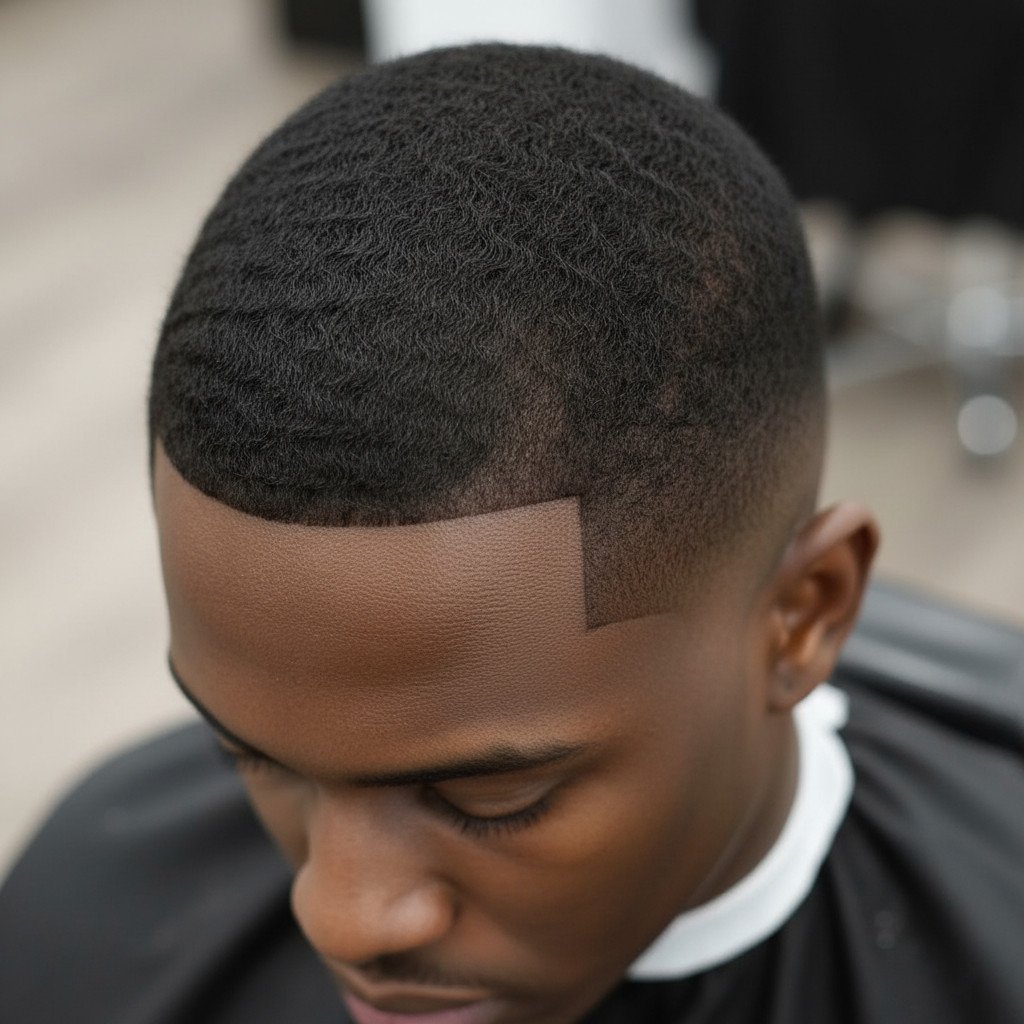
Black men maintaining 360 waves or other structured styles often use pomades, gels, and other styling products that can lead to significant buildup. This buildup can impede wave formation, weigh down hair, and cause scalp irritation.
- Frequency: Once every 1-2 weeks. For very heavy product users, a gentle exfoliation might be beneficial weekly.
- Method: Both physical scrubs and chemical exfoliants (AHAs or BHAs) are effective. Physical scrubs can be particularly satisfying for removing visible product residue. Chemical exfoliants can help break down the stickier, more embedded residues.
- Key Actions: Use a clarifying shampoo after exfoliation to ensure all loosened debris and product residue are thoroughly rinsed away. Follow with a lightweight, moisturizing conditioner that won’t contribute to immediate re-buildup.
The goal here is to maintain a clean foundation for your waves without stripping the natural oils essential for hair health and lay. Regular exfoliation ensures your waves remain defined and healthy, not weighed down by product. This is a critical step in a comprehensive waves wash day routine.
General Considerations for All Scalp Types
- Listen to Your Scalp: The most important rule. If your scalp feels sensitive, irritated, or tight after exfoliation, reduce the frequency or switch to a milder product.
- Patch Test: Always test a new product on a small, inconspicuous area of your scalp first to check for adverse reactions.
- Product Instructions: Always follow the specific instructions on your chosen exfoliant. Some are designed for shorter contact times, while others can be left on longer.
- Hydrate and Protect: After exfoliating, always follow up with a good conditioner and, if needed, a leave-in moisturizer to replenish hydration and protect the scalp barrier.
- Consistency, Not Aggression: Regular, gentle exfoliation is far more effective and safer than infrequent, aggressive scrubbing.
By tailoring your exfoliation schedule to your specific needs, you can effectively manage scalp issues, promote healthier hair growth, and maintain a comfortable, clean scalp environment. This proactive approach is a hallmark of elevated self-mastery in grooming.
Wash-day routine (exact steps)
Integrating scalp exfoliation into your wash-day routine requires a specific sequence to maximize effectiveness and minimize irritation. This detailed, seven-step process ensures your scalp is thoroughly cleansed, exfoliated, and nourished, setting the foundation for healthy hair growth and a comfortable scalp.
- Pre-Poo Treatment (Optional but Recommended): Before wetting your hair, apply a lightweight oil (like jojoba or argan oil) or a pre-shampoo treatment to your hair, focusing on the ends. This step helps protect your hair from stripping during the cleansing process, especially important for coily textures. Allow it to sit for 15-30 minutes. This creates a protective barrier, preventing excessive moisture loss.
- Dampen Hair and Scalp Thoroughly: Step into the shower and thoroughly wet your hair and scalp with warm water. Ensure every strand and every inch of your scalp is saturated. Warm water helps to open up the hair cuticles and pores on your scalp, preparing them for exfoliation and cleansing.
- Apply Scalp Exfoliant: This is where the magic happens. If using a physical scalp scrub, apply small amounts directly to your scalp in sections. Using your fingertips or a scalp massage brush, gently massage the scrub into your scalp using circular motions for 2-3 minutes. Avoid aggressive scrubbing. If using a chemical exfoliant (like a salicylic acid scalp treatment), apply it directly to the scalp as per product instructions, typically leaving it on for 5-10 minutes before rinsing. Do this first before shampooing to ensure direct contact with the scalp.
- Rinse Exfoliant Completely: Thoroughly rinse your hair and scalp with lukewarm water until all traces of the exfoliant are gone. Ensure no granules or product residue remain, as this can lead to irritation. Take your time with this step; it’s crucial for a clean slate.
- Shampoo Your Hair and Scalp: Apply a clarifying or moisturizing shampoo, depending on your scalp’s needs, to your scalp and hair. Lather gently, focusing on cleansing the scalp. Work the shampoo through your hair, but avoid scrubbing the lengths aggressively. Rinse thoroughly until the water runs clear. For those with significant product buildup, a clarifying shampoo is ideal after exfoliation.
- Condition and Detangle: Apply a generous amount of moisturizing conditioner, focusing on the mid-lengths and ends of your hair. Use a wide-tooth comb or your fingers to gently detangle your hair while the conditioner is in. Allow the conditioner to sit for 3-5 minutes to allow for maximum absorption. This step replenishes moisture and smooths the hair cuticle.
- Rinse and Final Steps: Rinse the conditioner out with cool water. Cool water helps to close the hair cuticles, locking in moisture and adding shine. Gently squeeze excess water from your hair with a microfiber towel or an old t-shirt to minimize frizz. Follow with your preferred leave-in conditioner, hair oil, or styling products. Air dry or use a diffuser on a low heat setting.
This comprehensive wash-day routine, with exfoliation as a central element, addresses both scalp health and hair hydration. By following these steps, you can effectively remove buildup, alleviate discomfort, and promote an environment conducive to healthy, strong hair. Consistency and attention to detail are key for optimal results. Remember, a healthy scalp is the foundation for healthy hair.
Table: Goal → exfoliant type → frequency → warning sign
Understanding which exfoliant to use, how often, and what to watch out for is crucial for effective and safe scalp care. This table provides a quick reference guide based on common scalp goals for Black men.
| Goal | Recommended Exfoliant Type | Frequency | Key Warning Sign to Watch For |
|---|---|---|---|
| Remove Product Buildup & Refresh Scalp | Physical Scrub (fine granules) or BHA (Salicylic Acid) | Every 1-2 weeks | Increased oiliness, hair feeling stripped, or new irritation. |
| Manage Dandruff & Oily Scalp | BHA (Salicylic Acid) or Anti-Dandruff Scrub | Every 1-2 weeks (or as directed by product for severe cases) | Excessive dryness, redness, or burning sensation. |
| Alleviate Dryness & Flaking | Mild AHA (Lactic Acid) or Gentle Physical Scrub | Every 2-3 weeks | Worsening dryness, increased flaking, or sensitivity. |
| Stimulate Hair Growth & Circulation | Mild Physical Scrub or Scalp Massage Brush | Weekly (with gentle motion) | Scalp soreness, redness, or hair breakage from aggressive scrubbing. |
| Maintain Overall Scalp Health (No major issues) | Mild AHA or Gentle Physical Scrub | Every 3-4 weeks | Any discomfort, dryness, or unexpected reaction. |
This table serves as a general guideline. Always listen to your scalp’s unique response and adjust your routine accordingly. If you experience persistent irritation, pain, oozing, sudden hair loss, or scalp lesions, discontinue use and consult a dermatologist or doctor immediately. Your scalp’s health is paramount, and professional advice is invaluable when conditions persist or worsen. This proactive approach ensures you maintain a healthy, comfortable scalp without adverse effects.
Frequently Asked Questions
Scalp exfoliation, while beneficial, often comes with questions, especially for Black men navigating unique hair and scalp needs. Here are some of the most common inquiries addressed directly and practically.
What are the signs that my scalp needs exfoliation?
Your scalp will tell you when it needs attention. Common signs include persistent itchiness, visible flakes or white specks that aren’t dandruff, a feeling of heaviness or greasiness at the roots, dull or lifeless hair, and even a slight odor despite regular washing. If your usual shampoos aren’t leaving your scalp feeling truly clean, it’s a strong indicator of buildup.
Can scalp exfoliation cause hair loss?
Proper, gentle scalp exfoliation should not cause hair loss. In fact, by clearing follicles and improving circulation, it can support healthier hair growth. However, aggressive scrubbing, using harsh products, or over-exfoliating can lead to irritation, inflammation, and potential damage to hair follicles, which could contribute to temporary shedding or breakage. Always use a gentle touch and appropriate products.
Is scalp exfoliation suitable for all hair types, especially coily hair?
Yes, scalp exfoliation is beneficial for all hair types, including coily and kinky textures common among Black men. Our hair types are often prone to product buildup due to the use of heavier creams, gels, and oils for moisture and styling. The key is to choose the right type of exfoliant and apply it gently to avoid tangling or damaging delicate strands. Chemical exfoliants are often excellent for coily hair as they don’t require aggressive scrubbing.
How long does it take to see results from scalp exfoliation?
Many men experience immediate relief from itchiness and a feeling of freshness after their first exfoliation. Visible improvements in flaking, oiliness, and overall scalp clarity usually become noticeable within 2-4 weeks of consistent, appropriate exfoliation. Long-term benefits, such as healthier hair growth and reduced scalp issues, develop over several months as the scalp’s health improves.
Can I use a face scrub on my scalp?
No, it is generally not recommended to use a face scrub on your scalp. Face scrubs are formulated for the thinner, more delicate skin of the face and may contain ingredients or abrasive particles that are too harsh or irritating for the scalp. Scalp-specific exfoliants are designed to address the unique environment of the scalp, including denser hair coverage and different oil production levels. Always use products formulated specifically for the scalp.
What should I do if my scalp gets irritated after exfoliating?
If your scalp becomes irritated, red, or sensitive after exfoliation, stop using the product immediately. Rinse your scalp thoroughly with cool water and apply a soothing, hydrating conditioner or a leave-in scalp treatment designed for sensitive skin. Reduce the frequency of exfoliation, switch to a milder product (e.g., a gentle chemical exfoliant instead of a physical scrub), or consult a dermatologist if irritation persists or worsens. This indicates you may have over-exfoliated or used an unsuitable product.
Can I exfoliate my scalp if I have a protective style like braids or dreadlocks?
Exfoliating with protective styles requires extra care. Physical scrubs can be difficult to rinse out and may cause buildup within the style. Chemical exfoliants, particularly those in liquid form, can be applied directly to the scalp between braids or locs using an applicator bottle. Focus on the exposed scalp areas and ensure thorough rinsing to prevent residue. Regular, gentle exfoliation is still important, but adapt your method to your hairstyle to avoid damage or residue.
Final Thoughts
Scalp exfoliation is not a fleeting trend; it is a fundamental pillar of comprehensive grooming for Black men. By systematically removing buildup, dead skin cells, and excess sebum, you create an optimal environment for robust hair growth and alleviate common discomforts like itchiness and flaking. This practice transcends mere cleanliness; it is about cultivating a scalp that can truly thrive, allowing your hair to reach its full potential.
Embrace the knowledge that a healthy scalp is the bedrock of healthy hair. Integrate these precise, actionable steps into your routine with confidence and consistency. Observe your scalp’s responses, adjust as needed, and never hesitate to seek professional advice for persistent concerns. Your commitment to this elevated level of self-care will yield tangible results, fostering a sense of comfort and pride in your grooming. This is not just about looking good; it’s about feeling good, from the roots up.
Next reads: For a deeper dive into overall hair health, explore our guide on Hair & scalp health for Black men. To refine your cleansing routine, discover the best shampoo for Black men. And for those maintaining specific styles, master your waves wash day routine.
Frequently Asked Questions
What are the signs that my scalp needs exfoliation?
Your scalp will tell you when it needs attention. Common signs include persistent itchiness, visible flakes or white specks that aren’t dandruff, a feeling of heaviness or greasiness at the roots, dull or lifeless hair, and even a slight odor despite regular washing. If your usual shampoos aren’t leaving your scalp feeling truly clean, it’s a strong indicator of buildup.
Can scalp exfoliation cause hair loss?
Proper, gentle scalp exfoliation should not cause hair loss. In fact, by clearing follicles and improving circulation, it can support healthier hair growth. However, aggressive scrubbing, using harsh products, or over-exfoliating can lead to irritation, inflammation, and potential damage to hair follicles, which could contribute to temporary shedding or breakage. Always use a gentle touch and appropriate products.
Is scalp exfoliation suitable for all hair types, especially coily hair?
Yes, scalp exfoliation is beneficial for all hair types, including coily and kinky textures common among Black men. Our hair types are often prone to product buildup due to the use of heavier creams, gels, and oils for moisture and styling. The key is to choose the right type of exfoliant and apply it gently to avoid tangling or damaging delicate strands. Chemical exfoliants are often excellent for coily hair as they don’t require aggressive scrubbing.
How long does it take to see results from scalp exfoliation?
Many men experience immediate relief from itchiness and a feeling of freshness after their first exfoliation. Visible improvements in flaking, oiliness, and overall scalp clarity usually become noticeable within 2-4 weeks of consistent, appropriate exfoliation. Long-term benefits, such as healthier hair growth and reduced scalp issues, develop over several months as the scalp’s health improves.
Can I use a face scrub on my scalp?
No, it is generally not recommended to use a face scrub on your scalp. Face scrubs are formulated for the thinner, more delicate skin of the face and may contain ingredients or abrasive particles that are too harsh or irritating for the scalp. Scalp-specific exfoliants are designed to address the unique environment of the scalp, including denser hair coverage and different oil production levels. Always use products formulated specifically for the scalp.
What should I do if my scalp gets irritated after exfoliating?
If your scalp becomes irritated, red, or sensitive after exfoliation, stop using the product immediately. Rinse your scalp thoroughly with cool water and apply a soothing, hydrating conditioner or a leave-in scalp treatment designed for sensitive skin. Reduce the frequency of exfoliation, switch to a milder product (e.g., a gentle chemical exfoliant instead of a physical scrub), or consult a dermatologist if irritation persists or worsens. This indicates you may have over-exfoliated or used an unsuitable product.
Can I exfoliate my scalp if I have a protective style like braids or dreadlocks?
Exfoliating with protective styles requires extra care. Physical scrubs can be difficult to rinse out and may cause buildup within the style. Chemical exfoliants, particularly those in liquid form, can be applied directly to the scalp between braids or locs using an applicator bottle. Focus on the exposed scalp areas and ensure thorough rinsing to prevent residue. Regular, gentle exfoliation is still important, but adapt your method to your hairstyle to avoid damage or residue.
Shop scalp scrub on Amazon
Shop salicylic acid scalp treatment on Amazon
Shop clarifying shampoo on Amazon
Shop scalp massage brush on Amazon
Shop jojoba oil on Amazon
Shop argan oil on Amazon
Shop moisturizing conditioner on Amazon
Shop leave-in conditioner on Amazon
Shop hair oil on Amazon