
The honest answer: it depends on the spot
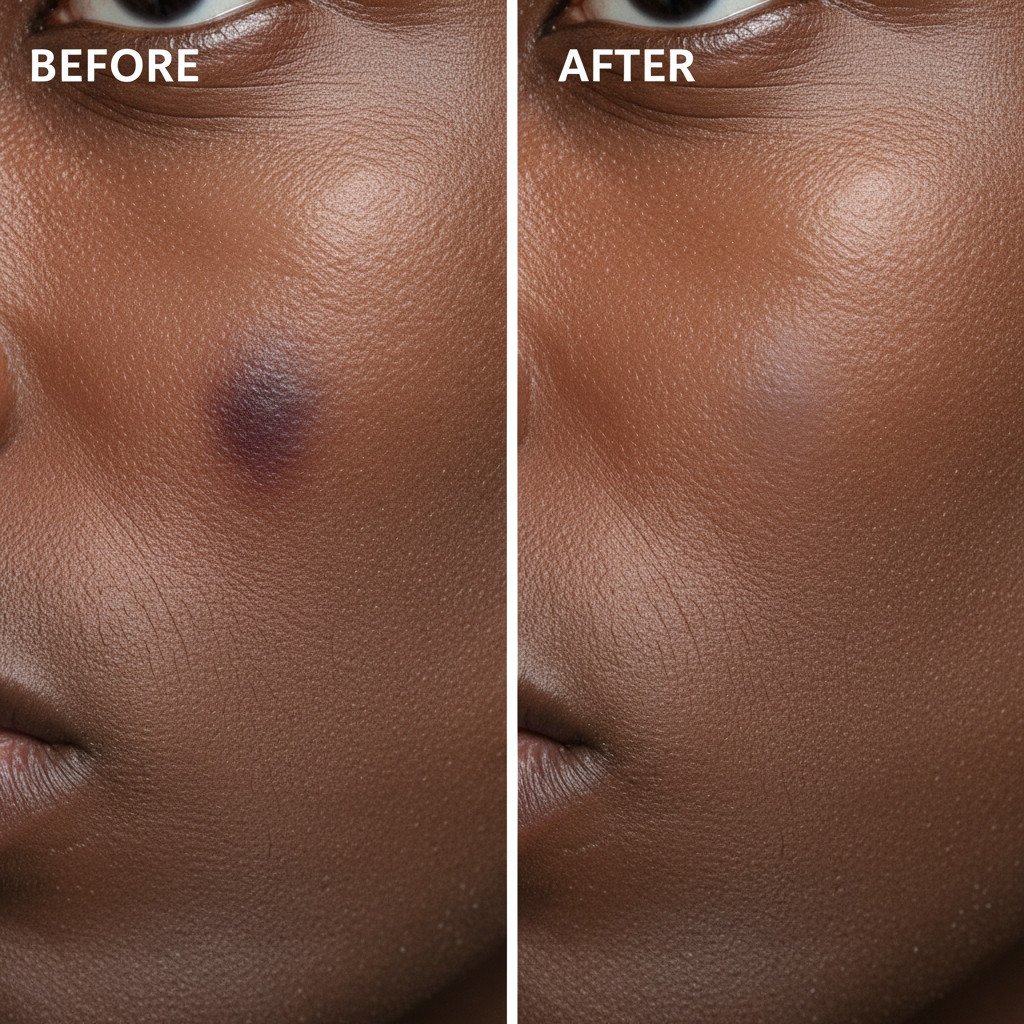
Dark spots, scientifically known as post-inflammatory hyperpigmentation (PIH), are a common concern for Black men. These marks appear after skin inflammation or injury, such as acne, razor bumps, or cuts. Unlike lighter skin tones, Black skin is more prone to producing excess melanin in response to trauma, leading to persistent discoloration. Understanding the nature of these spots is the first step toward effective management.
The timeline for dark spot fading is not universal. It varies significantly based on several factors, including the cause of the spot, its depth, your individual skin’s healing process, and the consistency of your grooming routine. While some minor spots might resolve in a few weeks, deeper or more stubborn marks can take months, or even over a year, to fully disappear. Patience and a strategic approach are essential.
Addressing Hyperpigmentation in Black men requires a targeted strategy. This isn’t about quick fixes; it’s about understanding your skin and implementing a consistent, effective regimen. We’ll explore the factors influencing fading times and provide actionable steps to accelerate the process safely and effectively.
What changes the timeline (5 factors)
Several critical factors dictate how quickly dark spots fade on Black skin. Recognizing these elements allows for a more personalized and effective treatment plan. Ignoring them can lead to frustration and prolonged discoloration.
1. Depth of the Hyperpigmentation
The depth at which the excess melanin is deposited significantly impacts fading time. Epidermal hyperpigmentation, where melanin is in the upper layers of the skin, tends to fade faster. These spots often appear light brown or tan. Dermal hyperpigmentation, however, involves melanin deeper in the skin’s dermis. These spots typically look grayish-blue or dark brown and are much more challenging to treat, taking considerably longer to resolve.
Distinguishing between epidermal and dermal spots can sometimes be done visually, but a dermatologist can provide a definitive assessment. Deeper spots often require more potent treatments and extended consistency. Surface-level spots respond well to topical treatments, while deeper ones may need professional interventions.
2. Cause of the Dark Spot
The original cause of the inflammation or injury plays a crucial role. Dark spots from mild acne or minor cuts may fade relatively quickly. However, marks left by severe cystic acne, deep razor bumps, or significant skin trauma can be more persistent. The intensity and duration of the initial inflammation directly correlate with the severity and longevity of the resulting hyperpigmentation.
For instance, a single, quickly resolved pimple might leave a mark that fades in weeks. Chronic inflammation from recurring razor bumps or persistent acne breakouts, however, creates a cycle of injury and repair that can lead to deeper, more entrenched dark spots. Understanding the root cause helps in preventing future spots and treating existing ones more effectively.
3. Sun Exposure
Sun exposure is arguably the most critical factor influencing dark spot fading. Ultraviolet (UV) radiation stimulates melanin production, darkening existing spots and preventing them from fading. Even incidental exposure, like walking to your car or sitting near a window, can exacerbate hyperpigmentation. This is why consistent sun protection is non-negotiable for anyone dealing with dark spots.
As an affiliate site, GFBM may earn from qualifying purchases through product links.
Without diligent sun protection, any progress made with fading treatments can be undone. The sun’s rays not only darken existing spots but can also trigger new ones, creating a frustrating cycle. This makes daily application of a broad-spectrum face sunscreen SPF 30 or higher an absolute must.
4. Consistency of Treatment
Fading dark spots requires discipline and consistency. Sporadic use of treatments will yield sporadic results. Active ingredients like vitamin C, niacinamide, retinoids, and alpha hydroxy acids (AHAs) work by gradually exfoliating the skin, inhibiting melanin production, or accelerating cell turnover. These processes take time and require continuous application to be effective.
A consistent daily and nightly routine, applied without fail, is paramount. Missing days or weeks can significantly prolong the fading process. Think of it as a marathon, not a sprint. The skin needs continuous support to shed pigmented cells and prevent new melanin from forming. This is where dedication truly pays off in the long run.
5. Individual Skin Healing and Cell Turnover Rate
Everyone’s skin heals and regenerates at a different pace. Factors like age, genetics, diet, and overall health can influence your skin’s cell turnover rate. Younger skin typically regenerates faster, meaning dark spots may fade more quickly. As we age, cell turnover slows down, which can extend the fading timeline.
Lifestyle choices, such as adequate hydration, a balanced diet rich in antioxidants, and sufficient sleep, also contribute to healthy skin function and can indirectly support the fading process. Conversely, stress and poor diet can hinder the skin’s natural repair mechanisms. Understanding your body’s unique healing capacity helps set realistic expectations for dark spot resolution.
Timelines by type (acne mark vs razor bump mark vs irritation mark)
While the general factors apply, the specific origin of a dark spot often provides a more refined estimate for its fading timeline. Different types of trauma lead to varying degrees of inflammation and melanin response, influencing how long the discoloration persists.
Acne Marks (Post-Inflammatory Hyperpigmentation from Pimples)
Dark spots resulting from acne are among the most common forms of PIH. The timeline for these marks can vary widely depending on the severity of the original breakout and how it was treated.
- Mild Acne (small pimples, whiteheads, blackheads): Marks from these types of blemishes, especially if they were not picked or squeezed, might fade in 3 to 6 months. These are typically superficial epidermal spots that respond well to consistent topical treatments.
- Moderate Acne (larger, inflamed papules and pustules): These can leave deeper marks that may take 6 to 12 months to fade. The increased inflammation leads to more significant melanin deposition.
- Severe Acne (cystic acne, nodules): Cystic acne causes deep inflammation and can damage the skin’s structure, leading to very stubborn PIH. These marks can persist for over a year, sometimes even 18 months or more, and may benefit from professional treatments like chemical peels or laser therapy.
Preventing new acne is crucial to stopping the cycle of PIH. A consistent skincare routine that includes gentle cleansing, exfoliation, and targeted treatments can significantly reduce new breakouts and accelerate the fading of existing marks.
Razor Bump Marks (Post-Inflammatory Hyperpigmentation from Pseudofolliculitis Barbae)
Razor bumps, or pseudofolliculitis barbae (PFB), are a prevalent issue for Black men due to the natural curl of our hair. When hair curls back into the skin, it causes inflammation, leading to bumps and subsequent dark spots. These marks are often recurring if shaving habits aren’t adjusted.
- Isolated, Mild Razor Bumps: A single, quickly resolved razor bump might leave a mark that fades in 4 to 8 months. These are usually epidermal and respond well to anti-inflammatory and exfoliating treatments.
- Chronic or Severe Razor Bumps: If you experience frequent or deeply inflamed razor bumps, the resulting PIH can be more persistent. These marks can take 8 to 18 months or even longer to fade, especially if new bumps continue to form in the same area. The constant inflammation keeps the skin in a state of melanin overproduction.
The key to resolving razor bump dark marks is to first address the razor bumps themselves. Implementing proper shaving techniques, using the right tools, and consistent post-shave care are essential. Without controlling the source of inflammation, fading treatments will be an uphill battle. For more in-depth guidance, refer to our comprehensive guide on Razor Bumps Dark Marks in Black Men.
Irritation Marks (from rubbing, scratching, or chemical irritation)
Any form of skin irritation or trauma can lead to dark spots. This includes marks from scratching, aggressive scrubbing, friction (e.g., from tight clothing or hats), or reactions to harsh skincare products.
- Minor Irritation (light scratching, mild product reaction): Marks from superficial irritation tend to be epidermal and may fade in 2 to 5 months. These are often less intense than acne or razor bump marks because the initial inflammation might be less severe or prolonged.
- Moderate to Severe Irritation (deep scratching, chemical burns, prolonged friction): If the irritation was significant or long-lasting, the resulting dark spots can be deeper and more stubborn. These marks might take 5 to 12 months or more to fade. Preventing further irritation is paramount.
Identifying and eliminating the source of irritation is the first and most critical step. This might involve switching to gentler skincare products, avoiding scratching, or wearing looser clothing. Once the irritation ceases, the skin can begin its healing process, and targeted fading treatments can be more effective.
Routine that speeds fading (AM + PM)
A consistent, well-structured skincare routine is the most effective way to accelerate the fading of dark spots. This isn’t about using every product on the market; it’s about strategic application of key ingredients that work synergistically to reduce melanin production, increase cell turnover, and protect your skin. Remember, patience and consistency are your most powerful tools.
AM Routine
Your morning routine focuses on protection and prevention. It prepares your skin for the day’s environmental stressors and ensures existing spots don’t darken further.
- Cleanse: Start with a gentle, hydrating cleanser. Do this first. This removes overnight buildup without stripping your skin’s natural oils, which can lead to irritation and exacerbate hyperpigmentation. Use lukewarm water and pat your face dry with a clean towel.
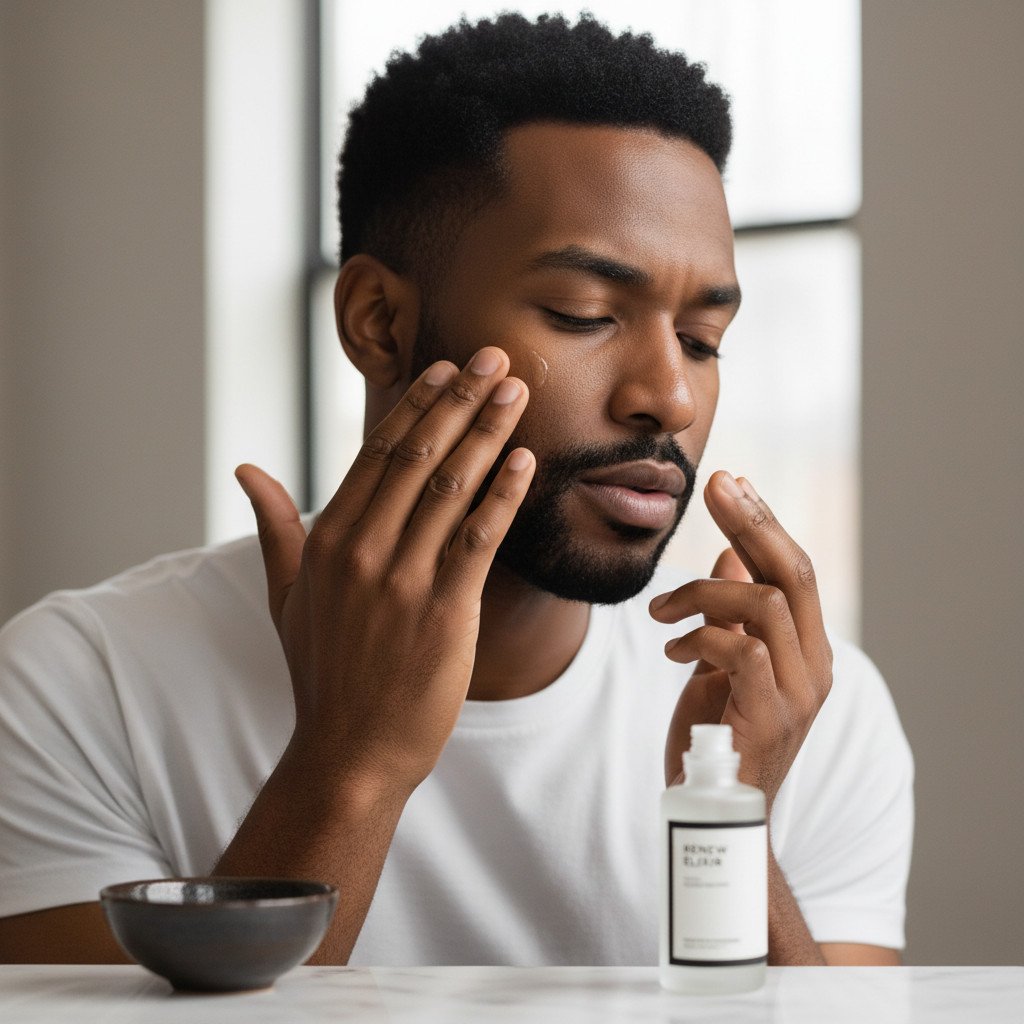
- Treat (Antioxidant Serum): Apply a vitamin C serum. Vitamin C is a powerful antioxidant that brightens skin, evens tone, and protects against environmental damage. It also inhibits tyrosinase, the enzyme responsible for melanin production, directly targeting dark spots. Apply a few drops to your face and neck, gently pressing it into the skin. This step is crucial for both fading and prevention.
- Hydrate (Optional, if needed): If your skin feels dry, apply a lightweight, non-comedogenic moisturizer. This helps maintain the skin barrier, which is essential for healthy skin function and healing. Choose a formula that won’t clog pores or feel heavy.
- Protect (Sunscreen): This is the most critical step in your AM routine. Apply a broad-spectrum face sunscreen SPF 30 or higher. Look for mineral sunscreens with zinc oxide or titanium dioxide for minimal white cast on darker skin tones. Reapply every two hours if you’re outdoors or sweating. Sunscreen prevents existing dark spots from darkening and new ones from forming. Neglecting this step will undermine all other efforts. For more detailed recommendations, see our guide on the Best Sunscreen for Black Men (No White Cast).
PM Routine
Your evening routine is dedicated to treatment and repair. This is when you introduce ingredients that actively work to exfoliate, regenerate, and lighten dark spots while your skin is in repair mode.
- Cleanse: Again, use a gentle cleanser to remove the day’s dirt, oil, and sunscreen. Do this first. If you wear heavy products or have oily skin, a double cleanse (oil-based cleanser followed by a water-based one) can be beneficial.
- Treat (Targeted Serums): This is where you layer your active ingredients.
- Niacinamide Serum: Apply a niacinamide serum. Niacinamide (Vitamin B3) helps reduce inflammation, strengthens the skin barrier, and interferes with the transfer of melanin to skin cells, thereby reducing the appearance of dark spots. It’s well-tolerated by most skin types and can be used daily. For more information, check out our article on Niacinamide for Black Men.
- Exfoliant/Retinoid (2-3 times/week): On nights when you’re not using a retinoid, apply a gentle chemical exfoliant containing AHAs (like lactic or glycolic acid) or BHAs (salicylic acid). These help to shed pigmented skin cells, revealing brighter skin underneath. If using a retinoid, apply it after niacinamide. Retinoids (like retinol or tretinoin) are powerful cell communicators that accelerate cell turnover and inhibit melanin production. Start with a low concentration and use 2-3 times a week, gradually increasing frequency as your skin tolerates it. Always apply retinoids to dry skin to minimize irritation. Consult our guide on Retinoids for Black Men: A Beginner’s Guide for proper usage.
- Moisturize: Finish with a rich, hydrating moisturizer to lock in moisture and support skin barrier repair overnight. This is especially important when using active ingredients like retinoids or exfoliants, which can sometimes be drying. Choose a non-comedogenic formula.
Important Considerations:
- Patch Test: Always patch test new products, especially active ingredients, on a small area of skin before applying to your entire face.
- Listen to Your Skin: If you experience excessive redness, dryness, or irritation, reduce the frequency of active ingredients. Sometimes less is more.
- Professional Help: If over-the-counter products aren’t yielding desired results after several months, or if your hyperpigmentation is severe, consult a dermatologist. They can prescribe stronger treatments like hydroquinone, prescription retinoids, or suggest in-office procedures like chemical peels or laser therapy.
Table: Spot type → typical timeline → best first product category
| Spot Type | Typical Fading Timeline (with consistent treatment & SPF) | Best First Product Category |
|---|---|---|
| Mild Acne Marks (Epidermal) | 3-6 months | Vitamin C, Niacinamide, Gentle AHA Exfoliant |
| Moderate Acne Marks (Epidermal/Dermal) | 6-12 months | Vitamin C, Niacinamide, Retinoid, AHA/BHA Exfoliant |
| Severe Acne Marks (Dermal) | 12-18+ months | Retinoid, Hydroquinone (prescription), Professional Treatments |
| Mild Razor Bump Marks (Epidermal) | 4-8 months | Niacinamide, Salicylic Acid (BHA), Anti-inflammatory ingredients |
| Chronic/Severe Razor Bump Marks (Dermal) | 8-18+ months | Retinoid, Salicylic Acid, Professional Treatments, Hydroquinone (prescription) |
| Minor Irritation Marks (Epidermal) | 2-5 months | Vitamin C, Niacinamide, Gentle Exfoliant |
| Moderate/Severe Irritation Marks (Dermal) | 5-12+ months | Niacinamide, Retinoid, Professional Treatments |
This table provides a general guideline. Individual results may vary based on skin type, consistency of use, and severity of the initial spot. Always prioritize sun protection regardless of the spot type.
Frequently Asked Questions
Here are some common questions Black men have about dark spots and their fading process.
What is the fastest way to get rid of dark spots on Black skin?
There’s no single “fastest” way, but a combination of consistent sun protection, targeted active ingredients like vitamin C, niacinamide, and retinoids, and gentle exfoliation offers the quickest results. Professional treatments like chemical peels or laser therapy under a dermatologist’s care can also accelerate the process for stubborn spots. Consistency is key, not speed.
Can dark spots go away naturally without treatment?
Yes, mild dark spots (epidermal hyperpigmentation) can eventually fade on their own over many months, or even a year or two, especially if new inflammation is prevented and sun exposure is minimized. However, this process is significantly slower and less predictable than with a targeted treatment routine. Deeper, dermal spots are less likely to fully resolve without intervention.
Why do dark spots take so long to fade on Black skin?
Black skin has more active melanocytes, the cells that produce melanin. When inflammation or injury occurs, these melanocytes are more prone to overproducing melanin, leading to more pronounced and persistent dark spots. This post-inflammatory hyperpigmentation (PIH) is a natural protective response, but it results in longer fading times compared to lighter skin tones.
Is hydroquinone safe for Black skin?
Hydroquinone is a potent skin-lightening agent that can be very effective for stubborn dark spots. It is generally safe for Black skin when used under the guidance of a dermatologist, typically for short periods (e.g., 3-4 months) to avoid potential side effects like ochronosis (a bluish-black discoloration) or rebound hyperpigmentation. It’s not a long-term solution and should be used with caution.
Can diet affect dark spots?
While diet doesn’t directly fade existing dark spots, a healthy, antioxidant-rich diet can support overall skin health and its natural healing processes. Foods rich in vitamins C and E, and omega-3 fatty acids, can help reduce inflammation and protect skin from damage, indirectly supporting the fading process and preventing new spots. Conversely, a diet high in processed foods and sugar can exacerbate inflammation.
When should I see a dermatologist for dark spots?
You should see a dermatologist if your dark spots are not responding to over-the-counter treatments after several months, if they are worsening, or if you have deep, persistent, or widespread hyperpigmentation. A dermatologist can accurately diagnose the type and depth of your spots and recommend prescription-strength treatments or in-office procedures tailored to your skin.
Can I use multiple active ingredients at once?
Yes, but with caution and strategic layering. For example, vitamin C in the morning and a retinoid at night is a common and effective combination. However, using multiple strong exfoliants (like AHAs and retinoids) simultaneously can lead to irritation. Introduce new products one at a time, patch test, and listen to your skin. If irritation occurs, reduce frequency or separate application times.
Final Thoughts
Fading dark spots on Black skin is a journey that demands consistency, patience, and the right approach. There are no overnight solutions, but with a dedicated routine that prioritizes sun protection and incorporates effective active ingredients, significant improvement is achievable. Understand your skin, identify the cause of your spots, and commit to a regimen that supports healing and prevents further discoloration. Your confidence in your skin will be the ultimate reward for your diligence.
Next reads: Hyperpigmentation in Black men, Razor Bumps Dark Marks in Black Men, and Vitamin C for Black Men.
Frequently Asked Questions
What is the fastest way to get rid of dark spots on Black skin?
There’s no single “fastest” way, but a combination of consistent sun protection, targeted active ingredients like vitamin C, niacinamide, and retinoids, and gentle exfoliation offers the quickest results. Professional treatments like chemical peels or laser therapy under a dermatologist’s care can also accelerate the process for stubborn spots. Consistency is key, not speed.
Can dark spots go away naturally without treatment?
Yes, mild dark spots (epidermal hyperpigmentation) can eventually fade on their own over many months, or even a year or two, especially if new inflammation is prevented and sun exposure is minimized. However, this process is significantly slower and less predictable than with a targeted treatment routine. Deeper, dermal spots are less likely to fully resolve without intervention.
Why do dark spots take so long to fade on Black skin?
Black skin has more active melanocytes, the cells that produce melanin. When inflammation or injury occurs, these melanocytes are more prone to overproducing melanin, leading to more pronounced and persistent dark spots. This post-inflammatory hyperpigmentation (PIH) is a natural protective response, but it results in longer fading times compared to lighter skin tones.
Is hydroquinone safe for Black skin?
Hydroquinone is a potent skin-lightening agent that can be very effective for stubborn dark spots. It is generally safe for Black skin when used under the guidance of a dermatologist, typically for short periods (e.g., 3-4 months) to avoid potential side effects like ochronosis (a bluish-black discoloration) or rebound hyperpigmentation. It’s not a long-term solution and should be used with caution.
Can diet affect dark spots?
While diet doesn’t directly fade existing dark spots, a healthy, antioxidant-rich diet can support overall skin health and its natural healing processes. Foods rich in vitamins C and E, and omega-3 fatty acids, can help reduce inflammation and protect skin from damage, indirectly supporting the fading process and preventing new spots. Conversely, a diet high in processed foods and sugar can exacerbate inflammation.
When should I see a dermatologist for dark spots?
You should see a dermatologist if your dark spots are not responding to over-the-counter treatments after several months, if they are worsening, or if you have deep, persistent, or widespread hyperpigmentation. A dermatologist can accurately diagnose the type and depth of your spots and recommend prescription-strength treatments or in-office procedures tailored to your skin.
Can I use multiple active ingredients at once?
Yes, but with caution and strategic layering. For example, vitamin C in the morning and a retinoid at night is a common and effective combination. However, using multiple strong exfoliants (like AHAs and retinoids) simultaneously can lead to irritation. Introduce new products one at a time, patch test, and listen to your skin. If irritation occurs, reduce frequency or separate application times.
Shop face sunscreen SPF 30 on Amazon
Shop vitamin C serum on Amazon
Shop niacinamide serum on Amazon
Shop gentle chemical exfoliant on Amazon