
Haircut Maintenance Between Barber Visits: Keep a Sharp Line Without Pushing Your Hairline Back
Maintaining a sharp haircut between barber visits is essential for the discerning Black man. Your appearance communicates confidence and attention to detail. A crisp line, a well-defined fade, and a clean neck taper are hallmarks of a man who understands the importance of presentation. This isn’t about vanity; it’s about self-respect and projecting an image of mastery in all aspects of your Grooming lifestyle for Black men.
Many men struggle with keeping their haircut pristine as days turn into weeks. The temptation to touch up your own hairline can be strong, often leading to irreversible mistakes. Pushing your hairline back even slightly can alter your look significantly and take months to correct. This guide provides the practical, disciplined approach required to extend the life of your cut without compromising your hairline integrity.
We will cover the common pitfalls, a precise weekly routine, and the specific tools that empower you to maintain your edge. Understanding the science behind hair growth and the art of subtle maintenance is key. This is about strategic upkeep, not amateur barbering. It’s about preserving the work of your professional barber and ensuring you always look your best, from Monday morning meetings to weekend engagements.
The #1 mistake: lining up too often, too aggressively
The most common and detrimental error in haircut maintenance is the frequent and aggressive self-trimming of the hairline. This practice, often driven by a desire to maintain an impossibly sharp edge, inevitably leads to a receding or uneven hairline over time. Each attempt to redefine the line removes a small amount of hair that will not grow back in the same place, creating a perpetual cycle of pushing the line further back.
Understanding the anatomy of your hairline is crucial. Your natural hairline is a fixed point, determined by genetics. When you trim against this natural growth pattern, you are not simply cleaning up; you are altering the canvas. This is particularly problematic for Black men, whose hair growth patterns can be dense and curly, making precise, non-damaging self-trims exceptionally challenging without professional training and specialized tools.
Furthermore, using the wrong tools or improper technique exacerbates the issue. Standard clippers or dull blades can pull and irritate the skin, leading to razor bumps or ingrown hairs along the delicate hairline. The pressure to maintain a perfect line can lead to rushed, imprecise work, where a millimeter of error can become visibly apparent and difficult to conceal. This cycle of over-trimming not only damages your hairline but also undermines the professional work of your barber, making their job harder with each subsequent visit.
To avoid this, a fundamental shift in mindset is required. Instead of focusing on recreating a barber-sharp line, the goal should be to clean up the stray hairs that grow beyond the established line. This is a subtle distinction but a critical one. It’s about maintenance, not reconstruction. Respecting your natural hairline and understanding the limits of self-maintenance will preserve your look and protect your scalp health.
The temptation to reach for the clippers every few days must be resisted. Hair grows at a consistent rate, and attempting to ‘freshen up’ a line that hasn’t had sufficient time to grow out will only result in further recession. Discipline and patience are paramount. Trust your barber to establish the initial, perfect line, and then focus your efforts on the minimal, strategic upkeep that extends its life without causing permanent damage. This approach not only saves your hairline but also reduces irritation and the risk of developing conditions like razor bumps, which can be exacerbated by aggressive trimming.
The 10-minute weekly maintenance routine
A consistent, disciplined weekly routine is the cornerstone of maintaining a sharp haircut without over-trimming. This 10-minute ritual focuses on precision and restraint, targeting only the necessary areas. It’s about extending the life of your barber’s work, not replacing it. Dedicate a specific time each week, ideally before a shower, to ensure you are focused and have optimal conditions.
- Prepare Your Tools and Workspace:
As an affiliate site, GFBM may earn from qualifying purchases through product links.
Gather your essential tools: a high-quality liner trimmer with a sharp blade, a small brush or comb, and a clean towel. Ensure your trimmer is fully charged. Set up in a well-lit area, preferably with a large mirror. Always start with clean, dry hair to ensure accurate trimming. Any product residue or moisture can cause the trimmer to snag or cut unevenly. This preparation step is critical for precision and preventing irritation.
- Brush or Comb Hair into Place:
Use a fine-tooth comb or brush to carefully lay down all hairs around your hairline, neck, and sideburns. This reveals any stray hairs that extend beyond your barber’s original line. Pay close attention to the direction of hair growth; brushing against the grain can lift hairs and lead to uneven cuts. This step ensures you are only targeting the overgrown areas and not cutting into your established line. It also helps to identify any areas where hair might be growing in an unusual direction.
- Identify Your Natural Line (Front and Sides):
Stand directly in front of the mirror. Observe your hairline closely. Identify the precise line your barber established. Your goal is to remove only the hair that has grown *beyond* this line, not to redefine it. Use your fingers to gently pull the skin taut if necessary, but avoid stretching it excessively. This visual assessment is crucial for preventing hairline recession. Take your time to clearly distinguish between new growth and the original line.
- Carefully Clean the Neckline and Sideburns:
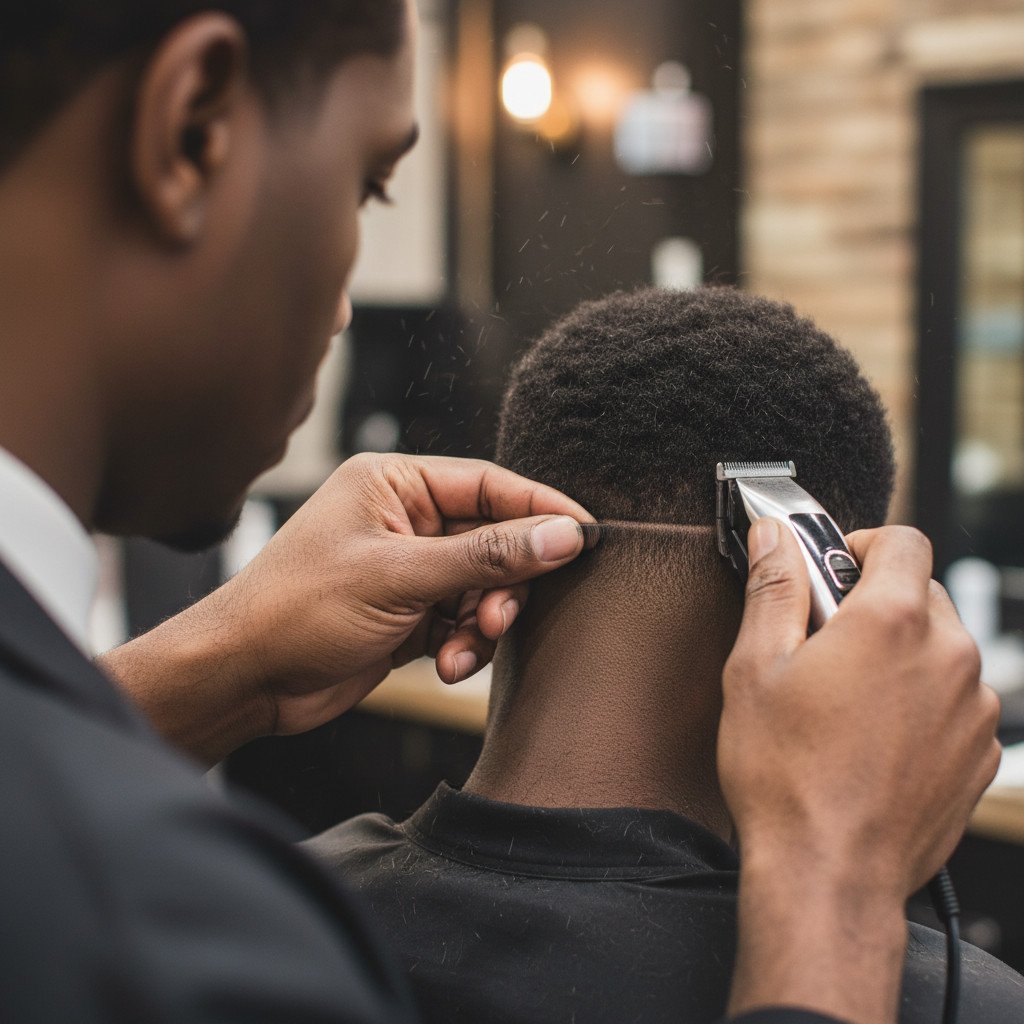
Using your liner trimmer, gently clean up the neck area, following the natural taper your barber created. For sideburns, trim only the stray hairs that have grown below the desired length. Use a light touch, holding the trimmer at a slight angle. Do not press hard against the skin. The goal is to remove visible stubble and fuzz, not to create a new, lower line. A trimmer with guards can be useful here for blending if you have a fade, but for the hard line, use without a guard. This area is less prone to recession than the front hairline, allowing for slightly more aggressive cleanup.
- Minimal Front Hairline Touch-Up (If Absolutely Necessary):
This step requires extreme caution and should be performed sparingly. If you have a few noticeable stray hairs *just* above your forehead line, use the corner of your trimmer blade to *lightly* flick them away. Never place the full blade flat against your forehead to create a new line. Work from the outside in, using minimal pressure. The aim is to remove only the most obvious stragglers, preserving the integrity of your barber’s original work. If in doubt, leave it. A hand mirror can help you view angles you might miss in the main mirror, especially for the back of the neck and side profile. This step is about maintenance, not re-shaping.
- Clean Up and Post-Trim Care:
After trimming, use a clean, damp cloth to wipe away any loose hairs. Apply a soothing aftershave balm or moisturizer to prevent irritation and keep your skin hydrated. This helps to close pores and reduce the likelihood of razor bumps. Regularly clean and oil your trimmer blades to maintain their sharpness and longevity. For those with textured hair, a hair sponge can be used to define curls and maintain shape after trimming, especially for shorter styles. Proper post-trim care is as important as the trim itself for skin health and comfort. Remember, consistency in this routine will yield the best results, keeping you looking sharp without constant barber visits.
Beyond the Trim: Maintaining Overall Hair Health
While precise trimming addresses the lines, overall hair health contributes significantly to how well your haircut holds up. A healthy scalp and well-nourished hair are less prone to breakage, frizz, and dullness, all of which can detract from a sharp look. Incorporate a consistent hair care regimen that complements your maintenance trimming. This includes regular washing, conditioning, and moisturizing, tailored to your specific hair type.
For Black men, hair often tends to be drier and more prone to breakage due to its unique curl pattern. Using sulfate-free shampoos and rich conditioners is paramount. Look for products that hydrate and strengthen the hair shaft. Deep conditioning treatments once or twice a month can also provide an extra boost of moisture and nutrients, helping to maintain elasticity and shine. A well-hydrated scalp is also less likely to experience irritation from trimming, contributing to a smoother, healthier appearance.
Furthermore, protecting your hair while you sleep is a non-negotiable step. Sleeping on a satin or silk pillowcase, or wearing a satin-lined durag or bonnet, reduces friction and prevents moisture loss. This minimizes frizz and helps to preserve the shape and definition of your haircut, especially for styles like fades and waves. Friction from cotton pillowcases can rough up the hair cuticle, leading to a dull, unkempt appearance that makes your lines look less sharp even if they are technically clean.
Diet and hydration also play a role. A balanced diet rich in vitamins, minerals, and proteins supports healthy hair growth from within. Adequate water intake keeps your entire body, including your scalp, hydrated. While these factors might seem indirect, they contribute to the overall vitality of your hair, making it more resilient and easier to manage. Healthy hair simply looks better and holds its style longer, making your maintenance efforts more effective.
Finally, consider the products you use daily. Light leave-in conditioners, natural oils (like jojoba or argan), and styling creams can help to keep your hair moisturized and manageable without weighing it down or causing buildup. Avoid heavy greases or products with excessive alcohol, which can dry out the hair and scalp. The right product regimen can enhance your hair’s natural texture and shine, ensuring that your haircut looks fresh and polished, even as it grows out.
The Art of the Fade: Keeping it Fresh
For men rocking a fade, maintaining that seamless transition from skin to hair is a critical aspect of haircut longevity. A fade, by its nature, requires precision and a gradual blend. As hair grows, this blend can quickly become less distinct, appearing heavy or disconnected. While you should never attempt to recreate the fade yourself with clippers, there are strategies to keep it looking cleaner for longer.
One key strategy involves brushing. Regularly brushing your hair in the direction of the fade can help to train the hair and keep it lying flat. This minimizes the appearance of new growth disrupting the blend. For shorter fades, a soft brush can be used to gently sweep the hair down, maintaining the illusion of a smooth gradient. For slightly longer fades, a stiffer brush might be needed to encourage the hair to lay properly.
Another approach is to focus on the lowest point of the fade, often the skin-level area. While you should not attempt to push up the fade line, you can carefully clean up any stray hairs that grow below the fade line on your neck and around your ears. This helps to maintain the contrast and crispness of the lowest part of the fade, making the entire haircut appear fresher. Use a liner trimmer with extreme caution, only removing the visible stubble that is clearly outside the faded area.
For those with a high-top fade or a fade that transitions into a longer top, maintaining the health and texture of the longer hair is equally important. Frizz or dryness on top can detract from the sharpness of the fade. Regular moisturizing and conditioning of the longer sections will ensure they remain soft, manageable, and well-defined, providing a strong contrast to the tightly faded sides. This holistic approach ensures that the entire haircut, from the crisp fade to the styled top, remains cohesive and polished.
Lastly, communicate with your barber. Discuss your maintenance routine and ask for specific advice on how to best preserve your fade. They might offer tips tailored to your hair type and growth pattern. Some barbers might even offer a quick, inexpensive ‘fade touch-up’ service between full haircuts, which can be a worthwhile investment if you struggle with self-maintenance. Understanding that a fade is a high-maintenance style means embracing these strategies to keep it looking sharp and intentional.
Addressing Hairline Recession Concerns
The fear of hairline recession is a significant concern for many Black men, especially when considering self-maintenance. Aggressive trimming is a primary culprit, but other factors can contribute. Understanding these elements allows for a more comprehensive approach to preserving your hairline. It’s not just about what you cut, but also how you treat your hair and scalp daily.
Traction alopecia, a form of hair loss caused by constant pulling or tension on the hair follicles, can mimic or exacerbate hairline recession. Tight hairstyles, such as braids, cornrows, or even excessively tight durags, if worn improperly, can put undue stress on the hairline. While these styles are culturally significant and can be protective, ensuring they are not too tight is crucial. Opt for styles that allow for some give and avoid prolonged tension on the edges.
Scalp health plays an undeniable role. A healthy scalp provides the optimal environment for hair growth. Conditions like dandruff, seborrheic dermatitis, or excessive dryness can irritate hair follicles, potentially impeding healthy growth. Regular cleansing with a gentle, moisturizing shampoo, followed by a nourishing conditioner, keeps the scalp balanced. Massaging the scalp can also stimulate blood flow, which is beneficial for follicle health. If you experience persistent scalp issues, consulting a dermatologist is advisable to address underlying conditions.
Nutritional deficiencies can also impact hair growth. Hair is primarily composed of protein, and a lack of essential nutrients can lead to weaker, slower-growing hair. Ensure your diet is rich in proteins, iron, zinc, and vitamins A, C, D, and E. Biotin, often touted for hair health, can also be beneficial. While supplements can help, a balanced diet is the most effective way to ensure your body receives the necessary building blocks for strong hair.
Stress is another often-overlooked factor. Chronic stress can disrupt the hair growth cycle, leading to increased shedding or slower growth. Incorporating stress-reduction techniques into your daily routine, such as exercise, meditation, or adequate sleep, can have a positive impact on overall health, including hair health. A holistic approach to well-being supports not just your hairline, but your entire hair and scalp health.
Finally, be mindful of chemical treatments. While some men opt for relaxers or texturizers, these can be harsh on the hair and scalp, especially if not applied correctly or too frequently. If you use such treatments, ensure they are done by a professional and that your hair receives intensive conditioning afterward. Minimizing exposure to harsh chemicals can help preserve the integrity of your hair follicles along the hairline. By addressing these factors in conjunction with careful trimming, you create a robust defense against hairline recession.
The Importance of Professional Barber Visits
While self-maintenance is crucial, it is never a substitute for regular professional barber visits. Your barber is a skilled artisan who understands the nuances of your hair type, growth patterns, and desired style. They possess the specialized tools and expertise to execute precise cuts, fades, and line-ups that are impossible to replicate at home without extensive training.
A professional barber visit is not just about getting a haircut; it’s about resetting your style. They establish the foundational lines and blends that you then maintain. Attempting to create these complex elements yourself often leads to unevenness, damage, and ultimately, a compromised look. Think of your barber as the architect of your hairstyle, and yourself as the diligent caretaker. Without the architect’s initial design, your maintenance efforts become aimless and potentially destructive.
Regular visits allow your barber to assess your hair and scalp health. They can identify potential issues like ingrown hairs, razor bumps, or early signs of thinning, offering advice or recommending specific treatments. This expert perspective is invaluable for long-term hair and scalp well-being. They also ensure your hairline is consistently kept at its natural, intended position, correcting any minor deviations that might have occurred during your self-maintenance.
The frequency of your barber visits will depend on your hairstyle and personal preference. For sharp fades and intricate designs, a visit every 1-2 weeks might be necessary. For simpler cuts, every 3-4 weeks could suffice. The goal is to schedule your visits before your haircut loses its structure, allowing your barber to work with a manageable amount of new growth rather than having to correct significant overgrowth or self-inflicted damage. This ensures a consistent, high-quality result every time.
Furthermore, your barber is a source of knowledge and product recommendations tailored to your specific needs. They can advise on the best shampoos, conditioners, moisturizers, and styling products for your hair type and lifestyle. Leveraging their expertise is a smart investment in your grooming journey. Building a strong relationship with a trusted barber is a cornerstone of a polished professional grooming for Black men.
Mastering the Art of the Wave Check
For those committed to the intricate art of 360 waves, maintaining your haircut between barber visits takes on an additional layer of complexity. The goal is not just a sharp line, but also the preservation and enhancement of your wave pattern. This requires a delicate balance of careful trimming and consistent wave care. A clean haircut provides the perfect canvas for your waves to shine, but aggressive trimming can disrupt the pattern and set back your progress.
The primary focus for wave maintenance during self-trimming should be on the neckline and sideburns, as discussed in the general maintenance routine. These areas can be cleaned up without directly impacting the wave pattern on the crown and sides. When trimming around the wave area, extreme caution is advised. If you are not confident in your ability to clean up the edges without touching the wave pattern, it is always better to wait for your barber.
For the main wave area, the emphasis is on brushing and moisturizing. Consistent, methodical brushing is the bedrock of wave development and maintenance. Use a high-quality wave brush, starting with a hard brush for laying down the hair, transitioning to a medium brush, and finishing with a soft brush for shine. Brush from the crown outwards in the direction of your wave pattern, ensuring every strand is laid flat. This daily ritual, often performed for 30 minutes or more, is crucial for defining and deepening your waves.
Moisture is equally vital. Black hair, especially when trained into waves, requires consistent hydration to prevent dryness and breakage. Apply a light wave pomade, butter, or oil after brushing to lock in moisture and add shine. Avoid heavy greases that can clog pores and lead to buildup. The goal is to keep the hair pliable and healthy, allowing the waves to form and maintain their definition. This ensures that when you do get your haircut, the waves are already well-established and simply need to be cut to the appropriate length.
Wearing a durag or wave cap is non-negotiable for wave preservation. It compresses the hair, reinforcing the wave pattern, and protects it from friction while sleeping or during daily activities. Ensure the durag is tied firmly but not so tightly that it causes tension on the hairline. Consistent wear, especially overnight, is key to laying the hair down and preventing frizz, which can obscure your wave pattern. By combining careful edge maintenance with diligent wave care, you ensure your 360 waves for Black men remain sharp and distinct.
Table: Hair style → maintenance frequency → tools
| Hair Style | Maintenance Frequency (Self) | Recommended Tools | Barber Visit Frequency |
|---|---|---|---|
| Low/Mid Fade | Every 3-4 days (neckline/sideburns) | Liner trimmer, small brush, hand mirror | Every 1-2 weeks |
| High Fade/Taper | Every 2-3 days (neckline/sideburns) | Liner trimmer, small brush, hand mirror | Every 1-2 weeks |
| Caesar Cut | Weekly (neckline/sideburns, light front edge) | Liner trimmer, comb, hand mirror | Every 2-3 weeks |
| Afro/Natural Cut | Weekly (neckline/perimeter cleanup) | Liner trimmer, pick, wide-tooth comb | Every 3-4 weeks |
| Waves (360) | Weekly (neckline/sideburns, *avoid wave area*) | Liner trimmer, wave brush, durag | Every 1-2 weeks |
| Buzz Cut | Every 5-7 days (entire head if desired, or just neck/sides) | Hair clippers with guards, liner trimmer | Every 3-4 weeks (for re-establishing evenness) |
| Twists/Locs (Short) | Every 1-2 weeks (perimeter) | Liner trimmer, small comb | Every 4-6 weeks (for retwist/trim) |
The Science of Hair Growth and Its Impact on Maintenance
Understanding the biology of hair growth provides a scientific foundation for effective haircut maintenance. Hair does not grow at a uniform rate across the entire scalp, nor does it grow indefinitely. It follows a cyclical pattern, and these cycles vary from person to person and even across different areas of the head. For Black men, whose hair is typically curly or coily, the growth pattern can be particularly complex, influencing how a haircut appears as it grows out.
Hair growth occurs in three main phases: anagen (growth phase), catagen (transitional phase), and telogen (resting phase). The anagen phase is the longest, lasting anywhere from 2 to 7 years, during which hair actively grows from the follicle. For most people, scalp hair grows approximately 0.5 inches per month, or about 6 inches per year. However, this rate can be influenced by genetics, diet, overall health, and even stress levels. The hair around the temples and nape of the neck often has a shorter anagen phase, meaning it grows slower and is more prone to thinning or recession if not cared for properly.
The curly nature of Black hair means that as it grows, it tends to coil and shrink, giving the appearance of slower growth than straight hair. This shrinkage can also make a haircut appear less defined more quickly, even if the actual length increase is minimal. This is why frequent maintenance around the perimeter is essential to maintain crisp lines, as the contrast between the short, defined areas and the longer, coiling hair becomes less pronounced over time.
Furthermore, the hair follicle itself plays a critical role. Each follicle is an organ that produces hair. Damage to these follicles, whether from aggressive trimming, constant pulling (traction), or inflammatory conditions, can impair their ability to produce healthy hair. Repeatedly pushing back a hairline by cutting into the follicle’s active growth zone can lead to permanent damage, where the follicle either stops producing hair or produces finer, weaker strands. This is the biological basis for why over-trimming leads to irreversible hairline recession.
Understanding these biological realities reinforces the importance of gentle, precise maintenance. It explains why focusing on cleaning stray hairs rather than redefining lines is crucial. It also highlights why scalp health and overall well-being are integral to maintaining not just a sharp haircut, but also healthy, robust hair growth. By respecting the natural growth cycles and protecting the delicate follicles, you ensure the longevity of your style and the health of your hair.
Product Selection: Tools for Precision and Care
The right tools and products are indispensable for effective haircut maintenance. Investing in quality items specifically designed for precision and hair health will make your routine more efficient and yield better results. This isn’t about accumulating countless products, but rather selecting a few high-performing essentials that serve specific purposes.
Firstly, a high-quality professional liner trimmer is non-negotiable. Look for a trimmer with a sharp, T-blade or similar precision blade, designed for close cuts and crisp lines. Cordless options offer greater maneuverability. Ensure the trimmer is easy to clean and maintain, as dull or dirty blades can pull hair and irritate the skin, increasing the risk of razor bumps. Regular oiling of the blades is crucial for longevity and performance.
Beyond the trimmer, a good quality mirror setup is essential. A large wall mirror combined with a portable hand mirror allows you to view all angles of your head, particularly the back of the neck and side profiles. This prevents blind spots and ensures symmetrical trimming. Some men even use a three-way mirror system for ultimate visibility, though a large wall mirror and a hand mirror are often sufficient for most maintenance tasks.
For hair care, a gentle, sulfate-free shampoo and a rich, moisturizing conditioner are fundamental. Black hair benefits from products that hydrate and nourish without stripping natural oils. Look for ingredients like shea butter, argan oil, jojoba oil, and aloe vera. A leave-in conditioner or hair moisturizer is also highly recommended to keep hair soft, manageable, and prevent dryness between washes. These products help to maintain the texture and health of your hair, making your haircut look better as it grows out.
Post-trim care products are equally important. An alcohol-free aftershave balm or soothing moisturizer helps to calm the skin, reduce redness, and prevent irritation after trimming. These products often contain ingredients like witch hazel, aloe, or tea tree oil, known for their anti-inflammatory and antiseptic properties. This step is crucial for preventing razor bumps and maintaining clear, healthy skin along your hairline and neck.
Finally, a quality brush or comb tailored to your hair type is essential for styling and laying down hair. For waves, a firm wave brush and a durag are critical. For natural styles, a wide-tooth comb or pick can help detangle and shape. The right tools and products not only facilitate effective maintenance but also contribute to the overall health and appearance of your hair and skin, ensuring your haircut always looks its best.
The Role of Diet and Hydration in Hair Health
The adage, “you are what you eat,” extends profoundly to the health and appearance of your hair. While external products and precise trimming address the surface, the vitality of your hair is largely determined by your internal health. A balanced diet rich in specific nutrients and adequate hydration are foundational elements for strong, healthy hair that holds its style better and grows robustly.
Hair is primarily composed of protein, specifically keratin. Therefore, a sufficient intake of high-quality protein is paramount. Incorporate lean meats, fish, eggs, dairy, legumes, and nuts into your diet. These provide the essential amino acids necessary for keratin production. Without adequate protein, hair can become brittle, weak, and prone to breakage, making it harder to maintain a sharp, polished look.
Vitamins and minerals also play critical roles. Iron deficiency, for instance, is a common cause of hair loss. Ensure your diet includes iron-rich foods like spinach, red meat, and fortified cereals. Vitamin C aids in iron absorption and is crucial for collagen production, a protein that supports hair structure. Citrus fruits, berries, and bell peppers are excellent sources. Vitamin E, found in nuts, seeds, and leafy greens, acts as an antioxidant, protecting hair follicles from damage.
B vitamins, particularly biotin (B7) and niacin (B3), are often linked to hair health. Biotin supports keratin infrastructure, and niacin improves blood circulation to the scalp, which nourishes hair follicles. Whole grains, eggs, and avocados are good sources. Zinc, found in oysters, beef, and pumpkin seeds, is essential for hair tissue growth and repair, and its deficiency can lead to hair loss.
Omega-3 fatty acids, present in fatty fish like salmon, flaxseeds, and walnuts, are crucial for scalp health. They help to keep the scalp hydrated and reduce inflammation, creating a healthier environment for hair growth. A dry, inflamed scalp can impede growth and contribute to issues like dandruff, which can detract from the overall appearance of your haircut.
Finally, hydration cannot be overstated. Water is essential for every bodily function, including nutrient transport to hair follicles. Dehydration can lead to dry, brittle hair that is more susceptible to damage. Aim for at least eight glasses of water daily. Proper hydration ensures that your hair remains moisturized from the inside out, contributing to its elasticity, shine, and overall resilience. By prioritizing a nutrient-dense diet and consistent hydration, you provide your hair with the internal support it needs to look its best, complementing all your external grooming efforts.
Protecting Your Hair While You Sleep
The hours you spend asleep can significantly impact the longevity and appearance of your haircut, especially for Black men whose hair is prone to friction-induced damage. Neglecting proper nighttime hair protection can lead to frizz, dryness, and disrupted styles, making your morning routine more challenging and diminishing the sharpness of your cut. Implementing a simple yet effective nighttime regimen is crucial for preserving your look.

The most common culprit for nighttime hair damage is friction from cotton pillowcases. Cotton is highly absorbent and can wick moisture away from your hair, leading to dryness. Its coarse fibers can also snag and pull at the hair strands, causing breakage, frizz, and disrupting curl patterns or wave formations. This is particularly detrimental for delicate hairlines and edges, which can experience thinning over time due to constant rubbing.
The solution lies in using satin or silk. A satin or silk pillowcase creates a smooth, low-friction surface that allows your hair to glide without snagging. This significantly reduces frizz and breakage, helping to maintain your hair’s moisture balance. For men with waves, a satin or silk pillowcase is an excellent complement to a durag, providing an extra layer of protection and ensuring your waves remain laid and defined.
Alternatively, wearing a satin-lined durag or bonnet is an equally effective method, and for many Black men, a cultural staple. A durag compresses the hair, helping to set wave patterns and keep hair neatly in place. It also acts as a barrier against friction and moisture loss. When choosing a durag, ensure it is made of satin or silk and tied comfortably – not too tight to avoid tension on the hairline, but snug enough to stay on throughout the night. For those with longer natural styles, a satin-lined bonnet provides ample space without compressing the hair excessively.
Beyond protection from friction, consider applying a light leave-in conditioner or hair oil before bed, especially if your hair tends to be dry. A small amount can help to seal in moisture overnight, leaving your hair softer and more manageable in the morning. This is particularly beneficial for men with natural curls or coils, as it helps to maintain definition and prevent shrinkage. However, avoid heavy products that can transfer to your pillowcase or clog pores.
By consistently protecting your hair while you sleep, you minimize damage, preserve moisture, and maintain the integrity of your haircut. This simple habit contributes significantly to extending the life of your style, ensuring you wake up with hair that looks fresh and ready for the day, requiring minimal effort to style. It’s a small investment in time and materials that yields substantial returns in grooming excellence.
Final Thoughts
Maintaining a sharp haircut between barber visits is a testament to discipline and attention to detail. It’s about respecting your barber’s craft and elevating your personal presentation. By understanding the pitfalls of over-trimming, adopting a precise weekly routine, and investing in the right tools and products, you can extend the life of your cut without compromising your hairline. Remember, consistency and restraint are your greatest allies in this endeavor.
This journey is not merely about aesthetics; it’s about self-mastery. The confidence that comes from consistently looking your best is invaluable, impacting every aspect of your life. Embrace these strategies, and you’ll find that a fresh, clean look is always within reach, reinforcing the image of a man who takes pride in his appearance and commands respect.
Next reads: Explore the essentials of Grooming lifestyle for Black men, master the art of 360 waves, and dive deep into hair and scalp health.
Frequently Asked Questions
How often should Black men get a haircut to maintain a sharp look?
For styles requiring crisp lines and fades, a barber visit every 1-2 weeks is ideal. For less intricate cuts, every 2-3 weeks can suffice. Regular professional cuts establish the foundation that your home maintenance routine then preserves.
What is the biggest mistake when maintaining a haircut at home?
The most significant error is frequently and aggressively trimming your own hairline. This often leads to pushing the hairline back over time, creating an uneven or receding look that is difficult to correct. Focus on cleaning stray hairs, not redefining the line.
What tools are essential for home haircut maintenance?
A high-quality liner trimmer with a sharp blade, a small brush or comb, and a hand mirror are essential. These tools allow for precise cleanup of the neckline and sideburns without risking damage to your main hairline.
How can I prevent razor bumps when trimming my hairline?
To prevent razor bumps, ensure your trimmer blades are sharp and clean. Use a light touch, avoid pressing hard against the skin, and always trim on clean, dry hair. Follow up with an alcohol-free aftershave balm or soothing moisturizer to calm the skin and prevent irritation.
Can I maintain a fade at home without a barber?
You can extend the life of a fade by cleaning up the neckline and sideburns, but you should not attempt to recreate the fade itself. Fades require professional skill and specialized blending techniques. Focus on brushing and moisturizing to keep the blend looking smooth between barber visits.
How does diet affect hair health and haircut maintenance?
A diet rich in protein, vitamins (especially B vitamins, C, E), and minerals (iron, zinc) is crucial for strong, healthy hair growth. Adequate hydration also keeps hair moisturized and resilient. Good nutrition supports robust hair, making it easier to manage and less prone to breakage, thus enhancing your haircut’s longevity.
What is the importance of protecting hair while sleeping?
Protecting your hair with a satin or silk pillowcase, or wearing a satin-lined durag or bonnet, reduces friction and prevents moisture loss overnight. This minimizes frizz, breakage, and helps to preserve your style, ensuring your haircut looks fresher in the morning and extends its life.
Shop liner trimmer on Amazon
Shop trimmer guards on Amazon
Shop hand mirror on Amazon
Shop hair sponge on Amazon
Shop professional liner trimmer on Amazon
Shop portable hand mirror on Amazon
Shop sulfate-free shampoo on Amazon
Shop moisturizing conditioner on Amazon
Shop leave-in conditioner on Amazon
Shop hair moisturizer on Amazon
Shop alcohol-free aftershave balm on Amazon
Shop soothing moisturizer on Amazon
Shop wave brush on Amazon
Shop durag on Amazon