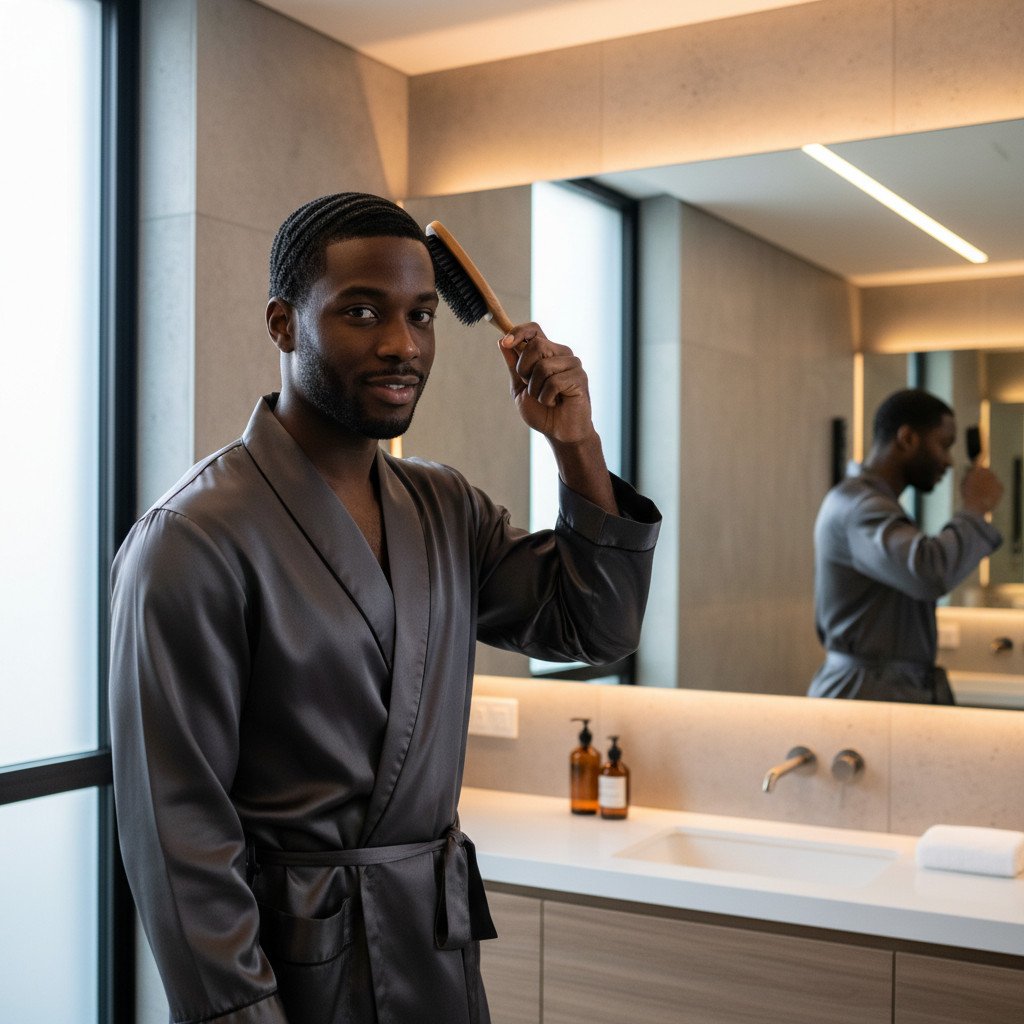
You can build waves on a budget if you stop buying duplicate products
Achieving crisp, defined 360 waves is a hallmark of meticulous grooming for many Black men. The journey to perfectly laid waves often conjures images of an arsenal of products, brushes, and durags. However, the truth is far simpler and significantly more budget-friendly than many assume. You do not need a cabinet full of expensive, redundant items to cultivate elite waves.
This guide cuts through the noise, offering a minimalist yet highly effective approach to 360 waves. We focus on essential tools and a streamlined routine, proving that smart choices, not excessive spending, pave the way to success. Embracing a Budget grooming for Black men philosophy means prioritizing quality and necessity over marketing hype.
Understanding the core principles of wave development — consistent brushing, proper compression, and adequate moisture — allows us to identify exactly what is needed and what can be omitted. This approach not only saves money but also simplifies your routine, making it more sustainable and less overwhelming. Let’s strip away the unnecessary and focus on what truly drives results.
The Science of Wave Formation: Why Less Can Be More
Waves are essentially hair laid down in a consistent pattern, creating a ripple effect. This is achieved by training the hair to lie flat against the scalp in a specific direction through repeated brushing. The natural curl pattern of Black men’s hair is uniquely suited for this, as the tight coils, when brushed and compressed, naturally form these distinctive patterns. The key is to manipulate the hair’s natural growth direction and maintain that trained pattern.
Over-complicating this process with too many products often leads to product buildup, scalp irritation, and ultimately, hinders wave progression. Each product should serve a clear, distinct purpose. If two products offer similar benefits, one is likely redundant. This minimalist philosophy is not about deprivation; it’s about strategic selection and maximizing the efficacy of each chosen item.
For instance, some men might use a pomade, a wave butter, and a hair oil, all aiming to provide moisture and hold. A single, well-formulated leave-in conditioner can often achieve these goals more effectively and without weighing down the hair. This streamlined approach ensures that every item in your kit contributes directly to your wave goals, fostering healthier hair and a clearer path to definition.
Debunking Common Wave Myths: You Don’t Need Everything
One prevalent myth is that you need a different brush for every stage of your waves (soft, medium, hard). While different bristle strengths have their place, a high-quality medium brush can serve most wavers effectively throughout their journey. Another myth suggests that expensive wave creams are superior to more affordable, yet equally effective, moisturizing products. Often, the core ingredients are similar, with price differences stemming from branding and marketing.
Many believe that daily washing is essential for wave maintenance. In reality, overwashing can strip natural oils, leading to dryness and breakage, which are detrimental to wave formation. A strategic wash day routine, perhaps once or twice a week, combined with daily moisturizing, is far more beneficial. This challenges the notion that more product or more frequent steps automatically lead to better results, reinforcing our budget-friendly, minimalist ethos.
Furthermore, the idea that you need multiple durags or wave caps for different purposes is often an exaggeration. One or two well-fitting, breathable compression garments are sufficient. The focus should be on consistent use and proper application, not on accumulating a vast collection. By debunking these myths, we empower you to make informed decisions and avoid unnecessary purchases, aligning perfectly with a Budget grooming for Black men mindset.
The minimal waves kit (5 items)
As an affiliate site, GFBM may earn from qualifying purchases through product links.
Building elite waves doesn’t require an extensive collection of products. In fact, a focused, minimalist approach often yields better results by preventing product buildup and simplifying your routine. Here are the five essential items for a budget-friendly 360 waves kit, each chosen for its crucial role in wave development and maintenance.
- Quality Wave Brush: This is the cornerstone of your wave journey. A good wave brush, preferably with medium bristles, is essential for training your hair. It stimulates the scalp, distributes natural oils, and lays your hair down consistently. Invest in one that feels comfortable in your hand and has durable bristles. A well-chosen brush will be your primary tool for defining and maintaining your wave pattern. Regular, consistent brushing is non-negotiable for success. You can find a reliable wave brush that fits your budget without compromising on effectiveness.
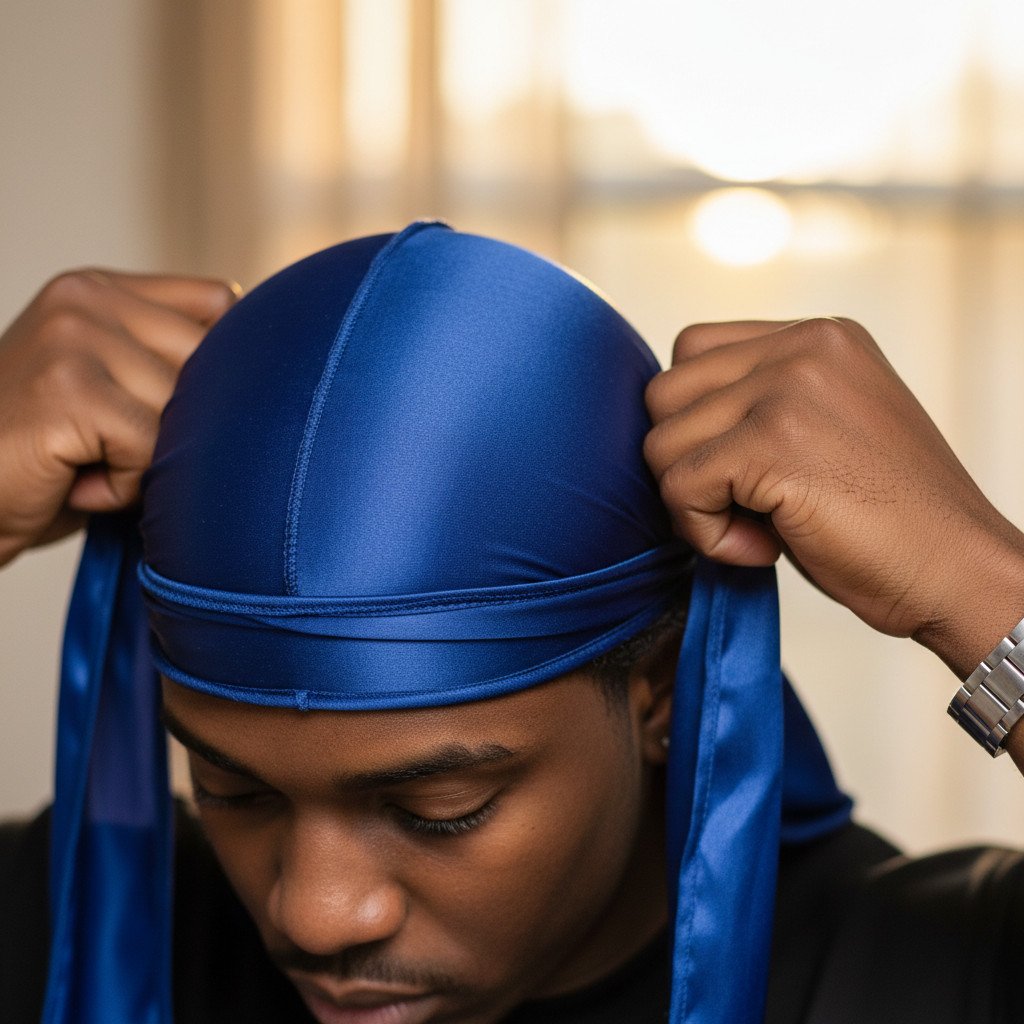
- Breathable Durag: A durag is vital for compressing your hair after brushing, locking in moisture, and protecting your wave pattern while you sleep or during physical activity. Opt for a silky or satin material that reduces friction and prevents breakage. Ensure it fits snugly but comfortably, without being too tight. The goal is consistent compression to lay your hair flat and reinforce the wave pattern. A properly tied durag is your best friend in maintaining progress between brushing sessions. Look for a durable and comfortable durag to protect your investment in brushing.
- Comfortable Wave Cap: While a durag is primary, a wave cap offers an additional layer of compression or a lighter alternative for certain situations. It’s particularly useful for protecting your waves during the day under a hat, or for an extra layer of compression over your durag for intense training sessions. Choose a cap made from a breathable, stretchable material that provides consistent pressure without causing discomfort. This item adds versatility to your compression strategy, ensuring your waves are always protected. A good wave cap can provide additional compression and protection.
- Hydrating Leave-In Conditioner: Moisture is paramount for healthy hair and defined waves. A leave-in conditioner provides continuous hydration, softens your hair, and makes it more pliable for brushing. It also helps prevent dryness and breakage, which are common issues for textured hair. Apply a small amount to damp hair before brushing to enhance manageability and shine. This single product can replace multiple pomades or butters, simplifying your routine while delivering essential nutrients. Incorporate a high-quality leave in conditioner into your daily routine for optimal hair health and wave definition.
- Moisturizing Shampoo: A gentle, moisturizing shampoo is essential for your wash day routine. It cleanses your scalp and hair without stripping away natural oils, which are crucial for wave health. Look for sulfate-free formulas that contain hydrating ingredients. Regular, yet not overly frequent, washing with a good moisturizing shampoo keeps your scalp healthy and prevents product buildup, ensuring your hair remains receptive to brushing and training. This is a foundational product for maintaining scalp hygiene and hair vitality. Choose a gentle, effective moisturizing shampoo to keep your scalp healthy and your waves vibrant.
Why These Five Items Are Sufficient: A Deeper Dive
Each item in this minimalist kit has been carefully selected because it addresses a fundamental aspect of wave formation and maintenance. The wave brush is the primary tool for mechanical training, physically laying the hair down. Without consistent brushing, waves simply will not form. Its role is irreplaceable.
The durag and wave cap serve the critical function of compression. Compression is what locks in the progress made by brushing, ensuring the hair stays in its trained position, especially during sleep. They also protect the hair from external elements and friction, which can disrupt the wave pattern. While they serve similar functions, having both offers flexibility for different needs and levels of compression.
The leave-in conditioner addresses the hair’s internal health and malleability. Dry, brittle hair will not lay down effectively and is prone to breakage. A good leave-in keeps the hair hydrated, soft, and easy to manipulate, making brushing more effective and comfortable. It replaces the need for heavy pomades or oils that can clog pores and lead to buildup.
Finally, the moisturizing shampoo ensures a clean, healthy foundation. A healthy scalp is crucial for healthy hair growth, which in turn is essential for strong, defined waves. Removing buildup without stripping natural oils allows the hair to breathe and absorb moisture effectively. These five items, used consistently and correctly, form a complete and highly effective system for developing and maintaining 360 waves.
Expanding on Brush Selection: Beyond Medium Bristles
While a medium wave brush is recommended as the primary tool for its versatility, understanding the nuances of brush types can further optimize your routine. Soft brushes are excellent for laying down the top layer of hair, adding shine, and for use on fresh cuts or sensitive scalps. They are less effective for deep training but perfect for finishing touches.
Hard brushes, on the other hand, are for deeper penetration, ideal for thicker, coarser hair, or during longer wolfing stages. They provide maximum pull and stimulation. However, overuse can irritate the scalp. For a minimalist approach, if you must choose one, a medium brush strikes the perfect balance, offering enough pull for training without being too harsh, making it the most budget-friendly and practical choice for most wavers, especially beginners.
Consider the handle and grip of your brush. An ergonomic design ensures comfort during extended brushing sessions, which are frequent in wave training. Wooden brushes often offer a good balance of weight and feel, while plastic brushes can be lighter and more budget-friendly. Regardless of material, the bristle quality and density are paramount. Look for boar bristles or a boar/nylon blend for effective hair training and distribution of natural oils.
The Role of Compression: Durags vs. Wave Caps in Detail
Both durags and wave caps provide compression, but they have distinct advantages. A durag, with its ties, offers customizable and often stronger compression, especially around the crown and sides. This makes it ideal for sleeping, intense workouts, or after a fresh cut when maximum hold is desired. The ties allow for adjustment to prevent slippage and ensure even pressure.
Wave caps, typically made of stretchy material, offer a more uniform, albeit often lighter, compression. They are excellent for casual wear, quick protection, or as an additional layer over a durag for extra hold. Some men find wave caps more comfortable for extended daytime wear. Having both allows you to adapt your compression strategy to different situations, ensuring your waves are always protected and laid.
When selecting a durag, pay attention to the material. Silky or satin durags are preferred over cotton because they cause less friction, reducing frizz and preventing moisture absorption from your hair. This helps maintain hydration. For wave caps, look for breathable fabrics that don’t cause excessive sweating, which can lead to scalp issues. The fit is crucial for both: too loose, and they won’t compress; too tight, and they can cause discomfort or even hair loss.
Optimizing Your Leave-In Conditioner Use
A leave-in conditioner is more than just a moisturizer; it’s a hair health booster. When choosing one, look for ingredients like shea butter, argan oil, jojoba oil, and glycerin. These ingredients provide deep hydration, improve elasticity, and add shine without leaving a greasy residue. Avoid products with heavy silicones or mineral oil, which can cause buildup and block moisture absorption over time.
Application technique is also key. Start with a small, pea-sized amount. Rub it between your palms to emulsify, then distribute it evenly through slightly damp hair, focusing on the areas where waves are forming. Avoid applying too much, as this can lead to product buildup and weigh down your hair. The goal is to provide just enough moisture to make your hair pliable and healthy.
Using your leave-in conditioner before brushing enhances the effectiveness of your brush. The conditioned hair is softer and more cooperative, allowing the bristles to lay it down more smoothly and efficiently. This synergy between moisture and mechanical training is what accelerates wave development. It also helps to reduce friction during brushing, minimizing potential damage.
The Importance of a Moisturizing Shampoo: Beyond Cleanliness
Your shampoo choice significantly impacts the health of your scalp and hair, which directly affects your wave journey. A moisturizing shampoo cleanses without stripping your hair of its natural oils, known as sebum. Sebum is vital for lubricating the hair shaft, providing natural shine, and protecting the hair from environmental damage. Harsh shampoos can remove too much sebum, leading to dry, brittle hair that is difficult to wave and prone to breakage.
Look for shampoos that are sulfate-free and contain natural emollients and humectants. Ingredients like aloe vera, coconut oil, honey, and panthenol help to retain moisture and soothe the scalp. A healthy scalp is the foundation for healthy hair growth. Issues like dryness, flakiness, or irritation can impede growth and make wave training uncomfortable or ineffective.
While this is a budget kit, investing in a good moisturizing shampoo is a non-negotiable. It sets the stage for all other products and efforts. Think of it as preparing the canvas before painting. A clean, well-hydrated scalp and hair respond better to brushing and product application, making your entire wave process more efficient and rewarding. This foundational care is often overlooked but is critical for long-term wave success.
The routine (AM + PM + wash day)
Consistency is the single most important factor in developing and maintaining 360 waves. A structured daily routine, combined with a strategic wash day, ensures your hair is continuously trained and nourished. This minimalist routine is designed to be effective without being overly time-consuming or reliant on a multitude of products.
Morning Routine (AM)
Your morning routine sets the tone for your waves for the entire day. It’s about reactivating your pattern and preparing your hair for the day ahead.
- Remove Compression: Gently remove your durag or wave cap. Observe your waves; they should be laid down and compressed.
- Light Moisturize (Optional but Recommended): If your hair feels dry, apply a very small amount of your leave in conditioner. Focus on areas that tend to frizz or lift. The goal is light hydration, not saturation.
- Brush Session (10-15 minutes): This is your primary training session. Using your wave brush, start from your crown and brush downwards and outwards in the direction of your wave pattern. Ensure every stroke is firm and consistent. Focus on all areas: top, sides, and back. This reactivates the pattern and further lays down any stray hairs.
- Re-compress (Optional): If you’re going to be active or want extra protection, you can put your wave cap back on for a short period before heading out, or wear it under a hat.
Evening Routine (PM)
The evening routine is crucial for reinforcing your wave pattern and protecting your hair overnight, ensuring consistent progress.
- Brush Session (15-20 minutes): This is typically your longest and most intensive brush session. Again, start from the crown and brush in the direction of your waves. Be thorough and consistent. This session solidifies the pattern before sleep.
- Moisturize: Apply a small, pea-sized amount of your leave in conditioner to your hair. Ensure even distribution. This will keep your hair hydrated overnight, preventing dryness and breakage.
- Durag Application: Carefully put on your durag. Ensure it’s tied snugly enough to provide compression without being uncomfortably tight. The goal is to keep your hair laid flat and protected throughout the night. Proper durag application is key to preventing frizz and maintaining your wave pattern.
Wash Day Routine (Once or Twice a Week)
Wash day is essential for cleansing your scalp, removing product buildup, and rehydrating your hair. Overwashing can strip natural oils, so aim for once or twice a week, depending on your hair type and activity level. For a deeper dive into wash day, refer to our comprehensive guide on waves wash day routine.
- Pre-Poo (Optional but Recommended): Before shampooing, you can apply a light oil (like coconut or olive oil, if you have it) to your hair and scalp. This helps protect your hair from the stripping effects of shampoo. Leave it on for 15-30 minutes.
- Shampoo (With Durag On): This is a critical step for maintaining your wave pattern. Get your hair wet, then apply a generous amount of your moisturizing shampoo directly over your durag. Gently massage your scalp through the durag. This cleanses your scalp while keeping your hair laid down. Rinse thoroughly, still with the durag on, until the water runs clear.
- Condition (With Durag On): After rinsing the shampoo, apply your leave-in conditioner over the durag. Gently massage it in, ensuring it penetrates through the fabric. Leave it on for 5-10 minutes. This step is crucial for deep hydration.
- Rinse (With Durag On): Rinse the conditioner out thoroughly, keeping the durag on.
- Remove Durag & Final Rinse: Carefully remove your durag. You’ll notice your waves are still intact. Do a final quick rinse if needed.
- Light Moisturize & Brush: Apply a small amount of your leave-in conditioner to your damp hair. Perform a short, thorough brush session (5-10 minutes) to redefine your pattern.
- Re-compress: Immediately put on a clean durag or wave cap to lock in the moisture and pattern as your hair air dries.
The Importance of Consistency and Patience
This routine, while minimalist, demands consistency. Skipping brush sessions or neglecting your durag will hinder progress. Waves are not an overnight phenomenon; they are the result of consistent training and care over weeks and months. Embrace the process, and trust that your efforts will yield results. For a beginner’s guide to 360 waves, check out our resource on 360 waves beginner routine.
Beyond the physical steps, developing a mindful approach to your grooming is beneficial. Pay attention to how your hair responds to products and brushing. Are certain areas more resistant? Does your scalp feel dry or oily? Adjusting the frequency of moisturizing or the intensity of brushing based on these observations will fine-tune your routine for optimal results. This self-awareness is a key component of elevated self-mastery in grooming.
Integrating Hair Health into Your Wave Journey
While the focus is on waves, the underlying principle is healthy hair. The products and routine outlined here are chosen not just for wave formation but for overall hair and scalp health. A healthy scalp promotes stronger hair growth, which is essential for dense, well-defined waves. Dry, brittle hair will break before it can be trained effectively.
Ensure your diet is rich in vitamins and minerals that support hair health, such as biotin, zinc, and iron. Hydration from within is also crucial; drinking plenty of water contributes to healthy hair and skin. These internal factors complement your external grooming efforts, creating a holistic approach to your wave journey. For more on overall hair and scalp health, explore our pillar page on Hair & Scalp Health for Black Men.
Adapting the Routine for Different Hair Textures
While the core routine remains the same, slight adjustments might be beneficial based on your specific hair texture. Men with very coarse, resistant hair might need longer and more frequent brush sessions, perhaps extending each session by 5-10 minutes. They might also benefit from a slightly firmer brush to ensure deeper penetration and more effective training.
Conversely, men with finer hair might find shorter brush sessions sufficient and should be mindful of not over-brushing, which can lead to scalp irritation. They might also need less leave-in conditioner to avoid weighing down their hair. The key is to listen to your hair and scalp, and make minor, informed adjustments to the recommended timings and product quantities.
For those with extremely dry hair, a light application of a natural oil (like jojoba or argan oil, if available) can be added to the evening routine, *after* the leave-in conditioner, to seal in moisture. However, for a strict budget approach, the leave-in conditioner should be sufficient. The principle is always to provide adequate moisture without causing excessive buildup, which can hinder wave progression and scalp health.
The Wolfing Stage: A Deeper Look
The wolfing stage is a critical period in wave development where you allow your hair to grow out longer than usual, typically 4-8 weeks, while maintaining your brushing routine. This extended length provides more hair to lay down, leading to deeper, more defined waves. During wolfing, your brushing sessions become even more crucial.
You might find that you need to use your wave cap more frequently during the day to keep the longer hair compressed. The leave-in conditioner becomes even more important to keep the longer hair moisturized and manageable, preventing tangles and breakage. Some wavers might introduce a slightly harder brush during the later stages of wolfing to ensure the longer hair is still being effectively laid down.
The wash day routine during wolfing remains similar, but extra attention should be paid to thoroughly rinsing out products to prevent buildup, especially with longer hair. Patience is paramount during wolfing; it can feel messy, but the payoff in wave depth is significant. Once you cut your hair down (a ‘cut-and-style’ or ‘cut-and-brush’), your waves will pop with newfound definition.
Post-Cut Maintenance for Optimal Waves
After a fresh haircut, your waves will appear sharper and more defined. This is a crucial time to reinforce your pattern. Immediately after the cut, perform a thorough brush session. Your hair is at its shortest and most receptive to training. Apply a light amount of leave-in conditioner to lock in moisture and shine.
For the first few days post-cut, consider wearing your durag or wave cap for longer periods, even during the day if possible, to really set the pattern. Your hair will be more prone to lifting at this stage. Maintain your regular AM/PM brushing and moisturizing routine diligently. This immediate post-cut care is what transitions your wolfed waves into a polished, visible pattern, showcasing the results of your hard work.
Remember, the goal of this budget-friendly routine is not to cut corners on quality but to optimize your product usage and maximize the impact of each step. By understanding the ‘why’ behind each action, you gain control over your wave journey, achieving impressive results with minimal investment. For a comprehensive overview of 360 waves, visit our main 360 waves pillar page.
Table: If you’re flaky / product-heavy / sensitive scalp → adjust like this
| Condition | Problem Manifestation | Budget-Friendly Adjustment | Why This Works |
|---|---|---|---|
| Flaky Scalp | Visible flakes, itching, dryness, sometimes redness. | Increase wash day frequency to twice a week. Ensure thorough rinsing of shampoo and conditioner. Focus on massaging scalp during shampooing to loosen flakes. Use a small amount of leave-in conditioner directly on scalp after washing. | Regular, gentle cleansing removes dead skin cells and product residue. Thorough rinsing prevents product buildup that can exacerbate flaking. Moisturizing the scalp directly helps alleviate dryness. |
| Product-Heavy Hair | Greasy feel, dull waves, hair not laying down, rapid product buildup. | Reduce the amount of leave-in conditioner used. Ensure shampoo is sulfate-free and rinse hair for an extra minute on wash day. Consider a ‘clarifying wash’ every 2-3 weeks (using a very small amount of apple cider vinegar diluted in water, followed by shampoo/conditioner). | Less product prevents accumulation. Sulfate-free shampoos cleanse without stripping, but thorough rinsing is key. Clarifying washes remove stubborn buildup, allowing hair to absorb moisture better and lay flatter. |
| Sensitive Scalp | Irritation, redness, burning sensation, bumps after brushing or product use. | Use a soft or extra-soft wave brush for daily sessions, especially initially. Choose unscented or naturally scented leave-in conditioner and shampoo. Reduce brushing pressure. Avoid extremely hot water during washes. | Softer brushes reduce physical irritation. Unscented products minimize chemical irritants. Gentle brushing prevents micro-abrasions. Lukewarm water is less harsh on sensitive skin. |
| Slow Wave Progression | Waves not forming or deepening despite consistent brushing. | Increase daily brush session duration by 5-10 minutes per session. Ensure proper brushing angles from crown outwards. Extend wolfing periods to 6-8 weeks. Verify durag compression is snug and consistent. | More brushing time directly trains hair. Correct angles ensure uniform pattern. Longer wolfing provides more hair to lay down. Consistent compression locks in progress. |
| Frizz/Lack of Definition | Hair appears unruly, waves look fuzzy, especially after removing durag. | Ensure durag is worn immediately after brushing and moisturizing, and throughout sleep. Apply leave-in conditioner to slightly damp hair. Consider a ‘wet brush’ method (brushing with damp hair). | Immediate compression prevents frizz. Damp hair is more pliable for brushing. Wet brushing helps lay hair down more smoothly and lock in definition. |
| Hair Breakage/Thinning | Noticeable hair strands on brush, thinning areas. | Reduce brushing pressure and frequency if excessive. Ensure leave-in conditioner is used consistently for hydration. Avoid tight durags that pull at the hairline. Check for harsh chemicals in any products. | Gentle handling prevents physical damage. Hydration maintains hair elasticity. Proper durag fit prevents traction alopecia. Stick to minimalist, gentle products. |
Understanding Scalp Health and Its Impact on Waves
Your scalp is the foundation for healthy hair growth, and by extension, for well-defined waves. Issues like flakiness, irritation, or excessive oiliness can directly impede your wave journey. A healthy scalp ensures that hair follicles are unimpeded, allowing hair to grow strong and resilient. When the scalp is compromised, hair growth can be stunted, leading to weaker strands that are harder to train and more prone to breakage.
Flaky scalp, often a sign of dryness or a mild form of dermatitis, needs attention. The adjustments in the table, such as increased wash frequency with a moisturizing shampoo and direct scalp moisturization, aim to restore balance. Over-the-counter dandruff shampoos can be considered if the issue persists, but always opt for gentle, hydrating formulas. The goal is to create a clean, moisturized environment for your hair to thrive.
Product buildup is another common culprit. When too many products are applied, or products aren’t thoroughly rinsed, they can accumulate on the scalp and hair shaft. This not only weighs down your waves but can also clog follicles, leading to irritation, flaking, and even hair loss. The ‘clarifying wash’ suggestion in the table is a budget-friendly way to reset your scalp, removing buildup without harsh chemicals.
The Nuances of Brushing: Pressure, Angle, and Frequency
Brushing is the most active component of wave training. It’s not just about moving the brush over your head; it’s about intentional, consistent strokes. The pressure you apply should be firm enough to pull the hair, but not so hard that it irritates your scalp. For a sensitive scalp, reducing pressure and using a softer brush is paramount.
The angle of your brush strokes is equally important. For 360 waves, you’re always brushing from the crown outwards in all directions, following the natural flow of your desired pattern. This means brushing straight down from the crown for the back, diagonally forward for the sides, and straight forward for the front. Inconsistent angles lead to an uneven wave pattern.
Frequency is where consistency comes in. Multiple short brush sessions throughout the day are often more effective than one long, intense session. This continuous training keeps the hair laid and reinforces the pattern. The table’s suggestion for slow wave progression to increase brush session duration is about intensifying this training when initial results are not as desired. Remember, every stroke counts, and every stroke should be purposeful.
Addressing Hair Breakage and Thinning: A Preventative Approach
Hair breakage and thinning are serious concerns that can derail any wave journey. While genetics play a role, many instances of breakage are preventable and often linked to improper grooming practices. The table highlights key adjustments: reducing brushing pressure, ensuring consistent hydration, and proper durag fit.
Excessive force during brushing can physically snap hair strands, especially if the hair is dry or brittle. This is why consistent use of a leave-in conditioner is non-negotiable; it lubricates the hair, making it more flexible and less prone to breakage. Tight durags, particularly those that pull at the hairline, can cause traction alopecia, a form of hair loss. Always ensure your durag is snug but comfortable, without creating tension on the edges.
Beyond the table, consider the tools you use. Ensure your wave brush is clean and free of snagging bristles. Avoid using fine-toothed combs on dry hair, as this can cause significant breakage. If thinning or breakage persists despite these adjustments, consulting a dermatologist or trichologist might be necessary to rule out underlying medical conditions. Prioritizing hair health over immediate wave definition is crucial for long-term success.
Frizz and Lack of Definition: The Compression Solution
Frizz and a lack of definition are common frustrations for wavers, often indicating insufficient compression or moisture. The table’s recommendations focus on reinforcing the durag’s role and optimizing moisture application. Frizz occurs when the outer layer of the hair (cuticle) lifts, allowing moisture to enter and swell the hair shaft. Compression helps keep the cuticle flat.
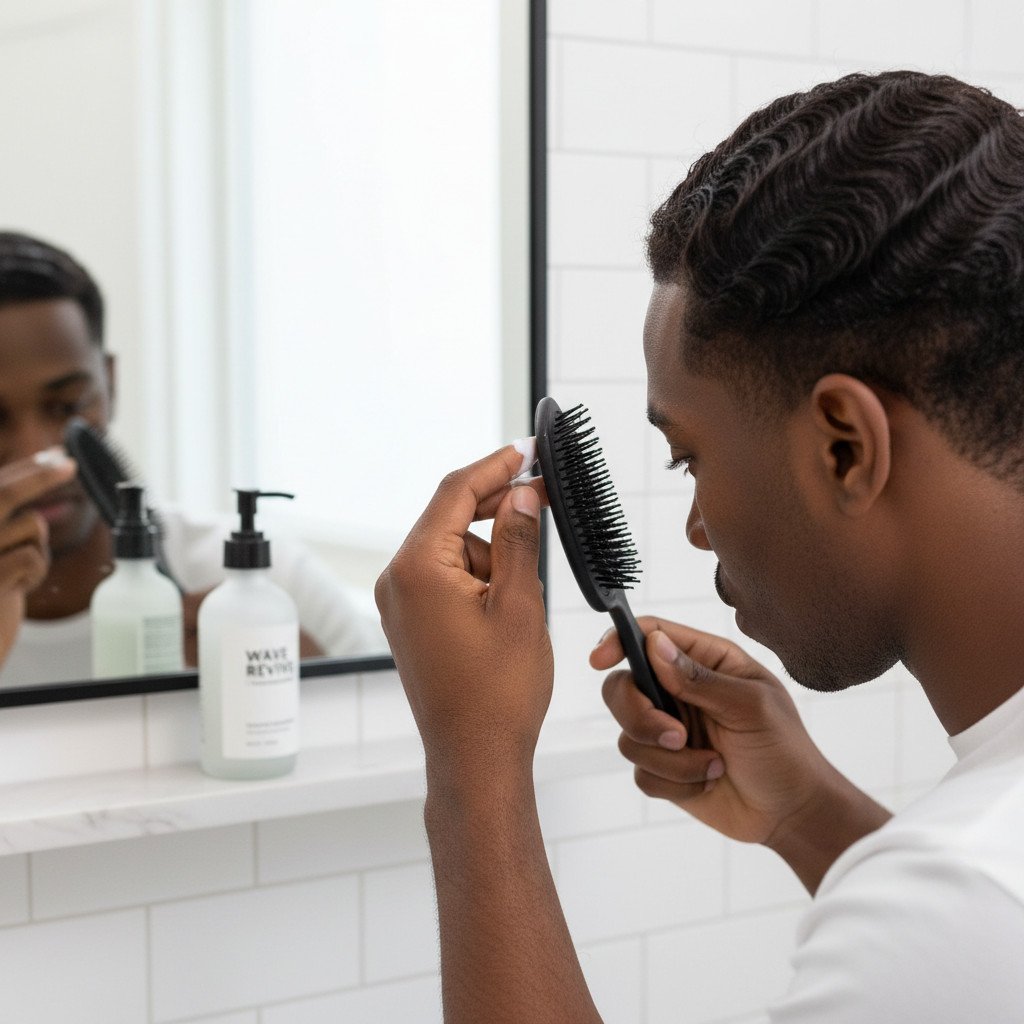
Applying leave-in conditioner to slightly damp hair before brushing and immediately applying a durag creates an optimal environment. The dampness helps the hair lay down, the conditioner provides hydration and a light hold, and the durag locks it all in as the hair dries. The ‘wet brush’ method, where you brush your hair while it’s slightly damp (not soaking wet), can be particularly effective for stubborn frizz, as it allows the brush to manipulate the hair more easily into its desired pattern.
Remember, the goal is to create a smooth, flat surface. Any disruption to this surface, whether from friction (e.g., rubbing against a pillow without a durag) or lack of moisture, will lead to frizz. Consistent compression, especially overnight, is your primary defense against this common wave challenge. For more detailed insights into achieving defined waves, explore our comprehensive guide on 360 waves.
Final Thoughts
Achieving impressive 360 waves is a journey of discipline, consistency, and understanding your hair. This budget-friendly, minimalist approach proves that you don’t need a vast array of expensive products to get exceptional results. By focusing on the five essential items – a quality wave brush, a breathable durag, a comfortable wave cap, a hydrating leave-in conditioner, and a moisturizing shampoo – you equip yourself with everything necessary for success.
The power lies not in the quantity of products, but in the quality of your routine and the consistency of your effort. Embrace the AM, PM, and Wash Day routines with diligence, making adjustments as needed for your unique scalp and hair conditions. Patience is your greatest ally; waves are built over time, stroke by stroke, day by day. Trust the process, and your dedication will be rewarded with sharp, defined waves that reflect your commitment to elevated self-mastery.
Beyond the Basics: Sustaining Your Wave Journey
Once you’ve established your waves using this minimalist kit, the focus shifts to maintenance and refinement. The principles remain the same: consistent brushing, effective compression, and adequate moisture. However, you might find yourself becoming more attuned to the subtle needs of your hair. This heightened awareness is a natural progression of your grooming journey.
Consider periodically evaluating your brush. Over time, bristles can wear down, becoming less effective. Replacing your wave brush when it shows signs of significant wear ensures you maintain optimal training power. Similarly, inspect your durags and wave caps for tears or stretched elastic, which can compromise compression. Small, timely replacements ensure your core tools remain effective.
As your waves deepen, you might explore different brushing patterns or angles to enhance specific areas. Some wavers experiment with ‘vertical brushing’ for the sides to create a more seamless connection to the top. These are advanced techniques that build upon the foundational consistency established by this budget kit. The journey is continuous, offering endless opportunities for refinement.
The Psychological Benefits of a Consistent Wave Routine
Beyond the aesthetic appeal, the process of cultivating 360 waves offers significant psychological benefits. The discipline required for consistent daily brushing and routine adherence fosters a sense of accomplishment and self-control. This dedication to a personal goal translates into other areas of life, reinforcing positive habits and a commitment to self-improvement.
The visible progress of your waves serves as a tangible reward for your efforts, boosting confidence and self-esteem. It’s a testament to your patience and meticulousness. This isn’t just about hair; it’s about cultivating a mindset of excellence and attention to detail, which are hallmarks of true self-mastery. The waves become a symbol of your dedication to personal grooming and overall well-being.
Furthermore, the routine can become a meditative practice. The repetitive motion of brushing, the focus on your hair, and the quiet moments of self-care can be a calming and centering experience in a busy world. It’s a dedicated time for yourself, away from distractions, allowing for reflection and mindfulness. This holistic approach to grooming elevates it beyond mere vanity to a form of self-respect and personal development.
Educating Others: Sharing the Minimalist Approach
As you achieve success with your budget-friendly wave kit, you’ll inevitably encounter others who are struggling with their wave journey or spending excessively on unnecessary products. Sharing your insights and demonstrating that elite waves are attainable without breaking the bank can be empowering for your peers. This aligns with the community aspect often found in barbershop wisdom.
You can advocate for smart product choices, emphasize the importance of consistency over quantity, and debunk common myths. By doing so, you contribute to a more informed grooming community, helping others achieve their goals efficiently and economically. This act of sharing knowledge is a form of leadership, guiding others towards practical, evidence-based grooming practices.
Remember the core tenets: simplicity, consistency, and quality over quantity. These principles extend beyond wave grooming to all aspects of Budget grooming for Black men. By mastering your waves with a minimal setup, you demonstrate that true results come from strategic effort, not endless consumption. This is the essence of smart, confident grooming.
Next Reads
For more insights into smart grooming, explore our Budget grooming for Black men pillar, dive deeper into the world of 360 waves, or perfect your waves wash day routine.
Frequently Asked Questions
How long does it take to get 360 waves with a budget kit?
With consistent application of this budget-friendly routine, visible waves can start forming within 2-4 weeks. However, achieving deep, defined 360 waves typically takes 2-3 months or more of dedicated effort. Patience and daily adherence to the brushing and compression schedule are crucial for optimal results.
Can I really get good waves without expensive products?
Absolutely. The core principles of wave formation are consistent brushing, proper compression, and adequate moisture. Expensive products often contain similar active ingredients to their budget-friendly counterparts but come with higher marketing costs. This minimalist kit focuses on essential functions, proving that smart choices yield excellent results without premium price tags.
How often should I brush my hair for 360 waves?
For optimal wave development, aim for at least 3-4 brush sessions per day, with each session lasting 10-20 minutes. Consistency is more important than duration. Distribute your sessions throughout the day (morning, midday, evening) to continuously train your hair and reinforce the wave pattern.
What’s the difference between a durag and a wave cap, and do I need both?
A durag offers stronger, customizable compression with ties, ideal for sleeping and intense protection. A wave cap provides lighter, uniform compression, often used for casual wear or as an extra layer. While a durag is essential, having both offers versatility. The wave cap can provide added compression or a lighter alternative for daytime wear, making it a valuable addition to a minimalist kit.
My scalp gets flaky with waves; how can I fix it with a budget approach?
Flakiness often indicates dryness or product buildup. Increase your wash day frequency to twice a week, ensuring you use a moisturizing, sulfate-free shampoo and rinse thoroughly. After washing, apply a small amount of your leave-in conditioner directly to your scalp to hydrate it. Avoid excessive product application to prevent buildup.
Can I use regular conditioner instead of a leave-in conditioner?
While a rinse-out conditioner provides hydration during washing, a leave-in conditioner is designed to provide continuous moisture and manageability throughout the day without being rinsed out. For a minimalist budget kit, a leave-in conditioner is more versatile as it serves both as a daily moisturizer and a conditioning agent during wash day, making it a more efficient choice.
How do I know if my durag is too tight?
A durag is too tight if it causes discomfort, leaves deep indentations on your forehead or temples, or results in headaches. While it needs to be snug for compression, it should never be painful or restrict blood flow. If you experience these symptoms, loosen the ties slightly. An overly tight durag can also contribute to hairline thinning over time.
Shop wave brush on Amazon
Shop durag on Amazon
Shop wave cap on Amazon
Shop leave in conditioner on Amazon
Shop moisturizing shampoo on Amazon