Protective Styles for Black Men: Mastering Scalp Health Under Braids, Twists, and Locs
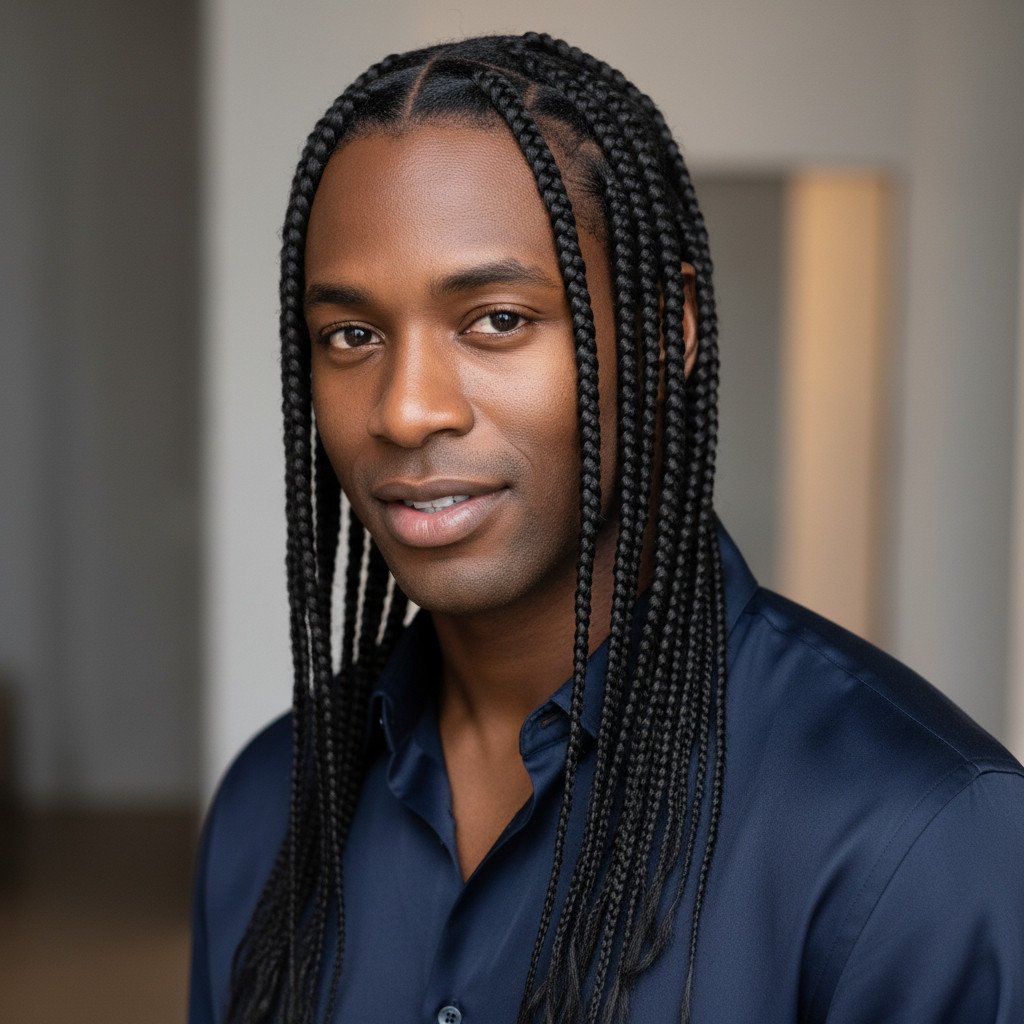
Protective styles are more than a trend; they are a cornerstone of hair care for Black men. From braids and twists to locs, these styles offer versatility, reduce daily manipulation, and promote length retention. Yet, their benefits are only fully realized when coupled with diligent scalp care. Neglecting your scalp under a protective style can lead to discomfort, irritation, and even long-term hair health issues. This guide cuts through the noise, providing direct, actionable strategies for maintaining optimal scalp health while rocking your chosen protective style.
Understanding the synergy between your chosen style and your scalp’s well-being is paramount. A healthy scalp is the foundation for healthy hair, especially when hair is tucked away or tension is applied. We will explore the critical steps to ensure your scalp remains clean, moisturized, and free from irritation, allowing your hair to thrive beneath your protective style. This is not about quick fixes; it’s about establishing a sustainable routine that respects your hair’s natural growth cycle and preserves your scalp’s integrity. For a broader understanding of foundational hair care, refer to our comprehensive guide on Hair & scalp health for Black men.
The Foundation: Why Scalp Health is Non-Negotiable with Protective Styles
Protective styles, by their nature, reduce the need for daily styling and manipulation, which can minimize breakage and encourage growth. However, they also create an environment that can be challenging for scalp maintenance. The scalp can become less accessible for cleaning, leading to product buildup, sweat accumulation, and potential microbial overgrowth if not managed correctly. This environment, if neglected, can foster issues ranging from mild itchiness to severe inflammation and hair loss.
Maintaining a healthy scalp under a protective style means preventing common pitfalls. It involves understanding how to cleanse effectively without disturbing the style, how to moisturize deeply without causing buildup, and how to identify early signs of distress. Your scalp is living tissue, and just like the skin on your face, it requires consistent, targeted care. Ignoring these needs can undermine the very benefits protective styles are meant to provide, turning a growth-promoting strategy into a source of frustration.
Understanding the Scalp’s Ecosystem Under Wraps
The scalp is a complex ecosystem. It has sebaceous glands that produce oil (sebum), hair follicles that produce hair, and a natural microbiome of bacteria and fungi. When hair is in a protective style, airflow to the scalp can be reduced, and the natural shedding process of skin cells might be impeded. This altered environment can trap moisture, sweat, and product residue, creating a breeding ground for issues if not properly managed. The goal is to maintain balance within this ecosystem.
For instance, an overgrowth of certain yeasts, like Malassezia, can lead to dandruff. If the scalp becomes too dry, it can flake and itch. Excessive oil production combined with trapped debris can lead to clogged follicles and inflammation. Each protective style—be it braids, twists, or locs—presents unique challenges and opportunities for scalp care. Recognizing these nuances is the first step toward effective maintenance. This proactive approach ensures that your protective style truly serves its purpose: protecting your hair and promoting its health.
Common Scalp Issues Amplified by Protective Styles
Several common scalp conditions can be exacerbated when hair is in a protective style. Awareness of these issues allows for early detection and intervention, preventing minor irritations from escalating into more significant problems. Understanding the symptoms and causes is key to effective management.
- Dryness and Itchiness: Reduced access for moisturizing and cleansing can lead to a dry, itchy scalp. This is often due to insufficient hydration or harsh products.
- Dandruff: The warm, sometimes moist environment under protective styles can encourage the overgrowth of Malassezia yeast, leading to flaking and itching. This is distinct from a dry scalp, often presenting with oily, yellowish flakes. For a deeper dive into this, consult our guide on dandruff for Black men.
- Product Buildup: Gels, waxes, and oils used during styling, combined with natural sebum and shed skin cells, can accumulate. This buildup can clog follicles, irritate the scalp, and hinder product absorption.
- Tension Alopecia: Styles that are too tight, especially around the hairline, can cause significant stress on hair follicles. This can lead to inflammation, pain, and eventually hair loss in the affected areas.
- Folliculitis: Inflammation of the hair follicles, often appearing as small, red, sometimes pus-filled bumps. This can be caused by bacteria or fungi, especially in environments where sweat and oils are trapped.
- Scalp Odor: The accumulation of sweat, oils, and bacteria can lead to an unpleasant odor if the scalp is not regularly cleansed.
Addressing these issues promptly is crucial. Ignoring them can lead to chronic discomfort, damage to hair follicles, and even permanent hair loss in severe cases. Prevention through a consistent and appropriate care routine is always the best strategy.
Pre-Installation Prep: Setting Your Scalp Up for Success
The health of your scalp under a protective style begins before the style is even installed. A thorough preparation routine ensures your scalp is clean, balanced, and ready to endure the duration of the style. Skipping these crucial steps can compromise your scalp’s health from day one.
Deep Cleanse and Detoxify
Before any protective style, your scalp needs to be meticulously clean. This means more than just a regular wash. A clarifying or detoxifying shampoo can remove old product buildup, excess sebum, and environmental impurities that have accumulated over time. This creates a fresh canvas for your new style.
As an affiliate site, GFBM may earn from qualifying purchases through product links.
Action: Use a clarifying shampoo to thoroughly cleanse your scalp and hair. Focus on massaging the shampoo directly onto the scalp to lift debris. Rinse thoroughly until the water runs clear. This step is critical for preventing buildup under your style. For an excellent option, consider a clarifying shampoo.
Moisturize and Condition
After a deep cleanse, your scalp and hair need to be replenished with moisture. Skipping conditioner or a deep conditioning treatment can leave your hair dry and brittle, making it more susceptible to breakage under the tension of a protective style. A well-moisturized scalp is also less prone to flaking and itching.
Action: Apply a rich, moisturizing conditioner or a deep conditioning treatment. Focus on the hair strands, but also gently massage some into your scalp. Allow it to sit for the recommended time, then rinse thoroughly. Follow up with a lightweight leave-in conditioner to lock in moisture. This step is vital for hair elasticity and scalp hydration. For optimal results, use a deep conditioner.
Scalp Treatment and Exfoliation (If Needed)
If you regularly experience scalp issues like severe dryness, flaking, or excessive oiliness, a pre-style scalp treatment can be beneficial. This could involve a gentle scalp scrub to remove dead skin cells or a targeted treatment for specific conditions. However, be cautious not to over-exfoliate, as this can cause irritation. For more on this, refer to our guide on scalp exfoliation for Black men.
Action: If your scalp is prone to buildup or flaking, consider a gentle scalp exfoliant. Apply it before shampooing, massage gently, and rinse thoroughly. This helps to clear the follicular openings and promote a healthier scalp environment. Ensure your scalp is calm and free of any open sores or irritation before applying any exfoliating agents.
Ensure Hair is Fully Dry
Installing a protective style on damp hair can lead to mildew, odor, and bacterial growth. This is a common mistake that can severely compromise scalp health. Ensure your hair and scalp are completely dry before braiding, twisting, or locing.
Action: Air dry your hair completely or use a low-heat setting on a blow dryer until every strand and your entire scalp are dry. Patience here prevents significant problems later. This step is non-negotiable for preventing fungal or bacterial issues under your style.
During the Style: Daily and Weekly Scalp Maintenance
Once your protective style is in place, the real work of maintenance begins. Consistency is key. A regular routine will keep your scalp healthy, prevent buildup, and ensure your style looks fresh for longer. This routine focuses on targeted cleansing, moisturizing, and protection.
Targeted Cleansing: Keeping it Fresh Without Frizz
Regular cleansing is crucial, even with a protective style. The challenge is to clean the scalp without disrupting the style or causing frizz. This is where targeted cleansing methods come into play, focusing directly on the scalp rather than saturating the entire style.
Weekly Scalp Cleanse (Wash Day)
Your scalp still produces oil and sheds skin cells, which can combine with product residue. A weekly or bi-weekly targeted wash is essential. Use a diluted shampoo or a specialized scalp cleanser. This prevents buildup and keeps your scalp feeling fresh.
Action: Dilute a gentle, sulfate-free shampoo with water in a scalp applicator bottle. Apply the mixture directly to your scalp in sections. Gently massage with your fingertips to lift dirt and oil. Rinse thoroughly, allowing the water to run through the braids/twists/locs. Avoid vigorous scrubbing that could loosen your style. Follow up with a light conditioner on the exposed hair and rinse. For those prone to dandruff, consider an anti-dandruff shampoo for this step, focusing on the scalp. For more on selecting the right cleanser, see our guide on the best shampoo for Black men.
Spot Cleaning and Refreshes
Between full washes, you might need to spot clean areas of your scalp, especially around the hairline or if you’ve been particularly active. Scalp refreshers or witch hazel can be effective for this.
Action: Dampen a cotton ball or pad with witch hazel or a specialized scalp refresher spray. Gently dab and wipe your scalp in sections. This helps to remove surface dirt, excess oil, and reduce itchiness without getting your entire style wet. Allow to air dry completely. This is a quick way to maintain freshness and reduce irritation.
Moisturizing: Hydration is Your Ally
Moisture retention is paramount. Protective styles can sometimes make it harder for natural oils to travel down the hair shaft, leading to dryness. Consistent, targeted moisturizing prevents breakage and keeps your scalp supple.
Daily Scalp Oiling/Moisturizing
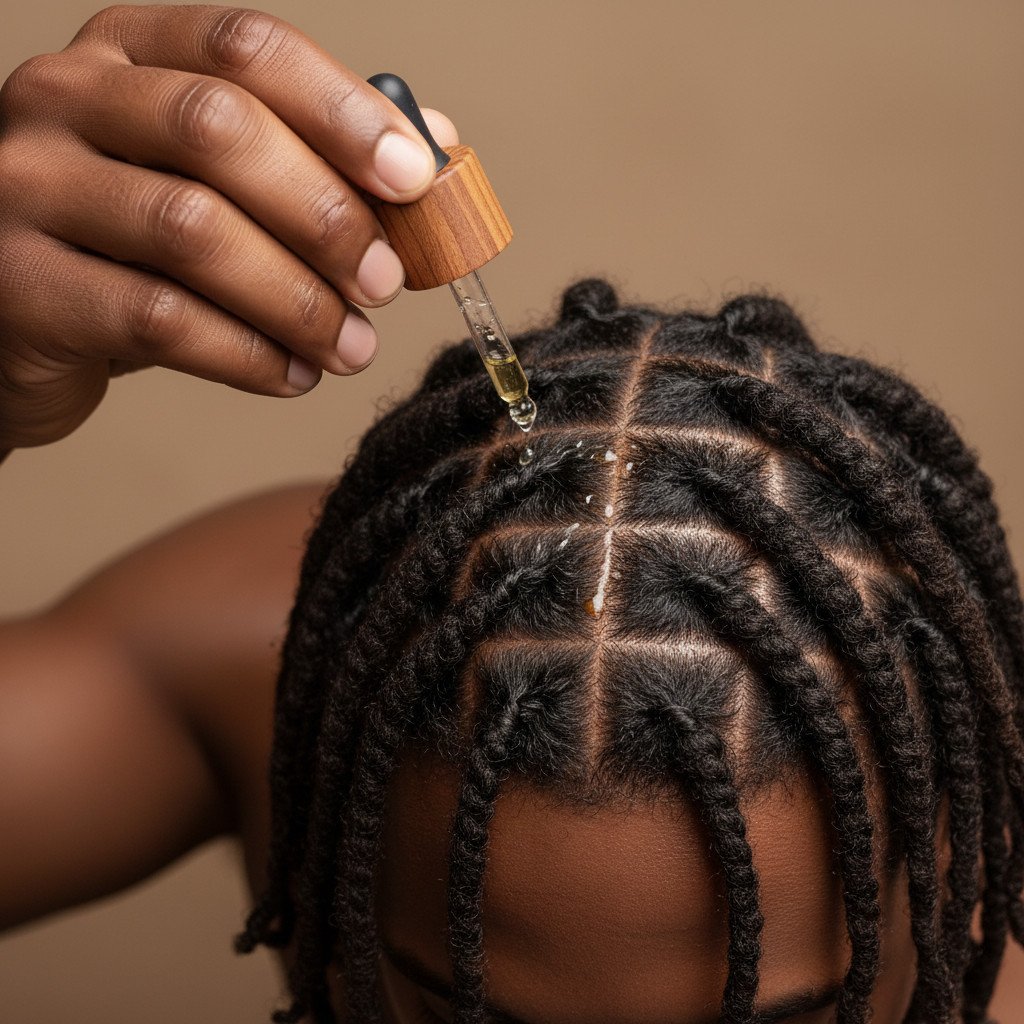
Your scalp needs daily moisture. Use a lightweight oil or a scalp serum to keep it hydrated. Avoid heavy greases that can clog pores and attract dirt. The goal is to nourish, not suffocate.
Action: Apply a few drops of a lightweight scalp oil or serum directly to your scalp in sections. Gently massage it in with your fingertips. This stimulates blood flow and ensures the product is absorbed. Focus on areas prone to dryness or tension. A lightweight scalp oil is ideal for this purpose. For the hair itself, a leave-in conditioner can be spritzed lightly onto the length of the braids/twists/locs to maintain moisture without causing buildup.
Hair Strand Hydration
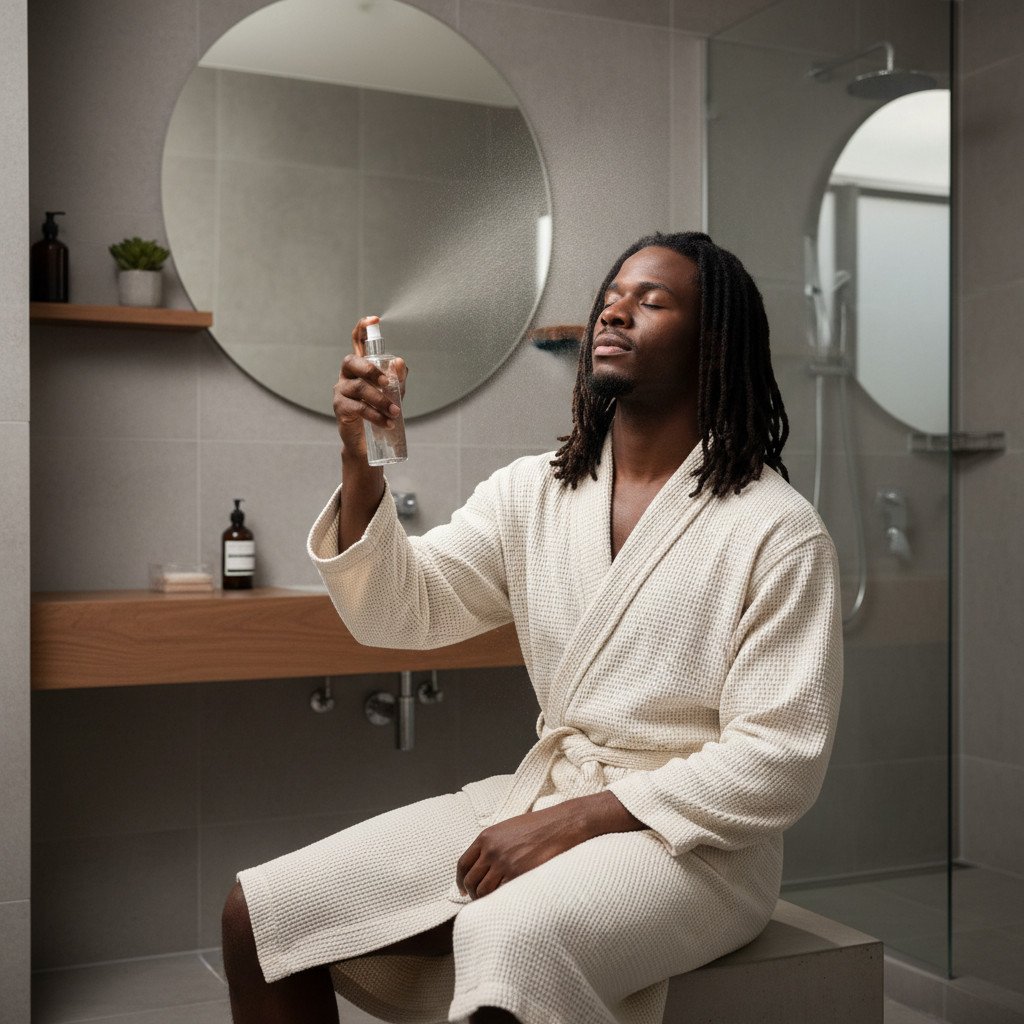
While the scalp is the priority, the hair within the protective style also needs attention. Spritzing with a water-based leave-in conditioner or a hydrating mist can prevent the hair from becoming brittle.
Action: Lightly mist your braids, twists, or locs with a hydrating spray containing water and a leave-in conditioner. Focus on the mid-lengths and ends. Do not over-saturate, as this can lead to prolonged drying times and potential mildew. This step helps maintain the elasticity and health of your hair strands.
Protection: Safeguarding Your Style and Scalp
Protection extends beyond the initial installation. Daily habits can significantly impact the longevity of your style and the health of your scalp.
Nighttime Routine
Sleeping directly on cotton pillowcases can draw moisture from your hair and scalp, leading to dryness and frizz. It can also cause friction that loosens your style prematurely.
Action: Always sleep with a silk or satin bonnet or on a silk/satin pillowcase. This reduces friction, preserves moisture, and helps maintain the neatness of your style. This simple habit makes a significant difference in both hair and scalp health.
Managing Tension
One of the biggest threats to scalp health with protective styles is excessive tension. This can lead to pain, inflammation, and even permanent hair loss (traction alopecia).
Action: Communicate clearly with your stylist about tension levels during installation. If a style feels too tight, ask them to loosen it. After installation, avoid pulling your style into very tight updos or ponytails. If you experience persistent pain, redness, or bumps around the hairline, consider taking the style down. Do not ignore signs of tension. If you notice any sores or oozing, consult a doctor or dermatologist immediately.
Specific Care for Different Protective Styles
While the core principles of scalp care remain consistent, each protective style has unique characteristics that influence the best maintenance practices. Understanding these nuances allows for a more tailored and effective approach.
Braids (Box Braids, Cornrows, Knotless Braids)
Braids are a popular choice, offering durability and versatility. However, the intertwined nature of braids can make thorough cleansing challenging and can sometimes lead to significant tension if not installed correctly.
- Cleansing: Focus on diluting shampoo and using an applicator bottle to reach the scalp directly. Gently scrub with fingertips. Air dry completely.
- Moisturizing: Use lightweight oils or scalp serums applied directly to the scalp. A hydrating mist for the length of the braids can prevent dryness.
- Tension Management: Be particularly mindful of tension around the edges and nape. If braids feel too tight, apply a warm, damp cloth to the roots to help loosen them slightly.
- Duration: Limit the wear time to 6-8 weeks maximum to prevent excessive buildup and tension on new growth.
Twists (Two-Strand Twists, Senegalese Twists)
Twists often offer more flexibility and can be easier to access the scalp than very tight braids. However, they can unravel more easily if not handled gently during washing.
- Cleansing: Similar to braids, use a diluted shampoo in an applicator bottle. Be extra gentle during the massaging and rinsing phases to prevent unraveling.
- Moisturizing: Regular application of scalp oil or serum is crucial. Twists can absorb moisture well, so a light leave-in conditioner mist is also beneficial.
- Re-twisting: As new growth appears, you may need to re-twist the roots to maintain neatness. Do this gently, avoiding excessive pulling.
- Duration: Typically worn for 4-6 weeks.
Locs (Traditional Locs, Sisterlocks, Microlocs)
Locs are a long-term protective style that requires a unique approach to scalp care, especially in the early stages. Buildup can be a significant concern with locs if not managed properly.
- Cleansing: Regular washing is essential for locs, even in the early stages. Use a residue-free shampoo that rinses clean. Focus on thoroughly cleansing the scalp and allowing the water to flow through the locs.
- Moisturizing: Avoid heavy products that can cause buildup within the locs. Opt for lightweight oils and water-based sprays for the scalp and locs.
- Drying: Locs can take a long time to dry. Ensure they are completely dry after washing to prevent mildew and odor. A hooded dryer can be very helpful.
- Retwisting/Interlocking: Be mindful of how often and how tightly your locs are retwisted or interlocked. Excessive tension or frequent manipulation can lead to thinning and breakage.
- Duration: Locs are a permanent style, but regular maintenance and care are ongoing.
Each style demands attention to detail. Listen to your scalp. If it’s itchy, dry, or irritated, it’s telling you something. Adjust your routine accordingly. Proactive care ensures your protective style is truly protective, fostering healthy hair growth beneath.
Troubleshooting Common Scalp Issues Under Protective Styles
Even with the best intentions and a consistent routine, issues can arise. Knowing how to troubleshoot common scalp problems quickly and effectively is crucial for maintaining comfort and preventing further complications. This section provides direct, actionable advice for addressing specific concerns.
Persistent Itchiness
Itchiness is one of the most common complaints with protective styles. It can range from mild irritation to intense, distracting discomfort. Understanding the cause is key to relief.
- Cause: Often due to dryness, product buildup, or mild irritation from tension. In some cases, it can indicate the onset of dandruff or a minor allergic reaction.
- Fix: Increase targeted moisturizing with a lightweight scalp oil or soothing serum. Ensure your cleansing routine is effective in removing buildup. If dandruff is suspected, incorporate an anti-dandruff scalp treatment. Avoid scratching, which can damage the scalp and introduce bacteria.
- When to Seek Professional Help: If itchiness is severe, accompanied by redness, swelling, sores, or doesn’t improve with home care, consult a dermatologist.
Excessive Flaking
Flaking can be a sign of dry scalp or dandruff, two distinct conditions requiring different approaches. Distinguishing between them is important.
- Cause: Dry scalp flakes are typically small, white, and powdery, often accompanied by itchiness. Dandruff flakes are usually larger, yellowish, and may appear oily, often with significant itching.
- Fix for Dry Scalp: Increase hydration. Use a moisturizing shampoo and conditioner during washes, and apply a hydrating scalp oil or serum daily. Avoid hot water during washes. Our guide on dry scalp for Black men offers more solutions.
- Fix for Dandruff: Use an anti-dandruff shampoo or scalp treatment containing active ingredients like pyrithione zinc or selenium sulfide. Apply directly to the scalp, massage, and leave on for the recommended time before rinsing. Consistent use is necessary.
- When to Seek Professional Help: If flaking is severe, persistent, or accompanied by inflammation, redness, or scabbing, a dermatologist can provide an accurate diagnosis and prescription treatment.
Scalp Bumps or Sores
Bumps or sores can indicate irritation, inflammation, or infection. These should be addressed promptly to prevent scarring or hair loss.
- Cause: Can be due to tight styling (traction folliculitis), clogged follicles, bacterial or fungal infections, or ingrown hairs.
- Fix: Immediately assess if the style is too tight. If so, consider loosening or carefully removing the style in the affected area. Cleanse the scalp gently with an antiseptic wash. Apply a soothing, anti-inflammatory product. Avoid picking or scratching the bumps.
- When to Seek Professional Help: If bumps are painful, pus-filled, spreading, or do not resolve within a few days, it’s crucial to see a doctor or dermatologist. These could be signs of folliculitis or other infections requiring medical treatment.
Odor
An unpleasant scalp odor is a clear sign that something is amiss with your cleansing routine or scalp environment.
- Cause: Accumulation of sweat, sebum, product buildup, and bacteria/fungi. Reduced airflow under protective styles can exacerbate this.
- Fix: Increase the frequency and thoroughness of your targeted scalp washes. Use a clarifying or detoxifying shampoo. Ensure your scalp is completely dry after washing. Incorporate a scalp refresher spray with witch hazel or tea tree oil between washes.
- When to Seek Professional Help: If odor persists despite improved hygiene, or is accompanied by other symptoms like severe itching or discharge, consult a medical professional to rule out underlying conditions.
Always prioritize your scalp’s health over the longevity of a style. If a style is causing persistent discomfort or damage, it’s time to take it down. Your hair and scalp will thank you.
Product Selection: What to Look For and What to Avoid
The products you use are just as important as the routine itself. Selecting the right formulations can make all the difference in maintaining a healthy scalp and preserving your protective style. This section guides you through smart product choices.
Essential Product Categories
For effective scalp care under protective styles, focus on these core product types:
- Clarifying/Detoxifying Shampoo: Used pre-installation and periodically during the style to remove buildup. Look for formulas that cleanse deeply without stripping moisture.
- Gentle, Sulfate-Free Shampoo: For regular targeted washes. These cleanse effectively without harsh detergents that can dry out the scalp.
- Moisturizing Conditioner/Deep Conditioner: To restore hydration to hair strands and soothe the scalp after cleansing.
- Lightweight Scalp Oil/Serum: For daily moisturizing. Look for non-comedogenic oils (e.g., jojoba, argan, grapeseed) or serums with ingredients like hyaluronic acid or aloe vera.
- Scalp Refresher Spray: For in-between wash days to cleanse and soothe. Witch hazel, tea tree oil, or peppermint oil can be beneficial ingredients.
- Leave-In Conditioner/Hydrating Mist: To keep hair strands within the style moisturized and supple. Opt for water-based, non-greasy formulas.
- Anti-Dandruff Treatment (if needed): Shampoos or serums with active ingredients like pyrithione zinc, salicylic acid, or selenium sulfide.
Ingredients to Embrace
When scrutinizing product labels, certain ingredients are your allies for scalp health:
- Humectants: Glycerin, hyaluronic acid, aloe vera. These draw moisture to the scalp.
- Soothing Agents: Aloe vera, chamomile, calendula, allantoin. These calm irritation.
- Antimicrobials (Natural): Tea tree oil, peppermint oil, rosemary oil. These can help combat bacteria and fungi (use diluted).
- Lightweight Oils: Jojoba oil, argan oil, grapeseed oil, sweet almond oil. These provide moisture without clogging pores.
- Exfoliants (Gentle): Salicylic acid (in low concentrations), fruit enzymes. For occasional use to remove dead skin cells.
Ingredients to Avoid
Some ingredients can be detrimental to scalp health, especially under a protective style:
- Heavy Mineral Oils and Petrolatum: While they can seal in moisture, they are occlusive and can clog pores, leading to buildup and folliculitis. They also don’t provide true hydration.
- Sulfates (in daily shampoos): Sodium Lauryl Sulfate (SLS) and Sodium Laureth Sulfate (SLES) are harsh detergents that can strip the scalp of its natural oils, leading to dryness and irritation.
- High Alcohol Content: Alcohols (like ethanol or isopropyl alcohol) can be very drying to both the scalp and hair.
- Artificial Fragrances and Dyes: These are common irritants and allergens for sensitive scalps. Opt for fragrance-free or naturally fragranced products where possible.
- Silicones (in excess): While some silicones can provide slip and shine, heavy or insoluble silicones can build up on the hair and scalp, especially under protective styles, leading to dullness and difficulty in cleansing.
Action: Always read ingredient labels. Prioritize products that are lightweight, non-comedogenic, and specifically designed for scalp health. Patch test new products on a small area of your scalp to check for any adverse reactions before full application. Your product choices directly impact your scalp’s ability to breathe and thrive under your chosen style.
The Longevity Question: How Long is Too Long?
One of the most frequently asked questions about protective styles is how long they should be kept in. There’s a balance to strike between maximizing the benefits of reduced manipulation and preventing scalp issues and hair damage from prolonged wear. The answer isn’t one-size-fits-all, but there are clear guidelines.
General Guidelines for Wear Time
The optimal wear time for a protective style depends on several factors:
- Type of Style: Tighter, smaller braids or twists generally have a shorter recommended wear time (e.g., 4-6 weeks) compared to larger, looser styles or well-maintained locs.
- Hair Growth Rate: As your hair grows, new growth (or ‘new roots’) emerges from the scalp. This new growth is not protected by the style and can become tangled, matted, or put excessive tension on the hair shaft if the style is kept in too long.
- Scalp Health: If you experience persistent itching, dryness, excessive flaking, or irritation, it’s a sign that the style needs to come down, regardless of how long it’s been in.
- Maintenance Routine: A diligent and consistent scalp care routine can extend the healthy wear time of a style, but it cannot indefinitely prevent the need for removal.
- Hair Texture and Density: Finer hair textures or lower density hair may be more susceptible to breakage from prolonged tension, necessitating shorter wear times.
As a general rule, most protective styles (braids, twists) should not be worn for longer than 6-8 weeks. Beyond this, the new growth can become severely tangled, leading to breakage during takedown. For locs, while they are a permanent style, the retwisting or interlocking schedule should be managed to avoid excessive tension and thinning at the roots, typically every 4-8 weeks depending on growth and desired neatness.
Recognizing When It’s Time to Take Down Your Style
Your scalp and hair will give you clear signals when it’s time for a break. Ignoring these signs can lead to significant damage and setbacks in your hair growth journey.
- Excessive New Growth: When your new growth is more than an inch or two, the weight of the style can put undue stress on the new, unprotected hair. This is a primary indicator.
- Matting and Tangling: If your new growth is beginning to mat or tangle at the roots, it’s a clear sign that takedown is overdue. This can make the removal process painful and lead to significant breakage.
- Persistent Itchiness or Irritation: If your scalp is constantly itchy, red, or irritated despite your best maintenance efforts, the style needs to come out.
- Foul Odor: An unpleasant smell indicates significant buildup and potential microbial growth, requiring immediate removal and thorough cleansing.
- Thinning or Breakage: If you notice thinning around your hairline or breakage of your hair strands within the style, it’s a critical sign to remove the style and give your hair and scalp a rest.
- Loss of Neatness: While aesthetic, a very messy, frizzy, or unraveling style also indicates it’s time for a fresh start.
Action: Plan your takedown in advance. Do not wait until your scalp is screaming for relief. Schedule a ‘rest period’ between protective styles, allowing your hair and scalp to breathe and recover. This period is crucial for deep conditioning, thorough cleansing, and scalp treatments. This rest period ensures your hair remains strong and healthy for future styles. For effective travel grooming, consider packing your essential scalp care items, as detailed in our guide on a travel grooming kit for Black men.
The Takedown and Post-Style Recovery: A Critical Phase
Removing a protective style is often overlooked as a crucial step in the overall hair health journey. A rushed or careless takedown can undo weeks of protective benefits, leading to breakage and damage. The post-style recovery period is equally vital for restoring your hair and scalp’s balance.
Gentle Takedown Techniques
Patience is paramount during takedown. This is not a race. Allocate ample time, especially for styles worn for several weeks, as there will be accumulated shed hair and potential tangles.
- Hydrate First: Before you even begin, lightly mist your hair and scalp with water or a leave-in conditioner. This adds slip and makes the hair more pliable, reducing friction and breakage.
- Work in Sections: Never try to remove the entire style at once. Isolate a small section, apply a detangling conditioner or oil, and gently unravel from the ends upwards.
- Finger Detangle: Use your fingers to gently separate strands and remove shed hair. A wide-tooth comb can be used very carefully once most of the tangles are out.
- Be Patient with Shed Hair: Expect a significant amount of shed hair. On average, humans shed 50-100 hairs per day. Over 6-8 weeks, this accumulates. Don’t mistake shed hair for breakage.
- Avoid Ripping: If you encounter a knot, apply more conditioner or oil and work through it patiently. Do not rip through tangles, as this will cause breakage.
Post-Takedown Cleansing and Conditioning
Once the style is completely removed, your hair and scalp will need a thorough cleanse and deep conditioning to remove all buildup and restore moisture.
- Pre-Poo Treatment: Before shampooing, apply a generous amount of a rich oil (like coconut or olive oil) or a deep conditioner to your hair. Let it sit for 30 minutes to an hour. This helps to further loosen any remaining shed hair and provides a protective layer before shampooing.
- Clarifying Shampoo: Use a clarifying shampoo to remove all product buildup, dirt, and shed skin cells from your scalp and hair. Focus on massaging the scalp thoroughly. You may need to shampoo twice to ensure everything is clean.
- Deep Conditioning: This is non-negotiable. After clarifying, apply a rich, moisturizing deep conditioner. Cover your head with a plastic cap and sit under a hooded dryer or use a steamer for 20-30 minutes for maximum penetration. This step replenishes lost moisture and strengthens the hair.
- Rinse Thoroughly: Ensure all product is rinsed from your hair and scalp. Leftover conditioner can lead to buildup and irritation.
Rest and Recovery Period
After a protective style, your hair and scalp need a break. Resist the urge to immediately reinstall another style. This recovery period is crucial for allowing your scalp to breathe and your hair follicles to rest.
- Duration: Aim for at least 1-2 weeks of rest. During this time, wear your hair in loose, low-manipulation styles (e.g., wash-and-gos, loose puffs, or simply out).
- Focused Scalp Treatments: Use this time to apply targeted scalp treatments if you experienced any issues. This could include soothing serums, anti-inflammatory treatments, or gentle scalp massages to stimulate blood flow.
- Moisturize Consistently: Continue with your daily moisturizing routine for both your scalp and hair.
- Observe and Assess: Pay close attention to your scalp during this period. Note any lingering dryness, irritation, or sensitivity. This observation will inform your next styling choices and help you refine your routine.
By treating the takedown and recovery phase with the same diligence as the installation and maintenance, you ensure the long-term health and vitality of your hair and scalp. This holistic approach is what truly defines effective protective styling.
The Role of Nutrition and Hydration in Scalp Health
While topical treatments and routines are essential, true scalp and hair health also originates from within. Your diet and hydration levels play a significant, often underestimated, role in the overall condition of your scalp. Neglecting internal nourishment can undermine even the most diligent external care.
Essential Nutrients for Scalp and Hair
A balanced diet rich in specific vitamins, minerals, and macronutrients provides the building blocks for strong hair and a healthy scalp. Consider incorporating foods rich in these nutrients:
- Protein: Hair is primarily made of protein (keratin). Ensure adequate intake from lean meats, fish, eggs, legumes, and nuts.
- Iron: Iron deficiency can lead to hair loss. Found in red meat, spinach, lentils, and fortified cereals.
- Zinc: Important for hair tissue growth and repair. Sources include oysters, beef, pumpkin seeds, and lentils.
- Biotin (Vitamin B7): Known for its role in hair health, found in eggs, nuts, sweet potatoes, and avocados.
- Vitamins A and C: Vitamin A aids in sebum production, keeping the scalp moisturized. Vitamin C is crucial for collagen production and iron absorption. Found in citrus fruits, bell peppers, and leafy greens.
- Vitamin E: An antioxidant that helps protect hair follicles. Found in nuts, seeds, and leafy greens.
- Omega-3 Fatty Acids: These healthy fats nourish hair follicles and reduce inflammation. Found in fatty fish (salmon, mackerel), flaxseeds, chia seeds, and walnuts.
Action: Prioritize a whole-foods diet. If you suspect a deficiency, consult with a healthcare professional before taking supplements, as excessive intake of some nutrients can be harmful. A balanced diet supports not just your hair but your overall well-being, aligning with a holistic Black men’s grooming lifestyle.
The Power of Hydration
Water is fundamental for every bodily function, including the health of your skin and scalp. Dehydration can manifest as a dry, tight, and itchy scalp, regardless of how much topical moisturizer you apply.
- Internal Hydration: Drinking sufficient water throughout the day ensures your body can properly transport nutrients to your hair follicles and maintain skin elasticity.
- Impact on Sebum: Proper hydration helps regulate sebum production, preventing both excessive oiliness and extreme dryness.
Action: Aim to drink at least 8 glasses of water daily. Increase intake if you are active or in a hot climate. Carry a water bottle as a reminder. Consistent internal hydration is a simple yet powerful tool for a healthy scalp.
Managing Stress
Stress is a silent antagonist to overall health, including that of your scalp and hair. Chronic stress can trigger or exacerbate conditions like telogen effluvium (stress-induced hair shedding), dandruff, and even inflammatory scalp conditions.
- Physiological Impact: Stress can increase inflammation, disrupt hormonal balance, and impair the immune system, all of which can negatively affect hair follicles and scalp health.
- Hair Cycle Disruption: Severe stress can push a large number of hair follicles into the resting phase prematurely, leading to increased shedding weeks or months later.
Action: Incorporate stress-reducing practices into your daily routine. This could include meditation, regular exercise, adequate sleep, spending time in nature, or engaging in hobbies. Recognizing and managing stress is not just good for your mind, but also for your scalp and hair.
By addressing these internal factors, you create a robust foundation for your scalp and hair, making them more resilient to the challenges of protective styling and environmental stressors. A healthy body supports a healthy scalp, which in turn supports healthy hair.
When to Consult a Professional: Beyond Home Care
While a consistent and informed home care routine can address most common scalp issues, there are instances where professional intervention is necessary. Recognizing these triggers is crucial for preventing long-term damage and ensuring accurate diagnosis and treatment. Delaying professional help can turn a minor issue into a chronic or severe problem.
Signs That Warrant a Doctor’s Visit
Pay close attention to these symptoms, as they indicate a need for a medical professional, such as a dermatologist or your primary care physician:
- Sudden, Patchy Hair Loss: If you notice distinct patches of hair loss, especially if they are smooth or inflamed, this could be a sign of alopecia areata or other autoimmune conditions.
- Severe Pain or Tenderness: Persistent, intense pain or tenderness on the scalp that doesn’t subside with gentle care.
- Open Sores, Oozing, or Crusting: Any signs of infection, such as pus-filled bumps, spreading redness, or scabbing that doesn’t heal.
- Persistent Redness and Inflammation: If your scalp remains red, swollen, or inflamed despite your efforts to soothe it, there might be an underlying inflammatory condition.
- Scalp Bleeding: Any unexplained bleeding from the scalp requires immediate medical attention.
- Rapidly Spreading Rash or Bumps: If a rash or bumps on your scalp are quickly worsening or spreading to other areas.
- Chronic, Unresponsive Itching or Flaking: If severe itching or flaking persists for weeks despite consistent use of appropriate over-the-counter treatments.
- Burning or Tingling Sensations: Numbness, burning, or persistent tingling could indicate nerve involvement or other serious conditions.
- Lumps or Bumps Under the Skin: Any new, unusual lumps or bumps felt under the scalp should be evaluated.
What to Expect from a Professional Consultation
When you visit a dermatologist, they will typically:
- Take a Detailed History: They will ask about your symptoms, duration, previous treatments, lifestyle, and any relevant medical history.
- Perform a Scalp Examination: This might involve a visual inspection, sometimes with a dermatoscope (a magnifying device).
- Potentially Order Tests: Depending on their initial assessment, they might recommend blood tests (to check for deficiencies or hormonal imbalances), a scalp biopsy (to examine tissue under a microscope), or fungal cultures.
- Provide a Diagnosis and Treatment Plan: This could include prescription medications (topical or oral), specialized shampoos, lifestyle recommendations, or referrals to other specialists.
Action: Do not self-diagnose severe or persistent scalp issues. Early diagnosis and treatment from a qualified medical professional can prevent irreversible damage and ensure your scalp health is properly managed. Trust your instincts; if something feels wrong, seek expert advice.
Building a Sustainable Scalp Care Routine: Your Personalized Plan
The true measure of a successful protective style journey is the consistency and adaptability of your scalp care routine. This isn’t about rigid rules, but about understanding your scalp’s needs and responding to them. Here, we outline how to build a personalized, sustainable plan.
Assessing Your Scalp’s Needs
Before you can build a routine, you need to understand your scalp. Is it naturally oily or dry? Is it sensitive? Prone to dandruff? Does it react to certain ingredients? Your answers will guide your product choices and routine frequency.
Action: Spend a few weeks observing your scalp without a protective style. Note how often it gets oily, how it reacts to different products, and if any specific issues arise. This baseline understanding is invaluable.
Creating Your Weekly Scalp Care Plan
Based on your scalp type and chosen protective style, you can tailor a weekly plan. This table provides a framework, but remember to adjust frequencies as needed.
| Scalp Type / Issue | Protective Style | Weekly Cleansing | Daily Moisturizing | Special Considerations |
|---|---|---|---|---|
| Normal/Balanced | Braids, Twists, Locs | 1x with diluted gentle shampoo | Lightweight scalp oil/serum | Monitor for buildup; light mist for hair |
| Dry/Itchy Scalp | Braids, Twists, Locs | 1x with moisturizing shampoo | Hydrating scalp oil/serum (AM & PM) | Avoid harsh products; deep condition pre-install; use humidifier |
| Oily/Prone to Buildup | Braids, Twists, Locs | 1-2x with clarifying/gentle shampoo | Very lightweight, non-comedogenic oil or astringent toner | Spot clean with witch hazel; ensure full drying |
| Dandruff-Prone | Braids, Twists, Locs | 1-2x with anti-dandruff shampoo | Lightweight, soothing scalp oil (e.g., tea tree) | Consistent treatment is key; ensure thorough rinsing |
| Sensitive Scalp | Braids, Twists, Locs | 1x with fragrance-free gentle shampoo | Hypoallergenic scalp serum/oil | Avoid tight styles; patch test all products; minimal ingredients |
Adapting Your Routine to Lifestyle and Environment
Your routine isn’t static. It needs to adapt to changes in your lifestyle, activity levels, and even the weather.
- Active Lifestyle/Gym Goers: If you sweat frequently, you’ll need to increase your targeted scalp cleansing and refreshing. Sweat can mix with oils and products, leading to odor and irritation. Consider more frequent spot cleaning or using dry shampoo specifically designed for scalp use. For more tips, check out our guide on gym grooming for Black men.
- Climate Changes: In humid climates, you might need lighter products and more frequent cleansing to combat sweat and potential mildew. In dry climates, heavier moisturizing and humectant-rich products become more important.
- Product Buildup: If you notice buildup accumulating faster than expected, adjust your cleansing frequency or switch to a more effective clarifying product.
Action: Regularly assess your scalp’s condition and be prepared to modify your routine. Keep a small journal or mental note of what works and what doesn’t. This iterative process leads to the most effective care. Your routine should be a living document, evolving with your needs.
The Importance of Consistency and Patience
Scalp health is a marathon, not a sprint. You won’t see dramatic changes overnight. Consistency in your routine is far more important than intensity. Skipping steps or being inconsistent will undermine your efforts.
- Daily Habits: Small, consistent actions like daily scalp oiling and nightly protection add up over time.
- Long-Term View: Focus on the long-term health of your scalp and hair, not just the immediate appearance of your style.
Action: Commit to your routine. Make it a non-negotiable part of your self-care. Patience is key; allow your scalp to respond and heal over time. This disciplined approach will yield the best results, ensuring your protective styles genuinely protect and promote healthy hair growth.
Conclusion: Master Your Scalp, Master Your Style
Protective styles are a powerful tool in the journey toward healthier, longer hair for Black men. However, their true potential is unlocked only when paired with an unwavering commitment to scalp health. This guide has provided a comprehensive framework, from pre-installation preparation to daily maintenance, troubleshooting, and post-style recovery. The principles are clear: cleanse effectively, moisturize consistently, protect diligently, and listen to your scalp’s signals.
Remember, your scalp is the foundation. A healthy, balanced scalp creates the optimal environment for your hair to thrive beneath any protective style you choose. By adopting these practices, you move beyond merely wearing a style; you master the art of holistic hair care, ensuring your hair not only looks good but is fundamentally healthy. Embrace this disciplined approach, and your protective styles will serve their purpose, contributing to your overall grooming excellence and self-mastery.
For more insights into maintaining peak hair and scalp health, consider exploring our articles on Hair & scalp health for Black men, dry scalp for Black men, and scalp exfoliation for Black men.
Frequently Asked Questions
How often should I wash my scalp with a protective style?
You should aim for a targeted scalp wash once a week, or bi-weekly depending on your activity level and scalp’s oil production. Use a diluted, gentle shampoo applied directly to the scalp with an applicator bottle to avoid disturbing the style. Ensure your scalp dries completely after washing to prevent mildew.
What kind of products should I use to moisturize my scalp under braids or twists?
Opt for lightweight, non-comedogenic scalp oils or serums. Jojoba, argan, or grapeseed oils are excellent choices, as they moisturize without clogging pores. Avoid heavy greases or thick products that can lead to buildup and attract dirt, which can irritate the scalp.
How do I deal with an itchy scalp when I have a protective style?
Persistent itchiness is often due to dryness or minor irritation. Increase your targeted scalp moisturizing with a soothing oil or serum. You can also use a scalp refresher spray with witch hazel to gently cleanse and calm the area. If itchiness is severe, accompanied by redness or sores, consult a dermatologist.
How long can I keep a protective style in without damaging my hair or scalp?
Most protective styles like braids and twists should be kept in for no longer than 6-8 weeks. Beyond this, new growth can become matted, leading to breakage during takedown. For locs, while permanent, retwisting or interlocking should be done every 4-8 weeks to manage new growth and avoid excessive tension.
What should I do immediately after taking down a protective style?
After takedown, thoroughly detangle your hair with a detangling conditioner or oil, working in small sections. Follow with a clarifying shampoo to remove all buildup, then a deep conditioning treatment to replenish moisture and strengthen your hair. Allow your hair and scalp a rest period of 1-2 weeks before installing another style.
Can protective styles cause hair loss?
Yes, if installed or maintained incorrectly. Styles that are too tight can cause traction alopecia, leading to hair loss, especially around the hairline. Neglecting scalp hygiene can also lead to inflammation and follicle damage. Proper installation, regular maintenance, and timely takedown are crucial to prevent hair loss.
Is it okay to use dry shampoo on my scalp with a protective style?
Yes, dry shampoo can be used as a spot treatment between washes, especially for oily scalps or after workouts. Look for formulas specifically designed for scalp use and ensure they don’t leave excessive residue. Apply sparingly and massage into the scalp, then gently wipe away any excess.
Shop clarifying shampoo on Amazon
Shop deep conditioner on Amazon
Shop scalp applicator bottle on Amazon
Shop anti-dandruff shampoo on Amazon
Shop lightweight scalp oil on Amazon
Shop leave-in conditioner on Amazon