Mastering the Itchy Scalp: A Definitive Guide for Black Men
An itchy scalp is more than an annoyance; it is a signal from your body. For Black men, understanding and addressing this common issue requires a precise approach, blending traditional wisdom with modern dermatological insights. This guide cuts through the noise, providing clear, actionable strategies to achieve lasting scalp comfort and health. We delve into the root causes, effective treatments, and preventative routines tailored to your unique hair and scalp needs. Achieving a healthy scalp is fundamental to overall hair vitality and confidence.
The journey to a healthy, itch-free scalp begins with accurate identification of the problem. Many factors contribute to scalp irritation, from environmental stressors to product choices. Our focus is on empowering you with the knowledge to diagnose and treat these issues effectively, ensuring your grooming routine supports, rather than detracts from, your scalp’s well-being. This comprehensive resource will equip you with the tools to maintain optimal Hair & scalp health for Black men, fostering an environment where your hair can thrive.
Understanding the Root Causes of Itchy Scalp
An itchy scalp is a symptom, not a condition in itself. Pinpointing the exact cause is the first step toward effective treatment. For Black men, certain hair textures, styling practices, and product ingredients can exacerbate common scalp issues. We will explore the primary culprits behind persistent itching, offering a framework for diagnosis.
Dry Scalp: The Silent Aggressor
A dry scalp often presents with itching, flaking, and a feeling of tightness. Unlike dandruff, which involves oily, yellowish flakes, dry scalp flakes are typically small, white, and powdery. This condition arises when the scalp lacks sufficient moisture, often due to harsh shampoos, infrequent conditioning, or environmental factors. Cold, dry weather can strip the scalp of its natural oils, leading to discomfort. Over-washing with strong detergents can also disrupt the scalp’s delicate moisture balance. Understanding the difference is crucial; learn more about dry scalp for Black men to refine your approach.
Dandruff (Seborrheic Dermatitis): More Than Just Flakes
Dandruff, scientifically known as seborrheic dermatitis, is a chronic inflammatory condition characterized by an overgrowth of a yeast-like fungus called Malassezia. This fungus feeds on the natural oils (sebum) produced by your scalp. When Malassezia proliferates, it irritates the scalp, leading to redness, greasy scales, and intense itching. The flakes associated with dandruff are often larger, yellowish, and may appear oily. It is a common misconception that dandruff is caused by poor hygiene; in reality, it is a complex interaction between scalp oils and microbial activity. For a deeper dive into this condition, consult our guide on dandruff for Black men. It is also important to differentiate between these two common conditions; our article on dandruff vs dry scalp for Black men provides a clear distinction.
Product Buildup: The Hidden Irritant
Many Black men rely on a variety of styling products to achieve desired looks, from pomades and gels to creams and oils. While these products are essential for styling and moisture, their overuse or improper removal can lead to significant buildup on the scalp. This accumulation can clog hair follicles, trap dirt and bacteria, and create an environment ripe for irritation and itching. Residue from shampoos and conditioners can also contribute if not rinsed thoroughly. Regular, thorough cleansing is paramount to prevent this issue. Consider integrating scalp exfoliation for Black men into your routine to combat buildup effectively.
Allergic Reactions (Contact Dermatitis): When Products Attack
Sometimes, an itchy scalp is a direct response to an ingredient in your hair care products. Fragrances, preservatives, dyes, and certain plant extracts can trigger allergic contact dermatitis. This reaction typically manifests as intense itching, redness, swelling, and sometimes even blistering or oozing. Identifying the offending product requires careful observation and, often, a process of elimination. Patch testing new products on a small, inconspicuous area of skin can help prevent widespread reactions. Always read ingredient labels carefully, especially if you have known sensitivities.
Fungal Infections: Beyond Dandruff
While Malassezia is a common fungal culprit in dandruff, other fungal infections, such as tinea capitis (ringworm of the scalp), can also cause severe itching. Tinea capitis often presents with scaly, red patches, broken hairs, and sometimes pus-filled sores. It is highly contagious and requires medical diagnosis and prescription antifungal treatment. If you suspect a fungal infection, especially with symptoms beyond typical dandruff, consult a dermatologist promptly. Early intervention is key to preventing hair loss and spread.
Lice and Other Parasites: A Less Common but Serious Cause
Though less common in adults, head lice can cause intense scalp itching. These tiny insects feed on blood and lay eggs (nits) on hair shafts close to the scalp. While often associated with children, lice can affect anyone through close contact. Other parasites are rare but possible. If you experience sudden, severe itching, especially with visible nits or insects, seek professional advice. Over-the-counter treatments are available, but proper diagnosis is important.
Psoriasis and Eczema: Chronic Skin Conditions
Psoriasis and eczema are chronic inflammatory skin conditions that can affect the scalp. Scalp psoriasis typically causes thick, silvery scales on red patches, often extending beyond the hairline. It can be intensely itchy and sometimes painful. Eczema (atopic dermatitis) on the scalp leads to red, dry, flaky, and very itchy skin. Both conditions are genetic and immune-mediated, requiring ongoing management, often with prescription medications. If you have a history of these conditions on other parts of your body, their appearance on the scalp is not uncommon. A dermatologist can provide an accurate diagnosis and tailored treatment plan.
The Itchy Scalp Decision Tree: Diagnosis and Initial Action
Navigating the causes of an itchy scalp can be complex. This decision tree provides a structured approach to identifying the likely culprit and guiding your initial steps. It empowers you to make informed decisions about your scalp care routine.
| Symptom | Likely Cause | Initial Action |
|---|---|---|
| Small, white, powdery flakes; tight, dry feeling; mild to moderate itch. | Dry Scalp | Increase moisturizing shampoo and conditioner use; apply lightweight scalp oil. |
| Large, yellowish, oily flakes; persistent itch; redness; may worsen with stress. | Dandruff (Seborrheic Dermatitis) | Use an anti-dandruff shampoo with active ingredients like zinc pyrithione or selenium sulfide. |
| Hair feels heavy or greasy; dull appearance; itch may be localized; recent increase in styling product use. | Product Buildup | Clarifying shampoo; incorporate scalp exfoliation (physical or chemical). |
| Sudden, intense itch; redness, swelling, or rash after using a new product. | Allergic Reaction (Contact Dermatitis) | Discontinue all new products immediately; wash scalp with a gentle, hypoallergenic shampoo. |
| Scaly, red patches with broken hairs; pus-filled sores; intense localized itch. | Fungal Infection (Tinea Capitis) | See a dermatologist immediately. This requires prescription treatment. |
| Visible nits (tiny white/yellowish specks on hair shafts); intense, persistent itching, especially behind ears and nape. | Head Lice | Consult a pharmacist or doctor for over-the-counter or prescription lice treatments. |
| Thick, silvery scales on red patches; intense itch; often extends beyond hairline. | Psoriasis | Consult a dermatologist for diagnosis and management. |
| Red, dry, flaky, very itchy patches; may be weeping or crusty. | Eczema (Atopic Dermatitis) | Consult a dermatologist for diagnosis and management. |
Building Your Itch-Free Scalp Routine
Consistency is paramount when addressing an itchy scalp. A well-structured routine, tailored to your specific needs, will yield the best results. This section outlines a comprehensive approach, from cleansing to maintenance, ensuring every step contributes to scalp health.
Cleansing: The Foundation of Scalp Health
As an affiliate site, GFBM may earn from qualifying purchases through product links.
Proper cleansing removes buildup, excess oil, and environmental pollutants without stripping the scalp. For Black men, finding the right balance is crucial due to the unique structure of our hair, which can be prone to dryness.
- Gentle, Hydrating Shampoos: If dry scalp is your primary concern, opt for a moisturizing shampoo that cleanses effectively while infusing moisture. Look for ingredients like glycerin, hyaluronic acid, and natural oils. Avoid sulfates, which can be overly drying.
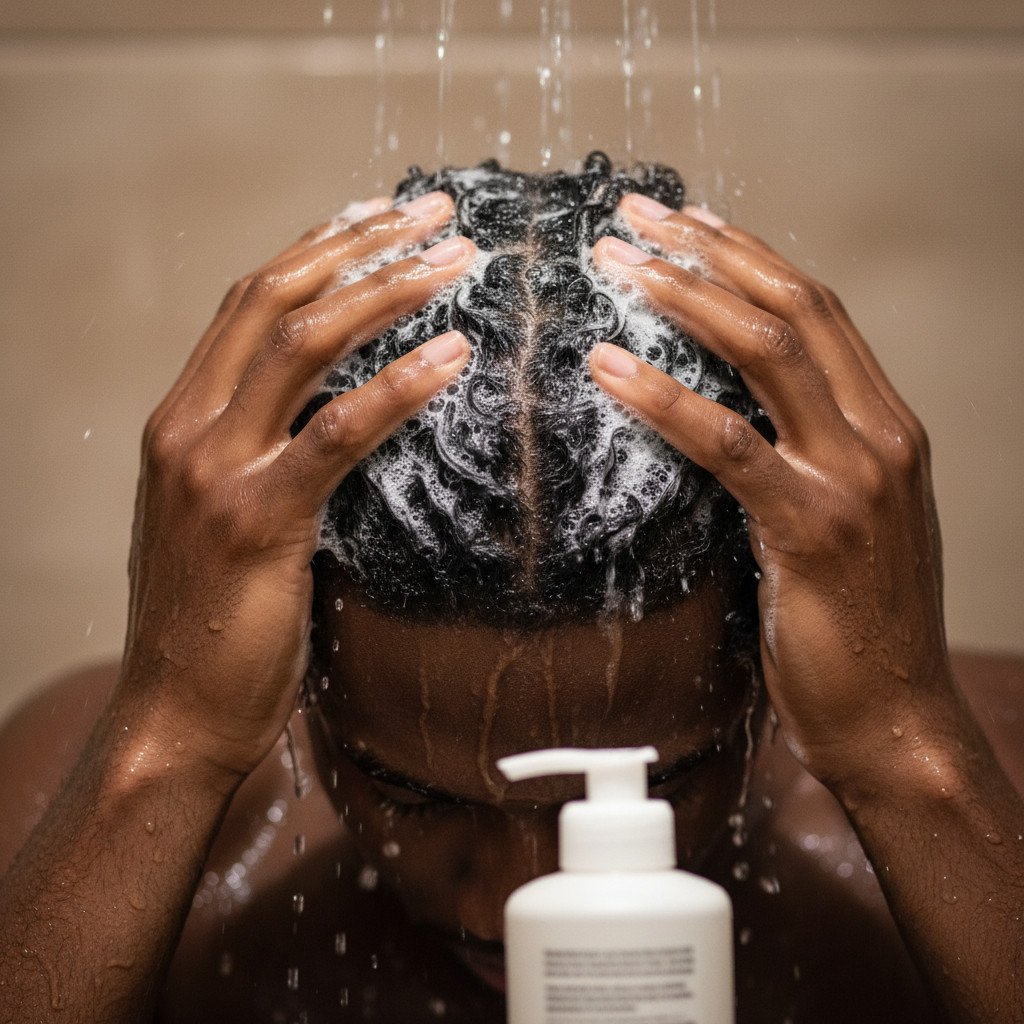
- Anti-Dandruff Shampoos: For dandruff, a medicated shampoo is essential. Active ingredients such as zinc pyrithione, selenium sulfide, ketoconazole, or salicylic acid target the Malassezia fungus and reduce inflammation. Use as directed, often 2-3 times per week, alternating with a regular moisturizing shampoo. You can find effective options by searching for anti-dandruff shampoo.
- Clarifying Shampoos: If product buildup is the issue, incorporate a clarifying shampoo once every 2-4 weeks. These shampoos are designed to deeply cleanse and remove residue. Follow with a rich conditioner to restore moisture.
- Washing Frequency: The ideal washing frequency varies. For most Black men, washing 1-2 times per week is sufficient. If you have an oily scalp or use many styling products, you might need to wash more often. If your scalp is very dry, you might extend the time between washes, always ensuring your scalp feels clean and comfortable.
Conditioning: Replenishing Moisture and Barrier Function
Conditioning is not just for your hair; it is vital for scalp health. A good conditioner helps to seal in moisture, smooth the hair cuticle, and protect the scalp’s barrier.
- Deep Conditioners: Incorporate a deep conditioner or hair mask once a week. These treatments provide intensive moisture and nutrients to both hair and scalp. Apply thoroughly, focusing on the ends of your hair and gently massaging into your scalp, then leave on for the recommended time before rinsing.
- Leave-In Conditioners: For added moisture and protection, a lightweight leave-in conditioner can be beneficial, especially for drier scalps or hair types. Apply to damp hair and scalp after washing.
Moisturizing and Sealing: Locking in Hydration
After cleansing and conditioning, sealing in moisture is crucial, especially for hair textures prone to dryness. This step helps maintain scalp hydration between washes.
- Lightweight Scalp Oils: Choose non-comedogenic oils that won’t clog pores. Jojoba, argan, and grapeseed oils are excellent choices. Apply a small amount directly to your scalp using an scalp applicator bottle for precise distribution and gently massage. This helps to soothe dryness and provide a protective barrier. Avoid heavy mineral oils or petroleum jelly, which can trap heat and clog follicles. You can find suitable options by searching for lightweight scalp oil.
- Scalp Serums: Specialized scalp serums often contain ingredients like niacinamide, salicylic acid, or soothing botanicals to address specific concerns like inflammation or excessive oiliness. These can be particularly helpful for targeted treatment.
Scalp Exfoliation: Removing Buildup and Promoting Renewal
Just as you exfoliate your face, your scalp benefits from occasional exfoliation. This process removes dead skin cells, product buildup, and excess sebum, promoting a healthier scalp environment and better absorption of treatments.
- Physical Exfoliants: Scalp scrubs containing fine particles (like sugar or salt) can be used gently. Apply to a damp scalp and massage in circular motions before shampooing. Be careful not to over-exfoliate or scrub too aggressively, as this can irritate the scalp.
- Chemical Exfoliants: Products containing alpha hydroxy acids (AHAs) or beta hydroxy acids (BHAs) like salicylic acid can dissolve dead skin cells and clear pores. These are often found in scalp treatments or pre-shampoo masks. Use as directed, typically once every 1-2 weeks.
Styling Product Awareness: Less is More
The products you use for styling can significantly impact your scalp. Heavy pomades, waxes, and gels, especially those with synthetic fragrances or alcohols, can irritate the scalp or lead to buildup.
- Choose Wisely: Opt for water-based, non-comedogenic styling products whenever possible. Look for formulations designed for sensitive scalps or those with natural, nourishing ingredients.
- Moderate Use: Use styling products sparingly. Apply them primarily to the hair shaft, avoiding direct contact with the scalp where possible.
- Rinse Thoroughly: Ensure all styling products are completely rinsed out during your wash routine. This is critical to prevent residue accumulation.
Advanced Strategies for Persistent Itch
When basic routines aren’t enough, or if your itchy scalp is severe, it is time to consider more targeted interventions. These strategies often involve specialized products or professional consultation.
Medicated Treatments: When Over-the-Counter Isn’t Enough
For chronic conditions like severe dandruff or psoriasis, over-the-counter solutions may not provide sufficient relief. A dermatologist can prescribe stronger medicated shampoos, topical steroids, or other anti-inflammatory agents. These treatments are designed to reduce inflammation, control fungal growth, and normalize cell turnover. Adherence to the prescribed regimen is crucial for success.
Diet and Hydration: The Internal Connection
What you put into your body impacts your skin and scalp. A diet rich in anti-inflammatory foods, omega-3 fatty acids, vitamins (especially B vitamins, A, C, and E), and minerals (like zinc) can support overall skin health. Staying adequately hydrated is also essential for maintaining skin elasticity and moisture levels. Conversely, excessive consumption of processed foods, sugar, and inflammatory fats can exacerbate skin conditions.
Stress Management: The Mind-Body Link
Stress is a known trigger for many skin conditions, including dandruff, eczema, and psoriasis. High stress levels can disrupt the body’s immune response and increase inflammation, leading to flare-ups. Incorporating stress-reduction techniques like meditation, exercise, adequate sleep, and mindfulness can significantly improve scalp health. Recognizing and managing your stress triggers is a powerful tool in your scalp care arsenal.
Protective Hairstyles and Scalp Care
Many Black men utilize protective styles, such as braids, twists, or locs. While these styles protect the hair shaft, they can sometimes lead to scalp issues if not managed correctly. Tight styles can cause traction alopecia and irritation. Ensure your styles are not excessively tight. Regular cleansing and moisturizing of the scalp, even with protective styles, is crucial. Use a diluted shampoo or a scalp cleanser with an applicator bottle to reach the scalp directly, followed by a lightweight oil or serum. Air drying or using a cool setting on a blow dryer is recommended to prevent moisture retention that can lead to fungal growth.
Preventative Measures: Keeping the Itch at Bay
Prevention is always better than cure. Once you have brought your itchy scalp under control, implementing preventative measures will help maintain long-term scalp health and comfort.
- Regular, Gentle Cleansing: Stick to your established washing routine, using products appropriate for your scalp type. Avoid harsh scrubbing or hot water, which can strip natural oils.
- Consistent Moisturizing: Make scalp moisturizing a regular part of your routine, even when your scalp feels fine. A small amount of lightweight oil or serum can go a long way in preventing dryness.
- Product Audits: Periodically review your hair care and styling products. If a product causes irritation, discontinue use. Opt for fragrance-free, hypoallergenic options if you have sensitive skin.
- Clean Tools: Regularly clean your combs, brushes, and hats. These can harbor bacteria, fungi, and product residue that can be transferred to your scalp, leading to irritation or infection.
- Balanced Diet and Hydration: Continue to prioritize a nutrient-rich diet and adequate water intake. These internal factors are foundational to overall skin and scalp health.
- Avoid Scratching: While tempting, scratching an itchy scalp can worsen irritation, break the skin, and introduce bacteria, potentially leading to infection. Instead, try applying a cool compress or a soothing scalp treatment.
- Sun Protection: Just like the rest of your skin, your scalp can get sunburned, leading to dryness, peeling, and itching. Wear a hat when exposed to direct sunlight for extended periods.
When to Seek Professional Help
While many itchy scalp issues can be managed with home care and over-the-counter products, there are instances when professional medical advice is essential. Knowing when to consult a doctor or dermatologist can prevent worsening conditions and ensure proper treatment.
- Persistent or Worsening Symptoms: If your itchy scalp does not improve after several weeks of consistent home care, or if symptoms worsen despite your efforts, it is time to seek professional help.
- Severe Redness, Swelling, or Pain: These symptoms can indicate a more serious underlying condition, such as a severe infection, allergic reaction, or inflammatory skin disease.
- Oozing, Crusting, or Sores: Open sores, pus, or crusting on the scalp are signs of infection that require medical attention.
- Sudden or Patchy Hair Loss: While some hair loss can be normal, sudden, unexplained, or patchy hair loss accompanied by itching could indicate a fungal infection (tinea capitis), alopecia areata, or another dermatological condition.
- Thick, Scaly Patches: If you develop thick, silvery scales, especially beyond the hairline, it might be psoriasis, which requires specific medical management.
- Visible Parasites or Nits: If you suspect head lice or other parasites, a doctor can confirm the diagnosis and recommend effective treatment.
- No Clear Cause: If you have tried various approaches and cannot identify the cause of your itchy scalp, a dermatologist can perform diagnostic tests to pinpoint the problem.
A dermatologist can provide an accurate diagnosis, rule out serious conditions, and prescribe stronger medications or specialized treatments that are not available over the counter. They can also offer personalized advice based on your specific scalp condition and medical history.
The Science Behind Scalp Health
Understanding the biology of your scalp can demystify why certain treatments work. The scalp is a complex ecosystem, home to hair follicles, sebaceous glands, and a diverse microbiome. Disruptions in this balance often lead to issues like itching.
The Scalp’s Barrier Function
Your scalp has a protective barrier, similar to the rest of your skin, composed of lipids and skin cells. This barrier prevents moisture loss and protects against environmental irritants, allergens, and microbes. When this barrier is compromised—due to harsh products, excessive washing, or inflammatory conditions—it becomes more susceptible to dryness, irritation, and itching. Maintaining the integrity of this barrier is fundamental to scalp health.
Sebum Production and the Microbiome
Sebum, the natural oil produced by sebaceous glands, plays a vital role in lubricating the scalp and hair. However, an imbalance in sebum production can lead to problems. Too little sebum contributes to dry scalp, while too much can create an oily environment conducive to the overgrowth of Malassezia yeast, leading to dandruff. The scalp also hosts a diverse microbiome of bacteria and fungi. A healthy balance is crucial; dysbiosis (an imbalance) can trigger inflammatory responses and itching. Many anti-dandruff ingredients work by restoring this microbial balance.
Inflammation and the Immune Response
Many itchy scalp conditions, including dandruff, psoriasis, and eczema, involve an inflammatory response. When the scalp is irritated, immune cells release inflammatory mediators, leading to redness, swelling, and itching. Ingredients like corticosteroids (in prescription treatments) or anti-inflammatory botanicals (in some over-the-counter products) work by calming this immune response. Understanding the role of inflammation highlights why soothing and gentle care is so important for an irritated scalp.
Beyond the Scalp: Related Grooming Concerns
Scalp health is interconnected with other grooming aspects. Addressing one area can often benefit another, creating a holistic approach to self-care.
Beard Dandruff: A Sibling Issue
If you experience an itchy scalp, you might also be prone to beard dandruff. The skin under your beard is essentially an extension of your facial skin and can suffer from similar issues of dryness, flaking, and irritation. The same fungus that causes scalp dandruff can thrive in the beard area. Many of the principles for managing scalp itch—gentle cleansing, moisturizing, and using anti-fungal ingredients—can be applied to your beard care routine. Using a dedicated beard wash and beard oil can help maintain a healthy beard and the skin beneath it.
Haircut Maintenance and Scalp Irritation
Regular haircuts are essential for maintaining a sharp look, but the process itself can sometimes irritate a sensitive scalp. Close shaves, dull clippers, or harsh aftershave products can cause redness, bumps, and itching. Ensuring your barber uses clean, sharp tools and that you follow a good haircut maintenance routine can minimize post-cut irritation. Applying a soothing, alcohol-free aftershave balm or moisturizer to your scalp after a fresh cut can help calm any irritation.
Gym Grooming and Scalp Hygiene
Physical activity increases sweat production, which can mix with oils and product buildup on the scalp, creating an environment conducive to itching and irritation. Post-workout scalp care is crucial. A quick rinse or a gentle wash after intense exercise, followed by light moisturizing, can prevent issues. Our guide on gym grooming for Black men offers specific advice to keep your scalp fresh and clean, even with an active lifestyle.
The Journey to Lasting Scalp Comfort
An itchy scalp is a common challenge, but it is one that can be overcome with knowledge, consistency, and the right approach. By understanding the specific cause of your itching, implementing a tailored routine, and knowing when to seek professional guidance, you empower yourself to achieve lasting scalp comfort. Your hair is a crown; ensure its foundation is healthy and vibrant. This commitment to detailed, informed self-care elevates your entire grooming experience.
For further insights into comprehensive hair care, explore our resources on Hair & scalp health for Black men, understand the nuances of dandruff vs dry scalp for Black men, and discover the benefits of scalp exfoliation for Black men.
Frequently Asked Questions
How often should Black men wash their hair if they have an itchy scalp?
The ideal frequency varies based on the cause of the itch. For dry scalp, 1-2 times a week with a moisturizing shampoo is often sufficient. For dandruff, using an anti-dandruff shampoo 2-3 times a week, alternating with a gentle cleanser, is recommended. Adjust based on your scalp’s response and product use.
Can diet affect an itchy scalp?
Yes, diet plays a significant role in overall skin and scalp health. A diet rich in anti-inflammatory foods, omega-3 fatty acids, and essential vitamins can support a healthy scalp. Conversely, a diet high in processed foods and sugar may exacerbate inflammatory conditions that contribute to itching.

What is the difference between dry scalp and dandruff for Black men?
Dry scalp results from a lack of moisture, producing small, white, powdery flakes and a tight feeling. Dandruff, or seborrheic dermatitis, is caused by an overgrowth of yeast, leading to larger, yellowish, oily flakes, redness, and persistent itching. The treatment approaches differ significantly for each condition.
Are there specific ingredients Black men should look for in shampoos for an itchy scalp?
For dry scalp, look for hydrating ingredients like glycerin, hyaluronic acid, and natural oils. For dandruff, seek active ingredients such as zinc pyrithione, selenium sulfide, ketoconazole, or salicylic acid. Always choose sulfate-free options to avoid further drying or irritation.
When should I see a dermatologist for my itchy scalp?
Consult a dermatologist if your itchy scalp is persistent, severe, or accompanied by symptoms like intense redness, swelling, pain, oozing, sores, or sudden patchy hair loss. These signs may indicate a more serious underlying condition requiring professional diagnosis and prescription treatment.
Can protective hairstyles cause an itchy scalp?
While protective styles shield hair, if too tight, they can cause traction and irritation. Improper cleansing or moisturizing while in protective styles can also lead to product buildup or fungal growth. Ensure styles are not overly tight and maintain a regular scalp cleansing and moisturizing routine using appropriate tools.
How can I prevent product buildup from causing an itchy scalp?
To prevent buildup, use styling products sparingly and primarily on the hair shaft, not directly on the scalp. Incorporate a clarifying shampoo into your routine every 2-4 weeks, and ensure all products are thoroughly rinsed out during washing. Regular scalp exfoliation can also help remove accumulated residue.
Shop moisturizing shampoo on Amazon
Shop lightweight scalp oil on Amazon
Shop anti-dandruff shampoo on Amazon
Shop scalp applicator bottle on Amazon
Shop clarifying shampoo on Amazon
Shop deep conditioner on Amazon
Shop leave-in conditioner on Amazon
Shop scalp serums on Amazon
Shop beard wash on Amazon
Shop beard oil on Amazon
Shop aftershave balm on Amazon