
Mastering Your Line-Up: Preventing Irritation and Bumps for Black Men
A sharp line-up defines a clean cut. For Black men, achieving this crisp edge without irritation or bumps is a common challenge. The unique characteristics of our hair and skin demand a precise approach, combining proper technique with consistent care. This guide provides the definitive strategy to maintain a flawless line-up, free from discomfort and blemishes.
Understanding the root causes of line-up irritation and bumps is the first step toward prevention. Our hair tends to be coarse and curly, making it prone to ingrown hairs when cut too close or improperly. The skin on the scalp and around the hairline can also be sensitive to friction and harsh products. A proactive routine is essential for maintaining both a sharp look and healthy skin.
Achieving a consistently clean and bump-free hairline requires a blend of barber expertise and diligent home care. This includes preparing the skin, using the right tools, and implementing a robust post-cut regimen. We will explore each of these elements in detail, ensuring you have the knowledge to address and prevent issues effectively. For comprehensive guidance on maintaining overall hair & scalp health for Black men, consider our foundational resources.
Understanding Line-Up Irritation and Bumps
Line-up irritation and bumps, often manifesting as pseudofolliculitis barbae (PFB) or razor bumps, are prevalent concerns. These conditions arise when hair, cut too sharply or incorrectly, curls back into the skin. This triggers an inflammatory response, leading to red, itchy bumps that can be painful and disfiguring. The severity can range from minor redness to significant pustules and hyperpigmentation.
Several factors contribute to these issues. The natural curl pattern of Black men’s hair is a primary biological predisposition. When hair is shaved or trimmed extremely close, the sharpened tip can easily penetrate the skin upon regrowth. Improper shaving techniques, dull blades, and inadequate skin preparation further exacerbate this problem. Environmental factors and product choices also play a role in skin sensitivity and inflammation.
Recognizing the specific type of irritation is crucial for effective treatment. PFB typically presents as small, red, inflamed papules. Folliculitis, another common issue, involves inflammation of the hair follicles, often due to bacterial or fungal infection. Distinguishing between these conditions helps in selecting the appropriate preventative and treatment measures. Consistent observation of your skin’s reaction to your grooming routine is vital.
The Science Behind Hair Follicle Inflammation
The hair follicle is a complex structure. Each hair grows from a follicle embedded in the skin. When hair is cut, especially with a straight razor or close clippers, the tip becomes sharp. For curly hair, this sharp tip can easily curve back and re-enter the skin, creating an ingrown hair. This phenomenon is known as pseudofolliculitis barbae (PFB).
Once the hair penetrates the skin, the body’s immune system recognizes it as a foreign object. This triggers an inflammatory response, leading to redness, swelling, and pain. Over time, repeated irritation can lead to hyperpigmentation, scarring, and even infection. Understanding this biological process underscores the importance of gentle grooming practices and proper aftercare.
Beyond ingrown hairs, chemical irritation from products or physical irritation from excessive friction can also inflame follicles. Bacteria naturally present on the skin can also infect irritated follicles, leading to folliculitis. This can present as pus-filled bumps. A holistic approach to skin health, including hygiene and product selection, is necessary to mitigate these risks.
Pre-Cut Preparation: Setting the Foundation for a Clean Line-Up
Proper preparation before your line-up is as critical as the cut itself. This stage focuses on softening the hair, cleansing the skin, and creating an optimal surface for trimming. Neglecting this step can lead to increased friction, hair pulling, and a higher likelihood of irritation. A few minutes of intentional preparation can save days of discomfort.
Start with a clean face and hairline. Wash your face and the area around your hairline with a gentle cleanser. This removes dirt, oil, and dead skin cells that can clog pores and interfere with a smooth trim. Warm water helps to open pores and soften the hair, making it more pliable and less resistant to the trimmer blade. This simple step significantly reduces potential friction.
Hydration is also key. After cleansing, apply a warm, damp towel to the hairline for a few minutes. This further softens the hair and prepares the skin. Some men find a pre-shave oil beneficial, as it creates a protective barrier between the skin and the blade. This lubrication minimizes drag and reduces the risk of nicks and irritation. Choose non-comedogenic options to avoid clogging pores.
Skin Cleansing and Exfoliation
A clean canvas is essential for any grooming task. Before a line-up, thoroughly cleanse your face and hairline. Use a mild facial cleanser that removes impurities without stripping natural oils. Harsh cleansers can dry out the skin, making it more susceptible to irritation and inflammation. Focus on gentle, circular motions to lift dirt and debris.
Consider a gentle exfoliation 24-48 hours before your line-up, especially if you are prone to ingrown hairs. Exfoliation removes dead skin cells that can trap hair and prevent it from growing outward. Use a chemical exfoliant with ingredients like salicylic acid or glycolic acid, or a very fine physical scrub. Avoid aggressive scrubbing, as this can irritate the skin before trimming.
Do not exfoliate immediately before your line-up. This can make the skin too sensitive. The goal is to create a smooth, clean surface, not to abrade the skin. Regular, gentle exfoliation as part of your weekly routine is more effective than a last-minute, aggressive approach. This consistent care improves skin texture and reduces the likelihood of ingrown hairs.
Hair Softening Techniques
Softening the hair makes it easier to cut cleanly and reduces resistance against the trimmer. This is particularly important for coarse, curly hair. The softer the hair, the less force required to cut it, leading to less tugging and pulling. This directly translates to reduced irritation and a cleaner line.
Applying a warm, damp towel to the hairline for 2-3 minutes is a classic and effective method. The heat and moisture penetrate the hair shaft, making it more pliable. You can also cleanse your face in a warm shower, allowing the steam to naturally soften the hair. Ensure the skin is thoroughly hydrated before any trimming begins.
For some, a pre-shave oil or a light, moisturizing cream can further enhance hair softness and provide a protective glide. These products create a thin barrier that allows the trimmer to move more smoothly over the skin. Experiment with different options to find what works best for your skin type. The aim is to reduce friction and stress on the hair follicles.
Choosing the Right Tools: Precision and Protection
The quality and type of tools used for your line-up significantly impact the outcome. Dull blades, imprecise trimmers, or incorrect guards can cause pulling, snagging, and uneven cuts, all of which contribute to irritation and bumps. Investing in high-quality equipment and maintaining it properly is a non-negotiable aspect of a bump-free line-up.
As an affiliate site, GFBM may earn from qualifying purchases through product links.
For self-grooming, a good quality liner trimmer is essential. Look for trimmers with sharp, hypoallergenic blades that are designed for close cutting without causing irritation. Cordless options offer greater flexibility and maneuverability. Ensure the trimmer is well-maintained, cleaned regularly, and blades are replaced when they become dull. Dull blades pull hair, leading to discomfort and ingrowns.
When visiting your barber, ensure they use clean, sharp tools. Do not hesitate to ask about their sanitation practices. A professional barber understands the importance of hygiene and sharp blades for preventing irritation. Communicate any sensitivities you have before they begin the line-up. Your comfort and skin health are paramount.
Trimmer Selection and Maintenance
Selecting the right trimmer is a critical decision for anyone maintaining their own line-up. Opt for a professional-grade T-blade trimmer known for its precision and ability to get a sharp line. These trimmers are designed to cut very close without irritating the skin, provided they are used correctly. Brands known for their quality often offer models specifically for detailing and edging.
Always ensure your trimmer blades are sharp. Dull blades tug at the hair, causing discomfort and increasing the risk of ingrowns. Replace blades regularly, or have them sharpened by a professional if possible. Clean your trimmer after every use by brushing out hair clippings and disinfecting the blades. This prevents bacterial buildup and ensures optimal performance.
Lubricating your trimmer blades with clipper oil is also crucial. A drop or two of oil before and after each use keeps the blades running smoothly, reduces friction, and extends their lifespan. This maintenance step prevents overheating and ensures a consistent, clean cut. Proper care of your tools is an investment in your skin’s health and the longevity of your equipment.
Blade Guards and Settings
While a sharp line-up often implies a very close cut, sometimes going too close is the problem. Using trimmer guards can prevent cutting too close, especially if you are prone to severe irritation or razor bumps. A very small guard, like a 0.5 or 1, can still provide a clean look without the extreme closeness that triggers ingrown hairs. This is a strategic compromise for sensitive skin.
Experiment with different guard sizes to find the optimal balance between a sharp line and skin comfort. The goal is to cut the hair short enough for a crisp edge, but not so short that the hair tip can easily re-enter the skin. This approach is particularly beneficial for areas where hair grows in different directions, increasing the risk of ingrowns.
If you are self-lining, using a guard can also help you achieve a more consistent and even line. It provides a buffer against accidental nicks and ensures you don’t push the line back too far. Over time, as your skin adapts and you refine your technique, you may be able to reduce the guard size, but always prioritize skin health over an aggressively close cut.
Technique Matters: The Art of a Bump-Free Line-Up
Even with the best tools and preparation, poor technique can undermine all efforts. The way you or your barber approaches the line-up is paramount to preventing irritation and bumps. This involves understanding hair growth patterns, applying minimal pressure, and using precise, controlled movements. Rushing or being heavy-handed will almost always lead to problems.
When trimming, always pull the skin taut. This creates a flat surface, allowing the trimmer to glide smoothly and cut the hair evenly. Loose skin can cause the trimmer to snag or cut unevenly, leading to irritation. Use your free hand to gently stretch the skin in the area you are working on. This simple action makes a significant difference in the quality of the cut.
Trimmer direction is also crucial. For most areas, trim with the grain of the hair, or at least across it, rather than against it. Trimming against the grain provides the closest cut, but it also increases the risk of ingrown hairs for curly hair. For the sharpest line, a single pass against the grain may be necessary, but do so with extreme caution and minimal pressure. Less is more when it comes to pressure and passes.
Hair Growth Direction and Trimmer Strokes
Understanding your hair’s growth pattern is fundamental to preventing irritation. Hair does not always grow uniformly in one direction. Around the hairline, especially on the temples and nape, hair can grow in various directions. Identifying these patterns allows you to adjust your trimmer strokes accordingly, minimizing resistance and preventing hair from being cut at an awkward angle.
For the initial pass, always try to trim with the grain of the hair. This reduces the closeness of the cut but significantly lowers the risk of irritation. It helps to remove the bulk of the hair before attempting a sharper line. Use short, controlled strokes rather than long, sweeping movements. This provides greater precision and reduces the chance of error.
If you need a sharper edge, a very light, single pass against the grain can be done, but only after the hair has been pre-trimmed with the grain. Apply minimal pressure during this step. The goal is to lightly skim the surface to catch any remaining hairs, not to dig into the skin. This careful approach is what distinguishes a bump-free line-up from one riddled with irritation. For more tips on maintaining your look between visits, refer to our guide on haircut maintenance between barber visits.
Pressure and Passes
One of the most common mistakes in self-lining or even by inexperienced barbers is applying too much pressure. Excessive pressure pushes the trimmer blades too deeply into the skin, increasing friction and the likelihood of irritation and nicks. The trimmer should glide over the skin, not press into it. Let the sharpness of the blades do the work, not the force of your hand.
Limit the number of passes over the same area. Each pass, regardless of how light, introduces friction and stress to the skin. Aim for one or two passes to achieve the desired sharpness. If you find yourself repeatedly going over an area, it’s likely due to dull blades, improper skin tension, or incorrect angle. Re-evaluate your technique rather than increasing pressure or passes.
For a truly sharp line, sometimes a very light, single pass against the grain is needed. This should be done with an extremely gentle touch, almost as if you are just tickling the skin. Use a hand mirror to get a clear view of hard-to-reach areas, ensuring precision without excessive force. Precision and patience are your allies here.
Post-Cut Care: Soothing and Protecting Your Skin
The work doesn’t stop once the line-up is complete. Post-cut care is arguably the most crucial phase for preventing irritation and bumps. This stage focuses on calming the skin, closing pores, and providing essential hydration and protection. Neglecting aftercare can undo all the careful preparation and trimming, leaving your skin vulnerable to inflammation and ingrown hairs.
Immediately after your line-up, rinse the area with cool water. This helps to close pores and remove any stray hair clippings that can cause itching or irritation. Gently pat the skin dry with a clean towel. Avoid rubbing, as this can further irritate sensitive skin. The goal is to soothe and prepare the skin for subsequent product application.
Apply a high-quality post-shave balm or an alcohol-free toner. These products help to calm inflammation, reduce redness, and restore the skin’s natural pH balance. Look for ingredients like aloe vera, witch hazel, or chamomile, known for their soothing properties. Follow this with a non-comedogenic moisturizer to lock in hydration and protect the skin barrier. Consistent hydration is key to preventing dryness and irritation.
Soothing and Calming the Skin
After a line-up, the skin around your hairline can be sensitive and prone to inflammation. Applying a soothing agent is essential. An alcohol-free aftershave balm or a calming toner can significantly reduce redness and discomfort. Look for formulations specifically designed to soothe irritated skin. Ingredients like allantoin, bisabolol, and panthenol are excellent for skin recovery.
For immediate relief, a cool compress can be applied to the trimmed area. This helps to reduce swelling and calm any burning sensation. Avoid products with strong fragrances or harsh chemicals, as these can exacerbate irritation. The simpler the ingredient list, the better, especially for sensitive skin types.
Some men find natural remedies like pure aloe vera gel to be highly effective. Aloe vera is known for its anti-inflammatory and healing properties. Apply a thin layer to the affected area and allow it to absorb. This step is about nurturing the skin back to its calm state, preventing the cascade of inflammation that leads to bumps. For a deeper dive into post-shave practices, consult our guide on post-shave care for Black men.
Hydration and Barrier Repair
Maintaining a healthy skin barrier is crucial for preventing ingrown hairs and irritation. After trimming, the skin’s protective barrier can be compromised. Applying a high-quality barrier repair moisturizer helps to restore this defense. Look for moisturizers rich in ceramides, hyaluronic acid, and glycerin. These ingredients attract and lock in moisture, promoting skin health.
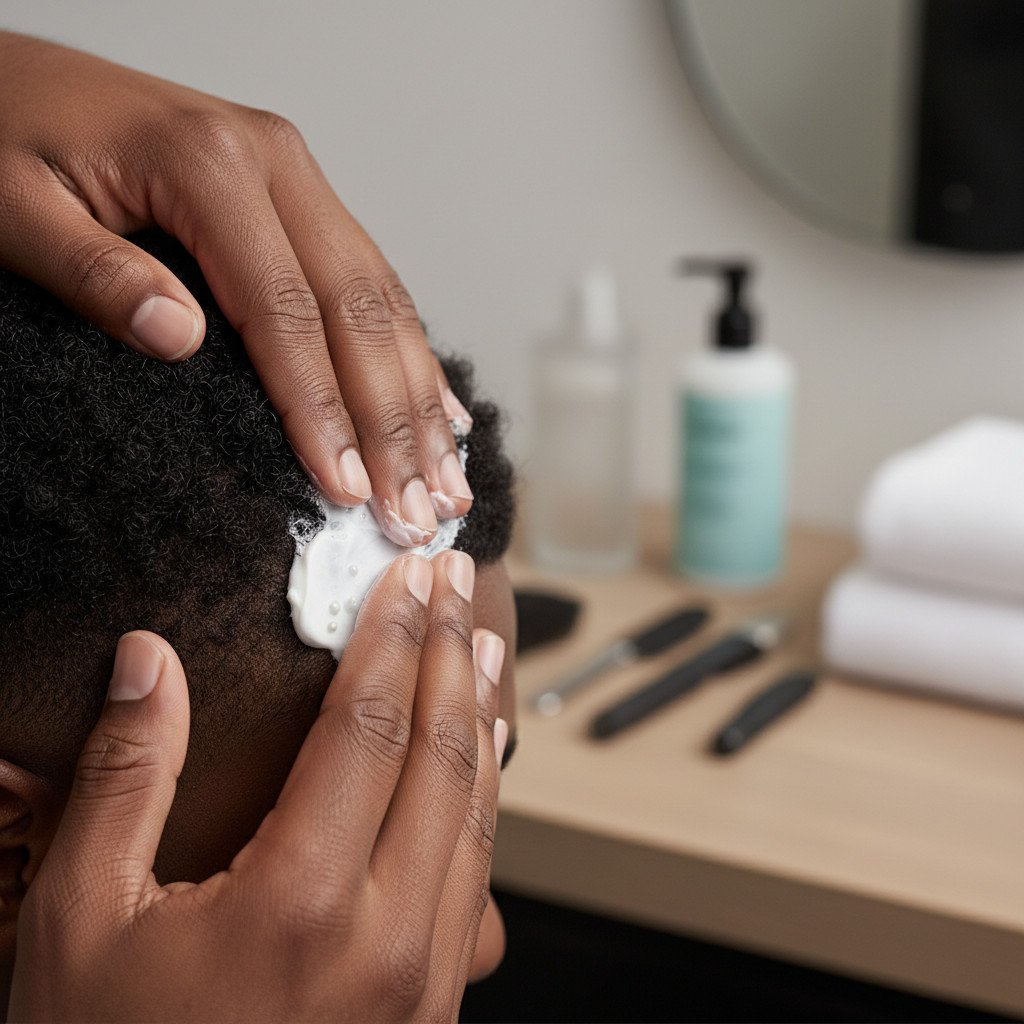
Consistent hydration keeps the skin supple and flexible, allowing hair to grow out freely without getting trapped. Dry, stiff skin is more prone to ingrown hairs because it creates a tighter barrier that emerging hair struggles to penetrate. Make moisturizing a non-negotiable part of your daily routine, not just after a line-up.
Choose non-comedogenic moisturizers to avoid clogging pores. Clogged pores can lead to folliculitis and exacerbate existing irritation. A lightweight lotion or gel-cream is often preferable for the hairline area. This proactive approach to skin hydration and barrier support is a cornerstone of preventing line-up bumps and maintaining a healthy complexion.
Long-Term Strategies for Prevention
Preventing line-up irritation and bumps is an ongoing commitment, not a one-time fix. Long-term strategies involve consistent skincare, mindful grooming habits, and an understanding of your skin’s specific needs. This holistic approach ensures that your hairline remains sharp and healthy, year-round. It requires discipline and a willingness to adapt your routine as needed.
Regular exfoliation, 2-3 times a week, can prevent dead skin cells from accumulating and trapping hair. As mentioned, use gentle chemical exfoliants. Consistent moisturizing keeps the skin supple and resilient. These daily habits are foundational. Additionally, protecting your skin from sun exposure can prevent hyperpigmentation, a common issue with irritated skin.
Consider the frequency of your line-ups. While a fresh line-up looks sharp, constant trimming can stress the skin. If you are highly prone to irritation, extending the time between line-ups might be beneficial. Work with your barber to find a schedule that balances your desired look with your skin’s health. Sometimes, allowing the hair to grow slightly longer can alleviate persistent issues.
Regular Exfoliation and Moisturizing Schedule
A consistent exfoliation and moisturizing schedule is paramount for preventing ingrown hairs and maintaining skin health. Exfoliation, performed 2-3 times per week, helps to remove the outermost layer of dead skin cells. This prevents them from accumulating and creating a barrier that traps emerging hair, forcing it to grow inwards. Chemical exfoliants containing salicylic acid or glycolic acid are often more effective and gentler than physical scrubs for preventing ingrowns.
Following exfoliation, and daily, moisturizing is essential. A well-hydrated skin barrier is more resilient and flexible, allowing hair to grow out freely. Dry skin can become stiff, making it harder for hair to penetrate the surface, leading to ingrowns. Choose a non-comedogenic moisturizer that is suitable for your skin type. Apply it generously to your face and hairline area every morning and evening.
This consistent routine not only prevents bumps but also improves overall skin texture and tone. It reduces inflammation and helps to fade any existing hyperpigmentation. Think of it as a preventative maintenance plan for your skin. The regularity of these steps is more important than the intensity of any single application.
Considering Alternative Trimming Methods
If persistent irritation and bumps remain a problem despite diligent care, it might be time to consider alternative trimming methods. The goal is to minimize the closeness of the cut while still achieving a clean look. This may involve adjusting your trimmer settings or exploring different tools. Sometimes, a slight change in approach can yield significant improvements.
For instance, some individuals find that using a foil shaver for their line-up, rather than a T-blade trimmer, reduces irritation. Foil shavers offer a very close cut but can be less aggressive on the skin for some. Others might opt for a slightly longer guard setting on their trimmer, accepting a less razor-sharp line in favor of bump-free skin. This is a personal decision based on your skin’s reaction.
Another option is to explore depilatory creams specifically formulated for sensitive skin. These creams dissolve hair at the surface, avoiding the sharp tip that causes ingrowns. However, patch testing is crucial, as some individuals may react to the chemicals. Discuss these options with your barber or a dermatologist to determine the best approach for your specific needs. Prioritizing skin health over an extreme closeness is a wise long-term strategy.
When to Seek Professional Help
While most line-up irritation and bumps can be managed with proper home care, there are instances when professional medical advice is necessary. Ignoring persistent or severe symptoms can lead to more serious complications, including infections, scarring, and permanent hyperpigmentation. Knowing when to consult a dermatologist or doctor is crucial for your skin’s long-term health.
Seek professional help if you experience:
- Scalp sores or oozing: This can indicate an infection that requires prescription medication.
- Signs of infection: Increased redness, warmth, swelling, pus, or fever.
- Sudden patchy hair loss: This could be a sign of a more serious underlying condition, not just irritation from trimming.
- Severe pain or spreading redness: These symptoms suggest a significant inflammatory response or infection.
- Bumps that do not resolve with consistent home care: If bumps persist for weeks or months despite your best efforts, a dermatologist can offer stronger treatments or alternative diagnoses.
A dermatologist can accurately diagnose the condition, rule out other skin issues, and prescribe appropriate treatments. These might include topical corticosteroids to reduce inflammation, antibiotics for bacterial infections, or retinoids to help with skin cell turnover and prevent ingrown hairs. They can also offer procedures like laser hair removal for a permanent solution to ingrown hairs, if desired. Do not self-diagnose or rely solely on over-the-counter remedies for severe or persistent issues.
Dermatologist Consultation and Treatment Options
A dermatologist is your best resource for persistent or severe line-up irritation and bumps. They possess specialized knowledge of skin conditions and can provide an accurate diagnosis. During your consultation, be prepared to discuss your grooming routine, product usage, and the history of your symptoms. This information helps them tailor a treatment plan specific to your needs.
Treatment options can vary widely depending on the diagnosis. For pseudofolliculitis barbae (PFB), a dermatologist might recommend topical retinoids to encourage proper hair growth and reduce inflammation. Topical antibiotics or benzoyl peroxide may be prescribed for bacterial folliculitis. In more severe cases, oral antibiotics or anti-inflammatory medications could be necessary.
Beyond medication, a dermatologist can also discuss in-office procedures. Laser hair removal is a highly effective long-term solution for individuals severely prone to ingrown hairs. It works by targeting and destroying the hair follicle, preventing hair regrowth and thus eliminating the source of ingrowns. This option is particularly beneficial for those who desire a permanent reduction in hair around the hairline. Always follow your dermatologist’s instructions carefully for optimal results and to prevent side effects.
Recognizing Signs of Infection
Distinguishing between typical irritation and a full-blown infection is crucial for timely and effective treatment. While mild redness and small bumps are common after a line-up, certain signs indicate that an infection may be present. Ignoring these warning signals can lead to more serious complications, including cellulitis or abscess formation.
Key signs of infection include:
- Increased redness and warmth: The affected area feels noticeably hotter to the touch and the redness spreads beyond the immediate bump.
- Pus formation: Bumps that develop a white or yellow head, or ooze pus, are indicative of a bacterial infection.
- Significant swelling: The area around the bumps becomes noticeably swollen and tender.
- Pain that worsens: While some discomfort is normal, increasing or severe pain is a red flag.
- Fever or chills: Systemic symptoms like fever or chills suggest a more widespread infection that requires immediate medical attention.
- Red streaks: Red streaks extending from the irritated area can indicate lymphangitis, an infection of the lymphatic vessels.
If you observe any of these signs, do not attempt to treat it yourself with home remedies. Contact your doctor or dermatologist immediately. Early intervention with appropriate antibiotics or other treatments can prevent the infection from spreading and minimize scarring. Always prioritize your health and seek professional medical advice when in doubt.
Lifestyle and Environmental Factors
Beyond grooming techniques and products, certain lifestyle and environmental factors can influence the health of your hairline and skin. Stress, diet, and even the type of clothing you wear can contribute to or exacerbate irritation and bumps. A holistic approach to grooming includes considering these broader influences on your skin’s well-being. Understanding these connections empowers you to make informed choices that support your skin.
High stress levels can impact skin health, often leading to increased inflammation and slower healing. Managing stress through exercise, meditation, or adequate sleep can indirectly benefit your skin. Similarly, a balanced diet rich in anti-inflammatory foods, vitamins, and antioxidants supports overall skin resilience. Hydration from within, by drinking plenty of water, is also fundamental.
Environmental factors like humidity, heat, and friction from hats or headwear can also play a role. Excessive sweating can clog pores and create a breeding ground for bacteria. Wearing breathable headwear and cleaning it regularly can help. Being mindful of these external and internal influences allows for a more comprehensive strategy to maintain a healthy, bump-free hairline. For a broader perspective on personal care, explore our resources on Black men’s grooming and lifestyle.
Diet, Hydration, and Stress Management
Your diet directly impacts your skin’s health. A diet rich in processed foods, sugar, and unhealthy fats can promote inflammation throughout the body, including the skin. Conversely, a diet high in fruits, vegetables, lean proteins, and healthy fats provides essential nutrients and antioxidants that support skin repair and reduce inflammation. Omega-3 fatty acids, found in fish and flaxseed, are particularly beneficial for skin health.
Adequate hydration is crucial for supple, resilient skin. Drinking plenty of water throughout the day helps maintain skin elasticity and allows hair to grow out more easily. Dehydrated skin can become dry and stiff, increasing the likelihood of ingrown hairs. Aim for at least eight glasses of water daily, more if you are active or in a hot climate.
Stress is a known trigger for various skin conditions. When stressed, the body releases hormones that can increase inflammation and oil production, potentially worsening irritation and breakouts. Incorporating stress-management techniques into your daily routine—such as mindfulness, exercise, or sufficient sleep—can significantly improve your skin’s resilience and overall health. A calm mind often translates to calmer skin.
Impact of Headwear and Friction
While stylish and practical, headwear can sometimes contribute to hairline irritation and bumps. Hats, durags, and scarves can create friction against the skin, especially if they are tight or made of rough materials. This constant rubbing can irritate hair follicles, leading to inflammation and ingrown hairs. Additionally, headwear can trap heat and sweat, creating a moist environment conducive to bacterial growth.
If you frequently wear headwear, choose materials that are soft, breathable, and natural, such as cotton or silk. Ensure your headwear is not excessively tight, allowing for some airflow. Regularly wash your hats and other head coverings to remove sweat, oil, and bacteria that can transfer to your skin. A clean headwear routine is just as important as a clean grooming routine.
Be mindful of how long you wear headwear, especially immediately after a fresh line-up. Allowing your hairline to breathe can aid in recovery and prevent irritation. If you notice a pattern of irritation correlating with headwear use, consider reducing its frequency or opting for looser styles. Minimizing friction and maintaining hygiene are key to preventing headwear-related skin issues.
Advanced Solutions and Considerations
For those who have diligently followed preventative measures and still struggle with persistent line-up irritation and bumps, advanced solutions may be necessary. These options often involve more significant interventions or long-term commitments. They are typically considered after conventional methods have proven insufficient, and always in consultation with a dermatologist. Exploring these avenues can provide relief for chronic issues.
One such advanced solution is laser hair removal. This procedure permanently reduces hair growth, thereby eliminating the source of ingrown hairs. While it requires multiple sessions and can be an investment, it offers a lasting solution for severe and recurrent pseudofolliculitis barbae. It is a highly effective option for those seeking a definitive end to line-up bumps.
Another consideration is the use of prescription-strength topical treatments. A dermatologist can prescribe stronger retinoids, corticosteroids, or antibiotics than those available over-the-counter. These medications are designed to address more severe inflammation, infection, or stubborn ingrown hairs. Always use these treatments under medical supervision, as they can have side effects if misused. These advanced approaches offer hope for those with challenging skin concerns.
Laser Hair Removal for Permanent Reduction
Laser hair removal is a highly effective, long-term solution for individuals who suffer from chronic and severe line-up irritation and bumps, particularly pseudofolliculitis barbae. The procedure works by emitting concentrated light into the hair follicles. The pigment in the follicles absorbs the light, which then destroys the hair. This prevents future hair growth, thus eliminating the cause of ingrown hairs.
For Black men, it is crucial to choose a laser type that is safe and effective for darker skin tones. Nd:YAG lasers are typically recommended as they can bypass the melanin in the skin’s surface and target the hair follicle more safely, reducing the risk of hyperpigmentation or burns. Multiple sessions are required to achieve significant hair reduction, as hair grows in cycles.
While an investment, laser hair removal can provide lasting relief from painful bumps, itching, and discoloration. It also reduces the need for frequent shaving or trimming, which can further irritate the skin. Consult with a board-certified dermatologist who has experience treating darker skin types to determine if laser hair removal is the right option for you. This can be a life-changing solution for chronic issues.
Prescription Topical Treatments
When over-the-counter products are insufficient to manage line-up irritation and bumps, a dermatologist can prescribe stronger topical treatments. These medications are formulated to address specific aspects of the condition, such as inflammation, infection, or abnormal skin cell turnover. They offer a more potent approach to persistent problems, providing relief where standard care falls short.
Topical retinoids, such as tretinoin, are often prescribed to promote healthy skin cell turnover and prevent hair follicles from becoming clogged. They help to exfoliate the skin and encourage ingrown hairs to grow out properly. Corticosteroid creams can be used to reduce severe inflammation and redness, providing quick relief for painful bumps. These are typically used for short periods due to potential side effects.
For bacterial infections, topical antibiotics like clindamycin or erythromycin can be prescribed. These help to kill the bacteria contributing to folliculitis and reduce the risk of further infection. It is crucial to use these prescription treatments exactly as directed by your dermatologist. Misuse can lead to resistance or other skin issues. A dermatologist will assess your condition and determine the most appropriate and safest course of treatment.
The Barber’s Role in Prevention
Your barber is a crucial partner in your quest for a bump-free line-up. A skilled and knowledgeable barber understands the unique challenges of Black men’s hair and skin. They can employ techniques and tools that minimize irritation, and they can also provide valuable advice on at-home care. Establishing a strong relationship with a barber who prioritizes your skin health is essential.
A good barber will use sharp, clean tools and avoid excessively close cuts if you are prone to irritation. They will also be attentive to your hair’s growth patterns and adjust their technique accordingly. Don’t hesitate to communicate your concerns about bumps or sensitivity before they start your line-up. A professional will appreciate your input and adjust their approach.
Ask your barber for product recommendations. They often have firsthand experience with various aftershaves, balms, and moisturizers that work well for their clients. They can also advise on how frequently you should get a line-up to balance sharpness with skin recovery. View your barber as an expert resource for maintaining not just your style, but also your skin’s health.
Communicating with Your Barber
Effective communication with your barber is paramount for a bump-free line-up. Before they even pick up the trimmer, clearly articulate any sensitivities you have, your history with razor bumps, or specific areas prone to irritation. Do not assume they know your skin’s unique needs. Provide specific instructions, such as “please don’t go too close on my neck” or “I’m prone to ingrowns here, can we use a guard?”

Discuss your desired level of closeness. While a razor-sharp line is often sought after, sometimes a slightly less aggressive trim can make a significant difference in preventing irritation. Ask your barber for their recommendations based on your hair type and skin sensitivity. A skilled barber will be able to achieve a clean look without causing undue stress to your skin.
Pay attention to their tools and techniques. If you notice them using dull blades or applying excessive pressure, politely bring it to their attention. A professional barber values client feedback and will adjust their approach. Open dialogue ensures that your barber understands your needs and can provide a service that prioritizes both your style and your skin’s health.
Barber Techniques for Sensitive Skin
An experienced barber employs specific techniques to minimize irritation for clients with sensitive skin or a history of razor bumps. These techniques are designed to achieve a clean line-up while respecting the delicate nature of the skin and the curl pattern of the hair. Recognizing these approaches can help you choose the right barber and communicate your needs effectively.
Firstly, a skilled barber will always use extremely sharp, well-maintained trimmers. Dull blades pull and snag hair, causing immediate irritation. They will also prioritize hygiene, disinfecting tools between clients to prevent bacterial transfer. This attention to detail is foundational for sensitive skin.
Secondly, they will often use a lighter touch and fewer passes, especially on areas prone to irritation. Instead of aggressively going against the grain, they might use a combination of with-the-grain and across-the-grain passes, finishing with a very light, single pass against the grain only if necessary. They may also use a small guard to prevent cutting too close. Additionally, they will stretch the skin taut to create a smooth surface, minimizing friction and ensuring an even cut. A good barber will also apply soothing aftershave products immediately post-trim to calm the skin and prevent inflammation.
Weekly Routine for Maintaining a Clear Hairline
A consistent weekly routine is essential for maintaining a clear, bump-free hairline between barber visits. This routine focuses on gentle cleansing, exfoliation, hydration, and protection. It’s about proactive care that prevents issues from developing, rather than reacting to them after they appear. Adopting these habits will significantly reduce your chances of irritation.
Morning Routine:
- Cleanse: Wash your face and hairline with a gentle, hydrating cleanser.
- Tone (optional): Apply an alcohol-free toner to balance skin pH.
- Moisturize: Apply a lightweight, non-comedogenic moisturizer with SPF to protect against sun damage and keep skin supple.
Evening Routine:
- Cleanse: Remove daily grime and product buildup.
- Exfoliate (2-3 times/week): Use a chemical exfoliant (e.g., salicylic acid) on your hairline to prevent ingrown hairs.
- Moisturize: Apply a richer, non-comedogenic moisturizer to aid in skin repair overnight.
Weekly Deep Clean: Consider a gentle clay mask once a week to draw out impurities and further prevent clogged pores around the hairline. This comprehensive approach ensures your skin is always in optimal condition, ready for your next line-up.
AM/PM Skincare for the Hairline
Your daily AM/PM skincare routine should extend to your hairline, treating it with the same care as the rest of your face. This consistent attention is vital for preventing irritation and promoting healthy skin. The goal is to keep the skin clean, hydrated, and protected, creating an environment where hair can grow freely without becoming ingrown.
Morning: Begin by cleansing your hairline with a mild, hydrating facial cleanser. This removes any overnight buildup and prepares the skin for the day. Follow with an alcohol-free toner if desired, to rebalance the skin’s pH. The most crucial step is to apply a non-comedogenic moisturizer that includes broad-spectrum SPF. Sun protection is vital to prevent hyperpigmentation, especially on skin prone to inflammation. This layer of moisture and protection helps the skin barrier function effectively throughout the day.
Evening: Your evening routine focuses on cleansing away the day’s impurities and supporting skin repair. Thoroughly cleanse your hairline again to remove dirt, oil, and any product residue. On days when you exfoliate (2-3 times a week), apply your chosen chemical exfoliant to the hairline. Finish with a restorative, non-comedogenic moisturizer. This allows the skin to repair and hydrate overnight, ensuring it remains supple and less prone to irritation. Consistency in these steps is key to long-term success.
Addressing Ingrown Hairs Between Cuts
Even with the best preventative measures, an occasional ingrown hair can still pop up between line-ups. Knowing how to address them safely and effectively is crucial to prevent them from worsening or becoming infected. The key is gentle intervention and avoiding aggressive methods that can further damage the skin.
Do not pick or squeeze ingrown hairs. This can push the hair deeper, introduce bacteria, and lead to infection, scarring, or hyperpigmentation. Instead, continue your regular gentle exfoliation routine. This helps to loosen the skin around the trapped hair, encouraging it to emerge naturally. Applying a warm compress to the area can also help to soften the skin and bring the hair closer to the surface.
If the tip of the ingrown hair becomes visible above the skin, you can gently tease it out with sterile tweezers. Only lift the loop of the hair; do not pull it out entirely. This allows the hair to grow normally without re-entering the skin. If an ingrown hair is painful, red, or shows signs of infection, consult a dermatologist. They can safely extract the hair and prescribe appropriate treatment. Patience and gentle care are your best allies in managing ingrown hairs.
| Symptom | Likely Cause | Recommended Fix |
|---|---|---|
| Redness/Irritation post-cut | Dull blades, too much pressure, lack of lubrication | Use sharp tools, lighter touch, pre-shave oil, post-shave balm |
| Small, red, itchy bumps (PFB) | Hair cut too close, curling back into skin | Use trimmer guards, trim with the grain, regular exfoliation |
| Pus-filled bumps (Folliculitis) | Bacterial infection of hair follicle | Gentle cleansing, antiseptic toner, consult dermatologist if persistent |
| Dark spots (Hyperpigmentation) | Repeated inflammation/irritation | Consistent SPF, gentle exfoliation, skin-brightening serums, avoid picking |
| Painful, deep bumps | Severe ingrowns, possible infection/inflammation | Warm compress, avoid manipulation, consult dermatologist |
Common Mistakes to Avoid
Preventing line-up irritation and bumps is as much about what you do as what you avoid. Certain common mistakes can sabotage even the most diligent efforts, leading to persistent skin issues. Identifying and correcting these habits is a critical step toward achieving a consistently clear and healthy hairline. Awareness of these pitfalls empowers you to make better grooming choices.
Mistake 1: Using dull tools. Dull trimmer blades pull and snag hair, causing significant irritation and increasing the risk of ingrown hairs. This is a primary culprit for post-line-up discomfort. Always ensure your tools are sharp and well-maintained.
Mistake 2: Applying too much pressure. Pressing the trimmer too hard into the skin creates excessive friction and pushes the blades too deep, leading to nicks, irritation, and a higher chance of hair curling back into the skin. Let the trimmer do the work with a light touch.
Mistake 3: Trimming against the grain excessively. While necessary for a sharp line, doing this repeatedly or aggressively, especially on sensitive skin, significantly increases the risk of ingrown hairs. Limit against-the-grain passes and use minimal pressure.
Mistake 4: Neglecting post-cut care. Skipping soothing balms, moisturizers, or proper cleansing after a line-up leaves the skin vulnerable to inflammation and infection. Aftercare is not optional; it’s essential.
Mistake 5: Picking or squeezing bumps. This introduces bacteria, worsens inflammation, and can lead to scarring and hyperpigmentation. Resist the urge to manipulate irritated areas. Patience and gentle care are always better.
Over-Trimming and Aggressive Techniques
One of the most detrimental mistakes in line-up maintenance is over-trimming or using overly aggressive techniques. This often stems from a desire for an extremely sharp, pristine line, but it comes at a significant cost to skin health. Pushing the line back too far or cutting the hair too close can lead to chronic irritation and a receding hairline, a common concern for Black men. For more on this, see our article on receding hairline in Black men.
Over-trimming involves repeatedly cutting the hair shorter than necessary or pushing the hairline back further than its natural growth. This constant trauma to the hair follicles can lead to permanent damage, making it harder for hair to grow back properly. It also increases the risk of ingrown hairs because the hair is cut so short that it easily re-enters the skin upon regrowth.
Aggressive techniques include using excessive pressure with the trimmer, making too many passes over the same area, or using a straight razor without proper skill or preparation. These actions strip away the protective layers of the skin, leaving it raw, inflamed, and highly susceptible to infection. The pursuit of an impossibly sharp line often results in painful bumps and long-term skin issues. Prioritize skin integrity over an extreme cut.
Ignoring Skin’s Signals
Your skin communicates its needs through various signals, and ignoring these can lead to persistent problems. Redness, itching, burning, and the appearance of bumps are all indicators that something in your grooming routine is causing irritation. Dismissing these signs and continuing with the same practices will only exacerbate the issue and prolong discomfort.
Pay close attention to how your skin reacts immediately after a line-up and in the days that follow. Does a particular product cause a burning sensation? Do bumps consistently appear in the same spot after a specific technique? These observations are crucial for identifying triggers and adjusting your routine accordingly. Your skin’s feedback is your most valuable guide.
If your skin consistently reacts negatively to a certain product or method, it’s time to make a change. This might mean switching to a different trimmer, trying a new aftershave, or even discussing alternative techniques with your barber. Ignoring your skin’s signals is a recipe for chronic irritation and can lead to more serious conditions like scarring or hyperpigmentation. Listen to your skin; it knows best.
Conclusion: A Holistic Approach to a Perfect Line-Up
Achieving a consistently sharp, bump-free line-up for Black men is an attainable goal, but it demands a holistic and disciplined approach. It’s not just about the moment of the trim; it’s about comprehensive preparation, precise technique, diligent aftercare, and consistent long-term maintenance. Every step plays a vital role in protecting your skin and enhancing your appearance.
By understanding the unique characteristics of our hair and skin, choosing the right tools, mastering gentle techniques, and committing to a robust skincare regimen, you can transform your line-up experience. Remember that patience and consistency are your greatest assets. Avoid aggressive methods, listen to your skin’s signals, and seek professional guidance when necessary.
Embrace this journey of self-mastery in grooming. A clean line-up is more than just a style statement; it’s a reflection of intentional care and respect for your skin. With these strategies, you can confidently maintain a crisp, irritation-free hairline, embodying the elevated standard of grooming you deserve. For further reading, explore our guides on Hair & scalp health for Black men, Haircut maintenance between barber visits, and Razor bumps for Black men.
Frequently Asked Questions
What causes line-up irritation and bumps for Black men?
Line-up irritation and bumps, often called pseudofolliculitis barbae (PFB), occur when curly hair is cut too close to the skin. The sharpened hair tip then curls back and re-enters the skin, causing inflammation. Improper trimming techniques, dull blades, and inadequate skin preparation exacerbate this issue, leading to red, itchy, and sometimes painful bumps.
How can I prevent ingrown hairs around my hairline?
Preventing ingrown hairs involves a multi-faceted approach. Always use sharp, clean trimmers and consider using a small guard to avoid cutting too close. Prepare your skin by cleansing and softening the hair before trimming, and consistently moisturize your hairline to keep the skin supple. Regular, gentle exfoliation 2-3 times a week also helps prevent dead skin cells from trapping hair.
What kind of post-cut care should I use for my hairline?
After your line-up, rinse the area with cool water to close pores and remove hair clippings. Gently pat dry, then apply an alcohol-free post-shave balm or soothing toner to calm the skin and reduce redness. Follow this with a non-comedogenic moisturizer to hydrate and restore the skin’s protective barrier. This routine minimizes inflammation and promotes healing.
When should I see a dermatologist for line-up bumps?
You should consult a dermatologist if you experience persistent, painful, or worsening bumps that don’t respond to home care. Seek immediate medical attention for signs of infection such as oozing, significant swelling, increasing redness, warmth, or fever. A dermatologist can accurately diagnose the condition and prescribe appropriate treatments, including stronger topical medications or laser hair removal.
Can my barber help prevent line-up irritation?
Yes, your barber plays a crucial role in prevention. A skilled barber will use sharp, sanitized tools, apply a lighter touch, and understand how to trim your hair’s unique growth patterns without cutting too close. Communicate your sensitivities and history of bumps to your barber, and don’t hesitate to ask them for advice on techniques or products that can help maintain a healthy hairline.
Are there any long-term solutions for chronic line-up bumps?
For chronic and severe line-up bumps, laser hair removal is an effective long-term solution. It permanently reduces hair growth, eliminating the source of ingrown hairs. Prescription-strength topical retinoids or antibiotics from a dermatologist can also manage persistent inflammation or infection. These advanced options should always be discussed with a medical professional.
What daily habits contribute to a healthy, bump-free hairline?
Daily habits for a healthy hairline include consistent AM/PM cleansing and moisturizing with non-comedogenic products. Regular, gentle exfoliation 2-3 times a week helps prevent ingrown hairs. Additionally, maintaining a balanced diet, staying hydrated, managing stress, and choosing breathable headwear can significantly contribute to overall skin health and prevent irritation.
Shop liner trimmer on Amazon
Shop trimmer guards on Amazon
Shop hand mirror on Amazon
Shop post-shave balm on Amazon
Shop barrier repair moisturizer on Amazon