

Simple 3-Step Skincare Routine for Black Men
Your skin is your first line of defense, a reflection of your health, and a key component of your overall presentation. For Black men, navigating skincare can feel complex, often due to unique concerns like hyperpigmentation, razor bumps, and dryness. However, achieving healthy, vibrant skin doesn’t require an arsenal of products or an hour-long ritual. It starts with a solid, consistent foundation.
This guide cuts through the noise, offering a direct, no-nonsense 3-step skincare routine designed specifically for Black men. This isn’t about chasing trends; it’s about establishing fundamental habits that deliver real results. We’ll equip you with the knowledge to select the right products, understand their purpose, and integrate them seamlessly into your daily life. From addressing common issues to setting you on a path for long-term skin health, this simple approach is your entry point to elevated grooming. Master these three steps, and you master your skin.
This foundational routine is your starting point. It’s built for efficiency, effectiveness, and adaptability, ensuring that no matter your schedule or specific skin concerns, you have a clear path to better skin. We’ll cover everything from product selection to common pitfalls, ensuring you have all the tools for success.
The Core Philosophy: Consistency Over Complexity
Before diving into the steps, understand the guiding principle: consistency. A simple routine followed daily yields far greater results than an elaborate one attempted sporadically. Your skin thrives on routine and predictability. This 3-step system is designed to be sustainable, making it easy to integrate into even the busiest schedules. It focuses on the absolute essentials: cleansing, moisturizing, and protecting. These three actions form the bedrock of all effective skincare, regardless of skin type or specific concerns.
Many men, particularly Black men, have historically been underserved by the mainstream skincare industry. This has led to a lack of tailored advice and products, often resulting in men either neglecting their skin or struggling with routines not suited for their unique needs. This guide aims to correct that, providing a clear, actionable framework that respects the distinct characteristics of Black skin, such as its higher melanin content, which offers natural sun protection but also makes it more prone to post-inflammatory hyperpigmentation (PIH) after irritation or injury. Understanding these nuances is crucial for effective care.
Quick Steps: Your Daily 3-Step Skincare Routine (Copy/Paste)
This is your blueprint. Perform these steps twice daily, morning and night, with the SPF step reserved for mornings.
Morning Routine:
- Cleanse: Wash your face with a gentle, hydrating cleanser. Focus on removing overnight oil and impurities without stripping your skin.
- Moisturize: Apply a lightweight, non-comedogenic moisturizer to lock in hydration and support your skin barrier.
- Protect: Finish with a broad-spectrum SPF 30+ sunscreen. This is non-negotiable for preventing sun damage and hyperpigmentation.
Evening Routine:
- Cleanse: Wash your face with the same gentle cleanser to remove dirt, oil, and pollutants accumulated throughout the day.
- Moisturize: Apply your moisturizer to replenish hydration and aid in overnight skin repair.
That’s it. Two minutes, twice a day. This routine is designed for maximum impact with minimal effort, providing the essential care your skin needs to look and feel its best. It’s the foundation upon which you can build, but it’s also a complete and effective routine on its own.
Understanding Your Skin: The First Step to Effective Care
Before you even pick up a product, understanding your skin type is paramount. While this 3-step routine is universal, tailoring product choices to your specific needs will optimize results. Black skin, while often resilient, can exhibit a range of types, from oily to dry, and can be prone to specific concerns like sensitivity or hyperpigmentation. Identifying your skin type helps you choose the most appropriate cleanser and moisturizer.
Common Skin Types and Their Characteristics:
- Normal Skin: Balanced, not too oily or too dry. Minimal breakouts, small pores. This is the ideal, but few maintain it without effort.
- Oily Skin: Shiny appearance, especially in the T-zone (forehead, nose, chin). Prone to enlarged pores, blackheads, and acne. This is common among Black men due to higher sebaceous gland activity.
- Dry Skin: Feels tight, flaky, or rough. Can appear dull. May experience itching or irritation. Often exacerbated by harsh soaps or cold weather.
- Combination Skin: Oily in some areas (T-zone) and dry or normal in others (cheeks). Requires a balanced approach to avoid over-treating one area while neglecting another.
- Sensitive Skin: Reacts easily to products, weather changes, or environmental factors. May experience redness, itching, burning, or breakouts. Fragrance and harsh chemicals are often triggers.
To determine your skin type, observe your skin throughout the day. Wash your face with a gentle cleanser, pat dry, and wait an hour without applying any products. Then, assess: Is it shiny all over (oily)? Tight and flaky (dry)? Shiny in some areas, normal in others (combination)? Or does it feel comfortable and balanced (normal)? If it reacts poorly to new products or environmental changes, you likely have sensitive skin.
Step 1: Cleanse – The Foundation of Fresh Skin
Cleansing is non-negotiable. It removes dirt, oil, sweat, dead skin cells, and environmental pollutants that accumulate on your skin throughout the day and night. Skipping this step leads to clogged pores, dullness, and can exacerbate issues like acne and razor bumps. For Black men, proper cleansing is particularly important to prevent the buildup that can contribute to ingrown hairs and post-inflammatory hyperpigmentation.
Why Cleansing Matters for Black Men:
- Preventing Clogged Pores: Black skin tends to produce more sebum, making it more prone to clogged pores, which can lead to acne and ingrown hairs.
- Reducing Razor Bumps: A clean face before shaving minimizes bacteria and allows for a smoother glide, reducing irritation that can lead to pseudofolliculitis barbae (razor bumps).
- Optimizing Product Absorption: Clean skin allows subsequent products (like moisturizers and treatments) to penetrate and work more effectively.
- Maintaining Skin Clarity: Regular cleansing helps prevent dullness and promotes an even skin tone, which is vital for managing hyperpigmentation.
Choosing the Right Cleanser:
The goal is to cleanse effectively without stripping your skin of its natural oils, which can lead to dryness and irritation. Look for:
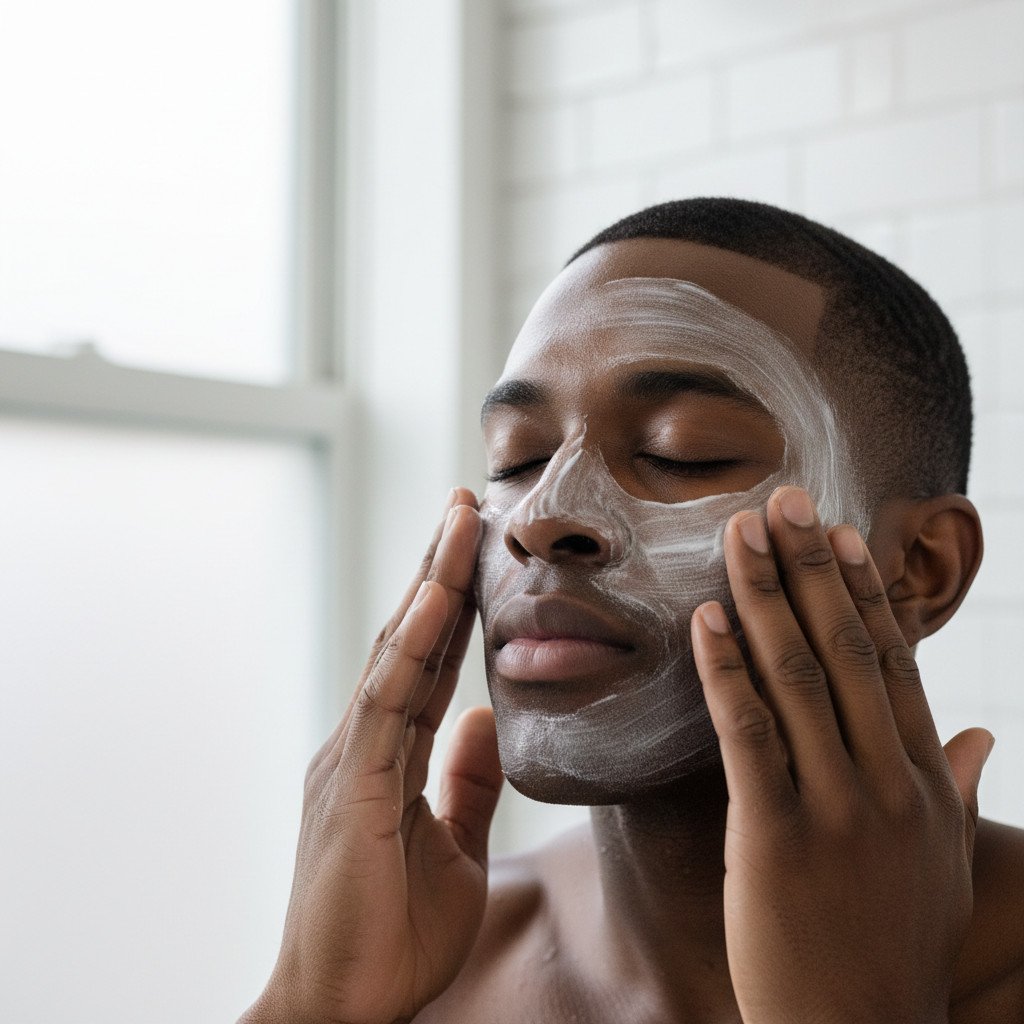
- Gentle Formulas: Avoid harsh soaps, sulfates, and abrasive scrubs for daily use. These can disrupt your skin barrier, leading to dryness and increased sensitivity.
- Hydrating Ingredients: Look for ingredients like glycerin, hyaluronic acid, or ceramides, which help maintain moisture.
- Non-Comedogenic: This means it won’t clog pores, crucial for preventing breakouts and ingrown hairs.
- pH-Balanced: Skin has a slightly acidic pH (around 5.5). Cleansers that respect this balance help maintain the skin’s protective barrier.
- Fragrance-Free: Especially important for sensitive skin, as fragrances are common irritants. Learn more about fragrance-free vs. unscented products.
Types of Cleansers:
- Gel Cleansers: Often good for oily or combination skin, providing a refreshing cleanse without heavy residue.
- Cream/Lotion Cleansers: Ideal for dry or sensitive skin, offering a more hydrating and less stripping experience.
- Foaming Cleansers: Can be effective for normal to oily skin, but ensure they are gentle and not overly drying.
How to Cleanse Properly:
- Wet Your Face: Use lukewarm water. Hot water can strip natural oils, and cold water doesn’t open pores as effectively.
- Dispense Cleanser: Squeeze a dime-sized amount into your palm.
- Lather (if applicable): Gently rub your hands together to create a light lather.
- Apply to Face: Use your fingertips to gently massage the cleanser onto your face in circular motions. Pay attention to your T-zone, jawline, and any areas prone to oiliness or breakouts. Avoid harsh scrubbing.
- Rinse Thoroughly: Rinse your face completely with lukewarm water until all traces of cleanser are gone. Residue can lead to irritation.
- Pat Dry: Use a clean, soft towel to gently pat your face dry. Do not rub, as this can cause friction and irritation.
As an affiliate site, GFBM may earn from qualifying purchases through product links.
Product Recommendation: A gentle hydrating face cleanser is a staple. Look for options specifically marketed as ‘gentle,’ ‘hydrating,’ or ‘cream’ cleansers, especially if you have dry or sensitive skin. For oilier skin, a gentle gel cleanser can be effective.
Step 2: Moisturize – Replenish and Protect Your Skin Barrier
Moisturizing is often overlooked, especially by men who fear a greasy feel. However, it’s a critical step for maintaining skin health, hydration, and barrier function. For Black men, proper moisturization is key to preventing ashiness, improving skin texture, and supporting the skin’s natural healing processes, which can help mitigate hyperpigmentation.
Why Moisturizing Matters for Black Men:
- Combating Ashiness and Dryness: Black skin can be prone to dryness and ashiness, particularly in colder climates or with improper care. A good moisturizer locks in hydration.
- Strengthening the Skin Barrier: The skin barrier is your defense against environmental aggressors and moisture loss. Moisturizers help repair and maintain this crucial barrier, reducing sensitivity and irritation. Learn more about skin barrier repair.
- Improving Skin Texture: Hydrated skin is smoother, softer, and more supple. It also reduces the appearance of fine lines and gives a healthy glow.
- Calming Irritation: For those prone to razor bumps or post-shave irritation, a soothing moisturizer can significantly reduce discomfort and redness.
- Preventing Excess Oil Production: Counterintuitively, if your skin is too dry, it can overcompensate by producing more oil. Proper moisturization can help regulate sebum production.
Choosing the Right Moisturizer:
The best moisturizer for you will depend on your skin type and concerns. Look for:
- Non-Comedogenic: Essential to prevent clogged pores and breakouts.
- Lightweight Formulas: Especially for oily or combination skin, a gel or lotion texture will hydrate without feeling heavy.
- Hydrating Ingredients: Hyaluronic acid, glycerin, ceramides, squalane, and shea butter are excellent for drawing in and retaining moisture.
- Fragrance-Free: Again, crucial for sensitive skin to avoid irritation.
- Targeted Benefits: Some moisturizers include ingredients like niacinamide (for tone and texture), or antioxidants (for environmental protection).
Types of Moisturizers:
- Lotions: Lightweight, easily absorbed, good for normal to oily skin.
- Creams: Thicker, more emollient, ideal for dry or mature skin.
- Gels: Very lightweight, often oil-free, excellent for oily or acne-prone skin.
How to Moisturize Properly:
- Apply to Damp Skin: The best time to moisturize is immediately after cleansing, while your skin is still slightly damp. This helps to trap the water on your skin, enhancing hydration.
- Dispense Product: Use a pea-sized amount for your entire face. A little goes a long way.
- Gentle Application: Dot the moisturizer on different areas of your face (forehead, cheeks, chin, nose).
- Massage In: Gently massage the moisturizer into your skin using upward and outward strokes. Ensure even coverage. Don’t forget your neck.
- Allow Absorption: Give it a minute or two to fully absorb before moving to the next step (SPF in the morning) or applying other products.
Product Recommendation: A lightweight face moisturizer is versatile. For drier skin, consider a slightly richer cream. For oily skin, a gel-based moisturizer can provide hydration without added shine.
Step 3: Protect – Your Shield Against Damage (Morning Only)
This is arguably the most critical and most overlooked step, especially for Black men. There’s a persistent myth that Black skin doesn’t need sunscreen due to its natural melanin. This is false and dangerous. While melanin provides some natural protection (equivalent to an SPF of roughly 7-10), it is not enough to prevent sun damage, premature aging, or the exacerbation of hyperpigmentation. Sunscreen is your daily armor.
Why Sun Protection Matters for Black Men:
- Preventing Hyperpigmentation: Sun exposure is a primary trigger and aggravator of post-inflammatory hyperpigmentation (PIH) and melasma. UV rays stimulate melanin production, making dark spots darker and harder to fade. This is a critical reason why Black men need daily SPF. For a deeper dive, explore our guide on dark spots on Black skin.
- Reducing Premature Aging: UV radiation breaks down collagen and elastin, leading to fine lines, wrinkles, and loss of skin elasticity. Sunscreen helps preserve your youthful appearance.
- Preventing Sunburn: Yes, Black skin can burn. While less common than in lighter skin tones, sunburn is painful and damaging.
- Reducing Skin Cancer Risk: Though less prevalent, skin cancer in Black individuals is often diagnosed at later, more dangerous stages. Daily SPF is a preventative measure.
- Maintaining Even Skin Tone: Consistent sun protection is essential for achieving and maintaining a clear, even complexion.
Choosing the Right Sunscreen:
The biggest hurdle for Black men using sunscreen is the dreaded white cast. Modern formulations have largely overcome this. Look for:
- Broad-Spectrum: Protects against both UVA (aging) and UVB (burning) rays.
- SPF 30 or Higher: This is the minimum recommended for daily use.
- No White Cast: This is crucial. Many chemical sunscreens blend invisibly. Mineral sunscreens (zinc oxide, titanium dioxide) have improved significantly, with tinted or micronized formulas that disappear on darker skin tones. Explore our recommendations for sunscreen for Black men with no white cast.
- Non-Comedogenic: To prevent clogged pores.
- Lightweight and Non-Greasy: Ensures comfortable wear throughout the day.
- Water-Resistant (optional): If you sweat heavily or are active outdoors.
Types of Sunscreen:
- Chemical Sunscreens: Absorb UV rays and convert them into heat. Often blend seamlessly into darker skin. Common active ingredients include avobenzone, oxybenzone, octinoxate, octisalate.
- Mineral Sunscreens: Sit on top of the skin and physically block UV rays by reflecting them. Active ingredients are zinc oxide and titanium dioxide. Modern formulations are often micronized or tinted to reduce white cast. These are generally preferred for sensitive skin.
How to Apply Sunscreen Properly:
- Last Step in AM Routine: Apply sunscreen as the final step in your morning routine, after your moisturizer has absorbed.
- Generous Amount: Don’t skimp. You need about a nickel-sized amount for your face and neck to get the stated SPF protection.
- Even Coverage: Apply evenly to all exposed skin, including your ears and neck.
- Reapply: If you’re outdoors for extended periods, sweating, or swimming, reapply every two hours. For daily office work, a single morning application is usually sufficient.
Product Recommendation: A broad-spectrum SPF 30+ sunscreen with no white cast is essential. Look for fluid or gel textures, or mineral sunscreens specifically formulated to be sheer on darker skin tones.
Shopping List by Category: Building Your Basic Kit
To make product selection straightforward, here’s a simple shopping list focusing on categories rather than specific brands. Remember to choose products within these categories that align with your skin type and concerns (e.g., ‘gentle’ for sensitive skin, ‘oil-free’ for oily skin).
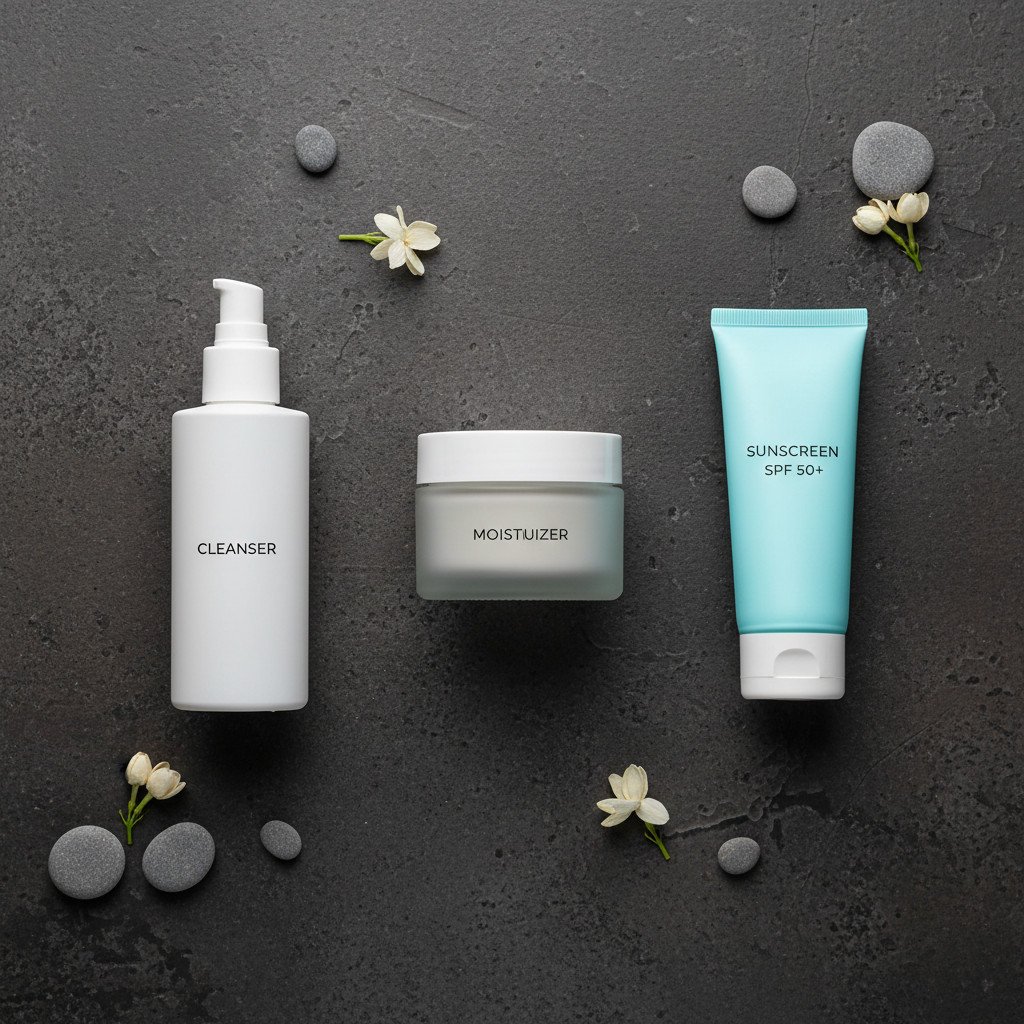
Essentials for Your 3-Step Routine:
- Cleanser: A gentle, hydrating, non-foaming or low-foaming facial cleanser. (e.g., cream cleanser, gel cleanser)
- Moisturizer: A lightweight, non-comedogenic facial moisturizer. (e.g., hydrating lotion, gel moisturizer)
- Sunscreen: A broad-spectrum SPF 30+ facial sunscreen that leaves no white cast. (e.g., chemical sunscreen, tinted mineral sunscreen)
What to Look For on Labels:
- “Non-comedogenic”: Will not clog pores.
- “Fragrance-free”: Best for sensitive skin.
- “Hypoallergenic”: Less likely to cause allergic reactions.
- “Dermatologist-tested”: Indicates professional evaluation.
- Key Ingredients: Glycerin, hyaluronic acid, ceramides (for hydration); niacinamide (for barrier support, tone); zinc oxide, titanium dioxide, avobenzone (for SPF).
What to Avoid: Common Pitfalls for Black Men’s Skincare
Just as important as knowing what to do is knowing what to avoid. Many common skincare habits and product choices can actually harm Black skin, exacerbating issues rather than resolving them.
1. Harsh Soaps and Cleansers:
- The Problem: Bar soaps (especially body soaps) and strong foaming cleansers often have a high pH and contain harsh detergents (like sulfates) that strip the skin’s natural oils. This disrupts the skin barrier.
- Impact on Black Skin: Leads to excessive dryness, ashiness, irritation, and can trigger increased oil production as the skin tries to compensate. Compromised barrier function makes skin more vulnerable to environmental damage and can worsen conditions like eczema or post-shave irritation.
- Solution: Stick to gentle, pH-balanced facial cleansers specifically designed for the face.
2. Over-Exfoliation:
- The Problem: Using physical scrubs with large, irregular particles or overusing chemical exfoliants (AHAs, BHAs).
- Impact on Black Skin: Aggressive exfoliation can cause micro-tears, inflammation, and irritation. For Black skin, any inflammation can trigger increased melanin production, leading to post-inflammatory hyperpigmentation (PIH) – making dark spots worse or creating new ones.
- Solution: If you choose to exfoliate, do so gently and sparingly (1-2 times a week at most, once you’ve mastered the basic routine). Opt for chemical exfoliants with lower concentrations or very fine-grained physical exfoliants. Learn more about how often Black men should exfoliate.
3. Skipping Sunscreen:
- The Problem: Believing melanin provides sufficient protection, or avoiding sunscreen due to fear of white cast or greasy feel.
- Impact on Black Skin: Direct sun exposure is the primary driver of hyperpigmentation. Skipping SPF makes dark spots darker and harder to treat. It also accelerates aging and increases the risk of skin cancer.
- Solution: Use a broad-spectrum SPF 30+ sunscreen daily, rain or shine, that is specifically formulated to leave no white cast on darker skin tones.
4. Ignoring Patch Testing:
- The Problem: Applying new products directly to your face without testing a small area first.
- Impact on Black Skin: Black skin can be prone to sensitivity. Introducing a new product that causes irritation can lead to redness, itching, and potentially PIH.
- Solution: Always patch test new products on a small, inconspicuous area (like behind the ear or on the jawline) for a few days before full facial application.
5. Picking at Blemishes or Ingrown Hairs:
- The Problem: Manually extracting pimples, blackheads, or ingrown hairs.
- Impact on Black Skin: This creates trauma to the skin, which almost inevitably leads to inflammation and subsequent post-inflammatory hyperpigmentation. It can also introduce bacteria, leading to infection and scarring.
- Solution: Resist the urge to pick. Use targeted treatments for acne or ingrown hairs, and allow your skin to heal naturally. If an ingrown hair is persistent, consult a barber or dermatologist.
6. Using Products with Heavy Fragrances or Dyes:
- The Problem: Many skincare products contain synthetic fragrances and dyes for aesthetic appeal.
- Impact on Black Skin: These ingredients are common irritants and allergens, especially for sensitive skin. They can cause redness, itching, contact dermatitis, and trigger inflammatory responses that lead to hyperpigmentation.
- Solution: Opt for fragrance-free and dye-free products whenever possible, particularly for your core routine.
7. Inconsistent Routine:
- The Problem: Applying products sporadically, skipping steps, or changing products too frequently.
- Impact on Black Skin: Skin thrives on consistency. Inconsistent care prevents products from working effectively, makes it difficult to assess their benefits, and can disrupt the skin’s natural balance.
- Solution: Commit to your 3-step routine twice daily. Give new products at least 4-6 weeks to show results before deciding if they work for you.
Upgrade Paths: Addressing Specific Concerns (Once the Basics Are Mastered)
Once you’ve consistently followed the 3-step routine for at least 4-6 weeks and your skin feels balanced and healthy, you might consider introducing additional products to address specific concerns. Remember, the goal is to enhance, not complicate. Introduce one new product at a time and observe your skin’s reaction.

1. For Acne-Prone Skin:
If you experience persistent breakouts, blackheads, or whiteheads, you can integrate a targeted acne treatment. This is an advanced step, so ensure your basic routine is solid and your skin barrier is healthy before introducing strong actives.
- What to Add: A leave-on treatment containing salicylic acid (BHA) or benzoyl peroxide.
- How to Use:
- Salicylic Acid (BHA): A BHA toner or serum can be applied after cleansing in the evening, before moisturizing. Salicylic acid is oil-soluble, meaning it can penetrate into pores to dissolve sebum and dead skin cells, making it excellent for blackheads, whiteheads, and mild inflammatory acne. Start with a 1-2% concentration, 2-3 times a week, gradually increasing frequency if tolerated.
- Benzoyl Peroxide: An excellent ingredient for killing acne-causing bacteria and reducing inflammation. It comes in various strengths (2.5% to 10%). Start with a low concentration (2.5%) and apply as a spot treatment or thin layer after cleansing, before moisturizing, in the evening. Can be drying, so use sparingly and ensure you moisturize well.
- Important Considerations: Both can cause dryness, irritation, and increased sun sensitivity. Always use sunscreen diligently. If introducing both, alternate nights or use one in the morning and one at night (e.g., BHA in AM, BP in PM, if tolerated). If irritation occurs, reduce frequency. For severe acne, consult a dermatologist. Learn more about managing acne for Black men.
2. For Dark Spots / Post-Inflammatory Hyperpigmentation (PIH):
Dark spots are a prevalent concern for Black men. Once your skin is calm and you’re consistently using SPF, you can introduce ingredients designed to fade hyperpigmentation.
- What to Add: A serum containing ingredients like Niacinamide, Vitamin C, Alpha Arbutin, or Azelaic Acid.
- How to Use:
- Niacinamide (Vitamin B3): A versatile ingredient that helps reduce inflammation, improve skin barrier function, and inhibit melanin transfer to skin cells. Apply a niacinamide serum (typically 5-10%) after cleansing, before moisturizing, in either the morning or evening. It’s generally well-tolerated.
- Vitamin C (L-Ascorbic Acid): A powerful antioxidant that brightens skin, reduces hyperpigmentation, and protects against environmental damage. Apply a Vitamin C serum (10-20% concentration) in the morning after cleansing and before moisturizing/SPF. Store in an opaque, airtight container to prevent oxidation.
- Alpha Arbutin: A gentler alternative to hydroquinone, it inhibits melanin production. Apply a serum after cleansing, before moisturizing, in the evening.
- Azelaic Acid: Reduces inflammation and inhibits melanin production, making it effective for both acne and hyperpigmentation. Can be used morning or evening after cleansing, before moisturizing.
- Important Considerations: Consistency is key for fading dark spots. These ingredients take time (weeks to months) to show results. Always use SPF religiously, as sun exposure will undo any progress. Introduce one product at a time. For severe or stubborn hyperpigmentation, a dermatologist can offer stronger prescription options. For a comprehensive guide, see Hyperpigmentation for Black Men.
3. For Sensitive Skin:
If your skin is easily irritated, red, or reactive, your primary focus should be on calming and strengthening your skin barrier. The basic 3-step routine is already a good start, but specific product choices and additions can further help.
- What to Add: A soothing serum or a barrier-repairing treatment.
- How to Use:
- Soothing Serums: Look for serums with ingredients like Centella Asiatica (Cica), Allantoin, Bisabolol, or Oat Extract. Apply after cleansing, before moisturizing, to reduce redness and calm irritation.
- Ceramide-Rich Products: Ceramides are lipids that are crucial components of your skin barrier. A moisturizer or serum rich in ceramides can help repair and strengthen a compromised barrier, making your skin less reactive. Apply after cleansing.
- Important Considerations: For sensitive skin, less is often more. Avoid any products with fragrance, essential oils, harsh alcohols, or strong exfoliants. Always patch test new products. If your sensitive skin issues persist or worsen, consult a dermatologist. More on sensitive skin routines for Black men.
4. For Dry/Ashy Skin:
If your skin remains dry or ashy even with a good basic moisturizer, you might need to boost hydration and occlusive protection.
- What to Add: A hydrating serum and/or a richer moisturizer for PM.
- How to Use:
- Hydrating Serum (Hyaluronic Acid): Apply a hyaluronic acid serum to damp skin after cleansing, before your moisturizer. Hyaluronic acid draws moisture from the air into your skin, providing an extra layer of hydration.
- Richer PM Moisturizer: In the evening, consider using a thicker, more occlusive cream or balm to really lock in moisture overnight. Look for ingredients like shea butter, petrolatum, or squalane.
- Important Considerations: Ensure your cleanser isn’t stripping your skin. Avoid hot showers. Consider a humidifier in dry environments. For persistent dryness, especially if accompanied by itching or flaking, consult a dermatologist to rule out conditions like eczema. For more, see managing dry, ashy skin.
Common Mistakes and How to Fix Them
Even with a simple routine, common missteps can hinder progress. Identifying and correcting these can significantly improve your results.
Mistake 1: Using the Wrong Cleanser
- Problem: Using harsh bar soaps, body washes, or cleansers with high pH that strip the skin.
- Impact: Dryness, tightness, irritation, increased oil production, compromised skin barrier, and potential for hyperpigmentation.
- Fix: Switch to a gentle, pH-balanced facial cleanser. Look for terms like “hydrating,” “cream,” or “gel” and ensure it’s fragrance-free and non-comedogenic.
Mistake 2: Skipping Moisturizer (Especially for Oily Skin)
- Problem: Believing oily skin doesn’t need moisturizer, or fearing it will make skin greasier.
- Impact: Dehydrated skin often overcompensates by producing more oil, leading to a vicious cycle. Skin barrier function is also compromised, making skin more prone to sensitivity and breakouts.
- Fix: Use a lightweight, non-comedogenic moisturizer twice daily. For oily skin, opt for a gel or oil-free lotion. It will hydrate without adding shine and can actually help regulate oil production.
Mistake 3: Neglecting Sunscreen
- Problem: Believing Black skin doesn’t need SPF, or avoiding it due to white cast.
- Impact: Worsening hyperpigmentation, premature aging, increased risk of skin cancer, and overall uneven skin tone.
- Fix: Find a broad-spectrum SPF 30+ sunscreen that leaves no white cast. Apply it every single morning, regardless of weather or indoor activity. This is the single most impactful step for long-term skin health for Black men.
Mistake 4: Inconsistency
- Problem: Performing the routine sporadically, skipping days, or only doing it when problems arise.
- Impact: Products don’t have enough time to work effectively, skin never fully stabilizes, and you won’t see consistent results.
- Fix: Commit to the routine every morning and every evening. Make it a non-negotiable part of your daily hygiene, like brushing your teeth. Set reminders if needed.
Mistake 5: Over-Complicating the Routine Too Soon
- Problem: Adding too many active ingredients or products before mastering the basics, or trying to fix everything at once.
- Impact: Can lead to irritation, breakouts, and a compromised skin barrier. It also makes it impossible to tell which products are working or causing issues.
- Fix: Master the 3-step routine for at least a month. Only then, introduce one new product at a time, allowing several weeks to assess its impact before adding another.
Mistake 6: Using Dirty Towels or Pillowcases
- Problem: Reusing the same towel for days or not changing pillowcases regularly.
- Impact: Towels and pillowcases can harbor bacteria, dirt, and old product residue, which can be transferred back to your clean face, leading to breakouts and irritation.
- Fix: Use a clean, soft towel to pat your face dry after cleansing. Change your pillowcase at least once a week, more often if you have oily or acne-prone skin.
Mistake 7: Not Rinsing Cleanser Thoroughly
- Problem: Leaving cleanser residue on the skin.
- Impact: Residue can clog pores, cause irritation, and make skin feel tight or sticky.
- Fix: Ensure you rinse your face thoroughly with lukewarm water until all traces of cleanser are gone. Pay attention to the hairline, jawline, and around the nose.
Mistake 8: Using Hot Water to Wash Face
- Problem: Washing your face with very hot water.
- Impact: Hot water can strip the skin of its natural oils, leading to dryness, irritation, and a compromised skin barrier.
- Fix: Use lukewarm water for cleansing. It’s effective without being harsh on your skin.
Troubleshooting Your Skincare Journey
Even with the best intentions, you might encounter issues. Here’s a quick guide to common problems, their potential causes, and how to fix them.
Symptom: Skin feels tight, dry, or flaky after cleansing.
- Cause: Your cleanser is too harsh, or you’re using water that’s too hot. It’s stripping your skin’s natural oils.
- Fix: Switch to a gentler, hydrating, pH-balanced cleanser. Ensure it’s fragrance-free. Use lukewarm water. Apply moisturizer immediately after cleansing to damp skin. Consider a richer moisturizer if dryness persists.
Symptom: New breakouts or increased acne.
- Cause: New product is clogging pores (comedogenic), you’re not cleansing effectively, or your skin is purging (initial reaction to active ingredients like retinoids or exfoliants, which this basic routine doesn’t include, but good to know for upgrades). Could also be hormonal, dietary, or stress-related.
- Fix: Ensure all products are labeled “non-comedogenic.” Re-evaluate your cleansing technique – are you thoroughly removing dirt/oil? If you’ve introduced a new product, stop using it to see if the breakouts subside. If persistent, consider adding a salicylic acid cleanser or treatment (as an upgrade path). Ensure pillowcases are clean.
Symptom: Skin appears dull or uneven.
- Cause: Lack of consistent cleansing, dead skin cell buildup, or insufficient sun protection leading to hyperpigmentation.
- Fix: Ensure consistent daily cleansing. Recommit to daily SPF 30+. Once the basic routine is solid, consider carefully introducing a gentle chemical exfoliant (like a low-concentration AHA or BHA 1-2 times a week) or a brightening serum (Vitamin C, Niacinamide) into your evening routine.
Symptom: Razor bumps or ingrown hairs persist.
- Cause: Improper shaving technique, dull blades, or bacteria.
- Fix: Ensure you’re cleansing thoroughly before shaving. Use a sharp, clean blade or electric shaver. Shave with the grain of your hair. Use a quality shave cream or gel. Follow with a soothing, non-comedogenic post-shave balm. Consider a dedicated pre-shave routine and post-shave care. For persistent issues, explore our comprehensive guide on razor bumps and ingrown hairs.
Symptom: Skin feels greasy or shiny throughout the day.
- Cause: Overactive oil glands, using a moisturizer that’s too heavy for your skin type, or ironically, dehydrated skin overcompensating.
- Fix: Ensure your moisturizer is lightweight and non-comedogenic (gel or oil-free lotion). Don’t skip moisturizer, as this can worsen oiliness. Use a gentle cleanser that doesn’t strip your skin. Consider blotting papers throughout the day. For an in-depth approach, see our oily skin routine for Black men.
Symptom: Redness, itching, or burning after applying products.
- Cause: Product irritation or allergic reaction. Could be due to fragrance, essential oils, harsh active ingredients, or a compromised skin barrier.
- Fix: Immediately stop using the product causing the reaction. Simplify your routine to just a gentle cleanser and a basic, fragrance-free moisturizer. Focus on skin barrier repair. Always patch test new products. If severe or persistent, consult a dermatologist.
The 14-Day Consistency Challenge: Build the Habit
The biggest hurdle to any new routine is consistency. To truly experience the benefits of this 3-step system, you need to make it a habit. We challenge you to commit to this routine, every morning and every evening, for a full 14 days. No excuses, no shortcuts.
How to Take the Challenge:
- Gather Your Products: Ensure you have your gentle cleanser, lightweight moisturizer, and broad-spectrum SPF 30+.
- Set a Reminder: Use your phone to set daily alarms for your morning and evening routines.
- Place Products Strategically: Keep your products visible and easily accessible by your sink or shower.
- Track Your Progress: Mark off each day you complete both morning and evening routines on a calendar. Seeing your progress can be highly motivating.
- Observe Your Skin: Pay attention to how your skin feels and looks each day. Note any improvements in hydration, texture, or clarity.
- Resist the Urge to Add: For these 14 days, stick ONLY to the 3 steps. Do not introduce new treatments or exfoliants.
What to Expect:
Within 14 days, you should notice:
- Improved Hydration: Your skin will feel less tight and dry, more supple.
- Reduced Ashiness: Consistent moisturizing will combat dull, ashy patches.
- Smoother Texture: Regular cleansing removes dead skin cells, revealing smoother skin.
- Fewer Minor Blemishes: Consistent cleansing helps prevent clogged pores.
- A Sense of Control: You’ll gain confidence in managing your skin.
This 14-day challenge isn’t just about your skin; it’s about building discipline and self-care into your daily life. Once you’ve successfully completed it, the routine will feel natural, and the positive changes in your skin will be undeniable.
When to Stop and Get Help: Safety First
While this routine is designed to be gentle and beneficial, it’s crucial to recognize when your skin needs more than basic care or when a reaction is more serious than simple irritation. Your skin is an organ, and sometimes professional help is necessary.
Seek Professional Help If You Experience:
- Severe, Persistent Redness or Swelling: Beyond mild flushing, if your skin is intensely red, swollen, or hot to the touch, especially if accompanied by pain or itching. This could indicate a severe allergic reaction or infection.
- Blistering or Oozing: These are signs of significant skin damage or infection and require immediate medical attention.
- Widespread Rash or Hives: If a new product causes a widespread rash or itchy welts, discontinue use and consult a doctor.
- Painful, Deep, Cystic Acne: While the basic routine helps with minor breakouts, deep, painful cysts that don’t respond to over-the-counter treatments require a dermatologist’s care to prevent scarring and manage inflammation.
- Signs of Infection: Pus, increasing pain, warmth, or red streaks spreading from a blemish or wound.
- Unexplained or Rapidly Changing Moles/Spots: Any new, unusual, or changing moles, dark spots, or skin lesions should be evaluated by a dermatologist to rule out skin cancer.
- Persistent Dryness, Itching, or Eczema Flare-ups: If your skin remains extremely dry, itchy, flaky, or if you experience eczema flare-ups that don’t improve with consistent gentle moisturizing, a dermatologist can provide targeted treatments.
Do not hesitate to consult a board-certified dermatologist if you have concerns. They are experts in skin health and can provide accurate diagnoses and personalized treatment plans, especially for conditions common in Black skin like severe hyperpigmentation, keloids, or specific forms of acne.
Beyond the Basics: Elevating Your Skincare Game
Once you’ve mastered the simple 3-step routine and addressed any immediate concerns with the upgrade paths, you might find yourself curious about further optimizing your skin health. This foundational knowledge empowers you to make informed choices.
Considerations for Advanced Skincare:
- Antioxidant Serums (e.g., Vitamin C): Beyond hyperpigmentation, Vitamin C offers powerful antioxidant protection against environmental damage, boosts collagen production, and brightens overall skin tone.
- Retinoids (Retinol, Tretinoin): These are powerful ingredients for anti-aging, acne treatment, and improving skin texture and tone. They increase cell turnover. However, they must be introduced slowly and carefully, especially for Black skin, due to the potential for irritation and subsequent PIH. Start with low concentrations and use only a few times a week at night. Always use SPF diligently.
- Exfoliation (Gentle & Controlled): While over-exfoliation is a mistake, controlled, gentle exfoliation 1-2 times a week can be beneficial for improving skin texture, reducing dullness, and helping with mild congestion. Opt for chemical exfoliants like AHAs (glycolic, lactic acid) or BHAs (salicylic acid) in low concentrations, or very fine physical exfoliants. Avoid harsh scrubs.
- Eye Cream: The skin around the eyes is thinner and more delicate. A dedicated eye cream can address concerns like dark circles, puffiness, or fine lines.
- Facial Oils: For very dry skin, a few drops of a non-comedogenic facial oil can be added after moisturizing to provide an extra layer of nourishment and occlusion.
Remember, each addition should be purposeful. Don’t add products just because they’re popular. Understand their function and how they fit into your routine. Always introduce one new product at a time and observe your skin for several weeks before adding another. Your skin’s health is a journey, not a destination.
Conclusion: Master Your Skin, Master Your Presence
This simple 3-step skincare routine – cleanse, moisturize, protect – is more than just a set of instructions; it’s an investment in yourself. It’s about establishing fundamental habits that lead to healthier, more confident skin. For Black men, this foundational care addresses unique concerns while promoting overall skin vitality.
By committing to consistency, choosing the right products, and understanding the ‘why’ behind each step, you’re not just improving your complexion; you’re cultivating a discipline that extends beyond the mirror. Your skin will reflect this dedication, appearing clearer, smoother, and more resilient. Take the 14-day challenge, observe the transformation, and make this routine an indispensable part of your daily self-mastery. Your journey to elevated grooming starts here. Your skin deserves this attention. Your presence demands this confidence.
Frequently Asked Questions
Why is a 3-step routine sufficient for Black men?
A 3-step routine (cleanse, moisturize, SPF) covers the fundamental needs of all skin types, including Black skin. It focuses on maintaining skin health, preventing common issues like dryness and sun damage, and creating a stable base before addressing specific concerns. Consistency with these basics is more effective than an elaborate, inconsistent routine.
Do Black men really need sunscreen daily?
Absolutely. While melanin provides some natural protection, it’s not enough to prevent sun damage, premature aging, or the worsening of hyperpigmentation. Daily broad-spectrum SPF 30+ is crucial for all skin tones, especially for Black men to prevent dark spots from getting darker and to reduce skin cancer risk.
How do I choose the right cleanser for my skin type?
For oily skin, a gentle gel or foaming cleanser works well. For dry or sensitive skin, opt for a hydrating cream or lotion cleanser. Always choose a pH-balanced, non-comedogenic, and fragrance-free formula to avoid stripping natural oils or causing irritation.
What’s the best way to prevent razor bumps with this routine?
Proper cleansing before shaving is key to remove bacteria and soften hairs. Follow with a non-comedogenic moisturizer to soothe and hydrate. Using a sharp blade, shaving with the grain, and avoiding harsh aftershaves also significantly reduce razor bumps. Consistency in this routine helps maintain overall skin resilience.
When should I introduce additional products like serums for dark spots or acne?
Master the basic 3-step routine for at least 4-6 weeks first. Ensure your skin is balanced and healthy. Then, introduce one new targeted product (like a Vitamin C serum for dark spots or a salicylic acid treatment for acne) at a time, observing your skin’s reaction for several weeks before adding another.

Can this routine help with dry, ashy skin?
Yes, consistent use of a gentle, hydrating cleanser and a good moisturizer is fundamental for combating dry, ashy skin. The moisturizer locks in hydration and supports the skin barrier. For persistent dryness, consider a richer moisturizer or adding a hydrating serum to your routine.
How long does it take to see results from this routine?
You may notice immediate improvements in hydration and skin comfort. Visible changes like reduced ashiness, smoother texture, and improved clarity typically appear within 2-4 weeks of consistent use. For concerns like hyperpigmentation, it can take several months to see significant fading.
What if my skin reacts negatively to a product in the routine?
If you experience redness, itching, burning, or breakouts, immediately stop using the new product. Simplify your routine to just a gentle cleanser and a basic, fragrance-free moisturizer. Always patch test new products on a small area of skin for a few days before applying to your entire face to check for reactions.
Is this routine suitable for all ages of Black men?
Yes, the core principles of cleansing, moisturizing, and protecting are universal and beneficial for Black men of all ages. Younger men can establish healthy habits, while older men can maintain skin vitality and address age-related concerns by building upon this foundation.
How does this routine address hyperpigmentation?
The routine primarily addresses hyperpigmentation by preventing its exacerbation. Daily SPF is crucial to prevent existing dark spots from getting darker and new ones from forming due to sun exposure. Consistent, gentle cleansing and moisturizing also maintain a healthy skin barrier, reducing inflammation that can trigger PIH.
What if I shave daily? How does this fit in?
If you shave daily, perform your shave after cleansing in the morning. Then, apply your moisturizer and SPF. Ensure your cleanser is gentle to avoid irritation before shaving. Consider a dedicated pre-shave oil or cream to protect your skin during the shave, and a soothing, non-comedogenic post-shave balm before your regular moisturizer.
Can I use the same products for my face and body?
While some gentle body cleansers or moisturizers might be suitable for the face, facial products are typically formulated to be non-comedogenic and specifically address facial skin concerns. It’s generally best to use products designed for the face on your face, as they are less likely to cause breakouts or irritation.
Shop gentle hydrating face cleanser on Amazon
Shop lightweight face moisturizer on Amazon
Shop broad-spectrum SPF 30+ sunscreen on Amazon