Acne for Black Men: Clear Skin Strategies & Prevention
Acne is a common skin condition that affects many Black men, regardless of age. It’s more than just a few pimples; it can impact confidence and lead to lasting skin concerns like dark spots or hyperpigmentation. Understanding acne, its causes, and how to manage it effectively is the first step toward clear, healthy skin. This guide cuts through the noise, offering direct, actionable strategies tailored for Black men.
We combine practical barbershop wisdom with modern skincare science to provide a clear path forward. This isn’t about quick fixes; it’s about building a sustainable routine that addresses your skin’s unique needs. From understanding different types of acne to preventing post-inflammatory hyperpigmentation (PIH), we cover what you need to know. Your journey to clearer skin starts here.
Acne manifests differently across skin types. For Black men, acne often presents with specific challenges, including a higher propensity for post-inflammatory hyperpigmentation (PIH) and keloidal scarring. This guide will equip you with the knowledge to identify your acne type, implement an effective routine, and mitigate these common concerns. We focus on prevention, treatment, and long-term skin health, ensuring you have the tools to maintain a confident, clear complexion.
Quick Steps: Your Starter Routine for Acne-Prone Skin
As an affiliate site, GFBM may earn from qualifying purchases through product links.
Addressing acne requires consistency and the right approach. This quick routine provides a foundational strategy for managing breakouts and promoting clearer skin. Integrate these steps into your daily regimen for best results.
Morning Routine
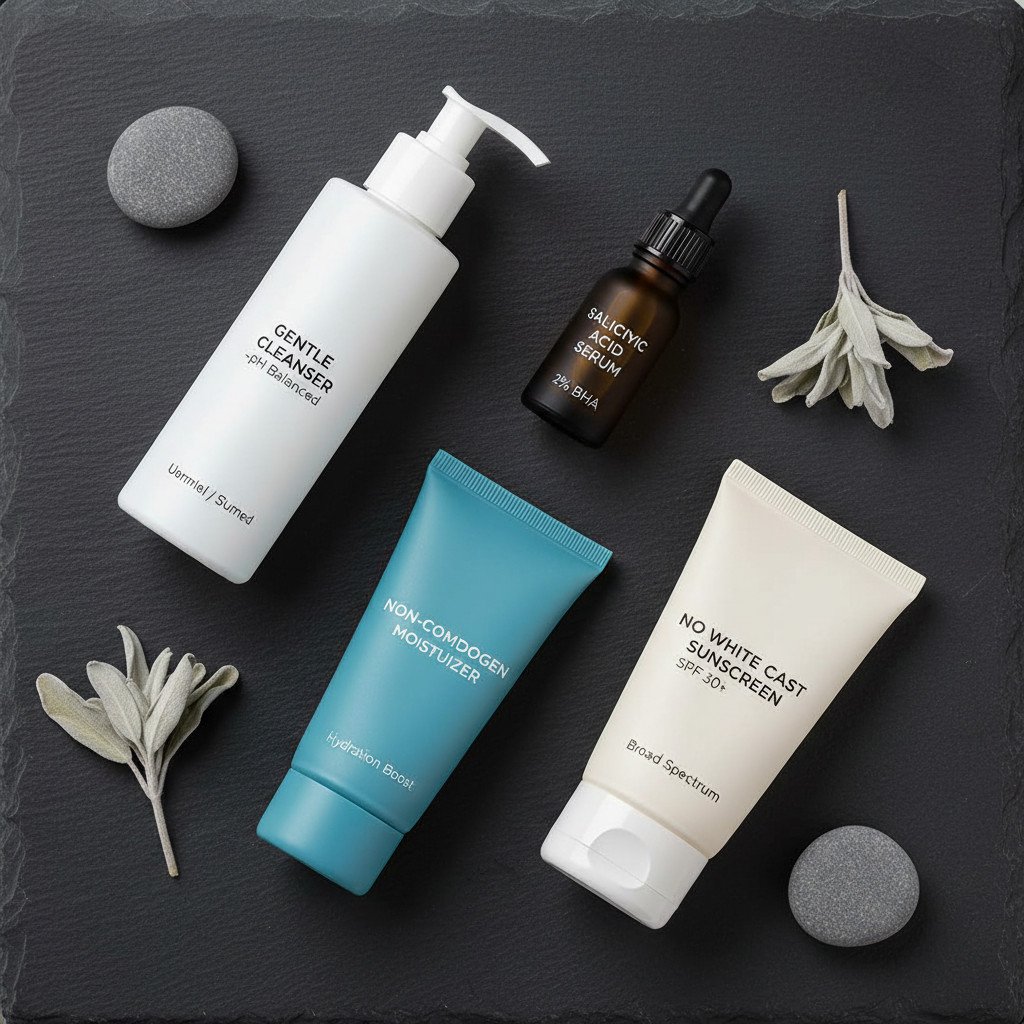
- Cleanse: Use a gentle, salicylic acid or benzoyl peroxide cleanser to remove impurities and excess oil. Lather with lukewarm water, massage onto your face for 60 seconds, then rinse thoroughly.
- Treat (Optional): Apply a thin layer of a targeted acne treatment, such as a benzoyl peroxide spot treatment or salicylic acid serum, to active breakouts. Allow it to absorb fully.
- Moisturize: Follow with a lightweight, non-comedogenic moisturizer. This keeps your skin hydrated without clogging pores.
- Protect: Finish with a broad-spectrum SPF 30+ sunscreen. This is crucial for preventing PIH, especially for darker skin tones.
Evening Routine
- Cleanse: Repeat the morning cleansing step to remove accumulated dirt, oil, and any residual product.
- Treat: Apply a retinoid or alpha hydroxy acid (AHA) treatment, if recommended, to promote cell turnover and prevent new breakouts. Start slowly, 2-3 times a week, and increase frequency as your skin tolerates it.
- Moisturize: Reapply a non-comedogenic moisturizer to support skin barrier function overnight.
Understanding Acne: Types and Causes
Acne is not a single condition; it’s a spectrum of breakouts with various underlying causes. Knowing what you’re dealing with is crucial for effective treatment. For Black men, understanding these distinctions is particularly important due to unique skin responses.
What is Acne?
Acne vulgaris, commonly known as acne, is a chronic inflammatory skin condition that occurs when hair follicles become clogged with oil (sebum) and dead skin cells. This creates an environment where bacteria, specifically Propionibacterium acnes (P. acnes), can thrive, leading to inflammation and breakouts. The severity and type of acne can vary widely, from mild blackheads to severe cystic lesions.
Common Acne Types
Acne presents in several forms, each requiring a slightly different approach. Identifying your primary type of breakout will guide your treatment strategy.
Comedonal Acne
- Blackheads (Open Comedones): Small, dark spots on the skin’s surface. They are hair follicles clogged with sebum and dead skin cells. The pore remains open, and the melanin in the dead skin cells, combined with oxidation, gives them their dark appearance. They are not dirt.
- Whiteheads (Closed Comedones): Small, flesh-colored or white bumps. These are also clogged hair follicles, but the pore opening is closed, trapping the sebum and dead skin cells beneath the skin’s surface.
Comedonal acne is often the first stage of acne development and can progress to inflammatory forms if not managed.
Inflammatory Acne
- Papules: Small, red, tender bumps that do not have a pus-filled center. They develop when a clogged follicle becomes inflamed. Picking at papules can worsen inflammation and lead to hyperpigmentation.
- Pustules: Red, tender bumps with a white or yellowish pus-filled center. These are essentially inflamed whiteheads. While tempting, resist squeezing pustules, as this can spread bacteria and cause scarring or dark spots.
Severe Acne
- Nodules: Large, solid, painful lumps that develop deep beneath the skin’s surface. They are caused by severe inflammation and infection deep within the hair follicle. Nodules can persist for weeks or months and often lead to significant scarring and hyperpigmentation.
- Cysts: Large, soft, painful, pus-filled lesions that resemble boils. Cysts are the most severe form of acne and are also deep within the skin. They are highly prone to scarring and require professional medical treatment.
Causes of Acne in Black Men
While the fundamental mechanisms of acne are universal, certain factors can be more prominent or have distinct implications for Black men.
Excess Sebum Production
The sebaceous glands produce sebum, an oily substance that lubricates the skin. Overactive sebaceous glands produce too much sebum, leading to oily skin and clogged pores. Hormonal fluctuations, particularly androgens, play a significant role in stimulating sebum production. Stress and diet can also influence sebum levels.
Dead Skin Cell Accumulation
Normally, skin cells shed regularly. However, in acne-prone skin, these dead cells can accumulate and mix with excess sebum, forming a plug within the hair follicle. This plug creates the perfect environment for bacterial growth.
Bacterial Growth (P. acnes)
The bacterium Propionibacterium acnes (P. acnes) naturally lives on the skin. When pores become clogged and oxygen levels decrease, P. acnes multiplies rapidly. These bacteria produce inflammatory substances that trigger the body’s immune response, leading to redness, swelling, and pus formation characteristic of inflammatory acne.
Inflammation
Inflammation is a key component of all acne types, but it’s particularly pronounced in papules, pustules, nodules, and cysts. The body’s immune system responds to clogged follicles and bacterial overgrowth by sending inflammatory cells, leading to the visible signs of acne. Chronic inflammation can also contribute to post-inflammatory hyperpigmentation.
Hormonal Imbalances
Androgens, male hormones, stimulate sebum production. Fluctuations in these hormones, common during puberty, but also present in adulthood, can trigger or worsen acne. Stress can also impact hormone levels, exacerbating breakouts.
Genetics
If your parents had acne, you are more likely to develop it. Genetic predisposition plays a significant role in how your skin responds to acne triggers and how severe your acne might be.
Diet and Lifestyle
While not direct causes, certain dietary factors (high glycemic index foods, dairy) and lifestyle choices (stress, lack of sleep) can influence inflammation and hormone levels, potentially exacerbating acne. Maintaining a balanced diet and managing stress are supportive measures.
Shaving Practices and Ingrown Hairs
For Black men, shaving practices are a critical consideration. Improper shaving techniques can lead to razor bumps (pseudofolliculitis barbae) and ingrown hairs, which can mimic or worsen acne. These conditions involve inflammation of the hair follicle and can be mistaken for or coexist with acne. Razor bumps are a distinct issue but often require similar careful management of the skin.
The Impact of Acne on Black Skin
Acne affects all skin tones, but its consequences can be particularly pronounced for Black men. Understanding these specific challenges is vital for effective treatment and prevention.
Post-Inflammatory Hyperpigmentation (PIH)
The most common and frustrating consequence of acne for Black men is post-inflammatory hyperpigmentation (PIH). This refers to the dark spots or patches that remain on the skin after an acne lesion has healed. These spots are not scars but rather a temporary (though sometimes long-lasting) discoloration caused by an overproduction of melanin in response to skin inflammation or injury. Black skin, being richer in melanin, is more prone to PIH, and these spots can take months or even years to fade without proper treatment. Preventing PIH is as important as treating the active acne itself.
Keloidal Scarring
While less common than PIH, some Black men are genetically predisposed to keloidal scarring. Keloids are raised, firm, often itchy scars that extend beyond the original site of injury. They can develop from severe acne lesions, especially cysts and nodules. Unlike typical scars that flatten over time, keloids continue to grow. This predisposition makes careful acne management and avoiding picking at lesions even more critical.
Pseudofolliculitis Barbae (Razor Bumps)
As mentioned, razor bumps are distinct from acne, but they are often confused with or coexist with acne in Black men. Pseudofolliculitis barbae (PFB) occurs when curly hairs, after being cut, curl back into the skin, causing inflammation, redness, and pus-filled bumps. These bumps can look very similar to acne pustules and papules. Improper shaving can exacerbate both PFB and acne, making it crucial to adopt proper shaving techniques and post-shave care.

Building Your Acne-Fighting Skincare Routine
A consistent, targeted skincare routine is your primary defense against acne. This section details the essential steps and product categories to incorporate into your daily regimen.
The Core Principles
- Gentle is Key: Aggressive scrubbing or harsh products will irritate your skin, worsen inflammation, and increase the risk of PIH.
- Consistency is Non-Negotiable: Skincare isn’t a one-time fix. Daily commitment yields results.
- Patience is a Virtue: It takes time for skin to respond to new treatments. Expect to wait 4-6 weeks to see noticeable improvements.
- Patch Test: Always patch test new products, especially if you have sensitive skin, to avoid adverse reactions.
Morning Routine: Protection and Prevention
Step 1: Cleanse
Start your day by removing excess oil, sweat, and any overnight treatments. Use a gentle, pH-balanced cleanser. Look for ingredients like salicylic acid (BHA) or benzoyl peroxide for their acne-fighting properties.
- Salicylic Acid Cleansers: These are oil-soluble, meaning they can penetrate into the pores to dissolve sebum and dead skin cells. Excellent for blackheads, whiteheads, and mild inflammatory acne. Use a concentration of 0.5% to 2%.
- Benzoyl Peroxide Cleansers: These kill acne-causing bacteria and help shed dead skin cells. Effective for inflammatory acne (papules, pustules). Start with a lower concentration (2.5% to 5%) to minimize irritation.
Application: Wet your face with lukewarm water. Dispense a small amount of cleanser into your palms and lather. Gently massage onto your face for 60 seconds, focusing on acne-prone areas. Rinse thoroughly with lukewarm water and pat dry with a clean towel.
Step 2: Treat (Optional, as needed)
If you have active breakouts, consider a targeted treatment. This step is optional if your cleanser provides sufficient treatment or if you use a prescription topical.
- Salicylic Acid Serum/Spot Treatment: Apply a thin layer to areas with blackheads, whiteheads, or mild breakouts.
- Benzoyl Peroxide Spot Treatment: For individual inflamed pimples. Apply a small dab directly to the lesion. Be cautious, as benzoyl peroxide can bleach fabrics.
- Niacinamide Serum: A versatile ingredient that can reduce inflammation, minimize pore appearance, and improve skin barrier function. It’s not a direct acne treatment but can be a valuable addition for overall skin health and PIH prevention.
Application: Apply a pea-sized amount of serum or a small dab of spot treatment to affected areas. Allow it to absorb completely before moving to the next step.
Step 3: Moisturize
Even oily, acne-prone skin needs moisture. Skipping moisturizer can cause your skin to overcompensate by producing more oil, leading to more breakouts. Choose a lightweight, non-comedogenic (won’t clog pores) moisturizer.
- Look for: Gel or lotion formulas. Ingredients like hyaluronic acid, glycerin, and ceramides are excellent for hydration without heaviness.
- Avoid: Heavy creams, petroleum jelly, or products with pore-clogging oils (e.g., coconut oil, mineral oil, unless specifically formulated as non-comedogenic).
Application: Apply a dime-sized amount evenly over your face and neck. Gently massage until absorbed.
Step 4: Protect with SPF
This is arguably the most critical step for Black men with acne, especially for preventing and minimizing PIH. Sun exposure darkens existing dark spots and can trigger new ones. A broad-spectrum SPF 30 or higher sunscreen is non-negotiable.
- Look for: Mineral sunscreens with zinc oxide and titanium dioxide, often less irritating for sensitive skin, but ensure they are formulated to leave no white cast. Chemical sunscreens are also effective, but some ingredients can be irritating for sensitive skin.
- Consider: Tinted sunscreens can offer a subtle evening of skin tone while providing protection.
Application: Apply generously as the last step in your morning routine, at least 15 minutes before sun exposure. Reapply every two hours if you’re outdoors or sweating.
Evening Routine: Repair and Renewal
Step 1: Cleanse
Thoroughly cleanse your face to remove accumulated dirt, oil, sweat, and sunscreen from the day. If you wear makeup, consider a double cleanse: start with an oil-based cleanser or micellar water to break down makeup and sunscreen, then follow with your regular acne cleanser.
Application: Same as morning cleansing. Ensure all traces of product and impurities are removed.
Step 2: Treat (Targeted)
This is where you introduce more potent treatments that work overnight to promote cell turnover and combat acne. Start slowly with these ingredients to allow your skin to adjust.
- Retinoids (Retinol, Adapalene): These vitamin A derivatives are gold standards for acne treatment. They increase cell turnover, prevent clogged pores, reduce inflammation, and can improve the appearance of PIH over time. Adapalene (Differin) is available over-the-counter and is often recommended as a first-line retinoid for acne. Start 2-3 times a week and gradually increase frequency as tolerated.
- Alpha Hydroxy Acids (AHAs – Glycolic Acid, Lactic Acid): These exfoliate the skin’s surface, helping to shed dead skin cells and improve texture. They can also help fade PIH. Use a serum or toner with a low concentration (5-10%) a few nights a week, alternating with retinoids.
- Azelaic Acid: A gentle but effective ingredient that reduces inflammation, kills acne bacteria, and helps fade PIH. It’s a good option for those with sensitive skin or who can’t tolerate retinoids.
Application: Apply a pea-sized amount of your chosen treatment to a clean, dry face. Avoid the delicate eye and lip areas. Allow it to absorb fully (5-10 minutes) before moisturizing.
Step 3: Moisturize
Reapply a non-comedogenic moisturizer to support your skin barrier and counteract any potential dryness or irritation from active treatments. A slightly richer moisturizer can be used in the evening if your skin tolerates it, but ensure it’s still non-comedogenic.
Application: Apply a dime-sized amount evenly over your face and neck.
Weekly Treatments and Advanced Strategies
Beyond your daily routine, incorporating weekly treatments can accelerate your progress and address specific concerns like exfoliation and deeper cleansing.
Exfoliation (1-2 times per week)
Regular exfoliation helps remove dead skin cells, preventing clogged pores and promoting a smoother complexion. However, over-exfoliation can irritate acne-prone skin and worsen PIH. Exfoliate carefully.
- Chemical Exfoliants: Preferred over physical scrubs for acne-prone skin as they are less likely to cause micro-tears and irritation.
- Salicylic Acid (BHA) Masks/Peels: Deeper penetration into pores.
- Glycolic Acid/Lactic Acid (AHA) Toners/Masks: Surface exfoliation, good for texture and PIH.
- Physical Exfoliants (Use with caution): If you choose a physical exfoliant, opt for one with very fine, spherical particles (e.g., jojoba beads) and use a light touch. Avoid harsh scrubs with jagged particles (e.g., crushed nut shells), which can damage the skin barrier.
Application: Use after cleansing, 1-2 times a week, on non-treatment nights (e.g., not on nights you use retinoids or strong AHAs). Follow product instructions carefully.
Clay Masks (1-2 times per week)
Clay masks, particularly those with bentonite or kaolin clay, can help draw out impurities, absorb excess oil, and detoxify the skin. They can be beneficial for oily and acne-prone skin.
Application: Apply a thin layer to clean skin, leave on for 10-15 minutes (or as directed), then rinse thoroughly. Follow with moisturizer.
Spot Treatments (As needed)
Keep a targeted spot treatment on hand for sudden breakouts. Ingredients like benzoyl peroxide (2.5-5%), salicylic acid, or sulfur can quickly reduce inflammation and dry out pimples.
Application: Apply a small dab directly to the pimple after cleansing and before moisturizing. Use sparingly to avoid excessive dryness.
Preventing Post-Inflammatory Hyperpigmentation (PIH)
For Black men, preventing PIH is as crucial as treating active acne. These strategies minimize the likelihood and severity of dark spots.
Do Not Pick, Squeeze, or Pop Pimples
This is the golden rule. Manipulating breakouts introduces more bacteria, pushes inflammation deeper, and significantly increases the risk of PIH and scarring. Let lesions heal naturally or seek professional extraction if necessary.
Consistent Sun Protection
As emphasized, daily use of broad-spectrum SPF 30+ sunscreen is non-negotiable. UV exposure stimulates melanin production, darkening existing PIH and making new spots more likely. Reapply throughout the day if exposed to direct sunlight.
Early and Consistent Acne Treatment
The sooner you get acne under control, the less inflammation your skin experiences, and the lower the risk of PIH. Stick to your routine, even when skin starts to clear.
Ingredients for PIH Management
Once PIH develops, certain ingredients can help fade the dark spots:
- Topical Retinoids: Promote cell turnover, helping to shed pigmented skin cells.
- Vitamin C: An antioxidant that brightens skin, inhibits melanin production, and protects against environmental damage.
- Niacinamide (Vitamin B3): Reduces inflammation and inhibits the transfer of melanin to skin cells.
- Azelaic Acid: Reduces inflammation and directly inhibits melanin production.
- Alpha Hydroxy Acids (AHAs): Exfoliate the skin’s surface, helping to remove pigmented cells.
- Kojic Acid, Arbutin, Licorice Root Extract: Natural skin brighteners that inhibit melanin production.
Application: Incorporate these ingredients into your routine as serums or targeted treatments, typically in the evening, after cleansing and before moisturizing. Use consistently for several months to see results.
Shaving and Acne-Prone Skin
Shaving is an integral part of many Black men’s grooming routines, but it can exacerbate acne and razor bumps if not done correctly. Integrate these practices for healthier skin.
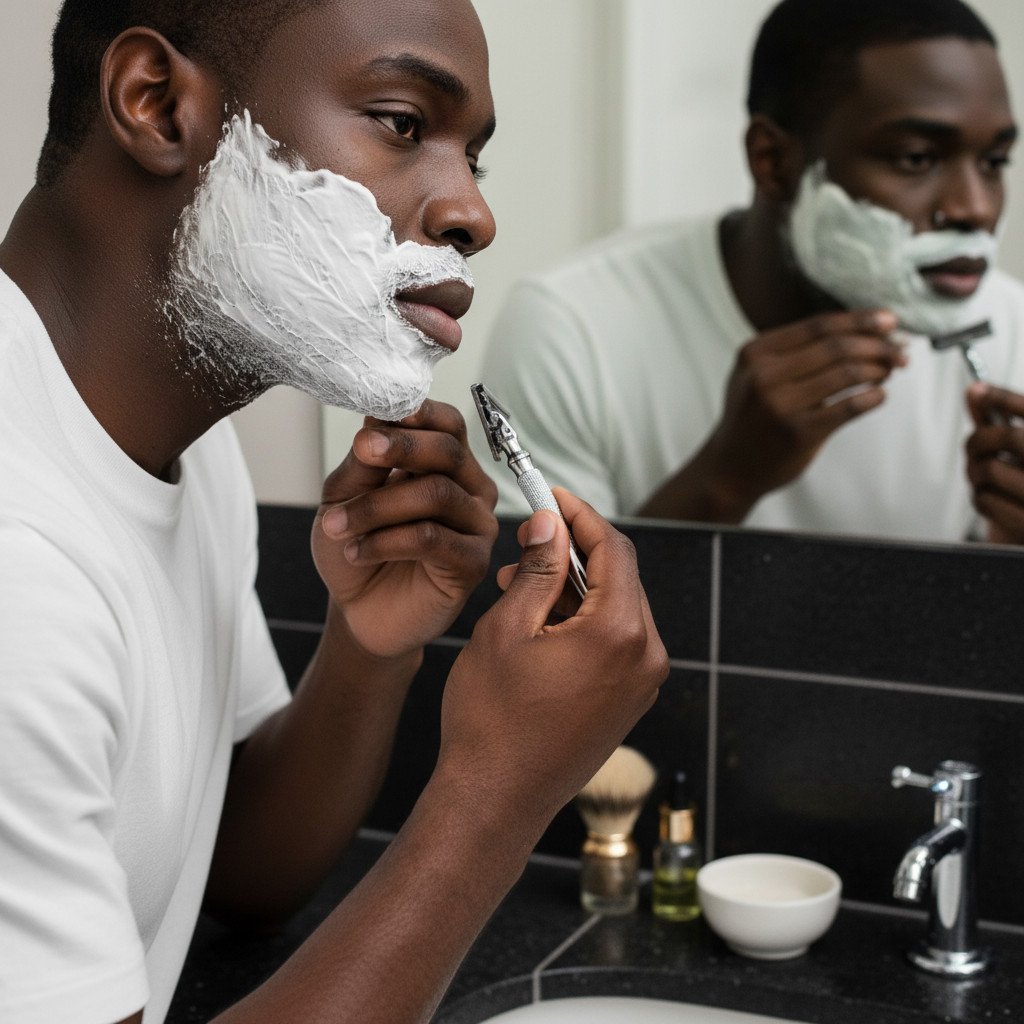
Pre-Shave Preparation
- Cleanse: Always shave on clean skin. Use your regular acne cleanser to remove oil and bacteria.
- Warm Water/Steam: Soften your beard with warm water or a warm towel for a few minutes. This opens pores and makes hair easier to cut.
- Pre-Shave Oil/Cream: Apply a thin layer of non-comedogenic pre-shave oil or cream to create a protective barrier and reduce friction.
Shaving Technique
- Sharp Blade: Use a fresh, sharp blade for every shave or every few shaves. Dull blades cause tugging, irritation, and increase the risk of nicks and ingrown hairs.
- Shave with the Grain: Always shave in the direction of hair growth to minimize irritation and prevent hairs from curling back into the skin.
- Light Pressure: Let the razor do the work. Excessive pressure can lead to razor burn and cuts.
- Single Pass: Aim for a single pass. If a closer shave is needed, re-lather and make a second pass with the grain.
- Electric Shavers/Trimmers: Consider an electric shaver or trimmer that cuts hair slightly above the skin’s surface to reduce the risk of ingrown hairs and irritation.
Post-Shave Care
- Rinse with Cool Water: Close pores and soothe the skin.
- Aftershave Balm (Alcohol-Free): Apply a soothing, alcohol-free aftershave balm with ingredients like aloe vera, witch hazel, or chamomile to reduce inflammation. Avoid harsh, alcohol-based splashes that can dry and irritate skin.
- Moisturize: Follow with your regular non-comedogenic moisturizer.
For a deeper dive into managing shaving-related issues, refer to our guides on ingrown hairs and razor bumps.
Common Mistakes That Worsen Acne
Even with the best intentions, certain habits can sabotage your efforts to achieve clear skin. Avoid these common pitfalls.
Over-Washing or Over-Exfoliating
While cleansing and exfoliating are important, doing them too frequently or too aggressively strips your skin of its natural oils, damages the skin barrier, and triggers increased oil production. This leads to more irritation, inflammation, and potentially more breakouts. Stick to twice-daily cleansing and 1-2 times weekly exfoliation.
Picking, Popping, or Squeezing Pimples
This is perhaps the most damaging mistake. It introduces bacteria, pushes infection deeper, prolongs healing time, and significantly increases the risk of PIH and permanent scarring. Keep your hands off your face.
Using Harsh or Drying Products
Alcohol-based toners, astringents, and overly strong acne treatments can strip the skin, leading to dryness, irritation, and a compromised skin barrier. This makes your skin more vulnerable to breakouts and slows healing. Opt for gentle, pH-balanced formulations.
Skipping Moisturizer or Sunscreen
Fear of making oily skin worse often leads to skipping moisturizer. This is counterproductive; dehydrated skin can produce more oil. Similarly, skipping sunscreen guarantees that any inflammation from acne will likely result in dark spots. These two steps are non-negotiable.
Inconsistent Routine
Acne treatment requires consistency. Skipping steps, using products sporadically, or constantly switching products prevents your skin from adapting and seeing results. Stick to a routine for at least 4-6 weeks before evaluating its effectiveness.
Not Changing Pillowcases/Towels Regularly
Pillowcases and towels accumulate oil, dead skin cells, and bacteria. Reusing them transfers these back to your skin, contributing to breakouts. Change pillowcases every 2-3 days and use a clean towel for your face daily.
Ignoring Diet and Lifestyle Factors
While not direct causes, certain foods (high glycemic index, dairy for some individuals) and lifestyle factors (stress, lack of sleep) can exacerbate acne. Pay attention to how your body responds and make adjustments where possible.
Using Pore-Clogging Products (Comedogenic)
Many skincare and hair products contain ingredients that can clog pores. Always look for labels like “non-comedogenic” or “non-acnegenic” on all products that come into contact with your skin, including moisturizers, sunscreens, and even hair pomades.
Troubleshooting Common Acne Issues
Even with a solid routine, you might encounter specific challenges. Here’s how to troubleshoot common acne-related problems.
Symptom: Skin is dry, flaky, red, or irritated after starting new products.
- Cause: Over-exfoliation, using too many active ingredients at once, or starting with too high a concentration of an active ingredient (especially retinoids or benzoyl peroxide). Your skin barrier might be compromised.
- Fix: Reduce the frequency of active ingredients (e.g., use retinoids every other night instead of nightly, or stop for a few days). Switch to a more gentle cleanser and a richer, barrier-repairing moisturizer. Focus on hydration and soothing ingredients like ceramides, hyaluronic acid, and niacinamide. Ensure your sunscreen is non-irritating. Once irritation subsides, reintroduce actives slowly.
Symptom: Breakouts are not improving after 6-8 weeks of consistent routine.
- Cause: The current routine might not be strong enough for your acne type, or there might be underlying factors not addressed.
- Fix: Review your product ingredients. Are you using appropriate concentrations of salicylic acid, benzoyl peroxide, or retinoids? Ensure consistency. If over-the-counter options aren’t working, it’s time to consider professional help. A dermatologist can prescribe stronger topical treatments (e.g., prescription retinoids, antibiotics) or oral medications.
Symptom: New dark spots (PIH) are appearing, or existing ones are getting darker.
- Cause: Sun exposure without adequate protection, picking at breakouts, or ongoing inflammation.
- Fix: Double down on sun protection. Use a broad-spectrum SPF 30+ daily and reapply. Avoid picking at all costs. Incorporate ingredients known to fade PIH, such as vitamin C, niacinamide, azelaic acid, or alpha hydroxy acids, into your evening routine. Be patient; PIH takes time to fade.
Symptom: Experiencing breakouts along the hairline or jawline.
- Cause: Hair products (pomades, oils, conditioners) can contain comedogenic ingredients that migrate to the skin and clog pores. Cell phone use can also transfer dirt and bacteria.
- Fix: Check your hair products for non-comedogenic labels. Wash your face immediately after applying hair products. Clean your phone screen regularly. If you wear hats, ensure they are clean.
Symptom: Acne seems worse after shaving.
- Cause: Improper shaving technique, dull blades, or using comedogenic shaving products. This could also be pseudofolliculitis barbae (razor bumps) mimicking acne.
- Fix: Review your shaving routine. Ensure you’re using a sharp blade, shaving with the grain, and using non-comedogenic pre-shave and aftershave products. Consider switching to an electric shaver or trimmer that leaves a slight stubble. Refer to our guides on ingrown hairs and razor bumps for detailed solutions.
Symptom: Deep, painful cysts or nodules that don’t respond to topical treatments.
- Cause: Severe inflammatory acne that requires more aggressive intervention.
- Fix: This type of acne almost always requires professional medical attention. A dermatologist can offer prescription topical treatments, oral antibiotics, hormonal therapies, or isotretinoin (Accutane) for severe cases. Early intervention is crucial to prevent significant scarring and PIH.
When to Stop and Get Help
While many acne cases can be managed with a consistent over-the-counter routine, there are clear signs that indicate you need professional medical advice. Ignoring these can lead to worsening conditions, permanent scarring, and prolonged discomfort.
When to See a Dermatologist:
- No Improvement After 6-8 Weeks: If your dedicated over-the-counter routine hasn’t yielded noticeable improvement after two months, it’s time to consult a dermatologist. They can assess your skin, confirm your acne type, and prescribe stronger, more targeted treatments.
- Severe or Cystic Acne: If you have deep, painful nodules or cysts that are persistent and widespread, do not delay seeing a dermatologist. These forms of acne are highly prone to scarring and PIH and require aggressive medical intervention.
- Rapid Onset or Worsening Acne: A sudden, severe flare-up or rapid worsening of your acne warrants immediate professional attention.
- Significant PIH or Scarring: If you are developing extensive dark spots or notice early signs of scarring (ice pick, boxcar, or rolling scars), a dermatologist can offer treatments to minimize their appearance and prevent further damage.
- Pain, Itching, or Discomfort: If your acne is causing significant pain, persistent itching, or making you uncomfortable, a professional can help alleviate these symptoms.
- Signs of Infection: Look for increased redness, swelling, warmth, pus that is yellow or green, or fever. These could indicate a secondary bacterial infection that requires antibiotics.
- Acne Impacting Mental Health: If your acne is causing significant emotional distress, anxiety, or affecting your self-esteem, seeking professional help is crucial. Skin health is linked to mental well-being.
What a Dermatologist Can Offer:
- Prescription Topicals: Stronger retinoids (tretinoin), topical antibiotics (clindamycin, erythromycin), dapsone, or combination products.
- Oral Medications: Oral antibiotics (doxycycline, minocycline) to reduce inflammation and bacteria, hormonal therapies (for some cases), or isotretinoin (Accutane) for severe, resistant acne.
- In-Office Procedures: Chemical peels, microdermabrasion, laser therapy for PIH and scarring, corticosteroid injections for large cysts, or professional extractions.
- Personalized Advice: Tailored skincare recommendations and guidance on lifestyle factors specific to your skin’s needs.
Remember, a dermatologist is your ally in achieving and maintaining clear skin. Don’t hesitate to seek their expertise when needed.
Maintaining Clear Skin: Beyond the Breakouts
Achieving clear skin is a journey, not a destination. Once your acne is under control, maintaining your results requires continued vigilance and a commitment to healthy skin practices.
Consistency is Key
Do not abandon your routine once your skin clears. Many acne treatments work by preventing new breakouts. Stopping them prematurely can lead to a relapse. Continue your gentle cleansing, moisturizing, SPF, and targeted treatments (perhaps at a reduced frequency, under professional guidance) to keep acne at bay.
Monitor Your Skin
Pay attention to how your skin responds to different products, environmental factors, and lifestyle choices. If you notice new breakouts or irritation, identify potential triggers and adjust your routine accordingly. Your skin’s needs can change over time.
Address Residual PIH and Scarring
Even after active acne subsides, you might be left with post-inflammatory hyperpigmentation or, in some cases, scarring. Continue to use ingredients that target PIH (Vitamin C, Niacinamide, Azelaic Acid, AHAs, Retinoids) and maintain strict sun protection. For more stubborn PIH or visible scarring, consult a dermatologist for advanced treatments like chemical peels, microneedling, or laser therapy.
Healthy Lifestyle Choices
- Balanced Diet: While diet’s role in acne is complex, a diet rich in whole foods, fruits, vegetables, and lean proteins, with limited processed foods and excessive sugar, supports overall skin health.
- Hydration: Drink plenty of water throughout the day to keep your skin hydrated from within.
- Stress Management: Chronic stress can trigger hormonal fluctuations that exacerbate acne. Incorporate stress-reducing activities like exercise, meditation, or hobbies into your routine.
- Adequate Sleep: Quality sleep allows your body, including your skin, to repair and regenerate. Aim for 7-9 hours of sleep per night.
- Clean Habits: Regularly clean items that touch your face, such as cell phones, glasses, and pillowcases. Avoid touching your face unnecessarily.
Regular Check-ups
If you have severe or persistent acne, periodic check-ups with your dermatologist can help adjust your treatment plan as needed and proactively address any new concerns.
By embracing these maintenance strategies, you can enjoy the long-term benefits of clear, healthy, and confident skin. Your commitment to self-care is an investment in your well-being.
Conclusion
Acne for Black men is a manageable condition, but it demands a strategic, consistent approach. You now understand the different types of acne, their causes, and the specific challenges faced by Black skin, particularly concerning post-inflammatory hyperpigmentation. By implementing a diligent skincare routine focused on gentle cleansing, targeted treatment, hydration, and non-negotiable sun protection, you are well-equipped to combat breakouts.
Remember the importance of proper shaving techniques to prevent exacerbating acne and razor bumps. Avoid common mistakes like picking and over-exfoliating, which only prolong the healing process and worsen dark spots. Most importantly, know when to seek professional help. A dermatologist is an invaluable resource for persistent or severe acne, offering advanced treatments and personalized guidance.
Your journey to clear skin is an ongoing commitment to self-care and self-mastery. With patience, consistency, and the right knowledge, you can achieve and maintain a complexion that reflects your confidence and well-being. Embrace the process, trust the science, and take pride in your grooming journey.
Frequently Asked Questions
Why is acne different for Black men?
Acne itself is similar across all skin types, but Black men are more prone to specific consequences like post-inflammatory hyperpigmentation (dark spots) and keloidal scarring due to higher melanin content. Additionally, shaving practices can sometimes exacerbate acne or be confused with razor bumps.
How can I prevent dark spots (PIH) from acne?
Preventing PIH involves strict sun protection with SPF 30+ daily, avoiding picking or squeezing pimples, and treating active acne early to reduce inflammation. Incorporating ingredients like Vitamin C, niacinamide, and azelaic acid can also help fade existing dark spots.
What are the best ingredients for acne in Black skin?
Effective ingredients include salicylic acid (for clogged pores), benzoyl peroxide (for killing bacteria), retinoids (for cell turnover and prevention), and azelaic acid (for inflammation and PIH). Niacinamide and Vitamin C are also beneficial for overall skin health and dark spots.
Can shaving cause or worsen acne?
Improper shaving techniques, such as shaving against the grain or using dull blades, can irritate the skin, lead to ingrown hairs (razor bumps), and exacerbate existing acne. Using non-comedogenic shaving products and a sharp blade, shaving with the grain, and proper pre/post-shave care are crucial.
How long does it take to see results from an acne routine?
Patience is essential. It typically takes 4-6 weeks of consistent use to see noticeable improvements in acne. For PIH, fading can take several months or even longer, depending on the severity and consistency of treatment.
Should I moisturize if I have oily, acne-prone skin?
Yes, absolutely. Skipping moisturizer can dehydrate your skin, prompting it to produce even more oil to compensate, which can worsen acne. Use a lightweight, non-comedogenic moisturizer to keep your skin hydrated and support its barrier function.
When should I see a dermatologist for my acne?
Consult a dermatologist if your over-the-counter routine shows no improvement after 6-8 weeks, if you have severe cystic or nodular acne, if acne is causing significant scarring or PIH, or if it’s impacting your mental well-being. They can prescribe stronger treatments.
Are physical exfoliants good for acne-prone skin?
Chemical exfoliants (like AHAs or BHAs) are generally preferred for acne-prone skin because they are less likely to cause irritation or micro-tears than harsh physical scrubs. If using a physical exfoliant, choose one with very fine, spherical particles and apply with a gentle touch.
Can diet affect acne in Black men?
While diet is not a direct cause, certain foods, particularly those high in glycemic index or dairy for some individuals, can influence inflammation and hormone levels, potentially exacerbating acne. A balanced diet generally supports overall skin health.

What is the most important step for preventing PIH?
Consistent and generous application of a broad-spectrum SPF 30+ sunscreen daily is the single most important step for preventing and minimizing post-inflammatory hyperpigmentation. Sun exposure darkens existing spots and triggers new ones.
Shop gentle acne cleanser on Amazon
Shop salicylic acid cleanser on Amazon
Shop benzoyl peroxide cleanser on Amazon
Shop benzoyl peroxide spot treatment on Amazon
Shop niacinamide serum on Amazon
Shop lightweight non-comedogenic moisturizer on Amazon
Shop broad-spectrum SPF 30+ sunscreen on Amazon
Shop retinoid on Amazon
Shop alpha hydroxy acid (AHA) treatment on Amazon
Shop azelaic acid on Amazon
Shop clay mask on Amazon
Shop pre-shave oil on Amazon
Shop alcohol-free aftershave balm on Amazon
Shop vitamin C serum on Amazon
Shop kojic acid on Amazon
Shop arbutin on Amazon
Shop licorice root extract on Amazon