

Dry & Ashy Skin Fix for Black Men
Dry, ashy skin is more than a cosmetic concern; it’s a signal from your body. For Black men, this common issue can manifest as dullness, flakiness, and an uncomfortable tightness, often exacerbated by environmental factors and improper care. This guide cuts through the noise, offering direct, actionable strategies to restore your skin’s natural vitality and ensure it stays hydrated, healthy, and vibrant.
You’ll learn to identify the root causes of dryness, differentiate between ashy, dehydrated, and irritated skin, and implement routines that work. We’ll cover everything from shower habits to seasonal adjustments, ensuring your skin remains resilient and well-nourished, from face to body. This isn’t about quick fixes; it’s about building a foundation for lasting skin health.
Quick Steps: Your Immediate Dry Skin Action Plan
As an affiliate site, GFBM may earn from qualifying purchases through product links.
When dryness hits hard, immediate action is necessary. These quick steps provide rapid relief and set the stage for long-term improvement. Integrate them into your daily routine for noticeable results.
Morning Quick Routine (Copy/Paste)
- Gentle Cleanse: Use a hydrating face cleanser. Rinse with lukewarm water. Pat dry.
- Hydrating Serum: Apply a few drops of hyaluronic acid serum to damp skin.
- Moisturize: Apply a rich, non-comedogenic moisturizer to your face and neck.
- SPF: Finish with a broad-spectrum mineral sunscreen (SPF 30+).
Evening Quick Routine (Copy/Paste)
- Double Cleanse (Optional): If you wear SPF or have been outdoors, start with an oil cleanser, then follow with your hydrating face cleanser.
- Hydrating Serum: Reapply hyaluronic acid serum to damp skin.
- Moisturize: Apply a generous layer of your rich moisturizer or a dedicated night cream.
- Lip Balm: Don’t forget a hydrating lip balm.
Body Care Quick Routine (Daily)
- Lukewarm Shower: Keep showers short (5-10 minutes) and use lukewarm, not hot, water.
- Moisturizing Body Wash: Use a moisturizing body wash. Avoid harsh soaps.
- Pat Dry: Gently pat your skin with a towel, leaving it slightly damp.
- Immediate Moisturize: Within 3 minutes of exiting the shower, apply a thick body cream or lotion to your entire body.
Understanding Dry Skin: Ashy vs. Dehydrated vs. Irritated
Before you can fix the problem, you must correctly identify it. Dry skin isn’t a monolith; it presents in various forms, each requiring a slightly different approach. Understanding the distinctions between ashy, dehydrated, and irritated skin is fundamental to effective treatment.
Ashy Skin: The Visible Sign of Surface Dryness
Ashy skin is a term deeply rooted in the Black community, describing the grayish, dull, or chalky appearance that occurs when dry, dead skin cells accumulate on the surface. This happens because the outermost layer of your skin, the stratum corneum, lacks sufficient moisture and natural oils (lipids) to reflect light evenly. Instead, it scatters light, creating that characteristic ashen look. It’s most noticeable on darker skin tones because the contrast between the dry, flaky cells and the underlying melanin-rich skin is more pronounced.
Key Characteristics of Ashy Skin:
- Appearance: Grayish, dull, chalky, or powdery film, especially on elbows, knees, shins, and hands.
- Texture: Rough, sometimes flaky.
- Sensation: May feel tight or slightly itchy, but often less intense than true irritation.
- Cause: Primarily a lack of surface moisture and lipid barrier compromise. Often a result of infrequent moisturizing, harsh soaps, hot showers, or dry environments.
- Fix: Consistent and generous application of occlusive and emollient moisturizers immediately after bathing.
Dehydrated Skin: Lacking Water, Not Necessarily Oil
Dehydrated skin is a condition, not a skin type. It means your skin lacks water. While dry skin often lacks both oil and water, dehydrated skin can affect any skin type, including oily skin. Your skin’s outermost layer, the skin barrier, is responsible for preventing transepidermal water loss (TEWL). When this barrier is compromised, or when internal hydration is insufficient, water evaporates from the skin more rapidly.
Key Characteristics of Dehydrated Skin:
- Appearance: Dullness, shadows under the eyes, prominent fine lines (especially when skin is pinched), sometimes a slightly papery or crepey texture.
- Texture: Can feel tight, especially after cleansing, but might not be visibly flaky or rough like ashy skin.
- Sensation: Tightness, sometimes itchiness, and increased sensitivity. Skin may feel less plump and resilient.
- Cause: Insufficient water intake, harsh cleansers, excessive exfoliation, environmental factors (dry air, wind), caffeine, alcohol, or a compromised skin barrier.
- Fix: Focus on internal hydration (drinking water), using humectant-rich products (hyaluronic acid, glycerin), and repairing the skin barrier with ceramides and fatty acids.
Irritated Skin: A Sign of Inflammation and Barrier Damage
Irritated skin is a response to an external or internal trigger that causes inflammation. It’s often accompanied by dryness, but the primary issue is the inflammatory response. This can stem from allergic reactions, harsh ingredients, over-exfoliation, environmental aggressors, or underlying skin conditions like eczema or contact dermatitis. For Black men, irritation can sometimes lead to post-inflammatory hyperpigmentation (PIH), making it crucial to address promptly.
Key Characteristics of Irritated Skin:
- Appearance: Redness (which may appear as darker patches or purplish tones on darker skin), swelling, bumps, sometimes oozing or crusting.
- Texture: Rough, scaly, sometimes broken or cracked.
- Sensation: Itching, burning, stinging, tenderness, pain.
- Cause: Allergic reactions, contact dermatitis, harsh chemicals, fragrances, essential oils, over-exfoliation, sun exposure, shaving irritation, or underlying skin conditions.
- Fix: Identify and eliminate the irritant. Use soothing, fragrance-free products. Focus on skin barrier repair. Consult a dermatologist if severe or persistent.
The Overlap and How to Differentiate
It’s important to note that these conditions can overlap. For instance, chronically ashy skin can become irritated, and dehydrated skin is often more prone to irritation. However, the primary distinction lies in the root cause and the predominant symptoms:
- Ashy: Visible surface dryness, dullness, primarily a lack of surface lipids and moisture.
- Dehydrated: Lack of water in the skin, leading to tightness, dullness, and fine lines, often without visible flaking.
- Irritated: Inflammation, redness (or darker patches), itching, burning, often a reaction to a specific trigger.
By carefully observing your skin’s appearance, texture, and sensations, you can better pinpoint the problem and choose the most effective course of action. If you suspect irritation, especially if it’s persistent or severe, consider a patch test for new products or consult a professional.
The Skincare Routine for Dry Skin (Face)
A structured routine is your best defense against dry skin. This comprehensive approach focuses on hydration, barrier repair, and protection, tailored for the unique needs of Black men’s skin.
Morning Routine: Hydrate and Protect
The morning routine sets your skin up for the day, providing a protective layer against environmental stressors and locking in moisture.
Step 1: Gentle Cleansing
Start your day by removing any overnight buildup without stripping your skin. Harsh cleansers can exacerbate dryness, so choose wisely.
- Why it’s crucial: Removes impurities and excess oil without compromising the skin barrier.
- How to do it: Use a creamy, hydrating, or oil-based cleanser. Dispense a small amount into damp hands, lather gently, and massage onto your face in circular motions for 30-60 seconds. Rinse thoroughly with lukewarm water. Avoid hot water, which can strip natural oils.
- Product type: Look for hydrating cream cleansers or milky cleansers that are fragrance-free and contain ingredients like glycerin, hyaluronic acid, or ceramides.
Step 2: Hydrating Serum (Humectant)
Applying a humectant serum to damp skin is a game-changer for hydration. Humectants draw moisture from the air and deeper skin layers into the epidermis.
- Why it’s crucial: Provides a concentrated dose of hydration, plumping the skin and improving its ability to retain moisture.
- How to do it: Immediately after cleansing, while your skin is still slightly damp, apply 2-3 drops of a hydrating serum (e.g., hyaluronic acid, polyglutamic acid, glycerin-based) to your face and neck. Gently pat it in until absorbed.
- Product type: Hyaluronic acid serum is a popular choice. Ensure it’s free of irritating alcohols or fragrances.
Step 3: Moisturizer (Emollient/Occlusive)
This is the cornerstone of dry skin management. A good moisturizer will seal in the hydration from your serum and provide a protective barrier.
- Why it’s crucial: Locks in moisture, strengthens the skin barrier, and prevents transepidermal water loss (TEWL).
- How to do it: While the serum is still slightly tacky, apply a generous amount of a rich, emollient, and occlusive moisturizer. Gently massage it into your face and neck. Don’t skimp on quantity.
- Product type: Look for creams or balms containing ceramides, fatty acids, cholesterol, shea butter, squalane, or petrolatum. Ensure it’s non-comedogenic if you’re prone to breakouts.
Step 4: Sunscreen (Broad-Spectrum SPF 30+)
Sun protection is non-negotiable, especially for dry skin, which can be more vulnerable to environmental damage. UV radiation further compromises the skin barrier and can worsen dryness and hyperpigmentation.
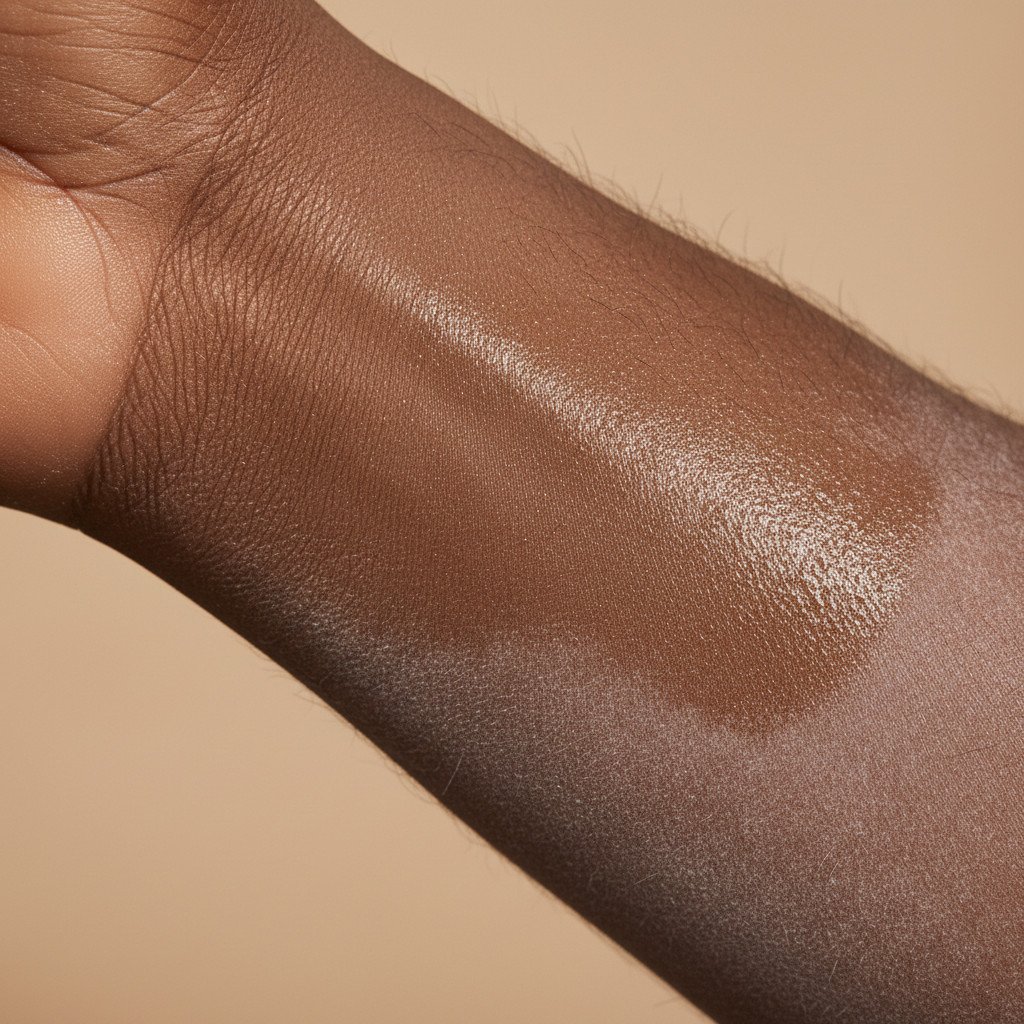
- Why it’s crucial: Protects against UV damage, which accelerates aging, exacerbates dryness, and can worsen hyperpigmentation.
- How to do it: As the final step in your morning routine, apply a broad-spectrum sunscreen with at least SPF 30. Use enough to cover your entire face and neck (about two finger-lengths). Reapply every two hours if exposed to direct sunlight or sweating.
- Product type: Mineral sunscreens (zinc oxide, titanium dioxide) are often preferred for sensitive or dry skin as they sit on top of the skin. Look for formulations that blend seamlessly into darker skin tones without a white cast.
Evening Routine: Repair and Replenish
The evening is when your skin goes into repair mode. This routine focuses on deep hydration, barrier restoration, and addressing any specific concerns.
Step 1: Double Cleansing (Recommended)
If you wear sunscreen, makeup, or have been exposed to pollution, double cleansing ensures thorough removal without stripping.
- Why it’s crucial: Effectively removes oil-based impurities (sunscreen, sebum, pollution) before a water-based cleanser removes water-based impurities, preventing clogged pores and allowing subsequent products to penetrate better.
- How to do it: Start with an oil-based cleanser, balm, or micellar water. Massage onto dry skin for 60 seconds, then emulsify with a little water and rinse. Follow with your gentle hydrating cleanser from the morning routine.
- Product type: Use a cleansing oil or balm, followed by your hydrating cream cleanser.
Step 2: Hydrating Serum (Humectant)
Just like in the morning, a hydrating serum preps your skin for optimal moisture absorption.
- Why it’s crucial: Replenishes water content lost throughout the day and prepares the skin for deeper hydration.
- How to do it: Apply 2-3 drops of your hydrating serum to damp skin.
- Product type: Same as morning: hyaluronic acid, glycerin, or polyglutamic acid serum.
Step 3: Treatment Serum (Optional, based on concerns)
If you have specific concerns beyond dryness, such as hyperpigmentation or fine lines, this is the step to introduce a targeted treatment.
- Why it’s crucial: Addresses specific skin issues while ensuring the skin remains hydrated.
- How to do it: Apply a small amount of your chosen treatment serum (e.g., niacinamide for barrier support and tone, a gentle retinoid for anti-aging, or a vitamin C derivative for brightening) after your hydrating serum. Allow it to absorb for a minute before the next step.
- Product type: Choose serums based on your needs. For dry skin, ensure any treatment is gentle and non-irritating. Avoid harsh actives initially if your barrier is compromised.
Step 4: Rich Moisturizer or Night Cream
The final and most crucial step for dry skin in the evening. A rich cream provides sustained hydration and supports overnight repair.
- Why it’s crucial: Provides an occlusive layer to prevent overnight water loss and delivers nourishing ingredients for barrier repair and replenishment.
- How to do it: Apply a generous layer of a rich night cream or a thick moisturizer. Massage it gently into your face and neck. Consider “slugging” (applying a thin layer of petrolatum jelly) over your moisturizer if your skin is extremely dry and not prone to breakouts.
- Product type: Look for creams with ceramides, cholesterol, fatty acids, shea butter, squalane, petrolatum, or dimethicone.
Weekly Treatments: Boost and Maintain
Beyond daily care, weekly treatments can provide an extra boost of hydration and support for a healthy skin barrier.
Gentle Exfoliation (1-2 times a week)
While over-exfoliation can worsen dryness, gentle and infrequent exfoliation can help remove dead, flaky skin cells, allowing moisturizers to penetrate more effectively. For dry skin, chemical exfoliants are often preferred over harsh physical scrubs.
- Why it’s crucial: Removes dead skin buildup, improves skin texture, and enhances product absorption.
- How to do it: Choose a gentle chemical exfoliant (e.g., Lactic Acid, PHA, or a very low concentration of Glycolic Acid). Apply to clean, dry skin 1-2 times a week, following product instructions. Start with once a week to assess tolerance.
- Product type: Look for leave-on toners or serums with gentle AHAs (Lactic Acid, Mandelic Acid) or PHAs. Always follow with moisturizer.
Hydrating Face Mask (1-2 times a week)
A hydrating mask can deliver an intense surge of moisture and soothing ingredients.
- Why it’s crucial: Provides concentrated hydration and nourishment, helping to calm and replenish dry, stressed skin.
- How to do it: After cleansing, apply a thick layer of a hydrating sheet mask or a cream-based mask. Leave on for 15-20 minutes, then gently remove or rinse. Follow with your serum and moisturizer.
- Product type: Look for masks rich in hyaluronic acid, glycerin, ceramides, aloe vera, or colloidal oatmeal.
The Skincare Routine for Dry Skin (Body)
Your body skin needs just as much attention as your face, especially for Black men prone to ashy skin. Consistent, targeted care is essential.
Shower Habits: The Foundation of Body Hydration
Your shower routine can either strip your skin of moisture or set the stage for hydration. Small adjustments here make a significant difference.
Temperature Control: Lukewarm is Key
- Why it’s crucial: Hot water strips the skin’s natural oils, leading to increased dryness and barrier damage.
- How to do it: Keep your showers short (5-10 minutes) and use lukewarm water. If the water feels uncomfortably hot to your hand, it’s too hot for your skin.
Cleanser Choice: Ditch Harsh Soaps
- Why it’s crucial: Traditional bar soaps and harsh body washes often have a high pH, disrupting the skin’s natural acidic mantle and leading to dryness.
- How to do it: Opt for a hydrating body wash or cleansing oil that is fragrance-free and pH-balanced. Look for ingredients like glycerin, ceramides, or shea butter.
- Product type: Creamy body washes, cleansing oils, or syndet bars (synthetic detergent bars).
Gentle Washing: No Aggressive Scrubbing
- Why it’s crucial: Over-scrubbing with abrasive tools or harsh cloths can irritate the skin and compromise the barrier.
- How to do it: Use your hands or a soft washcloth. Gently cleanse your body, focusing on areas that need it. Avoid vigorous scrubbing, especially on already dry or sensitive areas.
Pat Dry, Don’t Rub: Retain Moisture
- Why it’s crucial: Rubbing aggressively removes too much water and can cause friction, leading to irritation. Leaving skin slightly damp aids moisturizer absorption.
- How to do it: After showering, gently pat your skin with a soft towel, leaving a thin layer of moisture on the surface.
Post-Shower Ritual: Lock in Hydration
The moments immediately after your shower are critical for sealing in moisture and preventing ashy skin.
The 3-Minute Rule: Moisturize Immediately
- Why it’s crucial: Applying moisturizer to slightly damp skin within 3 minutes of showering helps trap the water on your skin’s surface, maximizing hydration.
- How to do it: As soon as you step out and gently pat dry, apply a generous amount of body moisturizer to your entire body.
Moisturizer Type: Rich and Restorative
- Why it’s crucial: A thick, emollient body cream or balm provides a protective barrier and delivers essential lipids to dry skin.
- How to do it: Choose a body cream or balm over a lightweight lotion. Look for ingredients like shea butter, cocoa butter, ceramides, petrolatum, mineral oil, or colloidal oatmeal. Apply liberally, especially to areas prone to ashiness like elbows, knees, and shins.
- Product type: Thick body creams, body balms, or body butters.
Targeted Body Treatments: Addressing Stubborn Dryness
For areas of extreme dryness or stubborn ashiness, specific treatments can provide extra relief.
Overnight Occlusives: Deep Repair
- Why it’s crucial: Creates a protective barrier that prevents water loss and allows healing ingredients to work undisturbed overnight.
- How to do it: On particularly dry areas (e.g., cracked heels, rough elbows), apply a thick layer of a petrolatum-based ointment or a rich balm before bed. You can cover with cotton socks or gloves for enhanced absorption.
- Product type: Petroleum jelly, thick barrier repair balms.
Exfoliation for Body (1-2 times a week)
Similar to the face, gentle body exfoliation can help remove dead skin cells, but it must be done carefully to avoid irritation.
- Why it’s crucial: Improves skin texture, reduces flakiness, and allows body moisturizers to penetrate more effectively.
- How to do it: Use a chemical exfoliant designed for the body (e.g., a lotion with lactic or glycolic acid) 1-2 times a week. Alternatively, a soft brush or gentle scrub can be used once a week. Always follow with a rich moisturizer.
- Product type: AHA/BHA body lotions, gentle body scrubs with fine particles.
Environmental Factors & Lifestyle Adjustments
Your environment and daily habits play a significant role in skin hydration. Addressing these external and internal factors is crucial for long-term relief from dry and ashy skin.

Combatting Dry Air: Humidifiers and Indoor Climate
Dry air, especially during winter or in air-conditioned environments, can pull moisture directly from your skin.
- Why it’s crucial: Adds moisture back into the air, reducing the rate at which your skin loses water.
- How to do it: Place a humidifier in your bedroom or frequently used living spaces. Aim for an indoor humidity level between 30-50%.
Hydration from Within: Water Intake
While topical hydration is vital, internal hydration supports overall skin health and function.
- Why it’s crucial: Adequate water intake helps maintain skin plumpness and supports the skin’s natural barrier function.
- How to do it: Drink plenty of water throughout the day. Listen to your body’s thirst signals and aim for consistent hydration.
Dietary Support: Healthy Fats and Antioxidants
Your diet provides the building blocks for healthy skin, including essential fatty acids that contribute to a strong skin barrier.
- Why it’s crucial: Omega-3 and Omega-6 fatty acids are crucial components of the skin barrier, helping it retain moisture. Antioxidants protect against environmental damage.
- How to do it: Incorporate foods rich in healthy fats (avocado, nuts, seeds, fatty fish) and antioxidants (berries, leafy greens, colorful vegetables) into your diet.
Clothing Choices: Fabric Matters
Certain fabrics can irritate dry skin or trap heat, exacerbating dryness and itchiness.
- Why it’s crucial: Soft, breathable fabrics reduce friction and allow skin to breathe, preventing irritation and moisture loss.
- How to do it: Opt for natural, breathable fibers like cotton, silk, or bamboo. Avoid rough wools or synthetic fabrics that can chafe or cause sweating, which can then lead to dehydration.
Stress Management: The Skin-Mind Connection
Chronic stress can impact skin health, including its barrier function and ability to retain moisture.
- Why it’s crucial: Stress can trigger inflammatory responses and impair the skin barrier, making it more susceptible to dryness and irritation.
- How to do it: Incorporate stress-reducing activities into your daily routine, such as meditation, exercise, spending time in nature, or engaging in hobbies.
Winter Strategy: Protecting Skin in Cold Weather
Winter presents unique challenges for dry skin. Cold temperatures, low humidity, and harsh winds conspire to strip moisture. A proactive winter strategy is essential.
Layering Skincare: Building a Protective Shield
Just as you layer clothes for warmth, layer your skincare for protection.
- Why it’s crucial: Provides multiple layers of hydration and occlusion to prevent moisture loss in dry, cold air.
- How to do it: In your morning and evening routines, ensure you are using a hydrating serum, a rich moisturizer, and potentially an occlusive balm on top, especially for exposed areas.
Increased Moisturizer Frequency and Richness
Your everyday moisturizer might not be enough for winter’s harsh conditions.
- Why it’s crucial: Provides a stronger barrier against environmental aggressors and replenishes lost lipids more effectively.
- How to do it: Switch to a thicker, richer moisturizer or balm for both face and body. Consider re-applying moisturizer mid-day if your skin feels tight or dry.
Protecting Exposed Skin: Scarves and Gloves
Physical barriers are your first line of defense against windburn and cold.
- Why it’s crucial: Prevents direct exposure to harsh winds and cold, which can rapidly dehydrate skin.
- How to do it: Wear scarves, hats, and gloves when outdoors. Choose soft, non-irritating fabrics.
Humidifier Use: Non-Negotiable
As mentioned, a humidifier is even more critical during winter months when indoor heating further dries out the air.
- Why it’s crucial: Counteracts the drying effects of indoor heating and cold, dry outdoor air.
- How to do it: Run a humidifier constantly in your main living areas and especially in your bedroom overnight.
Adjusting Shower Habits: Even More Crucial
The temptation for hot showers is strong in winter, but it’s a trap for dry skin.
- Why it’s crucial: Minimizes further stripping of natural oils when skin is already vulnerable.
- How to do it: Stick to lukewarm, short showers. Moisturize immediately after.
Common Mistakes That Worsen Dry & Ashy Skin
Even with the best intentions, certain habits can inadvertently sabotage your efforts to achieve hydrated skin. Identifying and correcting these common mistakes is as important as implementing a good routine.
Using Harsh Soaps and Cleansers
Many common soaps, especially traditional bar soaps, have a high pH and contain strong surfactants that strip the skin’s natural oils.
- The Mistake: Using foaming cleansers with sulfates, antibacterial soaps, or traditional bar soaps on face and body.
- The Impact: Disrupts the skin’s acid mantle, compromises the skin barrier, and leads to increased dryness, tightness, and irritation.
- The Fix: Switch to pH-balanced, fragrance-free, hydrating cream or oil cleansers for both face and body.
Taking Hot, Long Showers
While a hot shower feels good, it’s detrimental to your skin’s moisture barrier.

- The Mistake: Prolonged exposure to very hot water.
- The Impact: Hot water dissolves and washes away the natural lipids (oils) that form your skin’s protective barrier, leading to rapid moisture loss and increased dryness.
- The Fix: Keep showers short (5-10 minutes) and use lukewarm water.
Not Moisturizing Immediately After Washing
The window of opportunity for optimal moisture absorption is short after cleansing.
- The Mistake: Waiting too long (more than 3 minutes) after showering or washing your face to apply moisturizer.
- The Impact: As water evaporates from your skin, it can take some of your skin’s natural moisture with it, leading to dehydration.
- The Fix: Apply your moisturizer to slightly damp skin within 3 minutes of cleansing or showering to lock in hydration.
Over-Exfoliating
While exfoliation can help remove dead skin, too much of a good thing can be damaging, especially for dry skin.
- The Mistake: Using harsh physical scrubs, chemical exfoliants too frequently, or combining multiple exfoliants.
- The Impact: Damages the skin barrier, leading to increased dryness, sensitivity, redness, and irritation. Can also make skin more susceptible to environmental damage.
- The Fix: Limit exfoliation to 1-2 times a week for dry skin, using gentle chemical exfoliants (like PHAs or Lactic Acid) or very fine physical exfoliants. Always follow with a rich moisturizer.
Ignoring Internal Hydration and Diet
Focusing solely on topical products while neglecting internal factors is a common oversight.
- The Mistake: Not drinking enough water, consuming excessive caffeine or alcohol, or having a diet lacking essential fatty acids.
- The Impact: Internal dehydration affects skin plumpness and overall barrier function. Lack of essential nutrients can weaken the skin’s ability to repair itself.
- The Fix: Drink plenty of water throughout the day. Reduce dehydrating beverages. Incorporate foods rich in omega-3s and antioxidants.
Using Fragranced Products
Fragrances, both synthetic and natural (like essential oils), are common irritants for dry and sensitive skin.
- The Mistake: Choosing skincare products that contain added fragrances.
- The Impact: Fragrances can cause contact dermatitis, leading to redness, itching, and further compromise of an already fragile skin barrier.
- The Fix: Opt for fragrance-free products for all your skincare needs, especially cleansers and moisturizers.
Not Adjusting for Environmental Changes
Your skin’s needs change with the seasons and your environment.
- The Mistake: Using the same lightweight moisturizer in dry winter months as you do in humid summer.
- The Impact: Inadequate protection and hydration during harsh conditions, leading to increased dryness and discomfort.
- The Fix: Switch to richer, more occlusive moisturizers in winter or dry climates. Use a humidifier. Protect skin from wind and cold.
Troubleshooting Dry Skin Issues
Even with a solid routine, specific dry skin symptoms can pop up. This troubleshooting guide helps you identify the issue and implement targeted solutions.
Symptom: Persistent Flaking or Scaling
Cause: This often indicates a buildup of dead skin cells that aren’t shedding efficiently, or extreme dryness where the skin barrier is severely compromised, leading to visible detachment of skin layers.
- Fix:
- Gentle Exfoliation: Introduce a mild chemical exfoliant (like Lactic Acid or PHA) 1-2 times a week to gently dissolve dead skin cells. Avoid physical scrubs if flaking is severe.
- Barrier Repair: Double down on ceramide-rich moisturizers to rebuild the skin barrier.
- Occlusives: Apply a thin layer of petrolatum jelly or a thick balm over your moisturizer at night to seal in moisture and aid healing.
Symptom: Skin Feels Tight and Stretched After Cleansing
Cause: This is a classic sign of a compromised skin barrier and/or using a cleanser that is too harsh and stripping.
- Fix:
- Switch Cleanser: Immediately switch to a creamy, hydrating, or oil-based cleanser that is pH-balanced and fragrance-free.
- Lukewarm Water: Ensure you are washing your face with lukewarm, not hot, water.
- Hydrating Toner/Serum: Apply a hydrating toner or hyaluronic acid serum immediately after cleansing to damp skin.
Symptom: Itchiness and Redness (or Darker Patches on Darker Skin)
Cause: This points towards irritation or inflammation, often due to a damaged skin barrier, an allergic reaction, or over-exfoliation. On darker skin, redness may appear as purplish or darker brown patches.
- Fix:
- Identify Irritant: Stop using any new products. Review your routine for potential irritants (fragrance, essential oils, harsh actives).
- Simplify Routine: Pare back your routine to just a gentle cleanser, a soothing moisturizer, and SPF.
- Soothing Ingredients: Look for products with ingredients like colloidal oatmeal, centella asiatica (cica), niacinamide, or aloe vera to calm inflammation.
- Barrier Repair: Focus on rebuilding your skin barrier with ceramides and fatty acids.
- Patch Test: When introducing new products, always perform a patch test first.
Symptom: Dullness and Lack of Radiance
Cause: Often a combination of dead skin cell buildup, dehydration, and insufficient light reflection from an uneven skin surface.
- Fix:
- Consistent Hydration: Ensure consistent use of hydrating serums and rich moisturizers.
- Gentle Exfoliation: Regular, gentle exfoliation (1-2 times a week) helps remove dulling dead skin cells.
- Antioxidants: Incorporate antioxidant serums (like Vitamin C derivatives) to protect against environmental damage and brighten skin tone.
- SPF: Consistent sunscreen use prevents further dullness and hyperpigmentation.
Symptom: Tightness and Fine Lines More Visible
Cause: This is a classic sign of dehydrated skin – a lack of water in the skin cells, making lines more prominent.
- Fix:
- Internal Hydration: Increase your daily water intake.
- Humectant Serums: Use hyaluronic acid or glycerin-based serums generously on damp skin.
- Occlusive Moisturizer: Ensure your moisturizer is rich enough to seal in the humectants and prevent water loss.
- Humidifier: Use a humidifier, especially in dry environments.
When to Stop and Get Help
While most dry skin issues can be managed with consistent home care, there are times when professional intervention is necessary. Knowing when to seek help ensures you address underlying issues and prevent complications.
Signs Your Dry Skin Needs Professional Attention:
- Severe Itching That Disrupts Sleep: If itching is intense, persistent, and interferes with your daily life or sleep, it’s time to see a doctor. This could indicate an underlying condition like eczema or a severe allergic reaction.
- Cracked Skin That Bleeds or Shows Signs of Infection: Deep cracks, especially if they bleed, are painful, or show signs of infection (redness, warmth, pus, swelling), require immediate medical attention. Infections can spread and lead to more serious health issues.
- Widespread Redness, Swelling, or Blistering: These symptoms can indicate a severe allergic reaction (contact dermatitis) or another inflammatory skin condition. A dermatologist can help identify the cause and prescribe appropriate treatment.
- Dryness Not Improving with Consistent Care: If you’ve been diligently following a comprehensive dry skin routine for several weeks and see no improvement, or if your condition worsens, a dermatologist can offer a diagnosis and stronger treatment options.
- Suspected Underlying Condition: If you suspect your dry skin is a symptom of an underlying medical condition (e.g., eczema, psoriasis, thyroid issues, or diabetes), a doctor can provide a diagnosis and manage the systemic cause.
- Painful or Deep Fissures: Especially on hands and feet, painful fissures can be debilitating and prone to infection. A professional can recommend specific treatments and barrier repair strategies.
Don’t hesitate to consult a dermatologist or your primary care physician if your dry skin is causing significant discomfort, is persistent, or shows any signs of infection. Early intervention can prevent escalation and lead to faster relief.
Conclusion: Master Your Skin’s Hydration
Achieving healthy, hydrated skin is an ongoing journey, not a destination. For Black men, understanding the nuances of dry, ashy, and irritated skin is the first step towards mastery. By implementing a consistent, tailored routine that prioritizes gentle cleansing, robust hydration, and environmental protection, you can transform your skin’s health and appearance.

Remember, your skin is a reflection of your overall well-being. Pay attention to its signals, make informed choices, and commit to the process. The confidence that comes with well-nourished, vibrant skin is a testament to your dedication. Continue exploring our resources for deeper insights into every aspect of your grooming journey, ensuring you always present your best self.
Frequently Asked Questions
What causes ashy skin in Black men?
Ashy skin in Black men is primarily caused by a lack of moisture and natural oils in the outermost layer of the skin, leading to a buildup of dry, dead skin cells. This is often exacerbated by harsh soaps, hot showers, infrequent moisturizing, and dry environmental conditions, which compromise the skin’s natural barrier function.
How often should Black men moisturize for dry skin?
For dry skin, Black men should moisturize at least twice daily—once in the morning and once in the evening—after cleansing. For the body, moisturizing immediately after every shower or bath is crucial, ideally within three minutes, to lock in moisture effectively and prevent ashiness.
Can hot showers make dry skin worse?
Yes, hot showers significantly worsen dry skin. Hot water strips the skin of its natural protective oils and lipids, leading to increased moisture loss and a compromised skin barrier. It is always recommended to take short, lukewarm showers to preserve skin hydration.
What’s the difference between ashy skin and dehydrated skin?
Ashy skin refers to the visible grayish, dull appearance from dead skin cell buildup due to surface dryness and lack of oils. Dehydrated skin, a condition, means the skin lacks water, often presenting as tightness, dullness, and fine lines, and can affect any skin type, including oily skin.
Are there specific ingredients Black men should look for in moisturizers for dry skin?
Yes, for dry skin, Black men should look for moisturizers containing humectants like hyaluronic acid and glycerin, emollients such as shea butter and squalane, and occlusives like petrolatum or dimethicone. Ceramides and fatty acids are also crucial for repairing and strengthening the skin barrier.
How can I prevent dry skin in winter?
To prevent dry skin in winter, use a humidifier indoors, switch to richer and more occlusive moisturizers, protect exposed skin with scarves and gloves, maintain short, lukewarm showers, and ensure consistent internal hydration. Layering skincare products also helps create a stronger protective barrier against harsh weather.
Is exfoliation good for dry, ashy skin?
Gentle exfoliation can be beneficial for dry, ashy skin, but it must be done cautiously. It helps remove dead skin cells, allowing moisturizers to penetrate better. Opt for mild chemical exfoliants like lactic acid or PHAs 1-2 times a week, and always follow with a rich moisturizer to avoid irritation.
When should I see a dermatologist for dry skin?
You should see a dermatologist if your dry skin causes severe, persistent itching that disrupts sleep, if you have cracked skin that bleeds or shows signs of infection, widespread redness or blistering, or if your condition doesn’t improve with consistent home care. These symptoms may indicate an underlying condition requiring professional medical attention.
Shop hydrating face cleanser on Amazon
Shop mineral sunscreen on Amazon
Shop moisturizing body wash on Amazon
Shop hydrating cream cleansers on Amazon
Shop hydrating cream cleanser face on Amazon
Shop moisturizing body wash dry skin on Amazon