Exfoliation for Black Men: How Often + What to Use
Exfoliation is not a trend. It’s a fundamental step in maintaining healthy, clear skin, especially for Black men. Our skin often presents unique challenges, from hyperpigmentation to ingrown hairs, and proper exfoliation can be a powerful tool in addressing them. This guide cuts through the noise, offering direct, actionable advice on how to exfoliate effectively, what products to use, and how to avoid common pitfalls.
You’ve heard the term. You might have even tried a product or two. But understanding when to exfoliate, how to do it correctly, and what type of exfoliation suits your skin is crucial. This isn’t about adding another complicated step to your routine; it’s about optimizing your existing efforts for maximum benefit. We’ll cover everything from the science behind it to a practical weekly schedule, ensuring your skin remains smooth, even-toned, and resilient.
Ready to refine your skin? Let’s get to it.
Quick Exfoliation Steps for Optimal Skin
As an affiliate site, GFBM may earn from qualifying purchases through product links.
For those who prefer direct action, here’s a streamlined approach to incorporating exfoliation into your routine. This is a general guide; adjust based on your skin type and sensitivity, as detailed further in this post.
- Cleanse: Start with a gentle face cleanser to remove surface dirt and oil.
- Exfoliate (1-3x/week): Apply your chosen exfoliant (chemical or physical) to damp skin.
- Rinse: Thoroughly rinse with lukewarm water.
- Moisturize: Follow immediately with a hydrating non-comedogenic moisturizer.
- Protect (AM): Always apply a broad-spectrum mineral sunscreen with SPF 30+ in the morning.
Understanding Exfoliation: The Foundation
Exfoliation is the process of removing dead skin cells from the surface of your skin. Our skin naturally sheds these cells, but sometimes it needs a little help. When dead cells accumulate, they can clog pores, dull the complexion, and contribute to issues like acne, ingrown hairs, and uneven skin tone. For Black men, these issues can be particularly pronounced, often leading to post-inflammatory hyperpigmentation (PIH) – dark spots that linger long after the initial blemish or irritation has healed.
The goal of exfoliation is to reveal the fresh, healthy skin underneath, promoting cell turnover and improving skin texture and clarity. It’s not about aggressive scrubbing; it’s about thoughtful, consistent care.
Why Exfoliation is Crucial for Black Men’s Skin
Black skin, while resilient, has specific characteristics that make exfoliation particularly beneficial:
- Hyperpigmentation: Our skin is more prone to producing excess melanin in response to inflammation or injury. Exfoliation helps fade existing dark spots and prevents new ones by promoting healthy cell turnover.
- Ingrown Hairs & Razor Bumps: Dead skin cells can trap hair follicles, leading to painful ingrown hairs and razor bumps (pseudofolliculitis barbae). Regular, gentle exfoliation keeps pores clear, allowing hair to grow out freely.
- Oily Skin & Acne: Many Black men experience oily skin, which can lead to clogged pores and acne breakouts. Exfoliation helps manage oil production and prevents pore blockages.
- Dullness & Ashiness: Accumulated dead skin cells can make skin appear dull and ashy. Exfoliation brightens the complexion and improves skin radiance.
Chemical vs. Physical Exfoliation: Know Your Tools
There are two primary types of exfoliation: chemical and physical. Understanding the difference is key to choosing the right method for your skin.
Chemical Exfoliation: The Refined Approach
Chemical exfoliants use acids to dissolve the bonds between dead skin cells, allowing them to shed more easily. They work without physical scrubbing, making them a gentler option for many, especially those prone to irritation or ingrown hairs.
Alpha Hydroxy Acids (AHAs)
- What they are: Water-soluble acids derived from natural sources. Common AHAs include Glycolic Acid (from sugar cane) and Lactic Acid (from milk).
- How they work: They work on the skin’s surface, breaking down the glue that holds dead skin cells together.
- Benefits for Black Men: Excellent for improving skin texture, reducing hyperpigmentation, and brightening dull skin. Glycolic acid is particularly effective for fading dark spots due to its small molecular size, allowing deeper penetration. Lactic acid is often preferred for sensitive skin as it’s milder and also provides hydration.
- Considerations: Can increase sun sensitivity, so daily SPF is non-negotiable. Start with lower concentrations and gradually increase frequency.
Beta Hydroxy Acids (BHAs)
- What they are: Oil-soluble acids, primarily Salicylic Acid.
- How they work: Unlike AHAs, BHAs can penetrate oil, meaning they can get into pores and dissolve sebum and dead skin cells from within.
- Benefits for Black Men: Ideal for oily, acne-prone skin, and for preventing ingrown hairs. Salicylic acid is anti-inflammatory, which helps calm breakouts and reduce redness. Its ability to clear pores makes it highly effective against blackheads and whiteheads.
- Considerations: Can be drying if overused. Not recommended for those with aspirin allergies.
Polyhydroxy Acids (PHAs)
- What they are: A newer generation of chemical exfoliants, including Gluconolactone and Lactobionic Acid.
- How they work: Similar to AHAs, they work on the skin’s surface but have larger molecular structures, meaning they penetrate slower and are much gentler.
- Benefits for Black Men: Excellent for sensitive skin, dry skin, and those new to chemical exfoliation. They also offer antioxidant benefits and attract moisture, providing hydration.
- Considerations: Milder action means results might be slower than with AHAs/BHAs, but with significantly less irritation risk.
Physical Exfoliation: The Manual Approach
Physical exfoliants use small particles or tools to manually buff away dead skin cells. While effective, they carry a higher risk of irritation if not used correctly.
Scrubs
- What they are: Products containing small abrasive particles (sugar, salt, jojoba beads, finely milled grains).
- How they work: You manually rub the scrub onto your skin, and the particles physically lift and remove dead cells.
- Benefits for Black Men: Can provide immediate smoothness. Good for areas with thicker skin, like elbows or knees, but generally not recommended for the face.
- Considerations: Often too harsh for facial skin, especially for those prone to razor bumps or hyperpigmentation. Irregularly shaped particles can create micro-tears, leading to irritation, inflammation, and worsening dark spots. If you use a scrub on your face, ensure the particles are very fine and uniform (like jojoba beads), and use minimal pressure.
Exfoliating Tools
- What they are: Brushes (manual or electric), sponges, or cloths.
- How they work: These tools provide mechanical exfoliation, either with or without a cleanser.
- Benefits for Black Men: Can be effective for gentle daily exfoliation if the tool is soft and used lightly. Helps with circulation and can improve product absorption.
- Considerations: Can be overly abrasive if used with too much pressure or too frequently. Ensure tools are kept clean to prevent bacterial growth. For facial skin, a soft washcloth with your cleanser is often sufficient and safer than harsh brushes.
Which Type is Best for You?
For most Black men, especially those concerned with hyperpigmentation, ingrown hairs, and sensitivity, chemical exfoliation is generally the safer and more effective choice for the face. It provides a more uniform exfoliation without the risk of micro-tears or excessive friction. Physical exfoliation, particularly gentle scrubs with fine, spherical particles or a soft washcloth, can be used sparingly and carefully, but chemical options often yield better, more consistent results with less risk.
Exfoliation Frequency by Skin Type: The Right Rhythm
The ‘how often’ is as critical as the ‘what to use.’ Over-exfoliation can strip your skin, compromise its barrier, and lead to more problems. Under-exfoliation means you’re not reaping the benefits. Here’s how to tailor your frequency:
Sensitive Skin
- Characteristics: Easily irritated, prone to redness, dryness, or stinging with new products.
- Recommended Exfoliant: PHAs (Gluconolactone, Lactobionic Acid) or very mild AHAs (Lactic Acid). Avoid physical scrubs and strong chemical exfoliants.
- Frequency: Start with once every 7-10 days. If your skin tolerates it well after a few weeks, you might cautiously increase to once a week. Always patch test new products.
- Key: Gentle is paramount. Focus on strengthening your skin barrier first.
Dry Skin
- Characteristics: Feels tight, flaky, dull, lacks natural oils.
- Recommended Exfoliant: Hydrating AHAs like Lactic Acid, or PHAs. These help remove dead cells while also attracting moisture.
- Frequency: Once or twice a week. Pay attention to how your skin feels. If it starts to feel tighter or drier, reduce frequency.
- Key: Always follow with a rich, occlusive moisturizer to lock in hydration.
Normal/Combination Skin
- Characteristics: Balanced, not excessively oily or dry, may have oiliness in the T-zone.
- Recommended Exfoliant: AHAs (Glycolic, Lactic) or BHAs (Salicylic) for oilier areas.
- Frequency: 2-3 times a week. You might use an AHA for overall brightness and a BHA specifically on your T-zone if it’s oilier.
- Key: Listen to your skin. Adjust based on environmental factors or seasonal changes.
Oily/Acne-Prone Skin
- Characteristics: Shiny, prone to breakouts, blackheads, and enlarged pores.
- Recommended Exfoliant: BHAs (Salicylic Acid) are highly effective due to their oil-soluble nature, penetrating pores to clear congestion. Glycolic Acid can also be beneficial for surface exfoliation and hyperpigmentation.
- Frequency: 2-3 times a week. Some can tolerate daily use of a very mild BHA toner, but start slow.
- Key: Consistency is crucial. Don’t overdo it, as excessive drying can trigger more oil production.
Mature Skin
- Characteristics: May show signs of fine lines, wrinkles, loss of elasticity, slower cell turnover.
- Recommended Exfoliant: AHAs (Glycolic, Lactic) are excellent for promoting collagen production, improving texture, and reducing the appearance of fine lines.
- Frequency: 1-2 times a week. Mature skin can be thinner and more delicate, so gentle application is key.
- Key: Focus on gentle, consistent exfoliation combined with hydrating and nourishing ingredients.
Exfoliation and Shaving: A Critical Connection
For Black men, the relationship between exfoliation and shaving is particularly important. Improper shaving techniques combined with dead skin cell buildup are primary culprits behind razor bumps and ingrown hairs.
Preventing Ingrown Hairs and Razor Bumps
Exfoliation is a frontline defense against these common issues:
- Clearing the Path: By removing dead skin cells, exfoliation ensures hair follicles aren’t blocked. This allows hair to grow outwards, rather than curling back into the skin.
- Softening the Skin: Regular exfoliation keeps the skin surface smooth and pliable, making it easier for razor blades to glide and reducing tugging or pulling that can lead to irritation.
- Reducing Inflammation: Chemical exfoliants, especially BHAs, have anti-inflammatory properties that can calm existing irritation and prevent future flare-ups associated with shaving.
When to Exfoliate Around Shaving
Timing is everything to maximize benefits and minimize irritation:
- Pre-Shave Exfoliation (the day before): Exfoliating the day before you shave can be highly effective. It clears the skin surface, lifts hairs, and prepares the skin for a closer, smoother shave without immediate post-exfoliation sensitivity. Use a mild chemical exfoliant (AHA or BHA) or a very gentle physical exfoliant.
- Post-Shave Exfoliation (avoid immediately after): Do not exfoliate immediately after shaving. Your skin is already sensitive and potentially compromised. Wait at least 24-48 hours.
- Exfoliation on Non-Shave Days: This is often the safest and most effective approach. If you shave on Monday, exfoliate on Wednesday or Thursday. This allows your skin to recover from shaving and still receive the benefits of exfoliation.
For a comprehensive approach to shaving, refer to our guides on pre-shave routine and post-shave care.
The Dangers of Over-Exfoliation: Less is More
While beneficial, exfoliation is not a ‘more is better’ situation. Over-exfoliating can severely damage your skin barrier, leading to a host of problems.
Signs of Over-Exfoliation
- Redness and Irritation: Persistent redness, stinging, or burning sensations, especially when applying other products.
- Excessive Dryness and Flakiness: Your skin feels tight, dry, and may start flaking or peeling excessively, even after moisturizing.
- Increased Sensitivity: Products you normally tolerate start to cause discomfort. Your skin feels raw or tender to the touch.
- Breakouts: Paradoxically, over-exfoliation can trigger more breakouts as your skin barrier is compromised, making it susceptible to bacteria and inflammation.
- Shiny, Tight Appearance: Your skin might look unnaturally shiny, almost ‘plastic-like,’ due to the removal of too many healthy skin cells.
- Compromised Skin Barrier: Your skin loses its ability to retain moisture and protect itself from environmental aggressors.
Recovery Plan for Over-Exfoliated Skin
If you suspect you’ve over-exfoliated, immediate action is required to repair your skin barrier:
- Stop All Exfoliation: Immediately cease using any chemical or physical exfoliants. This includes exfoliating cleansers, toners, and masks.
- Simplify Your Routine: Strip your routine back to the absolute basics: a gentle, hydrating cleanser and a rich, barrier-repairing moisturizer. Avoid any active ingredients like retinoids, vitamin C, or harsh treatments.
- Hydrate and Soothe: Look for products with ingredients known to support skin barrier repair: ceramides, hyaluronic acid, niacinamide, squalane, and colloidal oatmeal. These help to replenish moisture and calm inflammation.
- Protect from the Sun: Your compromised skin is even more vulnerable to UV damage. Use a broad-spectrum mineral sunscreen with SPF 30+ daily, even indoors.
- Avoid Hot Water: Use lukewarm water for cleansing. Hot water can further strip your skin’s natural oils.
- Be Patient: Skin barrier repair takes time, often several weeks or even months. Consistency in your gentle, hydrating routine is key.
- Reintroduce Slowly: Once your skin has fully recovered (no redness, dryness, or sensitivity), slowly reintroduce exfoliation, starting with the mildest product and the lowest frequency (e.g., once every 10-14 days).
Weekly Exfoliation Schedule Template for Black Men
This template provides a starting point. Adjust based on your skin’s response, sensitivity, and specific concerns. Remember, consistency and gentleness are more important than aggression.
Option 1: For Normal to Oily Skin (2-3x/week exfoliation)
| Day | Morning Routine | Evening Routine |
|---|---|---|
| Monday | Cleanse, Moisturize, SPF | Cleanse, AHA Exfoliant, Moisturize |
| Tuesday | Cleanse, Moisturize, SPF | Cleanse, Moisturize |
| Wednesday | Cleanse, Moisturize, SPF | Cleanse, BHA Exfoliant, Moisturize |
| Thursday | Cleanse, Moisturize, SPF | Cleanse, Moisturize |
| Friday | Cleanse, Moisturize, SPF | Cleanse, AHA/BHA Exfoliant (alternate), Moisturize |
| Saturday | Cleanse, Moisturize, SPF | Cleanse, Moisturize |
| Sunday | Cleanse, Moisturize, SPF | Cleanse, Moisturize |
Option 2: For Dry to Sensitive Skin (1-2x/week exfoliation)
| Day | Morning Routine | Evening Routine |
|---|---|---|
| Monday | Cleanse, Moisturize, SPF | Cleanse, Moisturize |
| Tuesday | Cleanse, Moisturize, SPF | Cleanse, PHA/Mild Lactic Acid Exfoliant, Moisturize |
| Wednesday | Cleanse, Moisturize, SPF | Cleanse, Moisturize |
| Thursday | Cleanse, Moisturize, SPF | Cleanse, Moisturize |
| Friday | Cleanse, Moisturize, SPF | Cleanse, PHA/Mild Lactic Acid Exfoliant, Moisturize (if tolerated) |
| Saturday | Cleanse, Moisturize, SPF | Cleanse, Moisturize |
| Sunday | Cleanse, Moisturize, SPF | Cleanse, Moisturize |
Important Notes for Both Schedules:
- Shaving Days: If you shave, consider exfoliating the day before or on non-shaving days to avoid irritation.
- Sun Protection: Daily SPF is critical, especially when using chemical exfoliants, as they can increase sun sensitivity.
- Listen to Your Skin: If you experience any redness, stinging, or excessive dryness, reduce the frequency or switch to a milder exfoliant.
- Product Application: Apply chemical exfoliants to clean, dry skin after cleansing. Wait a few minutes before applying moisturizer to allow the exfoliant to work.
Common Mistakes in Exfoliation for Black Men
Avoiding these common pitfalls will save your skin from unnecessary stress and ensure you get the most out of your exfoliation efforts.
1. Over-Exfoliating
This is the most frequent mistake. The belief that more scrubbing or more frequent acid application will lead to faster, better results is false. As discussed, over-exfoliation compromises your skin barrier, leading to redness, irritation, dryness, and even more breakouts or hyperpigmentation. Your skin needs time to regenerate. Pushing it too hard will always backfire.
2. Using Harsh Physical Scrubs
Many traditional facial scrubs contain large, irregularly shaped particles (like crushed nuts or fruit pits). These can create microscopic tears in the skin, leading to inflammation. For Black men, this inflammation is a direct pathway to post-inflammatory hyperpigmentation (dark spots) and can worsen razor bumps. Opt for chemical exfoliants or physical scrubs with very fine, spherical beads if you must use one.
3. Not Using Sun Protection
Exfoliation, especially chemical exfoliation, removes the top layer of dead skin cells, revealing newer, more vulnerable skin underneath. This new skin is more susceptible to sun damage. Skipping daily sunscreen (SPF 30+ minimum) can negate all the benefits of exfoliation, leading to increased hyperpigmentation, sunspots, and accelerated aging. Sun protection is non-negotiable.
4. Exfoliating Irritated or Broken Skin
Never exfoliate over active breakouts, open wounds, cuts, or severely irritated skin. This will only worsen the condition, spread bacteria, and increase inflammation and the risk of scarring or hyperpigmentation. Allow your skin to heal first.
5. Mixing Too Many Actives
Combining multiple strong active ingredients (e.g., a high-strength AHA, a BHA, and a retinoid) in the same routine or on consecutive days can be too much for your skin. This is a fast track to over-exfoliation. Introduce one active at a time, and space them out. For example, use an AHA on Monday and a retinoid on Wednesday, ensuring plenty of recovery time in between.
6. Not Moisturizing After Exfoliation
Exfoliation, by its nature, can be drying. Skipping moisturizer afterwards leaves your skin vulnerable to dehydration and can trigger your skin to produce more oil to compensate, leading to more breakouts. Always follow exfoliation with a good, hydrating moisturizer to replenish moisture and support your skin barrier.
7. Ignoring Your Skin’s Signals
Your skin will tell you if something isn’t working. If you notice persistent redness, stinging, excessive dryness, or new breakouts, it’s a sign to scale back. Don’t push through discomfort. Adjust your frequency, switch to a milder product, or pause exfoliation entirely until your skin recovers.
8. Using the Wrong Exfoliant for Your Skin Type
Using a harsh BHA on already dry, sensitive skin, or an overly gentle PHA on very oily, acne-prone skin, won’t yield optimal results. Understand your skin type and concerns to select the most appropriate exfoliant (chemical vs. physical, AHA vs. BHA vs. PHA).
9. Not Cleansing Properly Before Exfoliating
Applying an exfoliant to skin that still has dirt, oil, or makeup on it reduces the exfoliant’s effectiveness and can push impurities deeper into pores. Always start with a clean canvas. Use a gentle cleanser to remove surface impurities before applying your exfoliant.
10. Expecting Instant Results
Skin cell turnover takes time. While you might feel immediate smoothness, significant improvements in texture, hyperpigmentation, and clarity take weeks or even months of consistent, appropriate exfoliation. Patience is key. Stick to your routine and allow your skin to adapt and improve gradually.
Troubleshooting Common Exfoliation Issues
Even with the best intentions, issues can arise. Here’s a practical guide to troubleshooting common problems:
Symptom: Persistent Redness or Irritation
- Cause: Likely over-exfoliation, product sensitivity, or using too strong an exfoliant.
- Fix: Stop exfoliating immediately. Simplify your routine to a gentle cleanser and a barrier-repairing moisturizer. Once skin calms (days to weeks), reintroduce a milder exfoliant (e.g., PHA or Lactic Acid) at a lower frequency (once every 10-14 days). Consider a patch test for new products.
Symptom: Excessive Dryness or Flakiness
- Cause: Over-exfoliation, not moisturizing enough, or using a product that’s too stripping.
- Fix: Reduce exfoliation frequency. Ensure you’re using a rich, hydrating moisturizer immediately after exfoliating and twice daily. Consider switching to a more hydrating exfoliant like Lactic Acid or a PHA. Avoid hot water.
Symptom: Breakouts Worsening (Purging vs. Irritation)
- Cause: Could be ‘purging’ (initial increase in breakouts as actives bring congestion to the surface) or true irritation from over-exfoliation. Purging usually occurs in areas you typically break out, lasts 2-4 weeks, and then improves. Irritation-induced breakouts appear in new areas, are often red and inflamed, and don’t improve.
- Fix: If purging, continue with your routine, ensure gentle cleansing and moisturizing. If irritation, stop exfoliation and follow the recovery plan for over-exfoliation. Consult a professional if severe or persistent.
Symptom: Skin Feels Tight and Shiny (like plastic)
- Cause: Classic sign of a severely compromised skin barrier due to aggressive over-exfoliation.
- Fix: Immediately cease all exfoliation and active ingredients. Focus solely on barrier repair: gentle cleanser, rich moisturizer with ceramides, hyaluronic acid, and niacinamide. Be patient; recovery takes time.
Symptom: Dark Spots (Hyperpigmentation) Not Fading, or Worsening
- Cause: Insufficient exfoliation (dead cells trapping pigment), over-exfoliation (causing new inflammation), or lack of consistent sun protection.
- Fix: Ensure consistent, gentle exfoliation (AHAs are best for hyperpigmentation). Re-evaluate your sun protection – daily SPF 30+ is non-negotiable. If using a BHA for acne, ensure it’s not causing excessive dryness or irritation. Consider adding other pigment-reducing ingredients like Vitamin C or Niacinamide to your non-exfoliation days.
Symptom: Ingrown Hairs Still Occurring Despite Exfoliation
- Cause: Exfoliation might not be frequent enough, or your shaving technique needs adjustment.
- Fix: Ensure you are exfoliating 2-3 times a week with a BHA (Salicylic Acid) to keep pores clear. Re-evaluate your shaving routine: use a clean, sharp blade, shave with the grain, use proper pre-shave prep, and post-shave care. Consider a single-blade razor or electric shaver designed for sensitive skin.
When to Stop and Get Help
While exfoliation is generally safe and beneficial, there are instances when you should stop your routine and seek professional advice. Your skin is an organ, and severe reactions require attention.
- Severe, Persistent Redness and Swelling: If your skin is intensely red, swollen, hot to the touch, and doesn’t improve after stopping all products for 24-48 hours.
- Intense Pain or Burning: Beyond a mild tingling sensation, if you experience significant pain, burning, or itching that doesn’t subside.
- Blistering or Open Sores: These are signs of a severe reaction or chemical burn. Stop immediately and seek medical attention.
- Signs of Infection: Pus, increasing pain, warmth, or red streaks spreading from a blemish or irritated area.
- Allergic Reaction: Hives, severe itching, widespread rash, or difficulty breathing (though rare for topical products, seek immediate medical help).
- Worsening Acne That Doesn’t Improve: If your acne becomes more severe, painful, or cystic despite consistent, appropriate care for several weeks.
- Unexplained Skin Changes: Any new, unusual, or rapidly changing spots, moles, or lesions.
A dermatologist can accurately diagnose skin conditions, provide prescription-strength treatments, and offer personalized advice tailored to your specific skin needs and concerns. Don’t hesitate to consult a professional if you’re unsure or experiencing significant issues.
Beyond the Face: Body Exfoliation for Black Men
Exfoliation isn’t just for your face. The skin on your body also benefits from regular cell turnover, especially areas prone to dryness, ingrown hairs, or hyperpigmentation.
Why Exfoliate Your Body?
- Smoothness: Removes rough, dry patches, especially on elbows, knees, and shins.
- Even Skin Tone: Helps to fade hyperpigmentation on the body, such as dark spots from old bug bites, scars, or friction.
- Prevent Ingrown Hairs: Crucial for areas like the chest, back, and legs if you shave or trim body hair.
- Improved Product Absorption: Allows body lotions and creams to penetrate more effectively.
Recommended Body Exfoliants
- Chemical Body Exfoliants: Look for body lotions or washes containing AHAs (Glycolic, Lactic Acid) or BHAs (Salicylic Acid). These are excellent for overall skin smoothing, treating body acne, and preventing ingrown hairs.
- Physical Body Exfoliants: A loofah, exfoliating mitt, or body brush can be used gently. Body scrubs with fine particles (sugar or salt scrubs) are generally safer for the body than the face due to thicker skin, but still use with caution and light pressure.
Frequency for Body Exfoliation
Generally, 1-3 times a week, depending on your skin’s sensitivity and dryness. Start with once a week and increase if tolerated. Always moisturize immediately after showering and exfoliating.
The Long-Term Benefits of Consistent Exfoliation
Integrating proper exfoliation into your grooming routine is a commitment, but the long-term rewards are significant, especially for Black men navigating specific skin concerns.
Enhanced Skin Clarity and Radiance
Regularly removing dead skin cells prevents dullness and allows your natural, healthy skin to shine through. This leads to a more vibrant, clear complexion that reflects light better, giving you a healthy glow.
Reduced Hyperpigmentation
One of the most impactful benefits for Black men is the reduction and prevention of hyperpigmentation. By accelerating cell turnover, exfoliation helps to shed skin cells laden with excess melanin, gradually fading dark spots from acne, razor bumps, or sun exposure. This contributes to a more even and uniform skin tone.
Fewer Ingrown Hairs and Razor Bumps
Consistent exfoliation keeps hair follicles clear, ensuring that new hairs can grow out freely rather than curling back into the skin. This significantly reduces the occurrence of painful and unsightly ingrown hairs and razor bumps, leading to a smoother, more comfortable shave and healthier skin in the beard area.
Smoother Skin Texture
Exfoliation refines the skin’s surface, making it feel softer and smoother to the touch. It minimizes rough patches and can even reduce the appearance of fine lines and minor imperfections over time by promoting cellular renewal.
Improved Efficacy of Other Skincare Products
When dead skin cells are removed, your serums, moisturizers, and treatments can penetrate more deeply and work more effectively. This means you get more value out of your other skincare investments, as active ingredients can reach their targets without being blocked by a layer of dead skin.
Better Skin Health and Resilience
By encouraging healthy cell turnover, exfoliation contributes to overall skin health. It supports the skin’s natural renewal process, helping it function optimally and maintain its protective barrier. A healthy skin barrier is more resilient against environmental stressors and less prone to irritation.
Confidence in Your Appearance
Ultimately, consistent and proper exfoliation leads to healthier, clearer, and more even-toned skin. This improvement in your physical appearance can significantly boost self-confidence, allowing you to present your best self, without the distraction of persistent skin issues.
Embrace exfoliation as a cornerstone of your grooming regimen. It’s a strategic move for healthier, more confident skin, directly addressing the unique needs of Black men. Start slow, stay consistent, and observe the transformative power of this essential practice.
The Science Behind Skin Cell Turnover and Exfoliation
To truly appreciate exfoliation, it helps to understand the natural processes it supports. Your skin is a dynamic organ, constantly renewing itself. This process is called cell turnover.
The Epidermis: Your Skin’s Outer Shield
The outermost layer of your skin, the epidermis, is composed of several sub-layers. The deepest layer, the stratum basale, is where new skin cells (keratinocytes) are born. These cells are plump and healthy.
The Journey Upwards: Keratinization
As new cells form, they push older cells upwards through the epidermal layers. During this journey, these cells undergo a process called keratinization. They gradually flatten, lose their nuclei, and fill with a tough, fibrous protein called keratin. This transformation turns them into strong, protective, brick-like structures.
The Stratum Corneum: The Protective Barrier
The outermost layer of the epidermis is the stratum corneum. This is the ‘brick wall’ of your skin, composed of these dead, keratin-filled cells (the ‘bricks’) held together by a lipid matrix (the ‘mortar’ – made of ceramides, fatty acids, and cholesterol). This structure forms your skin barrier, which protects against environmental aggressors, prevents water loss, and keeps your skin hydrated.
Natural Desquamation: The Shedding Process
Under ideal conditions, the bonds between these dead skin cells naturally weaken, and the cells are shed invisibly, a process called desquamation. This natural shedding typically takes about 28 days in younger skin, but slows down with age, sun damage, and certain skin conditions. When this process is efficient, your skin looks smooth, radiant, and healthy.
When Desquamation Goes Wrong
Several factors can disrupt natural desquamation:
- Age: Cell turnover slows significantly as we age.
- Sun Damage: UV radiation can impair the shedding process.
- Dry Skin: Lack of moisture can make dead cells cling more stubbornly.
- Oily Skin: Excess oil can mix with dead cells, creating a sticky plug that clogs pores.
- Inflammation: Conditions like acne or eczema can disrupt normal cell shedding.
When dead cells accumulate, they create a rough, dull surface. They can trap oil and bacteria, leading to breakouts. They can also impede the proper growth of hair, contributing to ingrown hairs, a common concern for Black men.
How Exfoliation Intervenes
Exfoliation steps in to assist or accelerate the natural desquamation process:
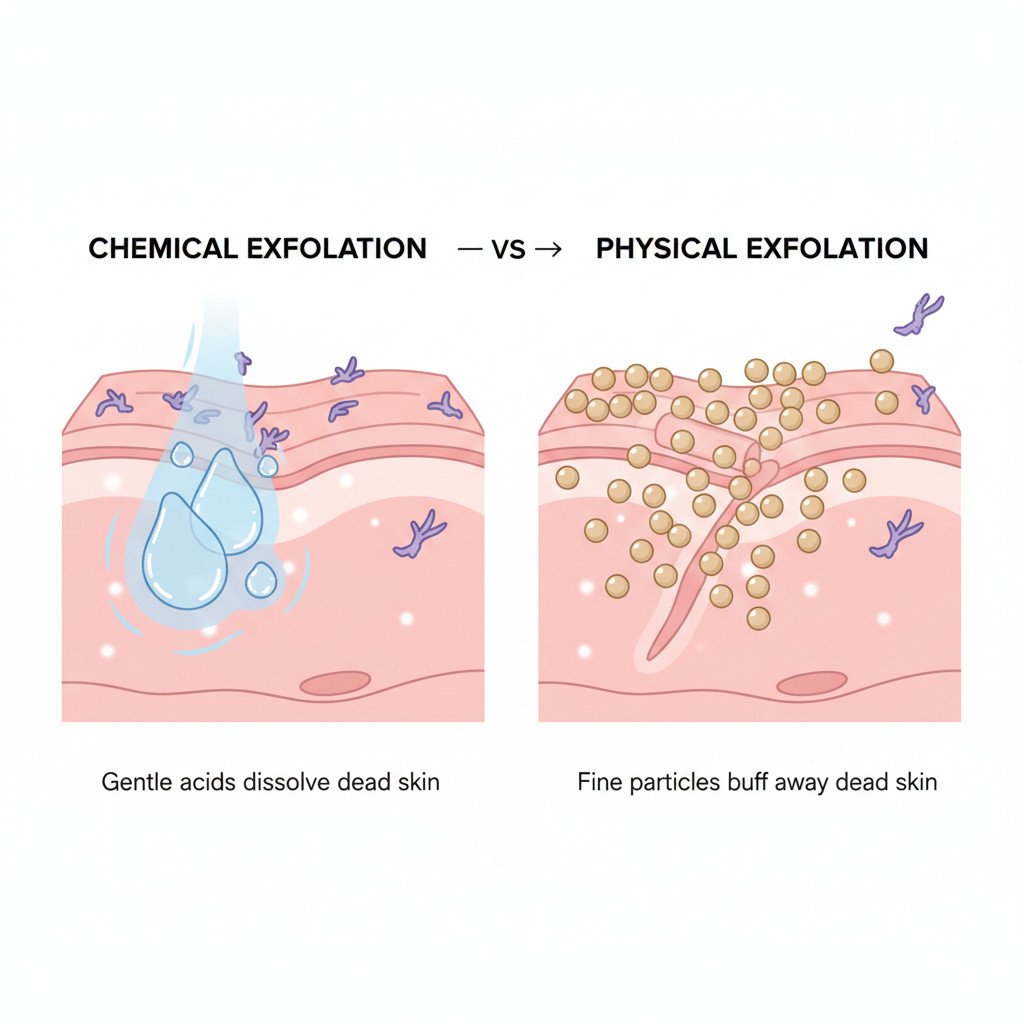
- Chemical Exfoliants (AHAs, BHAs, PHAs): These acids work by dissolving the ‘mortar’ (the lipid bonds) that hold the dead skin cells together. AHAs and PHAs primarily work on the surface, while BHAs penetrate oil to work within the pores. By weakening these bonds, they allow the dead cells to detach and shed more easily, revealing the fresh skin underneath. This process also signals the skin to produce new cells more efficiently.
- Physical Exfoliants: These manually scrub away the ‘bricks’ (dead skin cells) from the surface. While effective, the key is to ensure the scrubbing action is gentle and uniform to avoid damaging the underlying healthy skin or disrupting the lipid ‘mortar.’
By understanding this intricate process, you can see why consistent, gentle exfoliation is not just about aesthetics, but about supporting your skin’s fundamental health and function. It’s about maintaining an efficient cell turnover cycle, ensuring your skin barrier remains intact, and addressing specific concerns like hyperpigmentation and ingrown hairs by keeping the surface clear and receptive to renewal.
Advanced Exfoliation Considerations for Black Men
Once you’ve mastered the basics, you might consider some advanced strategies to further optimize your exfoliation routine, especially when dealing with persistent concerns.
Layering Exfoliants (with caution)
For some, combining different types of chemical exfoliants can yield enhanced results, but this requires extreme caution and a deep understanding of your skin’s tolerance.
- AHA + BHA: This combination targets both surface texture (AHA) and pore congestion (BHA). It’s typically done by using them on alternate nights or using a BHA in the morning and an AHA in the evening (only for very resilient skin). For most, alternating on different days is safer (e.g., BHA on Monday, AHA on Thursday). Never use high concentrations of both simultaneously.
- PHA + AHA/BHA: PHAs are so gentle they can sometimes be used in conjunction with a stronger AHA or BHA, either by alternating days or using the PHA as a daily toner and a stronger acid 1-2 times a week. This provides mild, continuous exfoliation with periodic deeper treatment.
Rule of Thumb: If you’re new to exfoliation or have sensitive skin, avoid layering. Master one type first. If you do layer, start with the lowest concentrations and observe your skin closely for any signs of irritation.
Exfoliating Masks and Peels
Beyond daily or weekly leave-on treatments, exfoliating masks and at-home peels offer a more intensive, but less frequent, exfoliation experience.
- Clay Masks (with AHAs/BHAs): Some clay masks are formulated with exfoliating acids. These can draw out impurities while also providing chemical exfoliation. Use 1-2 times a week.
- Enzyme Masks: These use fruit enzymes (like papain from papaya or bromelain from pineapple) to gently digest dead skin cells. They are generally milder than chemical acids and a good option for sensitive skin or as an alternative to acids. Use 1-2 times a week.
- At-Home Peels: These typically contain higher concentrations of AHAs or BHAs than daily toners. They are designed for short contact time (e.g., 5-10 minutes) before rinsing. Use with extreme caution, follow instructions precisely, and limit to once every 1-2 weeks at most. For Black men, be particularly wary of high-concentration peels, as excessive irritation can lead to hyperpigmentation. Start with lower concentrations.
Incorporating Retinoids with Exfoliation
Retinoids (retinol, retinal, tretinoin) are powerful ingredients that accelerate cell turnover, similar to exfoliants. Combining them requires careful planning.
- Avoid Simultaneous Use: Do not use a retinoid and a chemical exfoliant (AHA/BHA) on the same night, especially if you’re new to either. This is a recipe for irritation and over-exfoliation.
- Alternate Nights: The safest approach is to alternate. For example, use your chemical exfoliant on Monday and Wednesday, and your retinoid on Tuesday and Thursday. Allow your skin a few nights off entirely.
- Build Tolerance Slowly: If you’re using a retinoid, introduce it slowly (1-2 times a week) and build tolerance before adding an exfoliant on alternate nights.
The goal is to stimulate cell turnover without overwhelming your skin. Listen to your skin’s response and adjust accordingly. When in doubt, simplify.
The Role of pH in Exfoliation
Understanding pH is not just for chemists; it’s crucial for maximizing the effectiveness and safety of your chemical exfoliants.
What is pH?
pH (potential of hydrogen) is a scale from 0 to 14 that measures how acidic or alkaline (basic) a substance is. 7 is neutral. Below 7 is acidic, above 7 is alkaline.
- Skin’s Natural pH: Healthy skin has a slightly acidic pH, typically between 4.7 and 5.75. This ‘acid mantle’ is vital for maintaining the skin barrier and protecting against bacteria.
- Water’s pH: Tap water is usually around pH 7-8 (neutral to slightly alkaline).
Why pH Matters for Chemical Exfoliants
Chemical exfoliants (AHAs, BHAs, PHAs) are acids, meaning they work best at a low pH. Their efficacy is directly tied to the product’s pH and how that interacts with your skin’s pH.
- Optimal pH for AHAs/BHAs: Most AHAs and BHAs are formulated to be most effective at a pH between 3.0 and 4.0. At this pH, they can efficiently break the bonds between dead skin cells.
- Impact of Higher pH: If an AHA or BHA product has a pH that is too high (e.g., above 4.5), the acids become less effective. They are partially ‘neutralized,’ meaning they won’t exfoliate as efficiently. This is why many exfoliating toners or serums are formulated at a low pH.
- Impact of Lower pH: A pH that is too low (e.g., below 2.5) can be too acidic and irritating, especially for sensitive skin, potentially leading to burns or severe irritation.
The Cleansing Step: A pH Consideration
After cleansing, your skin’s pH might temporarily rise, especially if you use an alkaline cleanser or hard tap water. Applying an acid exfoliant immediately after can sometimes cause a temporary tingling or stinging sensation as your skin adjusts to the sudden drop in pH.
- Solution: Use a low-pH, gentle cleanser (around 5.5). This helps maintain your skin’s natural pH.
- Waiting Time: Some experts recommend waiting 10-20 minutes after cleansing before applying a chemical exfoliant. This allows your skin’s pH to naturally rebalance, which can reduce potential irritation and ensure the exfoliant works optimally. However, many modern formulations are designed to be applied directly after cleansing, so always follow product instructions.
pH and Product Layering
When layering products, consider pH. Applying a high-pH product (like a basic moisturizer) immediately after a low-pH exfoliant can neutralize the exfoliant, making it less effective. It’s generally best to apply products from lowest pH to highest pH, or allow each product to absorb fully before applying the next.
While you don’t need to be a pH meter expert, being aware of pH helps you understand why certain products work better than others and why particular application methods are recommended. It reinforces the idea that skincare is a delicate balance, and respecting your skin’s natural chemistry is key to successful exfoliation.
The Benefits of a Strong Skin Barrier for Exfoliation
A strong, healthy skin barrier is not just a desirable outcome; it’s a prerequisite for effective and safe exfoliation. Without it, exfoliation can do more harm than good.
What is the Skin Barrier?
As discussed, the skin barrier (specifically the stratum corneum) is the outermost protective layer of your skin. It’s often described as a ‘brick and mortar’ structure: dead skin cells (corneocytes) are the ‘bricks,’ and a lipid matrix (ceramides, cholesterol, fatty acids) is the ‘mortar’ that holds them together. This barrier is critical for two main functions:
- Protection: It shields your body from environmental aggressors like pollution, bacteria, allergens, and UV radiation.
- Moisture Retention: It prevents transepidermal water loss (TEWL), keeping your skin hydrated and plump.
Signs of a Compromised Skin Barrier
If your skin barrier is damaged, you’ll likely experience:
- Increased sensitivity, redness, and irritation.
- Excessive dryness, flakiness, or tightness.
- Stinging or burning sensations when applying products.
- More frequent breakouts or infections.
- A dull, unhealthy appearance.
These are also the classic signs of over-exfoliation, which directly damages the skin barrier.
Why a Strong Barrier is Essential for Exfoliation
1. Prevents Over-Exfoliation: A healthy barrier can better withstand the controlled removal of dead skin cells. When the barrier is weak, even mild exfoliation can tip it into an over-exfoliated state.
2. Reduces Irritation: Products, including exfoliants, are less likely to cause irritation on a robust barrier. The barrier acts as a gatekeeper, allowing beneficial ingredients to work while keeping potential irritants out.
3. Optimizes Product Absorption: While exfoliation itself helps with absorption, a healthy barrier ensures that the skin beneath is receptive and can properly utilize subsequent products, rather than just reacting to them.
4. Faster Recovery: If you do experience a mild reaction to an exfoliant, a strong barrier allows your skin to recover more quickly and efficiently.
5. Better Results: When your skin is healthy and balanced, it responds better to treatments. Exfoliation will be more effective in improving texture, clarity, and hyperpigmentation without causing new problems.
How to Maintain and Repair Your Skin Barrier
Prioritizing barrier health should always precede aggressive exfoliation. If your barrier is compromised, focus on repair before reintroducing exfoliants.
- Gentle Cleansing: Use a mild, pH-balanced cleanser that doesn’t strip your skin.
- Hydration: Use humectants like hyaluronic acid or glycerin to draw moisture into the skin.
- Moisturization: Apply moisturizers rich in emollients and occlusives (ceramides, fatty acids, cholesterol, squalane, shea butter) to replenish the lipid matrix and seal in moisture.
- Avoid Harsh Actives: Temporarily pause strong retinoids, high-concentration Vitamin C, and other potent actives if your barrier is compromised.
- Sun Protection: Daily SPF protects the barrier from UV damage, which is a major barrier disruptor.
- Listen to Your Skin: Pay attention to how your skin feels. If it’s tight, red, or sensitive, scale back and focus on soothing and repairing.
Think of your skin barrier as the foundation of your house. You wouldn’t build a second story on a crumbling foundation. Similarly, you shouldn’t layer powerful exfoliants on a compromised skin barrier. Build and maintain a strong foundation, and your exfoliation efforts will yield far superior, healthier results.
For more detailed information on strengthening your skin, refer to our guide on skin barrier repair for Black men.
Exfoliation and Hyperpigmentation: A Targeted Approach
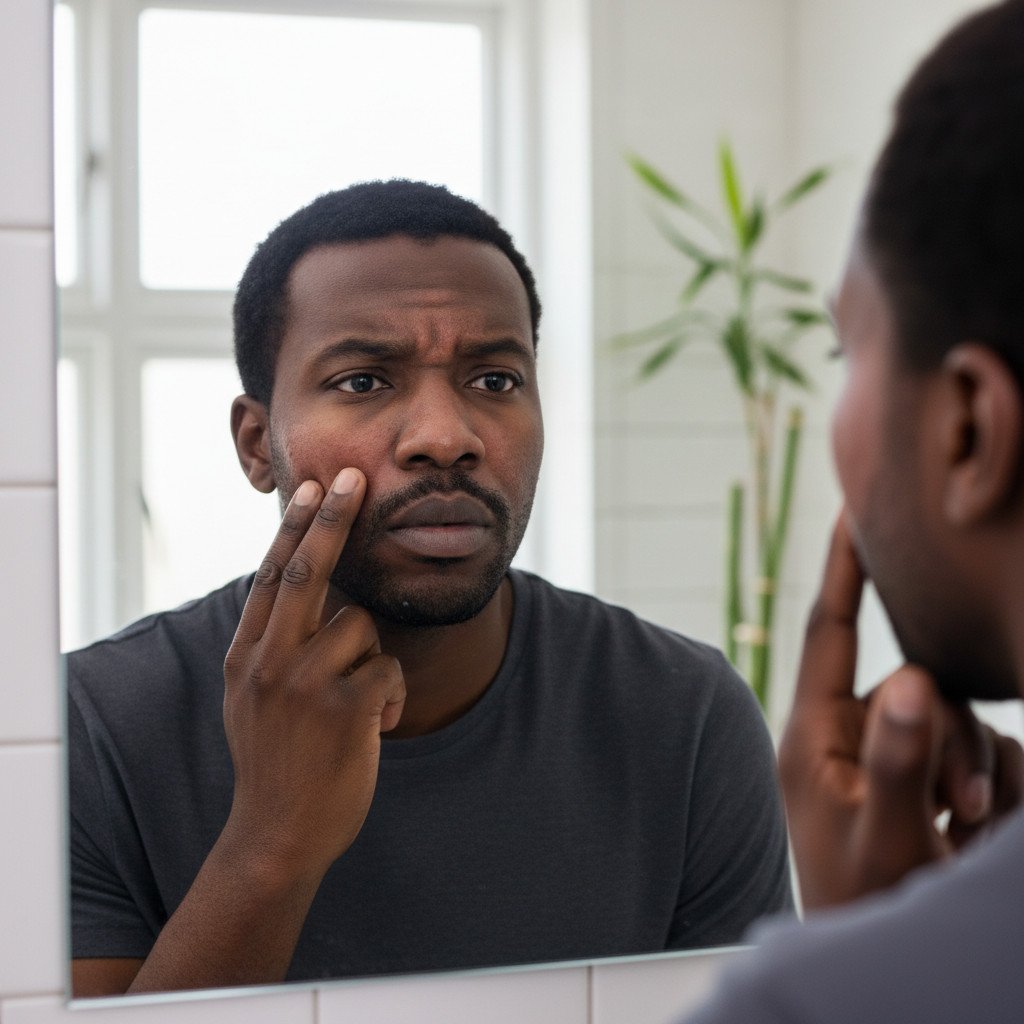
Hyperpigmentation, particularly post-inflammatory hyperpigmentation (PIH), is a significant concern for Black men. Exfoliation plays a critical, yet nuanced, role in managing and reducing dark spots.
The Link Between Exfoliation and Hyperpigmentation
PIH occurs when inflammation (from acne, razor bumps, cuts, or irritation) triggers melanocytes (the cells that produce melanin) to overproduce pigment. This excess melanin is then deposited in the skin, resulting in dark spots that can linger for months or even years.
Exfoliation helps in two main ways:
- Accelerating Cell Turnover: Dark spots are essentially clusters of melanin-laden dead skin cells. By speeding up the natural shedding process, exfoliation helps to remove these pigmented cells more quickly, gradually fading the dark spots.
- Preventing New Inflammation: For PIH caused by acne or ingrown hairs, regular exfoliation (especially with BHAs) helps keep pores clear and prevents the initial inflammation that triggers melanin overproduction.
Best Exfoliants for Hyperpigmentation
- Alpha Hydroxy Acids (AHAs): Glycolic Acid is particularly effective. Its small molecular size allows it to penetrate well, breaking down the bonds between pigmented cells on the surface. Lactic Acid is a milder AHA, also beneficial for hyperpigmentation, especially for sensitive skin.
- Polyhydroxy Acids (PHAs): For very sensitive skin prone to PIH, PHAs offer a gentle alternative to AHAs, providing mild exfoliation without the risk of irritation that could worsen hyperpigmentation.
- Beta Hydroxy Acids (BHAs): While BHAs (Salicylic Acid) are primarily known for their pore-clearing abilities, they are crucial for preventing PIH that stems from acne or ingrown hairs. By reducing inflammation and clearing congestion, they stop the initial trigger for melanin overproduction.
Strategic Exfoliation for Dark Spots
1. Gentle and Consistent: Aggressive exfoliation can cause new inflammation, leading to new dark spots. The key is gentle, consistent use. Start with lower concentrations and gradually increase frequency as tolerated.
2. Combine with Other Brightening Agents: Exfoliation is powerful, but it works even better when combined with other ingredients that target melanin production. Look for products containing Niacinamide, Vitamin C, Kojic Acid, Alpha Arbutin, or Tranexamic Acid on your non-exfoliation days. These work through different mechanisms to inhibit melanin synthesis.
3. Non-Negotiable Sun Protection: This cannot be stressed enough. UV radiation is the primary driver of melanin production. Without daily, broad-spectrum SPF 30+, your exfoliation efforts to fade dark spots will be undermined, and new spots will form. Sunscreen is your most important tool against hyperpigmentation.
4. Address the Root Cause: If your hyperpigmentation is due to chronic acne or razor bumps, your exfoliation strategy must also include managing these underlying issues. A BHA can be particularly helpful here.
Exfoliation is a cornerstone of any hyperpigmentation treatment plan for Black men. When used correctly and consistently, in conjunction with sun protection and other brightening agents, it can significantly improve skin tone and clarity. For a deeper dive into managing dark spots, explore our comprehensive guide on dark spots for Black men and the broader topic of hyperpigmentation for Black men.
The Connection Between Exfoliation and Glass Skin
The concept of ‘glass skin’ – skin that is intensely smooth, luminous, and almost translucent – has gained significant traction. While achieving this exact look is often a matter of genetics and professional treatments, exfoliation is a fundamental step in getting closer to that ideal, especially for Black men seeking a refined, radiant complexion.
What is ‘Glass Skin’ and Why Exfoliation Helps
Glass skin isn’t just about being clear; it’s about a specific texture and light reflection. It implies:
- Extreme Smoothness: A surface free of bumps, flakes, or texture irregularities.
- Deep Hydration: Plump, dewy skin that reflects light evenly.
- Even Tone: Minimal hyperpigmentation or redness.
- Refined Pores: Pores that appear minimized.
Exfoliation directly addresses several of these pillars:
- Smoothness: By removing dead skin cells, exfoliation creates an incredibly smooth canvas, allowing light to bounce off evenly rather than being scattered by rough patches.
- Even Tone: As discussed, exfoliation helps fade hyperpigmentation, contributing to a more uniform and ‘clear’ appearance.
- Refined Pores: BHAs, in particular, are excellent at clearing out pores, making them appear smaller and less noticeable.
Exfoliation’s Role in a ‘Glass Skin’ Routine for Black Men
For Black men aiming for a glass skin aesthetic, exfoliation should be a strategic, consistent part of a multi-step routine:
1. Consistent Chemical Exfoliation: Focus on gentle, regular chemical exfoliation (AHAs, BHAs, PHAs) 2-3 times a week. This ensures continuous cell turnover without irritation. Glycolic acid can help with overall radiance and texture, while salicylic acid keeps pores clear.
2. Hydration is Key: Exfoliation primes the skin to better absorb hydrating ingredients. Follow exfoliation with multiple layers of hydrating toners, essences, and serums containing humectants like hyaluronic acid, glycerin, and polyglutamic acid. This plumps the skin, giving it that dewy, light-reflecting quality.
3. Barrier Support: A strong skin barrier is crucial for glass skin. It prevents moisture loss and maintains skin health. Use moisturizers rich in ceramides and fatty acids to support the barrier, especially after exfoliating.
4. Daily Sun Protection: Unprotected sun exposure can lead to hyperpigmentation and dullness, directly counteracting the glass skin goal. A broad-spectrum SPF 30+ is essential every single day.
5. Avoid Over-Exfoliation: The pursuit of glass skin can sometimes lead to over-exfoliation in an attempt to achieve rapid smoothness. This will backfire, leading to irritation, redness, and a compromised barrier – the opposite of glass skin. Patience and moderation are key.
While the term ‘glass skin’ might sound aspirational, the underlying principles are sound skincare practices: clear, smooth, hydrated, and protected skin. Exfoliation is a powerful tool in achieving that foundation, allowing your natural radiance to shine through. For a comprehensive guide to achieving this look, refer to our detailed post on glass skin for Black men.
The Synergy of Exfoliation with Other Skincare Steps
Exfoliation doesn’t exist in a vacuum. Its effectiveness is amplified when integrated thoughtfully into a complete skincare routine. Understanding how it interacts with other steps ensures maximum benefit and minimal irritation.
Cleansing: The Essential First Step
Before Exfoliation: Always cleanse your face thoroughly before exfoliating. Removing dirt, oil, makeup, and environmental pollutants ensures that your exfoliant can work directly on the dead skin cells and penetrate effectively, rather than being hindered by surface debris. A gentle, pH-balanced cleanser is ideal to prepare the skin without stripping it.
After Exfoliation: If you’re using a rinse-off exfoliant (like a scrub or a wash-off mask), cleansing is naturally part of the process. For leave-on chemical exfoliants, you cleanse first, apply the exfoliant, and then proceed to the next steps.
Toning: Rebalancing and Priming
After Cleansing, Before Exfoliation (Optional): If you use a hydrating or balancing toner, apply it after cleansing and before your chemical exfoliant. This can help rebalance skin pH and provide a layer of hydration. However, avoid using another exfoliating toner if you’re about to apply a stronger chemical exfoliant.
Exfoliating Toners: Many chemical exfoliants come in toner form. In this case, the toner *is* your exfoliation step. Apply it after cleansing, then follow with serums and moisturizer.
Serums: Targeted Treatments
After Exfoliation: Exfoliation prepares your skin to better absorb serums. Apply your targeted serums (e.g., Vitamin C for brightening, Niacinamide for barrier support, Hyaluronic Acid for hydration) after your exfoliant has had a few minutes to absorb. This allows the active ingredients in your serums to penetrate more deeply and work more effectively.
Avoid Overlapping Actives: Be mindful of the active ingredients in your serums. If you’re using a strong chemical exfoliant, avoid layering it with other potent actives like retinoids or high-concentration Vitamin C serums on the same night, especially if your skin is sensitive. Alternate them on different nights.
Moisturizing: Replenishing and Protecting
Always After Exfoliation: This is a non-negotiable step. Exfoliation can be drying and can temporarily compromise your skin barrier. Immediately following with a good moisturizer replenishes lost moisture, soothes the skin, and helps to rebuild and protect the skin barrier. Choose a non-comedogenic moisturizer appropriate for your skin type.
Sunscreen: The Ultimate Protector
Every Morning, After Moisturizer: Exfoliation makes your skin more sensitive to the sun. Daily application of a broad-spectrum sunscreen with SPF 30+ is absolutely critical, especially when using chemical exfoliants. This protects your newly revealed skin from UV damage, prevents hyperpigmentation, and maintains the benefits of your exfoliation efforts. For Black men, look for sunscreens that leave no white cast.
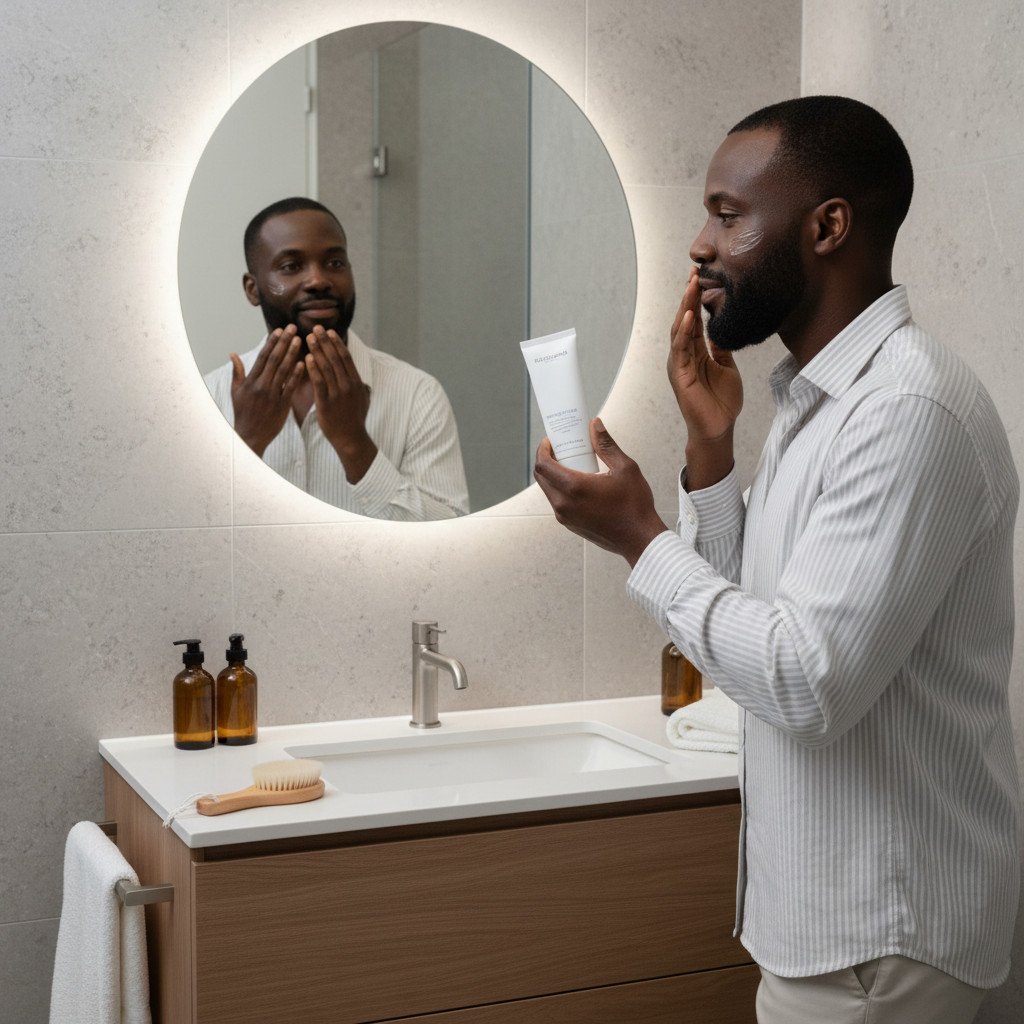
The Skincare Cycle: AM vs. PM
Many prefer to exfoliate in the evening. This allows the exfoliant to work overnight and gives your skin time to recover before morning sun exposure. If you exfoliate in the morning, ensure you apply sunscreen immediately afterward.
By understanding these synergies, you can create a cohesive skincare routine where each step supports the next, leading to healthier, more resilient, and radiant skin. Exfoliation is a powerful tool, but it’s most effective when wielded intelligently within a well-structured regimen.
The Future of Exfoliation: Trends and Innovations
The world of skincare is constantly evolving, and exfoliation is no exception. While the core principles remain, new ingredients, technologies, and approaches are emerging. Staying informed can help you make the best choices for your skin.
Gentler Formulations and Delivery Systems
The trend is moving away from harsh, abrasive exfoliants towards gentler, more sophisticated options. We’re seeing:
- Encapsulated Acids: These deliver acids slowly over time, reducing the initial sting and irritation, making them suitable for sensitive skin.
- Time-Release Formulations: Similar to encapsulated acids, these ensure a prolonged, milder exfoliating effect.
- Micro-Dosing: The concept of using very low concentrations of exfoliants daily or every other day, rather than higher concentrations less frequently. This provides continuous benefits with minimal risk of irritation.
Focus on Barrier-Friendly Exfoliation
There’s an increasing emphasis on exfoliation that respects and supports the skin barrier, rather than stripping it. This means more formulations that combine exfoliating acids with barrier-repairing ingredients like ceramides, niacinamide, and hyaluronic acid. PHAs are a prime example of this trend, offering exfoliation with hydrating and antioxidant benefits.
Biomimetic Exfoliation
This approach aims to mimic the skin’s natural desquamation process. Instead of harsh acids, these products use ingredients that encourage the natural enzymatic breakdown of dead skin cells, making them incredibly gentle and suitable for even the most sensitive skin types. Examples include certain peptides or specific enzyme blends.
Sustainable and Natural Exfoliants
As consumers become more environmentally conscious, there’s a growing demand for sustainable and naturally derived exfoliants. This includes plant-based enzymes, ethically sourced fruit acids, and biodegradable physical exfoliants (moving away from plastic microbeads). The challenge is to ensure these natural options are still effective and consistent in their performance.
Personalized Exfoliation
Advances in skin analysis technology and AI are paving the way for highly personalized skincare routines, including exfoliation. Imagine a device that analyzes your skin’s exact condition, sensitivity, and concerns, then recommends the precise type, concentration, and frequency of exfoliation for you. This could revolutionize how we approach skincare, moving beyond broad skin type categories.
Exfoliation Beyond the Face: Scalp and Body
While we’ve touched on body exfoliation, there’s a growing recognition of the importance of scalp exfoliation for hair health. Just like facial skin, the scalp can accumulate dead skin cells, oil, and product buildup, leading to issues like dandruff, itchiness, and even hindering hair growth. Scalp scrubs and acid-based scalp treatments are becoming more mainstream, offering benefits for overall hair and scalp health for Black men, particularly those with thicker hair or prone to scalp conditions.
These innovations promise a future where exfoliation is even more effective, gentler, and tailored to individual needs. While the core principles of understanding your skin and choosing the right method remain, these advancements offer exciting possibilities for achieving healthier, more radiant skin with less risk of irritation. Stay curious, but always prioritize safety and listen to your skin’s unique response.
Conclusion: Master Your Exfoliation for Superior Skin
Exfoliation is not a one-size-fits-all solution, nor is it a fleeting trend. For Black men, it’s a strategic, essential component of a comprehensive grooming regimen. When done correctly, it addresses unique concerns like hyperpigmentation, ingrown hairs, and dullness, paving the way for clearer, smoother, and more radiant skin.
You now understand the difference between chemical and physical exfoliants, how to choose the right frequency for your skin type, and the critical importance of avoiding over-exfoliation. You have a template for a weekly schedule and the knowledge to troubleshoot common issues. Most importantly, you know that sun protection and a healthy skin barrier are non-negotiable partners in your exfoliation journey.
Embrace this knowledge. Start slow, be consistent, and always listen to what your skin tells you. The path to superior skin health is paved with informed choices and disciplined care. Your skin will thank you for it.
Frequently Asked Questions
How often should Black men exfoliate their face?
The ideal frequency depends on your skin type and sensitivity. For most Black men, 1-3 times a week is effective. Sensitive skin may only tolerate once a week, while oily or acne-prone skin might benefit from 2-3 times a week. Always start slow and observe your skin’s response.
What type of exfoliant is best for Black men’s skin?
Chemical exfoliants (AHAs like Glycolic or Lactic Acid, BHAs like Salicylic Acid, or PHAs) are generally recommended for the face. They provide more even exfoliation and are less likely to cause irritation or micro-tears compared to harsh physical scrubs, which can worsen hyperpigmentation or razor bumps.
Can exfoliation help with razor bumps and ingrown hairs?
Yes, exfoliation is highly effective. By removing dead skin cells, it keeps hair follicles clear, allowing hair to grow outwards instead of curling back into the skin. BHAs (Salicylic Acid) are particularly beneficial due to their ability to penetrate oil and reduce inflammation within the pores.
Does exfoliation help fade dark spots (hyperpigmentation)?
Absolutely. Exfoliation accelerates skin cell turnover, helping to shed skin cells that contain excess melanin. AHAs, especially Glycolic Acid, are excellent for this. Consistent use, combined with daily sun protection, is crucial for fading existing dark spots and preventing new ones.
What are the signs of over-exfoliation, and how do I fix it?
Signs of over-exfoliation include persistent redness, irritation, excessive dryness, flakiness, stinging, or new breakouts. To fix it, stop all exfoliation immediately, simplify your routine to a gentle cleanser and a barrier-repairing moisturizer, and use daily SPF. Allow your skin to fully recover before slowly reintroducing mild exfoliation.
Should I exfoliate before or after shaving?
It’s generally best to exfoliate the day before you shave. This clears the skin and prepares it for a smoother shave without immediate post-exfoliation sensitivity. Avoid exfoliating immediately after shaving, as your skin is already vulnerable. Exfoliating on non-shaving days is also a safe and effective approach.
Is sunscreen necessary when exfoliating?
Yes, daily sunscreen with SPF 30+ is non-negotiable, especially when using chemical exfoliants. Exfoliation reveals newer, more sensitive skin that is more susceptible to sun damage, which can lead to increased hyperpigmentation and undo the benefits of your exfoliation efforts. Choose a mineral sunscreen that leaves no white cast.
Can I use both a chemical exfoliant and a physical exfoliant?
For facial skin, it’s generally best to choose one type of exfoliation to avoid over-exfoliation. Chemical exfoliants are often preferred. If you choose to use both, use them on separate days and ensure your physical exfoliant is very gentle (e.g., a soft washcloth) to prevent irritation.
What is the difference between AHA, BHA, and PHA?
AHAs (Alpha Hydroxy Acids) are water-soluble, work on the skin’s surface, and are great for texture and hyperpigmentation. BHAs (Beta Hydroxy Acids) are oil-soluble, penetrate pores, and are ideal for oily, acne-prone skin and ingrown hairs. PHAs (Polyhydroxy Acids) are larger molecules, work gently on the surface, and are best for sensitive or dry skin.
How long does it take to see results from exfoliation?
While you might notice immediate smoothness, significant improvements in skin texture, clarity, and the fading of hyperpigmentation typically take several weeks to a few months of consistent, appropriate exfoliation. Skin cell turnover is a gradual process, so patience and consistency are key.
Can I exfoliate if I have sensitive skin?
Yes, but with caution. For sensitive skin, PHAs (Polyhydroxy Acids) or very mild AHAs like Lactic Acid are recommended, as they are gentler. Start with a very low frequency, such as once every 7-10 days, and always patch test new products. Focus on strengthening your skin barrier first.
What should I apply after exfoliating?
After exfoliating, always follow with a hydrating, non-comedogenic moisturizer to replenish moisture and support your skin barrier. If you use serums, apply them after the exfoliant has absorbed and before your moisturizer. In the morning, always finish with a broad-spectrum SPF 30+ sunscreen.
Shop gentle face cleanser on Amazon
Shop non-comedogenic face moisturizer on Amazon
Shop mineral sunscreen on Amazon