Common Grooming Problems for Black Men: Fix the Issue + The Right Next Step
Every man faces grooming challenges. For Black men, these issues often come with unique considerations, from managing razor bumps to preventing hyperpigmentation. The good news? Most common grooming problems are fixable, not permanent roadblocks. The key is understanding the root cause, applying the right immediate solution, and then establishing a consistent, informed routine.
This page is your direct route to understanding and resolving those persistent grooming issues. We cut through the noise, offering clear diagnoses, immediate actions, and precise navigation to the comprehensive guides you need. Stop guessing, start fixing.
Quick Answer: How to Use This Page
This page is designed for efficiency and clarity. Follow these three steps to address your grooming concerns:
- Identify Your Problem: Scan the sections below and pinpoint the specific grooming issue you’re facing.
- Do This Today: Apply the immediate, actionable advice provided for a quick intervention.
- Click Your Next Page: Use the direct links to dive deeper into a comprehensive strategy for long-term resolution. These links will take you to our pillar pages and detailed guides, ensuring you get a full plan, not just a temporary fix.
The “Stop Making It Worse” Rules: Universal Mistakes to Avoid
Before diving into specific problems, understand these fundamental principles. Many common grooming issues are exacerbated by simple, avoidable mistakes. Mastering these rules prevents further damage and sets the stage for effective solutions.
- Don’t Stack New Products at Once: Introducing multiple new products simultaneously makes it impossible to identify which one is helping or causing irritation. Introduce one new product at a time, allowing your skin or hair to adjust for at least a week before adding another. This systematic approach helps you pinpoint effective solutions and avoid adverse reactions.
- Don’t Over-Exfoliate to “Scrub It Off”: Excessive exfoliation strips your skin’s protective barrier, leading to irritation, dryness, and increased sensitivity. For Black men, over-exfoliation can also trigger post-inflammatory hyperpigmentation (dark spots). Stick to gentle exfoliation 1-2 times a week, or as directed by a specific routine.
- Don’t Shave Too Close If You Get Bumps: Shaving too close, especially against the grain, increases the likelihood of hair curling back into the skin, causing razor bumps and ingrown hairs. For men prone to these issues, a slightly longer stubble or shaving with the grain can make a significant difference. Adjust your technique, not just your products.
- Don’t Pick Bumps or Scabs (Dark Marks Risk): Picking at razor bumps, acne, or scabs introduces bacteria, prolongs healing, and almost guarantees post-inflammatory hyperpigmentation (dark spots). Let your skin heal naturally. If you must, use a warm compress to encourage drainage, but avoid aggressive manipulation.
- Don’t Skip Sunscreen If You’re Fighting Dark Spots: Sun exposure is a primary trigger for hyperpigmentation. Even on cloudy days, UV rays can darken existing spots and create new ones. Daily sunscreen application is non-negotiable for preventing and fading dark spots, regardless of your skin tone.
Face & Skin Problems: Diagnosis, Immediate Action, and Your Next Step
Your face is your first impression. Addressing skin concerns effectively requires understanding the specific issue and applying targeted solutions. Here’s how to tackle common facial grooming problems.
Acne / Breakouts
What it usually is: Clogged pores, excess oil, and bacteria leading to inflammation. For Black men, acne can often leave behind persistent dark spots.
What to do today:
- Gently cleanse your face twice daily with a mild, non-comedogenic cleanser.
- Avoid picking or squeezing pimples to prevent scarring and dark spots.
- Use a lightweight, oil-free moisturizer to keep skin hydrated without clogging pores.
- Change your pillowcase regularly to reduce bacterial exposure.
Common mistake to avoid: Aggressively scrubbing your face, which irritates skin and can worsen breakouts.
Best next step: Acne Solutions for Black Men
Dark Spots / Post-Inflammatory Hyperpigmentation (PIH)
What it usually is: Discoloration left behind after inflammation, such as acne, razor bumps, or minor injuries. Melanin-rich skin is more prone to PIH.
What to do today:
- Apply a broad-spectrum sunscreen with SPF 30+ daily, even indoors or on cloudy days. This is non-negotiable for preventing spots from darkening.
- Avoid picking at any blemishes or bumps, as this will worsen dark spots.
- Use a gentle cleanser and moisturizer to support skin barrier health.
- Consider a product with Vitamin C or Niacinamide to start brightening.
Common mistake to avoid: Neglecting sunscreen, which allows UV rays to deepen and prolong dark spots.
Best next step: Hyperpigmentation Guide for Black Men and Treating Dark Spots on Black Skin
Dry / Ashy / Flaky Face
What it usually is: A compromised skin barrier unable to retain moisture, leading to dehydration and visible flaking or ashiness. This can be exacerbated by harsh cleansers or lack of moisturization.
What to do today:
- Switch to a gentle, hydrating cleanser that doesn’t strip natural oils.
- Apply a rich, emollient moisturizer immediately after cleansing, while skin is still damp.
- Avoid hot water when washing your face, as it can further dry out skin.
- Drink plenty of water throughout the day to hydrate from within.
Common mistake to avoid: Using bar soap or harsh cleansers on your face, which strip essential oils.
Best next step: Solutions for Dry, Ashy Skin
Sensitive / Stinging Skin
What it usually is: An irritated skin barrier reacting to certain ingredients, environmental factors, or over-exfoliation. Symptoms include redness, itching, burning, or stinging.
What to do today:
- Simplify your routine: use only a gentle, fragrance-free cleanser and a calming, barrier-repairing moisturizer.
- Avoid products with alcohol, strong fragrances, essential oils, or harsh exfoliants.
- Pat your skin dry instead of rubbing.
- Identify potential triggers in your current products.
Common mistake to avoid: Introducing multiple new products at once, making it impossible to identify the irritant.
Best next step: Caring for Sensitive Skin
“Sunscreen Looks White/Ashy”
What it usually is: The white cast often associated with mineral sunscreens (zinc oxide, titanium dioxide) that are not formulated for deeper skin tones, or improper application of any sunscreen type.
What to do today:
- Opt for chemical sunscreens (oxybenzone, avobenzone, octinoxate, octisalate) or tinted mineral sunscreens.
- Apply sunscreen in small sections, rubbing it in thoroughly until absorbed.
- Look for formulations specifically labeled as “sheer,” “no white cast,” or “for all skin tones.”
- Consider a gel or serum-based sunscreen for lighter texture.
Common mistake to avoid: Skipping sunscreen altogether due to fear of white cast, leaving your skin vulnerable to sun damage and hyperpigmentation.
Best next step: Best Sunscreen for Black Men (No White Cast)
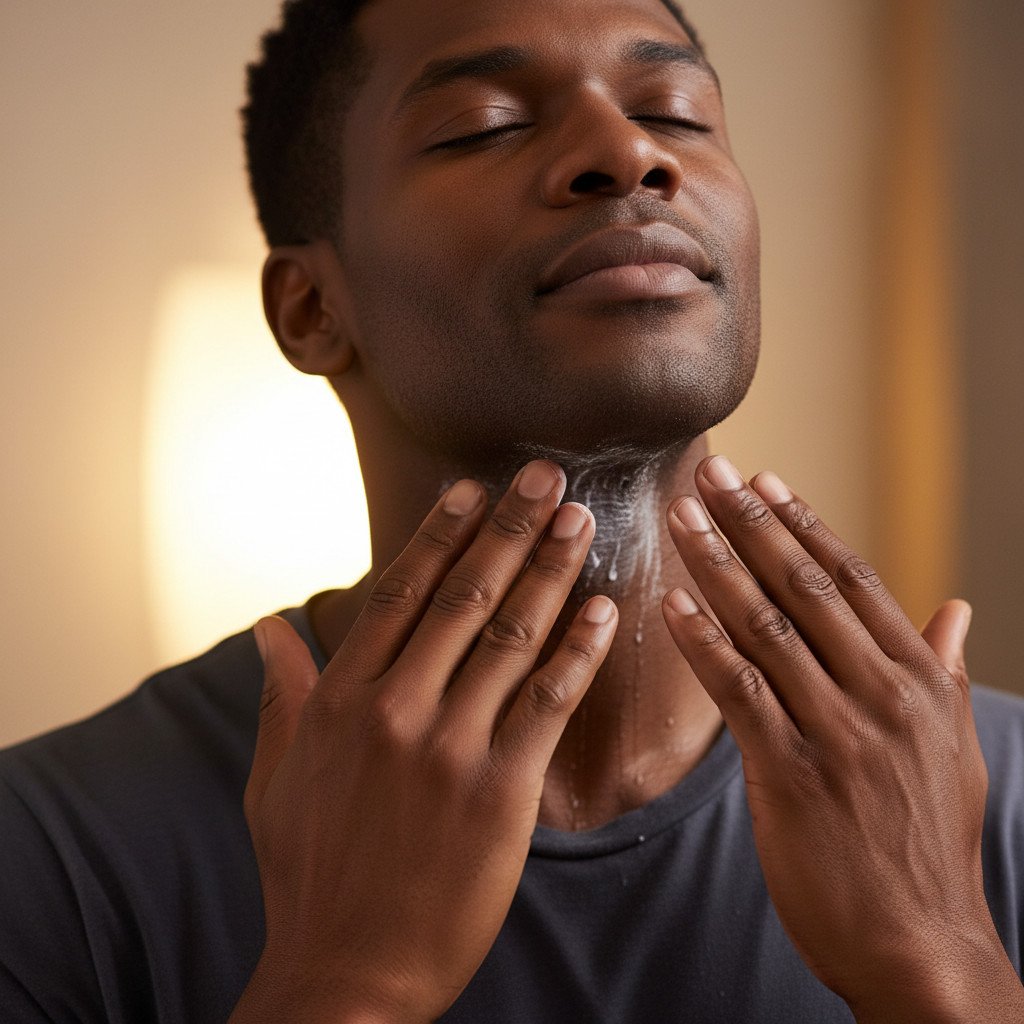
“I Exfoliated and Now I’m Burning/Peeling”
What it usually is: Over-exfoliation, using too strong a product, or exfoliating too frequently. This strips the skin’s protective barrier, leading to irritation, redness, burning, and peeling.
What to do today:
- Stop all exfoliation immediately.
- Focus on repairing your skin barrier: use a gentle cleanser and a rich, soothing moisturizer.
- Avoid harsh ingredients, hot water, and direct sun exposure.
- Give your skin several days to a week to recover.
Common mistake to avoid: Believing that more exfoliation will solve skin problems; it often creates new ones.
Best next step: How Often Should Black Men Exfoliate?
Shaving & Razor Bump Problems: Diagnosis, Immediate Action, and Your Next Step
Shaving is a daily ritual for many Black men, but it can also be a source of significant irritation. Razor bumps, ingrown hairs, and post-shave irritation are common. Understanding how to shave correctly and care for your skin before and after is paramount.
Razor Bumps / Ingrown Hairs
What it usually is: Hair follicles becoming inflamed when curly hairs, cut too short or at an angle, curl back into the skin and get trapped. This is medically known as Pseudofolliculitis Barbae (PFB).
What to do today:
- Stop shaving the affected area immediately to allow hairs to grow out.
- Apply a warm compress to soften the skin and help release trapped hairs.
- Use a gentle exfoliating wash (chemical exfoliant like salicylic acid, not physical scrub) to keep pores clear.
- Avoid picking or squeezing bumps.
Common mistake to avoid: Continuing to shave over irritated areas, which perpetuates the cycle of bumps.
Best next step: Comprehensive Guide to Razor Bumps for Black Men
Ingrown Hairs Treatment
What it usually is: A single hair that curls back into the skin instead of growing outward, causing a red, often painful bump.
What to do today:
- Apply a warm compress to the area to soften the skin.
- If the hair loop is visible, gently tease it out with a sterile needle or tweezers, but do not pull the hair out completely.
- Apply an antiseptic or soothing balm to prevent infection.
- Avoid shaving over the ingrown hair until it has fully healed.
Common mistake to avoid: Digging for the ingrown hair, which can lead to infection, scarring, and dark spots.
Best next step: Effective Ingrown Hair Treatment
Neck Bumps After Shaving
What it usually is: A common manifestation of razor bumps (PFB) specifically in the neck area, often due to sensitive skin, shaving against the grain, or improper pre/post-shave care.
What to do today:
- Ensure your skin is thoroughly prepped: warm shower, pre-shave oil or cream.
- Shave with the grain, especially on the neck where hair growth patterns can be tricky.
- Use a sharp, clean blade or a quality electric shaver designed for sensitive skin.
- Apply a soothing, alcohol-free post-shave balm immediately after shaving.
Common mistake to avoid: Rushing your shave or using a dull blade, which causes tugging and irritation.
Best next step: Mastering Your Pre-Shave Routine and Essential Post-Shave Care
Sensitive-Skin Shaving Irritation
What it usually is: Redness, burning, or discomfort after shaving, even without visible bumps, indicating a reactive skin barrier or harsh shaving practices.
What to do today:
- Use a fragrance-free, hypoallergenic shaving cream or gel.
- Shave with a sharp, clean blade, or a high-quality electric shaver.
- Avoid multiple passes over the same area.
- Rinse your face with cool water and apply a calming, alcohol-free aftershave balm.
Common mistake to avoid: Using alcohol-based aftershaves, which can dry out and further irritate sensitive skin.
Best next step: Shaving for Sensitive Skin
Bumps Turning into Dark Marks
What it usually is: Post-inflammatory hyperpigmentation (PIH) occurring as a result of the inflammation from razor bumps. The skin’s natural healing process overproduces melanin, leading to dark spots.
What to do today:
- Do not pick or squeeze bumps; let them heal naturally.
- Apply a broad-spectrum SPF 30+ sunscreen daily to prevent existing marks from darkening.
- Use a gentle cleanser and moisturizer to support skin healing.
- Consider a spot treatment with ingredients like niacinamide or alpha arbutin.
Common mistake to avoid: Exposing healing bumps and marks to the sun without protection, which guarantees darker, longer-lasting spots.
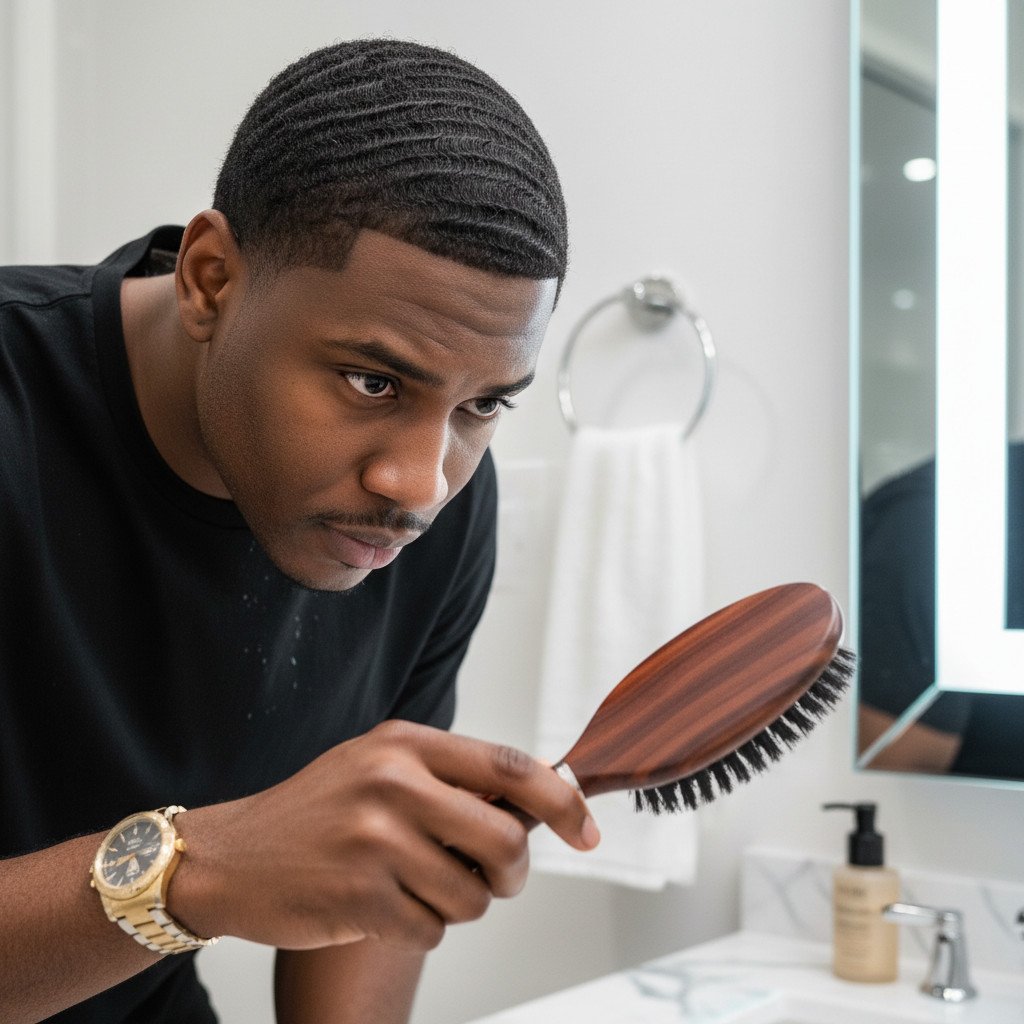
Best next step: Preventing Dark Marks from Razor Bumps
Beard Problems: Diagnosis, Immediate Action, and Your Next Step
A well-maintained beard is a statement of style and confidence. However, beards come with their own set of challenges, from persistent itch to patchy growth. Proper care is essential for a healthy, thriving beard.
Beard Itch
What it usually is: Dry skin underneath the beard, new hair growth irritating the skin, or trapped dirt and dead skin cells causing irritation. This is a common complaint, especially in the early stages of beard growth.
What to do today:
- Wash your beard with a dedicated beard shampoo and conditioner to clean and soften hairs.
- Apply a high-quality beard oil or balm to moisturize both the beard hairs and the skin beneath.
- Use a beard brush or comb to detangle and distribute natural oils.
- Avoid scratching, which can worsen irritation and cause skin damage.
Common mistake to avoid: Using regular hair shampoo or body soap on your beard, which can strip natural oils and dry out skin.
Best next step: Conquering Beard Itch
Beard Dandruff/Flakes
What it usually is: Dry skin, fungal overgrowth (seborrheic dermatitis), or product buildup beneath the beard, leading to white flakes and sometimes redness or itching.
What to do today:
- Wash your beard with a specialized beard shampoo, ensuring you massage it into the skin underneath.
- Follow with a moisturizing beard conditioner.
- Apply beard oil or balm daily to hydrate the skin and hair.
- Brush or comb your beard regularly to exfoliate and remove loose flakes.
- For persistent flakes, consider a gentle anti-dandruff shampoo formulated for sensitive skin.
Common mistake to avoid: Neglecting the skin under the beard, focusing only on the hair itself.
Best next step: Eliminating Beard Dandruff
Patchy Beard
What it usually is: Genetically determined hair growth patterns, hormonal factors, or underlying skin conditions. Patchiness is often natural and can be managed with patience and proper care.
What to do today:
- Ensure your diet is rich in vitamins and minerals essential for hair growth (biotin, zinc, Vitamin D).
- Maintain a consistent beard care routine: wash, condition, and moisturize.
- Brush your beard regularly to train hairs to grow in a desired direction and create the appearance of fullness.
- Consider letting your beard grow longer to allow surrounding hairs to fill in thinner areas.
Common mistake to avoid: Constantly trimming or shaving down your beard before it has a chance to fully develop.
Best next step: Strategies for a Patchy Beard
“I Don’t Have a Routine” (Beard)
What it usually is: A lack of consistent, structured care for your beard, leading to dryness, itchiness, tangles, and overall unruliness. A routine is the foundation of a healthy beard.
What to do today:
- Commit to daily cleansing and moisturizing.
- Invest in a quality beard wash, conditioner, and beard oil or balm.
- Start by washing your beard 2-3 times a week and applying oil/balm daily.
- Use a beard comb or brush to keep it neat.
Common mistake to avoid: Treating your beard like the hair on your head; it requires specific products and care.
Best next step: Beginner Beard Care Routine for Black Men
Hair & Scalp Problems: Diagnosis, Common Tells, and Your Next Step
Healthy hair starts with a healthy scalp. For Black men, hair and scalp issues can range from dryness and breakage to dandruff and thinning. Understanding the signs and knowing where to find comprehensive solutions is crucial.
Common Tells for Hair & Scalp Problems:
- Dry, Brittle Hair: Hair that feels rough, snaps easily, or lacks shine. Often a sign of insufficient moisture or harsh products.
- Flaky, Itchy Scalp: White flakes, redness, and persistent itching. Can indicate dandruff, dry scalp, or product buildup.
- Hair Breakage/Thinning: Noticeable shedding, shorter hairs, or areas of reduced density. May be due to styling practices, nutritional deficiencies, or underlying health issues.
- Oily Scalp/Hair: Hair that feels greasy quickly, even after washing. Indicates overactive sebaceous glands or improper cleansing.
- Product Buildup: A dull, heavy feeling to the hair, or a visible residue on the scalp. Caused by infrequent washing or using too many heavy products.
What to do today for general hair/scalp issues:
- Use a sulfate-free shampoo and a moisturizing conditioner.
- Avoid excessive heat styling.
- Incorporate a leave-in conditioner or hair oil to lock in moisture.
- Gently massage your scalp to stimulate blood flow.
Common mistake to avoid: Ignoring scalp health, assuming hair products alone will solve all issues. The scalp is the foundation.
Best next step: Comprehensive Guide to Hair & Scalp Health for Black Men
Dark Spots / Uneven Tone Problems: Your Dedicated Route to Correction
Dark spots and uneven skin tone are among the most common and frustrating skin concerns for Black men. This issue, often referred to as hyperpigmentation, is a direct result of excess melanin production triggered by inflammation, sun exposure, or injury. It requires a dedicated, consistent approach to resolve.

What it usually is: Post-inflammatory hyperpigmentation (PIH) or melasma, where patches of skin become darker than the surrounding areas. This is a natural response of melanin-rich skin to trauma or sun exposure.
What to do today:
- Commit to daily, year-round use of a broad-spectrum SPF 30+ sunscreen. This is the single most critical step.
- Avoid picking at any blemishes, razor bumps, or scabs.
- Use a gentle cleanser and moisturizer to support your skin barrier.
- Incorporate a product with a brightening agent like Niacinamide or Vitamin C.
Common mistake to avoid: Expecting quick fixes or neglecting sun protection, which makes hyperpigmentation worse and harder to treat.
Best next step: The Ultimate Guide to Hyperpigmentation for Black Men
Odor / Sweat / Hygiene Problems: Reclaim Your Freshness
Maintaining a fresh, confident presence goes beyond just looking good; it’s about feeling good and smelling great. Body odor and excessive sweating are common concerns that can impact self-assurance. Effective hygiene practices are your first line of defense.
“I Don’t Smell Fresh Long”
What it usually is: Inadequate cleansing, bacterial overgrowth on the skin, or ineffective deodorant/antiperspirant use. Body odor is primarily caused by bacteria breaking down sweat on the skin.
What to do today:
- Shower daily with an antibacterial body wash, paying close attention to areas prone to sweating (armpits, groin, feet).
- Ensure you are thoroughly drying your skin after showering.
- Apply a clinical-strength antiperspirant/deodorant to clean, dry skin.
- Wear clean clothes daily, especially underwear and socks.
Common mistake to avoid: Believing that cologne alone can mask persistent body odor; it only compounds the problem.
Best next step: Essential Hygiene Tips for Black Men
“Gym Sweat Makes Me Smell/Break Out”
What it usually is: Sweat and bacteria mixing on the skin during and after intense physical activity, leading to body odor and potential breakouts (folliculitis or acne mechanica) from clogged pores and friction.
What to do today:
- Shower immediately after your workout, using an antibacterial body wash.
- Wear moisture-wicking athletic clothing that allows your skin to breathe.
- Cleanse your face with a gentle cleanser post-workout to prevent facial breakouts.
- Ensure your gym clothes are washed after every use.
Common mistake to avoid: Lingering in sweaty clothes after a workout, creating a breeding ground for bacteria and irritation.
Best next step: Gym Grooming Essentials for Black Men
“I Overspray Cologne”
What it usually is: Applying too much fragrance, or applying it incorrectly, leading to an overpowering scent that can be off-putting rather than appealing. Less is often more with cologne.
What to do today:
- Apply cologne to pulse points (wrists, neck, chest) – typically 1-2 sprays.
- Avoid spraying directly onto clothes, as it can stain and doesn’t interact with your body chemistry.
- Do not rub cologne into your skin; let it air dry.
- Consider layering a scented body wash or lotion with a complementary cologne.
Common mistake to avoid: Spraying cologne into the air and walking through it; this wastes product and doesn’t effectively apply the scent.
Best next step: Mastering Fragrance Layering
“I Need a Fast Daily System”
What it usually is: A lack of an efficient, streamlined grooming routine that fits into a busy schedule. This often leads to skipping essential steps or feeling overwhelmed by choices.
What to do today:
- Identify your absolute non-negotiable grooming steps (e.g., face wash, moisturizer, deodorant).
- Choose multi-tasking products where possible (e.g., a 2-in-1 shampoo/conditioner if appropriate for your hair type).
- Organize your grooming products for easy access.
- Practice your routine to identify areas for efficiency.
Common mistake to avoid: Believing that a comprehensive routine must be time-consuming; efficiency is key.
Best next step: Your 5-Minute Morning Grooming Routine
Waves Problems: Achieving and Maintaining the Perfect Spin
360 waves are a classic, distinguished style for Black men, requiring dedication and a specific methodology. If your waves aren’t coming in, or you’re struggling to maintain them, it’s often a matter of technique, product, and consistency.
“Waves Not Coming In / Beginner”
What it usually is: Inconsistent brushing, improper product application, or a lack of understanding of the fundamental techniques required to train your hair into a wave pattern.
What to do today:
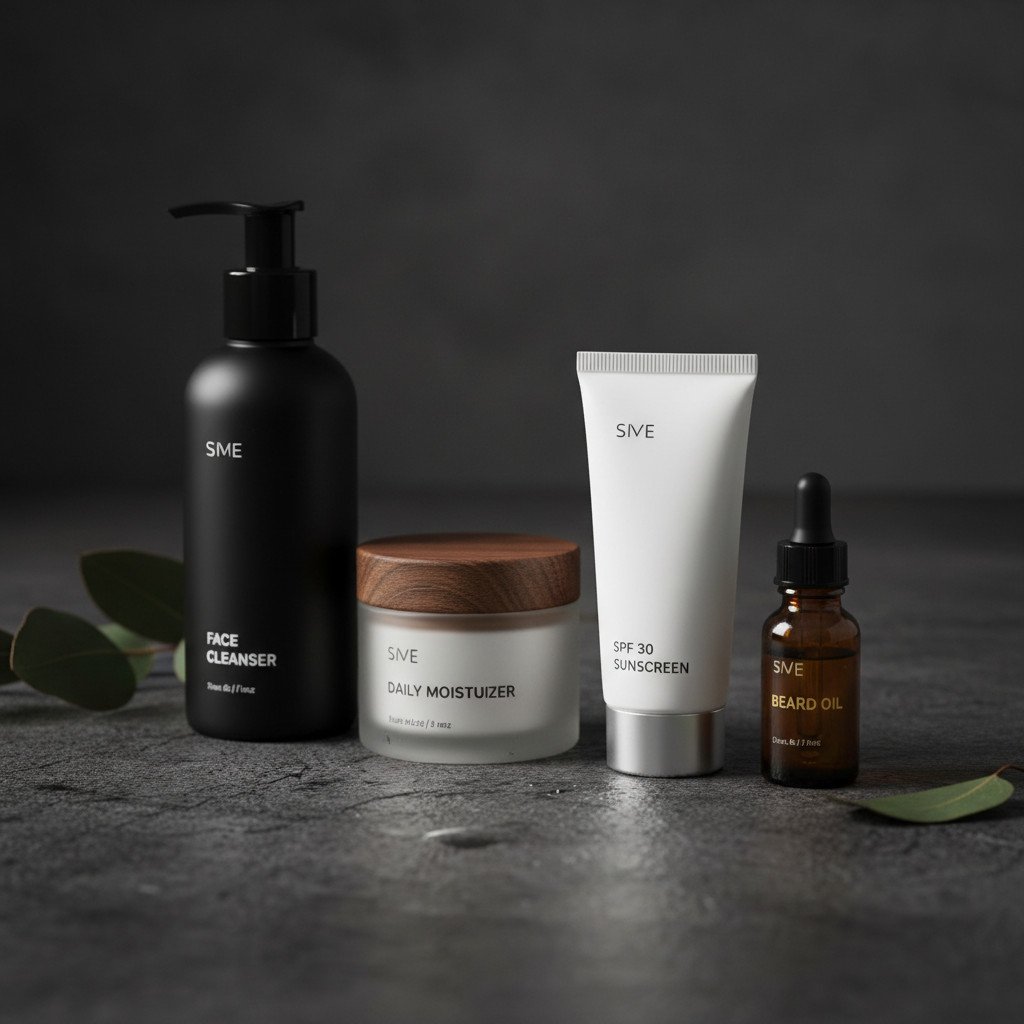
- Commit to consistent, daily brushing (multiple times a day) with a medium-bristle brush.
- Apply a wave pomade or butter to moisturize and lay down your hair.
- Wear a durag or wave cap consistently, especially overnight, to compress and train your hair.
- Ensure your hair is cut to the correct length for wave training.
Common mistake to avoid: Giving up too soon or inconsistent effort; waves are built over time with discipline.
Best next step: The Ultimate 360 Waves Guide and Beginner 360 Waves Routine
Budget Problems: Achieving Elite Grooming Without Breaking the Bank
Premium grooming doesn’t always mean premium prices. Many effective grooming solutions are accessible and affordable. If budget is a concern, it’s about smart choices and strategic product selection, not sacrificing quality or results.
“I Need Results on a Budget”
What it usually is: The perception that effective grooming requires expensive products, or difficulty in identifying affordable, high-quality alternatives. Smart budgeting is about value and necessity.
What to do today:
- Prioritize essential products: cleanser, moisturizer, sunscreen, and a good quality razor/trimmer.
- Look for drugstore brands that offer effective formulations without the premium price tag.
- Buy larger sizes of staple products when they are on sale.
- Focus on multi-purpose products to reduce the number of items you need.
Common mistake to avoid: Believing that cheap products are inherently ineffective, or that expensive products are always superior.
Best next step: Budget Grooming for Black Men and Under-$50 Grooming Routine
Troubleshooting Table: Problem → Likely Cause → Do This Today → Best Next Link
| Problem | Likely Cause | Do This Today | Best Next Link |
|---|---|---|---|
| Acne/Breakouts | Clogged pores, excess oil, bacteria | Gentle cleanse twice daily, avoid picking, use oil-free moisturizer. | Acne Solutions for Black Men |
| Dark Spots (PIH) | Inflammation, sun exposure, picking | Daily SPF 30+ sunscreen, avoid picking, gentle care, Vitamin C/Niacinamide. | Hyperpigmentation Guide |
| Dry/Ashy Face | Compromised skin barrier, harsh cleansers | Hydrating cleanser, rich moisturizer on damp skin, avoid hot water. | Solutions for Dry, Ashy Skin |
| Sensitive/Stinging Skin | Irritated barrier, harsh ingredients | Simplify routine (gentle cleanser/moisturizer), avoid irritants, pat dry. | Caring for Sensitive Skin |
| Sunscreen White Cast | Mineral sunscreen, improper application | Try chemical or tinted mineral SPF, apply in sections, rub thoroughly. | Best Sunscreen (No White Cast) |
| Burning/Peeling After Exfoliation | Over-exfoliation, too strong product | Stop all exfoliation, focus on barrier repair (gentle cleanser/rich moisturizer). | How Often Exfoliate? |
| Razor Bumps/Ingrowns | Hair curling into skin (PFB) | Stop shaving area, warm compress, gentle chemical exfoliant, no picking. | Comprehensive Guide to Razor Bumps |
| Ingrown Hairs (specific) | Single hair trapped under skin | Warm compress, gently tease out hair (sterile), antiseptic, no shaving. | Effective Ingrown Hair Treatment |
| Neck Bumps After Shaving | Sensitive skin, against-grain shaving, poor prep | Thorough prep, shave with grain, sharp blade, soothing post-shave balm. | Mastering Pre-Shave |
| Sensitive Skin Shaving Irritation | Reactive skin, harsh products/technique | Fragrance-free cream, sharp blade, one pass, cool rinse, alcohol-free balm. | Shaving for Sensitive Skin |
| Bumps Turning to Dark Marks | Inflammation from bumps + sun exposure | No picking, daily SPF 30+, gentle care, brightening spot treatment. | Preventing Dark Marks from Bumps |
| Beard Itch | Dry skin, new growth, trapped debris | Beard wash/conditioner, beard oil/balm, regular brushing, no scratching. | Conquering Beard Itch |
| Beard Dandruff/Flakes | Dry skin, fungal overgrowth, product buildup | Beard wash (into skin), conditioner, beard oil/balm, regular brushing. | Eliminating Beard Dandruff |
| Patchy Beard | Genetics, hormones, skin conditions | Healthy diet, consistent beard care, regular brushing, let it grow longer. | Strategies for a Patchy Beard |
| No Beard Routine | Lack of structured care | Commit to daily wash/moisturize, quality products, start simple. | Beginner Beard Care Routine |
| General Hair/Scalp Issues | Dryness, breakage, flakes, oiliness | Sulfate-free shampoo, moisturizing conditioner, avoid heat, leave-in. | Hair & Scalp Health Guide |
| Don’t Smell Fresh Long | Inadequate cleansing, bacteria, ineffective deodorant | Daily antibacterial shower, thorough drying, clinical antiperspirant, clean clothes. | Essential Hygiene Tips |
| Gym Sweat/Breakouts | Sweat + bacteria, clogged pores | Shower immediately post-workout, moisture-wicking clothes, cleanse face. | Gym Grooming Essentials |
| Overspraying Cologne | Incorrect application, too much product | 1-2 sprays on pulse points, don’t rub, consider layering. | Mastering Fragrance Layering |
| Need Fast Daily System | Lack of efficient routine | Identify essentials, multi-tasking products, organize, practice for efficiency. | 5-Minute Morning Routine |
| Waves Not Coming In | Inconsistent brushing, improper products/technique | Consistent daily brushing, wave pomade, wear durag, proper haircut. | Ultimate 360 Waves Guide |
| Need Results on a Budget | Perception of high cost, difficulty finding value | Prioritize essentials, drugstore brands, buy in bulk, multi-purpose products. | Budget Grooming Guide |
Safety: When to Stop and Get Professional Help
While many grooming issues can be managed with proper routines and products, some situations warrant professional medical attention. Knowing when to consult a doctor or dermatologist is crucial for your health and well-being. Do not hesitate to seek professional help if you experience any of the following:
- Severe Swelling or Hives: Sudden, widespread swelling or itchy red welts could indicate an allergic reaction.
- Blistering or Open Sores: These require medical assessment to prevent infection and ensure proper healing.
- Spreading Redness and Warmth: Signs of a potential infection that may require antibiotics.
- Pus or Green/Yellow Discharge: Clear indicators of bacterial infection.
- Painful, Deep Acne That Scars: Cystic or nodular acne can lead to permanent scarring and often requires prescription treatment.
- Persistent, Unexplained Rashes or Lesions: Any skin condition that doesn’t improve with basic care or worsens should be checked by a professional.
Your health is paramount. When in doubt, consult a healthcare provider.
Internal Links for Your Grooming Journey
Here are direct links to explore specific grooming topics in depth:
- Skincare for Black Men → Your complete guide to healthy, vibrant skin.
- Razor Bumps for Black Men → Master the fight against ingrown hairs and irritation.
- Beard Care for Black Men → Cultivate a healthy, stylish, and comfortable beard.
- Hair & Scalp Health for Black Men → Unlock the secrets to strong, healthy hair from the roots.
- Acne Solutions for Black Men → Targeted strategies to clear breakouts and prevent marks.
- Caring for Sensitive Skin → Gentle approaches for reactive and easily irritated skin.
- Solutions for Dry, Ashy Skin → Hydrate and restore your skin’s natural moisture barrier.
- Effective Ingrown Hair Treatment → Pinpoint solutions for stubborn ingrowns.
- Essential Post-Shave Care → Reduce irritation and promote healing after shaving.
- Hyperpigmentation Guide for Black Men → Your definitive resource for fading dark spots and evening tone.
- Essential Hygiene Tips for Black Men → Elevate your daily freshness and confidence.
- The Ultimate 360 Waves Guide → Achieve and maintain perfect waves with expert techniques.
Grooming is a journey of self-mastery. With the right knowledge and consistent effort, every grooming problem has a solution. Use this page as your starting point, and let Grooming For Black Men guide you to your best self.
Frequently Asked Questions
Why do I get razor bumps on my neck?
Razor bumps on the neck are common for Black men due to curly hair and sensitive skin in that area. They often result from shaving too close, against the grain, or using dull blades, causing hair to curl back into the skin. Proper pre-shave prep and shaving technique are crucial for prevention.
How do I stop dark marks from bumps?
To stop dark marks from bumps, avoid picking or squeezing them, as this worsens inflammation and hyperpigmentation. Most importantly, apply a broad-spectrum SPF 30+ sunscreen daily to the affected areas, even indoors, to prevent existing marks from darkening and new ones from forming. Gentle cleansing and moisturizing also support healing.
What’s the fastest way to fix beard itch?
The fastest way to fix beard itch is to hydrate both your beard hair and the skin underneath. Wash your beard with a dedicated beard shampoo and conditioner, then immediately apply a high-quality beard oil or balm. This moisturizes, softens the hair, and soothes dry, irritated skin, providing quick relief.
Why does sunscreen look ashy on my skin?
Sunscreen often looks ashy on Black skin due to the white cast from mineral sunscreens (zinc oxide, titanium dioxide) that aren’t formulated to blend into deeper skin tones. To avoid this, opt for chemical sunscreens, tinted mineral sunscreens, or formulations specifically labeled as ‘sheer’ or ‘no white cast’ that are designed for all skin tones.
What’s the first grooming change I should make?
The first grooming change you should make depends on your most pressing concern, but a universal starting point is establishing a consistent, gentle skincare routine: cleanse, moisturize, and apply sunscreen daily. This foundational step addresses many common issues and protects your skin, setting the stage for further improvements.
How often should I exfoliate my face?
For Black men, gentle exfoliation 1-2 times a week is generally sufficient. Over-exfoliating can strip your skin’s protective barrier, leading to irritation, dryness, and increased risk of dark spots (hyperpigmentation). Listen to your skin and adjust frequency as needed, always using a mild exfoliant.
Can I use regular body lotion on my face?
While not ideal, you can use regular body lotion on your face in a pinch if it’s non-comedogenic and fragrance-free. However, facial moisturizers are specifically formulated for the delicate skin on your face, often lighter, less irritating, and contain ingredients beneficial for facial skin concerns like acne or anti-aging.
How can I make my cologne last longer?
To make your cologne last longer, apply it to pulse points (wrists, neck, chest) on clean, moisturized skin. The warmth from these areas helps diffuse the scent throughout the day. Avoid rubbing it in, as this can break down the fragrance molecules. Layering with a matching scented body wash or lotion can also extend its longevity.
What’s the best way to deal with an oily scalp?
To deal with an oily scalp, use a clarifying or balancing shampoo 2-3 times a week to remove excess oil and product buildup, followed by a lightweight conditioner only on the ends of your hair. Avoid over-washing, as this can strip natural oils and cause your scalp to produce even more. Consider a dry shampoo for in-between washes.
Is it better to shave with a razor or an electric shaver for razor bumps?
For men prone to razor bumps, an electric shaver is often a better choice than a traditional razor. Electric shavers typically don’t cut the hair as close to the skin, reducing the likelihood of hairs curling back and causing irritation. Look for an electric shaver specifically designed for sensitive skin or to prevent ingrown hairs.