
Razor Bump Marks for Black Men: Practical Grooming Guide
Razor bump marks are a common frustration for Black men with coarse, curly facial hair. These dark spots and uneven patches often linger long after the bumps themselves fade, making grooming feel like a cycle of irritation and cover-up. If you’re tired of seeing razor bump marks every time you look in the mirror, you’re not alone-and you don’t have to settle for it.
This guide is built for Black men with rich brown skin and textured hair. It’s not about miracle cures or hype. It’s about understanding why razor bump marks show up, what actually works to reduce them, and how to keep your grooming routine disciplined, practical, and safe for your skin. We’ll break down what causes razor bump marks, what usually goes wrong in routines, and what you can do instead-without harsh scrubbing, risky DIY hacks, or empty promises.
Whether you’re dealing with fresh razor bumps, old dark spots, or just want to keep your skin clear and even, this guide will walk you through the essentials. If you’re looking for a deeper dive on dark spots and hyperpigmentation in Black men, we’ve got you covered there too. But for now, let’s focus on razor bump marks-why they matter, how to handle them, and how to keep your skin looking its best.
Real-Life Shaving Scenarios for Razor Bump Marks for Black Men
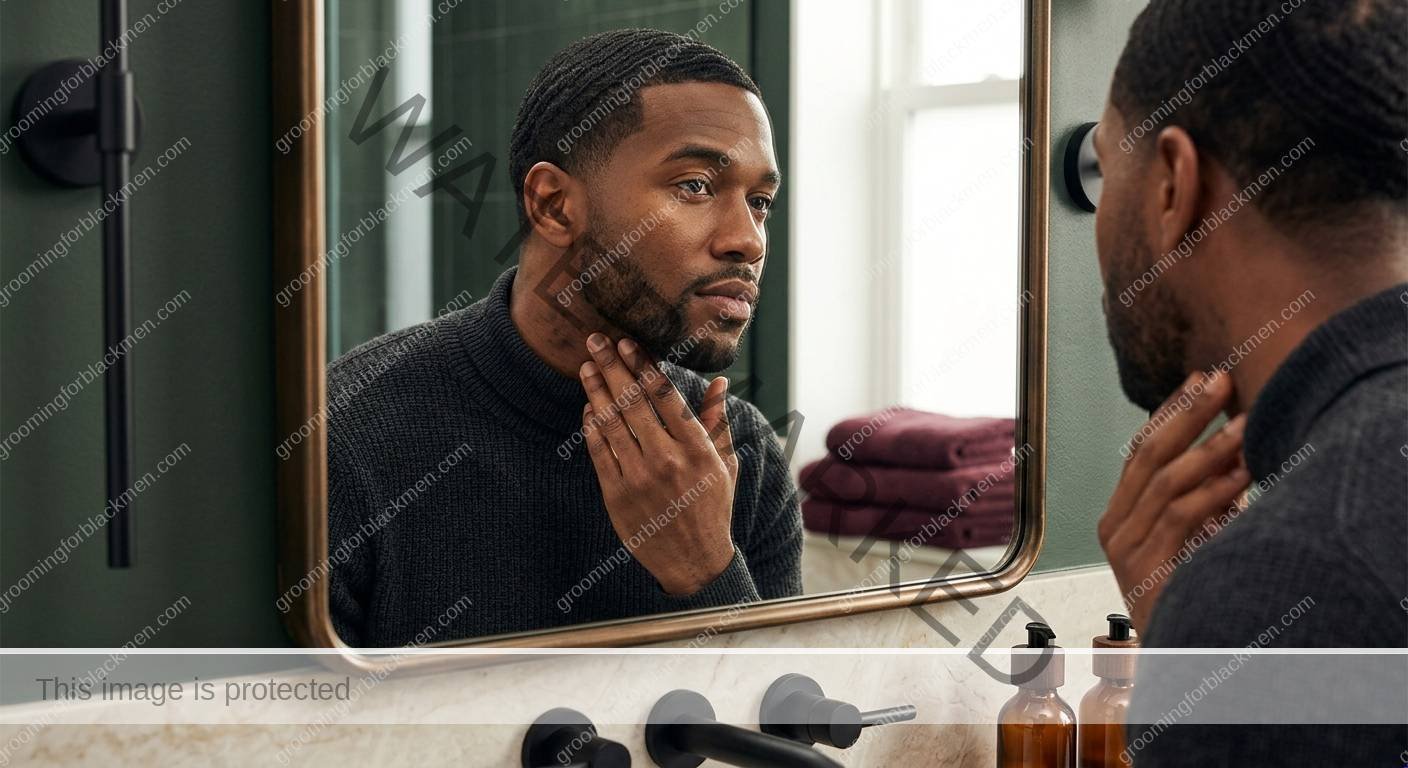
A razor bump routine has to work on ordinary days, not just when you have extra time. Think about the moments that usually pressure you into bad decisions: an early meeting, a last-minute date, a barber appointment after work, a workout before a shave, or a week when your skin is already irritated but you still want to look sharp. Those are the moments when Black men often get pulled toward extra pressure, extra passes, or products that burn because they feel like they are ?doing something.?
The better move is to build a decision system. If your skin is calm, your tool is clean, and the hair has been softened, you can follow the planned routine. If your neck is tender, bumps are raised, or dark marks are still fresh, choose the lower-risk option: trim instead of shaving close, clean up only the edges, or give the area more time. A disciplined routine is not about shaving at any cost. It is about choosing the cleanest look your skin can handle that day.
Pressure is the detail that separates a routine from a problem. When a blade or trimmer is not doing the work, pressing harder usually makes things worse. It can cut the hair too low, scrape the surface, and leave curly hair with more opportunity to re-enter the skin. Use fewer passes, keep the skin relaxed, and stop treating smoothness as the only sign of success. For bump-prone skin, slightly less close can mean much cleaner over the next several days.
Budget and schedule matter here too. You do not need every tool on the market to handle razor bump marks for black men. You need clean tools, a routine you repeat, and enough patience to avoid changing five things at once. If you upgrade anything, upgrade the step that causes the most irritation: the blade, trimmer guard, shave gel, aftercare, or barber communication. The goal is not a luxury shelf. The goal is a routine that protects your face and still fits your life.
How to Audit Progress Without Chasing a Perfect Shave
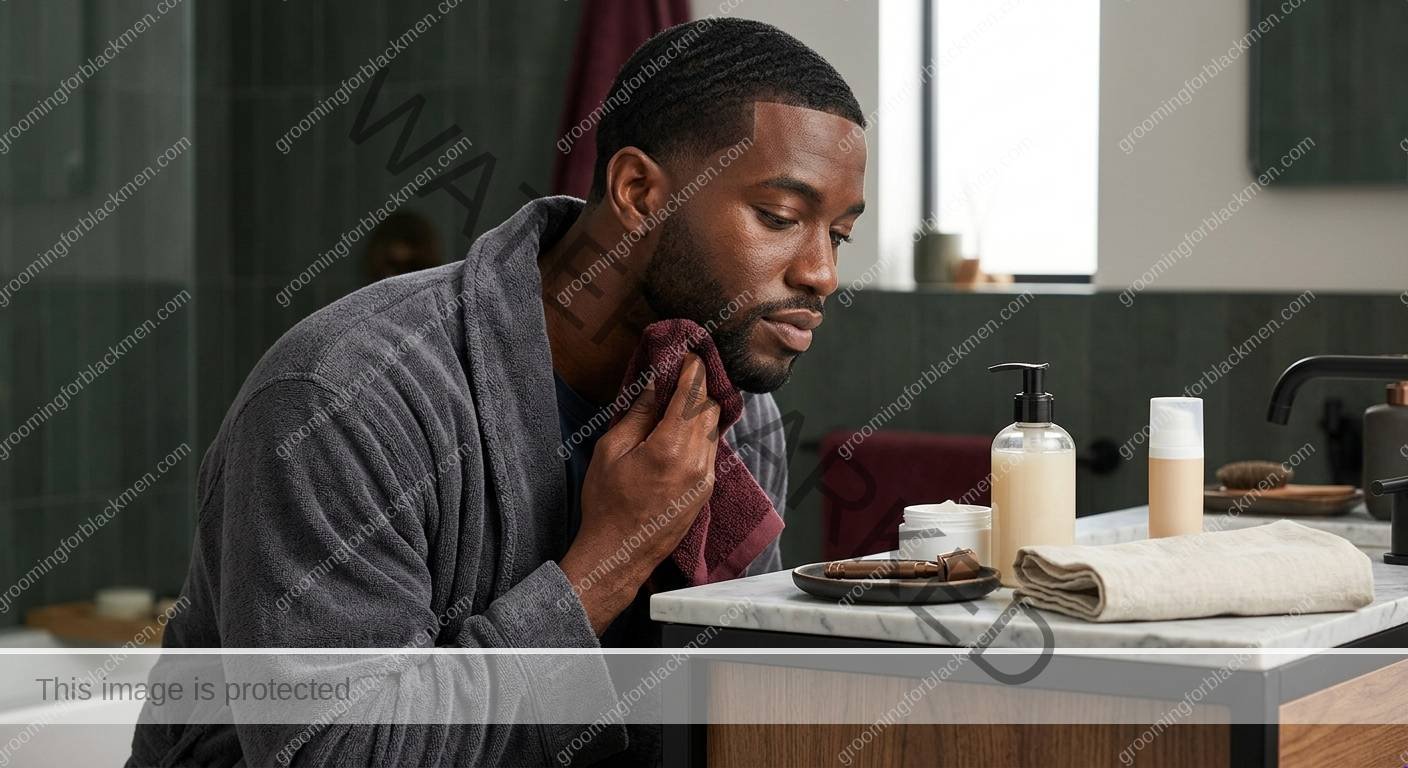
Judge the routine by how your skin behaves after the shave, not only by how close it looks in the mirror. Are bumps less angry the next day Is the neck calmer after work Are dark marks showing up less often because you are not reopening irritation Can you maintain a sharp look with fewer emergency fixes Those are meaningful wins, even if the shave is not the closest one you have ever had.
If the routine is not working, change one thing at a time. Start with pressure, frequency, tool cleanliness, and aftercare before buying more products. If bumps are painful, infected, spreading, scarring, or not improving despite careful routine changes, bring in a dermatologist or qualified clinician. That is not overreacting. It is protecting your skin before the problem becomes harder to manage.
Real-Life Shaving Scenarios for Razor Bump Marks for Black Men
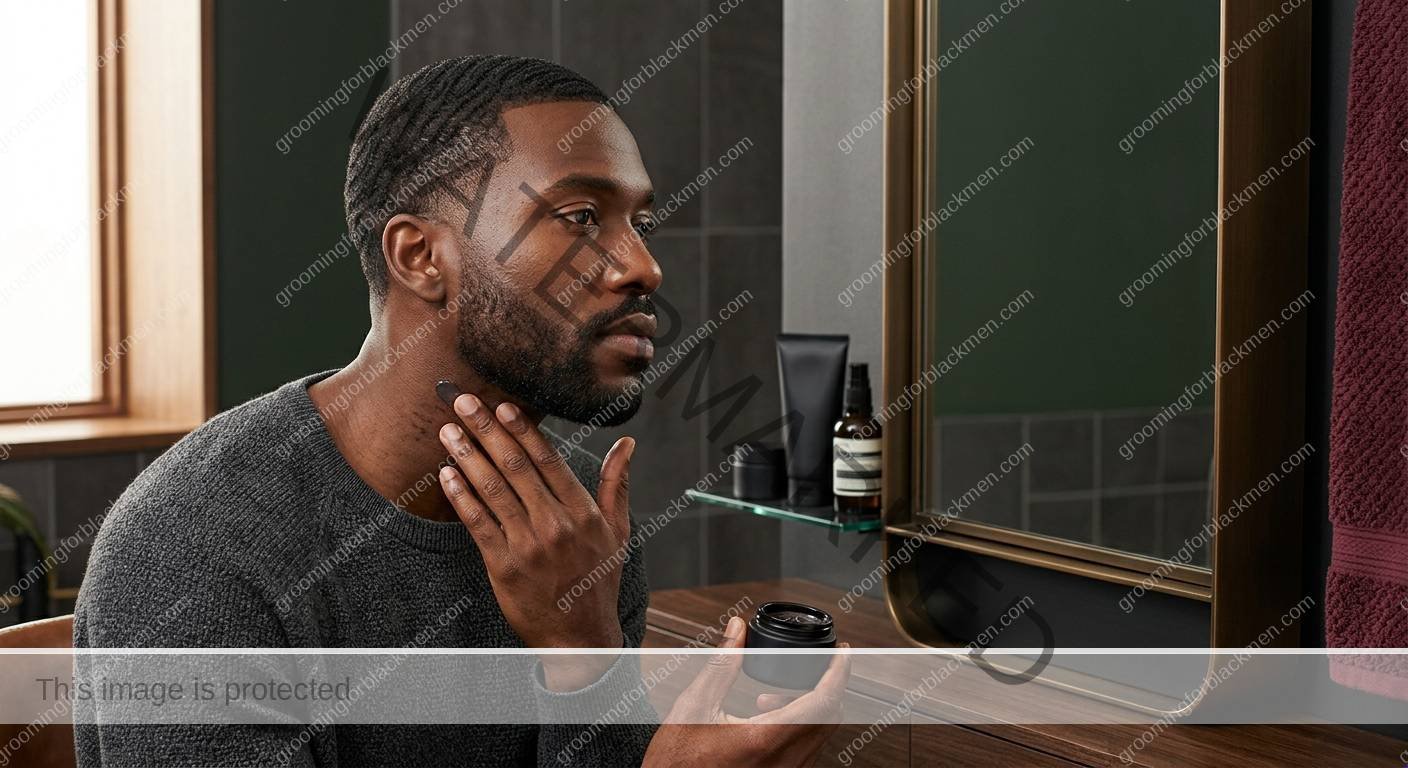
A razor bump routine has to work on ordinary days, not just when you have extra time. Think about the moments that usually pressure you into bad decisions: an early meeting, a last-minute date, a barber appointment after work, a workout before a shave, or a week when your skin is already irritated but you still want to look sharp. Those are the moments when Black men often get pulled toward extra pressure, extra passes, or products that burn because they feel like they are ?doing something.?
The better move is to build a decision system. If your skin is calm, your tool is clean, and the hair has been softened, you can follow the planned routine. If your neck is tender, bumps are raised, or dark marks are still fresh, choose the lower-risk option: trim instead of shaving close, clean up only the edges, or give the area more time. A disciplined routine is not about shaving at any cost. It is about choosing the cleanest look your skin can handle that day.
Pressure is the detail that separates a routine from a problem. When a blade or trimmer is not doing the work, pressing harder usually makes things worse. It can cut the hair too low, scrape the surface, and leave curly hair with more opportunity to re-enter the skin. Use fewer passes, keep the skin relaxed, and stop treating smoothness as the only sign of success. For bump-prone skin, slightly less close can mean much cleaner over the next several days.
Budget and schedule matter here too. You do not need every tool on the market to handle razor bump marks for black men. You need clean tools, a routine you repeat, and enough patience to avoid changing five things at once. If you upgrade anything, upgrade the step that causes the most irritation: the blade, trimmer guard, shave gel, aftercare, or barber communication. The goal is not a luxury shelf. The goal is a routine that protects your face and still fits your life.
How to Audit Progress Without Chasing a Perfect Shave

Judge the routine by how your skin behaves after the shave, not only by how close it looks in the mirror. Are bumps less angry the next day Is the neck calmer after work Are dark marks showing up less often because you are not reopening irritation Can you maintain a sharp look with fewer emergency fixes Those are meaningful wins, even if the shave is not the closest one you have ever had.
If the routine is not working, change one thing at a time. Start with pressure, frequency, tool cleanliness, and aftercare before buying more products. If bumps are painful, infected, spreading, scarring, or not improving despite careful routine changes, bring in a dermatologist or qualified clinician. That is not overreacting. It is protecting your skin before the problem becomes harder to manage.
Real-Life Shaving Scenarios for Razor Bump Marks for Black Men

A razor bump routine has to work on ordinary days, not just when you have extra time. Think about the moments that usually pressure you into bad decisions: an early meeting, a last-minute date, a barber appointment after work, a workout before a shave, or a week when your skin is already irritated but you still want to look sharp. Those are the moments when Black men often get pulled toward extra pressure, extra passes, or products that burn because they feel like they are ?doing something.?
The better move is to build a decision system. If your skin is calm, your tool is clean, and the hair has been softened, you can follow the planned routine. If your neck is tender, bumps are raised, or dark marks are still fresh, choose the lower-risk option: trim instead of shaving close, clean up only the edges, or give the area more time. A disciplined routine is not about shaving at any cost. It is about choosing the cleanest look your skin can handle that day.
Pressure is the detail that separates a routine from a problem. When a blade or trimmer is not doing the work, pressing harder usually makes things worse. It can cut the hair too low, scrape the surface, and leave curly hair with more opportunity to re-enter the skin. Use fewer passes, keep the skin relaxed, and stop treating smoothness as the only sign of success. For bump-prone skin, slightly less close can mean much cleaner over the next several days.
Budget and schedule matter here too. You do not need every tool on the market to handle razor bump marks for black men. You need clean tools, a routine you repeat, and enough patience to avoid changing five things at once. If you upgrade anything, upgrade the step that causes the most irritation: the blade, trimmer guard, shave gel, aftercare, or barber communication. The goal is not a luxury shelf. The goal is a routine that protects your face and still fits your life.
How to Audit Progress Without Chasing a Perfect Shave
Judge the routine by how your skin behaves after the shave, not only by how close it looks in the mirror. Are bumps less angry the next day Is the neck calmer after work Are dark marks showing up less often because you are not reopening irritation Can you maintain a sharp look with fewer emergency fixes Those are meaningful wins, even if the shave is not the closest one you have ever had.
If the routine is not working, change one thing at a time. Start with pressure, frequency, tool cleanliness, and aftercare before buying more products. If bumps are painful, infected, spreading, scarring, or not improving despite careful routine changes, bring in a dermatologist or qualified clinician. That is not overreacting. It is protecting your skin before the problem becomes harder to manage.
Why This Matters for Black Men
Razor bump marks aren’t just a cosmetic issue. For Black men, they’re often a direct result of the unique structure of curly and coarse facial hair. When hair curls back into the skin after shaving, it can trigger inflammation, leading to bumps (pseudofolliculitis barbae) and, eventually, dark marks or hyperpigmentation.
These marks can last for weeks or months, especially on deeper skin tones. They can affect confidence, professional appearance, and even influence how you approach grooming. Unlike lighter skin, where redness may fade quickly, brown and Black skin is more likely to develop persistent dark spots from even minor irritation.
Understanding the link between shaving, bumps, and dark marks is crucial for effective grooming. It’s not about “fixing” your skin-it’s about respecting its needs and working with it, not against it. That’s why razor bumps and dark marks are a core focus in premium grooming for Black men.
The Science Behind Razor Bump Marks
When a curly hair is cut too close, especially with multi-blade razors, it can curl back into the skin instead of growing outward. This triggers inflammation as the body treats the ingrown hair like a foreign object. The skin responds with swelling, redness, and sometimes pus. Once the bump heals, it often leaves behind a dark spot-post-inflammatory hyperpigmentation (PIH). This is the skin’s natural response to trauma, but on melanin-rich skin, the pigment response is more pronounced and longer-lasting.
Repeated cycles of shaving, irritation, and healing can create a patchwork of dark marks, especially along the jawline, neck, and cheeks. For many Black men, this becomes a chronic issue-one that demands a disciplined, informed approach rather than quick fixes.
What Usually Goes Wrong
Most razor bump marks don’t just happen by chance. They’re the result of common missteps in shaving and aftercare routines. Here’s where things often go off track:
- Shaving too close: Multi-blade razors and aggressive shaving techniques can cut hairs below the skin’s surface, increasing the risk of ingrown hairs and dark marks.
- Skipping proper prep: Dry shaving or using harsh soaps strips skin’s natural barrier, making it more vulnerable to irritation and pigmentation.
- Using alcohol-heavy aftershaves: These can sting, dry out, and further irritate skin, making dark spots more likely to form and linger.
- Ignoring sun protection: Unprotected skin exposed to sunlight is more likely to develop stubborn dark spots after irritation.
- Over-scrubbing or picking: Trying to “dig out” ingrown hairs or scrubbing away marks can worsen inflammation and lead to scarring.
- Using harsh DIY remedies: Undiluted essential oils, lemon juice, or baking soda can burn or discolor deeper skin tones, making marks worse.
These mistakes are common, but they’re not inevitable. With the right approach, you can reduce razor bump marks and keep your skin healthy and even-toned.
Real-Life Scenario: The Cycle of Marks
Consider Marcus, who shaves every other day for work. He uses a five-blade razor and a foaming gel with heavy fragrance. He sometimes skips prep because mornings are rushed. Over time, he notices bumps along his jawline, then dark spots that don’t fade. He tries scrubbing harder and using aftershave with alcohol, but the marks persist. This is a classic cycle-close shaving, irritation, and harsh aftercare leading to more marks, not less.
What to Do Instead
Getting rid of razor bump marks-and keeping them from coming back-means shifting your routine from reactive to proactive. Here’s what works for most Black men with coarse or curly facial hair:
- Switch to single-blade or safety razors: These cut hair at the surface, reducing the risk of ingrown hairs and the marks they leave behind. If you’re new to safety razors, take it slow and use a gentle touch.
- Prep your skin properly: Use a gentle, fragrance-free cleanser and warm water before shaving. Follow with a lubricating shave cream or gel designed for sensitive skin.
- Shave with the grain: Always shave in the direction your hair grows. Don’t stretch the skin or go over the same spot repeatedly.
- Use a clean, sharp blade every time: Dull or dirty blades increase irritation and the risk of infection.
- Apply an alcohol-free aftershave balm: This soothes and hydrates without stinging or drying out your skin. Look for ingredients like aloe, allantoin, or panthenol.
- Target dark spots with a dedicated serum: Products with niacinamide, licorice root, or azelaic acid can help fade marks over time. Avoid harsh bleaching agents.
- Wear sunscreen daily: Sun exposure can darken marks and slow healing. Choose a sunscreen that blends well with rich brown skin and doesn’t leave a gray cast.
- Be patient and consistent: Razor bump marks fade slowly. Stick with your routine and avoid switching products too often.
Step-by-Step Routine Logic
- Night Before: If you have time, gently cleanse and moisturize your face before bed. Well-hydrated skin is less prone to irritation the next morning.
- Pre-Shave: Wash your face with lukewarm water and a gentle cleanser. Apply a warm, damp towel for a minute to soften hair and open pores.
- Shave: Apply a lubricating, fragrance-free shave cream. Use a single-blade razor or electric foil shaver. Shave with the grain, using short, light strokes. Rinse the blade after every pass.
- Post-Shave: Rinse with cool water to calm the skin. Pat dry with a clean towel. Apply an alcohol-free aftershave balm.
- Targeted Care: At night, apply a dark spot serum to affected areas. Use only as directed-more is not better.
- Daily Protection: Use a broad-spectrum sunscreen every morning, even if you’re indoors most of the day. UV rays can penetrate windows and worsen marks.
Troubleshooting Common Issues
- Still getting bumps Re-examine your shaving direction and blade cleanliness. Consider switching to an electric foil shaver or extending the time between shaves.
- Serum causing irritation Reduce frequency or patch test. Some active ingredients can be strong; less is often more.
- Sunscreen leaving a cast Look for formulas labeled “invisible” or “sheer” for deeper skin tones. Mineral sunscreens with micronized zinc or titanium dioxide are less likely to leave residue.
- Marks not fading Double-check your routine for hidden irritants (fragrance, alcohol, harsh scrubs). Consistency with sunscreen is non-negotiable.
If you want a full breakdown of routines, check out our razor bump prevention guide and our post-inflammatory hyperpigmentation guide.
Product and Tool Criteria
Not every product marketed for razor bumps or dark spots is worth your time or money. Here’s what to look for-and what to skip-when building your kit:
- Aftershave balms: Choose alcohol-free, fragrance-free formulas. Avoid anything that stings or dries out your skin. Look for soothing ingredients like aloe, allantoin, or panthenol.
- Dark spot serums: Look for niacinamide, licorice root, azelaic acid, or vitamin C. Avoid hydroquinone unless prescribed by a dermatologist. Skip harsh exfoliants or bleaching creams.
- Sunscreen: Broad-spectrum SPF 30 or higher. Choose formulas that don’t leave a white or gray cast on brown skin. Mineral or chemical sunscreens can both work-find what feels comfortable for you.
- Razors: Single-blade safety razors or electric shavers with foil guards are best for reducing ingrowns and marks. Avoid multi-blade cartridges that cut hair below the skin.
- Shave creams/gels: Fragrance-free, non-foaming, and designed for sensitive skin. Avoid menthol, eucalyptus, or strong fragrances.
When evaluating products, focus on ingredient lists and user reviews from men with similar skin and hair types. If a product stings, burns, or leaves your skin feeling tight, it’s not the right fit. Invest in tools that support your routine, not just hype.
GFBM may earn a small commission from qualifying purchases, but product examples are included to clarify criteria, not to promise results.
- Browse razor bump dark spot serums on Amazon
- Browse alcohol-free aftershave balms on Amazon
- Browse sunscreens for dark skin men on Amazon
For a deeper breakdown of safe ingredients, see our ingredient safety guide for Black men.
Decision Criteria: How to Choose What’s Right for You
- Sensitivity: If your skin reacts easily, prioritize fragrance-free and hypoallergenic products.
- Budget: You don’t need to spend a fortune. Simple, well-formulated products often outperform expensive “miracle” solutions. See our budget shaving kit for razor bumps for practical options.
- Routine: Choose products you’ll actually use daily. Consistency beats complexity every time.
- Beard Style: If you keep a beard, focus on line-ups rather than full shaves, and use a beard oil or balm to keep hair soft and skin calm. See our beard care guide for Black men for more.
Real-World Routine: Sample Day and Night Plan
Here’s how a disciplined, practical routine might look for a Black man dealing with razor bump marks:
Morning
- Cleanse with a gentle, fragrance-free face wash.
- Apply a lightweight moisturizer if your skin feels dry.
- Apply a broad-spectrum sunscreen (SPF 30+), making sure to cover the jawline, neck, and cheeks.
Shave Days
- After cleansing, apply a warm towel for 1-2 minutes.
- Use a lubricating, non-foaming shave gel or cream.
- Shave with a single-blade razor or electric foil shaver, always with the grain.
- Rinse with cool water and pat dry.
- Apply an alcohol-free aftershave balm.
Evening
- Cleanse again if you’ve been sweating or exposed to pollution.
- Apply a dark spot serum to affected areas (as directed).
- Moisturize if needed.
This routine is simple, sustainable, and designed to respect the needs of brown skin and curly hair. Adjust as needed for your lifestyle, beard style, and skin’s response.
Troubleshooting and When to Get Help
Even with the best routine, razor bump marks can be stubborn. Here’s how to troubleshoot common issues and know when it’s time to see a professional:
- If marks aren’t fading after several months: Consistency is key, but if you’re not seeing any improvement after 3-6 months, a dermatologist can recommend prescription options or in-office treatments.
- If you develop painful, spreading, or infected bumps: Don’t try to treat these at home. See a qualified clinician to prevent scarring or more serious skin problems.
- If you notice thick, raised scars (keloids): These require professional care. Avoid picking or irritating the area further.
- If you’re unsure about a product: Patch test on a small area first. If you react, stop using it and consult a dermatologist.
- If you have other skin conditions (eczema, severe acne): Get tailored advice before changing your routine.
Remember, patience and discipline matter. If you’re not seeing progress, don’t double down with harsher products-seek professional input.
Frequently Asked Questions
How long do razor bump marks last on Black men’s skin
Razor bump marks, or post-inflammatory hyperpigmentation, can last from several weeks to several months on brown and Black skin. The exact duration depends on your skin’s natural healing process, how well you protect your skin from further irritation, and whether you use targeted care like sunscreen and dark spot serums. Consistency and patience are essential.
Can I use exfoliators to fade razor bump marks
Gentle chemical exfoliators (like low-strength glycolic or lactic acid) can help, but avoid harsh scrubs or over-exfoliating, which can worsen marks or cause new irritation. Limit use to 1-2 times per week and always follow with sunscreen. If you’re unsure, consult a dermatologist before adding exfoliants to your routine.
Will razor bump marks go away on their own
Some marks may fade naturally over time, but sun exposure, repeated irritation, or picking can make them last longer or become more noticeable. A disciplined routine with gentle care and daily sunscreen speeds up the fading process and prevents new marks from forming.
What ingredients should I avoid when treating razor bump marks
Avoid undiluted essential oils, lemon juice, baking soda, and harsh bleaching agents. These can burn, irritate, or discolor deeper skin tones. Also skip alcohol-heavy aftershaves and strong fragrances. Stick to proven, gentle ingredients and patch test new products.
Is it safe to use a razor if I already have dark marks
Yes, but use a single-blade or electric razor and shave with the grain to minimize new irritation. Prep your skin well, use a sharp blade, and follow with a soothing, alcohol-free aftershave balm. Avoid shaving over inflamed or infected bumps-let them heal first.
How important is sunscreen for fading razor bump marks
Extremely important. Sun exposure can darken marks and slow their fading. Daily use of a broad-spectrum sunscreen (SPF 30 or higher) helps prevent new marks and allows existing ones to fade more quickly. Choose a sunscreen that blends well with your skin tone to encourage daily use.
When should I see a dermatologist about razor bump marks
If marks are painful, spreading, not improving after several months, or if you notice thick, raised scars (keloids), see a dermatologist or qualified clinician. They can recommend prescription treatments or in-office procedures tailored to your skin’s needs.
What to Do Next
Razor bump marks don’t have to be a permanent part of your grooming story. With the right approach-gentle shaving, disciplined aftercare, targeted products, and sun protection-you can reduce marks and keep your skin looking clear and even. Start by reviewing your current routine and making small, practical changes. If you need a full breakdown of routines and safe ingredients, check out our guides on dark spots and hyperpigmentation, razor bumps and dark marks, and ingredient safety.
If you’re on a budget, see our budget shaving kit for razor bumps. For persistent or severe marks, don’t hesitate to connect with a dermatologist. Your skin deserves respect, discipline, and care-no shortcuts, no shame.