
Beard Dandruff in Black Men: The Routine to Stop Flakes and Itch
Beard dandruff, often manifesting as persistent flakes and an irritating itch, is a common concern for many Black men. It’s more than just an aesthetic issue; it signals an underlying skin health problem that demands attention. Understanding the root causes and implementing a targeted grooming regimen is crucial for maintaining a healthy, flake-free beard and comfortable skin beneath it.
This guide cuts through the noise, offering direct, actionable strategies rooted in both barbershop wisdom and dermatological understanding. We’ll equip you with the knowledge and routine necessary to combat beard dandruff effectively, ensuring your beard remains a source of pride, not irritation. For a broader understanding of maintaining your facial hair, explore comprehensive Beard care for Black men.
Ignoring beard dandruff can lead to more severe skin issues, including inflammation, increased itching, and even potential hair loss in extreme cases. The unique characteristics of Black men’s hair and skin, such as tighter curls and a predisposition to certain skin conditions, necessitate a tailored approach to treatment and prevention. This isn’t about quick fixes; it’s about establishing a sustainable routine for long-term beard health.
Beard dandruff is usually a skin problem under the beard
Many men mistakenly attribute beard dandruff solely to dry hair or a lack of moisturizing the beard itself. While beard hair health is important, the primary culprit behind those persistent flakes and relentless itch lies beneath the surface, within the skin of your face. This underlying skin, often neglected, is where the problem originates.
The skin under your beard is a unique environment. It’s often warmer, more humid, and less exposed to air than other areas of your face. This creates a microclimate that can either foster healthy skin or become a breeding ground for issues like dandruff. Understanding this distinction is the first step toward effective treatment.
When we talk about beard dandruff, we are almost always referring to a condition of the skin, not the hair. The flakes you see are dead skin cells, and the itch you feel is your skin’s reaction to irritation or inflammation. Addressing the skin directly is paramount for resolving the issue.
The skin beneath your beard, like all skin, has a natural turnover process. Old skin cells shed, and new ones emerge. Dandruff occurs when this process accelerates, leading to an excessive accumulation of dead skin cells that become visible flakes. This acceleration is often triggered by specific factors affecting the skin’s health.
Factors such as product buildup, insufficient cleansing, harsh grooming products, or even environmental stressors can disrupt the delicate balance of your skin’s microbiome. When this balance is disturbed, the skin’s natural protective barrier weakens, making it more susceptible to irritation and conditions like seborrheic dermatitis, the most common form of dandruff.
Furthermore, the coarser, curlier texture of Black men’s beard hair can sometimes make it more challenging for natural skin oils to reach the skin’s surface, potentially leading to dryness or irritation. This also means that products applied to the beard might not effectively reach the skin beneath, necessitating a deliberate application strategy.
Therefore, any effective solution for beard dandruff must focus on cleansing, hydrating, and treating the skin directly. Simply applying more oil to the beard hair will not resolve an underlying skin condition. It’s about a holistic approach that nurtures both the hair and the skin it grows from.
Properly managing the skin under your beard involves gentle but thorough cleansing, regular exfoliation to remove dead skin cells, and targeted moisturizing to maintain hydration and barrier function. This foundation is critical for preventing the recurrence of flakes and itch.
Consider your beard as an extension of your skin. Just as you care for the skin on your face, the skin beneath your beard requires dedicated attention. Neglecting this area is akin to neglecting any other part of your skin, and the consequences, in this case, are visible and uncomfortable flakes.
The goal is to create a healthy, balanced environment for your skin, allowing it to function optimally. When your skin is healthy, your beard will naturally thrive. This principle guides our entire approach to eradicating beard dandruff and fostering a robust, well-maintained beard.
Dry skin vs seborrheic dandruff (how to tell)
Distinguishing between simple dry skin and seborrheic dermatitis (the technical term for dandruff) is crucial for effective treatment. While both can cause flaking and itching, their underlying mechanisms and required interventions differ. Misdiagnosis can lead to ineffective treatments and prolonged discomfort.
Dry Skin (Xerosis Cutis): This is typically characterized by small, fine, white flakes. The skin itself often feels tight, parched, and can appear dull. The itching associated with dry skin is usually mild to moderate and tends to worsen in dry, cold weather or after washing with harsh soaps. There’s generally no redness or inflammation.
The flakes from dry skin are often uniform in size and distribution. They are simply dehydrated skin cells shedding more rapidly than usual due to a lack of moisture. This condition is common and often responds well to increased hydration and gentle, moisturizing products.
Seborrheic Dermatitis (Dandruff): This condition presents with larger, oilier, yellowish flakes. The skin underneath is often red, inflamed, and can feel greasy or oily, despite the flaking. The itching can be intense and persistent, sometimes accompanied by a burning sensation. In severe cases, crusting or scaling may be present.
Seborrheic dermatitis is caused by an overgrowth of a common yeast (Malassezia) that naturally lives on the skin, combined with an inflammatory response. This yeast thrives in oily environments. The flakes are not just dry skin; they are a result of this inflammatory process accelerating skin cell turnover and producing excess oil.
A key differentiator is the appearance of the flakes and the underlying skin. Dry skin flakes are typically dry and powdery, while seborrheic dermatitis flakes are often greasier and may stick to the beard hairs. The redness and inflammation are also tell-tale signs of seborrheic dermatitis.
Another indicator is the response to treatment. If moisturizing alone doesn’t resolve the flaking and itching, or if it worsens with standard moisturizers, it’s highly likely you’re dealing with seborrheic dermatitis. This condition requires antifungal or anti-inflammatory agents, not just hydration.
Understanding these differences allows you to choose the correct products and treatment approach. Treating seborrheic dermatitis with only products designed for dry skin will yield minimal results, and vice-versa. Observe your symptoms closely to determine the nature of your beard flakes.
If you’re unsure, or if symptoms are severe and persistent, consulting a dermatologist is always recommended. They can provide an accurate diagnosis and recommend prescription-strength treatments if necessary. Self-diagnosis is a good starting point, but professional advice offers certainty.
For many Black men, both conditions can be exacerbated by the natural curl pattern of beard hair, which can trap dead skin cells and oils, creating an ideal environment for yeast overgrowth or simply preventing proper moisturization of the skin beneath. This highlights the importance of a targeted and consistent routine.
In summary, pay attention to the color, texture, and size of the flakes, the presence of redness or greasiness, and the intensity of the itch. These details are your clues to whether you’re battling simple dryness or the more complex challenge of seborrheic dermatitis.
AM routine (2 steps)
Your morning routine sets the tone for your beard and skin for the entire day. It’s about protection, hydration, and maintaining a clean foundation without over-stripping. This two-step process is efficient and effective.
Rinse with cool water: In the morning, a full beard wash is often unnecessary and can strip your skin of natural oils. Instead, simply rinse your beard and the skin beneath with cool or lukewarm water. This helps to remove any overnight accumulation of dead skin cells or product residue without disrupting your skin’s natural barrier.
Use your fingertips to gently massage the skin under your beard while rinsing. This stimulates blood flow and ensures that any loose flakes are washed away. Pat your beard dry with a clean, soft towel, ensuring the skin underneath is also dry but not aggressively rubbed.

Apply beard oil: Once your beard is towel-dry, apply a high-quality beard oil. This is crucial for both moisturizing the beard hair and, more importantly, hydrating the skin beneath. Look for oils with natural ingredients like jojoba, argan, or grapeseed oil, which are non-comedogenic and mimic your skin’s natural sebum.
Dispense a few drops into your palm, rub your hands together, and then work the oil thoroughly into your beard, ensuring you reach the skin underneath. Use your fingertips to massage the oil directly onto your skin, paying close attention to any areas prone to dryness or flaking. This step locks in moisture, reduces itch, and provides a protective barrier against environmental stressors throughout the day.

This morning routine is designed to be quick yet impactful. It focuses on maintaining hydration and protecting your skin and beard, preparing you for the day ahead. Consistency is key to seeing lasting results and keeping flakes at bay.
For those with particularly sensitive skin or prone to irritation, opt for fragrance-free beard oils. Artificial fragrances can sometimes be irritants, exacerbating existing skin conditions. Natural essential oils, if used, should be in low concentrations and patch-tested first.
Remember, the goal is to nourish the skin, not just coat the beard hairs. The gentle massage during oil application is vital for ensuring the product penetrates to where it’s needed most. This also helps to distribute natural oils and stimulate healthy growth.
This routine is a foundational element of effective beard care. It’s about setting a positive precedent for skin and hair health from the moment you start your day. Don’t skip these steps, as they contribute significantly to preventing dryness and irritation.
PM routine (3 steps)
Your evening routine is where the deep cleansing, treatment, and repair happen. It’s essential for removing the day’s accumulation of dirt, oil, and pollutants, and for applying targeted treatments. This three-step process ensures your beard and skin are thoroughly cared for.
Wash your beard with a specialized beard wash: This is the most critical step for combating beard dandruff. Use a gentle, sulfate-free beard wash specifically formulated for facial hair and the sensitive skin beneath. If you have seborrheic dermatitis, opt for a medicated beard wash containing ingredients like pyrithione zinc or salicylic acid. These ingredients help control yeast overgrowth and reduce inflammation.
Wet your beard thoroughly with lukewarm water. Apply a small amount of beard wash, lathering it gently into your beard and, crucially, massaging it into the skin underneath with your fingertips. Allow the product to sit for 1-2 minutes if it’s medicated, then rinse thoroughly until all residue is gone. Ensure no product remains on the skin, as this can cause irritation.
Condition your beard: After washing, apply a dedicated beard conditioner. This step helps to restore moisture, soften the beard hair, and detangle it, making it more manageable. A good conditioner will also provide a protective layer, reducing breakage and improving overall beard health.
Apply the conditioner generously, working it through your beard from root to tip. Focus on ensuring it reaches the skin beneath, as many conditioners contain hydrating and soothing ingredients beneficial for the skin. Leave it on for 2-3 minutes, then rinse thoroughly with cool water. Cool water helps to close the hair cuticles, locking in moisture and adding shine.
Apply a leave-in beard balm or butter: Once your beard is towel-dry, apply a leave-in beard balm or butter. Unlike beard oil, balms and butters often contain heavier emollients like shea butter, cocoa butter, or beeswax, providing deeper conditioning and styling hold. They are excellent for sealing in moisture overnight.
Take a small amount, warm it between your palms, and work it into your beard, ensuring it penetrates to the skin. This provides long-lasting hydration and helps to soothe any irritation. For men with seborrheic dermatitis, ensure your balm or butter is non-comedogenic and free of heavy, pore-clogging ingredients. This step is vital for nourishing the skin and preventing overnight dryness.
This comprehensive PM routine addresses cleansing, conditioning, and deep moisturizing, creating an optimal environment for healing and preventing dandruff. Consistency every evening will yield significant improvements in both beard and skin health.
Choosing the right beard wash is paramount. If you suspect seborrheic dermatitis, a medicated option is often the most effective first line of defense. These washes are designed to tackle the root cause directly, rather than just masking symptoms.
The conditioner not only benefits the hair but also provides a soothing layer to the skin after cleansing. Look for ingredients like aloe vera or panthenol, which are known for their calming and hydrating properties. This helps to reduce any potential post-wash dryness or tightness.
The final step with a balm or butter acts as an overnight treatment. It allows the skin and hair to absorb beneficial nutrients and moisture over several hours, leading to a softer beard and healthier skin by morning. This proactive approach is key to long-term dandruff control.
Weekly routine (wash schedule + exfoliation under beard)
Beyond the daily AM and PM routines, a weekly regimen is essential for deep cleaning, exfoliation, and maintaining optimal skin and beard health. This prevents buildup and ensures your daily products can work effectively.
Wash Schedule
While daily rinsing is good, a full, thorough beard wash with a specialized product should be done 2-3 times per week. Over-washing can strip natural oils, leading to dryness, but under-washing allows product buildup, dead skin cells, and environmental pollutants to accumulate, exacerbating dandruff. Find the balance that works for your skin type and activity level.
If you use heavy styling products daily or sweat excessively, you might lean towards washing three times a week. If your beard is exposed to less, twice a week might suffice. Pay attention to how your skin feels – if it’s consistently dry and tight after washing, reduce frequency. If it feels oily or itchy, increase it slightly. For more detailed guidance on washing frequency, refer to How Often Should Black Men Wash Their Beard?
Exfoliation Under Beard
Exfoliation is a crucial, often overlooked step for the skin under your beard. It removes dead skin cells, prevents clogged pores, and allows your moisturizing products to penetrate more effectively. Aim for gentle exfoliation 1-2 times per week.
Physical Exfoliation:
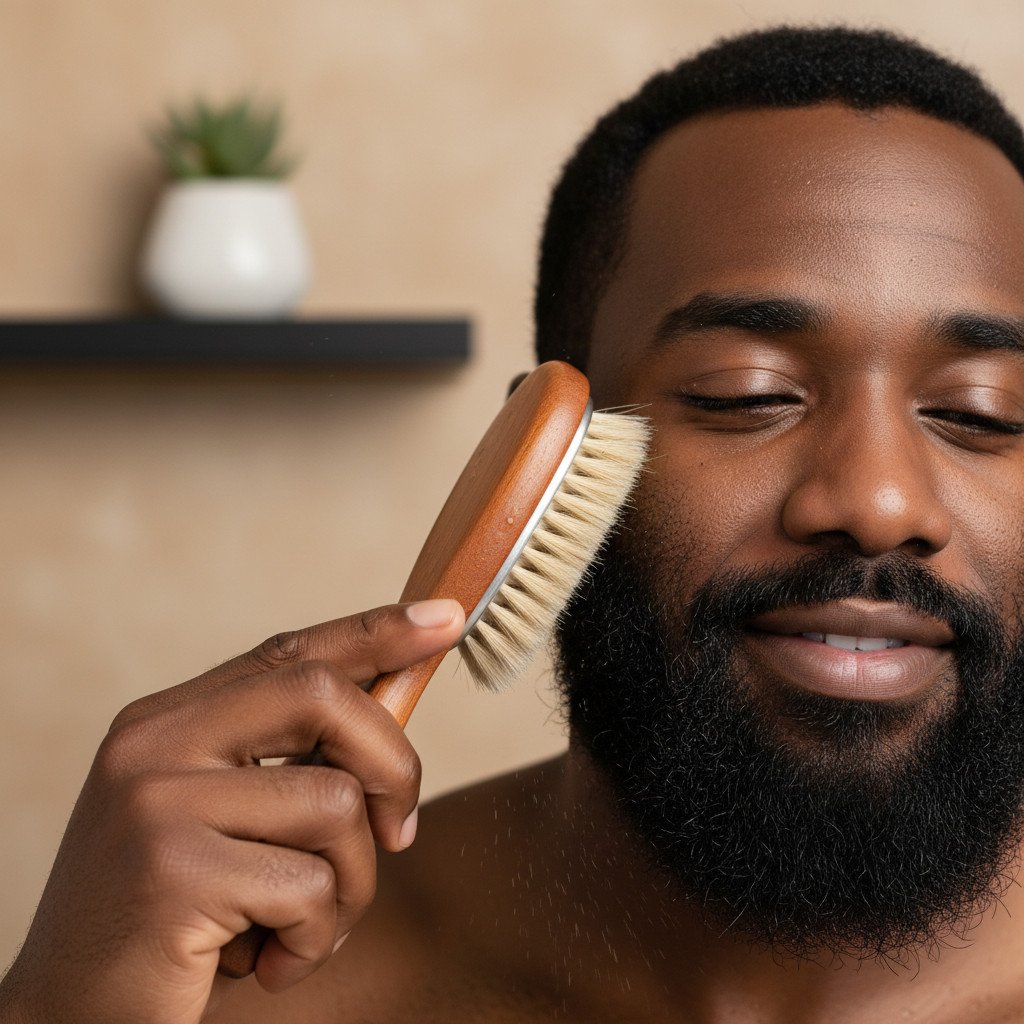
Use a soft-bristled boar bristle beard brush or a dedicated facial brush. Gently brush your beard in circular motions, ensuring the bristles reach the skin beneath. This helps to lift dead skin cells and stimulate circulation. Do this on a dry beard before washing, or during your beard wash with a damp brush.
Be gentle; aggressive brushing can irritate the skin and worsen dandruff. The goal is to loosen flakes, not to scrub them off forcefully. This physical action also helps to distribute natural oils from the skin down the beard shaft, which is beneficial for hair health.
Chemical Exfoliation (Optional, with caution):
For persistent flaking, a mild chemical exfoliant containing salicylic acid (BHA) can be beneficial. Salicylic acid is oil-soluble, meaning it can penetrate into pores and dissolve dead skin cells and excess sebum, making it excellent for oily, flaky skin. Use a salicylic acid-based cleanser or a leave-on treatment designed for sensitive facial skin.
Apply these products sparingly, 1-2 times a week, and always follow with a moisturizer. Patch test first to ensure no irritation. Avoid combining chemical exfoliants with other strong active ingredients like retinoids or harsh medicated washes, as this can lead to over-exfoliation and increased sensitivity. If you’re experiencing persistent itch, understanding its causes can be found at Beard Itch in Black Men: Causes and Solutions.
Regular exfoliation, whether physical or chemical, is a game-changer for beard dandruff. It ensures that your skin’s surface is clear, allowing healthy cell turnover and preventing the accumulation of flakes. This step is particularly important for Black men, whose hair texture can sometimes make it harder for natural exfoliation to occur.
Incorporating these weekly practices into your routine will significantly enhance the health of your beard and the skin beneath. It’s about proactive care that addresses the root causes of dandruff, leading to a consistently clean, comfortable, and well-groomed beard.
Remember that consistency is the bedrock of any effective grooming routine. Skipping weekly exfoliation or inconsistent washing can undo the progress made with daily care. Treat your weekly routine as a vital maintenance schedule for your beard and skin.
Consider the environment you live in and your daily activities. If you work outdoors or in dusty conditions, more frequent washing and exfoliation might be necessary. Adjust your routine based on your lifestyle and how your skin responds.
The health of your beard is intricately linked to the health of your scalp and hair. If you’re experiencing similar issues on your scalp, exploring resources like Hair & Scalp Health for Black Men and Dandruff in Black Men can provide additional insights and complementary solutions. Addressing dandruff holistically across all hair-bearing areas can lead to better overall results.
Table: Symptom → likely cause → what to do
| Symptom | Likely Cause | What to Do |
|---|---|---|
| Small, fine, white flakes; skin feels tight; mild itch. | Dry Skin (Xerosis) | Increase beard oil/balm application. Use a hydrating beard wash/conditioner. Reduce hot water exposure. |
| Larger, oily, yellowish flakes; red, inflamed skin; intense itch; greasy feel. | Seborrheic Dermatitis | Use medicated beard wash (pyrithione zinc, salicylic acid) 2-3x/week. Gentle exfoliation. Avoid heavy, pore-clogging products. |
| Itch without visible flakes; redness; small bumps. | Product Buildup / Irritation | Rinse beard thoroughly daily. Ensure all product is washed out. Switch to fragrance-free, natural ingredient products. |
| Persistent itch, redness, and pus-filled bumps. | Folliculitis (Beard Bumps) | Consult a dermatologist. Use antibacterial wash. Avoid picking. Consider gentle exfoliation. |
| Beard hair feels brittle, breaks easily; skin dry. | Lack of Moisture / Nutrient Deficiency | Increase deep conditioning. Use leave-in balms. Ensure balanced diet. Consider a multivitamin. |
| Flakes only after washing; skin feels tight. | Harsh Cleanser / Over-washing | Switch to sulfate-free, gentle beard wash. Reduce washing frequency. Use lukewarm water. |
| Flakes primarily around mouth/nose area. | Combination of factors, possibly seborrheic dermatitis. | Targeted application of medicated wash/oil to affected areas. Ensure thorough rinsing. |
This table provides a quick reference for diagnosing and addressing common beard-related skin issues. By accurately identifying your symptoms, you can apply the most effective remedies and achieve relief.
It’s important to remember that skin conditions can sometimes present with overlapping symptoms. If your symptoms are severe, persistent, or worsen despite following these recommendations, seeking professional medical advice from a dermatologist is always the best course of action.
Self-assessment is a powerful tool, but a professional diagnosis can provide clarity and access to prescription-strength treatments if needed. Don’t hesitate to consult an expert if you’re struggling to find relief on your own.
Understanding the nuances of your symptoms empowers you to take control of your beard health. This proactive approach is a hallmark of elevated self-mastery in grooming. Every man deserves a comfortable, confident beard.
Final Thoughts
Conquering beard dandruff, whether it’s simple dry skin or seborrheic dermatitis, is a journey that requires consistency, understanding, and the right products. It’s not about quick fixes, but about establishing a sustainable routine that respects the unique needs of your skin and beard. By focusing on gentle cleansing, targeted hydration, and regular exfoliation, you can transform your beard from a source of irritation into a testament to meticulous grooming.
Remember, the health of your beard is inextricably linked to the health of the skin beneath it. Invest in quality products, pay attention to your body’s signals, and don’t shy away from seeking professional advice if needed. A well-maintained beard is a reflection of self-care and confidence, and with this comprehensive guide, you’re well-equipped to achieve just that.
For those just starting their beard journey, a solid foundation is key; consider our Beginner Beard Care Routine for Black Men. If you’re also dealing with dry scalp, insights from Dry Scalp in Black Men can be beneficial. And for overall grooming excellence, explore Black Men Grooming Lifestyle to elevate your entire regimen.
Frequently Asked Questions
What is the main cause of beard dandruff in Black men?
The main cause is usually a skin condition called seborrheic dermatitis, which is an inflammatory response to an overgrowth of a common yeast on the skin. It can also be caused by simple dry skin, product buildup, or harsh grooming practices. The unique texture of Black men’s beard hair can sometimes exacerbate these issues by trapping dead skin cells and oils.
How often should I wash my beard if I have dandruff?
If you have beard dandruff, you should wash your beard with a specialized, gentle beard wash 2-3 times per week. Daily rinsing with water is fine, but over-washing with shampoo can strip natural oils, while under-washing allows buildup. Adjust frequency based on your skin’s response and activity level.
Can beard oil make dandruff worse?
If you have seborrheic dermatitis, some heavy or comedogenic beard oils can potentially worsen the condition by feeding the yeast that thrives in oily environments. It’s crucial to choose non-comedogenic oils like jojoba or grapeseed and ensure they are massaged into the skin, not just coated on the hair. If you have dry skin, beard oil is highly beneficial.
What ingredients should I look for in a beard wash for dandruff?
For seborrheic dermatitis, look for active ingredients like pyrithione zinc, salicylic acid, or selenium sulfide. These are antifungal and anti-inflammatory. For general dry skin dandruff, opt for sulfate-free, gentle washes with hydrating ingredients like aloe vera, glycerin, or natural oils. Always choose products specifically formulated for facial hair and skin.
Is exfoliation necessary for beard dandruff?
Yes, gentle exfoliation is crucial. It helps remove dead skin cells, prevents clogged pores, and allows treatments to penetrate more effectively. You can use a soft boar bristle brush for physical exfoliation 1-2 times a week, or a mild chemical exfoliant like salicylic acid, applied sparingly and with caution. Avoid aggressive scrubbing, which can irritate the skin.
How long does it take to get rid of beard dandruff?
With a consistent and targeted routine, you can often see significant improvement in beard dandruff within 2-4 weeks. However, complete resolution and prevention of recurrence require ongoing maintenance. Seborrheic dermatitis is a chronic condition that can be managed but often requires continuous care to keep symptoms at bay.
Can diet affect beard dandruff?
While diet is not a direct cause, an unhealthy diet lacking essential nutrients can impact overall skin health, potentially exacerbating dandruff. Ensuring adequate intake of Omega-3 fatty acids, B vitamins, and zinc can support healthy skin and hair. Reducing inflammatory foods and maintaining hydration can also contribute to better skin health under your beard.