
Beard Itch in Black Men: The Fast Fix (and the Routine That Prevents It)
Beard itch is more than an annoyance; it’s a disruption to confidence and comfort. For Black men, the unique characteristics of our hair and skin often amplify this common issue. While many dismiss it as merely ‘new growth,’ persistent beard itch is a clear signal from your skin and hair follicles that something is amiss. It’s rarely just a phase; it’s a symptom.
Understanding the root causes is the first step toward lasting relief. This isn’t about quick fixes that leave you scratching again tomorrow. This is about a strategic approach, combining immediate relief with a sustainable routine. We’ll cut through the noise and provide actionable steps to eliminate the discomfort and maintain a healthy, thriving beard.
Achieving a distinguished beard requires more than just letting it grow. It demands intentional care, particularly when addressing common issues like irritation. Mastering beard care for Black men means understanding your unique follicular structure and skin needs. This guide provides the blueprint.
Beard itch is usually dryness + irritated skin, not “new growth”
The myth that beard itch is solely a sign of ‘new growth’ is pervasive, yet largely inaccurate. While some initial discomfort can occur as hairs push through the skin, persistent, intense itching signals deeper issues. For Black men, our hair follicles are often curved, leading to a higher propensity for ingrown hairs when not properly managed. This, combined with skin that can be prone to dryness, creates a perfect storm for irritation.
Understanding this distinction is crucial. True ‘new growth’ itch is typically mild and transient. Chronic, severe itching, often accompanied by flaking, redness, or bumps, points to underlying dermatological concerns or improper grooming practices. Ignoring these signals can lead to more serious conditions, including folliculitis or exacerbated dryness, which can compromise the health and appearance of your beard.
The primary culprits behind persistent beard itch are almost always a combination of skin dryness and irritation. Your facial skin, often neglected beneath the beard, requires consistent hydration and protection. When this skin becomes dry, it loses its natural barrier function, making it susceptible to irritation from environmental factors, harsh products, or even the friction of the beard itself. Furthermore, the beard hairs themselves can become dry and brittle, leading to a rough texture that irritates the underlying skin.
Beyond dryness, irritation can stem from various sources. Using harsh soaps or shampoos designed for scalp hair can strip natural oils, leaving both skin and beard parched. Accumulation of dead skin cells, sweat, and product residue can clog pores and hair follicles, leading to inflammation and itching. Even the simple act of shaving or trimming, if done incorrectly, can introduce micro-abrasions that become irritated. Recognizing these factors allows for targeted intervention, moving beyond temporary relief to genuine, long-term solutions.
It’s important to differentiate between general dryness and specific skin conditions. While dryness is common, conditions like seborrheic dermatitis (often presenting as beard dandruff) or contact dermatitis (an allergic reaction to a product) can also cause intense itching. These conditions require specific approaches, though many of the foundational principles of proper beard care will still apply. Addressing the root cause, whether it’s simple dehydration or a more complex inflammatory response, is paramount for lasting comfort and a healthy beard.
The fast fix (what to do today)
When beard itch strikes with intensity, immediate relief is the priority. These three actions are designed to provide rapid comfort and begin the process of calming irritated skin. They are not long-term solutions on their own, but crucial first steps to alleviate acute discomfort. Do this first to stop the immediate cycle of irritation and scratching.
1. Gentle Wash and Deep Condition
The first step is to cleanse your beard thoroughly but gently. Many men make the mistake of using harsh facial cleansers or regular hair shampoo, which can strip natural oils and exacerbate dryness. Instead, opt for a specialized beard wash. These products are formulated to clean without stripping, preserving the essential moisture barrier of your skin and hair.
Use lukewarm water, not hot, as hot water can further dry out your skin. Apply a small amount of beard wash, lather gently, and massage it into your beard and the underlying skin. Pay particular attention to the skin, as this is often where residue and dead cells accumulate. Rinse thoroughly to ensure no product is left behind, which can itself cause irritation.
Immediately follow with a dedicated beard conditioner. A good conditioner will help to rehydrate the hair shafts, making them softer and less abrasive against your skin. It also helps to soothe the skin itself. Apply the conditioner generously, ensuring it reaches the skin beneath the beard. Leave it on for 2-3 minutes, allowing the ingredients to penetrate and work their magic. Rinse with cool water to help seal the hair cuticles and calm the skin.
This initial wash and condition serves a dual purpose: it removes any irritants or accumulated debris that might be contributing to the itch, and it immediately infuses much-needed moisture back into the beard and skin. This foundational step prepares your beard for the subsequent soothing treatments and is critical for breaking the immediate itch cycle. Remember, consistency in this gentle approach is key, even when not experiencing acute itch.
2. Apply a High-Quality Beard Oil
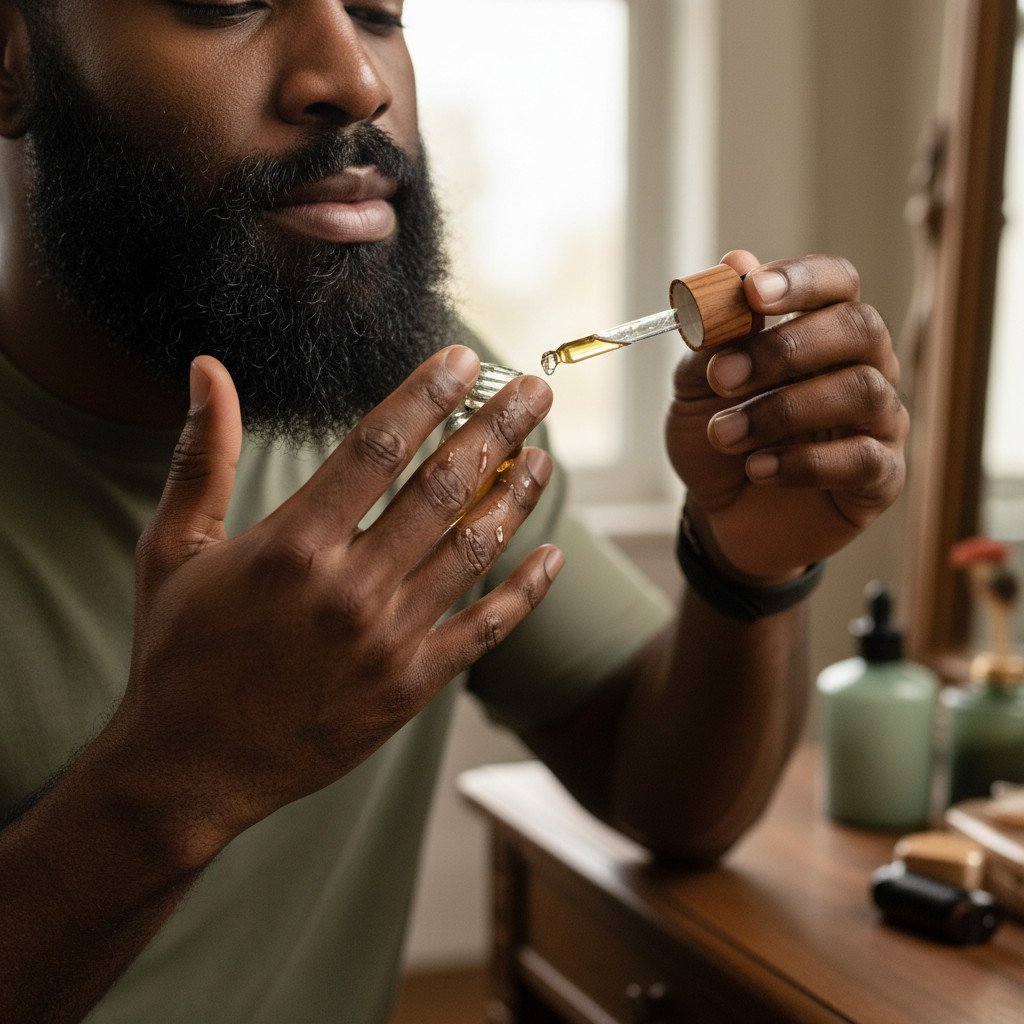
Once your beard is clean and towel-dried, but still slightly damp, the next crucial step is to apply a high-quality beard oil. This is arguably the single most effective immediate remedy for beard itch caused by dryness. Beard oil is designed to mimic the natural sebum produced by your skin, providing essential hydration and nutrients directly to both the beard hair and the underlying skin.
Choose an oil with natural ingredients like jojoba, argan, sweet almond, or grapeseed oil. These oils are non-comedogenic, meaning they won’t clog pores, and are rich in vitamins and fatty acids that nourish and protect. Avoid oils with excessive artificial fragrances or alcohol, as these can further irritate sensitive skin. A good beard oil will absorb quickly without leaving a greasy residue.
Dispense a few drops into your palm—the exact amount depends on your beard length and thickness. Rub your hands together to distribute the oil evenly, then massage it thoroughly into your beard, ensuring it reaches the skin beneath. Use your fingertips to work the oil directly into the skin, paying attention to any particularly itchy or dry areas. This direct application to the skin is paramount, as the skin is the source of much of the itch.
Beard oil provides instant relief by creating a protective barrier, locking in moisture, and soothing irritated skin. It also softens the beard hairs, reducing friction and making them less likely to poke and irritate the skin as they grow. This immediate hydration and conditioning effect can significantly reduce the sensation of itchiness, allowing your skin to begin its healing process. Consistent application is vital for maintaining this relief and preventing recurrence.
3. Gently Comb with a Wide-Tooth Comb
After applying beard oil, the final immediate action is to gently comb your beard. This step is often overlooked but plays a vital role in distributing the oil evenly, detangling hairs, and preventing ingrown issues. Do not use a fine-tooth comb or a harsh brush when your beard is actively itching or irritated, as this can exacerbate the problem.
Opt for a high-quality, wide-tooth wooden comb or a specialized beard comb with smooth, rounded teeth. The goal is to gently guide the hairs, not to tug or pull. Start from the ends of your beard and work your way up towards the roots, slowly and carefully detangling any knots. This technique minimizes stress on the hair follicles and reduces the likelihood of breakage or further irritation to the skin.
Combing helps to evenly distribute the beard oil you just applied, ensuring that every hair strand and every part of the underlying skin receives the beneficial nutrients and hydration. It also helps to straighten the hairs, reducing the chances of them curling back and growing into the skin, a common cause of irritation and ingrown hairs for Black men. This is particularly important for coarser, curlier beard textures.
Furthermore, gentle combing can help to exfoliate the skin beneath the beard by dislodging loose skin flakes and dead skin cells. This clears the path for healthy hair growth and prevents pore blockages that can lead to itching and inflammation. This step should be performed with a light touch, focusing on smooth, downward strokes. The immediate effect is a more organized, softer beard and a further reduction in the sensation of itch, setting the stage for long-term prevention.
The routine that prevents itch (AM + PM)
Preventing beard itch is about consistency and a proactive approach. A structured morning and evening routine ensures your beard and the skin beneath receive continuous care, minimizing the conditions that lead to irritation. This isn’t just about applying products; it’s about establishing habits that foster a healthy beard environment.
AM Routine: 3 Steps to a Fresh Start
Your morning routine sets the tone for the day, protecting your beard from environmental stressors and maintaining hydration. Each step builds upon the last to ensure your beard remains comfortable and well-groomed.
- Rinse with cool water & pat dry: Start your day by rinsing your beard with cool or lukewarm water. There’s no need for a full wash every morning unless you’ve been particularly active or applied heavy products the night before. A simple rinse helps to refresh the beard, remove any loose flakes, and stimulate blood flow to the skin. Avoid hot water, as it can strip natural oils and contribute to dryness. Gently pat your beard dry with a clean, soft towel. Do not rub vigorously, as this can cause frizz and irritation. Leave it slightly damp to prepare for the next step.
- Apply beard oil or light beard balm: With your beard still slightly damp, apply your chosen beard oil or a light beard balm. This step is critical for locking in moisture and providing a protective barrier throughout the day. For shorter beards or those prone to oiliness, a lighter oil might be preferred. For longer, coarser beards, a balm can offer more hold and conditioning. Dispense a few drops of oil or a small amount of balm into your palms, emulsify, and work it thoroughly into your beard, ensuring it reaches the skin beneath. This daily application keeps the skin hydrated and the hair soft, reducing friction and preventing dryness-induced itch.
- Comb or brush gently: After applying your product, gently comb or brush your beard into place. For this, a boar bristle beard brush is excellent for distributing natural oils and products evenly, exfoliating the skin, and training the beard hairs. For detangling, a wide-tooth comb is still preferred. This step helps to prevent tangles, reduce ingrown hairs, and shape your beard for the day. Consistent brushing or combing also helps to keep the beard neat and prevents hairs from poking the skin, which can lead to irritation.
PM Routine: 2 Steps for Overnight Restoration
Your evening routine is focused on deep cleansing, nourishment, and repair, allowing your beard and skin to recover overnight from the day’s exposure. This restorative process is essential for preventing future itch and maintaining overall beard health.
- Wash (2-3 times/week) & condition (daily or every other day): The frequency of washing depends on your activity level, environment, and beard type. Generally, washing your beard with a dedicated beard wash 2-3 times per week is sufficient. Over-washing can strip natural oils. On wash days, use lukewarm water and gently massage the wash into your beard and skin, then rinse thoroughly. Follow every wash with a beard conditioner, leaving it on for a few minutes before rinsing with cool water. On non-wash evenings, a simple rinse with cool water is usually enough to remove surface dirt. Conditioning, however, can be done daily or every other day, especially if your beard is prone to dryness, to keep it soft and manageable.
- Apply beard butter or heavier oil: Before bed, apply a nourishing beard butter or a heavier beard oil. Beard butter provides deeper conditioning and moisture, often containing shea butter or cocoa butter, which are excellent for sealing in hydration. This overnight treatment allows the ingredients to deeply penetrate the hair and skin, repairing any damage and preventing dryness that can lead to morning itch. Work the product thoroughly into your beard and down to the skin. This deep nourishment is vital for maintaining a soft, healthy beard and preventing the cycle of dryness and irritation.
Table: When the itch happens → what it usually means → what to change
| When the Itch Happens | What It Usually Means | What to Change in Your Routine |
|---|---|---|
| New growth, especially first few weeks | Hairs breaking through skin; minor irritation. | Ensure consistent daily moisturizing with beard oil; gentle combing to guide hair. |
| Constant, all-day itch; beard feels dry/stiff | Severe dryness of skin and hair; lack of hydration. | Increase frequency/amount of beard oil/butter; use a hydrating beard wash/conditioner. |
| Itch with flakes, redness, or bumps | Skin irritation, possibly seborrheic dermatitis or folliculitis. | Consult a dermatologist; use anti-fungal beard wash; improve hygiene; avoid harsh products. |
| Itch after using a new product | Allergic reaction or sensitivity to ingredients. | Discontinue new product immediately; revert to known gentle products; patch test new items. |
| Itch after trimming or shaving neckline | Ingrown hairs, razor bumps, or micro-cuts. | Use proper shaving technique; apply aftershave balm; exfoliate gently; consider a closer look at your razor bumps prevention. |
| Itch in hot, humid weather or after sweating | Product buildup, sweat, or bacterial growth. | Rinse beard more frequently; ensure thorough drying; use lighter products; consider a clarifying beard wash. |
| Itch that worsens at night | Dry air in bedroom; accumulation of irritants; nighttime scratching. | Use a humidifier; ensure nightly moisturizing; consider cotton pillowcases; review evening cleansing. |
Understanding the Science Behind Beard Itch
To truly conquer beard itch, it’s essential to move beyond surface-level solutions and understand the underlying physiological mechanisms at play. For Black men, the unique structure of our hair and skin makes us particularly susceptible to certain types of irritation. Our hair follicles are often curved or helical, meaning the hair shaft grows out of the skin at an angle and tends to curl back towards the skin as it grows. This characteristic contributes significantly to issues like ingrown hairs and pseudofolliculitis barbae (razor bumps), which can manifest as intense itching.
The skin beneath the beard is also a critical factor. It’s a living organ, constantly shedding and regenerating cells. When this process is disrupted, or when the skin’s natural barrier function is compromised, irritation ensues. Dryness, inflammation, and microbial imbalances are common culprits. The skin’s microbiome, a complex community of bacteria and fungi, can also play a role; an overgrowth of certain microbes, like the yeast Malassezia, can lead to conditions like seborrheic dermatitis, characterized by itching and flaking.
Furthermore, the sebaceous glands, which produce natural oils (sebum) to lubricate the skin and hair, can become overwhelmed or underactive. If they produce too little sebum, the skin and beard become dry. If they produce too much, or if the sebum mixes with dead skin cells and product residue, it can clog pores, leading to inflammation and itching. Understanding this intricate interplay between hair structure, skin health, and microbial balance is foundational to developing an effective, long-term strategy against beard itch.
The Role of Hair Follicle Structure
The unique morphology of hair follicles in Black men is a primary contributor to beard itch and related skin issues. Unlike straight hair, which typically grows in a relatively straight path from the follicle, kinky or coiled hair emerges from follicles that are often curved or C-shaped. This curvature means the hair shaft itself is not perfectly round but often elliptical or flattened. As these hairs grow, their natural tendency is to curl back towards the skin surface. This characteristic is a double-edged sword: it creates the desired texture and volume in a beard, but it also increases the risk of the hair re-entering the skin, leading to ingrown hairs.
When a hair curls back and penetrates the skin, the body perceives it as a foreign object, triggering an inflammatory response. This response manifests as redness, swelling, and, critically, intense itching. This phenomenon is known as pseudofolliculitis barbae (PFB), or razor bumps, and it’s not limited to shaved areas; it can occur within the beard itself if hairs are cut too short or if the skin is not properly prepared for growth. The constant friction of these ingrown hairs against nerve endings in the skin is a major source of discomfort. Proper grooming techniques, including gentle combing and moisturizing, are essential to guide these hairs away from the skin and minimize their tendency to ingrow.
Skin Barrier Function and Hydration
The skin beneath your beard acts as a protective barrier, shielding your body from environmental aggressors and preventing excessive water loss. This barrier is composed of lipids, proteins, and skin cells that work in concert to maintain hydration and integrity. When this barrier is compromised, either by harsh cleansing agents, environmental factors, or underlying skin conditions, its ability to retain moisture diminishes. This leads to dry, flaky, and often intensely itchy skin.
For many Black men, the skin can be naturally prone to dryness, a factor exacerbated by climatic conditions or improper product use. Products containing alcohol, sulfates, or strong fragrances can strip the skin of its natural oils, further weakening the barrier. Once the skin is dry and compromised, it becomes more susceptible to irritation from the beard hairs themselves, as well as from bacteria and fungi. Maintaining optimal skin hydration is not just about comfort; it’s about preserving the skin’s natural defenses. Emollients and humectants found in quality beard oils and balms play a crucial role in replenishing lost moisture and strengthening this vital barrier, thereby reducing the sensation of itch and promoting overall skin health.
Microbial Balance and Inflammation
Your skin is home to a vast ecosystem of microorganisms, collectively known as the skin microbiome. While many of these microbes are beneficial, an imbalance can lead to various skin conditions, including those that cause beard itch. One common culprit is Malassezia, a type of yeast that naturally resides on the skin. Under certain conditions, such as increased sebum production, humidity, or compromised skin barrier, Malassezia can overgrow, leading to seborrheic dermatitis. This condition is characterized by red, itchy, flaky patches, often referred to as beard dandruff, and is a significant cause of persistent beard itch.
Beyond fungal overgrowth, bacterial imbalances can also contribute to inflammation and itching. Folliculitis, for instance, occurs when hair follicles become infected with bacteria (often Staphylococcus aureus), leading to red, tender, pus-filled bumps that are intensely itchy. These infections can be triggered by improper shaving, clogged pores, or a weakened skin barrier. Managing the skin’s microbial balance involves gentle cleansing, avoiding harsh products that disrupt the natural flora, and in some cases, using targeted anti-fungal or antibacterial treatments under the guidance of a dermatologist. A healthy microbiome is essential for a calm, itch-free beard and skin.
Common Misconceptions About Beard Itch
Dispelling common myths about beard itch is as important as implementing a solid grooming routine. Many men endure unnecessary discomfort because of widespread but incorrect beliefs. Understanding what beard itch is not can save you time, money, and frustration.
Myth 1: It’s just part of growing a beard.
While some initial mild itch can occur as new hairs emerge, persistent, intense itch is not a normal or inevitable part of beard growth. It’s a signal that something needs attention. True ‘new growth’ itch is usually transient and manageable. Chronic itching indicates underlying issues like dryness, irritation, or skin conditions. Accepting it as ‘normal’ delays addressing the real problem.
Myth 2: Any moisturizer will do.
Using body lotion or facial moisturizer not specifically formulated for beards can actually worsen the problem. These products may contain ingredients that are too heavy, clog pores, or are not designed to penetrate coarse beard hair to reach the skin effectively. They might also contain fragrances or chemicals that irritate sensitive facial skin. Dedicated beard oils and balms are formulated with non-comedogenic, nourishing ingredients that cater to both beard hair and the delicate facial skin beneath.
Myth 3: Washing your beard more often will stop the itch.
Over-washing, especially with harsh shampoos or soaps, can strip your beard and skin of essential natural oils, leading to increased dryness and irritation. While cleanliness is important, excessive washing can exacerbate the very problem you’re trying to solve. Stick to a specialized beard wash 2-3 times a week, and rinse with water on other days. Balance is key.
Myth 4: Scratching helps.
Scratching provides temporary relief but ultimately makes the itch worse. It can damage the skin barrier, create micro-abrasions, and introduce bacteria, leading to further irritation, inflammation, and even infection. Breaking the scratch-itch cycle is crucial. Focus on soothing the skin with proper products rather than resorting to scratching.
Myth 5: Beard itch means your beard is dirty.
While poor hygiene can contribute to itch by allowing product buildup, dead skin, and sweat to accumulate, a clean beard can still itch due to dryness, skin conditions, or product sensitivities. Itch isn’t solely a sign of dirt; it’s a complex symptom with multiple potential causes, many of which are related to hydration and skin health rather than just cleanliness.
Advanced Strategies for Persistent Itch
When the standard routine isn’t quite enough, or if your beard itch proves particularly stubborn, it’s time to consider more advanced strategies. These approaches delve deeper into product selection, environmental factors, and when to seek professional guidance.
Product Ingredient Deep Dive
Not all beard products are created equal, and understanding their ingredients is paramount, especially for sensitive skin. When selecting beard oils, balms, and washes, look for ingredients that are known for their soothing, hydrating, and anti-inflammatory properties. For example, jojoba oil closely mimics the skin’s natural sebum, making it highly compatible and less likely to cause irritation. Argan oil is rich in Vitamin E and antioxidants, promoting skin healing and reducing inflammation. Sweet almond oil is a gentle emollient that softens hair and moisturizes skin. Grapeseed oil is lightweight and non-comedogenic, ideal for those prone to breakouts.
Conversely, be vigilant about ingredients that can exacerbate itch. Sulfates (like Sodium Lauryl Sulfate) are common in many shampoos and can strip natural oils, leading to dryness. Alcohols (especially denatured alcohol) can be highly drying. Strong artificial fragrances, while pleasant, are a common source of contact dermatitis for sensitive individuals. Even certain essential oils, while natural, can be potent allergens for some. Always perform a patch test with new products on a small area of skin before full application, especially if you have a history of sensitivity or sensitive skin.
Environmental Factors and Lifestyle Adjustments
Your environment and daily habits play a significant role in beard health. Dry indoor air, especially during winter months or in air-conditioned environments, can wick moisture away from your beard and skin, leading to dryness and itch. Using a humidifier in your bedroom can make a noticeable difference by adding moisture back into the air, helping your skin and beard stay hydrated overnight. Similarly, exposure to harsh winds or excessive sun can dry out your beard; consider protective measures like wearing a scarf or using a beard balm with some protective qualities.
Diet and hydration are also crucial. What you put into your body reflects on your skin and hair. Ensure you’re drinking adequate water throughout the day to support overall hydration. A diet rich in omega-3 fatty acids (found in fish, flaxseed, walnuts) can promote healthy skin and hair. Stress management is another often-overlooked factor; stress can trigger or worsen various skin conditions, including eczema and seborrheic dermatitis, both of which cause itching. Incorporating stress-reducing activities like exercise, meditation, or sufficient sleep can indirectly contribute to a healthier, itch-free beard.
When to Consult a Dermatologist
While most cases of beard itch can be resolved with diligent home care, there are instances when professional medical advice is necessary. If your beard itch is persistent, severe, accompanied by significant redness, swelling, pus-filled bumps, or open sores, it’s time to see a dermatologist. These symptoms could indicate underlying conditions such as severe folliculitis, seborrheic dermatitis, eczema, or even a fungal infection that requires prescription-strength treatment.
A dermatologist can accurately diagnose the specific cause of your itch and recommend targeted treatments, which might include medicated shampoos, topical corticosteroids, anti-fungal creams, or antibiotics. They can also provide personalized advice based on your skin type and medical history. Do not attempt to self-diagnose or treat severe skin conditions with over-the-counter products without professional guidance, as this can sometimes worsen the problem or delay effective treatment. Early intervention can prevent chronic issues and ensure the long-term health of your beard and skin.
The Link Between Beard Itch and Other Beard Issues
Beard itch rarely exists in isolation. It’s often a precursor or companion to other common beard problems, particularly for Black men. Understanding these connections allows for a more holistic approach to beard care, addressing multiple issues simultaneously and preventing a cascade of discomfort.
Beard Itch and Beard Dandruff (Seborrheic Dermatitis)
The relationship between beard itch and beard dandruff is incredibly strong, as they often stem from the same underlying cause: seborrheic dermatitis. This common skin condition is characterized by red, greasy, scaly patches, and intense itching, particularly in areas rich in sebaceous glands, like the face and scalp. The flakes associated with beard dandruff are essentially dead skin cells that have accumulated due to an accelerated skin cell turnover rate, often triggered by an overgrowth of the Malassezia yeast.
When the skin beneath the beard becomes inflamed and irritated by seborrheic dermatitis, the primary symptom is often severe itching. The flakes are a secondary manifestation. Therefore, addressing beard itch effectively often means treating the underlying seborrheic dermatitis. This typically involves using anti-fungal beard washes containing ingredients like ketoconazole or pyrithione zinc, alongside consistent moisturizing to soothe the inflamed skin and restore its barrier function. Ignoring the itch can lead to increased scratching, which further damages the skin and exacerbates the flaking and inflammation, creating a vicious cycle.
Beard Itch and Ingrown Hairs
As previously discussed, the curved nature of hair follicles in Black men makes ingrown hairs a prevalent issue, and ingrown hairs are a significant source of beard itch. When a hair curls back into the skin or fails to exit the follicle properly, it triggers an inflammatory response. This inflammation manifests as red, itchy, often painful bumps. The constant irritation from these trapped hairs can lead to chronic itching, especially in the early stages of beard growth or after trimming.
Preventing ingrown hairs is crucial for alleviating this type of itch. This involves proper grooming techniques, such as combing the beard regularly to guide hairs away from the skin, and ensuring the skin is well-hydrated and exfoliated. Gentle exfoliation helps remove dead skin cells that can trap hairs, while hydration keeps the skin supple, allowing hairs to grow out more easily. For existing ingrowns, avoid picking or squeezing, as this can lead to infection and scarring. Instead, focus on soothing the area with warm compresses and anti-inflammatory products, allowing the hair to emerge naturally. Consistent care for ingrown hairs directly translates to a reduction in beard itch.

Beard Itch and Product Sensitivity
Sometimes, the very products intended to care for your beard can be the cause of your itch. Product sensitivity or allergic reactions (contact dermatitis) can manifest as sudden, intense itching, redness, and sometimes even a rash or small bumps. This can occur with any ingredient, but common culprits include artificial fragrances, harsh preservatives, sulfates, and certain essential oils. The delayed nature of some reactions can make it difficult to pinpoint the exact product responsible.
If you experience new or worsening itch after introducing a new product, the first step is to discontinue its use immediately. To identify the offending ingredient, you might need to reintroduce products one by one, performing a patch test on a small, inconspicuous area of skin (like behind the ear or on the inner forearm) and waiting 24-48 hours for a reaction. Opting for fragrance-free, hypoallergenic products with minimal ingredients can significantly reduce the risk of product-induced itch. Always read ingredient labels carefully and prioritize natural, nourishing components over synthetic additives. Understanding beard oil vs balm vs butter can also help you select the right product for your skin’s needs.
The Long-Term Benefits of an Itch-Free Beard
Beyond immediate comfort, maintaining an itch-free beard offers a cascade of long-term benefits that extend to your overall appearance, confidence, and skin health. This isn’t just about avoiding discomfort; it’s about cultivating a thriving, distinguished beard that reflects elevated self-mastery.
Enhanced Beard Growth and Health
A beard that is constantly itching is a beard under stress. Chronic scratching can damage hair follicles, leading to breakage, thinning, and even impeding healthy growth. When the skin beneath your beard is inflamed and irritated, it creates an unhealthy environment for hair production. Follicles can become clogged, and the natural growth cycle can be disrupted. By eliminating itch, you allow your hair follicles to function optimally, promoting stronger, healthier, and potentially faster beard growth.
Furthermore, consistent hydration and nourishment, which are key to preventing itch, directly contribute to the overall health of your beard hairs. Well-moisturized hairs are less prone to dryness, brittleness, and split ends. They appear fuller, softer, and more lustrous. An itch-free routine ensures that your beard receives the essential nutrients and care it needs to reach its full potential, resulting in a beard that not only looks good but feels good too.
Improved Skin Health Underneath the Beard
The health of your beard is inextricably linked to the health of the skin beneath it. An itch-free beard signifies healthy, well-maintained facial skin. When you address the root causes of itch—dryness, inflammation, and irritation—you are simultaneously improving the condition of your skin. This means a stronger skin barrier, better hydration, reduced redness, and fewer breakouts or ingrown hairs. Consistent care helps prevent common issues like beard dandruff, folliculitis, and general skin sensitivity.
Long-term skin health under the beard also means a reduced risk of premature aging and a more even skin tone. Proper cleansing and moisturizing routines help to gently exfoliate, stimulate cell turnover, and protect against environmental damage. This holistic approach ensures that when you eventually trim or shave your beard, the skin revealed beneath is healthy, clear, and resilient, rather than dry, flaky, or irritated. It’s an investment in your overall facial health, not just your beard.
Boosted Confidence and Presence
Perhaps one of the most significant long-term benefits of an itch-free beard is the profound impact on your confidence and presence. A constantly itching beard is a distraction, drawing your attention away from tasks and interactions, and often leading to unconscious scratching or fidgeting. This can undermine your self-assurance and project an image of discomfort or lack of care.
Conversely, a well-maintained, comfortable, and itch-free beard allows you to carry yourself with greater poise and authority. You’re no longer preoccupied with discomfort, freeing your mind to focus on your goals and interactions. A healthy, distinguished beard becomes a source of pride, enhancing your overall appearance and contributing to a polished, confident demeanor. It’s a testament to your discipline and attention to detail, projecting an image of self-mastery that resonates in all aspects of your life. This elevated self-perception is invaluable, making the effort to maintain an itch-free beard a worthwhile endeavor.
Frequently Asked Questions
Frequently Asked Questions
Why is my beard itch worse at night?
Beard itch can worsen at night due to several factors. Dry indoor air, especially from heating or air conditioning, can dehydrate your skin and beard while you sleep. Additionally, accumulated irritants from the day, such as sweat or product residue, can become more noticeable when you’re still. Using a humidifier and ensuring a thorough evening routine with beard butter or a heavier oil can help.
Can diet affect beard itch?
Yes, your diet can indirectly impact beard itch. Proper hydration from drinking enough water is crucial for overall skin health. A diet rich in anti-inflammatory foods, omega-3 fatty acids (found in fish, flaxseed), and vitamins can promote healthy skin and hair, potentially reducing dryness and irritation that contribute to itch. Conversely, diets high in processed foods or sugars can sometimes exacerbate inflammatory skin conditions.
How often should I wash my beard to prevent itch?
To prevent itch, wash your beard with a dedicated beard wash 2-3 times per week. Over-washing, especially with harsh shampoos, can strip natural oils and lead to dryness, which causes itch. On non-wash days, a simple rinse with cool water is usually sufficient to refresh your beard without removing essential moisture. Always follow washing with a good beard conditioner and oil or butter.
Are there any natural remedies for beard itch?
Many natural ingredients are effective for beard itch. Jojoba oil, argan oil, and sweet almond oil are excellent natural moisturizers that mimic skin’s sebum. Aloe vera gel can provide soothing relief for irritated skin. Witch hazel is a natural astringent that can reduce inflammation. However, always ensure you’re using high-quality, pure versions of these remedies and patch test for sensitivities.
When should I see a doctor for beard itch?
You should consult a dermatologist if your beard itch is severe, persistent despite consistent home care, or accompanied by other concerning symptoms. These include significant redness, swelling, pus-filled bumps, open sores, or a rash. These could indicate underlying conditions like severe folliculitis, seborrheic dermatitis, or a fungal infection that requires professional medical diagnosis and treatment.
Can stress cause beard itch?
Stress can indeed contribute to or worsen beard itch. High stress levels can impact your immune system and trigger or exacerbate various skin conditions, including eczema and seborrheic dermatitis, both of which are common causes of beard itch. Managing stress through exercise, meditation, adequate sleep, and relaxation techniques can indirectly help improve your skin and beard health, reducing itch.
Is it okay to use regular hair shampoo on my beard?
No, it is generally not recommended to use regular hair shampoo on your beard. Scalp shampoos are often formulated with stronger detergents and sulfates designed to strip oil from scalp hair, which can be much coarser and oilier than beard hair. Using these on your beard can strip away natural oils, leading to excessive dryness, irritation, and increased itchiness for both your beard hair and the delicate facial skin beneath.
Shop beard conditioner on Amazon
Shop boar bristle beard brush on Amazon