
Beginner Beard Care Routine for Black Men: The First 30 Days (No Itch, No Flakes)
Starting a beard journey is a commitment. For Black men, this journey comes with its own set of considerations. Our hair texture, prone to dryness and ingrown hairs, demands a strategic approach from day one. This guide cuts through the noise, providing a direct, actionable 30-day plan to cultivate a healthy, itch-free beard.
This isn’t about quick fixes or unrealistic promises. It’s about building foundational habits that lead to lasting results. We combine time-tested barbershop wisdom with modern understanding of hair and skin health. Expect clarity, practical steps, and a path to a beard you’re proud to wear.
Understanding the unique needs of our hair is the first step. This routine is designed to address common challenges head-on, ensuring your beard growth is comfortable and confident. For a deeper dive into overall beard health, explore our comprehensive resource on Beard care for Black men.
Why most beard routines fail Black men
Many generic beard care routines overlook the specific characteristics of Black men’s facial hair and skin. Our hair is often coarse, curly, and prone to significant shrinkage. This unique structure can lead to a host of issues if not properly managed, making the initial stages of beard growth particularly challenging.
One primary issue is dryness. The natural oils produced by the skin, sebum, struggle to travel down the tightly coiled hair shaft. This leaves the beard hair and the skin beneath it parched, leading to flaking, irritation, and a dull appearance. Without adequate moisture, beard hair becomes brittle and prone to breakage.
Another common problem is irritation at the skin under the beard. The curling nature of our hair increases the likelihood of ingrown hairs, especially during the early growth phases. When hair curls back into the skin, it can cause painful bumps, inflammation, and itching. This discomfort often leads men to abandon their beard growth efforts prematurely.
Furthermore, many products on the market contain harsh chemicals, sulfates, and alcohols that strip natural oils, exacerbating dryness and irritation. These ingredients are particularly detrimental to coarse, curly hair, which requires gentle, nourishing formulations. Understanding these pitfalls is crucial for selecting the right products and establishing an effective routine.
Ignoring these specific needs results in a cycle of discomfort and frustration. A beard that constantly itches, flakes, or feels rough is not a source of pride. It becomes a burden. This is why a tailored approach, focusing on hydration, gentle cleansing, and proper technique, is not just beneficial but essential for Black men embarking on a beard journey.
The 30-day beard plan (what to do first)
The first 30 days are critical for establishing healthy habits and mitigating common issues like itch and flakes. This period sets the foundation for long-term beard health and growth. We break this down into two distinct phases, each with a specific focus.
Weeks 1–2: Focus on Cleanse, Hydrate, and Combat Itch
During the initial two weeks, your primary goal is to keep the skin under your burgeoning beard clean and well-hydrated. This is when the dreaded beard itch is most prevalent as new hairs push through the skin. Do this first: Commit to daily cleansing and moisturizing.
Your beard will be short, but the skin beneath it needs attention. Regular, gentle washing removes dead skin cells and environmental impurities that can contribute to itching and irritation. Following up with a high-quality moisturizer is non-negotiable to prevent dryness and maintain skin barrier integrity.
This phase is also about observation. Pay attention to how your skin reacts to products. If you experience excessive redness or persistent irritation, adjust your product choices. The aim is comfort and cleanliness, preparing the ground for more substantial growth.
Weeks 3–4: Focus on Nourishment, Training, and Protection
As your beard gains a bit more length in weeks three and four, the focus shifts to deeper nourishment and beginning to train the hair. The itch should subside significantly by now, replaced by a desire to manage and shape your growing beard. Do this first: Introduce beard oil and begin gentle brushing.
Beard oil becomes a staple, providing essential nutrients and moisture directly to the hair follicles and strands. This helps soften the beard, reduce frizz, and give it a healthy sheen. Brushing, done correctly, helps distribute these oils and gently trains the hair to grow in a desired direction, minimizing ingrowns.
Protection, especially during sleep, also becomes important. Preventing friction and moisture loss overnight contributes significantly to overall beard health. This phase is about building resilience and preparing your beard for continued growth and styling.
Daily routine (AM) — 3 steps
Your morning routine sets the tone for your beard’s health and appearance throughout the day. Consistency is key. These three steps are designed to cleanse, moisturize, and protect your beard, ensuring it looks its best and feels comfortable.
Cleanse (Gentle Wash)
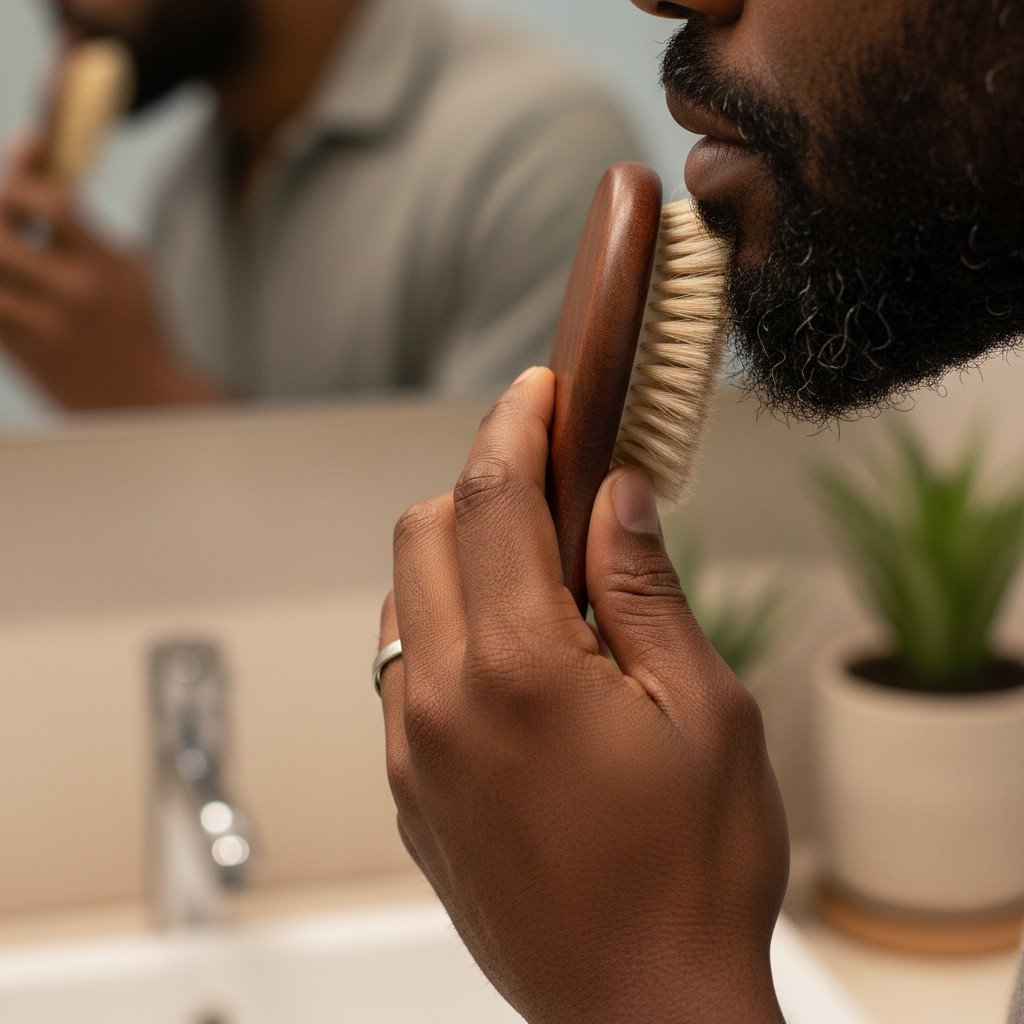
Start your day by gently cleansing your beard. This removes any overnight product residue, dead skin cells, and environmental pollutants. Use lukewarm water, not hot, to avoid stripping natural oils. Apply a small amount of a specialized beard wash, lathering gently into your beard and the skin beneath. Rinse thoroughly until no suds remain. This step is crucial for preventing clogged pores and maintaining a fresh foundation. Remember, harsh soaps can dry out your beard, so choose a product formulated for facial hair.
Moisturize (Beard Oil)
Immediately after cleansing, while your beard is still slightly damp, apply beard oil. This is a critical step for hydration and nourishment. Dispense 3-5 drops of beard oil into your palms, rub them together, and then massage the oil deeply into your beard, ensuring it reaches the skin underneath. This step replenishes moisture, reduces itch, and provides essential vitamins for healthy hair growth. Regular application of beard oil helps soften the hair and gives it a natural luster.
Style/Protect (Beard Balm or Butter)
Once the beard oil has absorbed, apply a small amount of beard balm or butter. This product provides a light hold for styling, helps seal in moisture, and offers an extra layer of protection against environmental elements. Rub a pea-sized amount between your palms until it melts, then distribute evenly through your beard, shaping it as desired. This step also helps to tame flyaways and gives your beard a well-groomed appearance. For those with shorter beards, a balm can help train the hairs to lie flat.
Daily routine (PM) — 2 steps
Your evening routine is focused on repair, deep hydration, and protection while you sleep. This ensures your beard remains healthy and resilient, preparing it for the next day. These two steps are simple yet highly effective.
Moisturize (Beard Oil or Leave-in Conditioner)
Before bed, re-hydrate your beard and the skin beneath. You can use your beard oil again, or for deeper conditioning, consider a leave-in beard conditioner. Apply 3-5 drops of beard oil or a small amount of leave-in conditioner, massaging it thoroughly into your beard and down to the roots. This overnight hydration helps to repair any damage from the day, keeps the hair soft, and prevents dryness that can lead to itching and flaking. This is particularly important for coarse, curly hair that tends to lose moisture quickly.
Protect (Satin Pillowcase or Durag)
Protecting your beard while you sleep is crucial to prevent friction, breakage, and moisture loss. Cotton pillowcases can absorb moisture from your beard and create friction, leading to frizz and damage. Invest in a satin pillowcase or wear a satin durag. A satin surface allows your beard to glide smoothly, retaining its natural moisture and preventing tangles. This simple step makes a significant difference in maintaining the health and integrity of your beard over time. This protection is especially vital during the initial growth phase when hair is more delicate.
Weekly routine — 3 habits
Beyond the daily regimen, certain weekly habits are essential for maintaining optimal beard health, especially for Black men. These practices address deeper cleansing, exfoliation, and maintenance, ensuring your beard continues to thrive.
Wash Schedule (Deep Cleanse)
While daily rinsing is good, a deeper wash with a dedicated beard shampoo is necessary 1-2 times per week. This removes buildup from products, dead skin, and environmental impurities that daily rinsing might miss. Over-washing can strip natural oils, so find a balance that works for your beard type. If your beard feels dry or brittle after washing, you might be washing too frequently or using too harsh a product. For more detailed guidance, refer to our article on beard wash frequency for Black men.
Gentle Exfoliation Under Beard
Even with regular washing, dead skin cells can accumulate under the beard, leading to itching and flakes. Once a week, gently exfoliate the skin beneath your beard. You can use a soft-bristled beard brush or a dedicated facial scrub designed for sensitive skin. Be gentle; aggressive scrubbing can cause irritation. This practice helps prevent ingrown hairs and promotes healthy skin cell turnover, reducing the likelihood of beard dandruff. Exfoliation also allows your beard oils and moisturizers to penetrate more effectively.
Trim Check (Shape and Health)
Even in the early stages, a light trim check is beneficial. This isn’t about major shaping, but rather addressing stray hairs and maintaining a clean neckline and cheek line. Use small, sharp beard scissors or a trimmer with a guard. This helps to define your beard’s boundaries, making it look neater and more intentional, even when short. Regular trims also remove split ends, promoting healthier growth. Don’t overdo it; the goal is maintenance, not significant reduction. A well-maintained shape contributes to a more polished appearance.
Table: Beard problem → what it means → what to change
| Beard Problem | What It Means | What to Change |
|---|---|---|
| Persistent Itch | Dry skin, new hair growth, or product irritation. | Increase beard oil application, ensure gentle cleansing, check product ingredients for irritants. Consider a soothing balm. For more insights, see our guide on beard itch for Black men. |
| Flakes/Dandruff | Dry skin, product buildup, or fungal overgrowth (seborrheic dermatitis). | Improve weekly deep cleansing, gentle exfoliation, consistent moisturizing. If severe, consult a dermatologist. Our article on beard dandruff for Black men offers solutions. |
| Ingrown Hairs | Hair curling back into the skin, often due to improper shaving/trimming or dryness. | Exfoliate gently, use a sharp trimmer/razor, moisturize consistently. Avoid pulling hairs out. Consider a pre-shave oil if trimming with a razor. |
| Brittle/Rough Hair | Lack of moisture, protein deficiency, or harsh product use. | Increase beard oil and balm application, use a leave-in conditioner. Review your beard wash for harsh sulfates. Ensure adequate hydration. |
| Slow/Patchy Growth | Genetics, poor nutrition, or inconsistent care. | Maintain consistent routine, ensure balanced diet, manage stress. Be patient; growth takes time. Focus on overall health. |
| Frizz/Unruly Hair | Lack of moisture, humidity, or improper styling. | Use beard balm/butter for hold, brush/comb regularly to train hair, protect with satin overnight. Ensure adequate hydration. |
| Redness/Irritation | Product sensitivity, aggressive scrubbing, or razor burn from trimming. | Identify and eliminate irritants, use gentle products, reduce scrubbing force, ensure sharp blades for trimming. Consider a soothing post-shave balm. |
Final Thoughts
Cultivating a healthy, well-groomed beard as a Black man is a journey of consistency, patience, and understanding your unique hair and skin. The first 30 days are foundational, setting the stage for comfortable growth and a distinguished appearance. By adhering to this structured routine, you’re not just growing a beard; you’re mastering a part of your personal presentation with confidence and intention.
Remember, your beard is a reflection of your commitment to self-care. Embrace the process, adjust as needed, and enjoy the transformation. This journey is about more than just facial hair; it’s about elevated self-mastery. Continue your grooming education with our guides on beard care, discovering the best beard oils, and tackling beard dandruff.
Frequently Asked Questions
How often should a Black man wash his beard when starting out?
During the first 30 days, rinse your beard daily with lukewarm water. Use a dedicated beard wash 1-2 times per week for a deeper cleanse. Over-washing can strip natural oils, leading to dryness, so adjust based on your beard’s feel and environment. Consistency in gentle cleansing is more important than frequency.
What is the most important product for a beginner beard?
For a beginner beard, beard oil is arguably the most critical product. It provides essential moisture to both the new hair and the skin underneath, combating dryness and the dreaded beard itch. It also helps soften the hair, making it more manageable and less prone to irritation as it grows. Consistency in its application is key.
How do I stop beard itch in the first few weeks?
Combat beard itch by consistently moisturizing with a high-quality beard oil, ensuring it reaches the skin. Gentle daily cleansing to remove dead skin and impurities is also crucial. Avoid scratching aggressively, as this can worsen irritation. If itch persists, ensure your products are free of harsh chemicals and consider gentle exfoliation.

Can I use regular hair conditioner on my beard?
While some hair conditioners might seem similar, it’s generally best to use products specifically formulated for beards. Beard conditioners are designed to be gentle on facial skin and hair, which can be different from scalp hair. Regular hair conditioners might contain ingredients that are too harsh or heavy for facial hair and skin, potentially leading to breakouts or dryness.
When should I start trimming my beard?
Even in the first 30 days, a light ‘trim check’ is beneficial. This involves tidying up stray hairs and defining your neckline and cheek lines with a trimmer or small scissors. This isn’t about significant length reduction but rather maintaining a neat appearance and promoting healthier growth by removing split ends. Major shaping can wait until more length is achieved.
How do I deal with patchy beard growth as a beginner?
Patchy growth is common in the early stages and often fills in with time. Focus on consistent, healthy habits: regular moisturizing with beard oil, a balanced diet, and patience. Avoid trying to force growth with unproven remedies. As your beard gains length, the longer hairs can often cover thinner areas. Embrace the process and focus on overall health.
What is the benefit of a satin pillowcase or durag for my beard?
A satin pillowcase or durag significantly reduces friction between your beard and your sleeping surface. Cotton absorbs moisture and creates drag, leading to dryness, frizz, tangles, and breakage. Satin allows your beard to glide smoothly, preserving its natural moisture, preventing damage, and keeping it neater overnight. This is a simple yet highly effective protective measure.