
Best Beard Brush and Comb for Black Men: Detangle, Train, and Stop Breakage
Mastering your beard requires the right tools. For Black men, beard care goes beyond simple grooming; it’s about cultivating a statement of identity and style. The texture and curl pattern of our beards demand specific attention, making the choice of brush and comb paramount. Using the correct implements not only defines your look but also ensures the health and longevity of your facial hair.
This guide cuts through the noise, offering direct, actionable advice on selecting and using the best beard brushes and combs. We blend traditional barbershop wisdom with modern understanding of hair science, ensuring your beard receives the care it deserves. From detangling to training, preventing breakage to promoting growth, the right tools are your allies in achieving a magnificent beard.
Understanding the unique characteristics of Black men’s beards is the foundation of effective grooming. Our hair tends to be coarser, curlier, and more prone to dryness and ingrown hairs. This distinct texture means that generic grooming tools often fall short, causing more harm than good. Investing in quality Beard care for Black men tools is not an extravagance; it’s a necessity for maintaining a healthy, well-groomed beard.
Your beard breaks when you use the wrong tool
Many men unknowingly sabotage their beard growth and health by using inappropriate brushes and combs. Plastic combs with sharp seams, or brushes with stiff, synthetic bristles, can snag, pull, and ultimately break beard hairs. This leads to frizz, split ends, and an uneven appearance. The damage isn’t always immediately visible, but over time, it compromises the beard’s integrity and growth potential.
The unique curl pattern of Black men’s beards makes them particularly susceptible to breakage. When hair is forced against its natural curl with harsh tools, it can snap at weak points. This not only hinders length but also contributes to thinning and patchiness. Prevention is key, and it starts with selecting tools designed to work with, not against, your hair’s natural structure.
Beyond breakage, improper tools can irritate the skin beneath your beard, leading to dryness, flakiness, and even ingrown hairs. A healthy beard begins with healthy skin. Tools that gently stimulate the skin and distribute natural oils are crucial for preventing these common issues. This holistic approach ensures both your beard and the skin beneath it thrive.
The Science of Hair Breakage and Texture
Black men’s beards often exhibit a tighter curl pattern, ranging from wavy to coily. This structure means that natural oils produced by the scalp and skin have a harder time traveling down the hair shaft, leading to increased dryness. Dry hair is inherently more brittle and prone to breakage. Furthermore, the points where the hair bends in its curl are structural weak points, making it vulnerable to external stress.
When you use a comb or brush with rough edges or inappropriate bristle stiffness, these tools can create friction and tension that exceed the hair’s elastic limit. This results in fracture, often seen as split ends or complete breakage along the shaft. The cumulative effect of this damage can significantly impede beard growth and overall density.
Understanding this biomechanics is critical. The goal of any grooming tool for a Black man’s beard should be to detangle and style with minimal friction and maximum respect for the hair’s natural architecture. This means prioritizing materials and designs that glide through the hair, gently separating strands without causing undue stress.
Common Mistakes and Their Consequences
One of the most common mistakes is using a regular hairbrush or comb designed for straighter hair. These tools are often too dense or have bristles that are too fine and rigid for coarser, curlier beard hair. They pull and tug, causing pain and damage, rather than smoothly detangling.
Another error is attempting to detangle a dry beard with a fine-tooth comb. Dry hair is at its most vulnerable. Without lubrication, a fine-tooth comb will inevitably snag and break strands. This practice can quickly lead to a noticeable reduction in beard volume and an increase in flyaways.
Ignoring the condition of your tools is also detrimental. Worn-out brushes with splayed bristles or combs with broken teeth can scratch the skin and damage hair. Regular inspection and replacement of your grooming tools are as important as the tools themselves. Maintaining your tools ensures they continue to perform optimally and protect your beard.
Brush vs comb vs pick (what each is for)
Each beard tool serves a distinct purpose, and understanding these differences is fundamental to effective grooming. It’s not about choosing one over the others, but rather knowing when and how to integrate each into your routine for optimal results. Your beard’s length, density, and desired style will dictate which tool takes precedence at any given moment.
The synergy of these tools allows for a comprehensive grooming approach. A comb might initiate the detangling process, a brush might refine the shape and distribute oils, and a pick might add volume. Mastering this trifecta ensures your beard is always looking its best, from the initial wash to the final styling.
Selecting the right tool for the job prevents unnecessary stress on your beard hair. Just as a carpenter wouldn’t use a hammer for every task, a beardman shouldn’t rely on a single tool for all his grooming needs. Precision and purpose are the hallmarks of an elevated grooming regimen.
The Beard Brush: Training and Distribution
A quality beard brush, typically made with natural boar bristles, is invaluable for training beard hair to grow in a desired direction. The bristles gently stimulate the skin beneath the beard, promoting circulation and helping to prevent ingrown hairs. This stimulation also encourages the distribution of natural sebum and applied beard oils or balms evenly throughout the beard, from root to tip.
For Black men, a boar bristle brush is particularly effective. The natural bristles mimic the texture of human hair, allowing them to glide through coarser, curlier strands without snagging. They also help to exfoliate the skin, removing dead skin cells that can contribute to itchiness and flakiness. Regular brushing helps to smooth the beard, reduce frizz, and give it a more uniform, polished appearance.
Brushes come in various stiffness levels. Softer bristles are ideal for shorter beards or for sensitive skin, while medium to firm bristles are better suited for longer, denser beards that require more shaping power. Always start with a softer brush if unsure, and gradually move to firmer options as your beard adapts.
The Beard Comb: Detangling and Shaping
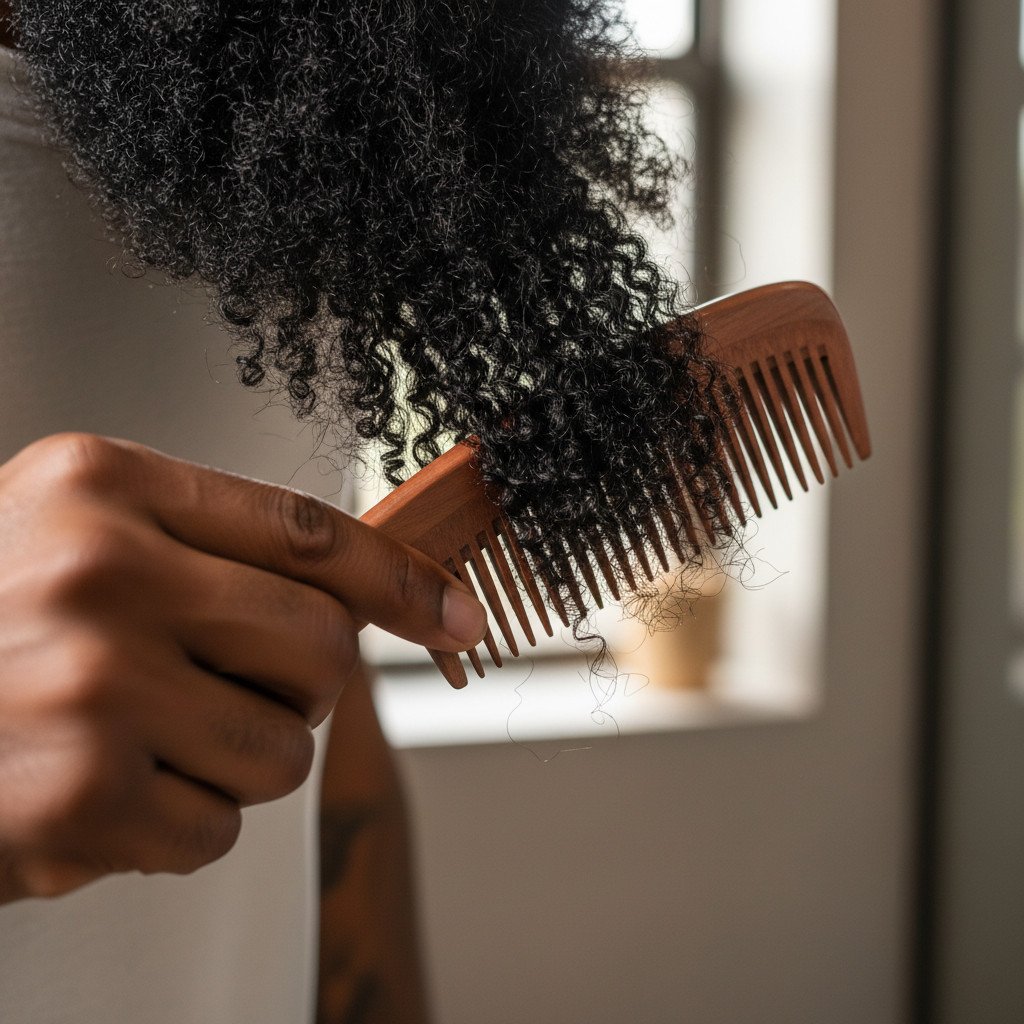
A beard comb is your primary tool for detangling and initial shaping. Unlike a brush, a comb’s teeth are designed to separate individual hairs, working through knots and snags. For Black men, a wide-tooth comb is non-negotiable, especially when the beard is wet or damp. The wider spacing between teeth reduces pulling and minimizes breakage, making it far superior to fine-tooth combs for initial detangling.
Material matters significantly for combs. Wooden combs, especially those made from sandalwood or pearwood, are often preferred because they are anti-static and glide smoothly through hair without causing friction. Unlike plastic, wood does not create static electricity, which can lead to frizz. Horn or acetate combs are also excellent choices for their smooth finish and durability.
After detangling, a comb can be used for more precise shaping and styling. It allows you to define lines, part your beard, or guide hair into a specific form. For longer beards, a comb is essential for distributing balm or wax, ensuring even coverage and hold. Always comb gently, starting from the ends and working your way up to the roots.
The Beard Pick: Volume and Lift
The beard pick, often overlooked, is a powerful tool for adding volume and lift to a dense, curly beard. Similar to an afro pick, a beard pick has widely spaced, long teeth that are perfect for fluffing out the beard and giving it a fuller, more robust appearance. It’s particularly useful for men with longer beards who want to achieve a specific shape or combat flatness.
Using a pick is simple: once your beard is dry and styled, gently insert the pick into the beard from the underside, near the roots, and lift outwards. This technique creates air and separation between the hair strands, enhancing volume without disturbing the overall shape. It’s an excellent finishing tool for a truly majestic beard.
Picks are typically made from plastic, metal, or wood. While plastic picks are common, a good quality metal or wooden pick will offer greater durability and a smoother glide through the hair. Use the pick sparingly and with a light hand to avoid over-manipulating the hair.
How to choose based on beard length and density
The ideal beard tools are not universal; they evolve with your beard’s journey. What works for a stubble might be ineffective for a full, flowing beard. Understanding your beard’s current length and density is crucial for making informed choices that support its health and styling potential. This adaptive approach ensures your grooming arsenal remains optimized at every stage.
As your beard grows, its needs change. Shorter beards benefit from tools that stimulate and train, while longer, denser beards require tools capable of thorough detangling and shaping without causing damage. Ignoring these transitions can lead to frustration and setbacks in your beard growth journey.
Consider your beard’s natural texture. Is it tightly coiled, wavy, or somewhere in between? This intrinsic characteristic will also influence the type of bristles or comb teeth that will work best. A personalized approach, rather than a one-size-fits-all mentality, is the key to unlocking your beard’s full potential.
For Short Beards (Stubble to 1 inch)
For short beards, the primary focus is on training the hair to grow downwards and preventing ingrown hairs. A soft to medium boar bristle brush is your best friend here. It gently exfoliates the skin, lifts trapped hairs, and stimulates blood flow, which can encourage healthy growth. The bristles also help distribute any beard oil or balm evenly, keeping the skin and nascent beard moisturized.
A small, fine-tooth comb can be used for precision shaping around the edges or mustache, but it should be used sparingly and with extreme caution on the main beard body to avoid pulling. The emphasis at this stage is on skin health and training the hair follicles. Prioritize a good quality beard brush for daily use.
Look for brushes with a comfortable handle and dense, natural bristles. The size should be manageable for daily use, fitting easily in your hand. Regular, gentle brushing will lay the foundation for a well-behaved, healthy beard as it grows longer.
For Medium Beards (1 to 4 inches)
As your beard enters the medium length phase, detangling becomes more critical. This is where the wide-tooth comb truly shines. It can glide through the increasing volume of hair, working out knots and preventing tangles without causing excessive pulling or breakage. A good quality wooden or acetate wide-tooth comb is highly recommended.
Alongside the comb, a medium to firm boar bristle brush remains essential. It continues to train the hair, smooth out frizz, and distribute products effectively. The firmer bristles can now reach deeper into the denser beard, ensuring thorough conditioning and styling. The combination of a wide-tooth comb for detangling and a brush for styling and conditioning is ideal for this length.
You might also consider a slightly larger brush at this stage to cover more surface area efficiently. The goal is to maintain shape, manage volume, and ensure every strand is nourished. Regular use of both tools will help maintain a neat, well-groomed appearance.
For Long, Dense Beards (4 inches and up)
Long, dense beards require a comprehensive set of tools and a patient approach. A robust wide-tooth comb is absolutely indispensable for detangling, especially after washing. For very long beards, a comb with even wider spacing between the teeth might be beneficial to prevent snagging. Always detangle a long beard when it’s slightly damp and coated with a leave-in conditioner or beard oil to reduce friction.
A firm boar bristle brush is necessary to penetrate the depth of a long beard, ensuring product distribution and stimulating the skin. However, for very dense beards, a brush might not reach all the way to the roots. In such cases, a beard pick becomes invaluable for adding volume and ensuring air circulation.
For styling, a combination of a comb for precision and a brush for smoothing and finishing is best. A beard pick can then be used to fluff out the beard for maximum volume and shape. The key is to be gentle and methodical, working in sections if necessary, to avoid damage to your impressive growth.
Daily grooming routine (exact steps)
A consistent daily grooming routine is the cornerstone of a healthy, well-maintained beard. It’s not just about looking good; it’s about nurturing your beard’s health, preventing common issues, and promoting optimal growth. This routine integrates the right tools with quality products, ensuring your beard receives comprehensive care.
Establishing a routine brings discipline and predictability to your grooming. It helps you identify what works best for your specific beard type and allows you to address any emerging concerns promptly. Think of it as a daily ritual that reinforces self-care and attention to detail.
The steps outlined below are designed to be practical, efficient, and highly effective for Black men’s beards. They combine the benefits of proper detangling, conditioning, and styling, leading to a beard that is soft, manageable, and visually appealing.
- Cleanse and Condition (2-3 times per week, or as needed): Start with a dedicated beard wash and conditioner. These products are formulated to cleanse without stripping natural oils, which is crucial for curly, coarser hair. Apply the wash, gently massage into your beard and the skin beneath, then rinse thoroughly. Follow with a beard conditioner, leaving it in for a few minutes before rinsing. This step prepares your beard for detangling and product absorption.
- Detangle with a Wide-Tooth Comb: After cleansing, or first thing in the morning, apply a small amount of beard oil or leave-in conditioner to your slightly damp beard. This provides lubrication, making detangling easier and reducing friction. Start from the ends of your beard and gently work your way up to the roots using a wide tooth comb. Be patient and never force the comb through knots. This prevents breakage and ensures smooth, tangle-free hair.
- Brush and Distribute Products: Once detangled, apply your preferred beard balm or additional beard oil. Then, using a quality beard brush (boar bristle is ideal), brush your beard downwards and outwards, following its natural growth pattern. This step helps to distribute products evenly, train the hair, smooth down flyaways, and stimulate the skin. The brush also helps to shape your beard and give it a neater appearance.
- Style and Finish with a Comb or Pick: For precise shaping, use a beard comb to define lines, especially around the mustache and jawline. If you desire more volume, particularly for longer, denser beards, gently use a beard pick to lift the hair from the roots. Finish with a light application of beard wax or balm if extra hold is needed. This final step locks in your style and protects your beard throughout the day.
Importance of Hydration and Product Application
Hydration is non-negotiable for Black men’s beards. Due to the hair’s natural curl and tendency towards dryness, maintaining moisture is paramount to preventing breakage, itchiness, and an unruly appearance. Water, from the inside out, is the first line of defense. Ensure adequate daily water intake to support overall hair health.
Topical hydration comes from quality beard oils, balms, and conditioners. Beard oil, rich in natural carrier and essential oils, penetrates the hair shaft and moisturizes the skin beneath. Balms offer a thicker consistency, providing conditioning benefits along with light hold and protection from environmental elements.
When applying products, less is often more. Start with a small amount and add as needed. Distribute evenly, ensuring the product reaches both the hair and the skin. Regular, consistent application is more effective than sporadic, heavy applications. This mindful approach ensures your beard receives consistent nourishment without becoming greasy or weighed down.
Maintaining Cleanliness and Hygiene
A clean beard is a healthy beard. Regular washing with a specialized beard wash removes dirt, food particles, dead skin cells, and product buildup that can accumulate throughout the day. Using harsh shampoos designed for scalp hair can strip your beard of its natural oils, leading to dryness and irritation.
Frequency of washing depends on your lifestyle and environment. For most, 2-3 times a week is sufficient. If you work in dusty environments or exercise frequently, you might need to wash more often. Always follow with a conditioner to replenish moisture and keep the beard soft.
Beyond washing, keeping your grooming tools clean is equally important. Residue from products and dead skin can build up on brushes and combs. Regularly clean your tools with warm, soapy water and allow them to air dry completely. This prevents the transfer of bacteria back to your beard and skin, maintaining optimal hygiene.
Table: Beard length → best tool → how often
| Beard Length | Best Tool(s) | How Often to Use | Primary Benefit |
|---|---|---|---|
| Stubble (0-0.5 inch) | Soft Boar Bristle Brush | Daily (morning/evening) | Skin stimulation, ingrown hair prevention, product distribution |
| Short (0.5-1 inch) | Soft to Medium Boar Bristle Brush, Fine-tooth Comb (for edges) | Brush daily; Comb as needed for shaping | Hair training, exfoliation, light styling |
| Medium (1-4 inches) | Wide-tooth Comb, Medium Boar Bristle Brush | Comb daily (after wash/oil); Brush daily for styling | Detangling, smoothing, product distribution, shaping |
| Long (4+ inches) | Wide-tooth Comb, Firm Boar Bristle Brush, Beard Pick | Comb daily (damp/oiled); Brush daily; Pick as needed for volume | Thorough detangling, deep conditioning, volume, precise styling |
| Very Dense/Coily | Extra Wide-tooth Comb, Firm Boar Bristle Brush, Beard Pick | Comb daily (damp/oiled); Brush daily; Pick for lift | Maximized detangling, deep penetration, significant volume |
Understanding Tool Material and Construction
The material and construction of your beard tools significantly impact their performance and your beard’s health. Not all brushes and combs are created equal, and understanding these nuances allows for a more informed selection process. Investing in quality materials is an investment in your beard.
For brushes, natural boar bristles are widely considered superior. They have a similar structure to human hair, allowing them to gently grip and distribute oils without causing static or damage. Boar bristles also come in varying stiffness, catering to different beard lengths and densities. Synthetic bristles, while cheaper, can be harsher and may not distribute oils as effectively.
When it comes to combs, materials like wood (sandalwood, pearwood), acetate, and horn are preferred over cheap plastic. Wooden combs are naturally anti-static, glide smoothly, and absorb some beard oils, conditioning the comb itself over time. Acetate and horn combs are also smooth, durable, and don’t create static. Avoid plastic combs with visible seams, as these can snag and break hair.
The Role of Ergonomics in Tool Selection
Beyond material, the ergonomics of a tool play a subtle yet important role in your grooming experience. A comfortable grip, appropriate size, and balanced weight can make a significant difference in how effectively and comfortably you can groom your beard. Tools that feel good in your hand are more likely to be used consistently.

For brushes, consider the handle shape and size relative to your hand. Some brushes are handle-less, designed to fit snugly in the palm. Others have traditional handles. Experiment to find what feels most natural. For combs, ensure the length and thickness are suitable for your beard’s size and your grip.
A well-designed tool reduces hand fatigue and allows for greater control, leading to a more precise and gentle grooming process. This attention to detail in tool selection reflects an elevated approach to self-care and respect for your beard.
Frequently Asked Questions
Here are some common questions about beard brushes and combs, answered directly and practically.
What is the best type of brush for a Black man’s beard?
A natural boar bristle brush is generally considered the best for Black men’s beards. Its bristles are excellent for distributing natural oils, stimulating the skin, and gently detangling and smoothing coarser, curlier hair without causing static or breakage. Choose a stiffness level appropriate for your beard’s length and density.
Should I comb my beard wet or dry?
It is best to comb your beard when it is slightly damp and has some form of lubricant, like beard oil or leave-in conditioner. Combing a completely dry beard, especially a curly one, can lead to significant breakage. Combing a soaking wet beard can also be damaging as hair is more elastic and prone to stretching when wet.
How often should I brush and comb my beard?
You should brush your beard daily to train the hair, distribute oils, and stimulate the skin. Combing can also be done daily, especially after applying products, to detangle and shape. For longer beards, a comb is essential after washing. Listen to your beard; if it feels tangled, comb it. If it needs smoothing, brush it.
Can a regular hairbrush or comb be used on my beard?
It is strongly advised against using regular hairbrushes or combs on your beard, especially if they are designed for straighter hair. These tools often have fine, rigid teeth or harsh synthetic bristles that can snag, pull, and break beard hair, leading to damage, frizz, and irritation. Invest in tools specifically designed for beard hair.
How do I clean my beard brush and comb?
To clean your beard brush, remove any trapped hairs with a fine-tooth comb or your fingers. Then, wash the bristles with warm water and a gentle soap or shampoo. Rinse thoroughly and allow it to air dry completely, bristles down, to prevent moisture from damaging the base. For combs, simply wash with warm, soapy water, rinse, and dry.
Will brushing and combing help my beard grow faster?
While brushing and combing don’t directly make your hair grow faster, they promote a healthy environment for growth. Brushing stimulates blood circulation to the hair follicles, which can encourage healthier growth. Detangling with a comb prevents breakage, allowing your beard to retain length and appear fuller. Healthy hair is strong hair, which contributes to length retention.
What’s the difference between a beard comb and a wide-tooth comb?
A beard comb is a general term for a comb designed for beards, which can come in various tooth spacings. A wide-tooth comb specifically refers to a comb with broader spacing between its teeth. For Black men’s beards, a wide-tooth comb is almost always the preferred type of beard comb due to its ability to detangle thicker, curlier hair with minimal pulling and breakage.
Final Thoughts
The journey to a magnificent beard is paved with intentional choices, and the tools you use are foundational. For Black men, understanding the unique characteristics of our beard hair is not just an advantage; it’s a necessity. By selecting the right brushes, combs, and picks, you empower your beard to thrive, free from breakage and full of vitality.
This isn’t about chasing trends; it’s about mastering your personal grooming. The practical wisdom of barbershop traditions, combined with a scientific understanding of hair, guides you to make choices that truly serve your beard. Invest in quality tools, embrace a consistent routine, and watch your beard transform into a statement of refined self-mastery.
Continue your grooming education with these essential reads: Beard care for Black men, Beginner Beard Care Routine for Black Men, and Best Beard Oils for Black Men.
Frequently Asked Questions
What is the best type of brush for a Black man’s beard?
A natural boar bristle brush is generally considered the best for Black men’s beards. Its bristles are excellent for distributing natural oils, stimulating the skin, and gently detangling and smoothing coarser, curlier hair without causing static or breakage. Choose a stiffness level appropriate for your beard’s length and density.
Should I comb my beard wet or dry?
It is best to comb your beard when it is slightly damp and has some form of lubricant, like beard oil or leave-in conditioner. Combing a completely dry beard, especially a curly one, can lead to significant breakage. Combing a soaking wet beard can also be damaging as hair is more elastic and prone to stretching when wet.
How often should I brush and comb my beard?
You should brush your beard daily to train the hair, distribute oils, and stimulate the skin. Combing can also be done daily, especially after applying products, to detangle and shape. For longer beards, a comb is essential after washing. Listen to your beard; if it feels tangled, comb it. If it needs smoothing, brush it.
Can a regular hairbrush or comb be used on my beard?
It is strongly advised against using regular hairbrushes or combs on your beard, especially if they are designed for straighter hair. These tools often have fine, rigid teeth or harsh synthetic bristles that can snag, pull, and break beard hair, leading to damage, frizz, and irritation. Invest in tools specifically designed for beard hair.
How do I clean my beard brush and comb?
To clean your beard brush, remove any trapped hairs with a fine-tooth comb or your fingers. Then, wash the bristles with warm water and a gentle soap or shampoo. Rinse thoroughly and allow it to air dry completely, bristles down, to prevent moisture from damaging the base. For combs, simply wash with warm, soapy water, rinse, and dry.
Will brushing and combing help my beard grow faster?
While brushing and combing don’t directly make your hair grow faster, they promote a healthy environment for growth. Brushing stimulates blood circulation to the hair follicles, which can encourage healthier growth. Detangling with a comb prevents breakage, allowing your beard to retain length and appear fuller. Healthy hair is strong hair, which contributes to length retention.
What’s the difference between a beard comb and a wide-tooth comb?
A beard comb is a general term for a comb designed for beards, which can come in various tooth spacings. A wide-tooth comb specifically refers to a comb with broader spacing between its teeth. For Black men’s beards, a wide-tooth comb is almost always the preferred type of beard comb due to its ability to detangle thicker, curlier hair with minimal pulling and breakage.