
Best Beard Oils for Black Men: What to Look For (By Beard Type and Budget)
A well-maintained beard is a statement of intent, a mark of discipline, and a reflection of self-respect. For Black men, beard care presents unique considerations. Our hair, whether on our scalp or face, is typically coarser, curlier, and more prone to dryness. This inherent texture demands a specific approach to grooming, and at the core of this approach lies the strategic use of beard oil.
Beard oil is not merely a cosmetic; it’s a fundamental tool in cultivating a healthy, distinguished beard. It addresses the specific needs of our hair type, preventing common issues like dryness, itchiness, and breakage. Understanding how to select and apply the right beard oil is paramount to achieving the lush, well-groomed beard you desire.
This guide cuts through the noise, offering direct, actionable advice on choosing and using beard oils tailored for Black men. We’ll demystify ingredients, application techniques, and how to match oil to your beard type and budget, ensuring your beard not only looks good but thrives. This is essential knowledge for comprehensive beard care for Black men.
What beard oil actually does (for Black men)
Beard oil serves as a multifaceted elixir for the unique characteristics of Black men’s facial hair. Its primary function is to moisturize both the beard hair itself and the delicate skin beneath it. Our hair’s natural curl pattern often makes it difficult for natural oils (sebum) from the skin to travel down the hair shaft, leading to dryness and brittleness.
Beyond hydration, beard oil acts as a protective barrier. It helps to seal in moisture, reducing the likelihood of split ends and breakage, which are common challenges for coarse, curly textures. This protection is crucial for maintaining length and density, allowing your beard to grow fuller and stronger.
Furthermore, a quality beard oil conditions the hair, making it softer, more manageable, and less prone to tangles. This ease of styling is not just about aesthetics; it reduces the physical stress on the hair during brushing or combing, further preventing damage. It also imparts a healthy sheen, signaling vitality and meticulous grooming.
For the skin underneath, beard oil is equally vital. It combats the dryness that often leads to an itchy beard, a common complaint, especially in the early stages of growth. By nourishing the skin, it helps prevent flakiness and irritation, creating a healthy foundation for robust beard growth. In essence, beard oil is the cornerstone of a healthy, comfortable, and impressive beard for Black men.
How to choose a beard oil for coarse/curly beards
Selecting the right beard oil for coarse and curly facial hair requires an understanding of ingredients and their benefits. Not all oils are created equal, and what works for one hair type may not be optimal for another. For Black men, the focus should be on oils that provide deep hydration, reduce frizz, and promote elasticity.
Always prioritize natural, non-comedogenic oils. Look for carrier oils that are rich in fatty acids and vitamins. Jojoba oil, for instance, closely mimics the skin’s natural sebum, making it an excellent moisturizer that won’t clog pores. Argan oil is another powerhouse, known for its ability to soften, condition, and add shine without feeling greasy.
Sweet almond oil and grapeseed oil are lighter options that still offer significant moisturizing benefits and are less likely to feel heavy. For those seeking extra strength and growth stimulation, consider oils like Jamaican black castor oil, which is renowned for its viscosity and ability to nourish hair follicles. These oils penetrate the hair shaft, providing internal hydration rather than just sitting on the surface.
Avoid products with excessive synthetic fragrances, alcohol, or petroleum-based ingredients. These can strip natural oils, dry out the skin, and potentially irritate sensitive skin. A high-quality beard oil should have a short, recognizable ingredient list, primarily composed of natural plant-based oils. The scent should come from essential oils, which can also offer additional therapeutic benefits, such as tea tree oil for its antiseptic properties or sandalwood for its calming effect.
How to use beard oil correctly (AM + PM)
Proper application of beard oil is just as important as choosing the right one. Many men make the mistake of simply coating the surface of their beard, neglecting the skin and the deeper layers of hair. For maximum benefit, a strategic approach is necessary, ideally twice a day.
Morning Application: Protection and Styling
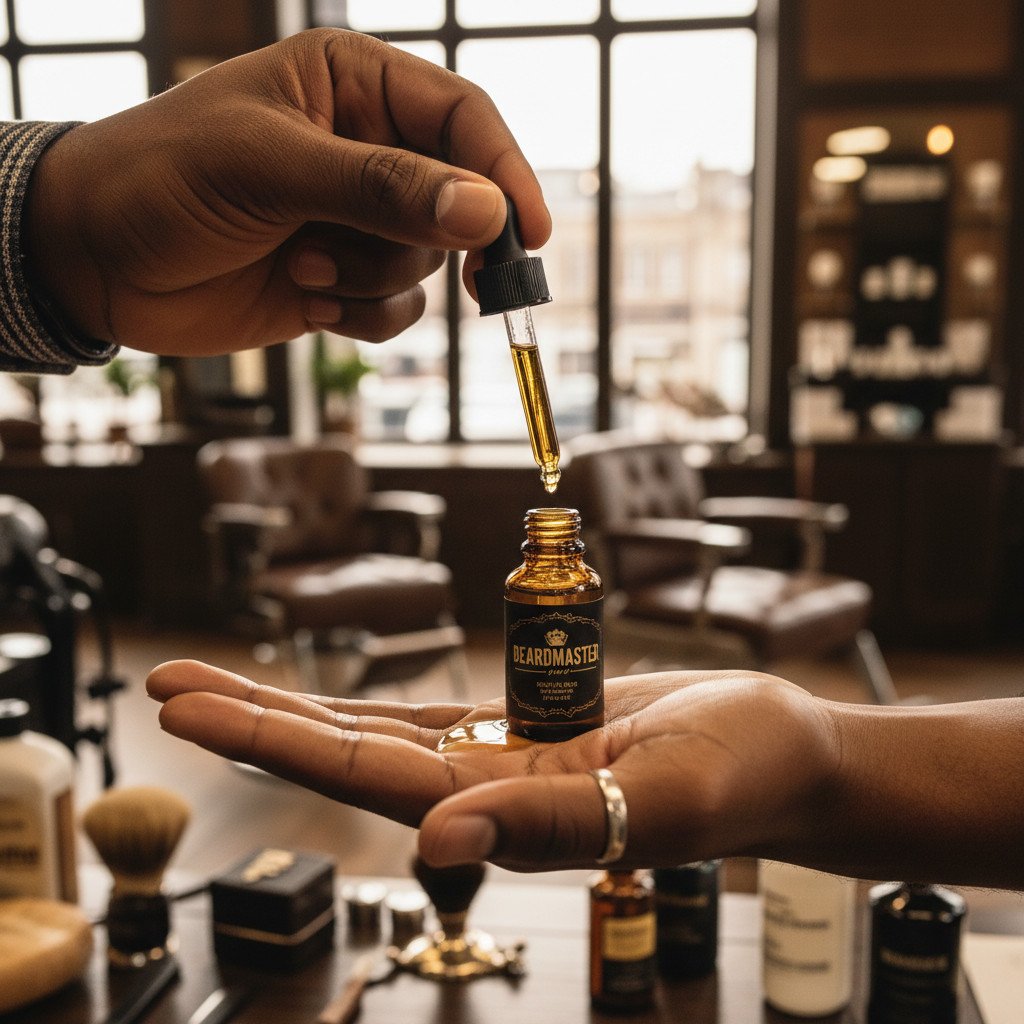
Start your day with a clean, slightly damp beard. After showering, gently pat your beard dry with a towel, leaving it a little moist. This helps the oil penetrate better and lock in hydration. Dispense 3-5 drops of beard oil into your palm. For longer, denser beards, you may need a few more drops; adjust as necessary.
Rub your hands together to warm the oil, then begin by working it into the skin underneath your beard. This is crucial for preventing itchiness, dryness, and promoting healthy growth. Use your fingertips to massage the oil directly onto your skin, ensuring even distribution. Once the skin is covered, work the remaining oil through the length of your beard hair, from root to tip. Ensure every strand is lightly coated.
Finally, use a beard comb or brush to evenly distribute the oil, detangle, and style your beard. This also helps to gently exfoliate the skin and stimulate blood flow. This morning routine provides a protective layer against environmental stressors and keeps your beard looking sharp throughout the day.
Evening Application: Nourishment and Repair
The evening application focuses on deep nourishment and repair while you sleep. Before bed, after washing your face or showering, repeat the same process. A clean beard allows for better absorption of the oil’s nutrients. The nighttime hours are when your skin and hair undergo repair and regeneration, making this application particularly effective.
Applying beard oil before bed ensures that your beard receives continuous hydration and conditioning. This helps to prevent overnight dryness and keeps your beard soft and manageable, reducing tangles and friction against your pillow. Consistency is key; integrating these two applications into your daily routine will yield the most significant improvements in beard health and appearance.
Remember, the goal is to nourish, not to saturate. Your beard should feel soft and conditioned, not greasy. Adjust the amount of oil based on your beard’s length, thickness, and how it feels after application. Over time, you’ll find the perfect balance for your unique beard.
Best beard oils by situation (categories)
Choosing a beard oil isn’t a one-size-fits-all endeavor. Your specific beard concerns and skin type should guide your selection. Here, we break down the best types of beard oils for common situations faced by Black men.
Dry/Itchy Beards
For beards prone to dryness and the accompanying itch, the focus should be on intensely moisturizing and soothing ingredients. Look for oils rich in oleic acid and vitamins E and A, which provide deep hydration and support skin barrier function.
Key Ingredients: Jojoba oil, Argan oil, Avocado oil, Jamaican Black Castor Oil. These oils penetrate deeply, offering lasting moisture to both hair and skin. Essential oils like lavender or tea tree can also provide soothing benefits and reduce irritation.
What to look for: A blend that emphasizes hydration and anti-inflammatory properties. Avoid anything with alcohol or harsh chemicals that can exacerbate dryness. A slightly thicker consistency can often indicate a more potent moisturizing blend.
Sensitive Skin
If you have sensitive skin, your beard oil choice requires extra caution. The goal is to nourish without causing irritation, redness, or breakouts. This means opting for hypoallergenic and non-comedogenic ingredients. For more on managing sensitive skin, consult our guide on sensitive skin routine for Black men.
Key Ingredients: Jojoba oil, Grapeseed oil, Sweet Almond oil. These are generally well-tolerated and less likely to cause adverse reactions. Avoid strong fragrances, especially synthetic ones. Opt for unscented oils or those with very mild, natural essential oil scents like chamomile or calendula.
What to look for: Products explicitly labeled for sensitive skin. Perform a patch test on a small area of your skin before full application. Simpler formulas with fewer ingredients are often best to minimize potential irritants. You can find many suitable options by searching for beard oil for sensitive skin.
Short Beards
Even short beards benefit immensely from oil, primarily to condition the new growth and moisturize the skin. A shorter beard means the oil can more easily reach the skin, so a lighter oil might be preferred to avoid a greasy look.
Key Ingredients: Grapeseed oil, Jojoba oil, Argan oil. These oils are lighter in texture but still provide ample hydration and shine without weighing down shorter hairs. They help soften stubble, reducing the prickly sensation.
What to look for: Fast-absorbing formulas that won’t leave a heavy residue. The primary goal here is to keep the underlying skin healthy and prevent itchiness as the beard grows out. It also helps to train the hair from the start.
Thick Beards
Thick, dense beards require more robust conditioning to ensure the oil penetrates all the way to the roots and skin. Heavier, more viscous oils are often more effective at taming and deeply nourishing these substantial beards.
Key Ingredients: Jamaican Black Castor Oil, Avocado oil, Shea butter oil (often found in beard balms but can be in some richer oils). These oils provide intense moisture and can help manage frizz and add weight to unruly thick beards. You might want to explore Jamaican black castor oil beard products.
What to look for: Oils with a richer, more substantial feel. You’ll likely need to use a slightly larger quantity and ensure thorough distribution with a quality beard comb or brush. These oils also offer excellent protection against environmental damage for a full beard.
Understanding these categories allows you to make an informed decision, ensuring your beard oil is perfectly matched to your individual needs and contributes effectively to your overall beard health and appearance. For a deeper dive into product types, consider reading about beard oil vs. balm vs. butter for Black men.
Table: Beard type → oil texture → how much to use
| Beard Type | Oil Texture Recommendation | Amount to Use (Daily) | Key Benefit |
|---|---|---|---|
| Short Stubble (1-3 weeks) | Lightweight, fast-absorbing | 1-2 drops | Skin hydration, itch prevention |
| Short Beard (1-2 months) | Medium-light, non-greasy | 2-4 drops | Softening, light conditioning |
| Medium Beard (2-6 months) | Medium, nourishing | 4-6 drops | Deep conditioning, manageability |
| Long/Thick Beard (6+ months) | Rich, viscous, heavy-duty | 6-10+ drops | Intense moisture, frizz control, protection |
This table offers a general guideline. Always adjust the amount based on your beard’s specific density, length, and how it responds to the oil. The goal is a healthy, soft beard, not an oily one. Experiment to find your ideal dosage.

Frequently Asked Questions
Here are some common questions Black men have about beard oils and their usage.
Final Thoughts
Mastering the art of beard care, particularly through the intelligent use of beard oil, is a cornerstone of refined grooming for Black men. It’s an investment in your appearance, comfort, and confidence. By understanding the unique needs of your coarse, curly beard and selecting oils that deliver targeted hydration and protection, you move beyond basic maintenance to true cultivation.
Remember, consistency is paramount. Daily application, morning and night, ensures your beard and the skin beneath remain nourished, soft, and free from irritation. The right beard oil not only enhances the aesthetic appeal of your beard but also fosters a healthy environment for robust growth, preventing common issues like dryness and breakage.
Embrace this essential step in your grooming ritual. A well-oiled beard is a testament to your attention to detail and commitment to self-mastery. It elevates your presence, projecting an image of confidence and sophistication. Choose wisely, apply correctly, and let your beard reflect the distinguished man you are.
For further reading on maintaining a pristine beard, explore beginner beard care routine for Black men, how to combat beard dandruff for Black men, and the nuances of beard oil vs. balm vs. butter for Black men.
Frequently Asked Questions
How often should I use beard oil?
For optimal results, apply beard oil twice daily: once in the morning after showering to protect and style, and again in the evening before bed for deep nourishment and repair. This consistent application ensures continuous hydration for both your beard and the skin underneath.
Can beard oil help with beard growth?
While beard oil itself doesn’t directly stimulate new hair follicles, it creates a healthy environment for existing hair to thrive. By moisturizing the skin and preventing breakage, it allows your beard to grow longer and fuller. Some ingredients, like Jamaican Black Castor Oil, are also known for strengthening hair and supporting follicle health.
Will beard oil make my beard greasy?
If applied correctly and in the right amount, beard oil should not make your beard greasy. The key is to start with a small amount (1-3 drops for short beards, more for longer) and work it thoroughly into the skin and hair. Your beard should feel soft and conditioned, not oily. Adjust the quantity based on your beard’s density and how it absorbs the product.
Is beard oil necessary for short beards or stubble?
Yes, beard oil is highly beneficial even for short beards and stubble. It primarily moisturizes the skin underneath, preventing the common itchiness and irritation associated with new growth. It also softens the stubble, making it more comfortable and less prickly, while promoting healthy growth from the start.
What’s the difference between beard oil and beard balm?
Beard oil is primarily for moisturizing the beard hair and the skin beneath, providing hydration and shine. Beard balm, on the other hand, is a styling product that contains oils, butters (like shea butter), and waxes (like beeswax). It offers more hold, helps tame unruly hairs, and provides a protective layer, making it ideal for shaping and styling.
Can I use regular hair oil on my beard?
It’s generally not recommended to use regular hair oil on your beard, as formulations for scalp hair can differ significantly. Hair oils for the scalp might be too heavy or contain ingredients that could irritate facial skin or clog pores, leading to breakouts. Beard oils are specifically formulated with ingredients that are beneficial and safe for both facial hair and the sensitive skin underneath.
How do I know if a beard oil is good quality?
A good quality beard oil will typically have a short, recognizable ingredient list, primarily composed of natural carrier oils (like jojoba, argan, sweet almond) and essential oils for scent and additional benefits. Avoid products with synthetic fragrances, alcohols, parabens, or petroleum-based ingredients, as these can dry out or irritate your skin and beard. Look for cold-pressed or organic oils when possible.