Your scalp doesn’t need 8 products—it needs the right rotation
For Black men, maintaining optimal hair and scalp health can feel like a complex, expensive endeavor. Dry scalp and dandruff are persistent issues, often leading to a cabinet full of products that promise relief but deliver little. This cycle of overbuying is not only ineffective but also drains your resources. The truth is, a healthy scalp doesn’t require an arsenal of expensive products; it demands a strategic, consistent approach.
We understand the frustration. You’ve tried everything from home remedies to high-end treatments, yet the flakes persist, and the itch remains. This guide cuts through the noise, offering a practical, budget-conscious strategy to achieve lasting scalp health. We combine barbershop wisdom with modern understanding, focusing on what truly works for the unique needs of Black hair and scalp.
Achieving a healthy scalp and eliminating dandruff on a budget is entirely possible. It requires understanding your scalp’s needs and implementing a disciplined routine. This approach prioritizes efficacy and affordability, ensuring you invest wisely in your grooming. For a broader perspective on smart spending, explore our insights on Budget grooming for Black men.
The common pitfalls of product overload
Many men fall into the trap of believing more products equal better results. This is rarely the case, especially when addressing scalp issues like dryness and dandruff. Over-applying products can lead to buildup, clog pores, and exacerbate the very problems you’re trying to solve. Your scalp’s natural ecosystem is delicate; disrupting it with too many chemicals or heavy formulations can do more harm than good.
Furthermore, the marketing surrounding hair care often encourages impulse purchases. You see a new ingredient or a celebrity endorsement and assume it’s the missing piece to your routine. This leads to product graveyard shelves and wasted money. Our philosophy is different: identify the core issue, select targeted treatments, and use them judiciously.
Understanding the science behind scalp health is crucial. Dandruff, for instance, is often caused by a yeast-like fungus called Malassezia globosa, which thrives in oily environments. Dry scalp, on the other hand, is characterized by a lack of moisture. These distinct issues require different approaches, not a blanket application of every product available. A targeted strategy saves money and delivers superior results.
Why a strategic approach is essential for Black hair and scalp
Black hair is inherently drier and more prone to breakage due to its unique curl pattern, which makes it harder for natural oils to travel down the hair shaft. This structural difference means our scalps often require more deliberate moisturizing and protection. However, this doesn’t mean over-oiling or suffocating the scalp.
The scalp’s environment is also influenced by styling practices, environmental factors, and even diet. Tight hairstyles, frequent manipulation, and harsh chemicals can all contribute to irritation and dryness. A strategic approach considers these factors, integrating gentle care with effective treatments. It’s about creating a sustainable routine that supports your scalp’s natural balance.
Moreover, many mainstream hair care products are not formulated with the specific needs of Black hair in mind. They may contain sulfates that strip natural oils or heavy silicones that cause buildup. Choosing products wisely, even on a budget, involves reading labels and understanding ingredients. This empowers you to make informed decisions that benefit your scalp without breaking the bank.
The 3-lane rotation (moisturize / treat / clarify)
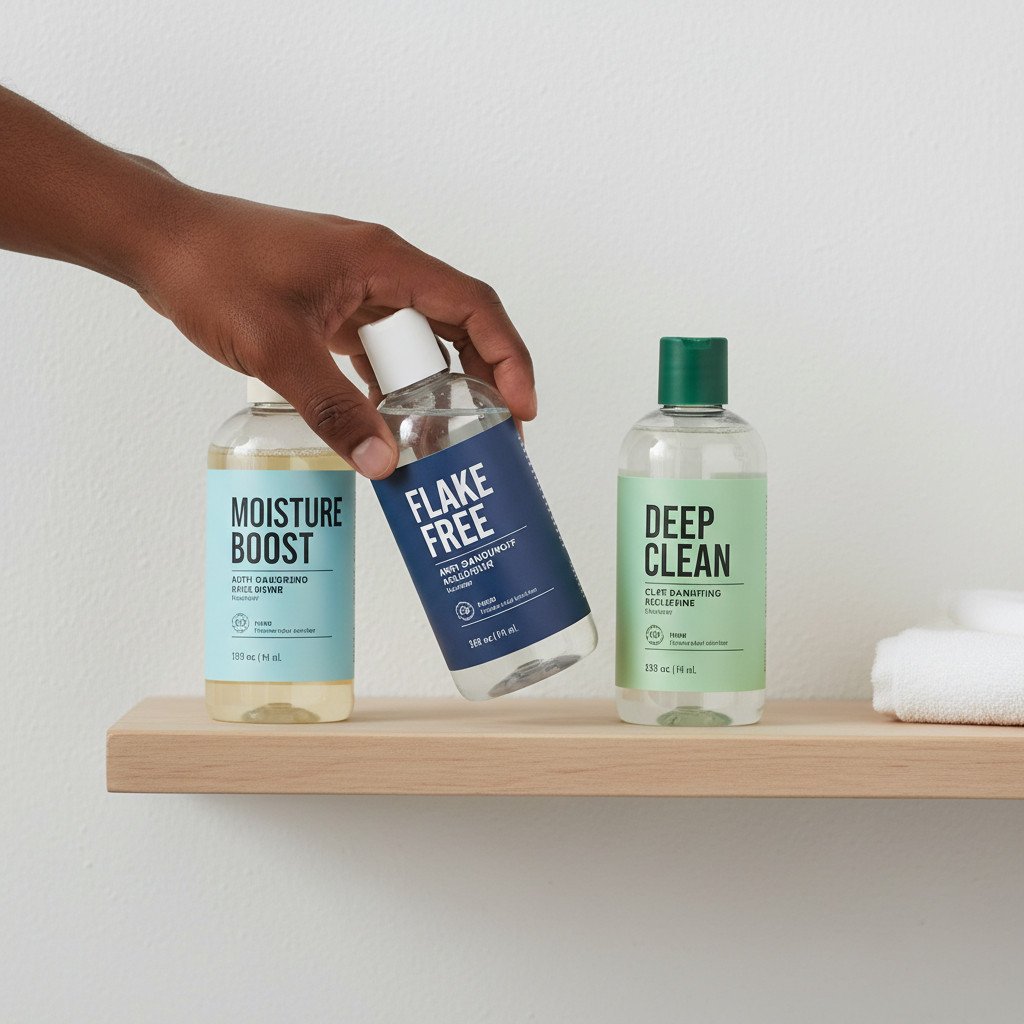
The secret to effective, budget-friendly scalp care lies in a rotational system. Instead of using a single shampoo for every wash, you rotate between three specialized types: moisturizing, anti-dandruff (treatment), and clarifying. This ensures your scalp receives exactly what it needs, when it needs it, without over-treating or under-nourishing. This targeted approach prevents product resistance and maintains scalp balance.
This 3-lane rotation is designed to address the fluctuating needs of your scalp. Sometimes you need deep hydration, other times you need to combat fungal overgrowth, and periodically, you need to strip away buildup. By cycling through these functions, you keep your scalp responsive and healthy. It’s a proactive strategy that prevents issues before they escalate, saving you money on intensive treatments.
The beauty of this system is its simplicity and adaptability. You don’t need three different brands; you need three different types of shampoo. Many budget-friendly brands offer excellent options in each category. The key is to understand when to use each lane, which we will detail in the routine section. This strategic rotation is the cornerstone of sustainable scalp health.
Lane 1: Moisturize – For daily hydration and scalp nourishment
The moisturizing lane is your foundation. This shampoo focuses on gentle cleansing while infusing hydration back into your scalp and hair. It’s crucial for Black men whose hair and scalp tend to be naturally drier. Look for ingredients like shea butter, argan oil, jojoba oil, or hyaluronic acid. These components help to attract and retain moisture, preventing that tight, itchy feeling often associated with dry scalp.
This shampoo is not just about the hair; it’s about creating a healthy environment for your scalp. A well-hydrated scalp is less prone to flaking and irritation. It also supports healthier hair growth from the root. Think of it as your regular maintenance wash, keeping things balanced and supple. It’s the gentle giant in your rotation, ensuring your scalp never feels stripped.
Using a moisturizing shampoo regularly helps to replenish the natural oils that can be lost during cleansing. It prepares your scalp for styling products and reduces the need for heavy, greasy moisturizers that can clog pores. This lane is about prevention and consistent care, ensuring your scalp remains comfortable and flake-free between targeted treatments. It’s the baseline for a healthy scalp ecosystem.
Lane 2: Treat – Targeting dandruff and specific scalp conditions
When dandruff or specific scalp issues flare up, you switch to the treatment lane. This typically involves an anti-dandruff shampoo containing active ingredients like pyrithione zinc, selenium sulfide, or ketoconazole. These ingredients target the underlying causes of dandruff, such as the Malassezia globosa fungus, reducing flaking and itching effectively. It’s a medicinal approach to a persistent problem.
It’s important to use these treatment shampoos as directed, often leaving them on the scalp for a few minutes to allow the active ingredients to work. Do not overuse them once symptoms subside, as this can lead to dryness or resistance. This lane is about intervention, addressing acute issues with focused efficacy. It’s your problem-solver when your scalp signals distress.
Beyond dandruff, this lane can also include shampoos formulated for other conditions like seborrheic dermatitis. Always consult with a dermatologist if your scalp condition is severe or persistent. For most, a good anti-dandruff shampoo used strategically will keep flakes at bay. This lane is about bringing your scalp back to equilibrium when it’s out of balance.
Lane 3: Clarify – Removing buildup and resetting the scalp
The clarifying lane is your reset button. Over time, styling products, natural oils, and even minerals from hard water can accumulate on your scalp and hair. This buildup can lead to dullness, weigh down your hair, and, most importantly, clog your scalp’s pores, potentially contributing to irritation and preventing other products from working effectively.
A clarifying shampoo is designed to deeply cleanse, stripping away all this residue. It’s a powerful cleanser, so it should be used sparingly – typically once every 2-4 weeks, or as needed. After a clarifying wash, your scalp will feel incredibly clean and refreshed, ready to absorb nutrients from your moisturizing products. It’s like pressing the refresh button on your entire grooming routine.
While essential, clarifying shampoos can be drying due to their potent cleansing agents. Always follow up with a good conditioner, especially after a clarifying wash, to restore moisture. This lane ensures your scalp remains free of obstructions, allowing it to breathe and function optimally. It’s the crucial step that prevents long-term accumulation and maintains product efficacy.
Wash-day routine (exact steps)
A consistent and effective wash-day routine is the bedrock of healthy hair and scalp. This isn’t just about cleaning; it’s about nourishing, treating, and protecting. For Black men, wash-day often requires more attention due to the unique texture and needs of our hair. This detailed routine ensures every step contributes to optimal scalp health and hair vitality, all while keeping budget in mind.
The frequency of your wash-day depends on your hair type, activity level, and product usage. Generally, washing 1-2 times per week is sufficient for most Black men. However, if you exercise frequently or use a lot of styling products, you might need to wash more often. Listen to your scalp; it will tell you what it needs. This routine is adaptable, not rigid.
Remember, the goal is not just clean hair, but a healthy scalp. Every product and technique in this routine is chosen to support that goal. From pre-pooing to conditioning, each step plays a vital role in preventing dryness, dandruff, and breakage. This comprehensive approach ensures your investment in budget-friendly products yields premium results.
- Pre-poo treatment: Before stepping into the shower, apply a lightweight oil or conditioner to your dry hair and scalp. This creates a protective barrier, preventing your chosen shampoo from stripping too much natural moisture. Focus on your scalp and hair ends, gently massaging the product in. Let it sit for 15-30 minutes. This step is often overlooked but is crucial for retaining moisture in coarser hair types. It prepares your hair for the cleansing process, making it more manageable and less prone to tangles.
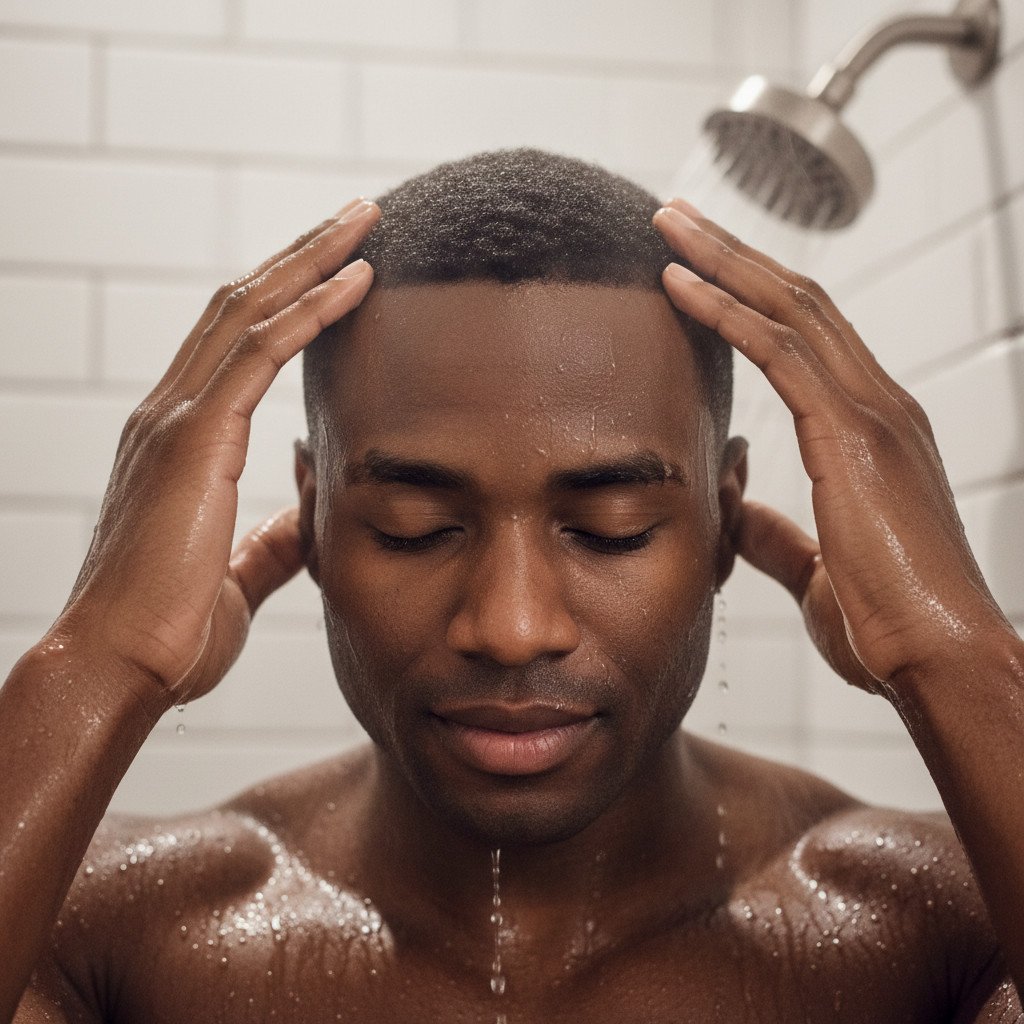
- Wet hair thoroughly with warm water: Ensure your hair and scalp are completely saturated. Warm water helps to open the hair cuticles and pores on your scalp, allowing for a deeper cleanse and better product penetration. This also helps to loosen any existing buildup, making the shampoo more effective. Take your time with this step; proper wetting is fundamental.
- First shampoo application (Moisturizing or Anti-Dandruff): Depending on your scalp’s current needs, choose your shampoo from the moisturizing or anti-dandruff lane. Apply a small amount to your palms, emulsify, and then work it into your scalp using your fingertips. Focus on massaging the scalp to lift dirt and flakes. Do not aggressively scrub your hair strands; the lather will clean them as it rinses. For a budget-friendly option, consider a moisturizing shampoo that is sulfate-free.
- Scalp massage: While the shampoo is on your scalp, use a scalp massage brush or your fingertips to gently massage your scalp for 2-3 minutes. This stimulates blood circulation, promotes hair growth, and helps to dislodge stubborn flakes and buildup. Be gentle but firm. This step is therapeutic and enhances the cleansing action of the shampoo.
- Rinse thoroughly: Rinse your hair and scalp with cool to lukewarm water until all traces of shampoo are gone. Cool water helps to close the hair cuticles, locking in moisture and adding shine. Ensure no residue is left behind, as this can lead to itchiness and buildup. A thorough rinse is just as important as the wash itself.
- Second shampoo application (if needed, or Clarifying): If you used a moisturizing shampoo first and your scalp still feels oily or has significant buildup, or if it’s time for your bi-weekly clarifying wash, apply your chosen clarifying shampoo or anti-dandruff shampoo. Repeat the massage step. For anti-dandruff shampoos, follow the product instructions regarding leave-on time. This second wash ensures a deeper clean when necessary.
- Condition: After rinsing the second shampoo, apply a generous amount of conditioner, focusing on the mid-lengths to ends of your hair. Work it through with your fingers or a wide-tooth comb. For deeper conditioning, leave it on for 5-10 minutes. Rinse with cool water. This step is non-negotiable for replenishing moisture and detangling.
- Leave-in conditioner: After towel-drying your hair until it’s damp, apply a small amount of leave in conditioner. This provides an extra layer of moisture and protection, sealing the cuticle and reducing frizz. Distribute evenly. This final step is crucial for maintaining hydration until your next wash day, especially for Black hair which tends to lose moisture quickly.
Post-wash care and maintenance
Your wash-day routine doesn’t end when you step out of the shower. Post-wash care is equally important for maintaining scalp health and preventing issues. How you treat your hair and scalp in the hours and days following a wash can significantly impact its condition. This includes drying techniques, moisturizing, and protective styling.
Drying your hair: Avoid aggressive towel drying, which can cause friction and damage. Instead, gently blot your hair with a microfiber towel or an old t-shirt to absorb excess water. This reduces frizz and minimizes breakage. Air drying is often the best option for Black hair, but if you must use heat, always apply a heat protectant and use the lowest setting.
Moisturizing between washes: For many Black men, daily or every-other-day moisturizing is essential. Use a lightweight hair milk, cream, or a small amount of natural oil (like jojoba or argan) to keep your scalp and hair hydrated. Focus on the scalp to prevent dryness and flaking. Avoid heavy greases or petroleum jelly, which can clog pores.
Protective styling: Consider protective styles like braids, twists, or even simply covering your hair with a satin durag or bonnet at night. These styles minimize manipulation, reduce exposure to environmental stressors, and help retain moisture. A satin pillowcase is also a good investment to prevent friction and moisture loss while you sleep.
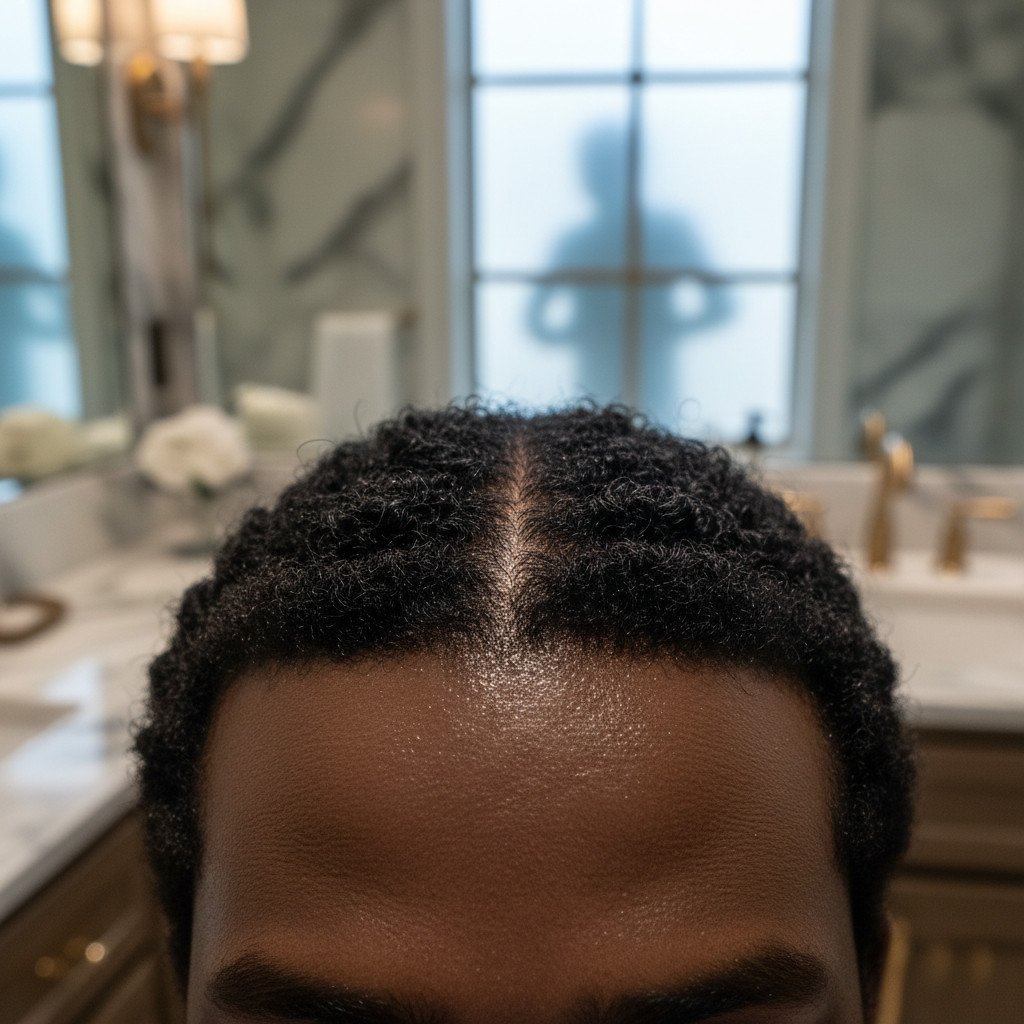
Scalp checks: Periodically check your scalp for any signs of dryness, irritation, or new flakes. Early detection allows you to adjust your routine promptly. If you notice persistent issues, it might be time to switch to the treatment lane or consult a professional. Regular self-assessment empowers you to stay ahead of potential problems.
Understanding the role of water temperature
The temperature of the water you use during your wash-day routine plays a more significant role than many realize. It impacts how well your hair and scalp are cleansed, how products penetrate, and how moisture is retained. Mastering water temperature is a simple yet effective way to enhance your budget-friendly scalp care.
Warm water for washing: Start your wash with warm water. This helps to open up the hair cuticles and the pores on your scalp. When the cuticles are open, it allows the shampoo to effectively penetrate and cleanse the hair shaft, removing dirt, oil, and product buildup. For the scalp, warm water helps to loosen debris and prepare the skin for treatment. It also makes the hair more pliable, reducing the risk of breakage during the washing process. However, avoid excessively hot water, which can strip too much natural oil and lead to dryness.
Cool water for rinsing and conditioning: Finish your wash-day routine with cool to lukewarm water. Rinsing with cool water helps to close the hair cuticles, which in turn seals in moisture and makes the hair appear smoother and shinier. Closed cuticles also provide a protective barrier against environmental damage. For the scalp, cool water can help to soothe any irritation and close pores, reducing the likelihood of product penetration into the skin after cleansing. This step is crucial for locking in the benefits of your conditioner and leave-in treatments.
By strategically alternating between warm and cool water, you optimize the cleansing and conditioning processes. This simple adjustment enhances product efficacy, improves hair health, and contributes to a balanced, hydrated scalp. It’s a free technique that yields significant benefits, aligning perfectly with a budget-conscious approach to grooming.
Table: Symptom → which lane → frequency
| Symptom | Which Lane to Use | Frequency | Notes |
|---|---|---|---|
| Mild Dryness/Itchiness | Moisturizing | 1-2 times per week | Focus on hydration; use leave-in conditioner. |
| Visible Dandruff Flakes | Anti-Dandruff (Treatment) | 2-3 times per week (initially) | Follow product instructions; reduce frequency as symptoms improve. |
| Greasy Hair/Scalp Buildup | Clarifying | Every 2-4 weeks | Always follow with a good conditioner to restore moisture. |
| No specific issues, general maintenance | Moisturizing | 1-2 times per week | Maintain balance; incorporate clarifying every 3-4 weeks. |
| Product Residue/Dull Hair | Clarifying | As needed, usually monthly | Important for product efficacy and scalp breathability. |
| Severe Itching/Redness | Anti-Dandruff (Treatment) | As directed by product/dermatologist | If persistent, seek professional advice. |
Understanding your scalp’s signals
Your scalp is constantly communicating with you. Learning to interpret its signals is key to applying the right treatment at the right time. Ignoring these signals can lead to worsening conditions, while responding appropriately ensures you maintain optimal health. This self-awareness is a cornerstone of effective, budget-friendly grooming.
The itch: An itchy scalp is one of the most common complaints. A mild, occasional itch might indicate dryness, calling for your moisturizing lane. A persistent, intense itch, especially accompanied by flakes, points directly to dandruff or another scalp condition, necessitating the treatment lane. Pay attention to the intensity and duration of the itch.
The flakes: Not all flakes are created equal. Small, white, dry flakes that easily fall from the scalp often indicate a dry scalp. These respond well to increased moisture. Larger, yellowish, oily flakes that stick to the hair shaft and scalp are characteristic of dandruff, requiring an anti-dandruff shampoo. Differentiating between these two types of flakes is critical for choosing the correct product.
The feel: How does your scalp feel? Is it tight and uncomfortable? That’s a sign of dryness. Is it oily, heavy, or does your hair feel weighed down? That suggests product buildup and a need for clarifying. A healthy scalp should feel clean, supple, and comfortable, without excessive oiliness or dryness. Your touch can tell you a lot about its current state.
Adjusting frequency based on lifestyle
Your lifestyle plays a significant role in how often you need to use each lane. There’s no one-size-fits-all schedule; instead, you must adapt your routine to your activities, environment, and even your diet. This flexibility ensures your scalp care remains effective and responsive to your unique needs.
Active lifestyle: If you work out frequently, sweat heavily, or spend a lot of time outdoors, your scalp will likely accumulate more sweat, dirt, and oil. This might necessitate more frequent washes, perhaps 2-3 times a week, often leaning on the moisturizing or even clarifying lane more often to prevent buildup. Post-workout rinses with water can also help, followed by a light leave-in.
Product usage: Do you use a lot of styling gels, creams, or pomades? These products can contribute significantly to buildup, requiring more frequent use of your clarifying shampoo. If you prefer minimal styling products, your clarifying needs might be less frequent. Be mindful of how your styling choices impact your scalp’s cleanliness.
Environmental factors: Living in a dry climate can exacerbate scalp dryness, increasing your reliance on the moisturizing lane. Conversely, high humidity might lead to more oil production and a greater need for clarifying. Even seasonal changes can affect your scalp; many experience increased dryness in winter and more oiliness in summer. Adjust your rotation accordingly.
Diet and hydration: While topical treatments are crucial, what you put into your body also affects your skin and scalp. A diet rich in essential fatty acids (like omega-3s) and adequate hydration can contribute to a healthier scalp from within. While not a direct part of the shampoo rotation, it’s an important complementary factor in overall scalp health. For more on maintaining a healthy scalp, refer to our comprehensive guide on Hair & Scalp Health for Black Men.
Final Thoughts
Achieving and maintaining a healthy scalp for Black men doesn’t require an endless budget or a cabinet full of products. It demands understanding, consistency, and a strategic approach. By implementing the 3-lane rotation—moisturizing, treating, and clarifying—you equip your scalp with exactly what it needs, when it needs it, preventing common issues like dryness and dandruff without overspending.
Remember, your scalp is a living ecosystem. Treat it with respect, listen to its signals, and provide it with targeted care. This disciplined method not only saves you money but also delivers superior, lasting results. Invest in knowledge, not just products, and you’ll unlock the secret to a consistently healthy, comfortable scalp.
The journey to optimal scalp health is ongoing. Be patient, be consistent, and trust the process. You have the tools and the knowledge now to manage your scalp effectively and economically. Embrace this simplified, powerful approach to grooming, and experience the confidence that comes with a healthy foundation.
Next reads: Budget grooming for Black men, Dry Scalp in Black Men: Causes, Symptoms, and Effective Treatments, Dandruff in Black Men: Understanding Causes and Finding Relief.
Frequently Asked Questions
How often should Black men wash their hair to avoid dry scalp and dandruff?
Generally, washing 1-2 times per week is sufficient for most Black men. However, if you have an active lifestyle, sweat a lot, or use many styling products, you might need to wash more frequently. Listen to your scalp’s signals; if it feels greasy or itchy, it’s time for a wash. Over-washing can strip natural oils, leading to dryness, while under-washing can lead to buildup and dandruff.
Can I use the same shampoo for dry scalp and dandruff?
While some shampoos claim to address both, it’s more effective to use targeted products. Dry scalp requires a moisturizing shampoo to hydrate, while dandruff often needs an anti-dandruff shampoo with active ingredients like pyrithione zinc to combat fungal overgrowth. Our 3-lane rotation system (moisturize, treat, clarify) allows you to use the right product for the specific issue, ensuring optimal results without over-treating.
What are the most important ingredients to look for in budget-friendly hair products for Black men?
For moisturizing shampoos and conditioners, look for hydrating ingredients like shea butter, argan oil, jojoba oil, glycerin, and hyaluronic acid. For anti-dandruff treatments, pyrithione zinc, selenium sulfide, or ketoconazole are key. When clarifying, ingredients like salicylic acid or apple cider vinegar can be effective. Always prioritize sulfate-free options for gentle cleansing that won’t strip natural oils.
How can I prevent product buildup on my scalp without drying it out?
Preventing buildup requires a balanced approach. Incorporate a clarifying shampoo into your routine every 2-4 weeks to remove residue. Between clarifying washes, use lightweight styling products and avoid heavy greases or petroleum jelly, which can clog pores. Regular scalp massages also help to dislodge buildup. Always follow clarifying washes with a good conditioner to restore moisture.
Is it necessary to use a leave-in conditioner for Black hair?
Yes, a leave-in conditioner is highly recommended for Black hair. Due to its unique curl pattern, Black hair tends to be drier and loses moisture more quickly. A leave-in conditioner provides an extra layer of hydration, seals the hair cuticle, reduces frizz, and makes hair more manageable. It’s a crucial step in maintaining moisture balance and protecting your hair until the next wash day.
What’s the difference between dry scalp flakes and dandruff flakes?
Dry scalp flakes are typically small, white, and dry, often caused by a lack of moisture. They usually fall easily from the scalp. Dandruff flakes, on the other hand, are often larger, yellowish, and may appear oily or waxy, tending to stick to the hair and scalp. Dandruff is usually caused by a yeast-like fungus. Recognizing this difference helps you choose the correct treatment.
Can diet and hydration affect my scalp health?
Absolutely. What you consume significantly impacts your overall health, including your skin and scalp. A diet rich in essential fatty acids (like omega-3s found in fish or flaxseed) can help nourish your scalp from within. Adequate water intake is also crucial for maintaining skin hydration, which extends to your scalp. While not a direct treatment, a healthy diet and proper hydration complement your topical hair care routine.
Shop moisturizing shampoo on Amazon
Shop anti-dandruff shampoo on Amazon
Shop clarifying shampoo on Amazon