
Bald Head Care for Black Men: The Routine for a Smooth, Clean, Even-Toned Scalp
Embracing a bald or closely shaved head is a statement of confidence and style for many Black men. It’s a look that exudes strength and clarity, often simplifying daily routines while enhancing a distinguished aesthetic. However, the decision to go bald is not an invitation to neglect your scalp. In fact, a bald head demands a meticulous, consistent care regimen to maintain its health, appearance, and overall integrity.
Many assume a bald head requires minimal effort. This is a common misconception. Without the protective barrier of hair, your scalp is directly exposed to environmental aggressors, requiring specific attention to prevent issues like dryness, irritation, sun damage, and uneven skin tone. A well-cared-for bald head is smooth, hydrated, free of blemishes, and radiates a healthy glow. Neglect, on the other hand, can lead to a dull, flaky, or discolored scalp, undermining the very confidence the bald look is meant to convey.
This comprehensive guide provides the definitive routine for maintaining an impeccable bald head. We integrate practical barbershop wisdom with modern dermatological insights, ensuring your scalp remains a testament to your commitment to self-mastery. For a broader understanding of overall scalp health, explore our pillar content on Hair & scalp health for Black men.
A bald head still needs a routine (or it will look rough fast)
The scalp, whether covered by hair or exposed, is still skin—and it’s some of the most sensitive skin on your body. When you remove the hair, you remove its natural protection against UV radiation, pollutants, and physical abrasion. This heightened exposure necessitates a dedicated care regimen that addresses cleansing, moisturizing, protection, and maintenance.
Without a routine, your bald scalp is susceptible to a range of issues. Sun exposure can lead to sunburn, hyperpigmentation, and an increased risk of skin cancer. Lack of proper cleansing can result in clogged pores, folliculitis, or an oily sheen. Inadequate moisturizing can cause dryness, flaking, and an uncomfortable tightness. These problems not only detract from the aesthetic appeal of a bald head but can also lead to discomfort and long-term dermatological concerns.
A proper routine ensures your scalp remains resilient, even-toned, and comfortable. It’s about proactive care, preventing problems before they arise, and addressing minor issues swiftly. This commitment to scalp health reflects a broader dedication to personal grooming and well-being, elevating your bald look from a mere choice to a deliberate statement of refined self-care.
Why a bald scalp is different from other skin
Your scalp is unique. It has a higher density of sebaceous glands compared to other areas of the body, meaning it can produce more oil. While hair typically wicks away some of this oil, a bald scalp leaves it exposed, potentially leading to a greasy appearance if not managed. Additionally, the scalp’s skin cells turn over rapidly, and without hair to exfoliate naturally, dead skin cells can accumulate, contributing to dullness or flakiness.
The curvature of the head also presents unique challenges for sun protection, as certain areas like the crown are more directly exposed to overhead UV rays. Furthermore, the act of shaving itself introduces potential irritants and can disrupt the skin barrier, making the scalp more vulnerable to bacterial infections or razor bumps. Understanding these distinctions is the first step toward crafting an effective and sustainable bald head care routine.
Common bald head issues and how to avoid them
Several common issues can plague a bald scalp if not properly addressed. Dryness and flaking often stem from insufficient hydration or harsh cleansing products. The solution involves gentle, moisturizing cleansers and regular application of emollients. Sunburn and hyperpigmentation are direct consequences of unprotected sun exposure; consistent use of broad-spectrum sunscreen is paramount. Razor bumps (pseudofolliculitis barbae), while often associated with facial shaving, can also occur on the scalp, particularly if shaving techniques are poor or blades are dull. Proper shaving preparation and post-shave care are critical here. For more on preventing these, consider our guide on razor bumps for Black men.
Scalp acne or folliculitis can arise from clogged pores, bacterial overgrowth, or irritation from shaving. Regular, thorough cleansing and ensuring products are non-comedogenic can help. Oily scalp, as mentioned, is due to overactive sebaceous glands; managing this involves balancing cleansing with non-greasy hydration. Lastly, an uneven skin tone can result from sun damage, inflammation, or post-inflammatory hyperpigmentation. A consistent routine that includes sun protection and gentle exfoliation can help achieve a more uniform complexion.
The bald-head routine (AM + PM)
A successful bald head care routine is a daily commitment, divided into morning (AM) and evening (PM) steps. Each phase addresses specific needs, ensuring your scalp is protected during the day and restored overnight. Consistency is key to achieving and maintaining a healthy, smooth, and even-toned scalp.
AM: Protect and Prepare for the Day
Your morning routine focuses on cleansing, preparing for the shave, executing the shave, and then protecting your newly exposed skin from environmental stressors. This sequence is designed to minimize irritation and maximize protection.
Step 1: Gentle Cleansing
Start your day by cleansing your scalp. Even if you showered the night before, your scalp has accumulated natural oils and possibly dead skin cells overnight. A gentle cleanse removes these impurities without stripping your skin’s natural moisture barrier. This prepares your scalp for a smooth shave and ensures products applied afterward can penetrate effectively.
Use lukewarm water, not hot, as hot water can dry out the scalp. Apply a small amount of a gentle cleanser specifically formulated for sensitive skin or a mild facial cleanser. Lather it gently with your fingertips, massaging in circular motions for about 30 seconds. This action helps to lift impurities and soften the skin. Rinse thoroughly until no residue remains, then pat your scalp dry with a clean, soft towel. Avoid rubbing vigorously, which can cause irritation.
Step 2: Pre-Shave Preparation (If Shaving)
If you shave daily or every other day, proper pre-shave preparation is non-negotiable. This step softens the hair follicles, lubricates the skin, and minimizes friction, significantly reducing the risk of razor bumps and irritation. Skipping this step is a direct path to an uncomfortable shave and an irritated scalp.
Apply a warm, damp towel to your scalp for 1-2 minutes. The warmth helps to open pores and soften stubble. Alternatively, shave immediately after a warm shower. Next, apply a pre-shave oil or cream. These products create a protective barrier between the blade and your skin, allowing for a smoother glide. Massage it into your scalp, ensuring even coverage. This sets the stage for a comfortable and close shave, crucial for maintaining an unblemished scalp.
Step 3: The Shave
The shaving technique is paramount for a smooth, irritation-free bald head. Whether you use a manual razor or an electric shaver, precision and care are essential. Rushing this step or using improper tools will inevitably lead to nicks, cuts, and razor bumps.
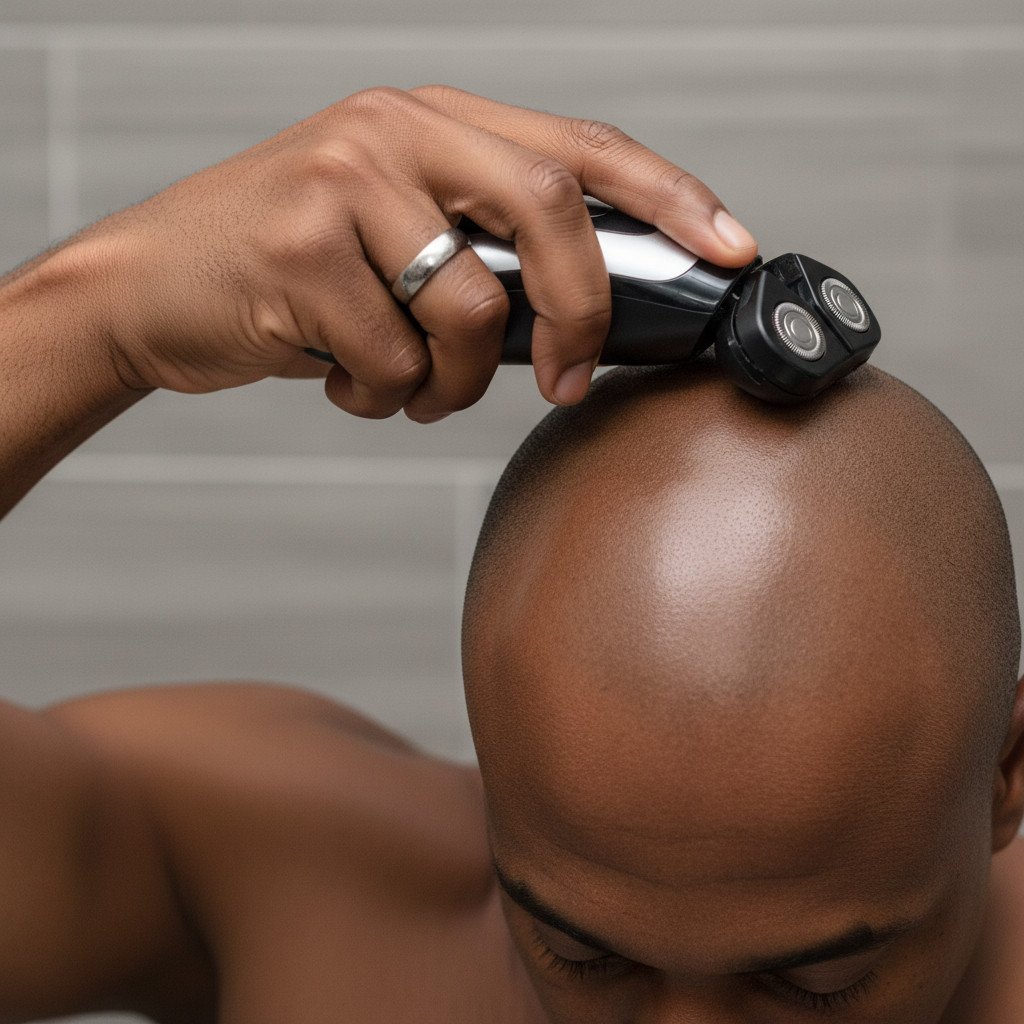
For manual shaving, always use a fresh, sharp blade. Dull blades drag and pull, increasing irritation. Apply a high-quality shaving cream or gel evenly over your scalp. Shave with the grain first, using short, light strokes. Rinse your blade frequently. If a closer shave is desired, reapply cream and shave across the grain, but avoid going against the grain if you are prone to razor bumps. For those who prefer convenience and less irritation, an electric head shaver designed for close cuts can be an excellent investment. These often reduce direct blade contact, minimizing irritation. After shaving, rinse your scalp with cool water to close pores and remove any remaining product. Gently pat dry with a clean towel.
Step 4: Post-Shave Care
Immediately after shaving, your scalp is vulnerable. The skin barrier has been temporarily compromised, and soothing it is crucial to prevent irritation and inflammation. This step is about calming the skin and restoring its balance.
Apply an alcohol-free post-shave balm or soothing serum. Look for ingredients like aloe vera, witch hazel (alcohol-free), chamomile, or allantoin, which provide anti-inflammatory and hydrating benefits. Avoid products with harsh alcohols, as these can dry out and irritate the skin further. Gently massage the balm into your scalp until fully absorbed. This step helps to reduce redness, prevent ingrown hairs, and prepare your skin for the next crucial layer of protection.
For a deeper dive into post-shave practices, consult our guide on post-shave care for Black men.
Step 5: Moisturize and Protect with SPF
This is arguably the most critical step for a bald head, especially for Black men who are susceptible to hyperpigmentation from sun exposure. Your scalp is directly exposed to UV radiation, which can cause sunburn, accelerate aging, and lead to uneven skin tone or dark spots. Consistent sun protection is non-negotiable.
After your post-shave balm has absorbed, apply a broad-spectrum scalp sunscreen with an SPF of 30 or higher. Choose a formula that is non-greasy and leaves no white cast, a common concern for darker skin tones. Zinc oxide and titanium dioxide-based mineral sunscreens are often excellent choices for sensitive skin and can provide superior protection. Apply generously, ensuring full coverage of your entire scalp, ears, and neck. Reapply every two hours if you are outdoors, swimming, or sweating heavily. This protective layer is your primary defense against sun damage and maintaining an even, healthy complexion. For more on selecting the right protection, see our guide on best sunscreen for Black men with no white cast.
PM: Repair and Rejuvenate Overnight
The evening routine focuses on thorough cleansing, targeted treatment, and deep hydration. This allows your scalp to repair and rejuvenate while you sleep, undoing the stresses of the day and preparing it for the next morning.
Step 1: Thorough Cleansing
Even if you didn’t shave, your scalp has accumulated sweat, environmental pollutants, sunscreen residue, and natural oils throughout the day. A thorough evening cleanse is essential to remove these impurities, prevent clogged pores, and allow your skin to breathe and repair.
Use the same gentle cleanser from your AM routine. Lather it well and massage your scalp for at least 60 seconds, paying attention to areas that might be prone to oiliness or product buildup. This deep cleanse is vital for preventing issues like folliculitis or an oily sheen. Rinse thoroughly with lukewarm water until your scalp feels clean but not stripped. Pat dry with a clean towel. This foundational step ensures your scalp is a clean canvas for the restorative treatments that follow.
Step 2: Exfoliation (2-3 times per week)
Regular exfoliation is crucial for a bald scalp to prevent the buildup of dead skin cells, which can lead to dullness, flaking, and clogged pores. It also promotes cell turnover, revealing fresher, smoother skin. However, over-exfoliation can cause irritation, so moderation is key.
Two to three times a week, incorporate a gentle physical or chemical exfoliant. For physical exfoliation, use a soft scalp brush or a mild facial scrub with fine granules. Gently massage it into your damp scalp in circular motions for 1-2 minutes, then rinse thoroughly. For chemical exfoliation, look for products containing alpha hydroxy acids (AHAs) like lactic or glycolic acid, or beta hydroxy acids (BHAs) like salicylic acid. These can be in the form of a toner or serum. Apply a small amount to a cotton pad and gently wipe over your scalp. AHAs work on the surface to improve texture and tone, while BHAs penetrate deeper into pores, making them excellent for preventing breakouts. Always follow product instructions and start slowly to assess your scalp’s tolerance.
Step 3: Targeted Treatment (As needed)
This step addresses specific concerns you might have, such as hyperpigmentation, dryness, or occasional breakouts. Tailoring your routine with targeted treatments ensures these issues are actively managed, preventing them from becoming chronic problems.
If you experience hyperpigmentation or dark spots from sun exposure or past irritation, consider a serum containing ingredients like niacinamide, vitamin C, alpha arbutin, or azelaic acid. These ingredients help to brighten the skin and even out tone. For persistent dryness, a hyaluronic acid serum can provide intense hydration. If you’re prone to occasional breakouts or folliculitis, a salicylic acid spot treatment or a tea tree oil-based product can be applied directly to affected areas. Always apply these treatments to a clean, dry scalp before your final moisturizer, allowing them to absorb fully to maximize their efficacy. Consistency with targeted treatments is essential for visible improvement.
Step 4: Nourishing Moisturizer or Oil
The final step in your PM routine is to provide deep nourishment and hydration, allowing your scalp to repair and regenerate overnight. This locks in moisture, supports the skin barrier, and keeps your scalp supple and healthy.
Choose a rich, non-comedogenic moisturizer or a light, nourishing oil. For moisturizers, look for ingredients like ceramides, shea butter, or squalane. If using an oil, opt for non-comedogenic options like jojoba oil, argan oil, or grapeseed oil. These mimic the skin’s natural sebum and provide essential fatty acids without clogging pores. Apply a generous amount to your scalp, massaging it in thoroughly. This not only ensures absorption but also stimulates blood circulation, which is beneficial for scalp health. This overnight hydration helps to prevent dryness, flaking, and maintains the elasticity of your scalp, preparing it for the challenges of the next day.
Table: Scalp issue → what to do → what to avoid
| Scalp Issue | What to Do | What to Avoid |
|---|---|---|
| Dryness & Flaking | Use gentle, hydrating cleanser. Apply rich, non-comedogenic moisturizer daily (AM & PM). Incorporate hyaluronic acid serum. Drink plenty of water. | Hot showers. Alcohol-based products. Harsh sulfates in cleansers. Over-exfoliation. |
| Razor Bumps/Irritation | Always use a sharp blade or electric shaver. Shave with the grain first. Use pre-shave oil/cream. Apply soothing post-shave balm (alcohol-free). Consider salicylic acid treatment 2-3x/week. | Dull blades. Shaving against the grain. Dry shaving. Over-shaving. Picking at bumps. |
| Oily Scalp | Cleanse thoroughly AM & PM with a balancing cleanser. Use lightweight, non-comedogenic moisturizer. Consider clay masks weekly to absorb excess oil. | Heavy, occlusive oils. Over-cleansing (can trigger more oil production). Skipping moisturizer (can lead to rebound oiliness). |
| Hyperpigmentation/Dark Spots | Consistent daily SPF 30+ (reapply). Use serums with Vitamin C, Niacinamide, Alpha Arbutin, or Azelaic Acid. Gentle exfoliation 2-3x/week. | Unprotected sun exposure. Picking at blemishes or ingrown hairs. Harsh scrubbing. Using irritating products. |
| Sunburn | Apply broad-spectrum SPF 30+ daily, reapply every 2 hours outdoors. Wear hats when prolonged sun exposure is unavoidable. Use aloe vera or soothing gels for relief. | Skipping SPF. Prolonged direct sun exposure without protection. Picking at peeling skin. |
| Scalp Acne/Folliculitis | Cleanse thoroughly AM & PM. Use salicylic acid cleanser or spot treatment. Ensure shaving tools are clean. Exfoliate gently. See a dermatologist for persistent issues. | Clogging pores with heavy products. Dirty hats/head coverings. Picking or squeezing breakouts. Harsh scrubbing. |
| Uneven Skin Tone | Daily broad-spectrum SPF 30+. Regular gentle exfoliation. Serums with brightening ingredients (Vitamin C, Niacinamide). Consistent moisturizing. | Inconsistent routine. Sun exposure without protection. Inflammatory shaving practices. |
Maintaining the Look: Beyond the Daily Routine
Achieving a smooth, healthy bald head is not just about the daily AM and PM routines; it’s also about consistent practices that extend beyond the immediate grooming steps. These broader considerations ensure long-term scalp health and maintain the refined aesthetic of your bald look. From the tools you use to your lifestyle choices, every detail contributes to the overall condition of your scalp.
Shaving Frequency and Technique Refinement
The frequency of your shave depends on your hair growth rate and personal preference. Some men prefer a daily shave for a perpetually smooth look, while others opt for every other day. If you choose to shave daily, prioritize gentle techniques and sharp blades to minimize irritation. If you shave less frequently, your stubble will be longer, requiring more careful preparation to soften the hair before shaving.
Regularly assess your shaving technique. Are you applying too much pressure? Is your blade dull? Are you going against the grain unnecessarily? Consistent refinement of your technique will lead to fewer nicks, less irritation, and a smoother finish. Consider investing in a high-quality electric head shaver if manual shaving causes persistent issues. These devices are often designed to minimize skin contact while still providing a close shave, making them ideal for sensitive scalps or those prone to razor bumps.
The Importance of Hydration and Nutrition
What you put into your body directly impacts your skin, including your scalp. Adequate hydration is fundamental. Drinking plenty of water throughout the day helps maintain skin elasticity and moisture levels from within. Dehydrated skin can appear dull, flaky, and more prone to irritation, regardless of external moisturizing efforts.
A balanced diet rich in vitamins, minerals, and essential fatty acids also plays a crucial role. Foods high in antioxidants (berries, leafy greens) protect skin cells from damage. Omega-3 fatty acids (found in fish, flaxseed) reduce inflammation and support a healthy skin barrier. Zinc, biotin, and vitamins A, C, and E are all vital for skin health. Consider a high-quality multivitamin if your diet is inconsistent, but always prioritize whole foods. These internal factors are the bedrock of healthy skin, complementing your topical routine.
Protecting Your Scalp from the Elements
Beyond daily sunscreen, consider additional measures for environmental protection. In colder, drier climates, your scalp can become particularly vulnerable to moisture loss. Wearing a soft, breathable hat can provide a physical barrier against harsh winds and cold temperatures, preventing excessive dryness and chapping. Choose materials like cotton or silk that won’t irritate your skin.
In hot, sunny environments, a wide-brimmed hat offers superior protection against UV rays, especially during peak sun hours. While sunscreen is essential, a physical barrier provides an extra layer of defense. Be mindful of hats that cause excessive sweating, as this can lead to clogged pores or folliculitis. Ensure your hats are clean and breathable to maintain a healthy scalp environment.
Addressing Hyperpigmentation and Uneven Tone
Hyperpigmentation is a common concern for Black men, and the bald scalp is no exception. Sun exposure, inflammation from shaving, or past injuries can lead to dark spots and an uneven complexion. Consistent use of broad-spectrum SPF is the most critical preventative measure.
For existing hyperpigmentation, a targeted approach is necessary. Incorporate ingredients like Vitamin C, Niacinamide, Alpha Arbutin, or Azelaic Acid into your PM routine. These ingredients work to inhibit melanin production and gently fade existing dark spots. Consistency over several months is required to see significant improvement. Avoid picking at ingrown hairs or blemishes, as this can exacerbate post-inflammatory hyperpigmentation. If severe or persistent, consult a dermatologist who can recommend stronger prescription-strength treatments or in-office procedures.
Dealing with Ingrown Hairs and Blemishes
Even with the best routine, occasional ingrown hairs or blemishes can occur. The key is to address them correctly to prevent further irritation or scarring. Never pick or squeeze ingrown hairs or pimples, as this can push bacteria deeper, cause inflammation, and lead to hyperpigmentation or infection.
For ingrown hairs, apply a warm compress to the area to help open the pore and encourage the hair to emerge. Gentle exfoliation can also help. If the hair is visible, you can carefully lift it with sterilized tweezers, but avoid pulling it out entirely, as this can lead to recurrence. For blemishes, a salicylic acid spot treatment can help reduce inflammation and clear the pore. If ingrown hairs or acne become a chronic problem, it may indicate a need to adjust your shaving technique, products, or consult a dermatologist. Persistent pain, oozing, or signs of infection warrant immediate medical attention.

The Role of Stress and Sleep
It’s easy to overlook the systemic factors that influence skin health, but stress and sleep are paramount. Chronic stress can trigger inflammation, exacerbate skin conditions, and even affect sebum production. Finding healthy ways to manage stress—through exercise, meditation, hobbies, or spending time in nature—will reflect positively on your skin.
Similarly, adequate sleep is when your body, including your skin, undergoes repair and regeneration. During deep sleep, blood flow to the skin increases, and collagen production is boosted. Insufficient sleep can lead to dull, tired-looking skin, slower healing, and a compromised skin barrier. Aim for 7-9 hours of quality sleep per night to support optimal scalp health and overall well-being. These lifestyle factors are often underestimated but are foundational to a healthy, vibrant appearance.
When to See a Dermatologist
While a consistent and well-executed home care routine can address most common bald head issues, there are instances when professional medical advice is necessary. You should consult a dermatologist if you experience persistent or worsening conditions such as:
- Chronic or severe razor bumps: If your efforts to prevent and treat razor bumps are unsuccessful, a dermatologist can offer prescription-strength treatments or recommend alternative hair removal methods.
- Unexplained or persistent scalp lesions: Any new, changing, or non-healing spots, moles, or lesions on your scalp should be immediately evaluated by a dermatologist to rule out skin cancer or other serious conditions.
- Scalp pain, oozing, or signs of infection: Redness, swelling, warmth, pus, or fever accompanying a scalp issue indicates an infection that requires medical intervention, often antibiotics.
- Sudden or significant hair loss (if you’re not intentionally bald): While this post focuses on bald head care, if you’re experiencing unexpected hair loss, a dermatologist can diagnose the cause and recommend treatment.
- Severe or widespread hyperpigmentation: If dark spots are extensive or deeply set and not responding to over-the-counter treatments, a dermatologist can offer more potent solutions like chemical peels, laser therapy, or prescription retinoids.
- Chronic dryness, itching, or flaking: If your scalp remains persistently dry, itchy, or flaky despite consistent moisturizing and gentle care, it could be a sign of conditions like eczema, psoriasis, or seborrheic dermatitis, which require specific medical management.
A dermatologist can provide an accurate diagnosis, prescribe appropriate medications, and offer advanced treatments that are not available over-the-counter. They can also provide personalized advice tailored to your specific skin type and concerns, ensuring the long-term health and appearance of your scalp.
Frequently Asked Questions
Here are some common questions about bald head care, answered directly and practically.
Final Thoughts
Embracing the bald look is a powerful statement, but it’s one that demands dedication to proper scalp care. Your bald head is not merely a lack of hair; it is a canvas, a prominent feature that reflects your attention to detail and commitment to self-mastery. By consistently following a meticulous AM and PM routine, protecting your scalp from environmental stressors, and addressing issues proactively, you ensure your bald head remains smooth, healthy, and impeccably presented.
This isn’t just about aesthetics; it’s about maintaining the health of your skin, preventing discomfort, and projecting an image of confident self-care. The discipline you apply to your bald head care routine is a direct extension of the discipline you apply to other areas of your life. Make it a non-negotiable part of your daily regimen, and your scalp will be a testament to your refined approach to grooming and well-being.
Next reads: Hair & scalp health for Black men, Razor Bumps for Black Men, and Best Sunscreen for Black Men (No White Cast).
Frequently Asked Questions
How often should a bald head be shaved?
The frequency depends on your hair growth rate and desired smoothness. Many prefer a daily shave for a consistently smooth look, while others shave every other day. If you’re prone to irritation, shaving less frequently might be beneficial, ensuring your skin has time to recover.
What kind of moisturizer is best for a bald scalp?
Look for a lightweight, non-comedogenic moisturizer that won’t clog pores. Ingredients like hyaluronic acid, ceramides, jojoba oil, or shea butter are excellent for hydration and barrier support. For daytime, ensure it includes broad-spectrum SPF 30+.
How can I prevent razor bumps on my bald head?
Prevention is key: always use a sharp blade or a quality electric shaver, prepare your scalp with warm water and pre-shave oil, shave with the grain first, and apply an alcohol-free post-shave balm. Gentle exfoliation 2-3 times a week can also help prevent ingrown hairs.
Is sunscreen really necessary for a bald head, even for Black men?
Absolutely. A bald scalp is highly susceptible to sun damage, regardless of skin tone. UV radiation can cause sunburn, accelerate aging, and lead to hyperpigmentation or an increased risk of skin cancer. Daily application of broad-spectrum SPF 30+ is non-negotiable.
How do I deal with an oily bald scalp?
Manage an oily scalp by cleansing thoroughly twice daily with a balancing, gentle cleanser. Use lightweight, non-comedogenic moisturizers to avoid triggering more oil production. Occasionally, a clay mask can help absorb excess oil without over-drying.
Can I use my regular face wash on my bald scalp?
Yes, if your face wash is gentle, non-comedogenic, and suitable for sensitive skin, it can often be used on your bald scalp. The skin on your scalp is similar to facial skin, but it may have more sebaceous glands. Ensure it doesn’t leave your scalp feeling stripped or irritated.
What should I do if my bald head is itchy and flaky?
Itchy and flaky scalp often indicates dryness or irritation. Ensure you’re using a hydrating cleanser and a rich moisturizer daily. Avoid hot water and harsh products. If symptoms persist, it could be a sign of a skin condition like seborrheic dermatitis or eczema, and consulting a dermatologist is recommended.
Shop gentle cleanser on Amazon
Shop electric head shaver on Amazon