
Best Shampoo for Black Men: Choose the Right Cleanser for Your Scalp (Not Just Your Hair)
For Black men, shampoo is more than just a cleaning agent; it’s a foundational element of healthy hair and scalp care. The unique texture and curl pattern of African American hair, combined with common scalp concerns, demand a thoughtful approach to cleansing. Many men focus solely on their hair, overlooking the vital role the scalp plays in overall hair health. This oversight can lead to issues ranging from dryness and irritation to product buildup and stunted growth.
Understanding your scalp’s specific needs is the first step toward selecting the right shampoo. This guide cuts through the noise, offering direct, actionable advice rooted in both barbershop wisdom and modern dermatological understanding. We will equip you with the knowledge to choose a shampoo that supports a healthy scalp environment, which is paramount for thriving hair.
Neglecting your scalp can undermine all other grooming efforts. A healthy scalp is the bedrock for strong, vibrant hair. This post will guide you through identifying your scalp type, selecting the appropriate shampoo, and mastering the correct washing technique to ensure your hair and scalp receive the optimal care they deserve. For a comprehensive overview of maintaining peak hair health, explore our pillar guide on Hair & scalp health for Black men.
Shampoo is scalp care first
The primary function of shampoo is to cleanse the scalp. It removes excess oil, dead skin cells, product residue, and environmental pollutants that accumulate over time. When these elements are not properly removed, they can clog follicles, irritate the skin, and create an environment conducive to bacterial or fungal growth. This understanding shifts the focus from merely cleaning the hair strands to nurturing the skin beneath them.
Black men’s hair, characterized by its tight curls and natural dryness, often requires a delicate balance during cleansing. Over-shampooing or using harsh formulas can strip the hair of its natural oils, leading to brittleness and breakage. Conversely, under-shampooing or using inadequate products can result in buildup, itching, and flaking. The goal is to purify the scalp without excessively drying the hair.
A well-chosen shampoo addresses specific scalp conditions while respecting the hair’s natural moisture barrier. It prepares the scalp for subsequent treatments, such as conditioning and moisturizing, allowing these products to penetrate and perform effectively. Think of your shampoo as the essential first step in a robust scalp and hair care regimen, setting the stage for healthy growth and appearance.
Ignoring scalp health can manifest in various visible issues. Persistent itching, redness, flaking, or even tenderness are clear indicators that your current shampoo or washing routine is not serving you. These symptoms are not just cosmetic; they can signal underlying dermatological concerns that require attention. By prioritizing scalp care, you proactively prevent these problems and foster an optimal environment for your hair.
Furthermore, the health of your scalp directly impacts the quality and strength of your hair as it grows. Hair follicles, embedded within the scalp, are responsible for producing hair strands. When these follicles are inflamed, clogged, or malnourished due to poor scalp health, the hair they produce can be weaker, thinner, or more prone to breakage. Therefore, investing in a high-quality shampoo tailored to your scalp’s needs is an investment in the long-term vitality of your hair.
This foundational approach to shampooing ensures that you are not just cleaning your hair, but actively promoting its health from the root up. It’s about creating a sustainable routine that supports both the immediate cleanliness and the future strength of your hair. This mindful selection and application of shampoo is a hallmark of elevated self-mastery in grooming.
Pick your shampoo lane (based on your scalp)
Identifying your scalp type is critical to selecting the correct shampoo. Just as you wouldn’t use the same moisturizer for oily and dry skin, you shouldn’t use a generic shampoo for every scalp condition. Your scalp’s specific characteristics dictate the type of cleansing and ingredients it needs to thrive. Misidentifying your scalp type can exacerbate existing issues or create new ones, hindering your hair health goals.
Take a moment to observe your scalp’s behavior between washes. Does it feel tight and itchy? Is it greasy within a day? Do you see flakes? These observations provide valuable clues. Understanding these signals allows you to choose a shampoo that targets your primary concern, rather than a product that might offer temporary relief but ultimately disrupts your scalp’s natural balance. This targeted approach is far more effective than a one-size-fits-all solution.
The right shampoo will not only cleanse but also provide specific benefits tailored to your scalp’s condition. It can soothe irritation, control oil production, eliminate flakes, or infuse much-needed moisture. This precision in product selection is what distinguishes effective grooming from a haphazard routine. Let’s break down the common scalp types and their corresponding shampoo needs.
Dry Scalp: The Thirsty Foundation
A dry scalp often feels tight, itchy, and may exhibit small, white flakes that are easily brushed off. This condition typically results from a lack of natural oil (sebum) production, environmental factors, or using harsh hair products. For Black men, whose hair tends to be naturally drier, a dry scalp is a common concern that can lead to discomfort and hair breakage if not addressed.
The ideal shampoo for a dry scalp is a moisturizing shampoo. Look for formulas that are sulfate-free, as sulfates can strip natural oils, further dehydrating the scalp. Ingredients like shea butter, argan oil, jojoba oil, and glycerin are excellent for attracting and retaining moisture. These shampoos cleanse gently while depositing hydrating compounds back into the scalp and hair.
When dealing with a dry scalp, avoid shampoos with strong detergents, alcohol, or excessive fragrances, which can irritate and dry out the skin. The goal is to restore the scalp’s natural moisture barrier, not to disrupt it further. Regular use of a moisturizing shampoo, coupled with a good conditioner, will alleviate itching and flaking, promoting a healthier environment for hair growth. For more in-depth solutions, consider our guide on dry scalp for Black men.
Dandruff: The Flake Fighter
Dandruff, or seborrheic dermatitis, is characterized by larger, yellowish, oily flakes that often adhere to hair strands and the scalp. It is caused by an overgrowth of a yeast-like fungus called Malassezia, which thrives in oily environments. Dandruff is distinct from dry scalp, though both involve flaking. Dandruff often presents with redness and persistent itching, making it a more severe and often embarrassing condition.
For dandruff, an anti-dandruff shampoo is essential. These shampoos contain active ingredients designed to control fungal growth and reduce inflammation. Common active ingredients include zinc pyrithione, selenium sulfide, ketoconazole, and salicylic acid. Zinc pyrithione and selenium sulfide are antifungal agents, while salicylic acid helps to exfoliate the scalp and loosen flakes.
It is important to follow the instructions on anti-dandruff shampoos carefully, as they are medicated. Often, they require leaving the shampoo on the scalp for a few minutes before rinsing to allow the active ingredients to work. Once dandruff is under control, you can alternate with a gentler, moisturizing shampoo to maintain scalp health. If symptoms persist, consult a dermatologist. For a deeper dive into managing this condition, read our dedicated article on dandruff for Black men.
Oily Scalp/Product Buildup: The Clarifying Solution
An oily scalp is characterized by excessive sebum production, making hair appear greasy, limp, and prone to buildup. This can lead to clogged follicles, which may contribute to scalp acne or folliculitis. Product buildup, from gels, pomades, and leave-in conditioners, can exacerbate an oily scalp, trapping dirt and creating a dull appearance. For men rocking styles that require frequent product application, this is a common issue.
The best approach for an oily scalp or significant product buildup is an occasional use of a clarifying shampoo. These shampoos are formulated with stronger detergents to deeply cleanse the scalp and hair, removing all traces of oil, dirt, and product residue. They effectively reset the scalp, allowing it to breathe and function optimally.
However, clarifying shampoos can be drying, so they should not be used daily. Incorporate them once every 1-2 weeks, or as needed, depending on your product usage and scalp oiliness. Always follow with a hydrating conditioner to restore moisture to the hair strands. Overuse can strip natural oils, leading to a rebound effect where the scalp produces even more oil. For regular washing, a balanced shampoo that controls oil without over-drying is ideal.
Sensitive Scalp: The Gentle Touch
A sensitive scalp is prone to irritation, redness, itching, and discomfort, often reacting negatively to certain ingredients found in hair products. This sensitivity can be genetic or triggered by environmental factors, allergies, or underlying skin conditions. For Black men, a sensitive scalp can be particularly challenging, as some traditional hair care products may contain harsh chemicals or fragrances that exacerbate irritation.
For a sensitive scalp, opt for a gentle, hypoallergenic, and fragrance-free shampoo. Look for products specifically labeled for sensitive skin or scalp. These shampoos typically avoid common irritants like sulfates, parabens, phthalates, and synthetic dyes. Ingredients like aloe vera, chamomile, and oatmeal can be soothing and calming to an irritated scalp.
The key is to minimize exposure to potential irritants. Always perform a patch test with new products if you have a highly sensitive scalp. A gentle shampoo cleanses effectively without causing further inflammation or discomfort, maintaining the scalp’s delicate balance. It’s about nurturing the scalp with minimal intervention, allowing it to heal and remain calm. If irritation persists, seeking advice from a dermatologist is recommended.
How to shampoo correctly (exact steps)
Effective shampooing is a technique, not just a routine. The way you apply and rinse your shampoo significantly impacts its efficacy and your scalp’s health. Many men rush this crucial step, missing out on the full benefits of their chosen product. Mastering the correct shampooing technique ensures that your scalp is thoroughly cleansed, your hair is protected, and your overall grooming efforts are optimized. This isn’t just about cleanliness; it’s about promoting a healthy environment for hair growth and vitality.
Proper shampooing involves more than just lathering up and rinsing. It requires attention to water temperature, application method, and rinsing thoroughness. Each step plays a role in preventing product buildup, stimulating blood circulation, and preserving the natural moisture of your hair. By following these precise steps, you transform a mundane task into a beneficial ritual that supports your hair and scalp health. This disciplined approach reflects a commitment to elevated self-care.
Neglecting proper technique can lead to various issues, even with the right shampoo. Insufficient rinsing can leave residue, leading to dull hair and an irritated scalp. Overly aggressive scrubbing can cause micro-abrasions, leading to inflammation or even hair breakage. These steps are designed to maximize the benefits of your shampoo while minimizing potential harm. Pay attention to each detail for optimal results.
- Wet Hair Thoroughly with Lukewarm Water: Before applying any shampoo, ensure your hair and scalp are completely saturated with lukewarm water. Lukewarm water helps to open the hair cuticles and pores on your scalp, allowing the shampoo to penetrate and cleanse more effectively. Avoid hot water, which can strip natural oils and dry out your scalp and hair. Cold water doesn’t allow for proper cleansing.
- Dispense and Emulsify Shampoo: Pour a small amount of shampoo (a quarter-sized dollop for short to medium hair) into your palm. Rub your hands together to emulsify the shampoo. This helps distribute the product evenly and creates a gentle lather before it even touches your hair. Applying concentrated shampoo directly to one spot can lead to uneven cleansing and residue.
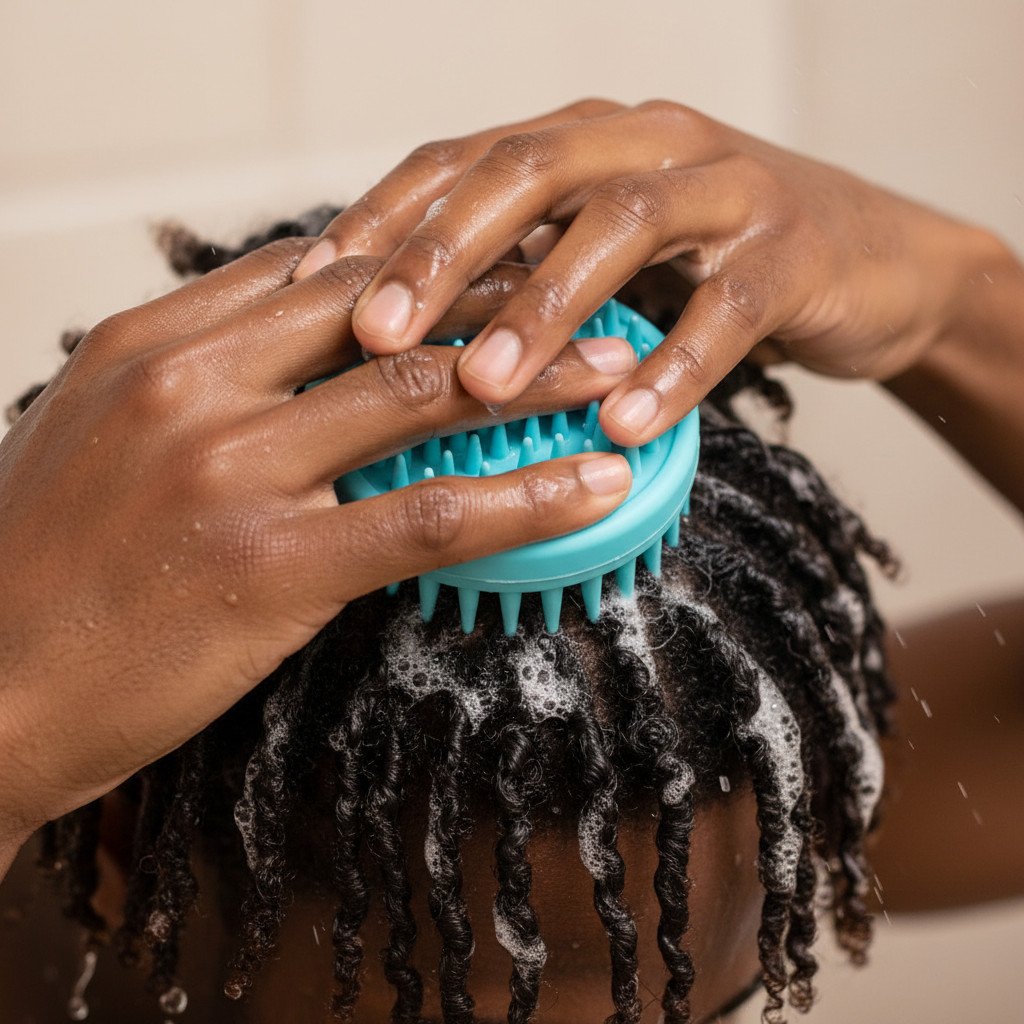
- Focus on the Scalp: Gently apply the emulsified shampoo directly to your scalp, not just your hair strands. Use the pads of your fingertips, not your fingernails, to massage the shampoo into your scalp in small, circular motions. This stimulates blood circulation, loosens dirt, dead skin cells, and product buildup. Spend 1-2 minutes thoroughly cleansing your entire scalp. Consider using a scalp scrubber for deeper exfoliation and stimulation.
- Distribute Lather to Hair Ends (If Needed): As you massage your scalp, the lather will naturally distribute down your hair strands. For most Black men with shorter hair or waves, focusing on the scalp is sufficient. If you have longer hair, gently work the lather through the lengths, but avoid vigorous scrubbing of the hair strands themselves, as this can cause tangles and breakage. The primary focus remains the scalp.
- Rinse Thoroughly with Cool Water: This is a critical step. Rinse your hair and scalp with cool water until all traces of shampoo are gone. Cool water helps to close the hair cuticles, locking in moisture and adding shine. It also helps to soothe the scalp after cleansing. Ensure no residue remains, as this can lead to dullness, itching, and product buildup. Rinse until the water runs clear and your hair feels clean, not slippery.
- Follow with Conditioner: Immediately after rinsing shampoo, apply a suitable conditioner, focusing on the hair strands from mid-length to ends. Conditioner helps to restore moisture, detangle, and seal the cuticle. For optimal results, leave the conditioner on for 2-5 minutes before rinsing with cool water. This two-step process ensures both cleanliness and hydration.
Table: Scalp issue → shampoo type → frequency → what to avoid
| Scalp Issue | Recommended Shampoo Type | Washing Frequency | What to Avoid |
|---|---|---|---|
| Dry Scalp | Moisturizing, Sulfate-Free Shampoo | 2-3 times per week | Sulfates, harsh detergents, hot water, over-washing |
| Dandruff | Anti-Dandruff Shampoo (Zinc Pyrithione, Ketoconazole) | 2-3 times per week (as directed) | Over-shampooing, strong fragrances, ignoring instructions |
| Oily Scalp / Buildup | Clarifying Shampoo (occasionally), Balanced Shampoo (regularly) | Clarifying: 1-2 times per month; Balanced: 3-4 times per week | Heavy oils, excessive product use, skipping washes |
| Sensitive Scalp | Hypoallergenic, Fragrance-Free, Gentle Shampoo | 2-3 times per week | Sulfates, parabens, strong fragrances, dyes, aggressive scrubbing |
| Normal Scalp | Balanced, Gentle Hydrating Shampoo | 3-4 times per week | Over-washing, harsh chemicals, neglecting conditioning |
Frequently Asked Questions
Choosing the right shampoo and mastering your wash routine can transform your hair and scalp health. Here are some common questions Black men have about shampooing.
How often should Black men shampoo their hair?
The ideal frequency for shampooing depends on your scalp type, hair texture, and lifestyle. For most Black men, shampooing 2-3 times per week is a good starting point. If you have an oily scalp or use many styling products, you might need to shampoo 3-4 times a week. If your scalp is very dry, 1-2 times a week might be sufficient. Listen to your scalp and adjust as needed.
Can I use a 2-in-1 shampoo and conditioner?
While convenient, 2-in-1 products are generally not recommended for Black men’s hair. They often do not provide sufficient conditioning for our hair’s unique needs, and the conditioning agents can sometimes leave residue on the scalp. It’s almost always better to use separate shampoo and conditioner products tailored to your specific scalp and hair concerns for optimal results.
What are sulfates, and why should I avoid them?
Sulfates are detergents that create a rich lather and effectively strip away oil and dirt. However, for Black men’s hair, which tends to be naturally drier, sulfates can be too harsh. They can strip away essential natural oils, leading to dryness, frizz, and potential irritation for sensitive scalps. Opting for sulfate-free shampoos helps preserve your hair’s natural moisture.
My scalp still feels itchy after shampooing. What should I do?
Persistent itching after shampooing could indicate several issues. You might not be rinsing thoroughly enough, leaving residue behind. The shampoo itself might be too harsh or contain an ingredient you’re sensitive to. It could also be a sign of an underlying condition like dandruff that requires a medicated shampoo. Re-evaluate your rinsing technique, consider a gentler shampoo, or consult a dermatologist if it persists.
Is it okay to wash my hair with just conditioner (co-washing)?
Co-washing, or washing with conditioner only, can be beneficial for Black men with very dry hair or those looking to minimize moisture loss. It helps cleanse the hair gently while providing hydration. However, it doesn’t always provide a deep cleanse for the scalp. It’s often best used as an alternative wash day, perhaps alternating with a regular shampoo, to prevent product buildup on the scalp.
How do I know if my shampoo is causing hair loss?
It’s rare for shampoo alone to cause significant hair loss unless you’re experiencing a severe allergic reaction or using extremely harsh products that lead to significant breakage. More often, hair loss is due to underlying health conditions, genetics, or improper styling techniques. If you notice sudden or excessive hair loss, consult a medical professional, as shampoo is unlikely to be the primary cause.
Should I switch shampoos regularly?
There’s no strict rule that you must switch shampoos regularly. If you find a shampoo that works well for your scalp and hair, stick with it. However, if your scalp conditions change (e.g., becoming oilier or drier due to season or lifestyle), or if you notice your current shampoo is no longer as effective, then it’s appropriate to re-evaluate and switch to a more suitable product. The key is responding to your hair and scalp’s current needs.
Final Thoughts
Choosing the best shampoo for Black men is a strategic decision that directly impacts the health and appearance of your hair. It begins with a clear understanding of your scalp’s unique needs, whether it’s battling dryness, managing dandruff, controlling oil, or soothing sensitivity. This foundational knowledge empowers you to select a product that truly serves your specific requirements, moving beyond generic solutions.
The correct shampoo, combined with a precise washing technique, forms the cornerstone of an effective grooming regimen. It’s about more than just cleanliness; it’s about creating an optimal environment for hair growth, preventing common issues, and maintaining the integrity of your hair strands. This deliberate approach to cleansing is a hallmark of self-mastery, ensuring your hair always looks its best.
Remember, your scalp is skin, and it deserves the same thoughtful care you give to your face. By prioritizing scalp health through informed shampoo choices and proper application, you lay the groundwork for strong, vibrant, and resilient hair. This commitment to detail elevates your entire grooming experience, reflecting a confident and discerning approach to personal care.
Next reads: Explore more on Hair & scalp health for Black men, perfect your waves wash day routine, or understand the difference between dandruff vs. dry scalp.
Frequently Asked Questions
How often should Black men shampoo their hair?
The ideal frequency for shampooing depends on your scalp type, hair texture, and lifestyle. For most Black men, shampooing 2-3 times per week is a good starting point. If you have an oily scalp or use many styling products, you might need to shampoo 3-4 times a week. If your scalp is very dry, 1-2 times a week might be sufficient. Listen to your scalp and adjust as needed.
Can I use a 2-in-1 shampoo and conditioner?
While convenient, 2-in-1 products are generally not recommended for Black men’s hair. They often do not provide sufficient conditioning for our hair’s unique needs, and the conditioning agents can sometimes leave residue on the scalp. It’s almost always better to use separate shampoo and conditioner products tailored to your specific scalp and hair concerns for optimal results.
What are sulfates, and why should I avoid them?
Sulfates are detergents that create a rich lather and effectively strip away oil and dirt. However, for Black men’s hair, which tends to be naturally drier, sulfates can be too harsh. They can strip away essential natural oils, leading to dryness, frizz, and potential irritation for sensitive scalps. Opting for sulfate-free shampoos helps preserve your hair’s natural moisture.
My scalp still feels itchy after shampooing. What should I do?
Persistent itching after shampooing could indicate several issues. You might not be rinsing thoroughly enough, leaving residue behind. The shampoo itself might be too harsh or contain an ingredient you’re sensitive to. It could also be a sign of an underlying condition like dandruff that requires a medicated shampoo. Re-evaluate your rinsing technique, consider a gentler shampoo, or consult a dermatologist if it persists.
Is it okay to wash my hair with just conditioner (co-washing)?
Co-washing, or washing with conditioner only, can be beneficial for Black men with very dry hair or those looking to minimize moisture loss. It helps cleanse the hair gently while providing hydration. However, it doesn’t always provide a deep cleanse for the scalp. It’s often best used as an alternative wash day, perhaps alternating with a regular shampoo, to prevent product buildup on the scalp.
How do I know if my shampoo is causing hair loss?
It’s rare for shampoo alone to cause significant hair loss unless you’re experiencing a severe allergic reaction or using extremely harsh products that lead to significant breakage. More often, hair loss is due to underlying health conditions, genetics, or improper styling techniques. If you notice sudden or excessive hair loss, consult a medical professional, as shampoo is unlikely to be the primary cause.
Should I switch shampoos regularly?
There’s no strict rule that you must switch shampoos regularly. If you find a shampoo that works well for your scalp and hair, stick with it. However, if your scalp conditions change (e.g., becoming oilier or drier due to season or lifestyle), or if you notice your current shampoo is no longer as effective, then it’s appropriate to re-evaluate and switch to a more suitable product. The key is responding to your hair and scalp’s current needs.
Shop moisturizing shampoo on Amazon
Shop anti-dandruff shampoo on Amazon