Dandruff in Black Men: How to Control It Without Drying Out Your Scalp
Dandruff is a common scalp condition, yet for Black men, managing it effectively requires a nuanced approach. The unique characteristics of our hair – its texture, curl pattern, and natural oil distribution – mean that standard treatments often fall short or introduce new problems like excessive dryness. This guide cuts through the noise, offering a practical, science-backed strategy to control dandruff while preserving your scalp’s natural moisture balance.
Understanding the root cause of your scalp issues is the first step toward lasting relief. Many men mistakenly treat what they think is dandruff, only to find their condition worsens. This post will clarify what dandruff truly is, differentiate it from dry scalp, and provide a comprehensive plan to achieve a healthy, flake-free scalp.
Achieving optimal Hair & scalp health for Black men is about more than just aesthetics; it’s about comfort, confidence, and self-mastery. We will detail a two-week reset protocol, step-by-step wash-day instructions, and common mistakes to avoid. This isn’t about quick fixes; it’s about establishing a sustainable regimen that respects your unique physiology.
If you keep “moisturizing” dandruff, it can get worse
A common misconception is that all scalp flaking is due to dryness. This often leads to over-moisturizing, which can exacerbate true dandruff. Dandruff, or seborrheic dermatitis, is primarily caused by an overgrowth of a yeast-like fungus called Malassezia globosa, which thrives in oily environments. Adding more oils or heavy moisturizers without addressing the fungal component can create a more favorable breeding ground for this yeast, leading to increased flaking, itching, and inflammation.
When you continuously apply rich products to a dandruff-affected scalp, you’re essentially feeding the problem. These products can trap existing flakes, prevent proper exfoliation, and contribute to product buildup. This cycle of flaking and over-moisturizing can be frustrating and counterproductive. It’s crucial to identify if your issue is indeed dandruff before applying any treatment.
Understanding this distinction is foundational to effective treatment. Treating a fungal overgrowth with moisturizers alone is like trying to put out a fire with gasoline. We must first address the underlying cause, then focus on maintaining scalp health. This approach ensures that your efforts are targeted and yield tangible results, rather than perpetuating the cycle of irritation and discomfort.
Many men report that their scalp feels itchier and flakes more after applying certain oils or creams, especially if they are heavy or occlusive. This is often a direct result of feeding the Malassezia yeast. The goal is to create an environment where this yeast cannot thrive, while simultaneously nourishing your scalp and hair. This balance is critical for Black men whose hair textures naturally require more moisture retention.
The temptation to simply add more moisture is strong, particularly given the natural dryness often associated with textured hair. However, this instinct must be tempered with knowledge. A scalp that is constantly flaking, itching, and inflamed, despite regular moisturizing, is likely experiencing dandruff. Ignoring the fungal aspect will only lead to prolonged discomfort and potential complications, such as secondary bacterial infections from scratching.
Therefore, before reaching for another moisturizer, pause and evaluate. Is your scalp truly dry, or is it exhibiting the tell-tale signs of dandruff? This critical assessment will guide your treatment strategy and prevent you from making common mistakes that can worsen your condition. Our aim is to empower you with the knowledge to make informed decisions about your scalp health, leading to lasting relief and a healthier head of hair.
What dandruff is (simple explanation)
Dandruff, scientifically known as pityriasis capitis, is a common, chronic scalp condition characterized by flaking, itching, and sometimes redness. It’s not a matter of poor hygiene, but rather a reaction to a naturally occurring yeast, Malassezia globosa, which lives on everyone’s scalp. For reasons not fully understood, some individuals’ immune systems overreact to this yeast, leading to an accelerated turnover of skin cells.
Normally, skin cells on the scalp are shed gradually and imperceptibly. With dandruff, this process speeds up dramatically, causing cells to clump together and become visible as white or yellowish flakes. These flakes can range from fine and powdery to large and oily. The itching sensation often accompanies this rapid cell turnover, driven by the inflammatory response to the yeast.
It’s important to differentiate dandruff from other scalp conditions. While flaking is a hallmark, the underlying cause is distinct. Dandruff is not contagious, nor is it a sign of a dirty scalp. It is a manageable condition, but it requires consistent and targeted treatment to keep the Malassezia yeast in check and normalize scalp cell turnover. Understanding this fungal component is key to effective treatment.
The Malassezia yeast feeds on the sebum, or natural oils, produced by the sebaceous glands in your scalp. When there’s an imbalance in the scalp microbiome, or an overproduction of sebum, this yeast can proliferate. This overgrowth triggers an inflammatory response in susceptible individuals, leading to the characteristic symptoms of dandruff. Environmental factors, stress, and even diet can influence this delicate balance.
While dandruff is often mild, it can sometimes progress to a more severe form called seborrheic dermatitis, which can affect other oily areas of the body, such as the face, chest, and back. In these cases, the inflammation and flaking can be more pronounced, and the condition may require more intensive medical treatment. However, for most men, regular use of specialized shampoos and a consistent routine can keep dandruff under control.
Recognizing dandruff for what it is – a common, treatable scalp condition driven by a fungal overgrowth and an inflammatory response – empowers you to choose the right course of action. It moves you away from ineffective remedies and towards solutions that directly address the problem. This foundational understanding sets the stage for the practical treatment plan we will outline, ensuring your efforts are both efficient and effective.
Dandruff vs dry scalp (quick checklist)
Distinguishing between dandruff and a dry scalp is critical for effective treatment. Misdiagnosis leads to ineffective remedies and prolonged discomfort. While both conditions present with flaking, their underlying causes and optimal treatments differ significantly. Use this checklist to determine the nature of your scalp issue.
For a more in-depth comparison, refer to our guide on dandruff vs dry scalp.
- Dandruff:
- Flakes: Often yellowish, oily, and tend to stick to hair strands or scalp. Can be large.
- Itch: Persistent and intense, often worsens after not washing hair.
- Scalp appearance: May appear red, inflamed, or greasy in patches.
- Cause: Overgrowth of Malassezia yeast, inflammation, excess sebum.
- Relief: Responds to anti-fungal ingredients (e.g., pyrithione zinc, selenium sulfide).
- Hair texture: Can occur regardless of hair type, but often associated with oilier scalps.
- Dry Scalp:
- Flakes: White, small, dry, and easily fall off hair. Resemble powdered snow.
- Itch: Mild to moderate, often accompanied by a feeling of tightness.
- Scalp appearance: Appears dry, tight, and sometimes dull. No significant redness unless irritated from scratching.
- Cause: Lack of moisture, harsh products, environmental factors, infrequent washing.
- Relief: Responds to moisturizing treatments, gentle shampoos, and hydration.
- Hair texture: More common in men with naturally dry hair or those who use harsh products.
If your flakes are oily and your scalp feels inflamed, you likely have dandruff. If your scalp feels tight and your flakes are small and white, you likely have a dry scalp. Treating a dry scalp with harsh anti-dandruff shampoos can exacerbate dryness, while moisturizing dandruff can worsen the fungal overgrowth. Accurate identification is the cornerstone of effective scalp care.
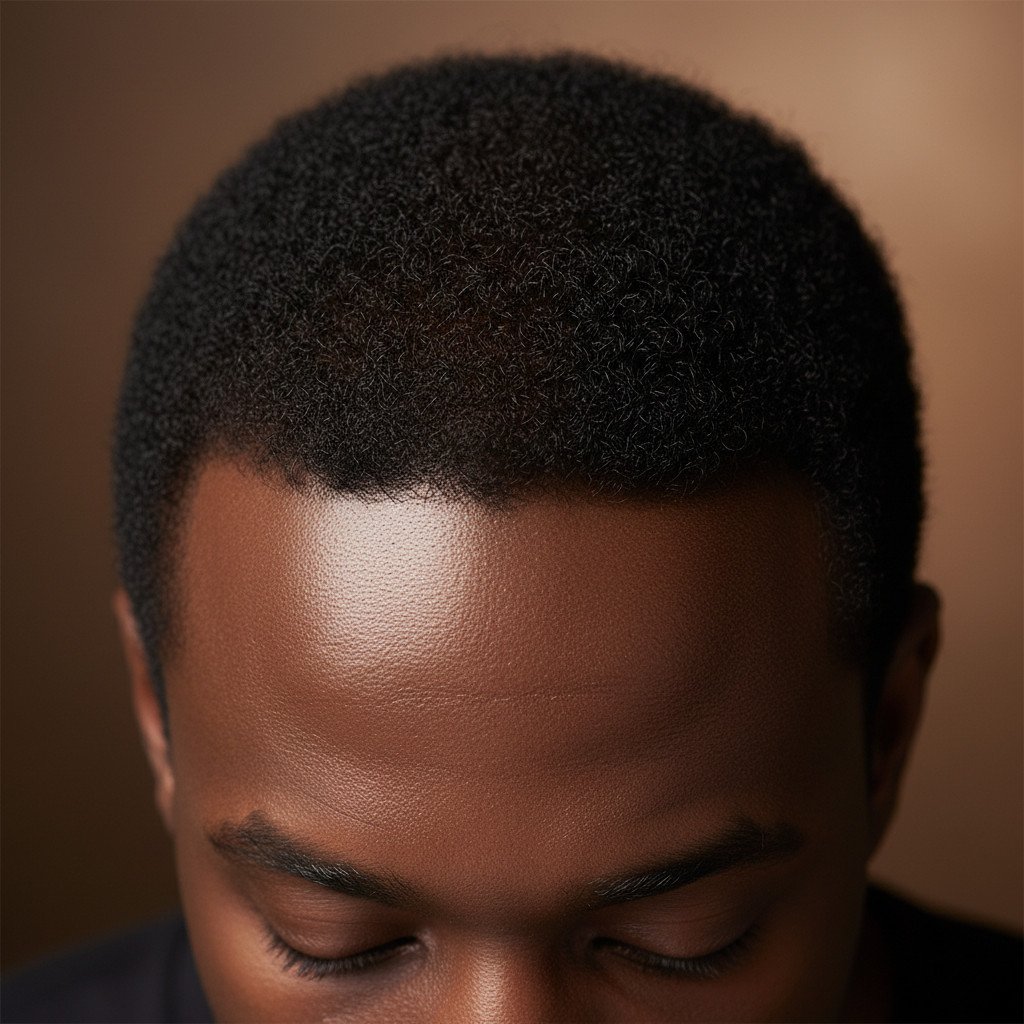
Understanding these distinctions prevents you from wasting time and money on treatments that won’t work. It also protects your scalp from further irritation. If you are unsure, observe your scalp closely for a few days, noting the characteristics of the flakes and the sensation on your scalp. This careful observation will guide you toward the correct treatment path.
For those dealing with persistent dry scalp, our guide on dry scalp in Black men offers targeted solutions. Remember, a healthy scalp is the foundation for healthy hair. Taking the time to properly diagnose your condition is an investment in your overall grooming regimen.
Treatment plan (2-week reset)
This 2-week reset plan is designed to aggressively combat dandruff and rebalance your scalp. Consistency is paramount. Follow these steps precisely to achieve optimal results. This protocol focuses on reducing Malassezia yeast while gently restoring scalp health. It is not a permanent cure, but a reset to bring symptoms under control.
Week 1: Aggressive Treatment & Cleansing
- Day 1 (Wash Day): Use an anti-dandruff shampoo containing pyrithione zinc or selenium sulfide. Lather, let sit for 5 minutes, then rinse thoroughly. Follow with a lightweight, hydrating conditioner.
- Day 2-3: No washing. Avoid applying heavy oils or creams directly to the scalp. If itching is severe, apply a small amount of witch hazel with a cotton ball to affected areas for temporary relief.
- Day 4 (Wash Day): Repeat Day 1’s wash routine. Focus on gentle scalp massage to lift flakes.
- Day 5-6: No washing. Continue to avoid heavy scalp products. Observe scalp for changes in flaking and itching.
- Day 7 (Wash Day): Repeat Day 1’s wash routine. This concludes the intensive phase.
Week 2: Maintenance & Observation
- Day 8-9: No washing. Your scalp should feel significantly less itchy and flaking should be reduced.
- Day 10 (Wash Day): Use your anti-dandruff shampoo, but you can reduce the contact time to 2-3 minutes. Follow with conditioner.
- Day 11-12: No washing. You may begin to introduce a very light, non-comedogenic scalp oil (e.g., jojoba or argan oil) if your scalp feels dry, applying sparingly directly to the scalp.
- Day 13 (Wash Day): Repeat Day 10’s wash routine. Pay attention to how your scalp responds.
- Day 14: Assess your scalp. Flaking and itching should be minimal or gone. Transition to a long-term maintenance plan.
Throughout these two weeks, avoid scratching your scalp, as this can worsen inflammation and potentially lead to infection. Drink plenty of water to support overall skin health. If symptoms persist or worsen, consult a dermatologist. This plan is a guideline; individual results may vary. Adjust frequency of washes based on your hair’s needs, but maintain the anti-dandruff shampoo for at least 2-3 times a week during the reset.
After the 2-week reset, you can transition to a maintenance routine. This typically involves using an anti-dandruff shampoo 1-2 times per week, alternating with a gentle, moisturizing shampoo. Continue to monitor your scalp’s condition and adjust as needed. The goal is to keep the Malassezia yeast in check without over-drying your scalp or stripping your hair of its natural oils. This balance is key for long-term scalp health.
Consider incorporating a scalp exfoliation routine once every two weeks after the initial reset. This can help prevent buildup and further improve scalp health. Our guide on scalp exfoliation for Black men provides detailed instructions. Regular, gentle exfoliation can remove dead skin cells and product residue, allowing your scalp to breathe and absorb treatments more effectively.
Remember that consistency is your greatest ally in managing dandruff. Skipping treatments or reverting to old habits can quickly bring symptoms back. This reset is about establishing new, healthier routines that prioritize scalp balance. It’s an investment in your comfort and confidence, ensuring your grooming is always on point.
Wash-day steps (exact order)
A precise wash-day routine is essential for effectively managing dandruff while maintaining hair health. Each step serves a specific purpose, from cleansing to conditioning. Follow this order to maximize the benefits of your products and minimize scalp irritation. This routine is designed to be thorough yet gentle, respecting the unique needs of Black men’s hair.
- Pre-Poo Treatment (Optional but Recommended): Before wetting your hair, apply a generous amount of a lightweight oil (like jojoba or olive oil) to your scalp and hair. Gently massage it in. This helps to protect your hair from stripping during shampooing and can loosen flakes. Leave on for 15-30 minutes.
- First Shampoo Application (Anti-Dandruff): Wet your hair thoroughly with warm water. Apply a quarter-sized amount of anti-dandruff shampoo to your scalp. Focus on massaging the product directly into the scalp using your fingertips, not your nails. Create a rich lather.
- Contact Time: Allow the anti-dandruff shampoo to sit on your scalp for 3-5 minutes. This crucial step allows the active ingredients (pyrithione zinc, selenium sulfide, ketoconazole) to penetrate and combat the Malassezia yeast. Use this time to gently detangle your hair if needed.
- Rinse Thoroughly: Rinse your hair and scalp completely with lukewarm water. Ensure all shampoo residue is removed, as leftover product can irritate the scalp and contribute to buildup. Squeeze excess water from your hair.
- Second Shampoo Application (Optional, Hydrating): If your hair feels particularly dirty or oily, or if you use a lot of styling products, you can follow with a second wash using a gentle, hydrating shampoo. This step is optional and should be skipped if your hair feels clean after the first wash.
- Conditioning: Apply a generous amount of conditioner for curly hair men, focusing on the mid-lengths and ends of your hair, but also lightly distributing it on your scalp. Use a scalp applicator bottle for precise application to ensure even distribution without oversaturating. Detangle your hair gently with a wide-tooth comb or your fingers while the conditioner is in. Allow it to sit for 5-10 minutes for deep penetration.
- Final Rinse & Drying: Rinse the conditioner out with cool water. Cool water helps to close the hair cuticles, locking in moisture and adding shine. Gently squeeze excess water from your hair. Blot your hair dry with a microfiber towel to minimize friction and frizz. Avoid harsh rubbing, which can damage hair and irritate the scalp.
This wash-day routine, when performed consistently as part of your 2-week reset and ongoing maintenance, will significantly improve your scalp health. Remember to always listen to your scalp and adjust product usage as needed. If you notice persistent irritation or worsening symptoms, consult a dermatologist. Proper technique is just as important as the products you use.
For those aiming for waves, managing dandruff effectively is crucial. Dandruff can interfere with the wave-setting process and cause irritation under durags. Addressing it systematically, as outlined here, supports overall hair health, which is foundational for achieving defined 360 waves. A healthy scalp ensures your hair lays down properly and responds well to brushing and styling.
Maintaining a clean scalp prevents product buildup and allows your hair to thrive. This systematic approach to wash day ensures that you are treating the problem effectively without compromising the integrity of your hair. It’s about creating a balanced environment where your scalp can heal and your hair can grow strong and healthy.
Table: Mistake → why it backfires → better move
| Mistake | Why it Backfires | Better Move |
|---|---|---|
| Over-moisturizing a dandruff scalp | Malassezia yeast thrives in oily environments, leading to increased flaking and itching. Heavy products can also trap flakes. | Use targeted anti-dandruff shampoos first. Introduce lightweight, non-comedogenic oils only after dandruff is controlled, and apply sparingly. |
| Scratching the scalp aggressively | Damages the skin barrier, causes inflammation, can lead to open sores, and introduces bacteria, increasing risk of infection. | Gently massage scalp with fingertips during washing. Use cool water rinses or witch hazel for temporary itch relief. |
| Using harsh shampoos frequently | Strips natural oils, leading to excessive dryness or, paradoxically, increased oil production as the scalp tries to compensate. | Alternate anti-dandruff shampoo with a gentle, sulfate-free hydrating shampoo. Reduce wash frequency if scalp is dry. |
| Inconsistent anti-dandruff treatment | Allows Malassezia yeast to re-establish, leading to recurring symptoms. Treatment requires sustained effort. | Adhere to a consistent schedule (e.g., 2-3 times/week during flare-ups, 1-2 times/week for maintenance). |
| Not rinsing shampoo/conditioner thoroughly | Product residue can irritate the scalp, clog pores, and contribute to buildup, worsening flaking and itching. | Rinse hair and scalp meticulously with lukewarm water until water runs clear and no product feel remains. |
| Ignoring diet and stress factors | Internal factors can influence scalp health and inflammation, potentially exacerbating dandruff symptoms. | Maintain a balanced diet rich in omega-3s, zinc, and B vitamins. Practice stress-reduction techniques (meditation, exercise). |
| Using hot water for washing | Hot water can strip natural oils, dry out the scalp, and stimulate oil glands, potentially worsening dandruff. | Use lukewarm water for shampooing and cool water for rinsing to seal cuticles and soothe the scalp. |
This table highlights common pitfalls in dandruff management and provides actionable solutions. By understanding why certain actions are detrimental, you can make informed choices that contribute positively to your scalp health. Consistency and informed decision-making are key to long-term relief. Avoiding these mistakes will accelerate your progress towards a flake-free scalp.
Many men struggle with beard dandruff, which shares similar causes and treatments. If you’re experiencing flaking in your beard, the principles outlined here can be adapted. For specific guidance, consult our dedicated article on beard dandruff for Black men. The underlying fungal issue often requires a similar anti-fungal approach, tailored for facial hair.
Remember, your grooming routine is a holistic practice. What affects one area of your hair or skin can often impact another. Adopting a mindful approach to scalp care, informed by these guidelines, will not only resolve your dandruff but also elevate your overall grooming experience. It’s about proactive care, not reactive damage control.
Final Thoughts
Conquering dandruff is an achievable goal for Black men, requiring knowledge, consistency, and the right approach. By understanding that dandruff is a fungal issue, not merely a dry scalp, you can move beyond ineffective remedies. The 2-week reset plan and detailed wash-day routine provide a clear roadmap to rebalance your scalp and eliminate flaking and itching. Remember to be patient; lasting results come from sustained effort and attention to your scalp’s unique needs.

Embrace this journey as an integral part of your self-mastery. A healthy scalp is the foundation for healthy hair and overall confidence. If symptoms persist despite consistent effort, do not hesitate to consult a dermatologist for personalized advice and stronger treatment options. They can rule out other conditions and provide medical-grade solutions. Your commitment to these principles will yield a healthier, more comfortable scalp, allowing you to focus on living your best life.
Next reads: Hair & scalp health for Black men, Beard dandruff for Black men, Scalp exfoliation for Black men.
Frequently Asked Questions
What is the main difference between dandruff and dry scalp?
Dandruff is primarily caused by an overgrowth of a yeast-like fungus called Malassezia globosa, leading to oily, yellowish flakes and intense itching. Dry scalp, conversely, results from a lack of moisture, producing small, white, dry flakes and a feeling of tightness. Identifying the correct condition is crucial for effective treatment.
How often should Black men wash their hair if they have dandruff?
During an active dandruff flare-up, it’s recommended to wash with an anti-dandruff shampoo 2-3 times per week for the initial 2-week reset. Once symptoms are controlled, you can transition to a maintenance schedule of 1-2 times per week, alternating with a gentle, moisturizing shampoo to prevent dryness.
Can I still use oils or moisturizers on my scalp if I have dandruff?
During the initial treatment phase, it’s best to minimize heavy oils and moisturizers directly on the scalp, as Malassezia yeast thrives in oily environments. Once dandruff is under control, you can sparingly introduce lightweight, non-comedogenic oils like jojoba or argan oil if your scalp feels dry, focusing on the hair strands rather than saturating the scalp.
What active ingredients should I look for in an anti-dandruff shampoo?
Look for anti-dandruff shampoos containing active ingredients such as pyrithione zinc, selenium sulfide, or ketoconazole. These ingredients are effective at controlling the Malassezia yeast responsible for dandruff. Rotate between different active ingredients if one becomes less effective over time.
What if my dandruff doesn’t improve after following this plan?
If your dandruff symptoms persist or worsen after consistently following the 2-week reset plan, it’s crucial to consult a dermatologist. They can accurately diagnose your condition, rule out other scalp issues like psoriasis or fungal infections, and prescribe stronger, medical-grade treatments if necessary. Persistent symptoms require professional medical advice.
Can diet and stress impact dandruff?
Yes, diet and stress can significantly influence scalp health and potentially exacerbate dandruff symptoms. A diet rich in processed foods, sugar, and unhealthy fats can contribute to inflammation, while chronic stress can weaken the immune system and trigger flare-ups. Incorporating a balanced diet and stress-reduction techniques can support overall scalp health.
Is dandruff contagious?
No, dandruff is not contagious. It is a common, non-infectious scalp condition caused by an individual’s immune response to a naturally occurring yeast on the scalp. You cannot ‘catch’ dandruff from another person or spread it through sharing combs or hats.
Shop anti-dandruff shampoo on Amazon
Shop scalp applicator bottle on Amazon
Shop conditioner for curly hair men on Amazon
Shop microfiber towel on Amazon
Shop lightweight oil on Amazon