
Dandruff vs Dry Scalp in Black Men: The Fast Way to Tell (and What to Do Next)
For Black men, maintaining optimal Hair & scalp health for Black men is paramount. Yet, two common scalp conditions—dandruff and dry scalp—often get conflated. While both manifest with flakes, their origins, symptoms, and treatments differ significantly. Misdiagnosing your condition can lead to ineffective remedies, prolonged discomfort, and potential damage to your hair and scalp.
Understanding the distinction is not merely academic; it’s fundamental to effective self-care. This guide will equip you with the knowledge to accurately identify whether you’re dealing with dandruff or dry scalp, providing clear, actionable steps for each. We cut through the noise, offering direct, evidence-based strategies tailored for the unique needs of Black men’s hair and scalp.
Ignoring these signs or applying the wrong treatment can exacerbate the issue. A dry scalp, if left untreated, can become irritated and itchy, potentially leading to breakage. Dandruff, a more complex condition often linked to fungal overgrowth, requires specific antifungal interventions. This distinction is critical for achieving lasting relief and maintaining a healthy, flake-free scalp.
Most men treat dandruff and dry scalp the same—don’t
The assumption that all scalp flaking is the same leads many Black men down an ineffective path. You might be using a product designed for dry scalp on a dandruff issue, or vice-versa, seeing little to no improvement. This cycle of trial and error is frustrating and unnecessary.
The root causes are distinct. Dry scalp is typically a result of insufficient moisture, often due to environmental factors, harsh products, or inadequate hydration. Dandruff, on the other hand, is frequently caused by an overgrowth of a yeast-like fungus called Malassezia globosa, which thrives in oily environments. This fungus irritates the scalp, leading to accelerated skin cell turnover and the characteristic oily, yellowish flakes.
Recognizing these fundamental differences is the first step toward effective treatment. Without this clarity, your grooming efforts become a shot in the dark. We will delineate the specific characteristics of each condition, empowering you to make informed decisions about your scalp care regimen.
Why the distinction matters for Black men’s hair
Black men’s hair, characterized by its unique curl patterns and texture, presents specific considerations for scalp health. The natural oils (sebum) produced by the scalp often have difficulty traveling down the coiled hair shaft, which can lead to a predisposition to dryness. This inherent dryness can sometimes mask or exacerbate other conditions.
Furthermore, the use of certain styling products, frequent manipulation, or protective styles can influence scalp conditions. For example, heavy pomades or gels can create an environment conducive to Malassezia overgrowth, contributing to dandruff. Conversely, improper washing or conditioning can strip the scalp of essential moisture, leading to dryness.
Understanding your scalp’s specific needs, rather than applying a one-size-fits-all approach, is crucial. This nuanced understanding ensures that your treatments are not only effective but also supportive of your hair’s overall health and integrity. It’s about precision in care, not just routine application.
Quick self-check (60 seconds)
Before you invest in any new products or adjust your routine, perform this rapid self-assessment. Your scalp will provide clear indicators if you know what to look for. This quick check is designed to give you immediate insight into your condition.
- Examine the flakes: Are they small, white, and powdery, or larger, oily, and yellowish?
- Touch your scalp: Does it feel tight, itchy, and dry, or oily, inflamed, and perhaps a bit crusty?
- Check for redness: Is there visible redness or irritation on your scalp, particularly in patches?
- Assess itchiness: Is the itch constant and mild, or intense and persistent, sometimes accompanied by a burning sensation?
- Consider your hair type: Do you have naturally dry hair, or does your scalp tend to get oily quickly?
- Review recent product use: Have you recently switched shampoos, conditioners, or styling products?
- Note washing frequency: How often do you wash your hair? Is it too frequent or not frequent enough?
- Observe seasonal changes: Does your condition worsen in colder, drier months, or does it persist year-round?
- Look for signs of inflammation: Are there any bumps, pustules, or scabs on your scalp?
- Consider your diet and stress levels: Have there been significant changes that might impact skin health?
- Feel for product buildup: Does your scalp feel heavy or coated even after washing?
- Notice any scalp odor: Is there an unusual or persistent odor from your scalp?
These observations are your first line of defense. They provide critical clues that will guide your next steps. Be honest and thorough in your assessment; precision here saves time and effort later.
Interpreting your self-check results
Once you’ve completed the self-check, synthesize your observations. If your flakes are small, white, and your scalp feels tight and itchy without significant redness or oiliness, you are likely dealing with dry scalp. The discomfort is primarily from lack of moisture.
Conversely, if your flakes are larger, appear oily or yellowish, and your scalp shows signs of redness, inflammation, or feels greasy, dandruff is the more probable culprit. The itch associated with dandruff is often more intense and can be localized to specific areas.
Persistent symptoms, especially those accompanied by oozing, pain, or sudden hair loss, warrant a consultation with a dermatologist. Self-diagnosis is a starting point, but professional medical advice is irreplaceable for severe or chronic conditions. Do not hesitate to seek expert guidance when in doubt.
If it’s dry scalp: what to do this week
Addressing dry scalp requires a focused approach on hydration and gentle care. The goal is to restore your scalp’s natural moisture barrier without stripping it further. This isn’t about quick fixes; it’s about establishing a sustainable routine.
Do this first: Immediately discontinue any harsh shampoos or styling products that contain sulfates, alcohol, or other drying agents. These ingredients actively strip your scalp of essential oils, exacerbating dryness. Read labels carefully and opt for formulations designed for sensitive or dry scalps.
Your weekly regimen should prioritize moisture retention. This means adjusting your washing frequency and introducing nourishing treatments. Consistency is key; sporadic application will yield sporadic results. Commit to the process for noticeable improvement.
Your 7-day hydration routine for dry scalp
This routine is designed to infuse moisture back into your scalp and hair, promoting comfort and health. Follow these steps diligently for the best outcomes.
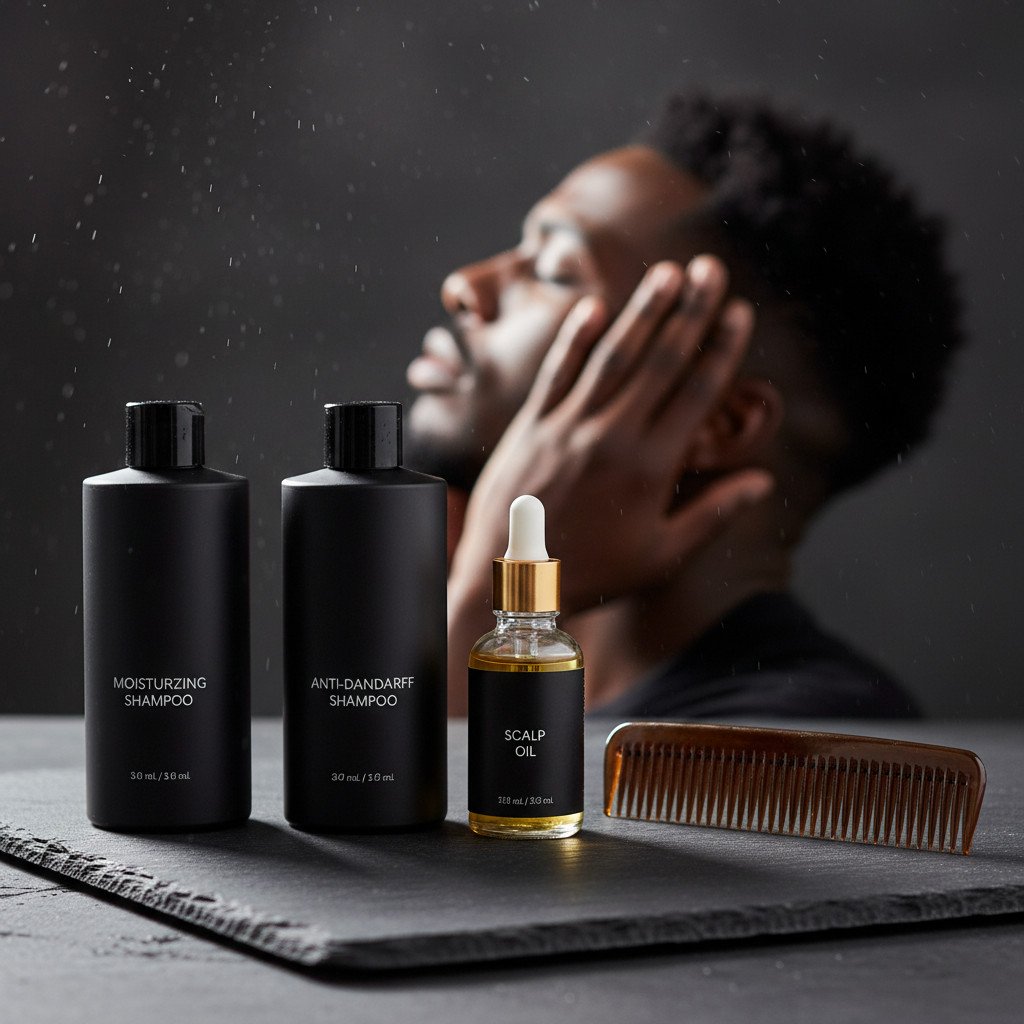
- Day 1 (Wash Day): Begin with a gentle cleanse. Use a sulfate-free, moisturizing shampoo specifically formulated for dry or sensitive scalps. Lather gently, focusing on the scalp, then rinse thoroughly with lukewarm water. Follow with a rich, hydrating conditioner, letting it sit for 5-10 minutes before rinsing.
- Day 2 (Moisture Boost): Apply a small amount of lightweight scalp oil directly to your scalp. Focus on areas that feel particularly tight or itchy. Massage it in gently to stimulate circulation and aid absorption. This helps to seal in moisture without weighing down your hair.
- Day 3 (Mid-week Refresh): If your scalp feels tight, lightly mist your hair and scalp with a hydrating leave-in conditioner or a diluted rosewater spray. Avoid heavy reapplication of oils unless absolutely necessary, to prevent product buildup.
- Day 4 (Scalp Massage): Dedicate 5-10 minutes to a thorough scalp massage. You can do this dry or with a few drops of your lightweight scalp oil. This practice improves blood flow, which is vital for scalp health, and helps distribute natural oils.
- Day 5 (Gentle Styling): Opt for styles that minimize tension on your scalp. Avoid tight braids, twists, or excessive heat styling. If you must use heat, always apply a heat protectant.
- Day 6 (Preparation): Continue with light moisturizing as needed. Prepare for your next wash day by ensuring you have all your gentle products ready.
- Day 7 (Wash Day): Repeat the Day 1 wash routine. Consider a deep conditioning treatment if your hair feels particularly dry or brittle.
Throughout the week, pay attention to your scalp’s response. Adjust the frequency of oil application or misting based on how your scalp feels. The goal is balance, not saturation. Consistent hydration is your primary weapon against dry scalp.
Long-term strategies for dry scalp management
Beyond the immediate week, sustainable management of dry scalp involves lifestyle adjustments and consistent product choices. This is about prevention as much as it is about treatment.
Hydration from within: Ensure you are drinking adequate amounts of water daily. Internal hydration directly impacts skin and scalp moisture levels. A well-hydrated body translates to a healthier scalp.
Dietary considerations: Incorporate foods rich in omega-3 fatty acids, such as salmon, flaxseeds, and walnuts. These essential fats support skin barrier function and reduce inflammation. Vitamins A, C, and E also play crucial roles in skin health.
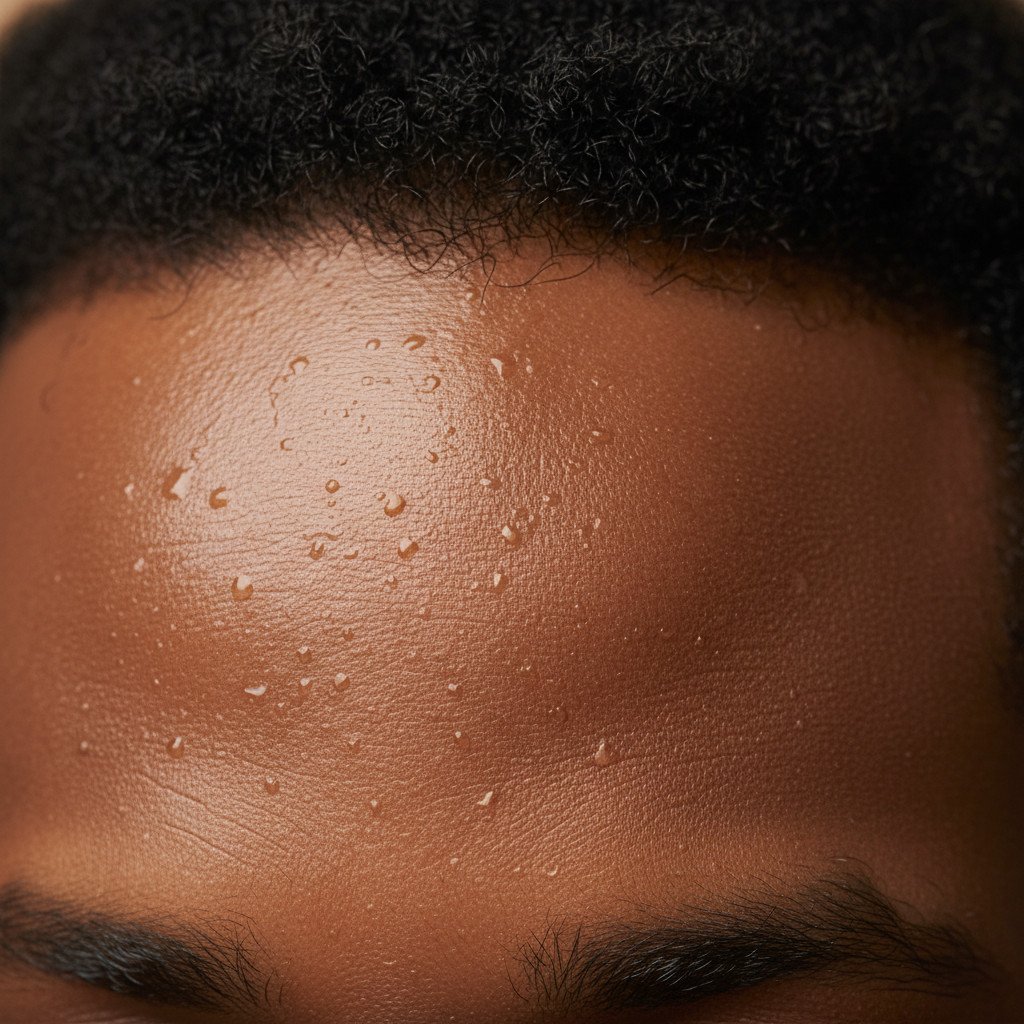
Environmental protection: In colder, drier climates, consider using a humidifier in your home to add moisture to the air. Protect your scalp from harsh sun and wind, which can further dehydrate it. Hats or head coverings can offer effective protection.
Product consistency: Once you find a moisturizing shampoo, conditioner, and scalp oil that work for you, stick with them. Frequent switching can confuse your scalp and disrupt its balance. Look for ingredients like hyaluronic acid, glycerin, shea butter, and natural oils (jojoba, argan, coconut) in your products.
Avoid excessive heat: Minimize the use of hot water for washing and excessive heat styling. Lukewarm water is best for washing, and air-drying your hair whenever possible reduces stress on your scalp. When using heat tools, always use a heat protectant and the lowest effective temperature.
Regular, gentle cleansing: While you want to avoid over-washing, regular cleansing is still important to remove product buildup and dead skin cells. Aim for 1-2 washes per week, adjusting based on your activity level and scalp’s needs. Always follow with thorough conditioning.
Stress management: High stress levels can impact overall skin health, including the scalp. Incorporate stress-reducing activities like exercise, meditation, or hobbies into your routine. A calm mind contributes to a calm scalp.
If, despite these efforts, your dry scalp persists or worsens, it’s time to consult a dermatologist. There could be an underlying condition that requires professional diagnosis and treatment. Do not self-diagnose indefinitely when symptoms are chronic.
If it’s dandruff: what to do this week
Dandruff, often caused by the yeast Malassezia globosa, demands a different strategy than dry scalp. The focus shifts from pure hydration to controlling fungal overgrowth and managing inflammation. This requires specific active ingredients.
Do this first: Acquire an anti-dandruff shampoo containing active ingredients like zinc pyrithione, selenium sulfide, ketoconazole, or salicylic acid. These ingredients are designed to inhibit fungal growth or exfoliate flakes. Avoid regular shampoos, as they will not address the root cause.
Your weekly routine will involve consistent application of these medicated products. It’s crucial to follow the instructions on the shampoo bottle, particularly regarding lathering time. This allows the active ingredients sufficient contact time with your scalp to be effective.
Your 7-day treatment routine for dandruff
This routine is designed to actively combat the yeast responsible for dandruff and alleviate associated symptoms. Consistency is paramount for success.
- Day 1 (Treatment Wash): Wet your hair thoroughly. Apply a generous amount of your anti-dandruff shampoo. Lather well, focusing on massaging the product into your scalp for 2-3 minutes. This ensures the active ingredients penetrate. Rinse thoroughly with lukewarm water. Follow with a lightweight, hydrating conditioner, applied mainly to the hair strands, avoiding heavy application directly on the scalp.
- Day 2 (Scalp Check & Light Care): Observe your scalp. If it feels excessively dry, you can apply a very small amount of a non-comedogenic, lightweight oil to the hair strands, avoiding the scalp. The primary focus is on treating the fungal issue, not adding moisture to the scalp directly.
- Day 3 (Treatment Wash): Repeat the Day 1 washing process. For stubborn dandruff, some dermatologists recommend alternating between two different types of anti-dandruff shampoos (e.g., one with zinc pyrithione, one with selenium sulfide) to prevent fungal resistance.
- Day 4 (Scalp Care): Use an scalp applicator bottle to apply a diluted apple cider vinegar rinse (1 part ACV to 4 parts water) to your scalp. This can help balance pH and reduce itchiness. Leave on for 5 minutes, then rinse.
- Day 5 (Observation & Gentle Styling): Avoid heavy styling products that can clog pores or create a breeding ground for yeast. Opt for minimal styling. Continue to monitor your scalp for improvement or persistent flaking.
- Day 6 (Preparation): Ensure you have enough anti-dandruff shampoo for your next wash. Consider a clean pillowcase to minimize reintroducing yeast to your scalp.
- Day 7 (Treatment Wash): Repeat the Day 1 washing process. If flaking has significantly reduced, you might consider reducing medicated washes to every other wash, eventually transitioning to a maintenance schedule.
During this week, resist the urge to scratch, as this can exacerbate irritation and potentially lead to infection. Be patient; significant improvement may take a few weeks of consistent treatment. If symptoms do not improve after 2-4 weeks, or worsen, consult a dermatologist.
Long-term strategies for dandruff management
Managing dandruff is often an ongoing process, as the underlying fungal predisposition can be chronic. Long-term strategies focus on maintenance and prevention.
Consistent use of medicated shampoo: Once your dandruff is under control, you may not need to use medicated shampoo every wash. However, incorporating it into your routine 1-2 times a week, or as needed, can prevent recurrence. Some men find success alternating between a medicated shampoo and a gentle, regular shampoo.
Scalp hygiene: Regular washing is crucial to prevent the buildup of oils and dead skin cells that feed Malassezia. While dry scalp benefits from less frequent washing, dandruff often requires more consistent cleansing. Find a balance that keeps your scalp clean without over-drying.
Avoid heavy, oily products: Products that are heavy or excessively oily can create an ideal environment for Malassezia to thrive. Opt for lightweight, non-comedogenic products for styling. If you use pomades or creams, ensure they are thoroughly washed out during your next cleanse.
Diet and lifestyle: While direct causal links are less clear than with dry scalp, some evidence suggests that a diet high in refined sugars and certain fats might promote inflammation, potentially exacerbating dandruff. A balanced diet rich in fruits, vegetables, and lean proteins is generally beneficial for overall skin health. Stress management also plays a role, as stress can weaken the immune system and potentially trigger flare-ups.
Clean styling tools: Regularly clean your combs, brushes, and other styling tools. These can harbor yeast and bacteria, reintroducing them to your scalp. A simple wash with soap and water or a diluted antiseptic solution is sufficient.
Sun exposure: Moderate sun exposure can sometimes help improve dandruff, as UV light has antifungal properties. However, excessive sun exposure can damage your skin and hair, so always practice sun safety.
When to see a professional: If your dandruff is severe, doesn’t respond to over-the-counter treatments, causes significant hair loss, or is accompanied by painful sores or oozing, a dermatologist visit is essential. They can prescribe stronger medicated shampoos, topical steroids, or oral antifungal medications. They can also rule out other conditions like seborrheic dermatitis, psoriasis, or fungal infections that mimic dandruff.
Table: Symptom → more likely → first move
| Symptom | More Likely | First Move |
|---|---|---|
| Small, white, powdery flakes | Dry Scalp | Use moisturizing shampoo & lightweight scalp oil. |
| Large, oily, yellowish flakes | Dandruff | Use anti-dandruff shampoo (zinc pyrithione, selenium sulfide). |
| Tight, itchy scalp, no visible redness | Dry Scalp | Increase scalp hydration; gentle cleansing. |
| Intense itch, redness, inflammation | Dandruff | Consistent use of medicated shampoo; avoid scratching. |
| Scalp feels dry and brittle | Dry Scalp | Deep conditioning, reduce harsh product use. |
| Scalp feels greasy or oily | Dandruff | Regular cleansing with medicated shampoo; avoid heavy oils. |
| Flakes worsen in dry, cold weather | Dry Scalp | Humidifier, protective headwear, internal hydration. |
| Flakes persist year-round, regardless of weather | Dandruff | Maintain consistent medicated shampoo routine. |
| No visible inflammation, just flaking | Dry Scalp | Focus on gentle, hydrating products. |
| Red patches, irritation, or crusting | Dandruff | Consult dermatologist if OTC treatments fail. |
This table serves as a quick reference for immediate action. Use it to guide your initial response, but always remember that persistent or worsening symptoms require professional medical attention. Your scalp health is a journey, not a destination.
Frequently Asked Questions
What’s the primary difference between dry scalp and dandruff?
The primary difference lies in their cause and appearance. Dry scalp is due to a lack of moisture, resulting in small, white, powdery flakes and a tight, itchy feeling. Dandruff, often caused by a yeast overgrowth, produces larger, oily, yellowish flakes, often accompanied by redness and more intense itching. Understanding this distinction is crucial for effective treatment.
Can I have both dry scalp and dandruff simultaneously?
Yes, it is possible to experience both conditions. For example, an underlying dandruff condition might be exacerbated by a dry environment or harsh products, leading to symptoms of both. In such cases, it’s often recommended to treat the dandruff first, as it’s a more complex condition, while simultaneously ensuring gentle, hydrating care for the scalp to prevent excessive dryness from medicated treatments.
How often should Black men wash their hair if they have dandruff?
For dandruff, Black men should typically wash their hair with an anti-dandruff shampoo 2-3 times a week, or as directed by the product label or a dermatologist. This frequency helps to control the yeast overgrowth and remove flakes. Once the condition improves, you might reduce the frequency to 1-2 times a week for maintenance, alternating with a regular, gentle shampoo.
Are there natural remedies for dry scalp or dandruff?
For dry scalp, natural remedies like diluted apple cider vinegar rinses, aloe vera gel, or lightweight natural oils (jojoba, argan) can provide relief. For dandruff, tea tree oil (diluted) has antifungal properties, and apple cider vinegar can help balance scalp pH. However, natural remedies should be used with caution and are often best as supplementary treatments, not replacements for proven medicated solutions, especially for severe dandruff. Always patch test first.
When should I see a dermatologist for my scalp condition?
You should consult a dermatologist if your scalp condition doesn’t improve after several weeks of consistent over-the-counter treatment, if symptoms worsen, or if you experience severe redness, inflammation, pain, oozing, sores, or significant hair loss. These symptoms could indicate a more serious underlying condition that requires professional diagnosis and prescription-strength treatment. Early intervention can prevent escalation.
Can diet affect dandruff or dry scalp?
Yes, diet can play a role in overall skin and scalp health. For dry scalp, ensuring adequate hydration and consuming foods rich in omega-3 fatty acids can support skin barrier function. For dandruff, while not a direct cause, a diet high in processed foods and sugars might contribute to inflammation, potentially exacerbating the condition. A balanced diet generally supports a healthier scalp environment.
What kind of water should I use to wash my hair?
Lukewarm water is ideal for washing your hair and scalp. Hot water can strip the scalp of its natural oils, exacerbating dryness, and can also irritate an already inflamed scalp. Cold water, while sometimes used for shine, may not effectively rinse out products. Lukewarm water effectively cleanses without causing undue stress to the scalp or hair.
Final Thoughts
Distinguishing between dandruff and dry scalp is a fundamental step toward effective scalp care for Black men. This clarity empowers you to select the right products and implement targeted routines, moving beyond generic solutions that often yield minimal results. Your scalp is a complex ecosystem; understanding its signals is critical for maintaining health and comfort.
Whether your battle is with persistent flakes from dandruff or the tightness of a dry scalp, the principles remain consistent: informed action, consistent care, and a willingness to seek professional guidance when needed. Embrace this knowledge, apply these strategies, and cultivate a scalp that is healthy, comfortable, and free from irritation. Your confidence, and your hair, will reflect the effort.
Next reads: Deepen your understanding of scalp health with our guides on Hair & scalp health for Black men, learn how to combat dry scalp, and master the fight against dandruff.
For those dealing with flaking in their facial hair, understanding the nuances of beard dandruff is equally important. Furthermore, incorporating the right products, such as the best shampoo for Black men, into your routine can significantly impact your overall hair and scalp vitality. Remember, a holistic approach to grooming supports not just your appearance but your overall well-being, a key tenet of the Black men’s grooming lifestyle.
Frequently Asked Questions
What’s the primary difference between dry scalp and dandruff?
The primary difference lies in their cause and appearance. Dry scalp is due to a lack of moisture, resulting in small, white, powdery flakes and a tight, itchy feeling. Dandruff, often caused by a yeast overgrowth, produces larger, oily, yellowish flakes, often accompanied by redness and more intense itching. Understanding this distinction is crucial for effective treatment.
Can I have both dry scalp and dandruff simultaneously?
Yes, it is possible to experience both conditions. For example, an underlying dandruff condition might be exacerbated by a dry environment or harsh products, leading to symptoms of both. In such cases, it’s often recommended to treat the dandruff first, as it’s a more complex condition, while simultaneously ensuring gentle, hydrating care for the scalp to prevent excessive dryness from medicated treatments.
How often should Black men wash their hair if they have dandruff?
For dandruff, Black men should typically wash their hair with an anti-dandruff shampoo 2-3 times a week, or as directed by the product label or a dermatologist. This frequency helps to control the yeast overgrowth and remove flakes. Once the condition improves, you might reduce the frequency to 1-2 times a week for maintenance, alternating with a regular, gentle shampoo.
Are there natural remedies for dry scalp or dandruff?
For dry scalp, natural remedies like diluted apple cider vinegar rinses, aloe vera gel, or lightweight natural oils (jojoba, argan) can provide relief. For dandruff, tea tree oil (diluted) has antifungal properties, and apple cider vinegar can help balance scalp pH. However, natural remedies should be used with caution and are often best as supplementary treatments, not replacements for proven medicated solutions, especially for severe dandruff. Always patch test first.
When should I see a dermatologist for my scalp condition?
You should consult a dermatologist if your scalp condition doesn’t improve after several weeks of consistent over-the-counter treatment, if symptoms worsen, or if you experience severe redness, inflammation, pain, oozing, sores, or significant hair loss. These symptoms could indicate a more serious underlying condition that requires professional diagnosis and prescription-strength treatment. Early intervention can prevent escalation.
Can diet affect dandruff or dry scalp?
Yes, diet can play a role in overall skin and scalp health. For dry scalp, ensuring adequate hydration and consuming foods rich in omega-3 fatty acids can support skin barrier function. For dandruff, while not a direct cause, a diet high in processed foods and sugars might contribute to inflammation, potentially exacerbating the condition. A balanced diet generally supports a healthier scalp environment.
What kind of water should I use to wash my hair?
Lukewarm water is ideal for washing your hair and scalp. Hot water can strip the scalp of its natural oils, exacerbating dryness, and can also irritate an already inflamed scalp. Cold water, while sometimes used for shine, may not effectively rinse out products. Lukewarm water effectively cleanses without causing undue stress to the scalp or hair.
Shop moisturizing shampoo on Amazon
Shop lightweight scalp oil on Amazon