Dry Scalp in Black Men: The Routine That Stops Flaking Without Greasing Your Hair
Dry scalp is a common concern for Black men, often leading to discomfort, itching, and visible flakes. Many attempt to solve this by applying heavy oils or greases, which can clog pores, weigh down hair, and exacerbate the problem. This approach is counterproductive. Effective dry scalp management requires a nuanced understanding of your scalp’s needs, focusing on hydration, gentle cleansing, and consistent care without resorting to outdated practices.
Understanding the root causes of dry scalp is the first step toward lasting relief. Factors like environmental conditions, product choices, and even genetics play a role. Our guide cuts through the noise, offering a science-backed, practical routine designed specifically for the unique characteristics of Black men’s hair and scalp. This isn’t about quick fixes; it’s about establishing a sustainable regimen that promotes Hair & scalp health for Black men, ensuring your scalp is nourished and your hair remains vibrant.
This comprehensive approach integrates barbershop wisdom with modern dermatological insights. We’ll detail a step-by-step routine, from morning preparation to wash-day rituals, ensuring every action contributes to a healthy, flake-free scalp. Consistency is key, and with the right products and techniques, you can eliminate dryness and maintain optimal scalp conditions without the heavy, greasy residue.
Dry scalp is common in Black men (and it’s fixable)
Dry scalp is a prevalent issue within the Black male community, often manifesting as persistent itching, tightness, and visible flaking. The unique structure of Black hair, characterized by its coiled and porous nature, can make it more challenging for natural scalp oils (sebum) to travel down the hair shaft, leaving the scalp exposed and prone to dryness. Additionally, common styling practices and product choices can inadvertently strip the scalp of its natural moisture or create a barrier that prevents proper hydration.
Many men mistake dry scalp for dandruff, leading to incorrect treatment. While both conditions present with flakes, their underlying causes and necessary interventions differ significantly. Dry scalp is primarily a lack of moisture, whereas dandruff is often linked to an overgrowth of yeast on the scalp. Recognizing this distinction is crucial for effective treatment. The good news is that dry scalp is entirely manageable and fixable with a targeted, consistent routine.
Our approach focuses on restoring and maintaining the scalp’s natural moisture barrier. This involves using hydrating ingredients, gentle cleansing methods, and protective practices that support scalp health without causing build-up or irritation. By understanding the specific needs of your scalp and hair, you can implement a regimen that not only alleviates symptoms but also prevents future occurrences, ensuring comfort and confidence.
Environmental factors also play a significant role. Cold, dry weather, low humidity, and even indoor heating can strip moisture from the scalp, exacerbating dryness. Similarly, frequent exposure to harsh chemicals in some hair products or excessive heat styling can compromise the scalp’s delicate balance. Addressing these external stressors alongside an internal care routine is vital for comprehensive relief.
Furthermore, diet and hydration contribute to overall skin and scalp health. Ensuring adequate water intake and consuming a balanced diet rich in essential fatty acids can support the body’s natural moisturizing processes from within. This holistic perspective underscores that scalp health is not isolated but interconnected with general well-being. By adopting a multi-faceted strategy, you can effectively combat dry scalp and achieve lasting comfort.
Dry scalp vs dandruff (don’t treat the wrong problem)
Distinguishing between dry scalp and dandruff is fundamental to effective treatment. While both conditions manifest with flakes, their origins and required remedies are distinct. Misdiagnosing can lead to prolonged discomfort and ineffective product use, potentially worsening the condition. Understanding these differences empowers you to choose the correct approach for relief.
Dry scalp occurs when the scalp lacks sufficient moisture. This can be due to environmental factors like dry air, frequent washing with harsh shampoos, or insufficient natural oil production. The flakes associated with dry scalp are typically small, white, and dry, often accompanied by a feeling of tightness or itchiness. Your scalp might feel parched, much like dry skin on other parts of your body. The solution lies in hydration and gentle care.
Dandruff, on the other hand, is usually caused by an overgrowth of a yeast-like fungus called Malassezia, which naturally lives on the scalp. When this fungus proliferates, it irritates the scalp, leading to accelerated skin cell turnover. The flakes from dandruff are often larger, yellowish, and may appear oily. They are usually accompanied by significant itching and sometimes redness. Dandruff requires antifungal treatments, not just hydration.
If you’re unsure which condition you have, consider the characteristics of your flakes and accompanying symptoms. If your scalp feels tight and the flakes are fine and white, it’s likely dry scalp. If the flakes are larger, yellowish, and your scalp is oily or inflamed, it’s probably dandruff. For a deeper dive into the nuances and to ensure you’re treating the right issue, consult our detailed comparison: dandruff vs dry scalp.
Treating dry scalp with anti-dandruff shampoos can further strip moisture, exacerbating the dryness. Conversely, treating dandruff with only moisturizing products will not address the fungal overgrowth, allowing the condition to persist. Accurate identification is the cornerstone of effective scalp care. If symptoms persist or are severe, a dermatologist can provide a definitive diagnosis and personalized treatment plan.
Understanding the difference is not merely academic; it directly impacts your comfort and the health of your scalp. Many men spend years battling what they believe is dandruff, only to find relief once they correctly identify and treat dry scalp. This knowledge empowers you to select products and routines that genuinely address your specific needs, leading to a healthier, more comfortable scalp.
AM routine (2 steps)
Your morning routine sets the tone for your scalp’s hydration throughout the day. It’s about providing a light layer of moisture and protection without weighing down your hair or creating a greasy feel. This two-step process is quick, efficient, and highly effective for managing dry scalp.
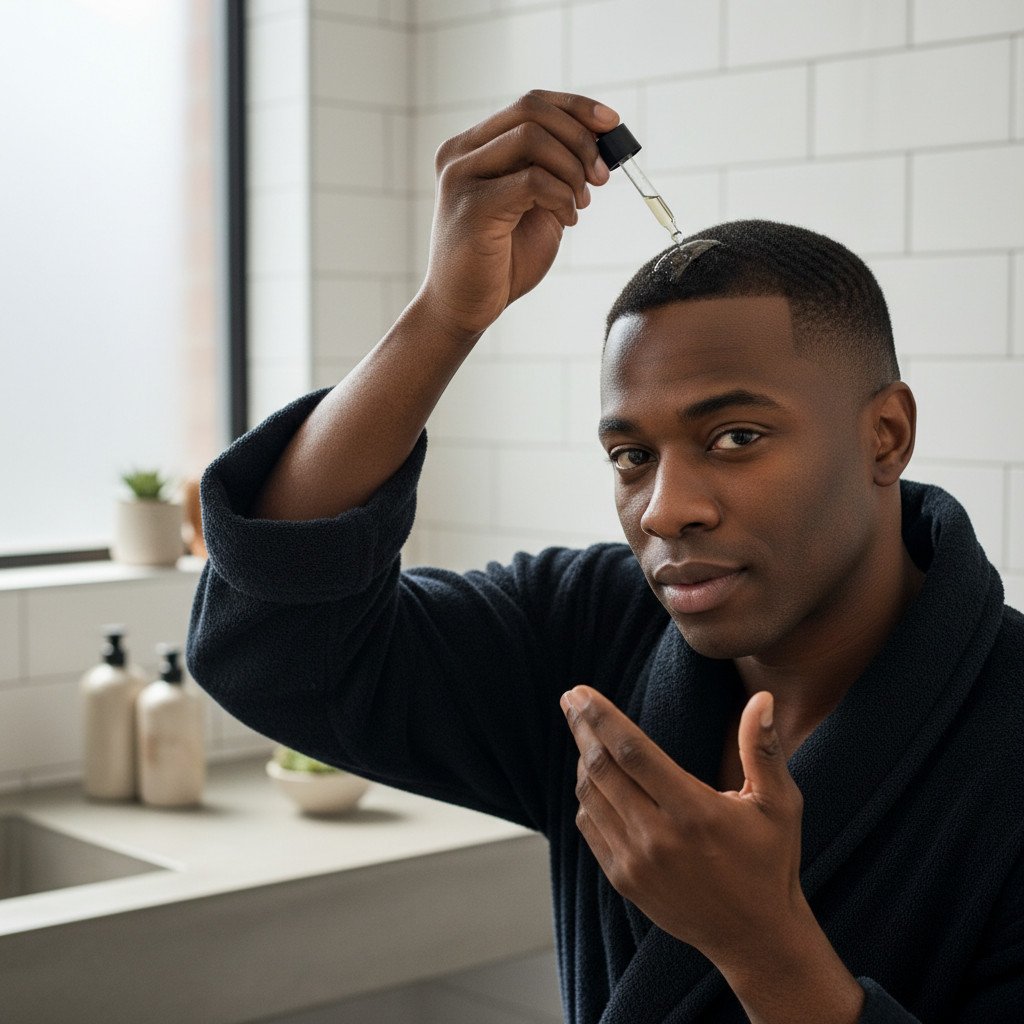
- Lightweight Scalp Hydration: Begin your day by applying a small amount of lightweight scalp oil directly to your scalp. Opt for oils like jojoba, argan, or grapeseed, which are non-comedogenic and mimic the scalp’s natural sebum. Use a dropper to apply a few drops along your part lines and gently massage it in with your fingertips. This helps to distribute the oil evenly and stimulate blood flow to the scalp. The goal is to provide a protective barrier against environmental dryness without making your hair feel heavy or oily. Focus on areas prone to dryness or flaking. This step is crucial for maintaining moisture balance throughout the day, especially if you spend time in dry environments or air-conditioned spaces.
- Gentle Scalp Massage: After applying the oil, spend 1-2 minutes performing a gentle scalp massage. Use the pads of your fingertips, not your nails, to work in small circular motions across your entire scalp. This massage not only helps the oil penetrate but also increases circulation, which is vital for healthy hair growth and scalp vitality. The increased blood flow brings essential nutrients to the hair follicles and helps distribute natural oils more effectively. This simple action can significantly reduce tightness and discomfort associated with dry scalp, promoting a sense of calm and well-being.
This morning routine is designed to be quick and unobtrusive, fitting seamlessly into your daily preparation. It ensures your scalp receives consistent hydration and care, preventing the onset of dryness and flaking before it becomes a problem. Consistency is more important than quantity; a small, regular application of the right product makes a significant difference.
For those with very short hair or a bald head, this routine is even simpler. The lightweight oil can be applied directly to the entire scalp and massaged in. The absence of hair makes direct application and absorption more efficient. This daily ritual supports a healthy scalp environment, which is the foundation for healthy hair, regardless of length or style.
Remember, the key is ‘lightweight.’ Avoid heavy petroleum-based products or thick pomades in the morning, as these can clog pores and attract dust, leading to other scalp issues. The selected oils absorb quickly, leaving no greasy residue, only a comfortable, hydrated feel. This routine is a proactive measure against dryness, ensuring your scalp remains comfortable and flake-free from morning to night.
Wash-day routine (exact steps)
Your wash-day routine is the cornerstone of managing dry scalp. It’s an opportunity to cleanse, deeply hydrate, and reset your scalp’s moisture balance. This comprehensive six-step process ensures thorough care without stripping natural oils, promoting a healthy, comfortable scalp.
- Pre-Poo Treatment: Before shampooing, apply a pre-poo treatment. This could be a natural oil like coconut or olive oil, or a specialized pre-shampoo conditioner. Apply it generously to your hair and scalp, ensuring full coverage. Allow it to sit for at least 15-30 minutes, or even overnight for deeper penetration. This step acts as a protective barrier, preventing the shampoo from stripping too much natural oil from your hair and scalp. It also helps to loosen any build-up, making subsequent cleansing more effective and less abrasive.
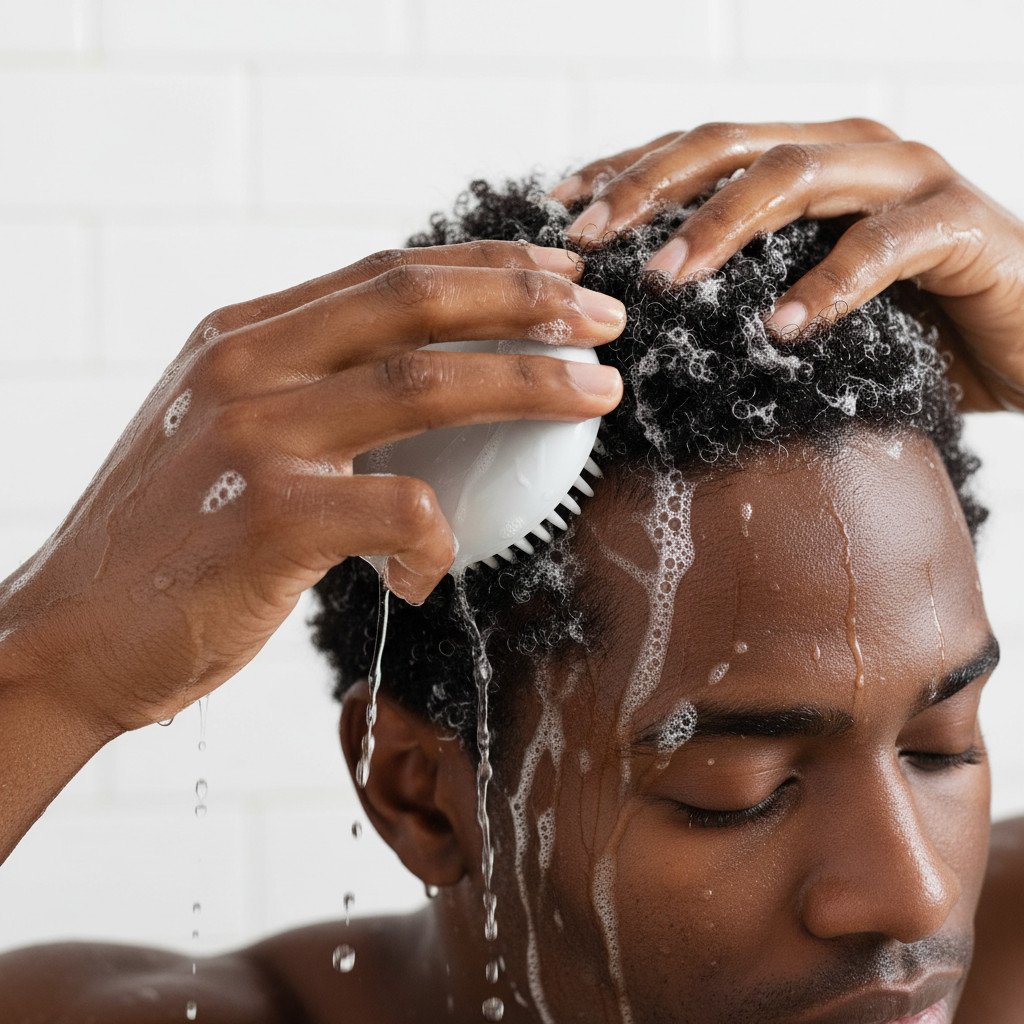
- Gentle Cleansing with Moisturizing Shampoo: Wet your hair thoroughly with warm water. Apply a small amount of moisturizing shampoo designed for dry scalp or textured hair. Focus on cleansing your scalp first, gently massaging the shampoo in with your fingertips to lift dirt, oil, and product buildup. Allow the lather to run down the length of your hair as you rinse, avoiding harsh scrubbing of the hair strands themselves. Look for shampoos free of sulfates and harsh detergents, as these can exacerbate dryness.
- Scalp Exfoliation (Optional, Bi-Weekly): If you experience significant flaking or product buildup, consider incorporating a gentle scalp exfoliation every two weeks. Use a scalp massage brush or a dedicated scalp scrub during your shampoo step. This helps to remove dead skin cells and clear follicles, allowing for better absorption of subsequent products. Be gentle; aggressive scrubbing can irritate the scalp and worsen dryness.
- Deep Conditioning: After rinsing out the shampoo, apply a generous amount of deep conditioner. Focus on your hair strands, but also ensure your scalp receives some of the conditioning benefits. Distribute evenly, then cover your hair with a plastic cap and allow the conditioner to penetrate for 20-30 minutes, optionally using indirect heat for enhanced absorption. Deep conditioning replenishes moisture, strengthens hair, and soothes the scalp, making it an indispensable step for dry scalp management.
- Rinse with Cool Water: Rinse the deep conditioner out thoroughly with cool or lukewarm water. Cool water helps to close the hair cuticles, locking in moisture and adding shine. Ensure no product residue is left on your scalp, as this can lead to buildup and irritation. A clean rinse is crucial for maintaining a healthy scalp environment.
- Apply Leave-In Conditioner: While your hair is still damp, apply a leave in conditioner. This product provides continuous hydration and protection until your next wash. Focus on applying it evenly through your hair, and lightly massage any excess into your scalp. This final layer of moisture is critical for preventing dryness and maintaining softness throughout the week. For optimal results, ensure the leave-in is lightweight and non-greasy.
This detailed wash-day routine ensures your scalp receives comprehensive care, addressing cleansing, hydration, and protection. By following these steps consistently, you will notice a significant reduction in dryness, itching, and flaking, leading to a healthier, more comfortable scalp. For more insights on selecting the right products, consider exploring our guide on best shampoo for Black men.
The frequency of your wash day depends on your hair type, lifestyle, and how quickly your scalp accumulates product or oil. For most Black men with dry scalp, washing once a week or every 10 days is sufficient. Over-washing can strip essential oils, while under-washing can lead to buildup. Find a rhythm that works for your scalp’s specific needs.
Remember, every product you use contributes to your scalp’s ecosystem. Opt for products with natural, nourishing ingredients and avoid those with harsh chemicals, artificial fragrances, or heavy mineral oils that can suffocate the scalp. Your wash day is not just about cleaning; it’s about nurturing your scalp back to health.
Weekly schedule (exact plan)
Consistency is paramount in managing dry scalp. This weekly schedule provides a structured plan to ensure your scalp receives continuous care, preventing dryness and maintaining optimal health. Adjust the days to fit your personal routine, but adhere to the sequence and principles.
- Monday (Day 1 – Wash Day): Execute the full 6-step wash-day routine. Focus on thorough cleansing, deep conditioning, and applying leave-in conditioner. This day is about resetting your scalp’s moisture balance.
- Tuesday (Day 2): Morning: Apply lightweight scalp oil and perform a gentle scalp massage. Evening: Light re-moisturizing if needed, focusing on any particularly dry spots.
- Wednesday (Day 3): Morning: Apply lightweight scalp oil and perform a gentle scalp massage. Evening: Consider a light mist of water or a hydrating hair tonic if your hair feels particularly dry.
- Thursday (Day 4): Morning: Apply lightweight scalp oil. Evening: Assess scalp. If no dryness, no additional product needed. If slight tightness, a few drops of oil.
- Friday (Day 5): Morning: Apply lightweight scalp oil and perform a gentle scalp massage. This is a good day to refresh your hair and scalp before the weekend.
- Saturday (Day 6): Rest day for your scalp. Avoid applying too many products. If your scalp feels good, let it breathe. If you have an active lifestyle, a quick rinse with water and light oil application might be necessary.
- Sunday (Day 7 – Prep Day): Morning: Apply lightweight scalp oil. Evening: Prepare for your next wash day. Consider a pre-poo treatment application if you plan to wash on Monday, allowing it to sit overnight for maximum benefit.
This schedule is a template; listen to your scalp. If you notice increased dryness on a particular day, don’t hesitate to reapply a small amount of lightweight scalp oil. The goal is to keep your scalp consistently hydrated without over-saturating it. For those who exercise frequently, an extra rinse with water and a light reapplication of leave-in or scalp oil might be beneficial to combat sweat-induced dryness.
For those who wear protective styles like braids or twists, the application of lightweight scalp oil can be done by carefully applying it to the scalp between the parts. Ensure the oil is light enough not to cause buildup within the style. A spray bottle with diluted leave-in conditioner can also be used to mist the scalp and hair for hydration.
The key to this weekly schedule is proactive care. Don’t wait for your scalp to feel extremely dry or itchy before taking action. Regular, gentle hydration and cleansing will prevent most dry scalp issues before they escalate. This consistent approach ensures long-term scalp health and comfort.
Table: Symptom → likely cause → what to do this week
| Symptom | Likely Cause | What to Do This Week |
|---|---|---|
| Small, white, dry flakes; tight, itchy scalp | Dry Scalp (lack of moisture) | Increase lightweight scalp oil application (daily AM). Ensure deep conditioning on wash day. Avoid harsh shampoos. |
| Larger, yellowish, oily flakes; significant itch, redness | Dandruff (Malassezia overgrowth) | Use an anti-dandruff shampoo (e.g., pyrithione zinc, selenium sulfide) twice weekly. See Dandruff in Black Men for more. |
| Scalp feels sticky, heavy; dull hair | Product buildup (heavy oils, silicones) | Clarify with a sulfate-free clarifying shampoo. Reduce use of heavy products. Incorporate scalp exfoliation. |
| Redness, irritation, burning sensation | Allergic reaction or chemical burn | Discontinue all new products. Rinse scalp thoroughly. Apply soothing aloe vera. Consult a dermatologist if persistent. |
| Hair breakage, dullness, lack of elasticity | Lack of moisture, protein imbalance | Increase deep conditioning. Use leave-in conditioner daily. Incorporate protein treatment monthly (if needed). |
| Sudden, localized hair loss; painful lesions | Scalp infection, inflammatory condition | Immediately consult a dermatologist or doctor. Do not self-treat. This requires professional medical attention. |
This table serves as a quick reference guide to help you identify common scalp symptoms and take appropriate action. It emphasizes the importance of accurate diagnosis and targeted treatment. For persistent or severe issues, professional medical advice is always recommended.
Understanding these distinctions empowers you to react effectively to your scalp’s signals. Self-assessment is a powerful tool in maintaining scalp health, but knowing when to seek professional help is equally important. This proactive approach ensures minor issues don’t escalate into more significant problems.
It’s crucial to remember that your scalp’s needs can change with seasons, stress levels, and even dietary shifts. Regularly checking in with your scalp and adjusting your routine accordingly is part of effective self-mastery in grooming. This table provides a framework for that ongoing assessment.
Frequently Asked Questions
Addressing common questions about dry scalp helps clarify misconceptions and reinforces best practices for Black men.
What causes dry scalp specifically in Black men?
Dry scalp in Black men is often attributed to the unique structure of Afro-textured hair, which is coiled and porous. This makes it difficult for natural scalp oils (sebum) to travel down the hair shaft, leaving the scalp exposed and prone to dryness. Additionally, some traditional styling products and environmental factors can exacerbate moisture loss. Genetic predisposition and lifestyle choices also play a role in the scalp’s ability to retain hydration.
How often should I wash my hair if I have a dry scalp?
For Black men with dry scalp, washing your hair once a week or every 10 days is generally recommended. Over-washing can strip the scalp of its natural oils, leading to further dryness. However, under-washing can lead to product buildup, which can also irritate the scalp. Listen to your scalp’s needs and adjust frequency as necessary, always using a moisturizing shampoo.
Can diet affect my dry scalp?
Yes, diet plays a significant role in overall skin and scalp health. A diet rich in essential fatty acids (like omega-3s found in fish, flaxseed, and walnuts) can help improve skin hydration and reduce inflammation. Adequate water intake is also crucial for maintaining moisture levels throughout the body, including the scalp. A balanced diet supports the body’s natural processes for healthy skin and hair.
Are there any ingredients I should avoid in hair products for dry scalp?
Absolutely. Avoid products containing sulfates (like Sodium Lauryl Sulfate and Sodium Laureth Sulfate), as these are harsh detergents that can strip natural oils from your scalp. Also, be wary of heavy mineral oils and petroleum jelly, which can clog pores and prevent the scalp from breathing. Alcohol-based products can also be very drying. Opt for natural oils, humectants like glycerin, and gentle, hydrating ingredients.
When should I see a dermatologist for my dry scalp?
You should consult a dermatologist if your dry scalp symptoms persist despite consistent use of a proper routine, if you experience severe itching, redness, inflammation, oozing, or sudden hair loss. These symptoms could indicate a more serious underlying condition like eczema, psoriasis, or a fungal infection that requires medical diagnosis and prescription treatment. Early intervention can prevent further complications.

Can I use heat styling if I have a dry scalp?
While occasional heat styling is permissible, it’s best to minimize its use if you have a dry scalp. High heat can strip moisture from both your hair and scalp, exacerbating dryness. If you must use heat, always apply a heat protectant and use the lowest effective temperature. Air-drying or using cool settings on a blow dryer are preferable options for maintaining scalp hydration.
What’s the difference between dry scalp and dandruff?
Dry scalp is characterized by a lack of moisture, resulting in small, white, dry flakes and a tight, itchy feeling. Dandruff, on the other hand, is typically caused by an overgrowth of a yeast-like fungus, leading to larger, yellowish, oily flakes, significant itching, and sometimes redness. Treating dry scalp requires hydration, while dandruff needs antifungal agents. Misdiagnosis can worsen the condition.
Final Thoughts
Managing dry scalp in Black men is an achievable goal, not a perpetual struggle. By adopting a routine that prioritizes hydration, gentle cleansing, and consistent care, you can transform your scalp health. Move beyond outdated practices of heavy greases and embrace a regimen that truly nourishes your scalp and hair. This isn’t just about aesthetics; it’s about comfort, confidence, and overall well-being.
Remember, your scalp is skin, and it requires the same thoughtful attention you give to the rest of your body. Consistency, the right products, and an understanding of your unique needs are your most powerful tools. Don’t hesitate to adjust your routine as seasons change or as your scalp’s needs evolve. This journey to a healthy, flake-free scalp is an integral part of elevated self-mastery.
For further exploration into comprehensive grooming and lifestyle, consider these next reads: Hair & scalp health for Black men, Dandruff vs dry scalp in Black men, and Best shampoo for Black men.
Frequently Asked Questions
What causes dry scalp specifically in Black men?
Dry scalp in Black men is often attributed to the unique structure of Afro-textured hair, which is coiled and porous. This makes it difficult for natural scalp oils (sebum) to travel down the hair shaft, leaving the scalp exposed and prone to dryness. Additionally, some traditional styling products and environmental factors can exacerbate moisture loss. Genetic predisposition and lifestyle choices also play a role in the scalp’s ability to retain hydration.
How often should I wash my hair if I have a dry scalp?
For Black men with dry scalp, washing your hair once a week or every 10 days is generally recommended. Over-washing can strip the scalp of its natural oils, leading to further dryness. However, under-washing can lead to product buildup, which can also irritate the scalp. Listen to your scalp’s needs and adjust frequency as necessary, always using a moisturizing shampoo.
Can diet affect my dry scalp?
Yes, diet plays a significant role in overall skin and scalp health. A diet rich in essential fatty acids (like omega-3s found in fish, flaxseed, and walnuts) can help improve skin hydration and reduce inflammation. Adequate water intake is also crucial for maintaining moisture levels throughout the body, including the scalp. A balanced diet supports the body’s natural processes for healthy skin and hair.
Are there any ingredients I should avoid in hair products for dry scalp?
Absolutely. Avoid products containing sulfates (like Sodium Lauryl Sulfate and Sodium Laureth Sulfate), as these are harsh detergents that can strip natural oils from your scalp. Also, be wary of heavy mineral oils and petroleum jelly, which can clog pores and prevent the scalp from breathing. Alcohol-based products can also be very drying. Opt for natural oils, humectants like glycerin, and gentle, hydrating ingredients.
When should I see a dermatologist for my dry scalp?
You should consult a dermatologist if your dry scalp symptoms persist despite consistent use of a proper routine, if you experience severe itching, redness, inflammation, oozing, or sudden hair loss. These symptoms could indicate a more serious underlying condition like eczema, psoriasis, or a fungal infection that requires medical diagnosis and prescription treatment. Early intervention can prevent further complications.
Can I use heat styling if I have a dry scalp?
While occasional heat styling is permissible, it’s best to minimize its use if you have a dry scalp. High heat can strip moisture from both your hair and scalp, exacerbating dryness. If you must use heat, always apply a heat protectant and use the lowest effective temperature. Air-drying or using cool settings on a blow dryer are preferable options for maintaining scalp hydration.
What’s the difference between dry scalp and dandruff?
Dry scalp is characterized by a lack of moisture, resulting in small, white, dry flakes and a tight, itchy feeling. Dandruff, on the other hand, is typically caused by an overgrowth of a yeast-like fungus, leading to larger, yellowish, oily flakes, significant itching, and sometimes redness. Treating dry scalp requires hydration, while dandruff needs antifungal agents. Misdiagnosis can worsen the condition.
Shop lightweight scalp oil on Amazon
Shop moisturizing shampoo on Amazon