Durag vs Wave Cap: What Black Men Should Wear for Waves (and When to Use Both)
Achieving crisp, defined 360 waves for Black men is a commitment. It requires consistent brushing, proper moisturization, and, crucially, effective compression. The final step in your wave routine, compression, is what locks in your hard work, lays down your hair, and helps train it into that signature ripple pattern. Without it, even the most diligent brushing regimen falls short.
Understanding the nuances of compression is paramount. It’s not just about covering your head; it’s about applying even, consistent pressure that guides your hair’s natural growth pattern. This is where the debate between the durag and the wave cap enters the conversation. Both serve the purpose of compression, but they are not interchangeable tools. Each has distinct characteristics, optimal use cases, and benefits that cater to different stages of your wave journey and daily needs.
This guide cuts through the noise, offering direct, actionable insights on when to deploy a durag, when a wave cap is your best ally, and how to integrate both into a comprehensive wave maintenance strategy. We’ll explore the design, material science, and practical application of each, ensuring you make informed choices that elevate your wave game. No fluff, just facts and expert advice to keep your waves laid and looking sharp.
Compression is what locks in your work
The foundation of exceptional waves lies in consistent, effective compression. This isn’t merely about flattening your hair; it’s a strategic process that trains your hair follicles to grow in a specific direction. When you brush, you’re aligning your hair. When you apply a durag or wave cap, you’re reinforcing that alignment, ensuring the hair stays in place as it dries and sets. This sustained pressure is critical for developing deep, visible wave patterns that hold their form throughout the day.
Think of compression as the final seal on your wave-building efforts. After a rigorous brushing session and moisturizing, your hair is primed. Without proper compression, your hair can revert, frizz, or lose the progress you’ve made. The right headwear provides the necessary tension to keep every strand lying flat against your scalp, preventing stray hairs and encouraging the uniform ripple effect that defines 360 waves. It’s an indispensable component of the wave journey, ensuring your daily efforts translate into tangible, lasting results.
Moreover, compression protects your hair from environmental factors and friction. Whether you’re sleeping, working out, or simply going about your day, a durag or wave cap shields your hair from external elements that can disrupt your wave pattern. This protection is especially vital during sleep, when tossing and turning can lead to frizz and undo hours of brushing. By maintaining consistent pressure, you’re not just creating waves; you’re preserving them, day in and day out.
The choice between a durag and a wave cap, therefore, isn’t trivial. It hinges on understanding the specific type of compression each offers and how that aligns with your current wave stage, hair texture, and daily activities. Both tools are designed to maximize the efficacy of your brushing and moisturizing routine, but their distinct features make them suitable for different scenarios. Mastering their use is a key differentiator for those serious about achieving elite-level waves.
Effective compression also plays a significant role in hair health. By keeping hair laid flat, it minimizes tangling and breakage, which are common issues for textured hair. The smooth surface of a durag or wave cap reduces friction against pillows or clothing, preserving the hair’s cuticle and preventing damage. This dual benefit of wave formation and hair protection underscores the importance of integrating these tools thoughtfully into your grooming regimen. It’s an investment in both style and hair integrity.
The consistency of compression is arguably as important as the compression itself. Sporadic use will yield sporadic results. For optimal wave development, compression should be a daily, often nightly, practice. This routine reinforces the hair’s trained direction, making the wave pattern more resilient and defined over time. It’s a testament to the discipline required for elite waves, where every step, including the final act of compression, contributes to the overall masterpiece.
Ultimately, compression is the silent workhorse of the wave game. It takes the effort you put into brushing and moisturizing and amplifies it, ensuring that your hair responds to the training. Without it, your wave journey would be significantly longer and more frustrating. With it, you unlock the full potential of your hair, transforming it into the dynamic, rippling canvas you desire. Choose your compression tool wisely, and wield it consistently for superior results.
Durag vs wave cap (real differences)
The durag and the wave cap are often grouped, but their differences are substantial and impact their effectiveness for wave development. Understanding these distinctions is crucial for selecting the right tool for the right situation. While both provide compression, they do so with varying degrees of intensity, material properties, and aesthetic considerations. This deep dive will clarify when to reach for which.
Durag: The Compression Powerhouse
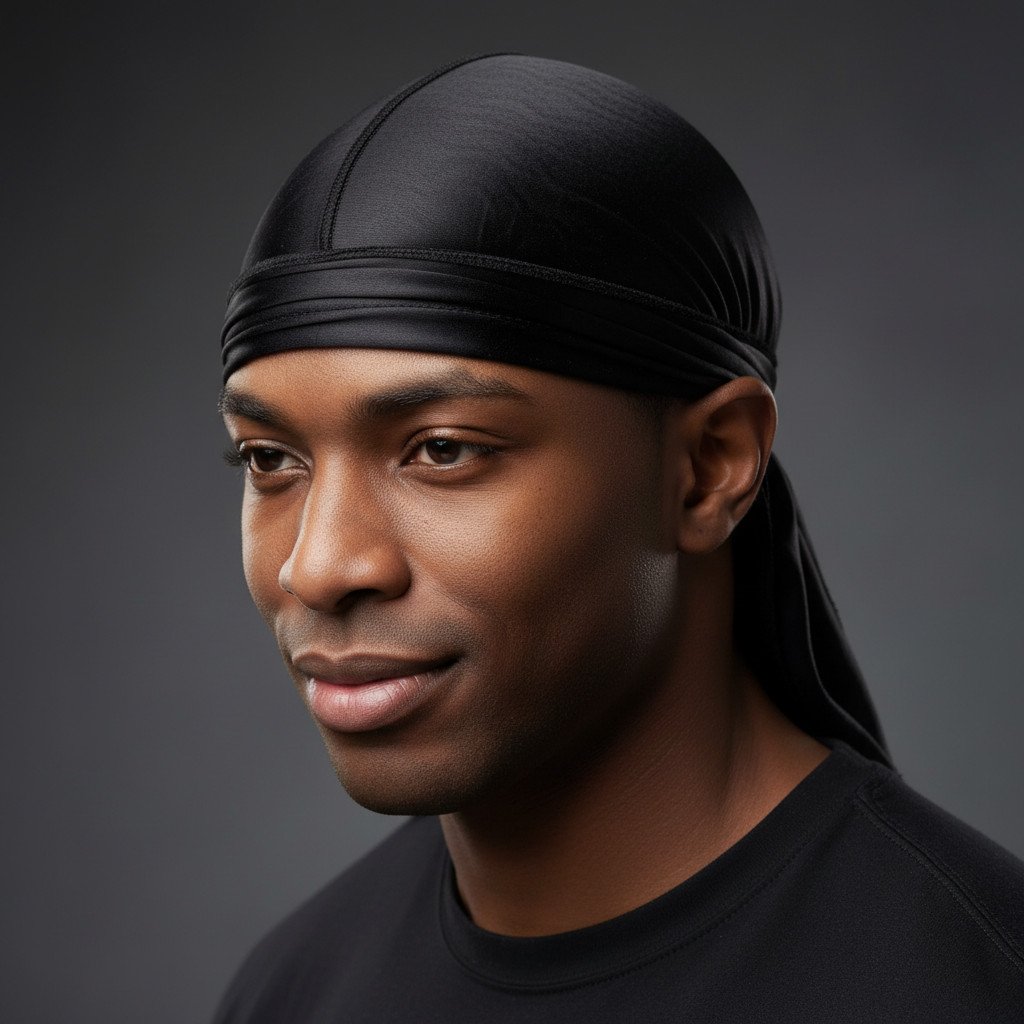
A durag is traditionally made from silky, satin, or velvet materials, designed to provide maximum compression and minimize friction. Its defining features are the long ties that allow for adjustable, firm pressure across the entire head, and a flap that covers the neck. The material’s smoothness is key; it helps lay hair down without absorbing natural oils, thus maintaining moisture and shine. The adjustable ties are its greatest asset, enabling you to customize the tightness to your preference, ensuring consistent pressure that is vital for deep wave patterns.
The primary advantage of a durag lies in its superior compression. When tied correctly, it applies firm, even pressure from the hairline to the crown, effectively flattening hair and training it to lie in waves. This makes it ideal for sleeping, as it keeps the hair undisturbed and prevents frizz caused by pillow friction. It’s also excellent for ‘laying down’ fresh cuts or after a thorough brushing session, ensuring every strand is in place. The flap protects the nape, an often-overlooked area in wave development, ensuring consistent pattern formation around the entire head.
However, the durag’s strength can also be its minor drawback. If tied too tightly, it can leave lines on the forehead, which can be an aesthetic concern, especially if you need to remove it shortly before going out. The ties can also be a point of discomfort for some, particularly during extended wear or sleep, if not adjusted properly. Despite these minor issues, for serious wavers, the durag remains the gold standard for intensive compression and wave training.
Wave Cap: The Convenient Compressor
A wave cap, on the other hand, is typically a stretchy, elastic cap designed for convenience and lighter compression. It’s often made from nylon, spandex, or a blend of stretchy fabrics. Unlike the durag, it doesn’t have ties; it relies on its elastic band and snug fit to provide compression. Wave caps are generally easier to put on and take off, making them a popular choice for quick wear or when less intense compression is needed.
The main benefit of a wave cap is its ease of use and comfort. It provides a good level of compression without the need for tying, making it a quick solution for maintaining waves throughout the day, during workouts, or for light compression after a brush session. It’s also less likely to leave lines on the forehead compared to an overtightened durag, making it a more discreet option for public wear or for those who prefer a less conspicuous head covering. Many find wave caps more comfortable for casual wear around the house.
The trade-off for this convenience is often reduced compression compared to a properly tied durag. While it can maintain existing waves, it may not be as effective for initiating deep wave patterns or for intense training. The elastic can also lose its stretch over time, reducing its effectiveness. Additionally, most wave caps do not cover the nape area, which means this region might not receive the same consistent compression as the rest of the head, potentially leading to uneven wave development if not supplemented.
Material Matters: Satin vs. Mesh vs. Velvet
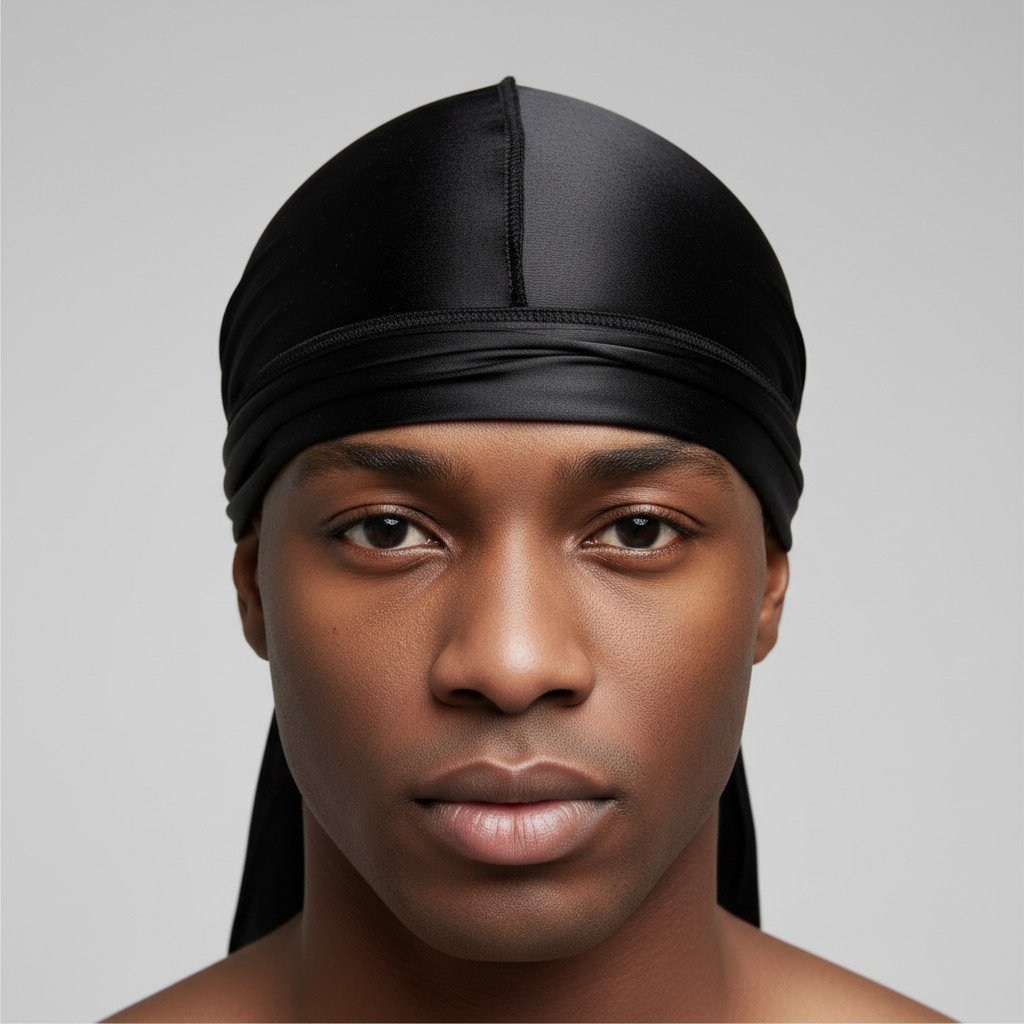
The material composition of both durags and wave caps significantly influences their performance. Satin and silk durags are prized for their smooth surface, which minimizes friction, prevents moisture absorption from hair, and promotes shine. Velvet durags offer a luxurious feel and often provide excellent grip, preventing slippage, though some argue they can be slightly less breathable. Mesh wave caps, while breathable, offer minimal compression and are often used for light protection rather than serious wave training.
For serious wave development, satin durags are often recommended due to their optimal balance of compression, breathability, and hair-friendly properties. They glide over the hair, preventing frizz and preserving natural oils. When considering a wave cap, look for high-quality, stretchy materials that offer consistent, firm compression without being overly tight, such as a nylon-spandex blend. The goal is always to protect the hair and reinforce the wave pattern without causing discomfort or damage.
In summary, the durag is your heavy-duty tool for maximum compression, especially overnight and for intense training. The wave cap is your convenient, lighter-compression option for daily wear, workouts, or when discretion is preferred. Both have their place in a comprehensive wave regimen, and understanding their individual strengths allows you to leverage them effectively for superior results. Your choice should align with your specific needs at any given moment in your wave journey.
When to use each one (exact situations)
Strategic deployment of your durag and wave cap is key to maximizing their benefits. Each tool excels in specific scenarios, and knowing when to reach for which can significantly impact your wave development and maintenance. This isn’t about choosing one over the other permanently, but rather integrating both into a dynamic, effective routine.
Use a Durag When:
- Sleeping: This is the durag’s primary domain. The superior compression and secure fit protect your waves from pillow friction and movement throughout the night. It ensures your hair stays laid flat, preventing frizz and maintaining the progress made during your daily brush sessions. The long ties allow for a customizable, snug fit that won’t easily slip off.
- Intensive Wave Training: If you’re starting your wave journey, or ‘wolfing’ (growing your hair out to train deeper waves), a durag provides the firm, consistent pressure needed to mold your hair. After a thorough brushing session and application of a pomade or moisturizer, a durag locks everything in, reinforcing the wave pattern.
- After a Fresh Cut: When your barber finishes, your hair is at its shortest and most receptive to training. Wearing a durag immediately after a cut helps lay the hair down perfectly, setting the foundation for crisp waves as it grows.
- During Workouts or Physical Activity: While a wave cap might seem more convenient, a durag offers better sweat absorption (especially velvet options) and more secure compression during strenuous activity. It prevents hair from frizzing due to sweat and keeps it tightly compressed.
- Protecting Hair from Harsh Elements: If you’re out in windy conditions or direct sunlight for extended periods, a durag offers more comprehensive coverage and protection, preventing your hair from drying out or being disturbed.
Use a Wave Cap When:
- Quick Compression During the Day: For short periods of wear, like running errands, a wave cap is easy to put on and take off. It provides light to moderate compression to keep your waves neat without the fuss of tying.
- Layering Over a Durag: Many experienced wavers use a wave cap over a durag for ‘double compression.’ This technique enhances pressure, particularly around the edges, and helps secure the durag, preventing it from slipping. It’s an advanced tactic for deeper, more defined waves.
- Maintaining Waves Between Durag Sessions: If you’ve just taken off your durag and need to keep your waves laid for a brief period before going out or re-brushing, a wave cap offers a convenient, less conspicuous option.
- Light Workouts or Casual Activity: For less intense physical activity where maximum compression isn’t the absolute priority, a wave cap can keep your hair in place and absorb some sweat, offering more breathability than some durags.
- Under Helmets or Hats: A wave cap provides a smooth, thin layer of compression that fits comfortably under other headwear, preventing friction and maintaining your wave pattern without adding bulk.
Combining Both for Optimal Results: The Double Compression Method
For the most serious wavers, the ‘double compression’ method is a game-changer. This involves wearing a durag first, ensuring it’s tied securely and comfortably, and then placing a wave cap over it. The durag provides the primary, intense compression, while the wave cap adds an extra layer of pressure, helps to smooth out any potential lines from the durag ties, and further secures the durag in place. This method is particularly effective for wolfing stages or when you’re striving for exceptionally deep, defined waves. It’s often employed overnight or during extended periods of compression.
The synergy of both tools allows you to harness the intensive training capabilities of the durag with the added security and smoothing effect of the wave cap. This approach minimizes the risk of your durag slipping, especially for restless sleepers, and maximizes the pressure applied to your hair, accelerating wave development. Experiment with this technique to see how it elevates your wave game, providing unparalleled compression and protection for your crown.
Ultimately, the choice is situational. A durag is for serious compression and protection, especially overnight. A wave cap offers convenience and lighter compression for daily maintenance or as an additional layer. By understanding these specific use cases, you can strategically employ both tools to achieve and maintain the sharpest waves possible, ensuring your efforts in brushing and moisturizing are fully realized.
How to wear it correctly (no lines, no slipping)
Wearing your durag or wave cap correctly is as important as choosing the right one. Improper application can lead to forehead lines, discomfort, or ineffective compression, undermining your wave efforts. Mastering the technique ensures maximum benefit, comfort, and a consistently laid pattern. Here’s a step-by-step guide to perfect application for both.
Wearing a Durag Correctly:
- Brush Your Hair Thoroughly: Before applying your durag, ensure your hair is brushed in the direction of your waves. This is the foundational step; the durag will then lock in this trained pattern. Apply any wave pomade or moisturizer as desired.
- Position the Durag: Place the durag on your head so the seam runs down the center of your head, from your forehead to the nape of your neck. The front edge should sit just above your eyebrows, covering your hairline. Ensure the flap is smooth and extends down your neck.
- Bring the Ties Forward: Take the two ties from behind your ears and bring them around to the front of your head, crossing them over your forehead. Make sure they are flat and not twisted.
- Cross and Pull Back: Cross the ties in the middle of your forehead. Then, pull them back towards the nape of your neck, underneath the flap. This creates the initial compression.
- Tie Securely (but not too tight): Bring the ties back to the front, crossing them over the first set of ties on your forehead. Tie them in a knot (a simple square knot works best) at the front of your head. The key is to tie it firmly enough to provide compression without causing discomfort or leaving deep lines. You should feel pressure, but not pain.
- Smooth the Flap: Take the flap at the back of your head and pull it down gently. Then, fold it up and tuck it under the tied portion of the durag at the back. This secures the nape area and adds an extra layer of compression. Some prefer to leave the flap down for maximum nape coverage.
- Check for Lines and Adjust: Run your fingers along your forehead to ensure no deep lines are forming. If you feel excessive pressure or see a prominent line, loosen the ties slightly and readjust. The goal is even, comfortable compression. Consider using a satin durag for minimal friction.
Wearing a Wave Cap Correctly:
- Prepare Your Hair: As with a durag, ensure your hair is brushed and moisturized.
- Stretch and Position: Hold the wave cap with both hands, stretching the opening. Place it over your head, ensuring the elastic band sits comfortably around your hairline, just above your eyebrows.
- Pull Down Evenly: Pull the cap down over your entire head, ensuring it covers all your hair, including the back. Smooth out any wrinkles or bunched-up fabric.
- Check for Snugness: The wave cap should feel snug but not uncomfortably tight. It should provide consistent, light to moderate compression. If it feels too loose, it won’t be effective. If it’s too tight, it can cause discomfort. Opt for a quality wave cap that retains its elasticity.
- Adjust for Comfort: Ensure the elastic band isn’t digging into your skin. Adjust the cap slightly until it feels comfortable and secure.
- Consider Double Compression: For enhanced results, wear a durag first, tied correctly, then pull the wave cap over it. This adds an extra layer of compression and helps secure the durag, preventing slippage and minimizing lines.
- Overnight Protection: For ultimate protection during sleep, especially if you’re a restless sleeper, consider investing in a silk pillowcase. This reduces friction even if your headwear shifts slightly, providing an additional layer of defense against frizz and disruption.
Tips for Avoiding Lines and Slipping:
- Don’t Overtighten: This is the most common cause of forehead lines. Aim for firm, even pressure, not extreme tightness.
- Smooth the Fabric: Ensure the fabric of both the durag and wave cap is smooth against your skin, especially at the hairline. Wrinkles can create pressure points and lines.
- Material Choice: Satin and silk durags are less likely to leave lines than coarser materials. High-quality, stretchy wave caps maintain their shape better.
- Regular Adjustment: If wearing for extended periods, occasionally adjust your headwear to redistribute pressure.
- Layering: As mentioned, wearing a wave cap over a durag can help smooth out durag lines and provide extra security against slipping.
- Hair Prep: Ensure your hair is properly moisturized. Dry hair is more prone to frizz and can make headwear feel less effective.
By following these detailed steps, you ensure your durag and wave cap work optimally, providing the necessary compression for deep, defined waves without the common pitfalls of discomfort or visible lines. Consistent, correct application is a cornerstone of any successful wave journey.
Table: Your problem → better choice → why
| Your Problem/Goal | Better Choice | Why |
|---|---|---|
| Deep forehead lines from durag | Wave Cap (or double compression with wave cap over durag) | Wave caps apply more even, distributed pressure without ties. Double compression can smooth durag lines. |
| Durag slips off during sleep | Durag (tied correctly & firmly) + Wave Cap (over durag) | A properly tied durag is secure. Adding a wave cap provides extra security and prevents movement. |
| Waves not laying down properly | Durag (for maximum compression) | Durags offer superior, adjustable compression for training hair and laying it flat, especially during wolfing. |
| Need quick, light compression for daily wear | Wave Cap | Easy to put on/take off, comfortable for short periods, and less conspicuous than a durag. |
| Frizz after a workout | Durag (satin or velvet) | Durags provide stronger compression to keep hair laid despite sweat and movement, minimizing frizz. |
| Nape area not waving well | Durag (with flap pulled down and tucked) | Durags specifically cover and compress the nape, ensuring consistent wave development across the entire head. |
| Hair feels dry or brittle after wearing headwear | Satin Durag | Satin minimizes friction and does not absorb natural hair oils, preserving moisture and preventing breakage. |
| Need to protect waves under a helmet/hat | Wave Cap | Thinner, less bulky, and provides smooth compression without interfering with external headwear. |
| Starting wave journey (beginner) | Durag (consistent overnight use) | Essential for initial wave training due to its high and adjustable compression capabilities. |
| Maintaining established waves | Both (Durag for night, Wave Cap for day) | Durag for intensive overnight compression; Wave Cap for convenient daily maintenance and light protection. |
Frequently Asked Questions
Here are common questions regarding durags and wave caps, answered with practical advice.
What’s the best material for a durag to prevent frizz?
The best material for a durag to prevent frizz is satin or silk. These materials have a smooth surface that minimizes friction against your hair, which is a primary cause of frizz. Unlike cotton, they don’t absorb your hair’s natural oils and moisture, helping to keep your hair hydrated and laid flat. This preserves your wave pattern and promotes overall hair health.
Can I wear a wave cap overnight instead of a durag?
While you can wear a wave cap overnight, it generally provides less compression and security than a properly tied durag. For optimal wave training and protection against pillow friction, especially if you’re a restless sleeper or in the early stages of wave development, a durag is usually more effective. A wave cap might suffice for maintaining established waves or for lighter sleepers, but a durag offers superior results.
How do I prevent my durag from leaving lines on my forehead?
To prevent forehead lines, ensure you’re not tying your durag too tightly. The goal is firm, even compression, not extreme pressure. Also, make sure the ties are flat against your skin and not twisted. Some wavers find that wearing a wave cap over their durag can help smooth out any potential lines by distributing the pressure more evenly across the forehead.
How often should I wash my durag or wave cap?
You should wash your durag or wave cap regularly, ideally once a week or more frequently if you sweat heavily or use a lot of hair products. This prevents product buildup, bacteria, and odors, which can transfer back to your clean hair and scalp. Hand washing with a mild detergent and air drying is recommended to preserve the material’s integrity and elasticity.
Is it better to wear a durag or wave cap when my hair is wet?
It’s generally best to let your hair air dry or towel dry until it’s damp, rather than soaking wet, before applying a durag or wave cap. Wearing headwear on very wet hair can trap moisture, potentially leading to mildew smell or scalp issues. However, applying a durag or wave cap to slightly damp hair after moisturizing can help lock in moisture and train the hair as it dries, contributing to deeper waves.
Can a durag or wave cap cause hair loss or thinning?
When worn correctly, neither a durag nor a wave cap should cause hair loss or thinning. However, if tied excessively tight over long periods, the constant tension can lead to traction alopecia, especially around the hairline. Ensure your headwear provides firm, comfortable compression without causing pain or leaving deep, lasting indentations. Prioritize comfort and proper fit to avoid any potential issues.
What is ‘double compression’ and when should I use it?
Double compression involves wearing a durag first, tied securely, and then placing a wave cap over it. This technique provides enhanced, consistent pressure, helping to lay down stubborn hairs, deepen wave patterns, and prevent the durag from slipping. It’s particularly useful during the ‘wolfing’ stage, overnight, or when you want maximum compression for the most defined waves. It also helps smooth out any lines left by the durag ties.
Final Thoughts
Mastering the art of waves is a journey that demands precision, patience, and the right tools. The durag and the wave cap, while distinct, are both indispensable allies in this pursuit. Understanding their individual strengths and knowing precisely when to deploy each one transforms your routine from guesswork into a strategic, effective process. The durag stands as the undisputed champion for deep compression, overnight protection, and intensive wave training, ensuring every strand is laid with purpose. Its adjustable ties offer unparalleled control, making it the go-to for serious wavers committed to defining their ripple patterns.
Conversely, the wave cap offers convenience and a lighter touch, ideal for daily maintenance, quick touch-ups, or when a less conspicuous option is preferred. It excels in providing consistent, moderate compression without the fuss of tying, making it perfect for active lifestyles or layering. The synergy achieved through ‘double compression’—wearing a wave cap over a durag—represents the pinnacle of wave care, combining the best attributes of both tools for maximum security, enhanced pressure, and flawless results. This technique is a testament to the nuanced approach required for truly elite waves, ensuring your efforts are not just maintained, but amplified.
Ultimately, your success in the wave game hinges on informed choices and consistent application. Invest in quality materials, learn the correct wearing techniques to avoid discomfort and lines, and integrate both the durag and wave cap thoughtfully into your grooming regimen. This strategic approach ensures that every brush stroke, every moisturizing application, and every moment of compression contributes to the deep, lustrous waves you aspire to achieve. Elevate your wave game by understanding and respecting the power of these essential tools.
Next reads: 360 waves for Black men, 360 waves beginner routine, and travel grooming kit for Black men.
Frequently Asked Questions
What’s the best material for a durag to prevent frizz?
The best material for a durag to prevent frizz is satin or silk. These materials have a smooth surface that minimizes friction against your hair, which is a primary cause of frizz. Unlike cotton, they don’t absorb your hair’s natural oils and moisture, helping to keep your hair hydrated and laid flat. This preserves your wave pattern and promotes overall hair health.
Can I wear a wave cap overnight instead of a durag?
While you can wear a wave cap overnight, it generally provides less compression and security than a properly tied durag. For optimal wave training and protection against pillow friction, especially if you’re a restless sleeper or in the early stages of wave development, a durag is usually more effective. A wave cap might suffice for maintaining established waves or for lighter sleepers, but a durag offers superior results.
How do I prevent my durag from leaving lines on my forehead?
To prevent forehead lines, ensure you’re not tying your durag too tightly. The goal is firm, even compression, not extreme pressure. Also, make sure the ties are flat against your skin and not twisted. Some wavers find that wearing a wave cap over their durag can help smooth out any potential lines by distributing the pressure more evenly across the forehead.
How often should I wash my durag or wave cap?
You should wash your durag or wave cap regularly, ideally once a week or more frequently if you sweat heavily or use a lot of hair products. This prevents product buildup, bacteria, and odors, which can transfer back to your clean hair and scalp. Hand washing with a mild detergent and air drying is recommended to preserve the material’s integrity and elasticity.
Is it better to wear a durag or wave cap when my hair is wet?
It’s generally best to let your hair air dry or towel dry until it’s damp, rather than soaking wet, before applying a durag or wave cap. Wearing headwear on very wet hair can trap moisture, potentially leading to mildew smell or scalp issues. However, applying a durag or wave cap to slightly damp hair after moisturizing can help lock in moisture and train the hair as it dries, contributing to deeper waves.
Can a durag or wave cap cause hair loss or thinning?
When worn correctly, neither a durag nor a wave cap should cause hair loss or thinning. However, if tied excessively tight over long periods, the constant tension can lead to traction alopecia, especially around the hairline. Ensure your headwear provides firm, comfortable compression without causing pain or leaving deep, lasting indentations. Prioritize comfort and proper fit to avoid any potential issues.
What is ‘double compression’ and when should I use it?
Double compression involves wearing a durag first, tied securely, and then placing a wave cap over it. This technique provides enhanced, consistent pressure, helping to lay down stubborn hairs, deepen wave patterns, and prevent the durag from slipping. It’s particularly useful during the ‘wolfing’ stage, overnight, or when you want maximum compression for the most defined waves. It also helps smooth out any lines left by the durag ties.