
The Essential Balance: Hydration Without Heavy Residue
For Black men, achieving optimal hair health hinges on a delicate balance: providing deep, lasting moisture without accumulating heavy product buildup. Our hair, known for its unique texture and curl patterns, often requires significant hydration to thrive, maintain elasticity, and prevent breakage. However, the very products designed to moisturize can, if misused or improperly chosen, lead to a greasy scalp, dull strands, and impeded hair growth. This guide cuts through the noise, offering direct, actionable strategies to keep your hair and scalp perfectly hydrated and clean.
Understanding how to moisturize effectively is a cornerstone of Hair & scalp health for Black men. It’s not just about applying product; it’s about selecting the right formulations, mastering application techniques, and integrating a consistent, thoughtful routine. This approach ensures your hair receives the nourishment it needs to look its best, feel healthy, and resist common issues like dryness and flaking, all while maintaining a fresh, lightweight feel.
Why Buildup is the Enemy of Healthy Hair
Product buildup occurs when styling agents, conditioners, and natural oils accumulate on the hair shaft and scalp. For Black men, whose hair tends to be drier and more porous, the temptation to over-moisturize is strong. However, this excess can create a barrier that prevents moisture from penetrating the hair, ironically leading to dryness. It also clogs scalp pores, potentially causing irritation, itching, and even hindering healthy hair growth.
A heavy layer of residue can also weigh down your hair, making it appear lifeless and greasy. It can diminish the natural luster and vibrancy that well-hydrated hair possesses. Furthermore, buildup provides a fertile ground for microbial growth, which can exacerbate issues like dandruff and other scalp conditions. Recognizing these signs and understanding their root causes is the first step toward a cleaner, healthier hair regimen.
Identifying the Signs of Product Buildup
Before you can effectively combat buildup, you must learn to recognize its indicators. These signs are often subtle at first but become more pronounced over time. Pay close attention to changes in your hair’s texture, appearance, and your scalp’s condition. Early detection allows for quicker intervention and prevents more significant issues from developing.
- Dull, Lifeless Hair: Your hair loses its natural shine and appears flat, even after conditioning. This is often the most noticeable visual cue.
- Greasy or Oily Feel: Despite washing, your hair feels heavy, sticky, or unusually oily to the touch. This isn’t natural sebum; it’s product residue.
- Flaky Scalp (not dandruff): White or grey flakes that aren’t accompanied by itching or redness might be product residue, not dry scalp or dandruff.
- Hair Doesn’t Absorb Moisture: Your hair feels dry and brittle, even after applying moisturizers. The buildup creates a barrier.
- Styling Products Don’t Work: Your go-to gels or creams seem less effective, or your hair struggles to hold a style.
- Itchy or Irritated Scalp: Clogged pores and microbial growth can lead to an uncomfortable, itchy scalp.
- Reduced Hair Volume: Hair feels weighed down and lacks its usual body and bounce.
If you observe several of these symptoms, it’s a clear signal that your current routine or product choices are contributing to buildup. Addressing these issues promptly is crucial for maintaining optimal hair and scalp health.
The Science of Hydration: How Our Hair Absorbs Moisture
Understanding the structure of Black men’s hair is fundamental to effective, buildup-free hydration. Our hair strands are typically curlier, ranging from tight coils to zigzag patterns. This unique structure means that natural oils produced by the scalp, called sebum, have a harder time traveling down the entire length of the hair shaft. Consequently, our hair tends to be naturally drier and more prone to breakage if not properly moisturized.
The outermost layer of the hair, the cuticle, consists of overlapping scales. When hair is healthy and moisturized, these scales lie flat, reflecting light and locking in moisture. When hair is dry or damaged, these scales lift, allowing moisture to escape and making the hair vulnerable. Products designed for hydration work by either penetrating the cuticle to deliver moisture to the cortex (the inner part of the hair) or by forming a protective layer on the outside to seal in existing moisture.
Humectants, Emollients, and Occlusives: The Power Trio
Effective moisturization relies on a combination of ingredients that perform different functions. Understanding these categories will empower you to choose products that hydrate without causing excessive buildup.
- Humectants: These ingredients attract and draw moisture from the air into the hair. Common humectants include glycerin, hyaluronic acid, and panthenol. They are excellent for initial hydration but should be used carefully in very dry climates, as they can sometimes draw moisture *out* of the hair if the air is drier than the hair itself.
- Emollients: These smooth and soften the hair by filling in gaps in the cuticle, making the hair feel smoother and more pliable. They also help to condition the hair. Examples include fatty alcohols (like cetyl alcohol), plant oils (jojoba, argan), and silicones (though silicones can contribute to buildup if not water-soluble).
- Occlusives: These ingredients form a protective barrier on the hair surface, sealing in moisture and preventing its escape. They are crucial for retaining hydration, especially for hair prone to dryness. Common occlusives include shea butter, cocoa butter, and certain oils like castor oil. While effective, overuse of heavy occlusives is a primary cause of buildup.
A well-formulated product will often contain a blend of these three types of ingredients, working synergistically to hydrate and protect the hair. The key is finding products where the balance is right for your specific hair type and environmental conditions, prioritizing lighter occlusives and water-soluble ingredients to minimize residue.
The Foundation: Cleansing Without Stripping
The journey to buildup-free moisture begins with proper cleansing. Many Black men mistakenly believe that frequent washing strips their hair of essential oils, leading to dryness. While over-washing with harsh shampoos can indeed be detrimental, an effective cleansing routine is paramount for removing old product, environmental pollutants, and excess sebum. This creates a clean slate for new moisture to penetrate and be absorbed.
Choosing the Right Cleanser: Beyond the Lather
Not all shampoos are created equal, especially for Black men’s hair. The goal is to cleanse thoroughly without stripping the hair of its natural moisture. This means being selective about the type of shampoo you use and how often you use it.
- Sulfate-Free Shampoos: These are often the best choice for regular use. Sulfates are strong detergents that create a rich lather but can be overly harsh, removing too much natural oil. Sulfate-free options cleanse effectively using gentler surfactants.
- Clarifying Shampoos: These are designed for deeper cleansing, specifically to remove heavy product buildup, hard water minerals, and environmental impurities. They are stronger than regular shampoos and should be used sparingly, typically once a month or every 2-4 weeks, depending on your product usage and hair type. Overuse can lead to dryness.
- Co-Washes (Conditioner Washes): For those with extremely dry hair or who prefer less frequent shampooing, co-washing can be an alternative. These are conditioning creams with mild cleansing agents that clean the hair without any lather. They are excellent for maintaining moisture but may not be sufficient to remove heavy buildup on their own, requiring a clarifying shampoo periodically.
When selecting a cleanser, look for ingredients like aloe vera, tea tree oil (for scalp health), and natural extracts that soothe and hydrate. Avoid products with excessive silicones or heavy oils in the shampoo itself, as these can contribute to buildup over time.
The Art of Washing: Technique Matters
How you wash your hair is just as important as what you wash it with. Proper technique ensures effective cleansing and minimizes stress on your hair strands.
- Wet Hair Thoroughly: Before applying any product, ensure your hair is completely saturated with warm water. Warm water helps to open the hair cuticles, allowing the shampoo to work more effectively and rinse out easily.
- Apply Shampoo to Scalp First: Focus the shampoo primarily on your scalp. This is where most of the oil, sweat, and product buildup accumulates. Use your fingertips (not nails) to gently massage the scalp in circular motions for 1-2 minutes. This stimulates blood flow and helps lift impurities.
- Work Lather Down the Hair: As you rinse, let the shampoo run down the length of your hair. Avoid aggressively scrubbing the hair strands themselves, as this can cause tangles and breakage. The suds from the scalp are usually sufficient to clean the rest of the hair.
- Rinse Thoroughly: This is a critical step for preventing buildup. Rinse your hair with lukewarm water until the water runs completely clear and your hair feels free of any slick residue. Any remaining shampoo can dry on the hair and contribute to flaking and dullness.
- Condition (Always): After shampooing, always follow with a good conditioner. This step is non-negotiable for replenishing moisture and sealing the cuticle. We’ll cover conditioners in more detail shortly.
For those with very thick or long hair, consider sectioning your hair before washing to ensure every part of the scalp and hair receives adequate attention. This also makes rinsing more efficient.
Conditioning: The Non-Negotiable Step
Conditioning is not merely an optional add-on; it is a fundamental component of any effective hair care routine for Black men. After cleansing, the hair’s cuticle layers are often open, making it vulnerable to moisture loss and damage. Conditioner works to close these cuticles, smooth the hair shaft, and replenish lost moisture, preparing the hair for styling and further hydration.
Types of Conditioners and Their Roles
Just like shampoos, conditioners come in various formulations, each serving a specific purpose. Understanding these differences will help you choose the right products for your hair’s needs.
- Rinse-Out Conditioners: These are the most common type, applied after shampooing and rinsed out after a few minutes. They detangle, smooth, and provide immediate hydration. Look for ingredients like shea butter, coconut oil, and hydrolyzed proteins.
- Leave-In Conditioners: Designed to be left in the hair, these provide continuous moisture and protection throughout the day. They are particularly beneficial for Black men’s hair, which often requires sustained hydration. They also act as a primer for styling products. Choose lightweight formulas to avoid buildup.
- Deep Conditioners/Hair Masks: These are intensive treatments formulated with higher concentrations of nourishing ingredients. They are used periodically (e.g., once a week or bi-weekly) to provide deep hydration, repair damage, and improve hair elasticity. Heat (from a steamer or a warm towel) can enhance their penetration.
The choice of conditioner should align with your hair’s current state. If your hair is consistently dry, incorporating a leave-in and a weekly deep conditioner is highly recommended. If your hair is prone to feeling heavy, focus on lighter rinse-out and leave-in formulas.
Applying Conditioner for Maximum Benefit
Effective conditioner application is crucial for ensuring even distribution and optimal absorption without leading to excess product on the scalp.
- Squeeze Out Excess Water: After rinsing shampoo, gently squeeze out as much excess water from your hair as possible. Conditioner applied to dripping wet hair will be diluted and less effective.
- Apply from Mid-Shaft to Ends: Focus the conditioner on the mid-lengths and ends of your hair, which are typically the driest and most prone to damage. While some conditioner will inevitably reach the scalp, avoid applying a large dollop directly to the scalp unless it’s a specific scalp-treatment conditioner.
- Detangle Gently: Use a wide-tooth comb or your fingers to gently detangle your hair while the conditioner is in. Start from the ends and work your way up to minimize breakage. The conditioner provides slip, making detangling easier.
- Allow Penetration Time: For rinse-out conditioners, leave it in for the recommended time (usually 2-5 minutes). For deep conditioners, follow the product instructions, often 15-30 minutes.
- Rinse Thoroughly (Again): Just like with shampoo, rinse your hair until the water runs clear and your hair feels smooth but not slimy. Any residue can contribute to buildup.
For those using leave-in conditioners, apply a small amount to damp, towel-dried hair. Distribute it evenly, focusing on areas that tend to dry out quickly. Remember, a little goes a long way with leave-ins.
The Art of Moisturizing: Techniques for Lasting Hydration
Once your hair is clean and conditioned, the next step is to lock in moisture effectively without creating a heavy, greasy feel. This involves selecting the right products and applying them with precision. The goal is to provide sustained hydration that keeps your hair soft, pliable, and healthy throughout the day.
The LOC/LCO Method: A Proven Strategy
The Liquid, Oil, Cream (LOC) or Liquid, Cream, Oil (LCO) method is a popular and highly effective technique for moisturizing Black men’s hair. It involves layering products in a specific order to maximize moisture retention. The choice between LOC and LCO often depends on your hair’s porosity and how it responds to different product textures.
- L (Liquid): This is your primary source of hydration. It can be water, a water-based leave-in conditioner, or a hair mist. The liquid penetrates the hair shaft, providing essential moisture.
- O (Oil): The oil layer helps to seal in the liquid. Oils create a barrier that slows down moisture evaporation. Lighter oils like jojoba, argan, or grapeseed are excellent choices for minimizing buildup. Heavier oils like castor or olive oil are better for very dry hair or for periodic use.
- C (Cream): The cream layer provides additional moisture and helps to further seal the cuticle. Creams are typically thicker than oils and can offer some hold for styling. Look for creams with natural butters (shea, mango) and emollients.
How to Apply:
- Start with Damp Hair: The LOC/LCO method works best on freshly washed, damp hair. The water from your wash or the initial liquid step is crucial.
- Apply Liquid: Evenly spray or apply your water-based leave-in conditioner. Ensure all sections of your hair are lightly saturated. This is the moisture your hair will absorb.
- Apply Oil (LOC) or Cream (LCO): Depending on your chosen method, apply a small amount of oil or cream. Distribute it thoroughly from root to tip, focusing on the ends. Use a lightweight hair oil to avoid a greasy finish.
- Apply Cream (LOC) or Oil (LCO): Follow with the final layer. Again, use a modest amount. The goal is to seal, not to saturate.
Experiment with both LOC and LCO to see which order works best for your hair. Some find LCO provides better penetration for the cream, while others prefer the oil as the final sealant. The key is moderation in product application.
Choosing the Right Moisturizers: Light, Yet Potent
The type of moisturizer you use significantly impacts buildup. For daily hydration, prioritize lightweight, water-based formulas that absorb easily and don’t leave a heavy residue. Avoid products with excessive mineral oil or petrolatum for daily use, as these are heavy occlusives that can sit on the hair and attract dirt.
- Leave-in Conditioners: A good leave-in conditioner is often the cornerstone of a Black man’s moisturizing routine. Look for formulas that are water-based, contain humectants like glycerin, and light emollients.
- Hair Milks/Lotions: These are lighter than traditional creams and provide good daily moisture without weighing down the hair. They often contain a blend of water, oils, and conditioning agents.
- Natural Oils (Used Sparingly): While oils are excellent sealants, they should be used in moderation. Jojoba oil mimics natural sebum, argan oil is rich in vitamins, and grapeseed oil is very light. Apply a few drops to your palms, rub them together, and then lightly smooth over your hair.
Avoid: Heavy pomades, petrolatum-based products, and thick greases for daily moisturizing. These are often designed for styling or very specific purposes and contribute heavily to buildup when used as primary moisturizers.
Application Techniques for Even Distribution
Even the best products won’t work if not applied correctly. Proper application ensures every strand receives moisture without saturating any single area.
- Section Your Hair: For thick or long hair, divide it into 2-4 sections. This allows for more thorough and even product distribution.
- Emulsify Product: Always rub a small amount of product between your palms before applying. This warms it up and helps distribute it more evenly, preventing clumps.
- Work from Ends Up: Start applying moisturizers to the ends of your hair, which are the oldest and driest parts. Gradually work your way up towards the roots. Avoid applying large amounts directly to the scalp unless it’s a specific scalp treatment.
- Use a Light Hand: It’s always better to start with a small amount of product and add more if needed. Over-applying is the quickest way to buildup. You can always add, but you can’t easily remove without re-washing.
- Focus on Problem Areas: If certain areas of your hair are consistently drier, give them a little extra attention, but still maintain a light touch.
Remember, the goal is to hydrate, not to coat. Your hair should feel soft and moisturized, not heavy or greasy, after application.
Styling Without the Stickiness: Product Selection and Use
Styling products are often the biggest culprits when it comes to product buildup. Gels, waxes, pomades, and creams can leave a residue that accumulates quickly. The key is to choose smart and apply smarter, ensuring your style holds without sacrificing cleanliness or hair health.
Water-Based vs. Oil-Based Styling Products
This distinction is critical for minimizing buildup.
- Water-Based Products: These are generally lighter and rinse out easily with water, making them less likely to contribute to buildup. They often contain ingredients like glycerin, aloe vera, and natural extracts. Gels, mousses, and some styling creams fall into this category. They provide hold and definition without the heavy feel.
- Oil-Based Products: These typically offer stronger hold and more shine but are much harder to wash out. They often contain petrolatum, mineral oil, or heavy waxes. While effective for certain styles (like waves or very structured looks), they require a clarifying shampoo to remove and can quickly lead to buildup if used daily.
For daily styling, especially if you’re trying to maintain a clean feel, lean heavily towards water-based options. If you must use oil-based products for a specific look, use them sparingly and ensure you have a robust cleansing routine in place.

Smart Application for Styling Products
How you apply your styling products is just as important as their formulation.
- Start with Clean, Damp Hair: Most styling products work best on hair that is clean and slightly damp. This allows for even distribution and better absorption.
- Less is More: This cannot be stressed enough. Start with a pea-sized amount of product. You can always add more if needed, but removing excess is difficult.
- Emulsify in Hands: Rub the product between your palms to warm it and spread it evenly before applying to your hair.
- Distribute Evenly: Work the product through your hair, focusing on the areas that need hold or definition. Avoid concentrating it in one spot.
- Style as Desired: Once distributed, style your hair. Allow it to air dry or use a diffuser on a cool setting if you need to set the style.
For specific styles like 360 waves, the use of certain pomades is common. In such cases, ensure your weekly wash routine includes a clarifying step to prevent the inevitable buildup from these heavier products.
The Weekly Reset: Deep Cleansing and Conditioning
Even with the most careful daily routine, some level of product residue will accumulate over time. This is where the weekly reset comes in. A dedicated deep cleansing and conditioning session is crucial for removing stubborn buildup, revitalizing your scalp, and ensuring your hair remains receptive to moisture.
Clarifying Your Hair: The Buildup Buster
A clarifying shampoo is your best friend for a weekly or bi-weekly reset. Unlike regular shampoos, clarifying formulas are designed to strip away all traces of product, hard water minerals, and environmental pollutants. They contain stronger surfactants, which is why they should not be used daily.
How to Clarify:
- Wet Hair Thoroughly: Ensure your hair is completely saturated with warm water.
- Apply Clarifying Shampoo: Focus on the scalp, massaging thoroughly with your fingertips. Let the lather work its way down the hair shaft.
- Let it Sit (Optional): For very heavy buildup, you can let the clarifying shampoo sit for 1-2 minutes, but do not exceed this to avoid excessive stripping.
- Rinse, Rinse, Rinse: This is the most important step. Rinse your hair meticulously until you are absolutely certain all shampoo is gone and your hair feels squeaky clean.
After clarifying, your hair might feel a bit dry or ‘stripped.’ This is normal, as the clarifying process removes everything. This feeling signals that your hair is now ready to absorb deep moisture.
Deep Conditioning: Replenishing and Repairing
Immediately after clarifying, your hair is primed to receive maximum moisture. This is the perfect time for a deep conditioner or hair mask. These treatments are formulated to penetrate deeper into the hair shaft, providing intense hydration and repair.
How to Deep Condition:
- Towel Dry Hair: Gently squeeze out excess water from your hair after clarifying. Your hair should be damp, not dripping.
- Apply Deep Conditioner: Generously apply the deep conditioner from mid-shaft to ends. For very dry or damaged hair, you can apply a small amount closer to the roots, but still avoid direct scalp saturation unless the product is specifically for scalp treatment.
- Detangle: Use a wide-tooth comb to gently detangle your hair, ensuring even distribution of the deep conditioner.
- Apply Heat (Optional, but Recommended): For enhanced penetration, cover your hair with a plastic cap and sit under a hooded dryer for 15-20 minutes, or wrap a warm, damp towel around your head for 20-30 minutes. The heat helps to lift the hair cuticles, allowing the product to absorb better.
- Rinse Thoroughly: Rinse with cool water until the water runs clear. Cool water helps to close the cuticles, locking in the moisture and shine.
This weekly reset routine is vital for maintaining the long-term health and vibrancy of your hair, preventing the cumulative effects of product buildup, and ensuring your daily moisturizing efforts remain effective.
Preventative Measures: Daily Habits for Buildup-Free Hair
While clarifying and deep conditioning are essential, preventing buildup in the first place is the most effective strategy. Incorporating specific daily and nightly habits can significantly reduce the accumulation of product residue and keep your hair consistently healthy and clean.
Nightly Care: Protecting Your Strands
What you do before bed can have a profound impact on your hair’s moisture levels and buildup prevention. Sleeping directly on cotton pillowcases can draw moisture from your hair and create friction, leading to dryness and frizz. This dryness can then tempt you to use more product, exacerbating buildup.
- Satin or Silk Pillowcases: Switching to a satin or silk pillowcase is a simple yet effective change. These materials reduce friction, preventing breakage and frizz, and they don’t absorb moisture from your hair like cotton does.
- Satin Durag or Cap: For added protection, especially if you have a specific style like waves, wearing a satin durag or cap at night is highly beneficial. It keeps your hair compressed, maintains moisture, and prevents tangles.
- Light Moisturizing (Optional): If your hair feels particularly dry before bed, apply a very small amount of a lightweight leave-in conditioner or a few drops of a light oil. The key here is *very small* to avoid saturating your pillow and creating morning greasiness.
These nightly routines help to preserve the moisture you’ve applied during the day and minimize the need for excessive product application the next morning, thereby reducing buildup.
Mindful Product Application: Less is Truly More
The most common cause of buildup is simply using too much product. It’s a natural inclination to apply more when hair feels dry, but this often backfires. Your hair can only absorb so much; the rest sits on the surface.
- Start Small: Always begin with the smallest amount of product you think you’ll need. A dime-sized amount for short hair, a quarter-sized for medium, and slightly more for longer, thicker hair.
- Add Gradually: If your hair still feels dry or lacks definition after the initial application, add another tiny amount. It’s easier to add than to remove.
- Focus on Need: Apply product only where it’s needed. If your ends are dry, focus there. If your scalp is fine, avoid saturating it with hair products.
- Read Product Instructions: Pay attention to the manufacturer’s recommendations. They often specify how much to use for optimal results.
Developing a ‘light hand’ with your products takes practice, but it’s a habit that will pay dividends in terms of hair health and appearance.
Regular Trims: Removing the Old, Making Way for the New
Split ends and damaged hair can make your hair appear dull and feel rough, leading to a desire to apply more product to smooth it down. Regular trims remove these damaged ends, allowing your hair to look and feel healthier naturally, reducing the need for excessive styling products.
- Schedule Regular Barber Visits: Depending on your style and growth rate, aim for a trim every 4-8 weeks. Even if you’re growing your hair out, micro-trims can prevent split ends from traveling up the hair shaft.
- Communicate with Your Barber: Let your barber know your hair goals and any issues you’re experiencing. They can offer advice on maintaining your style and health between visits.
A fresh cut not only enhances your style but also removes the oldest, most porous parts of your hair that are most prone to absorbing and holding onto product buildup.
Addressing Specific Hair and Scalp Concerns
Effective moisturizing without buildup also means understanding and addressing underlying hair and scalp issues. Sometimes, what appears to be stubborn buildup might be exacerbated by or mistaken for other conditions. A holistic approach to hair and scalp health is key.
Dry Scalp vs. Dandruff vs. Buildup: Knowing the Difference
These three conditions often present with similar symptoms (flaking, itching) but require different treatments. Misdiagnosis can lead to using the wrong products, which can worsen the problem or cause buildup.
| Symptom | Dry Scalp | Dandruff | Product Buildup |
|---|---|---|---|
| Flakes | Small, white, dry; often accompanied by tightness. | Larger, yellowish, oily; often accompanied by itching and redness. | White/grey, powdery or gummy; hair feels heavy/greasy. |
| Itching | Mild to moderate. | Moderate to severe. | Mild to moderate, often localized. |
| Scalp Feel | Tight, dry, sometimes irritated. | Oily, sometimes inflamed. | Greasy, sticky, sometimes clogged. |
| Hair Feel | Dry, brittle, lacks shine. | Oily at roots, dull. | Heavy, dull, greasy, product doesn’t absorb. |
| Primary Cause | Lack of moisture, harsh products, environmental factors. | Overgrowth of yeast (Malassezia), excess oil production. | Excessive product use, incomplete rinsing, heavy ingredients. |
| Solution | Hydrating shampoos/conditioners, scalp oils, reduce harsh washing. | Anti-dandruff shampoo with active ingredients (pyrithione zinc, selenium sulfide). | Clarifying shampoo, proper rinsing, lighter products, less product. |
If you suspect you have dandruff, an anti-dandruff shampoo is necessary. For persistent itching, redness, or oozing, consult a dermatologist. Do not attempt to treat severe scalp conditions solely with moisturizing products, as this can worsen the issue.
Scalp Exfoliation: A Deeper Clean
Just as you exfoliate your skin, your scalp can benefit from occasional exfoliation. This helps remove dead skin cells, excess sebum, and stubborn product buildup that even clarifying shampoos might miss. Scalp exfoliation for Black men can promote a healthier environment for hair growth and allow moisturizers to work more effectively.
- Physical Exfoliants: Scalp scrubs containing fine particles (like sugar or salt) or brushes designed for scalp massage. Use gently to avoid irritation.
- Chemical Exfoliants: Shampoos or treatments containing alpha hydroxy acids (AHAs) or beta hydroxy acids (BHAs) like salicylic acid. These dissolve dead skin cells and buildup.
Limit scalp exfoliation to once every 2-4 weeks. Over-exfoliating can irritate the scalp and disrupt its natural barrier. Always follow with a soothing and hydrating conditioner or scalp treatment.
The Role of Water Quality
Hard water, which contains high levels of minerals like calcium and magnesium, can contribute significantly to buildup. These minerals can deposit on your hair, making it feel rough, dull, and preventing moisturizers from penetrating effectively. If you live in an area with hard water, consider these solutions:
- Shower Filter: A simple and effective solution to filter out minerals from your shower water.
- Chelating Shampoos: These shampoos are specifically formulated to remove mineral buildup from hard water. Use them periodically, similar to clarifying shampoos.
- Apple Cider Vinegar Rinse: A diluted apple cider vinegar rinse (1 part ACV to 4 parts water) can help remove mineral deposits and balance scalp pH. Use after shampooing and before conditioning, then rinse thoroughly.
Addressing hard water issues can make a noticeable difference in your hair’s ability to absorb moisture and resist buildup.
Product Ingredient Deep Dive: What to Look For and What to Avoid
Navigating the vast array of hair products can be overwhelming. Understanding common ingredients will empower you to make informed choices that promote moisture without buildup. Always read ingredient labels carefully.
Beneficial Ingredients for Moisture and Health
- Water (Aqua): The first ingredient in most effective moisturizers. It’s the primary source of hydration.
- Glycerin: A powerful humectant that draws moisture into the hair.
- Aloe Vera: Soothes the scalp, adds moisture, and has anti-inflammatory properties.
- Shea Butter/Cocoa Butter: Excellent emollients and occlusives, providing deep moisture and sealing. Look for them lower on the ingredient list for lighter products, higher for richer creams.
- Natural Oils (Jojoba, Argan, Grapeseed, Sweet Almond): Lightweight oils that provide moisture, shine, and seal the cuticle without being overly heavy.
- Panthenol (Pro-Vitamin B5): Penetrates the hair shaft to provide moisture and improve elasticity.
- Hydrolyzed Proteins (Wheat, Silk, Keratin): Strengthen hair, reduce breakage, and improve elasticity. Use in moderation as too much protein can make hair stiff.
- Cetearyl Alcohol/Cetyl Alcohol: These are fatty alcohols, not drying alcohols. They act as emollients, softening and conditioning the hair.
Ingredients to Use Sparingly or Avoid for Buildup Prevention
- Heavy Silicones (Dimethicone, Cyclopentasiloxane): While they provide slip and shine, non-water-soluble silicones can build up on the hair over time, creating a barrier that prevents moisture penetration. Look for water-soluble silicones (e.g., dimethicone copolyol) or use silicone-free products if buildup is a concern.
- Mineral Oil/Petrolatum: These are heavy occlusives that sit on the hair surface. While effective at sealing, they can easily cause buildup, especially in daily use, and can attract dirt. Best used sparingly for specific styling or very dry conditions, not as a primary moisturizer.
- Phthalates and Parabens: While not directly related to buildup, these are often avoided by those seeking ‘cleaner’ products due to health concerns.
- Heavy Waxes (Beeswax, Carnauba Wax): Common in pomades and styling waxes, these provide strong hold but are very difficult to wash out and contribute significantly to buildup.
- Drying Alcohols (Ethanol, Isopropyl Alcohol): Found in some styling products, these can strip moisture from the hair. Look for ‘alcohol-free’ labels.
By becoming an ingredient detective, you can curate a product collection that genuinely supports your hair’s hydration needs without the unwanted side effects of buildup.
The Long-Term Game: Consistency and Adaptation
Achieving and maintaining buildup-free, moisturized hair is not a one-time fix; it’s an ongoing commitment to a consistent routine and a willingness to adapt as your hair’s needs change. Your hair is a living part of you, influenced by diet, environment, stress, and even the products you use.
Establishing a Consistent Routine
A routine provides structure and ensures your hair receives regular care. Here’s a sample framework:
- Daily:
- Morning: Lightly mist hair with water or a leave-in conditioner if needed. Apply a small amount of lightweight oil or cream using the LOC/LCO method. Style.
- Evening: Wear a satin durag or sleep on a satin pillowcase.
- Weekly (1-2 times, depending on hair type and activity):
- Wash Day: Shampoo with a sulfate-free cleanser. Deep condition for 15-30 minutes. Rinse thoroughly. Apply leave-in and style.
- Bi-Weekly/Monthly:
- Clarify: Use a clarifying shampoo to remove all buildup. Follow immediately with a deep conditioner.
- Scalp Exfoliation: If needed, gently exfoliate your scalp.
- Every 4-8 Weeks:
- Barber Visit: Get a trim to remove split ends and maintain shape.
This framework is a starting point. Adjust the frequency of washing, clarifying, and deep conditioning based on how your hair feels, your activity level, and the amount of styling products you use. For instance, if you work out frequently, you might need to wash more often, perhaps using a co-wash on non-shampoo days.
Listening to Your Hair and Scalp
Your hair and scalp will tell you what they need. Pay attention to:
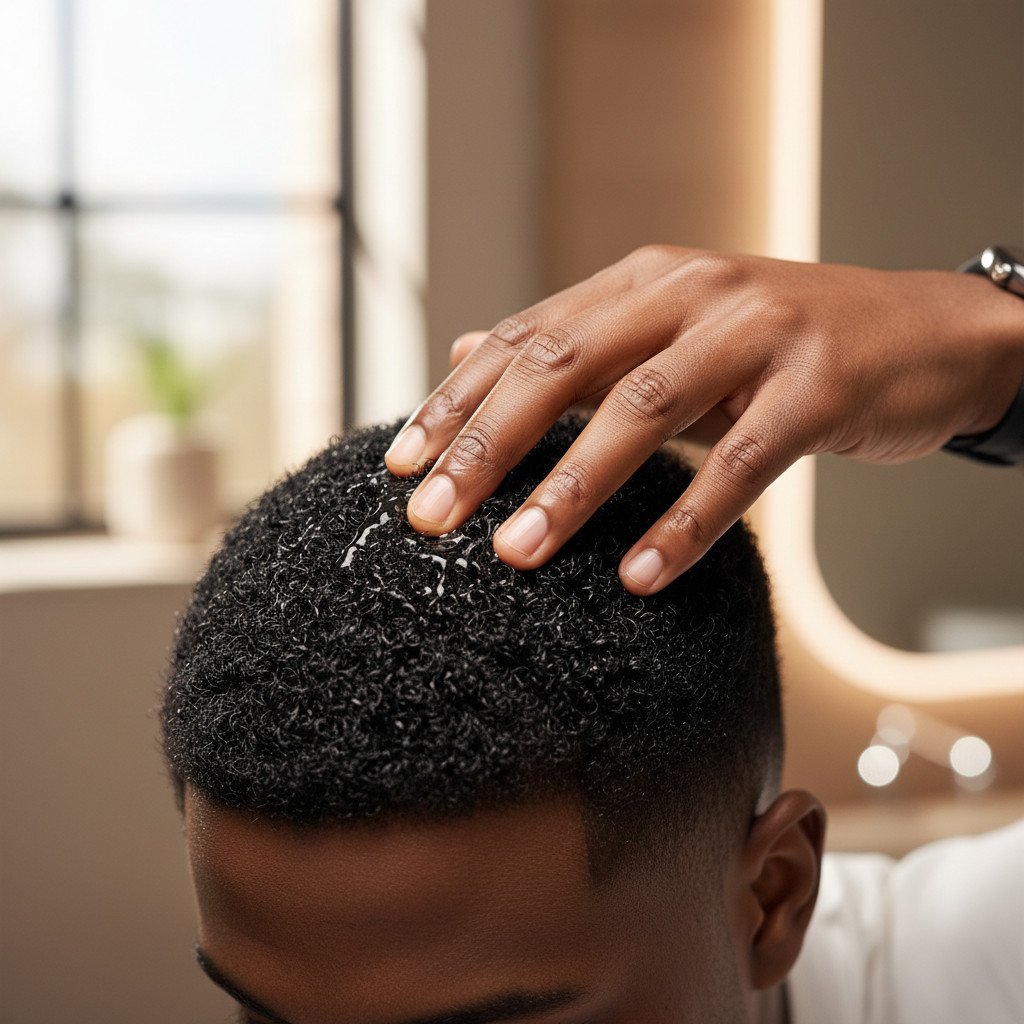
- Texture: Does your hair feel soft and pliable, or dry and brittle?
- Appearance: Does it look shiny and vibrant, or dull and heavy?
- Scalp Sensation: Is your scalp itchy, tight, oily, or comfortable?
- Product Absorption: Are your products absorbing well, or do they sit on the surface?
If your hair starts to feel heavy or dull, it might be time for a clarifying wash. If it feels dry and brittle, you might need to increase your deep conditioning frequency or adjust your daily moisturizer. If you experience persistent redness, pain, or oozing, consult a dermatologist.
Adapting to Environmental Changes
Your hair’s needs can change with the seasons and your environment. In humid climates, you might need fewer heavy occlusives, as the air provides natural moisture. In dry climates, you might need to increase your use of humectants and sealants to prevent moisture loss.
- Summer: Increased sweating and sun exposure might necessitate more frequent washing and lighter products.
- Winter: Dry indoor heat and cold outdoor air can lead to increased dryness, requiring richer conditioners and more consistent sealing.
Be prepared to adjust your product choices and routine throughout the year to keep your hair balanced and healthy.
Beyond Products: Lifestyle Factors for Healthy Hair
While products and routines are crucial, true hair health is also deeply intertwined with your overall lifestyle. What you put into your body, how you manage stress, and even your hydration habits can all impact the vitality of your hair and scalp, influencing its ability to retain moisture and resist buildup.
Nutrition: Fueling Hair from Within
Your hair is a reflection of your internal health. A diet rich in essential nutrients provides the building blocks for strong, healthy hair strands and a well-nourished scalp. This, in turn, can reduce issues like dryness and breakage, minimizing the perceived need for excessive product application.
- Protein: Hair is primarily made of protein. Ensure adequate intake from sources like lean meats, fish, eggs, legumes, and nuts.
- Vitamins and Minerals:
- Vitamin A: Supports cell growth, including hair cells. Found in sweet potatoes, carrots, spinach.
- B Vitamins (especially Biotin): Crucial for hair growth and strength. Found in whole grains, eggs, avocados, nuts.
- Vitamin C: Aids in collagen production and iron absorption. Found in citrus fruits, bell peppers, broccoli.
- Vitamin E: An antioxidant that supports scalp health. Found in nuts, seeds, leafy greens.
- Iron: Essential for oxygen transport to hair follicles. Found in red meat, spinach, lentils.
- Zinc: Supports hair tissue growth and repair. Found in oysters, beef, pumpkin seeds.
- Omega-3 Fatty Acids: Reduce inflammation and nourish hair follicles. Found in fatty fish (salmon, mackerel), flaxseeds, chia seeds.
Consider a balanced diet as your first line of defense against many hair issues. While supplements can be an option, always prioritize whole foods and consult a healthcare professional before starting any new supplement regimen.
Hydration: Drinking Your Way to Healthy Hair
Just as your body needs water to function, your hair needs hydration from the inside out. Dehydration can manifest as dry, brittle hair, making it more prone to breakage and less able to absorb topical moisture effectively. This can lead to a cycle where you apply more external products, increasing the risk of buildup.
- Drink Plenty of Water: Aim for at least 8 glasses (around 2 liters) of water daily. This helps keep your entire body, including your scalp and hair follicles, adequately hydrated.
- Limit Dehydrating Beverages: Excessive consumption of caffeine and alcohol can contribute to dehydration. Moderation is key.
Consistent internal hydration supports the natural moisture balance of your scalp and hair, making your external moisturizing efforts more effective and reducing the reliance on heavy products.
Stress Management: The Unseen Hair Enemy
Chronic stress can have a profound impact on your body, including your hair. It can disrupt the hair growth cycle, lead to increased shedding, and even exacerbate scalp conditions like dandruff or excessive oiliness, which can indirectly contribute to buildup. When the body is under stress, it diverts resources away from ‘non-essential’ functions like hair growth and maintenance.
- Incorporate Stress-Reducing Activities: Regular exercise, meditation, deep breathing exercises, spending time in nature, or engaging in hobbies you enjoy can all help manage stress levels.
- Ensure Adequate Sleep: Quality sleep is essential for overall body repair and regeneration, including hair follicle health. Aim for 7-9 hours per night.
By managing stress effectively, you create a more stable internal environment that supports healthy hair growth and reduces the likelihood of stress-induced hair issues that might prompt excessive product use.
Exercise and Scalp Circulation
Regular physical activity isn’t just good for your body; it’s good for your scalp too. Exercise increases blood circulation throughout the body, including to the scalp. Improved blood flow delivers essential nutrients and oxygen to hair follicles, promoting healthy hair growth and a healthier scalp environment.
- Regular Workouts: Aim for at least 30 minutes of moderate-intensity exercise most days of the week.
- Scalp Massage: Incorporate gentle scalp massages into your routine. This can be done during shampooing or with a dedicated scalp massager. It stimulates blood flow and can help distribute natural oils.
While exercise is beneficial, remember to cleanse your hair and scalp thoroughly after intense workouts to remove sweat and prevent its accumulation from causing irritation or contributing to buildup. A good post-workout rinse or co-wash is often sufficient.
The Broader Impact: Confidence and Self-Mastery
Mastering the art of moisturizing without buildup is more than just a hair care technique; it’s a step towards greater self-mastery and confidence. When your hair looks and feels its best—healthy, vibrant, and free from heavy residue—it positively impacts your overall presentation and self-perception. This isn’t about vanity; it’s about intentional grooming that reflects respect for yourself and your appearance.
Beyond Aesthetics: The Health Connection
Healthy hair is often a sign of a healthy scalp, which is the foundation of robust hair growth. By preventing buildup, you’re not just avoiding dull, greasy hair; you’re also preventing clogged pores, potential scalp irritation, and creating an optimal environment for your hair follicles to thrive. This proactive approach to hair care reduces the likelihood of common issues that can detract from your confidence.
Empowerment Through Knowledge
Understanding the science behind your hair, the role of different ingredients, and the impact of your routines empowers you to make informed decisions. You move beyond simply using products because they’re popular, to selecting and applying them with purpose and precision. This knowledge reduces trial-and-error, saves time and money, and ultimately leads to more consistent, satisfying results.
The Grooming Journey
Your hair journey is personal, and finding the perfect balance for your unique texture and lifestyle takes time and experimentation. Embrace this process. Celebrate the small victories, like a day where your hair feels perfectly moisturized and light. Don’t be discouraged by occasional setbacks; instead, use them as opportunities to learn and refine your approach.
By consistently applying the principles outlined in this guide—diligent cleansing, strategic moisturizing, smart styling, and a healthy lifestyle—you will cultivate hair that is not only free from buildup but also exudes health, strength, and natural vitality. This dedication to your grooming reflects a broader commitment to excellence in all aspects of your life.
For further insights into maintaining peak hair health, explore our guides on managing dry scalp, finding the best shampoo for Black men, and understanding dandruff solutions.
Frequently Asked Questions
How often should Black men clarify their hair?
Black men should clarify their hair once every 2-4 weeks, depending on product usage and hair type. If you use heavy styling products daily or experience significant buildup, clarifying more frequently (e.g., bi-weekly) may be beneficial. Always follow with a deep conditioner to restore moisture.
Can I use natural oils to moisturize my hair without causing buildup?
Yes, natural oils can be excellent for sealing in moisture, but they should be used sparingly and chosen carefully. Lighter oils like jojoba, argan, or grapeseed are less likely to cause buildup than heavier oils like castor or olive oil. Apply a few drops to damp hair, focusing on the ends, rather than saturating your scalp.
What is the difference between a leave-in conditioner and a regular conditioner?
A regular conditioner is applied after shampooing and rinsed out, primarily to detangle and provide immediate hydration. A leave-in conditioner is applied to damp hair after washing and is not rinsed out. It provides continuous moisture, protection, and can act as a styling primer throughout the day, making it crucial for sustained hydration without heaviness.
My hair feels dry even after moisturizing. What could be wrong?
If your hair feels dry after moisturizing, it could be due to several factors. You might have product buildup preventing moisture absorption, or you might be using products that aren’t hydrating enough for your hair type. Ensure you’re clarifying regularly, using water-based moisturizers, and applying them to damp hair. Also, consider if your internal hydration and diet are sufficient.
How do I know if my scalp flakes are dandruff or just dry scalp/buildup?
Dry scalp flakes are typically small, white, and accompanied by a tight feeling, often due to lack of moisture. Dandruff flakes are larger, yellowish, and often come with significant itching and redness, caused by a yeast overgrowth. Product buildup flakes are usually white or grey, powdery or gummy, and your hair will feel heavy or greasy. Refer to the table in the post for a detailed comparison, and if unsure or symptoms are severe, consult a dermatologist.
Should I avoid all silicones to prevent buildup?
Not necessarily all silicones. Water-soluble silicones (like dimethicone copolyol) rinse out easily and are less likely to cause buildup. However, non-water-soluble silicones (like dimethicone) can accumulate over time. If you’re prone to buildup, opt for silicone-free products or those with water-soluble silicones, and ensure regular clarifying washes.
Does wearing a durag at night prevent buildup?
Wearing a satin durag or cap at night helps prevent buildup indirectly. It protects your hair from friction with cotton pillowcases, which can cause dryness and frizz. By preserving moisture and preventing damage, a durag reduces the need for excessive product application the next morning, thus helping to minimize buildup over time. It also helps maintain styles and compress waves.
Shop leave-in conditioner on Amazon