Receding Hairline in Black Men: How to Slow It Down and Look Sharp Now
A sharp hairline defines a man’s look. For many Black men, a receding hairline, particularly at the temples, can be a source of frustration. It’s not just about losing hair; it’s about maintaining your signature style and confidence.
This isn’t a problem to ignore. Early intervention and a strategic approach can make a significant difference. We’ll cut through the noise and provide actionable steps to address a receding hairline, combining time-tested barbershop wisdom with modern understanding.
Understanding the causes is the first step toward effective management. From genetics to daily habits, several factors contribute to hairline recession. Taking control means understanding these elements and implementing a regimen that supports your Hair & scalp health for Black men.
If your corners are thinning, don’t wait for it to “fix itself”
Waiting for a receding hairline to spontaneously reverse is a gamble you don’t want to take. Hair loss, especially at the temples, often progresses if left unaddressed. Early detection and proactive measures are crucial for preserving your hairline and maintaining your desired aesthetic.
Many men notice thinning at the corners first. This can manifest as less density, finer hairs, or a gradual shift backward from the original hairline. Ignoring these early signs can lead to more significant recession, making it harder to manage later.
The goal isn’t always to regrow every lost hair, but to slow progression, strengthen existing hair, and adapt your style to maintain a sharp, confident appearance. This requires a consistent, informed approach, not wishful thinking.
Understanding the specific type of hair loss affecting your hairline is also vital. Different causes require different solutions. Consulting with a professional, whether a barber or a dermatologist, can provide clarity and guide your strategy.
Don’t let embarrassment or denial prevent you from taking action. A receding hairline is a common concern, and effective strategies exist. Your commitment to a structured grooming regimen and professional advice will yield the best results.
What causes a receding hairline (most common reasons)
Several factors contribute to a receding hairline in Black men. While some are beyond your direct control, understanding them empowers you to manage what you can. This knowledge forms the foundation of any effective strategy to slow recession.
Androgenetic Alopecia (Male Pattern Baldness)
This is the most common cause of hair loss globally, including for Black men. It’s primarily genetic, meaning if your father or grandfather experienced hair loss, you’re more likely to as well. Androgenetic alopecia is characterized by a predictable pattern of hair loss, often starting at the temples and crown.
The hormone dihydrotestosterone (DHT) plays a central role. DHT shrinks hair follicles, leading to shorter, finer hairs over time, eventually stopping hair production altogether. While genetics dictate susceptibility, lifestyle factors can influence its progression.
This type of hair loss is progressive. Without intervention, the hairline will continue to recede. Early signs often include thinning at the M-shaped pattern at the temples.
Traction Alopecia
Traction alopecia is caused by prolonged or repetitive tension on the hair follicles. This is particularly relevant for Black men due to certain hairstyles and grooming practices. Tight braids, cornrows, dreadlocks, or even consistently tight hats can exert excessive pull on the hairline.
The constant pulling damages the hair follicle, leading to inflammation and eventually permanent hair loss in the affected areas. The hairline, especially around the temples and edges, is highly susceptible to this type of damage.
Recognizing the signs of traction alopecia is crucial. It often presents as small bumps, redness, or tenderness along the hairline before hair thinning becomes apparent. Adjusting your styling habits immediately can prevent further damage.
This condition is entirely preventable and often reversible in its early stages. If left unaddressed, the damage can become permanent, leading to scar tissue formation and irreversible hair loss.
Folliculitis and Scalp Inflammation
Inflammation of the hair follicles, known as folliculitis, can contribute to hair loss. This condition often presents as small, red, itchy bumps on the scalp. Chronic inflammation can damage the follicles, impeding hair growth and potentially leading to scarring and permanent hair loss.
Folliculitis can be caused by bacterial or fungal infections, ingrown hairs, or irritation from harsh grooming products. For Black men, pseudofolliculitis barbae (razor bumps) can sometimes extend to the scalp, particularly around the hairline, exacerbating inflammation.
Managing scalp inflammation is key to preserving hair health. This involves proper hygiene, using gentle products, and addressing any underlying infections. Persistent inflammation requires professional medical attention to prevent irreversible damage.
A healthy scalp environment is fundamental for healthy hair growth. Any condition that compromises scalp integrity can negatively impact the hairline. Therefore, proactive scalp care is a non-negotiable aspect of managing a receding hairline.
Poor Nutrition and Lifestyle Factors
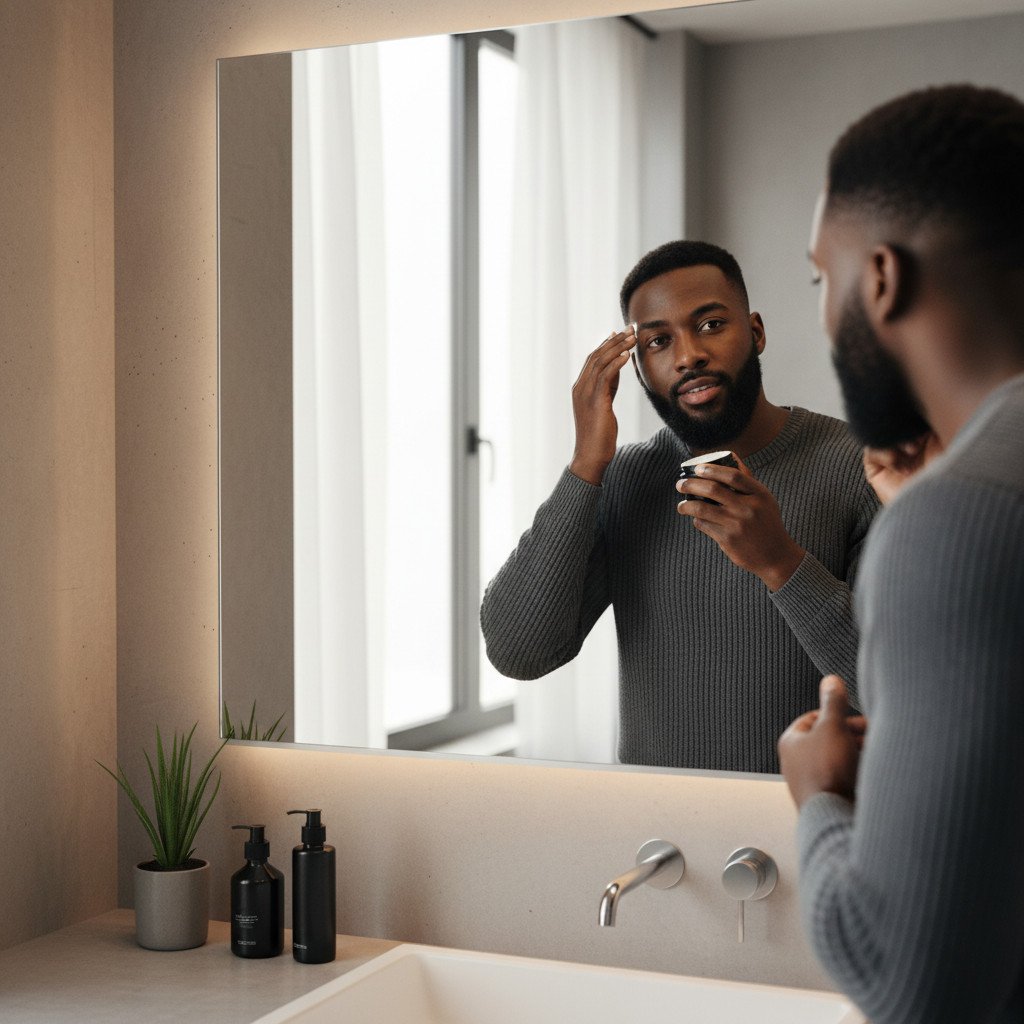
Your diet and overall lifestyle significantly impact hair health. Nutritional deficiencies, particularly in vitamins and minerals essential for hair growth, can contribute to thinning hair and a receding hairline. Iron, zinc, biotin, and vitamins D and E are critical.
Stress, lack of sleep, and smoking can also negatively affect hair follicles. Chronic stress elevates cortisol levels, which can disrupt the hair growth cycle. Smoking impairs blood circulation to the scalp, depriving follicles of essential nutrients.
A balanced diet rich in proteins, fruits, vegetables, and whole grains provides the necessary building blocks for strong, healthy hair. Hydration is equally important for overall cellular function, including that of hair follicles.
Addressing these lifestyle factors is a foundational step in any hair retention strategy. No topical treatment or barber technique can fully compensate for a body that isn’t receiving adequate nourishment or rest. Prioritize your overall well-being for optimal hair health.
Harsh Chemical Treatments and Heat Damage
Chemical relaxers, dyes, and excessive heat styling can severely damage hair and scalp. These treatments can weaken the hair shaft, making it prone to breakage, and irritate the scalp, leading to inflammation and follicle damage.
The hairline, with its finer, more delicate hairs, is particularly vulnerable to chemical burns or heat stress. Repeated exposure to harsh chemicals or high temperatures can lead to irreversible damage to the hair follicles, resulting in permanent hair loss.
Minimize the use of chemical treatments. If you opt for them, ensure they are applied by experienced professionals using high-quality products. Limit heat styling and always use a heat protectant. Air-drying whenever possible is the gentlest approach.
Choose products specifically formulated for Black hair, which tends to be drier and more fragile. Educate yourself on proper product application and styling techniques to avoid unnecessary stress on your hair and scalp.
Medical Conditions and Medications
Certain medical conditions, such as thyroid disorders, autoimmune diseases, and anemia, can cause hair loss. Some medications, including those for blood pressure, depression, and acne, list hair loss as a potential side effect.
If you suspect a medical condition or medication is contributing to your receding hairline, consult a doctor. They can diagnose the underlying issue and recommend appropriate treatment or medication adjustments. Self-diagnosing can be dangerous and ineffective.
Sudden or rapid hair loss, accompanied by other symptoms, warrants immediate medical attention. Do not delay seeking professional advice, as early diagnosis can prevent more extensive hair loss and address potential health concerns.
A holistic approach to your health is essential. Your hair is often a mirror of your internal well-being. Addressing systemic health issues can have a positive impact on your hair and hairline.
What you can do at home (realistic routine)
Managing a receding hairline at home requires consistency and a strategic approach. This isn’t about quick fixes, but about establishing a routine that supports hair health and minimizes further recession. Here’s a five-step regimen designed for effectiveness.
- Gentle Cleansing and Conditioning: Start with a mild, sulfate-free shampoo and a nourishing conditioner. Harsh chemicals strip natural oils, leading to dryness and breakage, especially at the delicate hairline. Use a gentle shampoo 2-3 times a week, or as needed, to keep your scalp clean without over-drying. Always follow with a hydrating conditioner to restore moisture and strengthen hair strands.
- Scalp Massage and Stimulation: Daily scalp massages improve blood circulation to the hair follicles, delivering essential nutrients and oxygen. Use your fingertips to gently massage your hairline and surrounding areas for 5-10 minutes. You can incorporate a light, natural oil like jojoba or peppermint oil, known for its stimulating properties. This simple practice can invigorate dormant follicles and promote a healthier growth environment.
- Strategic Styling and Product Application: Avoid styles that put tension on your hairline. This means no tight braids, cornrows, or excessively pulled-back styles. Opt for looser, more natural looks. When applying products, be gentle around the edges. Use a soft edge brush for styling, never a hard one that can pull or break delicate hairs.
- Nutritional Support and Hydration: Your hair health starts from within. Ensure your diet is rich in protein, iron, zinc, and vitamins A, C, D, and E. Foods like lean meats, leafy greens, nuts, seeds, and berries are excellent sources. Consider a high-quality multivitamin if your diet is lacking. Drink plenty of water throughout the day to keep your body, and consequently your hair, well-hydrated.
- Camouflage and Confidence Boost: While working on long-term solutions, you can temporarily improve the appearance of a receding hairline. Hair fibers for thinning hair can effectively fill in sparse areas, making the hairline appear fuller and sharper. These cosmetic solutions are easy to apply and wash out, providing an instant confidence boost without interfering with your hair growth efforts.
Consistency is paramount. Stick to this routine for at least 3-6 months to see noticeable improvements. If hair loss persists or worsens, consult a dermatologist for professional advice and potential medical treatments.
Barber strategy (what to ask for)
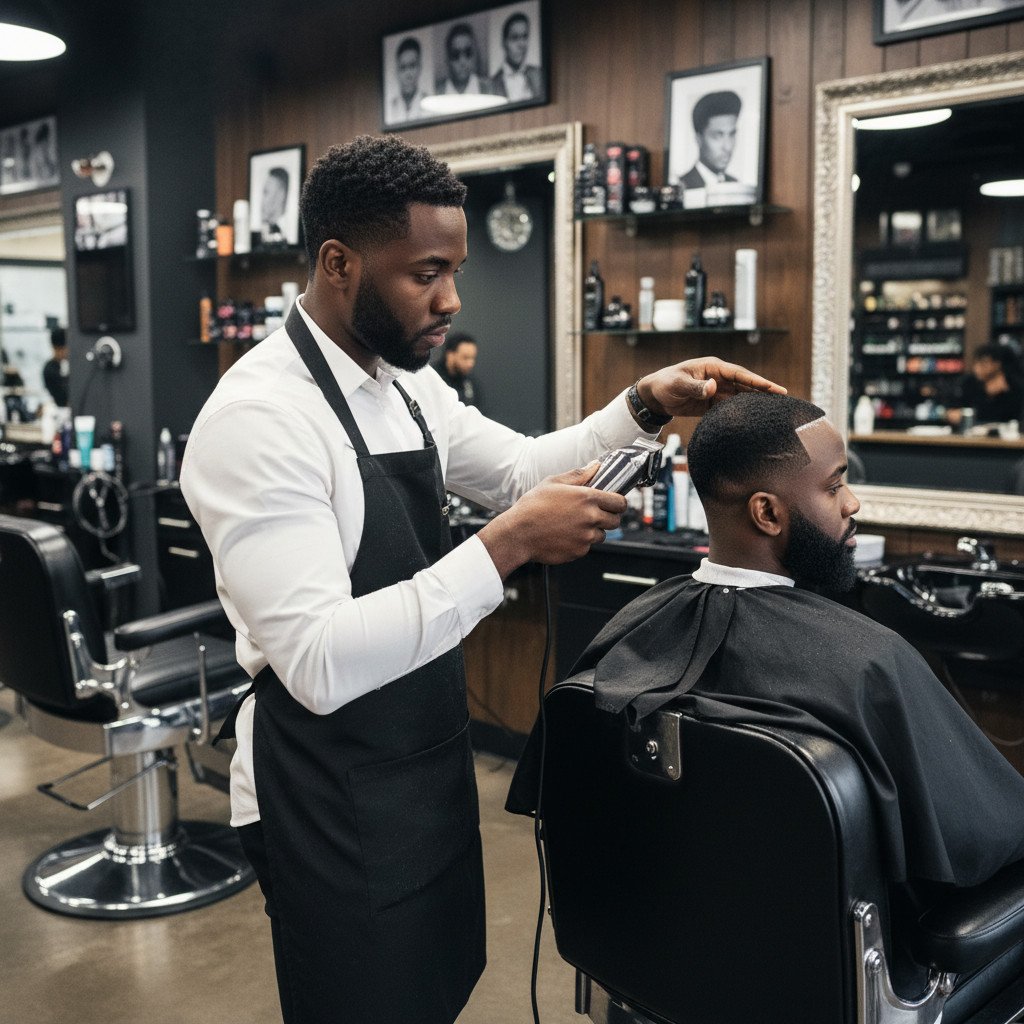
Your barber is a crucial ally in managing a receding hairline. They can not only give you a sharp cut but also offer insights and strategies to minimize the appearance of thinning. Effective communication with your barber is key to achieving the best results.
The Consult: Be Direct and Clear
Before the clippers even come out, have an honest conversation with your barber. Explain your concerns about your receding hairline. Point out the specific areas where you notice thinning or recession. Don’t be shy; they’ve seen it all.
Ask for their professional opinion on what styles would best suit your current hairline. A good barber will offer realistic advice, not just what’s trending. They understand head shape, hair texture, and how to create optical illusions.
Strategic Haircuts: Blending and Fading
The right haircut can effectively camouflage a receding hairline. Instead of trying to force a sharp, straight line where hair is sparse, your barber can create a natural, blended look.
- The Taper Fade: This is a classic for a reason. A well-executed taper fade gradually shortens the hair from the top down to the neckline and sides. When done correctly, it can create the illusion of a fuller hairline by blending the sparser areas into the shorter sides.
- The Caesar Cut: With a short fringe brought forward, the Caesar cut can cover a receding hairline at the temples. The key is to keep the fringe short and textured, avoiding a blunt, heavy look that can draw attention to the recession.
- The Buzz Cut: For more significant recession, a clean, even buzz cut can be the most effective and confident choice. It eliminates the contrast between fuller and thinner areas, creating a uniform, sharp appearance. This also minimizes the need for daily styling that might stress the hairline.
- The Line-Up (Shape-Up) Adjustment: This is where precision matters. Instead of pushing the hairline back to create a perfectly straight line, your barber should follow your natural hairline, even if it’s slightly receded. A skilled barber can create a clean, natural-looking line that doesn’t put undue tension on the delicate hairs at the edge. Avoid barbers who aggressively push back your hairline to create an artificial look; this only exacerbates traction alopecia.
Discuss the frequency of touch-ups. A clean, well-maintained cut is essential for keeping a receding hairline looking sharp. Your barber can advise on how often you should come in for a trim to keep your style fresh and your edges neat.
Product Recommendations and Maintenance Advice
Your barber can also recommend specific products or techniques to maintain your haircut and support hair health. They often have firsthand experience with products that work well for different hair types and concerns.
Ask about styling products that won’t weigh down your hair or irritate your scalp. They might suggest light pomades, creams, or gels that provide hold without causing buildup or tension. They can also advise on how to properly brush or comb your hair to avoid pulling at the edges.
A good barber is more than just someone who cuts your hair; they are a grooming consultant. Leverage their expertise to develop a comprehensive strategy for managing your receding hairline, both in the chair and at home. This collaborative approach ensures you always look your best, confidently navigating any changes to your hairline.
For more detailed insights on maintaining your look between visits, consider exploring resources on haircut maintenance between barber visits.
Table: Your goal → best haircut approach → upkeep frequency
| Your Goal | Best Haircut Approach | Upkeep Frequency |
|---|---|---|
| Minimize visible recession, maintain some length | Taper Fade, Caesar Cut (with short, textured fringe) | Every 2-3 weeks for shape-up and fade refresh |
| Embrace a clean, low-maintenance look | Buzz Cut (even all over or slightly faded) | Every 1-2 weeks for consistent length |
| Create illusion of fuller edges, natural flow | Natural Line-Up (following existing hairline), Textured Top with blended sides | Every 2-3 weeks for edge refinement |
| Address early temple thinning, keep modern style | High Top Fade with soft, rounded edges; Pompadour with faded sides | Every 2-3 weeks for fade and edge definition |
| Transition to a fully bald or very short style | Gradual Buzz Down, Clean Shave (if desired) | As needed, usually weekly for clean shave |
Frequently Asked Questions
Navigating a receding hairline can bring up many questions. Here are some common concerns addressed directly and practically.
What is the earliest age a Black man can experience a receding hairline?
A receding hairline can begin as early as the late teens or early twenties for some Black men, primarily due to genetic predisposition (androgenetic alopecia). While less common, it’s not unheard of. Traction alopecia can also start at any age if tight hairstyles are consistently worn.
Can stress cause a receding hairline?
Chronic stress can contribute to hair thinning and accelerate a receding hairline by disrupting the hair growth cycle, leading to increased shedding (telogen effluvium). While stress alone might not be the sole cause of a receding hairline, it can certainly exacerbate underlying genetic predispositions.
Are there any natural remedies that can regrow a receding hairline?
While some natural remedies like rosemary oil, peppermint oil, or saw palmetto are anecdotally used for hair growth, scientific evidence for their ability to regrow a significantly receded hairline is limited. They may support scalp health and stimulate existing follicles, but they are not a guaranteed solution for advanced hair loss. Consult a dermatologist for evidence-based treatments.
How can I tell the difference between a mature hairline and a receding hairline?
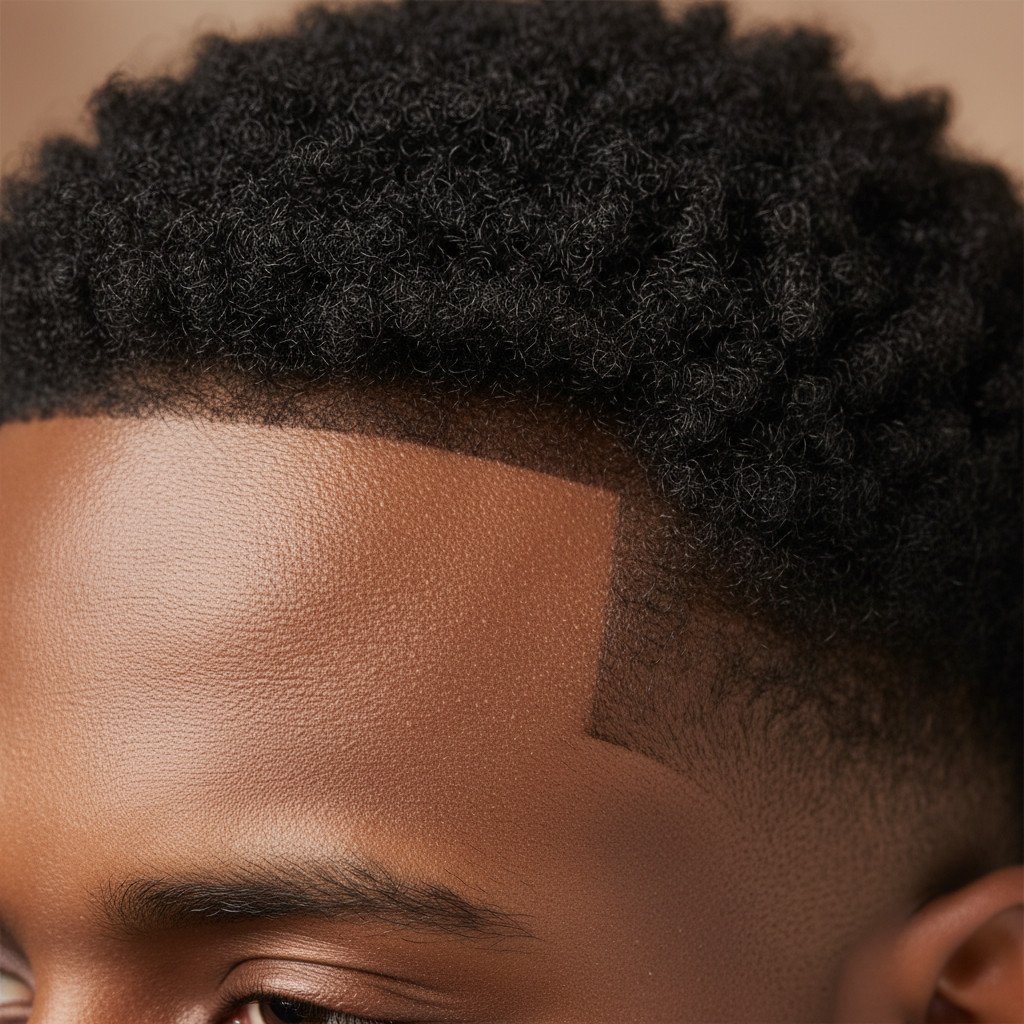
A mature hairline typically shifts back slightly and evenly by about half an inch to an inch from the juvenile hairline, usually forming a subtle ‘M’ shape, but without significant thinning or balding. A receding hairline, however, involves more pronounced recession, often unevenly, with noticeable thinning or complete loss of hair at the temples, creating a more defined ‘M’ or ‘V’ shape.
Should I shave my head if my hairline is receding significantly?
Shaving your head is a personal choice, but it can be an excellent option for men with significant hairline recession. It eliminates the contrast between areas of hair and no hair, creating a clean, confident, and low-maintenance look. Many Black men embrace this style with great success, turning a perceived weakness into a powerful statement.
What role does diet play in preventing a receding hairline?
A nutritious diet is crucial for overall hair health. Deficiencies in essential vitamins and minerals like iron, zinc, biotin, and vitamins D and E can weaken hair and contribute to thinning. Consuming a balanced diet rich in protein, fruits, vegetables, and whole grains provides the building blocks for strong hair and a healthy scalp, potentially slowing recession.
When should I see a dermatologist for my receding hairline?
You should see a dermatologist if you notice rapid hair loss, significant thinning, or if your receding hairline is accompanied by scalp itching, redness, pain, or lesions. A dermatologist can accurately diagnose the cause of your hair loss, rule out underlying medical conditions, and recommend prescription treatments like minoxidil or finasteride, or other advanced therapies.
Final Thoughts
A receding hairline is a common challenge for Black men, but it’s not a battle you have to lose. By understanding the causes, adopting a consistent home care routine, and collaborating with a skilled barber, you can effectively manage its progression and maintain a sharp, confident appearance.
Remember, early intervention is key. Don’t wait for significant recession to take action. Embrace a proactive approach that combines gentle hair care, strategic styling, and a healthy lifestyle. Your confidence and style are paramount, and a well-managed hairline contributes significantly to both.
For further insights into maintaining your look and overall well-being, explore topics like hair loss in Black men, bald head care, and the broader aspects of a Black men’s grooming lifestyle.
If you experience persistent pain, oozing, infection, sudden hair loss, or scalp lesions, always see a dermatologist or doctor immediately. Your health is the priority.
Next reads: Hair & scalp health for Black men, Hair Loss in Black Men, and Haircut Maintenance Between Barber Visits.
Frequently Asked Questions
What is the earliest age a Black man can experience a receding hairline?
A receding hairline can begin as early as the late teens or early twenties for some Black men, primarily due to genetic predisposition (androgenetic alopecia). While less common, it’s not unheard of. Traction alopecia can also start at any age if tight hairstyles are consistently worn.
Can stress cause a receding hairline?
Chronic stress can contribute to hair thinning and accelerate a receding hairline by disrupting the hair growth cycle, leading to increased shedding (telogen effluvium). While stress alone might not be the sole cause of a receding hairline, it can certainly exacerbate underlying genetic predispositions.
Are there any natural remedies that can regrow a receding hairline?
While some natural remedies like rosemary oil, peppermint oil, or saw palmetto are anecdotally used for hair growth, scientific evidence for their ability to regrow a significantly receded hairline is limited. They may support scalp health and stimulate existing follicles, but they are not a guaranteed solution for advanced hair loss. Consult a dermatologist for evidence-based treatments.
How can I tell the difference between a mature hairline and a receding hairline?
A mature hairline typically shifts back slightly and evenly by about half an inch to an inch from the juvenile hairline, usually forming a subtle ‘M’ shape, but without significant thinning or balding. A receding hairline, however, involves more pronounced recession, often unevenly, with noticeable thinning or complete loss of hair at the temples, creating a more defined ‘M’ or ‘V’ shape.
Should I shave my head if my hairline is receding significantly?
Shaving your head is a personal choice, but it can be an excellent option for men with significant hairline recession. It eliminates the contrast between areas of hair and no hair, creating a clean, confident, and low-maintenance look. Many Black men embrace this style with great success, turning a perceived weakness into a powerful statement.
What role does diet play in preventing a receding hairline?
A nutritious diet is crucial for overall hair health. Deficiencies in essential vitamins and minerals like iron, zinc, biotin, and vitamins D and E can weaken hair and contribute to thinning. Consuming a balanced diet rich in protein, fruits, vegetables, and whole grains provides the building blocks for strong hair and a healthy scalp, potentially slowing recession.
When should I see a dermatologist for my receding hairline?
You should see a dermatologist if you notice rapid hair loss, significant thinning, or if your receding hairline is accompanied by scalp itching, redness, pain, or lesions. A dermatologist can accurately diagnose the cause of your hair loss, rule out underlying medical conditions, and recommend prescription treatments like minoxidil or finasteride, or other advanced therapies.