
Wash day is where most wave progress gets destroyed
Maintaining pristine 360 waves is a commitment. Every brush stroke, every durag tie, every product application contributes to the intricate pattern. However, many Black men find their wave progress unraveling during wash day. The very act of cleansing, intended to promote health, can inadvertently disrupt the carefully laid patterns. This is a common frustration, but it doesn’t have to be your reality. Understanding the science behind wave formation and hair care for textured hair is crucial. Your wash day routine needs to be strategic, not destructive. This guide will ensure your waves remain laid and your scalp stays healthy, even through the cleansing process. Master your wash day, master your waves. For a comprehensive guide on achieving and maintaining these patterns, refer to our pillar content on 360 waves for Black men.
The unique structure of Black men’s hair, characterized by its tightly coiled nature, makes it prone to dryness and breakage if not handled correctly. When wet, these coils can lose their definition, and without proper technique, the wave pattern can be disturbed. This is particularly true when harsh shampoos strip natural oils, or aggressive washing motions dislodge the trained hair. Your goal on wash day is to cleanse thoroughly without undoing the foundational work. This requires a nuanced approach, combining gentle yet effective products with precise application methods. We will delve into the specific techniques that protect your wave pattern while ensuring optimal scalp and hair health. Prepare to transform your wash day from a potential setback into a powerful tool for wave enhancement.
Many wavers mistakenly believe that avoiding washing altogether is the best way to preserve their waves. This is a critical error. A healthy scalp and clean hair are fundamental to strong, defined waves. Product buildup, sweat, and environmental pollutants can clog follicles, impede hair growth, and lead to scalp issues like irritation or dandruff. A proper wash day removes these impurities, allowing your hair to breathe and thrive. The key lies in how you wash, not if you wash. We will explore the ideal frequency, product selection, and step-by-step methods to ensure your wash day supports, rather than sabotages, your wave journey. This is about elevating your grooming ritual. It’s about precision and purpose.
How often to wash (based on product use + scalp)
The frequency of your wash day is not a one-size-fits-all answer. It depends heavily on your lifestyle, the products you use, and the condition of your scalp. Over-washing can strip your hair of essential natural oils, leading to dryness and frizz, which are detrimental to wave formation. Under-washing, conversely, leads to product buildup and scalp issues. Finding the right balance is paramount for both wave definition and overall hair health. Consider your daily activities. Do you work out frequently? Do you live in a humid environment? These factors increase the need for more frequent cleansing.
For most wavers, a wash day every 5-7 days is a good starting point. This allows enough time for natural oils to distribute and for your waves to set, without allowing excessive buildup. However, if you use heavy pomades or thick butters daily, you might need to wash every 3-4 days. These products, while excellent for laying hair, can accumulate quickly, suffocating the scalp and weighing down your waves. A clarifying shampoo might be necessary more often in these cases to prevent residue. Conversely, if you use lighter products like wave creams or oils, you might be able to stretch your washes to every 7-10 days. Observe your hair and scalp closely. They will tell you what they need.
Scalp health is a non-negotiable component of a successful wave journey. If you experience itchiness, flaking, or excessive oiliness, you may need to adjust your wash frequency or product choices. A healthy scalp is the foundation for healthy hair growth and strong waves. For those experiencing scalp issues, incorporating specific treatments or adjusting your wash schedule can make a significant difference. For more insights on maintaining a healthy scalp, especially concerning common issues, explore our resources on dandruff in Black men. This ensures your foundation is as strong as your wave pattern.
Another factor influencing wash frequency is your hair’s porosity. Low porosity hair, common in Black men, struggles to absorb moisture but also retains product buildup easily. This type of hair often benefits from less frequent washing with clarifying shampoos to prevent product overload. High porosity hair, which absorbs moisture quickly but also loses it rapidly, might require more frequent co-washing (conditioner-only washing) to maintain hydration without stripping. Understanding your hair’s unique characteristics allows for a more tailored and effective wash day routine. This personalized approach is what separates good waves from exceptional waves. It’s about listening to your hair’s needs and responding with precision.
Ultimately, consistency is key. Once you determine your ideal wash frequency, stick to it. This routine trains your hair and scalp, leading to more predictable results and stronger wave patterns. Document your wash days and note any changes in your hair’s texture, definition, or scalp health. This data-driven approach will help you fine-tune your routine over time. Remember, the goal is not just clean hair, but clean hair that actively contributes to your wave progress. This meticulous approach ensures every aspect of your grooming supports your ultimate goal: flawless 360 waves. Your commitment to this routine will yield visible and lasting results. It’s an investment in your self-presentation.
The wash-day method (exact steps)
Executing a proper wave wash day requires precision and patience. This isn’t just about getting your hair clean; it’s about cleansing without disturbing your meticulously laid pattern. Each step is designed to maintain your waves while promoting scalp and hair health. Follow these instructions exactly to ensure your progress is preserved and even enhanced. This method minimizes frizz, maximizes definition, and keeps your scalp in optimal condition. Prepare your products and your mindset; this is a ritual of self-mastery.
- Pre-poo Treatment (Optional but Recommended): Before wetting your hair, apply a light oil (like jojoba or argan) or a leave-in conditioner. This creates a protective barrier, preventing the shampoo from stripping too much natural oil. Massage it gently into your scalp and hair for 5-10 minutes. This step is particularly beneficial for those with dry scalps or hair prone to frizz. It acts as a pre-emptive strike against potential dryness, ensuring your hair retains vital moisture throughout the washing process. This small addition can make a significant difference in the post-wash feel and appearance of your waves.
- Wet Hair Thoroughly (Carefully): Step into the shower and allow warm water to saturate your hair. Do not rub or agitate your waves. Let the water flow over your head, gently loosening any product buildup. The goal is to get your hair completely wet without disrupting the pattern. Use a shower head with moderate pressure, allowing the water to penetrate without force. This initial wetting phase is critical; aggressive wetting can immediately lead to frizz and undo your wave training. Be deliberate and slow.
- First Shampoo Application (Clarifying): Apply a small amount of clarifying shampoo to your hands, emulsify, and then gently apply it to your scalp. Focus on your scalp, using the pads of your fingers to massage in circular motions. Avoid rubbing your hair strands together. The clarifying shampoo is crucial for removing stubborn product buildup, dirt, and excess oil. For more options and guidance on selecting the right cleansing products, consult our guide on best shampoo for Black men. This ensures a deep clean without harshness.
- Rinse First Shampoo (Gently): Rinse thoroughly with warm water, again allowing the water to flow over your head. Ensure all traces of the clarifying shampoo are removed. Do not scrub or agitate your hair during the rinse. The water should run clear, indicating that the shampoo and loosened impurities have been washed away. This gentle rinsing technique is paramount to maintaining your wave pattern. Any aggressive motion here can lead to immediate disruption and frizz.
- Second Shampoo Application (Moisturizing): Apply a small amount of moisturizing shampoo. This time, focus on both your scalp and gently working the lather down your hair strands, always in the direction of your waves. This second wash cleanses any remaining impurities while infusing moisture back into your hair. The moisturizing shampoo helps to restore hydration, counteracting any potential dryness from the clarifying wash. This dual-shampoo approach ensures both cleanliness and conditioning.
- Rinse Second Shampoo (Thoroughly): Rinse your hair again with warm water until all the moisturizing shampoo is gone. Ensure no residue remains, as this can weigh down your waves or lead to buildup. Continue to let the water flow over your head, maintaining the direction of your waves. This thorough rinse is essential for preventing product accumulation and ensuring your hair is ready for conditioning. A clean rinse sets the stage for optimal wave definition.
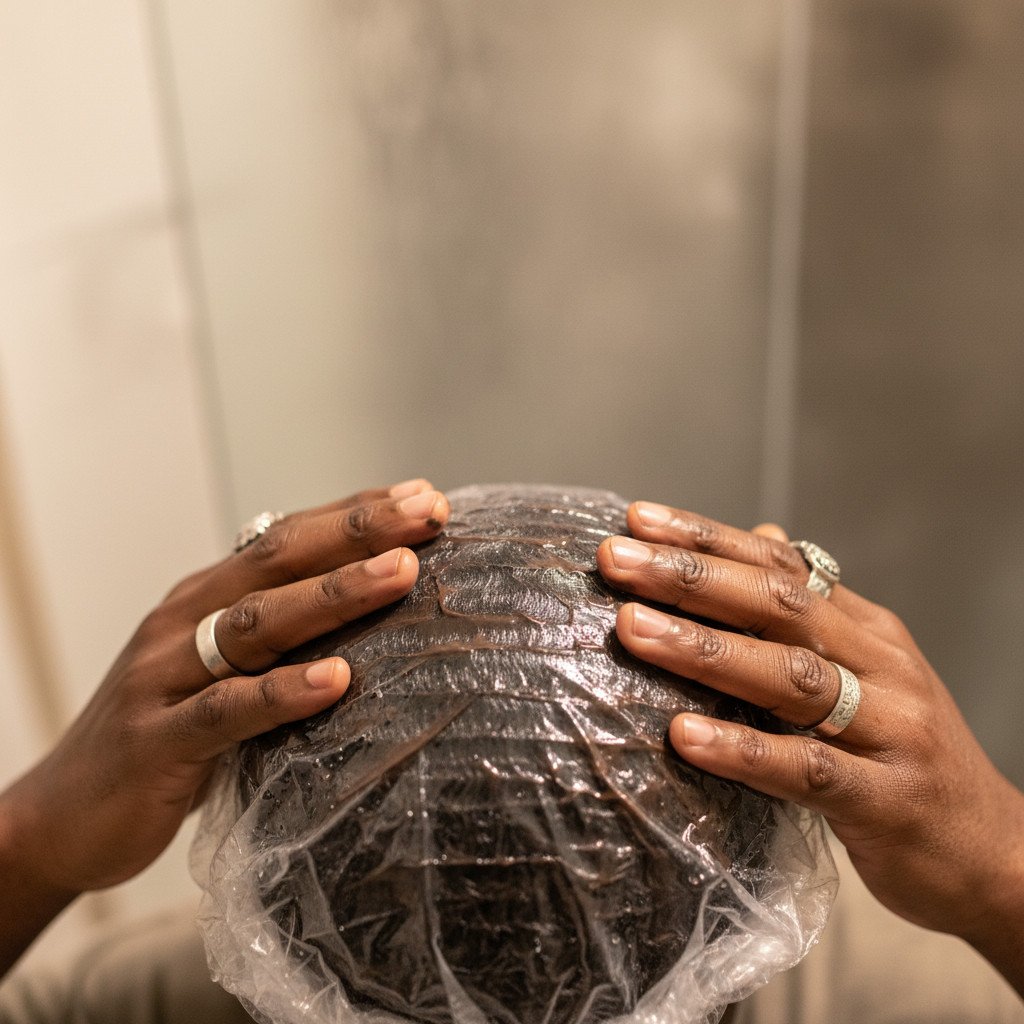
- Deep Conditioning Treatment: Apply a generous amount of deep conditioner evenly throughout your hair, working it in the direction of your waves. Cover your hair with a plastic cap and allow the conditioner to penetrate for 15-30 minutes. This step is vital for restoring moisture, strengthening hair, and enhancing elasticity. The deep conditioner is your primary tool for hydration and repair, crucial for resilient, well-defined waves.
- Rinse Deep Conditioner (Cold Water): Rinse the deep conditioner out with cool or cold water. Cold water helps to close the hair cuticles, locking in moisture and enhancing shine. Again, let the water flow over your head without scrubbing. This final rinse is a critical step for sealing in hydration and promoting a smooth, laid finish. The cool temperature also invigorates the scalp and helps to set the wave pattern.
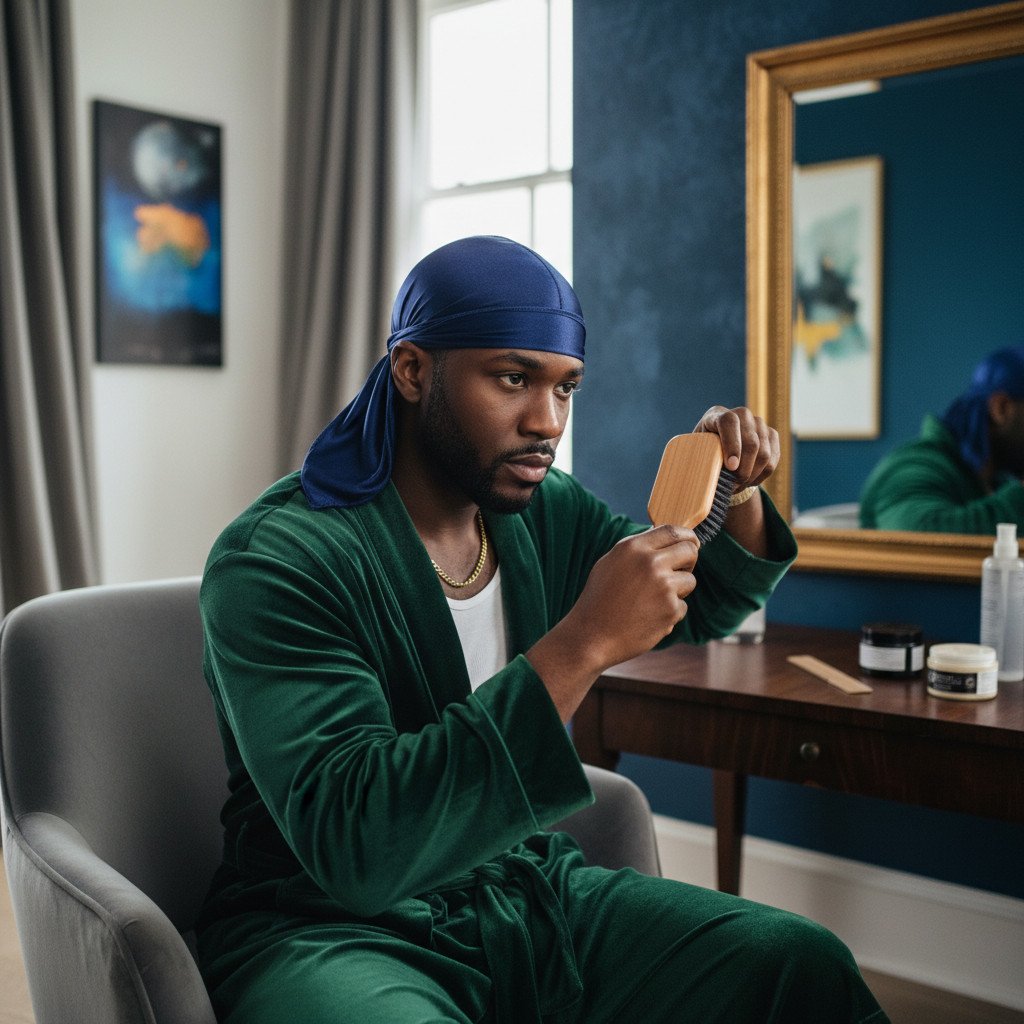
- Brush and Durag Immediately: While your hair is still damp, apply a light leave-in conditioner or wave butter. Then, immediately begin brushing your waves with a soft- to medium-bristle wave brush, following your established pattern. Brush for 10-15 minutes. After brushing, apply your durag tightly and allow your hair to air dry completely underneath it. This step is non-negotiable for laying your waves back down and preventing frizz. The immediate brushing and durag application are the ultimate wave preservers post-wash. This ensures your hard work isn’t undone.
Each step in this routine is designed to work synergistically, ensuring your waves are not only clean but also deeply conditioned and perfectly laid. Consistency in this method will yield remarkable results, transforming your wash day from a challenge into a cornerstone of your wave maintenance. This meticulous approach is what defines true wave mastery. It’s about understanding the nuances of your hair and responding with precise, effective action. Your waves are a testament to your dedication and attention to detail. Embrace the process, and your waves will reflect your commitment.
Beyond the physical steps, consider the products you use. High-quality, sulfate-free shampoos are essential to avoid stripping your hair. Conditioners should be rich and hydrating, formulated for textured hair. For more in-depth guidance on product selection, including specific recommendations for wave maintenance, explore our comprehensive guide on best wave products for Black men. The right tools make the job easier and the results more impressive. Investing in quality products is an investment in your waves. This holistic approach ensures every element of your routine contributes to your success. Your waves deserve nothing less than the best, and this routine delivers precisely that.
Table: If you use heavy pomade / light product / scalp flakes → adjust like this
| Condition / Product Type | Wash Frequency | Shampoo Type (First Wash) | Shampoo Type (Second Wash) | Additional Tips |
|---|---|---|---|---|
| Heavy Pomade / Thick Butters | Every 3-4 days | Clarifying Shampoo (strong) | Moisturizing Shampoo | Pre-poo with oil to help break down product. Brush thoroughly before wetting. Consider a co-wash on non-shampoo days. |
| Light Wave Cream / Oils | Every 5-7 days | Clarifying Shampoo (mild) | Moisturizing Shampoo | Can extend to 7-10 days if scalp is healthy. Focus on gentle scalp massage. Ensure complete rinse to avoid buildup. |
| Scalp Flakes / Dandruff | Every 3-5 days | Medicated/Anti-Dandruff Shampoo | Moisturizing Shampoo | Allow medicated shampoo to sit for 5-10 mins. Use a scalp brush gently. Follow with a deep conditioner. Avoid heavy products. |
| Dry Scalp / Itchiness | Every 7-10 days | Sulfate-Free Moisturizing Shampoo | N/A (or co-wash) | Focus on pre-poo and deep conditioning. Use leave-in conditioner. Avoid hot water. Consider scalp oil treatments. |
| Oily Scalp / Excess Sweat | Every 2-4 days | Clarifying Shampoo (moderate) | Moisturizing Shampoo (light) | Focus on thorough scalp cleansing. Avoid heavy oils. Use light, water-based products. Rinse with cool water. |
This table provides a quick reference for tailoring your wash day routine to your specific needs. Understanding these nuances is crucial for effective wave maintenance. Each adjustment is designed to address particular challenges, ensuring your hair and scalp remain in optimal condition. This personalized approach is a hallmark of advanced wave care. It’s about being responsive to your body’s signals and adjusting your regimen accordingly. Your waves are a reflection of your dedication to detail and your understanding of your unique hair type. Use this guide to fine-tune your approach and achieve unparalleled results.
Final Thoughts
Mastering your wave wash day routine is not just about cleanliness; it’s about preserving and enhancing your wave pattern. By adopting a strategic, gentle, and consistent approach, you can ensure your hard work in brushing and styling isn’t undone by the very act of cleansing. Remember, your hair’s unique needs dictate your routine. Pay attention to your scalp, the products you use, and how your hair responds. This personalized attention is what elevates your grooming from routine to ritual. Your waves are a testament to your discipline and understanding of your hair. Embrace this journey of self-mastery, and your waves will continue to flourish, reflecting the precision and care you invest.
Next reads: Deepen your wave knowledge with 360 waves for Black men, optimize your cleansing with the best shampoo for Black men, and address scalp concerns with insights on dandruff in Black men.
Frequently Asked Questions
How often should I wash my 360 waves?
The ideal frequency depends on your product use and scalp condition. Generally, every 5-7 days is a good starting point. If you use heavy pomades, you might need to wash every 3-4 days. For lighter products or a dry scalp, you might extend to 7-10 days. Always observe your hair and scalp for signs of buildup or dryness.
Will washing my hair ruin my wave pattern?
Not if done correctly. The key is to use gentle techniques and appropriate products. Avoid scrubbing your hair aggressively. Instead, focus on massaging the scalp and letting water flow over your waves in their natural direction. Immediately brushing and tying a durag after washing are crucial steps to preserve your pattern.
What type of shampoo should I use for waves?
A dual-shampoo approach is often best. Start with a clarifying shampoo to remove buildup, followed by a moisturizing, sulfate-free shampoo to cleanse gently and infuse hydration. Avoid harsh shampoos that strip natural oils, as this can lead to dryness and frizz, which are detrimental to wave formation.
Is deep conditioning necessary for waves?
Yes, deep conditioning is vital for healthy waves. It restores moisture, strengthens hair strands, and improves elasticity, which helps maintain the integrity of your wave pattern. Aim to deep condition for 15-30 minutes during each wash day to keep your hair hydrated and resilient.
How do I prevent frizz after washing my waves?
Preventing frizz starts with gentle washing and cool water rinses to seal the cuticle. Immediately after rinsing, apply a light leave-in conditioner or wave butter, then brush your waves thoroughly with a wave brush in their established pattern. Finally, tie down your hair with a durag and allow it to air dry completely underneath to lock in the pattern and prevent frizz.
Can I use a regular brush on my waves after washing?
It is strongly recommended to use a dedicated wave brush. Regular brushes may have bristles that are too soft or too harsh, or not designed to effectively lay down and train your wave pattern. A wave brush, typically with medium to hard bristles, is engineered to distribute products evenly and reinforce your wave pattern without causing frizz or damage.
What if I have a flaky or itchy scalp with my waves?
If you experience a flaky or itchy scalp, adjust your routine. Consider using a medicated or anti-dandruff shampoo for your first wash, allowing it to sit for 5-10 minutes before rinsing. Follow with a moisturizing shampoo. Avoid heavy products that can clog pores, and ensure thorough rinsing. For persistent issues, consult a dermatologist.
Shop moisturizing shampoo on Amazon
Shop clarifying shampoo on Amazon