Post-shave is where razor bumps are won or lost
For Black men, shaving is more than just a routine; it’s a strategic act against common skin challenges. The moments immediately following your shave are critical. This is the battlefield where the war against Razor bumps for Black men is often decided. Neglect this phase, and you invite irritation, ingrown hairs, and hyperpigmentation.
A precise post-shave regimen is not optional; it’s foundational. It calms the skin, prevents inflammation, and sets the stage for healthy skin recovery. Understanding the science behind these steps empowers you to take control of your grooming destiny.
This guide provides a definitive, science-backed approach to post-shave care, tailored for the unique needs of Black men’s skin. We cut through the noise, offering direct, actionable steps to ensure a smooth, bump-free complexion.
The first 15 minutes after shaving (exact steps)
The immediate aftermath of a shave is a delicate period for your skin. Follicles are exposed, pores are open, and the skin barrier has been compromised. What you do in these crucial minutes dictates your skin’s recovery and resilience against irritation and ingrown hairs. This is not a time for guesswork; it’s a time for precision.
Each step in this sequence is designed to address specific post-shave concerns, from cleansing and disinfecting to calming and moisturizing. Follow these steps diligently to safeguard your skin and ensure a smooth, healthy complexion.
1. Rinse correctly (temperature + no scrubbing)
Immediately after your final pass, rinse your face thoroughly with cool water. This isn’t just about removing stray hairs and shaving cream residue; it’s about signaling your skin to calm down. Cool water helps to close pores and reduce initial inflammation, providing an immediate soothing effect.
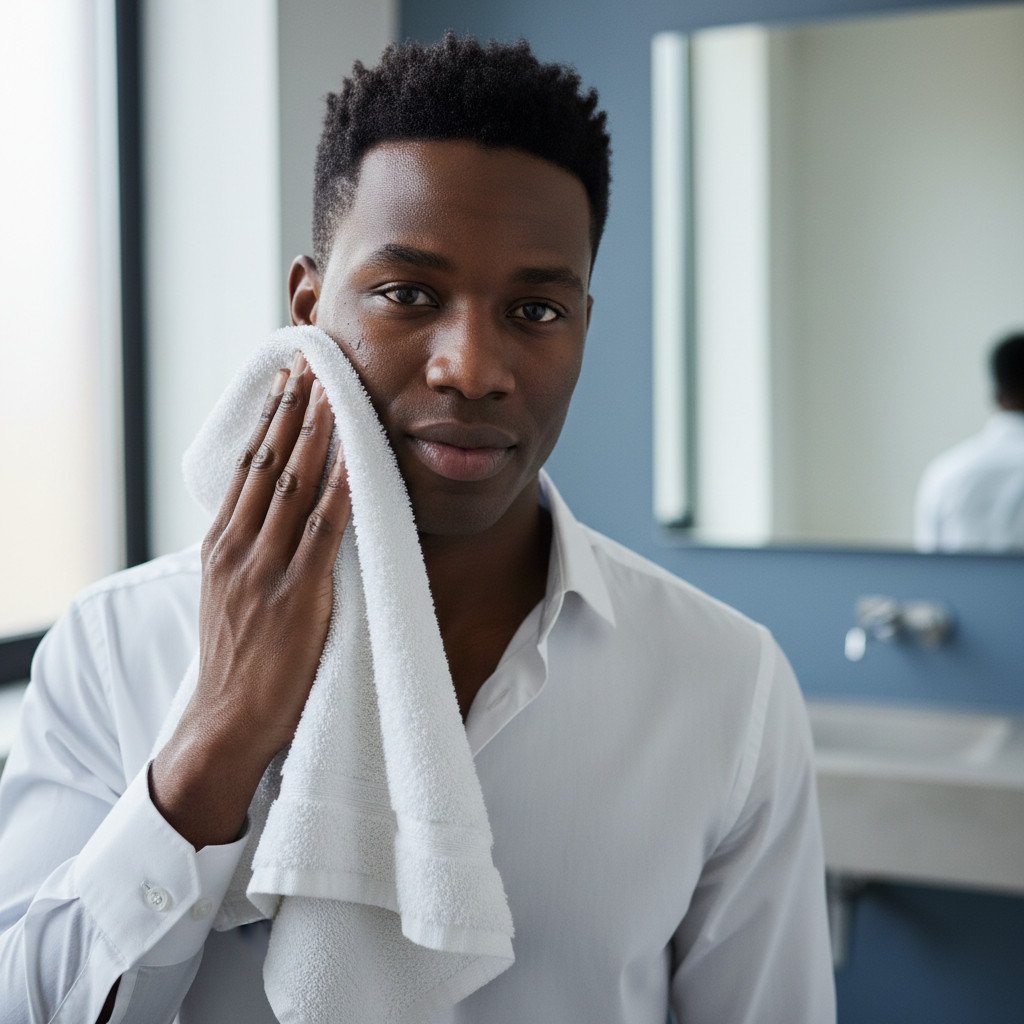
Avoid hot water, which can further irritate already sensitive skin, and never scrub your face with a towel. Pat your skin gently with a clean, soft towel. Aggressive rubbing can re-aggravate follicles and introduce bacteria, leading to bumps and irritation.
This gentle approach minimizes trauma and prepares your skin for the next critical steps. Think of it as a cool-down period for your skin, essential for preventing post-shave stress.
2. Disinfect without burning your skin
Even with the cleanest razor, shaving creates micro-abrasions, making your skin vulnerable to bacteria. Disinfection is crucial, but it must be done intelligently. Avoid alcohol-heavy aftershaves that sting and strip your skin’s natural oils, leading to dryness and further irritation.
Instead, opt for a gentle, alcohol-free antiseptic. Apply a small amount of an alcohol-free witch hazel toner to a cotton pad and gently swipe it across shaved areas. This purifies the skin without causing excessive dryness or irritation. Witch hazel is a natural astringent with anti-inflammatory properties, making it ideal for post-shave care.
The goal is to eliminate potential bacterial threats without compromising the skin’s delicate balance. This step is a proactive defense against infection and inflammation, two primary precursors to razor bumps.
For a budget-friendly option that delivers on its promise, consider an alcohol-free witch hazel toner. It’s an essential tool in your post-shave arsenal.
3. Calm inflammation
Shaving, by nature, causes some degree of inflammation. Calming this response quickly is paramount to preventing redness, irritation, and the formation of razor bumps. This step focuses on soothing and repairing the skin barrier.
Apply a thin layer of pure aloe vera gel to the shaved areas. Aloe vera is renowned for its anti-inflammatory and healing properties, providing immediate relief and promoting skin recovery. Look for formulations that are as pure as possible, free from added fragrances or dyes that could cause further irritation.
This step is about actively reducing the stress your skin has just undergone. It helps to bring down any redness and discomfort, creating a comfortable foundation for the next stage of care. Consistent application here can significantly reduce the likelihood of developing post-shave issues.
A high-quality, pure aloe vera gel is a versatile and effective choice for calming irritated skin.
4. Moisturize for barrier support
After disinfection and calming, your skin needs robust hydration and barrier support. Shaving strips away natural oils and can leave the skin vulnerable to moisture loss. A proper moisturizer replenishes hydration, strengthens the skin’s protective barrier, and promotes healing.
Apply a generous amount of a non-comedogenic, fragrance-free post-shave balm or barrier repair moisturizer. Look for ingredients like hyaluronic acid, ceramides, niacinamide, and shea butter, which hydrate, repair, and protect. These ingredients work synergistically to restore the skin’s natural defenses and lock in moisture.
This step is crucial for preventing dryness, flakiness, and the tight sensation often experienced after shaving. A well-hydrated and protected skin barrier is less susceptible to environmental aggressors and the irritation that can lead to ingrown hairs and hyperpigmentation. Consistency in this step is vital for long-term skin health.
Invest in a quality post-shave balm specifically designed for sensitive skin. For enhanced barrier protection, consider a dedicated barrier repair moisturizer, especially if you experience chronic dryness or sensitivity.
5. The “hands off” rule (no picking)
This rule is simple yet profoundly important: do not touch, pick, or scratch your freshly shaved skin. Your hands carry bacteria, and any physical manipulation can introduce new irritants, disrupt the healing process, and push developing hairs back into the skin. This is a common cause of worsening razor bumps and can lead to scarring and dark marks.
Allow your skin to heal undisturbed. If you feel an itch or irritation, resist the urge to touch. Instead, gently reapply a soothing product like aloe vera gel or a calming serum. Patience and discipline here are key to preventing a minor irritation from escalating into a significant skin issue. This rule extends beyond the immediate post-shave period; maintain a hands-off approach as your skin recovers over the next 24-48 hours.
Remember, the goal is to create an environment where your skin can heal and regenerate without interference. Picking at bumps or ingrown hairs will only exacerbate the problem, potentially leading to infection and long-lasting hyperpigmentation. Trust the process and let your skin do its work.
24-hour rules (what to avoid so bumps don’t flare)
The first 24 hours after a shave are just as crucial as the initial 15 minutes. During this period, your skin is still in a heightened state of sensitivity and vulnerability. What you expose it to, or don’t expose it to, can significantly impact whether you develop razor bumps or maintain a smooth, clear complexion. These rules are designed to prevent re-irritation and support continued healing.
Avoid tight collars and friction
If you shave your neck, avoid wearing tight collars, scarves, or anything that creates friction against the shaved area for at least 24 hours. Constant rubbing can irritate hair follicles, push emerging hairs back into the skin, and exacerbate any existing redness or sensitivity. Opt for looser necklines or soft fabrics that don’t chafe. This simple adjustment can make a significant difference in preventing neck bumps, which are notoriously stubborn.
Steer clear of heavy fragrances
Many colognes, aftershaves, and even some moisturizers contain high concentrations of synthetic fragrances. These can be highly irritating to freshly shaved skin, leading to redness, burning, and inflammation. For the first 24 hours, avoid applying any heavily fragranced products directly to your shaved areas. If you must use a fragrance, apply it to clothing or areas not recently shaved, such as your wrists or chest.
Choose fragrance-free or naturally fragranced (e.g., with essential oils known for skin benefits, though patch test first) products for your post-shave routine. This minimizes the risk of an adverse reaction and allows your skin to heal without unnecessary chemical stressors.
Do not re-shave too soon
Perhaps the most critical rule: do not re-shave the same area within 24-48 hours, especially if you’re prone to razor bumps. Your skin and hair follicles need time to recover. Shaving too frequently, or attempting to get an even closer shave by going over the same spot repeatedly, is a primary cause of irritation and ingrown hairs. Allow your hair to grow out slightly before your next shave.
This rest period gives emerging hairs a chance to clear the skin’s surface without being immediately cut below it, reducing the likelihood of them curling back and becoming ingrown. If you desire a consistently clean look, consider alternating between shaving and trimming, or explore different shaving methods that reduce skin irritation. For more insights on managing ingrown hairs, refer to our guide on ingrown hairs for Black men.
Protect from sun exposure
Freshly shaved skin is more susceptible to sun damage. The top layer of skin has been exfoliated, making it more vulnerable to UV radiation. Apply a broad-spectrum sunscreen with an SPF of 30 or higher to all shaved areas if you will be exposed to the sun. This prevents sunburn, which can further irritate the skin and contribute to post-inflammatory hyperpigmentation (dark spots). Sun protection is a non-negotiable step in maintaining healthy, even-toned skin, especially for Black men who are prone to hyperpigmentation. Learn more about managing hyperpigmentation for Black men.
Keep skin clean but avoid harsh cleansers
Throughout the 24-hour period, maintain skin hygiene with a gentle cleanser. Wash your face with a mild, pH-balanced cleanser twice a day. Avoid harsh soaps or cleansers containing sulfates, which can strip the skin of its natural moisture and disrupt the healing barrier. Gentle cleansing removes impurities without causing further irritation, supporting a healthy skin environment. For those with sensitive skin, understanding your routine is key; explore our insights on sensitive skin routine for Black men.
Long-term post-shave strategies for enduring smoothness
Achieving consistently smooth, bump-free skin isn’t just about what you do immediately after shaving; it’s about cultivating a long-term strategy. These practices integrate into your regular grooming routine, reinforcing your skin’s resilience and preventing issues before they arise. They are the bedrock of sustained skin health for Black men.
Exfoliate regularly (but not immediately after shaving)
Exfoliation is key to preventing ingrown hairs by removing dead skin cells that can trap hair follicles. However, timing is everything. Never exfoliate on the day you shave or the day immediately after. Your skin is too sensitive. Instead, incorporate a gentle chemical exfoliant (like an AHA or BHA toner) into your routine 2-3 times a week, on non-shaving days.
Chemical exfoliants work by dissolving the bonds between dead skin cells, allowing them to shed naturally without harsh scrubbing. This keeps your pores clear and allows hair to grow outwards freely, significantly reducing the likelihood of ingrown hairs. Consistent, gentle exfoliation is a game-changer for preventing razor bumps and improving overall skin texture.
Maintain consistent hydration
Hydrated skin is healthy skin. It’s more pliable, less prone to irritation, and better equipped to heal. Beyond your post-shave balm, ensure you are moisturizing your face daily, morning and night, regardless of whether you’ve shaved. Use a moisturizer appropriate for your skin type – oil-free for oily skin, richer creams for dry skin.
Consistent hydration strengthens your skin’s natural barrier, making it less reactive to shaving and environmental stressors. It also improves skin elasticity, which can help hair follicles emerge more easily. Think of hydration as the foundation upon which all other skin health rests.
Invest in quality shaving tools
Your post-shave experience is heavily influenced by your pre-shave and shave technique. Using sharp, clean blades and high-quality shaving creams or gels is paramount. Dull blades drag and pull at hairs, causing irritation and increasing the risk of ingrowns. Replace your razor blade or cartridge frequently – every 3-5 shaves for most men, or even sooner if you have a thick, coarse beard.
A good shaving cream or gel provides lubrication, reducing friction and allowing the blade to glide smoothly. This minimizes skin trauma during the shave, making your post-shave recovery much easier. Consider exploring different razor types, such as a single-blade safety razor, which can be less irritating for some skin types. For a comprehensive guide on preparing your skin, see our article on pre-shave routine for Black men.
Consider alternative hair removal methods
If despite all efforts, you continue to struggle with severe razor bumps and irritation, it might be time to reconsider your primary hair removal method. Explore alternatives like electric trimmers, chemical depilatories, or even laser hair removal. Electric trimmers cut hair above the skin’s surface, virtually eliminating ingrown hairs.
Chemical depilatories dissolve hair, but they can be irritating for sensitive skin and require careful patch testing. Laser hair removal offers a permanent reduction in hair growth, which can be a long-term solution for chronic razor bumps. Consult with a dermatologist or a qualified professional to discuss which alternative might be best for your skin and hair type. Sometimes, the best post-shave care is preventing the need for an aggressive shave in the first place.
Diet and lifestyle factors
Skin health is inextricably linked to overall health. Ensure you’re maintaining a balanced diet rich in antioxidants, staying well-hydrated, and managing stress levels. Foods rich in omega-3 fatty acids (like fish, flaxseed) and vitamins A, C, and E (found in fruits and vegetables) support skin repair and reduce inflammation from within. Adequate water intake keeps skin cells plump and resilient.
Stress can exacerbate skin conditions, including inflammation and acne. Incorporate stress-reducing activities into your routine, whether it’s exercise, meditation, or hobbies. These holistic approaches complement your topical grooming efforts, contributing to healthier, more resilient skin that is less prone to post-shave issues.
Advanced troubleshooting: When bumps persist
Even with a meticulous post-shave routine, some men may still experience persistent razor bumps or ingrown hairs. This often indicates that deeper intervention or a re-evaluation of your entire shaving process is needed. Don’t get discouraged; instead, approach it with a systematic troubleshooting mindset. This section outlines advanced strategies for tackling stubborn issues.
Identify the root cause
Before you can effectively treat persistent bumps, you need to understand their origin. Are they primarily caused by improper shaving technique, dull blades, or a genetic predisposition to tightly curled hair? Keep a grooming journal for a few weeks, noting down your shaving method, products used, and the appearance of bumps. This can help you identify patterns and pinpoint triggers. For example, if bumps consistently appear after using a multi-blade razor, switching to a single-blade might be the solution.
Consider if your pre-shave routine is adequate. Is your skin properly prepared? Is your hair softened enough? Sometimes, the problem isn’t post-shave care but rather what happens before the blade even touches your skin. A thorough review of your entire shaving ritual, from start to finish, is essential.
Topical treatments for existing bumps
For existing, stubborn razor bumps, specific topical treatments can be highly effective. Look for products containing salicylic acid (BHA) or glycolic acid (AHA). These alpha and beta hydroxy acids gently exfoliate the skin, helping to unearth trapped hairs and reduce inflammation. Salicylic acid is oil-soluble, making it particularly effective at penetrating pores and clearing out debris.
Apply these treatments to affected areas only, as directed, usually once or twice daily. Start with a lower concentration to assess your skin’s tolerance. Be patient; it can take several weeks to see significant improvement. These treatments help to clear current bumps and prevent new ones by keeping the skin’s surface smooth and preventing hair from becoming trapped.
For inflamed, red bumps, products containing hydrocortisone (a mild steroid) can provide temporary relief by reducing redness and itching. However, hydrocortisone should be used sparingly and for short periods only, as prolonged use can thin the skin. Always consult a dermatologist before using stronger steroid creams.
When to see a dermatologist
There are instances when self-care and over-the-counter treatments are not enough. If your razor bumps are severe, painful, pus-filled, show signs of infection (e.g., warmth, spreading redness, fever), or are leading to significant scarring and hyperpigmentation, it’s time to consult a dermatologist. A board-certified dermatologist can accurately diagnose the condition and prescribe stronger, more targeted treatments.
These might include prescription-strength topical retinoids, antibiotics (topical or oral) for infection, or even procedures like corticosteroid injections for very large, inflamed cysts. They can also offer professional advice on laser hair removal as a long-term solution. Never attempt to pop or extract severely inflamed or infected bumps yourself, as this can worsen the condition and lead to permanent scarring and dark spots.
Addressing hyperpigmentation from past bumps
Razor bumps often leave behind dark spots, a condition known as post-inflammatory hyperpigmentation (PIH), which is particularly common and noticeable on Black skin. Once the active bumps have resolved, you can begin to address the dark spots. Look for products containing ingredients like niacinamide, vitamin C, alpha arbutin, kojic acid, or azelaic acid. These ingredients work to inhibit melanin production and fade existing dark spots over time.
Consistency and patience are crucial when treating PIH. It can take months to see significant fading. Always pair these treatments with daily broad-spectrum sunscreen use, as sun exposure will darken existing spots and trigger new ones. A dermatologist can also recommend stronger prescription options like hydroquinone or chemical peels for more stubborn hyperpigmentation.
Re-evaluating your shaving technique
Sometimes, the issue isn’t the products but the method. Ensure you are shaving with the grain of your hair growth, not against it. Shaving against the grain provides a closer shave but significantly increases the risk of cutting hair below the skin’s surface, leading to ingrowns. If you’re unsure of your hair growth pattern, let your beard grow out for a few days and observe the direction of growth in different areas of your face and neck.
Also, minimize the number of passes you make over the same area. Each pass increases irritation. Aim for one or two deliberate passes. Ensure your skin is well-lubricated throughout the shave. These adjustments to technique, combined with proper pre- and post-shave care, can dramatically reduce the incidence of bumps.
Table: Symptom → what it likely is → what to do tonight
| Symptom | Likely Issue | Tonight’s Move | What to Avoid |
|---|---|---|---|
| Redness, mild irritation post-shave | General post-shave inflammation | Cool rinse, aloe vera gel, post-shave balm | Hot water, aggressive rubbing, alcohol-based aftershaves |
| Small, red bumps, not painful | Early stage razor bumps/ingrown hairs | Gentle cleanse, alcohol-free witch hazel, light salicylic acid toner (on non-shave days) | Picking, tight clothing, re-shaving too soon |
| Painful, inflamed, possibly pus-filled bumps | Infected razor bumps (folliculitis) | Warm compress, gentle antiseptic wash, see a dermatologist if severe/spreading | Squeezing, harsh scrubbing, heavy creams |
| Dark spots left after bumps heal | Post-inflammatory hyperpigmentation | Gentle cleanse, vitamin C serum, niacinamide serum, consistent SPF | Sun exposure without protection, picking at new bumps |
| Itching, tightness, dry patches | Dehydrated skin, compromised barrier | Hydrating cleanser, rich barrier repair moisturizer, humidifier | Hot showers, harsh soaps, over-exfoliation |
Final Thoughts
Mastering post-shave care is a cornerstone of effective grooming for Black men. It’s an investment in your skin’s health, appearance, and confidence. By consistently applying these principles—from immediate soothing to long-term preventative measures—you gain control over common shaving challenges like razor bumps and hyperpigmentation.
Remember, consistency is key. Each step, no matter how small, contributes to the overall resilience and clarity of your skin. Embrace this deliberate approach, and you will cultivate a complexion that reflects meticulous care and elevated self-mastery. Your skin deserves nothing less.
Next reads: Elevate your understanding of razor bumps, prevent razor bump dark marks, and manage hyperpigmentation for a flawless complexion.

Frequently Asked Questions
Why is post-shave care so important for Black men?
Black men are particularly prone to pseudofolliculitis barbae (razor bumps) due to the natural curl pattern of their hair. Post-shave care directly addresses the inflammation and irritation that lead to these bumps, preventing hair from curling back into the skin and reducing the risk of infection and hyperpigmentation. It’s a critical preventative measure.
Can I use regular body lotion as a post-shave moisturizer?
While some body lotions might offer hydration, it’s generally best to use a product specifically formulated for facial post-shave care. Facial moisturizers and post-shave balms are typically non-comedogenic (won’t clog pores), fragrance-free, and contain ingredients that soothe and repair the delicate facial skin barrier. Body lotions can sometimes be too heavy or contain irritating fragrances.
How often should I exfoliate to prevent ingrown hairs?
Exfoliation is beneficial, but timing is crucial. Aim for 2-3 times a week on non-shaving days. Never exfoliate immediately before or after shaving, as your skin will be too sensitive. Gentle chemical exfoliants (AHAs/BHAs) are often preferred over harsh physical scrubs, as they reduce irritation while effectively clearing dead skin cells.
What should I do if I already have razor bumps?
If you have existing razor bumps, avoid shaving the affected area until they heal. Apply a warm compress to help draw out trapped hairs, and use a gentle antiseptic like witch hazel. Topical treatments containing salicylic acid or glycolic acid can help. If bumps are painful, pus-filled, or show signs of infection, consult a dermatologist immediately.
Is it better to shave with or against the grain to prevent bumps?
To prevent razor bumps, it is almost always better to shave with the grain of your hair growth. Shaving against the grain provides a closer shave but significantly increases the risk of cutting hair below the skin’s surface, causing it to curl back and become ingrown. If you desire a closer shave, try a second pass across the grain, but never directly against it if you’re prone to bumps.
How long does it take to see results from a consistent post-shave routine?
You may notice immediate improvements in skin comfort and reduced redness after just a few days of a consistent post-shave routine. However, significant reduction in razor bumps and ingrown hairs can take several weeks to a few months, as your skin needs time to heal and hair growth patterns adjust. Consistency and patience are key to long-term results.
Can diet and hydration impact my post-shave skin health?
Absolutely. Your diet and hydration levels play a significant role in overall skin health. A diet rich in antioxidants, vitamins, and omega-3 fatty acids supports skin repair and reduces inflammation. Staying well-hydrated keeps your skin pliable and resilient, making it less prone to irritation and better able to heal after shaving. These internal factors complement your external grooming efforts.
Shop witch hazel toner on Amazon
Shop post-shave balm on Amazon
Shop barrier repair moisturizer on Amazon
Shop chemical exfoliant on Amazon
Shop electric trimmers on Amazon
Shop chemical depilatories on Amazon
Shop salicylic acid toner on Amazon
Shop glycolic acid toner on Amazon
Shop hydrocortisone cream on Amazon
Shop niacinamide serum on Amazon
Shop vitamin C serum on Amazon
Shop alpha arbutin serum on Amazon
Shop kojic acid serum on Amazon