
Why bumps leave dark marks on Black skin
For Black men, the journey to a smooth, clear shave often encounters a persistent adversary: razor bumps, medically known as Pseudofolliculitis Barbae (PFB). These aren’t just cosmetic nuisances; they are an inflammatory response to shaving that can lead to significant discomfort and, crucially, hyperpigmentation. Understanding this cycle is the first step toward breaking it.
When a curly hair, common in men of African descent, is cut at an angle or pulled taut and released, it can retract beneath the skin’s surface. As it grows, instead of emerging straight, it curls back into the skin, acting like a foreign body. This triggers an inflammatory reaction, manifesting as red, irritated bumps. This inflammation is the root cause of both the bumps themselves and the subsequent dark marks.
Black skin is rich in melanin, the pigment responsible for its color. While melanin provides natural protection against UV radiation, it also makes the skin more prone to post-inflammatory hyperpigmentation (PIH). Any trauma or inflammation—be it from acne, cuts, or in this case, razor bumps—can stimulate melanocytes, the cells that produce melanin, to overproduce pigment. This excess pigment then deposits in the affected area, resulting in a dark spot that lingers long after the bump has subsided.
The cycle is vicious: shaving causes bumps, bumps cause inflammation, inflammation causes dark marks. These dark marks can then make the skin uneven, sometimes making it harder to get a clean shave without further irritation, potentially leading to more bumps and thus more dark marks. This continuous irritation can also weaken the skin barrier over time, making it more susceptible to future issues. Addressing this requires a dual approach: preventing the bumps and treating the marks. For a deeper dive into preventing irritation, explore our guide on Razor bumps for Black men.
The inflammation associated with razor bumps is not merely superficial. It involves a complex immune response where the body attempts to encapsulate or expel the ingrown hair. This process releases inflammatory mediators that directly stimulate melanin production. The darker your skin tone, the more pronounced and persistent these dark marks can be, sometimes lasting for months or even years if left untreated. This is why a proactive and consistent regimen is essential, not just a reactive one.
Furthermore, repeated trauma to the same area can lead to chronic inflammation, which can exacerbate the hyperpigmentation. Each new bump in an already compromised area can deepen the existing dark mark or create a new, more stubborn one. This cumulative effect makes it imperative to adopt shaving practices that minimize irritation and prioritize skin health above all else. Understanding the cellular mechanisms behind this process empowers you to make informed choices about your grooming routine, moving beyond temporary fixes to sustainable solutions.
The skin’s natural healing process, while robust, can sometimes be overwhelmed by chronic irritation. When the skin is constantly battling inflammation from ingrown hairs, its ability to repair itself efficiently is compromised. This can lead to a prolonged inflammatory state, which in turn leads to more melanin production and more persistent dark marks. It’s a feedback loop that requires careful management and a holistic approach to break. Recognizing these underlying biological principles is key to developing an effective strategy.
The 2-track plan: stop new bumps + fade old marks
Successfully combating razor bumps and dark marks requires a comprehensive strategy that addresses both prevention and treatment. This isn’t about quick fixes; it’s about adopting a consistent, disciplined approach that integrates into your daily and weekly grooming rituals. Our two-track plan focuses on minimizing the triggers for new bumps while actively working to diminish the appearance of existing hyperpigmentation.
Track 1: Stop New Bumps. This track is all about prevention. It involves optimizing your shaving technique, using the right tools, and preparing your skin meticulously before each shave. The goal is to ensure that hair is cut cleanly and precisely, minimizing the chances of it curling back into the skin. This also includes daily skincare practices that keep the skin supple and the hair follicles clear, reducing inflammation even on non-shave days. Consistency in these preventative measures is paramount.
Track 2: Fade Old Marks. Once bumps have occurred and left their signature dark spots, the focus shifts to fading them. This track incorporates targeted skincare ingredients known for their ability to reduce hyperpigmentation. Patience is key here, as fading dark marks takes time and consistent application of active ingredients. This track also emphasizes protecting the skin from further sun exposure, which can worsen dark marks and impede the healing process. Combining these two tracks creates a powerful synergy, leading to clearer, smoother skin over time.
Track 1: Stopping New Bumps – A Deeper Dive into Prevention
Preventing razor bumps is a multi-faceted endeavor that begins long before the blade touches your skin. It involves a combination of smart preparation, precise technique, and consistent post-shave care. Each step is designed to reduce irritation and ensure hair grows outward, not inward. This proactive approach is the cornerstone of a bump-free shave.
Pre-Shave Preparation: Setting the Stage for Success
The foundation of a bump-free shave lies in meticulous pre-shave preparation. Do this first: Start with a warm shower or apply a warm, damp towel to your face for a few minutes. This process softens your hair and opens up your pores, making the hair shafts more pliable and easier to cut. Soft hair reduces the tug and pull of the razor, which is a common cause of irritation and ingrown hairs. Warm water also helps to cleanse the skin, removing surface impurities that could otherwise cause problems.
Next, cleanse your face with a gentle facial cleanser. This removes dirt, oil, and dead skin cells that can clog follicles and contribute to bumps. Opt for a cleanser that doesn’t strip your skin of its natural moisture. Exfoliation, 2-3 times a week, is also crucial. A mild chemical exfoliant (like one containing salicylic acid or glycolic acid) can help keep pores clear and prevent hair from getting trapped under dead skin. This step is vital for ensuring a smooth path for the razor and preventing the hair from re-entering the skin. For a comprehensive guide on preparing your skin, refer to our article on pre-shave routine for Black men.
Shaving Technique: Precision and Patience
The way you shave is perhaps the most critical factor in preventing razor bumps. Do this first: Always shave with the grain of your hair. While shaving against the grain might give a closer shave, it significantly increases the risk of cutting the hair below the skin’s surface or pulling it taut and causing it to snap back into the follicle. To determine your grain, run your hand over your facial hair; the direction with the least resistance is the grain. This simple adjustment can drastically reduce irritation and ingrown hairs.
Use a sharp, clean razor blade. Dull blades drag and pull at the hair, leading to irritation and an uneven cut. Replace your blade after 3-5 uses, or sooner if you feel any tugging. For those prone to severe bumps, a single-blade safety razor or an electric shaver designed for sensitive skin can be excellent alternatives. These tools minimize the number of blades touching the skin, reducing irritation. Apply minimal pressure; let the weight of the razor do the work. Multiple passes over the same area should be avoided if possible, but if necessary, reapply shaving cream. Each pass increases the likelihood of irritation.
Post-Shave Care: Soothe, Protect, and Hydrate
Immediately after shaving, rinse your face with cool water to close your pores and remove any remaining shaving cream or stray hairs. Do this first: Gently pat your skin dry with a clean towel; avoid rubbing, which can cause further irritation. Follow this with an alcohol-free aftershave or a soothing post-shave balm. Look for ingredients like aloe vera, chamomile, or witch hazel, which calm inflammation and reduce redness. Alcohol-based products can dry out the skin, leading to irritation and making it more susceptible to bumps. For more detailed post-shave guidance, see our article on post-shave care for Black men.
Hydration is non-negotiable. Apply a lightweight, non-comedogenic moisturizer daily, even on non-shave days. This keeps your skin barrier healthy and prevents dryness, which can exacerbate irritation. For daytime, especially, choose a moisturizer with broad-spectrum SPF to protect your skin from UV radiation, which can worsen dark marks. Consistent hydration ensures your skin remains supple, making it less prone to irritation and promoting healthier hair growth.
Track 2: Fading Old Marks – A Deeper Dive into Treatment
Once the inflammatory phase of razor bumps has subsided, you’re often left with lingering dark marks. Fading these post-inflammatory hyperpigmentation (PIH) spots requires a dedicated and consistent skincare regimen. This track focuses on ingredients that inhibit melanin production and accelerate skin cell turnover, revealing clearer skin over time. Patience and protection are paramount in this process.
Targeted Ingredients for Hyperpigmentation
To effectively fade dark marks, incorporate products containing ingredients known for their melanin-inhibiting and skin-renewing properties. Do this first: Look for ingredients like Niacinamide (Vitamin B3), which helps reduce inflammation and prevent the transfer of pigment to skin cells. Vitamin C (Ascorbic Acid) is a powerful antioxidant that brightens the skin, inhibits melanin production, and promotes collagen synthesis. Alpha Arbutin is a natural derivative of hydroquinone, offering similar brightening effects without the harshness. Kojic Acid, derived from fungi, also helps to lighten dark spots by inhibiting tyrosinase, an enzyme necessary for melanin production.
Chemical exfoliants play a crucial role by accelerating cell turnover, helping to shed pigmented skin cells more quickly. Alpha Hydroxy Acids (AHAs) like Glycolic Acid and Lactic Acid gently exfoliate the skin’s surface, improving texture and reducing the appearance of dark spots. Beta Hydroxy Acids (BHAs) like Salicylic Acid are oil-soluble, allowing them to penetrate deeper into pores, making them excellent for preventing future breakouts and clearing existing congestion that can lead to PIH. Start with lower concentrations and gradually increase as your skin tolerates it to avoid irritation. For more information on managing hyperpigmentation, consult our guide on hyperpigmentation in Black men.
Sun Protection: The Non-Negotiable Step
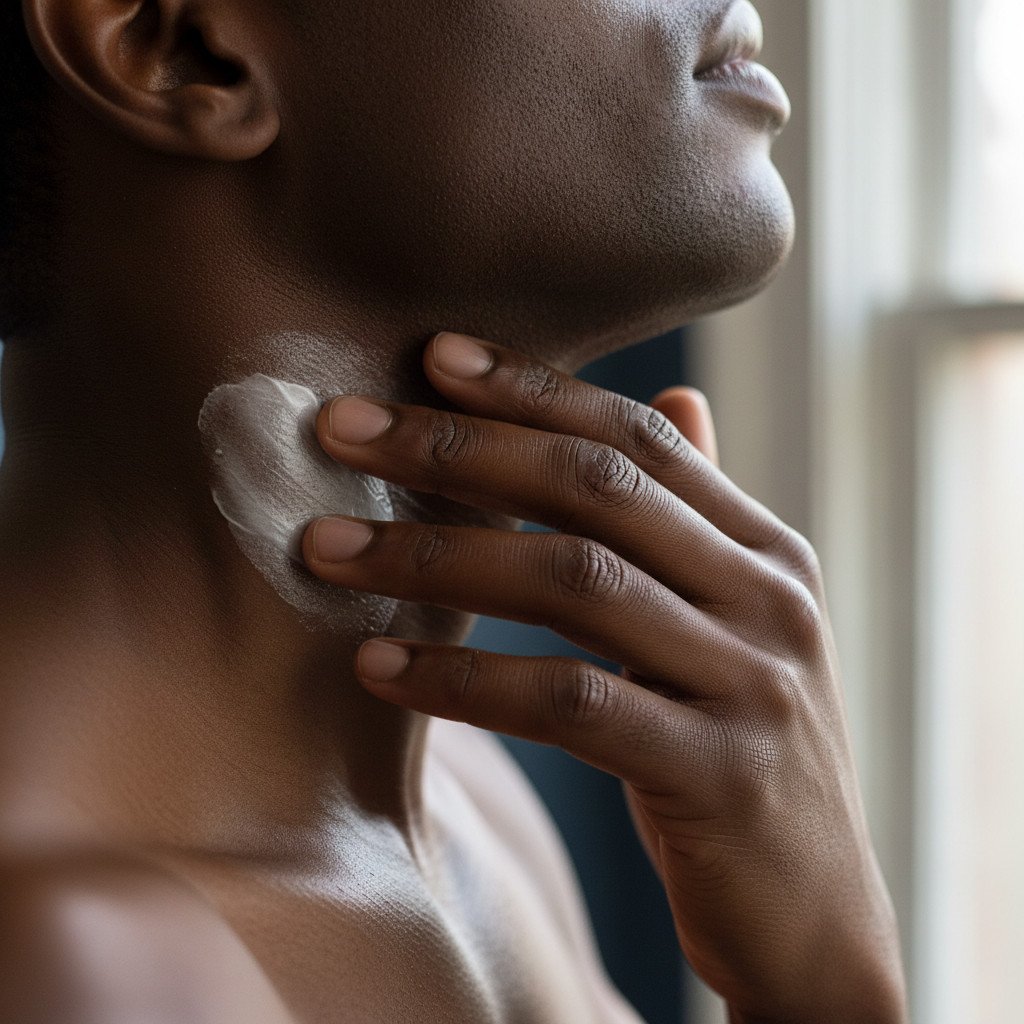
Sun protection is arguably the most critical step in fading dark marks and preventing new ones. UV radiation stimulates melanocytes, worsening existing hyperpigmentation and making new spots appear darker and more persistent. Do this first: Apply a broad-spectrum sunscreen with an SPF of 30 or higher every single day, regardless of weather or whether you’re indoors or out. Reapply every two hours if you’re exposed to direct sunlight or sweating. Choose a sunscreen formulated for Black skin that doesn’t leave a white cast, ensuring it blends seamlessly. This consistent protection not only aids in fading current marks but also safeguards your skin from future damage and premature aging. Our article on best sunscreen for Black men offers excellent recommendations.
Consistency is key when treating dark marks. Results will not be immediate; it often takes several weeks to months of diligent application to see significant improvement. Incorporate these targeted treatments into your morning and evening routines. For example, a Vitamin C serum in the morning followed by sunscreen, and a Niacinamide or AHA/BHA product in the evening. Always introduce new active ingredients gradually to allow your skin to adjust and prevent irritation. If you experience persistent or severe dark spots, consulting a dermatologist can provide access to stronger prescription treatments like retinoids or specific lightening agents. For further guidance on addressing dark spots, refer to our comprehensive article on dark spots in Black men.
Shave-day routine (exact steps)
A precise shave-day routine is your best defense against razor bumps and the dark marks they leave behind. Each step is designed to prepare your skin, execute a clean shave, and soothe any potential irritation, ensuring a smooth finish and promoting healthy skin. Follow these steps meticulously for optimal results.
- Prepare Your Skin: Begin with a warm shower or by applying a warm, damp towel to your face for at least two minutes. This softens your facial hair and opens your pores, making the hair easier to cut. Follow with a gentle facial cleanser to remove dirt, oil, and dead skin cells. Pat your face dry, leaving it slightly damp.
- Apply Pre-Shave Oil (Optional but Recommended): For an extra layer of protection and lubrication, apply a few drops of pre-shave oil to your beard area. Massage it in gently. This creates a barrier between your skin and the razor, further reducing friction and irritation.
- Lather Up with Quality Shaving Cream: Apply a generous amount of shaving cream for sensitive skin. Use a shaving brush to create a rich, thick lather, applying it in circular motions to lift the hairs away from the skin. Ensure complete coverage of the area you intend to shave. Let it sit for a minute or two to further soften the hair.
- Shave with Precision: Using a sharp, clean razor, shave with the grain of your hair in short, controlled strokes. Rinse your razor frequently under warm water to prevent clogging. Avoid applying excessive pressure; let the razor glide. For areas requiring a closer shave, reapply cream and make a second pass, still with the grain, or slightly across the grain if your skin tolerates it without irritation.
- Post-Shave Care and Protection: Rinse your face thoroughly with cool water to remove all shaving cream and close pores. Gently pat your skin dry with a clean towel. Immediately apply an alcohol-free post-shave balm to soothe and hydrate your skin. Finish by applying a broad-spectrum face sunscreen for dark spots with SPF 30 or higher, even on cloudy days, to protect against UV damage and prevent the darkening of any existing or potential new marks.
Table: What you see → what it means → what to do
| What you see | Likely cause | Do this | Avoid |
|---|---|---|---|
| Small, red, itchy bumps immediately after shaving | Acute irritation from razor, dull blade, or shaving against the grain | Apply cool compress, soothing post-shave balm with aloe or witch hazel. Ensure sharp blade and shave with the grain next time. | Picking, scratching, harsh alcohol-based aftershaves. |
| Pus-filled bumps (pustules) appearing 1-2 days after shaving | Infected ingrown hair (folliculitis) or severe inflammation | Cleanse gently with antibacterial wash. Apply warm compress to encourage drainage. If persistent or painful, see a dermatologist. | Squeezing, aggressive exfoliation, sharing razors. |
| Dark spots (hyperpigmentation) where bumps used to be | Post-inflammatory hyperpigmentation (PIH) due to melanin overproduction from inflammation | Consistent use of Vitamin C, Niacinamide, or Alpha Arbutin serums. Daily broad-spectrum SPF 30+ sunscreen. | Sun exposure without protection, picking at bumps, harsh scrubbing. |
| Hard, raised, flesh-colored or dark lumps (keloids/pseudokeloids) | Severe, chronic ingrown hairs or exaggerated scarring response in genetically predisposed individuals | Consult a dermatologist immediately for diagnosis and treatment options (e.g., steroid injections, laser). Gentle shaving only. | Aggressive shaving, picking, attempting to remove at home. |
| Persistent redness and sensitivity in shaved areas | Chronic inflammation, over-exfoliation, or product sensitivity | Simplify routine to gentle cleanser, moisturizer, and SPF. Identify and eliminate irritating products. Shave less frequently or use an electric shaver. | Fragrance-heavy products, excessive scrubbing, daily shaving if skin is inflamed. |
| Hair growing sideways or coiling under the skin, visible as a dark spot | Ingrown hair, often from improper shaving or hair type | Exfoliate regularly with a gentle BHA or AHA. Use a clean, sterilized pair of tweezers to gently lift the loop of hair if visible above the skin. | Digging, forcing the hair out, using non-sterilized tools. |
| Flaky, dry patches in shaved areas | Dehydration, harsh products, or compromised skin barrier | Increase hydration with a rich, non-comedogenic moisturizer. Use a hydrating cleanser. Reduce frequency of active ingredients if using. | Hot water, alcohol-based products, over-exfoliation. |
Understanding the nuances of your skin’s reactions is critical for effective management. Each symptom provides a clue to the underlying issue, guiding your approach to treatment and prevention. This table serves as a quick reference, but remember that severe or persistent conditions warrant professional medical advice. Self-diagnosis and aggressive self-treatment can often worsen skin conditions, especially when dealing with the delicate balance of melanin-rich skin. Prioritize gentle care and informed decisions.
For instance, if you consistently see small, red, itchy bumps, it’s a clear signal that your shaving technique or tools need immediate adjustment. This early intervention can prevent the progression to more severe inflammation and subsequent dark marks. Conversely, if dark spots are your primary concern, your focus should shift towards consistent sun protection and the diligent application of targeted brightening agents. The skin is a dynamic organ, and its needs can change, requiring you to adapt your routine accordingly. Regularly assessing your skin’s condition allows for timely and effective modifications to your grooming regimen.
Moreover, the distinction between a simple ingrown hair and a developing keloid is crucial. While an ingrown hair can often be managed with careful exfoliation and lifting, a keloid requires professional dermatological intervention due to its potential for aggressive, permanent scarring. Recognizing these differences empowers you to seek the appropriate level of care, preventing long-term damage and preserving the health and appearance of your skin. This table is not exhaustive, but it covers the most common scenarios faced by Black men dealing with shaving-related skin issues, providing a practical framework for self-assessment and action.
Final Thoughts
Mastering the art of shaving and maintaining clear, healthy skin as a Black man is a journey of understanding, discipline, and consistent care. There are no shortcuts to preventing razor bumps and fading dark marks; it requires a commitment to a thoughtful routine that respects the unique characteristics of your skin and hair. By integrating the two-track plan—stopping new bumps through meticulous shaving practices and fading old marks with targeted skincare and unwavering sun protection—you empower yourself to break the cycle of irritation and hyperpigmentation.
Remember, every man’s skin is unique, and what works perfectly for one may require slight adjustments for another. Pay close attention to how your skin responds to different products and techniques. Be patient with the process, as visible results, especially for fading dark marks, take time. Consistency is your most powerful tool. Embrace this journey with confidence, knowing that a clear, smooth complexion is an achievable goal with the right knowledge and dedication.
This comprehensive approach extends beyond just the physical act of shaving; it encompasses a holistic view of skin health. Factors such as diet, hydration, and stress management can also indirectly influence your skin’s resilience and healing capacity. While these are not direct causes of razor bumps, a healthy lifestyle supports overall skin vitality, making it more capable of resisting inflammation and repairing itself. Consider these broader aspects as complementary elements to your targeted grooming regimen.
The information provided here is designed to be practical and actionable, drawing from both barbershop wisdom and modern dermatological understanding. However, for severe, persistent, or painful conditions—such as deeply infected bumps, rapidly spreading irritation, or suspicious lesions—the advice of a qualified dermatologist is invaluable. They can offer personalized diagnoses, prescription-strength treatments, and advanced procedures that may be necessary for complex cases. Do not hesitate to seek professional medical guidance when your self-care efforts are not yielding the desired results or when new, concerning symptoms appear.
Ultimately, your grooming routine should be a ritual of self-care and respect. It’s about more than just looking good; it’s about feeling confident and comfortable in your own skin. By taking control of your shaving and skincare, you’re not just addressing superficial concerns; you’re investing in your long-term skin health and overall well-being. Let this guide be your foundation, empowering you to achieve the clear, smooth complexion you deserve, free from the cycle of bumps and dark marks. Your commitment to these practices will yield lasting dividends, transforming your grooming experience from a chore into a rewarding part of your daily life.
Next reads: Explore more on razor bumps, understand hyperpigmentation, and find the best sunscreen for your skin.
Frequently Asked Questions
Why do Black men get razor bumps more often?
Black men are more prone to razor bumps (Pseudofolliculitis Barbae) due to the natural curl pattern of their hair. When curly hair is cut, especially too short or against the grain, it can retract beneath the skin’s surface and then curl back into the skin as it grows, causing inflammation and irritation. This biological predisposition makes proper shaving technique and skincare even more critical.
How long does it take for dark marks from razor bumps to fade?
The time it takes for dark marks (post-inflammatory hyperpigmentation) to fade varies significantly depending on several factors, including the severity of the initial inflammation, your skin’s natural healing process, and the consistency of your treatment regimen. Mild marks might fade in a few weeks, while deeper, more stubborn marks can take several months to a year or even longer. Consistent use of targeted brightening ingredients and daily sun protection is crucial for accelerating the process.
Can I shave every day if I’m prone to razor bumps?
Shaving every day can exacerbate razor bumps if your technique or tools are not optimized. For men prone to bumps, shaving less frequently (e.g., every 2-3 days) can give the skin time to recover and hair to grow out slightly, reducing the risk of ingrown hairs. If daily shaving is necessary, ensure you use a single-blade razor, shave strictly with the grain, and prioritize pre- and post-shave care to minimize irritation.
What’s the best type of razor to prevent razor bumps?
For preventing razor bumps, single-blade razors are generally recommended over multi-blade cartridges. Options include a single-blade safety razor or a high-quality electric shaver designed for sensitive skin. These tools cut the hair at the skin’s surface without pulling it below, significantly reducing the chance of ingrown hairs. Experiment to find which type works best for your skin and hair type.
Is exfoliation important for preventing razor bumps and fading dark marks?
Yes, exfoliation is very important. Regular, gentle exfoliation (2-3 times a week) helps remove dead skin cells that can trap hair and contribute to ingrown hairs. For fading dark marks, exfoliation accelerates cell turnover, helping to shed pigmented skin cells more quickly. Use chemical exfoliants like AHAs or BHAs, which are less abrasive than physical scrubs and more effective for these concerns.
When should I see a dermatologist for razor bumps or dark marks?
You should consult a dermatologist if your razor bumps are severe, persistent, painful, pus-filled, or if they show signs of infection (e.g., increased redness, swelling, warmth). Additionally, if your dark marks are not fading with consistent at-home care, or if you notice hard, raised lumps (which could be keloids or pseudokeloids), a dermatologist can provide professional diagnosis, prescription treatments, or in-office procedures to effectively manage your condition.
Can diet or lifestyle affect razor bumps and dark marks?
While diet and lifestyle don’t directly cause razor bumps, they can influence overall skin health and its ability to heal. A balanced diet rich in antioxidants, adequate hydration, and managing stress can contribute to a healthier skin barrier and reduce inflammation, indirectly supporting the skin’s resilience against irritation and its capacity to repair itself and fade dark marks more efficiently. These factors complement a targeted grooming routine.

Shop shaving cream for sensitive skin on Amazon
Shop post-shave balm on Amazon
Shop face sunscreen for dark spots on Amazon
Shop gentle facial cleanser on Amazon
Shop chemical exfoliant on Amazon
Shop single-blade safety razor on Amazon
Shop electric shaver on Amazon
Shop alcohol-free aftershave on Amazon
Shop lightweight non-comedogenic moisturizer on Amazon
Shop broad-spectrum SPF on Amazon
Shop Niacinamide serum on Amazon
Shop Vitamin C serum on Amazon
Shop Alpha Arbutin serum on Amazon