
If you get razor bumps constantly, stop chasing a skin-smooth shave
For Black men, the pursuit of a perfectly smooth shave often comes at a significant cost: persistent, painful razor bumps for Black men, medically known as pseudofolliculitis barbae (PFB). This common condition occurs when curly hairs, cut too short, retract beneath the skin’s surface and grow inward, causing inflammation and irritation. The cycle is frustrating, leading to discomfort, discoloration, and a diminished sense of confidence. Many men endure this battle for years, believing a close shave is the only path to a well-groomed appearance.
However, true grooming mastery involves understanding your skin and hair, then adapting your methods accordingly. Chasing a skin-level shave with traditional razors, especially against the grain, exacerbates PFB. It creates a perpetual loop of irritation, ingrown hairs, and the subsequent dark spots that can linger long after the bumps subside. This approach is counterproductive to achieving healthy, clear skin.
The solution lies not in eliminating facial hair entirely, but in managing its length and growth with precision and care. A strategic trimmer routine offers a powerful alternative, allowing you to maintain a sharp, clean look without provoking the dreaded razor bumps. This method respects your natural hair growth patterns, preventing the hairs from diving back into the skin. It’s about working with your body, not against it, to achieve a consistently refined appearance.
This guide will detail a comprehensive trimmer routine specifically designed for Black men prone to razor bumps. We will cover everything from selecting the right tools and understanding their settings to implementing a precise weekly schedule. Our focus is on practical, actionable steps that deliver results: a consistently sharp look, significantly reduced irritation, and healthier skin. Embrace this approach, and you’ll discover that a smooth, bump-free complexion is not only attainable but sustainable, transforming your grooming experience from a chore into a ritual of self-mastery.
Understanding Pseudofolliculitis Barbae (PFB) in Black Men
Before diving into the trimmer routine, it’s crucial to grasp the mechanics of pseudofolliculitis barbae (PFB). This condition is not a sign of poor hygiene or improper shaving technique alone; it’s primarily a physiological response to hair removal in individuals with curly or coiled hair. When a curly hair is cut, especially at an acute angle or below the skin’s surface, its natural tendency is to curl back towards the skin as it regrows. This inward growth can lead to the hair penetrating the skin, triggering an inflammatory foreign body reaction. The result is the characteristic red, itchy, and often painful bumps that many Black men experience.
The prevalence of PFB is significantly higher among Black men due to the unique structure of their hair follicles. African hair tends to be more tightly coiled and grows from follicles that are often curved, rather than straight. This inherent curvature makes it far more susceptible to ingrown growth when the hair is cut too short. Traditional shaving methods, particularly those aiming for a ‘baby smooth’ finish, often exacerbate this issue by cutting the hair at an angle that creates a sharp, spear-like tip, increasing its likelihood of piercing the skin upon regrowth. Understanding this fundamental biological predisposition is the first step towards adopting a grooming strategy that works with your body, not against it.
The consequences of PFB extend beyond mere discomfort. Chronic inflammation can lead to post-inflammatory hyperpigmentation (PIH), causing dark spots and uneven skin tone. In severe cases, PFB can result in scarring, keloids, and even secondary infections if the bumps are picked or improperly treated. This cycle can significantly impact self-esteem and confidence. Traditional advice often suggests growing a beard, which is a valid solution, but not always desired or feasible for every man. This is where the trimmer routine offers a powerful, practical alternative, allowing for a clean, professional appearance without the detrimental effects of overly close shaving. It’s about finding that optimal balance where grooming meets skin health.
The trimmer setup (what to set and why)
The foundation of a successful, bump-free grooming routine lies in your equipment and how you use it. An electric trimmer is your primary tool, offering precision and control that traditional razors cannot match when dealing with curly hair prone to ingrowns. However, merely owning a trimmer is not enough; understanding its capabilities and setting it correctly is paramount. The goal is to cut the hair to a length that is short enough for a clean look but long enough to prevent it from curling back into the skin. This delicate balance is achieved through careful selection and application of trimmer guards.
Selecting the Right Electric Trimmer
Not all trimmers are created equal. For men prone to razor bumps, invest in a high-quality electric trimmer for men designed for precision and durability. Look for models with sharp, hypoallergenic blades—often made of stainless steel or ceramic—that minimize tugging and pulling. A powerful motor ensures consistent performance, preventing uneven cuts that can lead to irritation. Cordless options with long battery life offer convenience and maneuverability. Consider trimmers that are easy to clean, as hygiene is crucial in preventing skin issues. Some advanced trimmers also feature vacuum systems to catch hair clippings, reducing mess.
When evaluating trimmers, pay attention to the blade design. T-blade trimmers, for instance, are excellent for crisp lines and detailing around the beard, mustache, and neck. Adjustable blades, often found on professional-grade trimmers, allow for fine-tuning of the cutting length even without a guard. However, for preventing razor bumps, the critical component will be the attachment guards. Ensure your chosen trimmer comes with a comprehensive set of trimmer guards, or that compatible ones are readily available for purchase. The quality of these guards directly impacts the consistency of your trim and, consequently, your skin’s health.
Understanding Trimmer Guards and Hair Length
The concept of ‘leaving a little stubble’ is central to preventing razor bumps. This means avoiding a zero-gap or skin-level trim. Trimmer guards are your best friends in achieving this. These plastic or metal attachments fit over the trimmer blades, creating a barrier that prevents the blades from cutting hair too short. Each guard corresponds to a specific hair length, typically measured in millimeters or fractions of an inch. For men with curly hair, the ideal guard length will vary slightly based on individual hair curl pattern and desired aesthetic, but a general principle applies: the hair must be long enough to clear the skin’s surface as it regrows.
Experimentation is key, but a good starting point is usually a #0.5 (1.5mm) or #1 (3mm) guard. These lengths are short enough to give a neat, well-groomed appearance, yet long enough to ensure the hair, as it grows back, does not immediately curl and re-enter the skin. The goal is to cut the hair just above the skin’s surface, allowing it to grow outward naturally. A #0.5 guard often provides a ‘five o’clock shadow’ look, while a #1 guard will leave a slightly longer, more textured stubble. It’s a balance between aesthetics and prevention. Going shorter, especially with no guard, increases the risk of ingrown hairs exponentially. Remember, the objective is to stay sharp without shaving too close.
Zero-Gap Setting: When and Why to Avoid It
Many trimmers come with the option to ‘zero-gap’ the blades, meaning the fixed and moving blades are aligned as closely as possible to achieve an extremely close cut, almost like a straight razor. While this setting is popular for creating sharp lines and crisp edges in barbershops, it is generally detrimental for men prone to razor bumps when used on the main shaving area. A zero-gapped trimmer cuts hair so short that it essentially mimics the effect of a close shave, increasing the likelihood of hairs retracting and growing inward. For the primary facial hair area—cheeks, neck, and chin—avoid using a zero-gapped trimmer or trimming without a guard.
Reserve the zero-gap setting, if at all, for very specific detailing tasks, such as cleaning up the very edge of a beard line that doesn’t touch sensitive skin, or for achieving a super-sharp outline around the ears or sideburns, far from the areas prone to PFB. Even then, use it sparingly and with extreme caution. The vast majority of your trimmer routine, particularly on the face and neck, should involve a guard that ensures a safe, bump-preventing length. Prioritize skin health over an ultra-sharp line that will inevitably lead to irritation and ingrown hairs. Your skin will thank you for this deliberate restraint.
The weekly trimmer routine (exact schedule + steps)
Consistency and technique are paramount when managing razor bumps with a trimmer. A structured weekly routine ensures that hair is maintained at an optimal length, preventing ingrowns while keeping you looking sharp. This schedule is designed to minimize irritation and promote healthier skin over time. Adhering to it diligently will yield the best results, transforming your grooming from a reactive battle against bumps to a proactive regimen of prevention.
Weekly Schedule Overview
This schedule provides a framework. Adjust timings slightly based on your hair growth rate and personal preferences, but maintain the core principle of regular, guarded trimming.
- Monday/Thursday: Quick Touch-Up. These days are for maintaining the established length. A quick pass with your chosen guard (e.g., #0.5 or #1) over the main facial hair areas. Focus on areas where hair grows faster or where you desire a consistently neat appearance. This prevents hair from getting too long and becoming harder to manage during the full trim.
- Saturday: Full Trim Day. This is your comprehensive grooming session. Dedicate more time to a thorough trim, cleaning, and post-trim care. This day involves all the detailed steps outlined below, ensuring your skin is prepped and protected.
By breaking down the grooming into smaller, more frequent sessions, you avoid the need for aggressive, close trims that often trigger razor bumps. The goal is maintenance, not transformation, during each session. This gentle, consistent approach is key to long-term skin health and a consistently sharp look.
Full Trim Day Steps (Saturday)
This detailed routine is designed to be performed on your designated ‘Full Trim Day.’ Each step is crucial for preventing razor bumps and promoting healthy skin.
- Prepare Your Skin: Cleanse and Hydrate.
Before any trimming begins, your skin and hair must be clean. Wash your face thoroughly with warm water and a gentle pre-shave cleanser. This removes dirt, oil, and dead skin cells that can clog pores and interfere with the trimmer’s glide. Warm water helps to soften the hair and open up the pores, making the trim smoother and reducing tugging. Pat your skin dry with a clean towel, ensuring it’s not overly wet but still slightly damp. This initial cleansing step is non-negotiable for a hygienic and effective trim. It creates a clean canvas, minimizing the risk of irritation and infection from trapped debris during the trimming process. Consider a cleanser with mild exfoliating properties, such as salicylic acid, to gently lift ingrown hairs and prevent future ones, but ensure it’s not too harsh or drying.

- Apply Pre-Trim Oil or Balm.
While not strictly necessary for every man, a pre-trim oil or balm can significantly enhance the trimming experience, especially for those with sensitive skin or coarse hair. A few drops of a lightweight oil, gently massaged into the beard area, can further soften the hair, allowing the trimmer to glide more smoothly without snagging. This reduces friction and irritation, which are common culprits behind razor bumps. Look for natural ingredients like jojoba, argan, or grapeseed oil. Allow the oil to absorb for a minute or two before proceeding. This step provides an extra layer of protection and lubrication, making the trimmer’s job easier and your skin happier. It also helps to create a barrier between the skin and the trimmer blades, further minimizing direct contact and potential nicks or scrapes.
- Attach the Correct Guard and Trim with the Grain.
Do this first: Attach your chosen trimmer guard (e.g., #0.5 or #1) to your electric trimmer. This is the most critical step for preventing razor bumps. Ensure it is securely fastened. Begin trimming by moving the trimmer in the direction of your hair growth (with the grain). This minimizes pulling and reduces the likelihood of cutting the hair too short at an angle that encourages ingrowns. Use light, even pressure and short, controlled strokes. Avoid pressing the trimmer aggressively into your skin. For areas where hair growth direction changes (e.g., neck), adjust your trimming direction accordingly. Multiple passes with light pressure are better than one aggressive pass. Take your time to ensure all areas are evenly trimmed to the desired length. This methodical approach ensures consistency and reduces the chances of irritation. Consider using a small mirror for hard-to-see areas like under the jawline to ensure complete coverage without over-trimming. The key is to let the guard do its job, maintaining the safe distance from the skin.
- Clean Up Edges (Optional, with Caution).
If you desire sharper lines around your beard or mustache, you can carefully remove the guard and use the bare trimmer blades (not zero-gapped, unless for very specific, non-sensitive areas) to define edges. However, exercise extreme caution, especially on the neck and jawline where razor bumps are most prevalent. Use a very light touch, stretching the skin taut to create a flat surface. Trim only the stray hairs outside your desired line, avoiding cutting into the main beard area. For the neck, consider leaving a slight fade or a softer line rather than a harsh, skin-level edge to minimize irritation. Remember, the goal is a clean appearance, not a surgically precise line that compromises skin health. If you are highly prone to bumps, skip this step entirely or use a larger guard for edge clean-up as well. A slightly less defined edge is a small price to pay for bump-free skin. For a truly clean neck, consider using a larger guard, like a #2 or #3, to trim the hair very short but still above the skin, creating a subtle transition.
- Rinse and Examine.
Once trimming is complete, rinse your face with cool water to remove any loose hair clippings and close your pores. Gently pat your skin dry with a clean, soft towel. Take a moment to examine your face in a well-lit mirror. Check for any missed spots or areas that need a very light, careful touch-up. Avoid over-trimming or going back over areas repeatedly, as this can lead to irritation. This inspection helps ensure an even trim and allows you to identify any immediate signs of irritation, so you can adjust your technique for future sessions. A thorough rinse also helps to prevent any lingering hair particles from causing itchiness or discomfort later in the day. Ensure all traces of hair are gone, as even small, unseen hairs can cause irritation if left on the skin.
- Apply Post-Trim Treatment.
Do this first: Immediately after rinsing, apply a soothing, alcohol-free post-shave balm or moisturizer. Look for ingredients like aloe vera, witch hazel (alcohol-free), chamomile, or salicylic acid (in a mild concentration) to calm the skin, reduce redness, and prevent inflammation. This step is crucial for restoring the skin’s moisture barrier and preventing dryness, which can exacerbate irritation. Gently massage the product into your trimmed areas until absorbed. For persistent dark spots, consider a product with ingredients like niacinamide or alpha arbutin to address hyperpigmentation over time. Consistency with this step is key to maintaining healthy, clear skin between trims. This final application locks in moisture, provides a protective layer, and delivers active ingredients to prevent post-trim issues. It’s an investment in your skin’s long-term health and appearance.
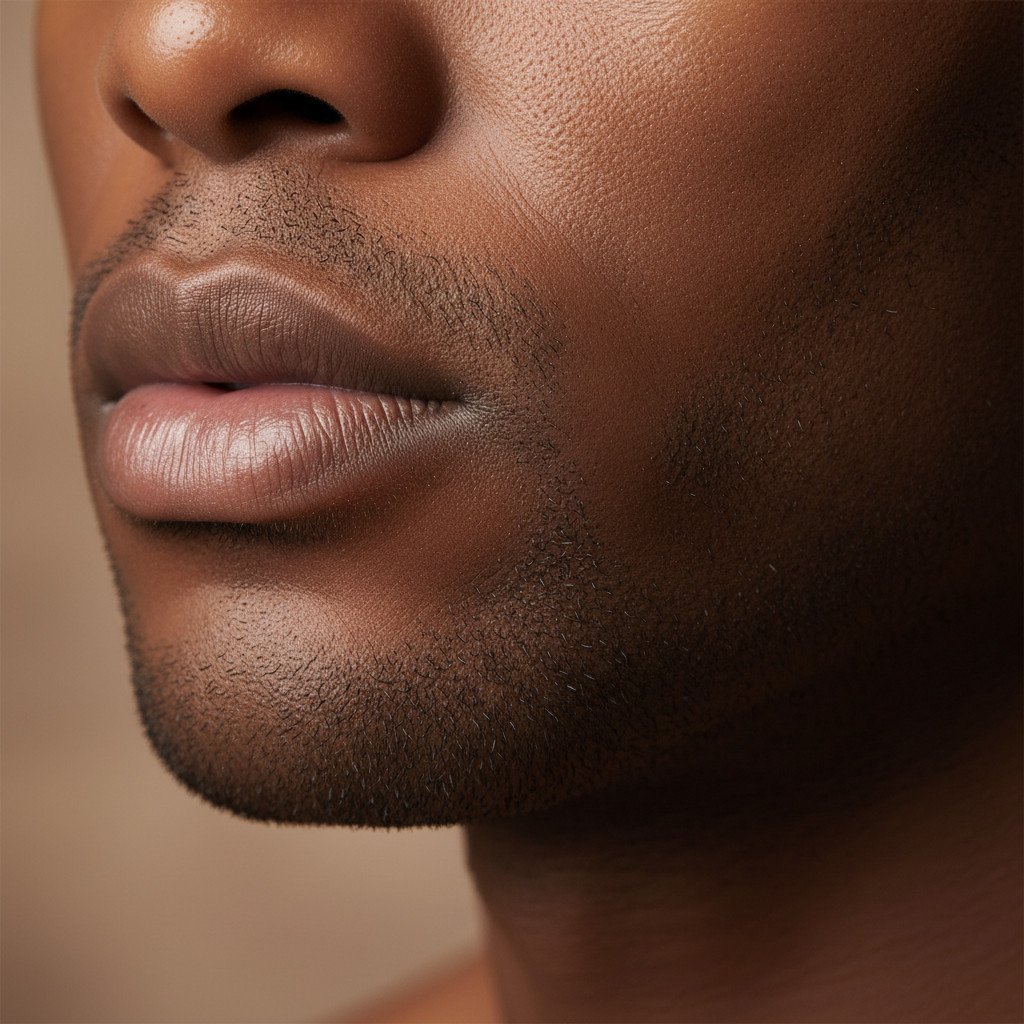
Table: Guard length → look → bump risk
Understanding how different trimmer guard lengths impact your appearance and your risk of razor bumps is fundamental. This table provides a quick reference to help you choose the appropriate guard for your needs, balancing aesthetic preference with skin health.
| Guard Length | Look | Bump Risk | Best For |
|---|---|---|---|
| No Guard (Zero-Gap) | Razor-close, skin-level stubble | Very High | Crisp lines on non-sensitive areas (e.g., sideburns, beard outline away from neck), NOT for main facial hair. |
| #0.5 (1.5mm / 1/16 inch) | Short stubble, ‘five o’clock shadow’ | Moderate to Low | Maintaining a very clean, short stubble look while significantly reducing bump risk compared to shaving. Good starting point for many. |
| #1 (3mm / 1/8 inch) | Slightly longer stubble, textured look | Low | Excellent for men with very sensitive skin or extremely curly hair. Provides a neat, masculine appearance with minimal bump risk. |
| #2 (6mm / 1/4 inch) | Short beard, full stubble | Very Low | Those wanting to keep a very short beard or significant stubble. Virtually eliminates bump risk. |
| #3+ (9mm+ / 3/8 inch+) | Short beard, maintained length | Negligible | Maintaining a longer, groomed beard. No risk of ingrown hairs from cutting too short. |
Remember, these are general guidelines. Your personal hair type, curl pattern, and skin sensitivity may require slight adjustments. Always err on the side of a longer guard if you are experiencing persistent bumps. The goal is to find the shortest length that keeps your skin consistently clear and comfortable.
Advanced Strategies for Bump Prevention and Skin Health
Beyond the core trimmer routine, integrating advanced strategies can further enhance your results and promote overall skin health. These practices address common issues associated with PFB and contribute to a clearer, more even complexion. True grooming mastery involves a holistic approach, considering not just the act of trimming but also the ongoing care of your skin.
Exfoliation: Gentle and Consistent
Regular exfoliation is a powerful tool in the fight against razor bumps and ingrown hairs. It helps to remove dead skin cells that can trap growing hairs beneath the surface, preventing them from emerging properly. However, the key is gentleness. Aggressive scrubbing can irritate already sensitive skin and exacerbate inflammation. Opt for chemical exfoliants over harsh physical scrubs, especially if you have active bumps.
Look for cleansers or toners containing alpha hydroxy acids (AHAs) like glycolic or lactic acid, or beta hydroxy acids (BHAs) like salicylic acid. Salicylic acid is particularly effective as it is oil-soluble, allowing it to penetrate deeper into pores to clear blockages. Use these products 2-3 times a week, gradually increasing frequency if your skin tolerates it well. This consistent removal of surface debris creates a clearer path for hair growth, significantly reducing the likelihood of ingrown hairs. Remember to always follow up with a moisturizer, as exfoliants can sometimes be drying. For more on maintaining healthy skin, explore our comprehensive guide on skincare for Black men.
Moisturization: The Unsung Hero
Proper moisturization is often overlooked but is critical for healthy skin, especially when managing PFB. Well-hydrated skin is more resilient, less prone to irritation, and heals more effectively. Dry skin can become tight and flaky, making it harder for hairs to grow out smoothly and increasing the risk of ingrowns. A good moisturizer also helps to repair the skin’s natural barrier, protecting it from environmental aggressors.
Choose a non-comedogenic (won’t clog pores), fragrance-free moisturizer that suits your skin type. Apply it twice daily, morning and night, after cleansing and any treatments. Ingredients like hyaluronic acid, ceramides, and glycerin are excellent for drawing in and retaining moisture. For those with oily skin, a lightweight gel moisturizer might be preferable, while drier skin types may benefit from richer creams. Consistent moisturization keeps the skin supple, allowing hairs to grow outward with less resistance, thereby reducing the chance of them curling back into the skin. This simple step contributes significantly to overall skin health and bump prevention.
Addressing Hyperpigmentation: Post-Inflammatory Dark Spots
Razor bumps often leave behind stubborn dark spots, known as post-inflammatory hyperpigmentation (PIH). This is a common concern for Black men, as melanin-rich skin is more prone to producing excess pigment in response to inflammation or injury. While preventing bumps is the primary goal, addressing existing PIH is equally important for achieving an even skin tone. This requires patience and a targeted approach.
Incorporate products containing ingredients known for their brightening and melanin-inhibiting properties. Niacinamide (Vitamin B3) reduces inflammation and helps fade discoloration. Alpha arbutin and kojic acid are effective at inhibiting melanin production. Vitamin C is a powerful antioxidant that brightens the skin and promotes collagen synthesis. Retinoids (like retinol or tretinoin, consult a dermatologist) accelerate cell turnover, helping to shed pigmented skin cells faster. Always use sunscreen daily, even on cloudy days, as UV exposure darkens existing hyperpigmentation and triggers new spots. Consistency with these treatments, combined with strict bump prevention, will gradually reveal a clearer, more uniform complexion. For a deeper dive into managing dark spots, refer to our guide on hyperpigmentation in Black men.
When to See a Dermatologist
While this trimmer routine and advanced strategies are highly effective for most, there are instances when professional medical intervention is necessary. If you experience severe, persistent, pus-filled, or painful razor bumps that do not respond to home care, or if you notice signs of infection (increased redness, swelling, warmth, pus), it is crucial to consult a dermatologist. They can provide prescription-strength treatments, such as topical antibiotics, corticosteroids, or retinoids, to manage severe inflammation and infection. In some cases, they may recommend in-office procedures like chemical peels or laser therapy to address stubborn hyperpigmentation or scarring. Never attempt to pop or pick at razor bumps, as this can worsen inflammation, lead to infection, and increase the risk of permanent scarring and keloids. A dermatologist can offer personalized advice and treatment plans tailored to your specific skin condition, ensuring the best possible outcome for your skin health.
Maintaining Your Trimmer and Hygiene Practices
The effectiveness of your trimmer routine is directly linked to the condition of your tools and your overall hygiene practices. Neglecting these aspects can undermine even the most meticulous trimming technique, leading to irritation, infection, and a resurgence of razor bumps. Maintaining your equipment is not just about longevity; it’s about safeguarding your skin.
Cleaning Your Trimmer Blades
After every use, it is imperative to clean your trimmer blades. Hair clippings, skin cells, and oil can accumulate on the blades, creating a breeding ground for bacteria and reducing the trimmer’s efficiency. Most trimmers come with a small brush for dry cleaning. Use this brush to remove all visible hair from the blades. For a more thorough cleaning, especially if your trimmer is waterproof, rinse the blades under running water. Some trimmers allow for detachable blades that can be washed separately. Ensure the blades are completely dry before reattaching or storing to prevent rust and bacterial growth. A quick spray with a blade disinfectant or cleaner can also be beneficial, especially if you share your trimmer or are particularly prone to skin issues. This simple step prevents the transfer of bacteria to your skin, which can cause folliculitis or worsen existing bumps.
Oiling the Blades
Trimmer blades require lubrication to operate smoothly and efficiently. Over time, friction can dull the blades and cause them to pull or snag hair, leading to irritation. After cleaning and drying your blades, apply a drop or two of clipper oil (often included with your trimmer) to the teeth of the blades. Turn the trimmer on for a few seconds to allow the oil to distribute evenly. This lubrication reduces friction, keeps the blades sharp, and ensures a smooth, comfortable trim. Oiling should be done regularly, typically after every few uses or as recommended by the manufacturer. Proper lubrication extends the life of your trimmer and, more importantly, protects your skin from unnecessary tugging and irritation.

Storing Your Trimmer
How you store your trimmer also impacts its longevity and hygiene. Always store your trimmer in a clean, dry place, away from excessive humidity, which can promote rust and bacterial growth. Many trimmers come with a protective cap or a storage pouch. Use these to shield the blades from dust and damage. Avoid leaving your trimmer exposed on a bathroom counter where it can collect airborne particles or come into contact with other surfaces that might harbor bacteria. A dedicated spot for your grooming tools ensures they remain clean, functional, and ready for use, contributing to a consistently effective and hygienic routine.
Replacing Blades and Guards
Even with meticulous care, trimmer blades will eventually dull. Dull blades pull and snag hair, causing discomfort and increasing the risk of irritation and razor bumps. Pay attention to the performance of your trimmer. If you notice it’s not cutting as cleanly as before, or if you feel more pulling, it’s likely time to replace the blades. The frequency depends on usage, but typically, blades should be replaced every 6-12 months. Similarly, inspect your trimmer guards for any cracks, chips, or deformities. Damaged guards can lead to uneven cuts or expose your skin to the blades, negating their protective purpose. Replace worn-out guards promptly to maintain the integrity of your trimming length and technique. Investing in fresh blades and guards is a small cost compared to the discomfort and skin issues caused by neglected equipment.
Final Thoughts
Mastering the trimmer routine for Black men prone to razor bumps is a journey of understanding, precision, and consistency. It’s about moving beyond the conventional pursuit of a skin-smooth shave and embracing a method that respects your unique hair and skin characteristics. By choosing the right tools, utilizing guards strategically, and adhering to a disciplined weekly schedule, you can achieve a consistently sharp, well-groomed appearance without the constant battle against irritation and ingrown hairs.
This approach is not merely about trimming; it’s about cultivating a deeper relationship with your grooming ritual. It’s about making informed choices that prioritize skin health and comfort, leading to a more confident and refined self-presentation. The transition may require patience and experimentation to find the exact guard length and product combination that works best for you, but the long-term benefits—clearer skin, reduced hyperpigmentation, and freedom from discomfort—are immeasurable.
Embrace this trimmer routine as a cornerstone of your grooming regimen. Let it be a testament to your commitment to self-care and elevated self-mastery. Your skin deserves this mindful attention, and the results will speak for themselves. You can achieve that distinguished look without compromising your skin’s integrity. Stay sharp, stay confident, and stay bump-free.
For more insights into achieving your best look, explore our resources on razor bumps for Black men, discover the best razors and trimmers for your needs, and learn how often Black men should shave for optimal results.
Frequently Asked Questions
Why are trimmers better than razors for Black men with razor bumps?
Trimmers, when used with guards, cut hair to a length that prevents it from retracting beneath the skin and growing inward, which is the primary cause of razor bumps (PFB) in men with curly hair. Razors, especially traditional ones, cut hair too short and at an angle that increases the likelihood of ingrown hairs, exacerbating the problem. Trimmers offer a safer alternative by maintaining a slight stubble, allowing hair to grow outward naturally.
What is the ideal guard length to prevent razor bumps?
The ideal guard length varies slightly by individual hair curl and skin sensitivity, but a good starting point is typically a #0.5 (1.5mm) or #1 (3mm) guard. These lengths are short enough for a clean look but long enough to ensure the hair grows out without curling back into the skin. Experimentation is key to finding the shortest length that keeps your skin consistently clear and comfortable.
How often should I trim my face if I’m prone to razor bumps?
A consistent routine is crucial. For men prone to razor bumps, a weekly schedule often works best: quick touch-ups 1-2 times a week (e.g., Monday/Thursday) and a full, thorough trim once a week (e.g., Saturday). This prevents hair from getting too long, which can make trimming harder, and maintains an optimal length to prevent ingrowns without overly irritating the skin.
Can I still get sharp lines with a trimmer if I use a guard?
Yes, you can still achieve sharp lines. For the main facial hair area, use your chosen guard. For defining edges around the beard or mustache, you can carefully remove the guard and use the bare trimmer blades (not zero-gapped, unless for non-sensitive areas) with extreme caution and a very light touch. However, prioritize skin health over a surgically precise line, especially on sensitive areas like the neck, where a slightly softer edge is often preferable to avoid bumps.
What post-trim products are best for preventing razor bumps and dark spots?
After trimming, immediately apply a soothing, alcohol-free post-shave balm or moisturizer with ingredients like aloe vera, witch hazel, or chamomile to calm the skin and reduce inflammation. For preventing and treating dark spots (hyperpigmentation), look for products containing niacinamide, alpha arbutin, kojic acid, or Vitamin C. Consistent use of these, along with daily sunscreen, will help achieve a clearer, more even skin tone over time.
What should I do if I still get razor bumps even with a trimmer routine?
If you continue to experience persistent, painful, or pus-filled razor bumps despite following a diligent trimmer routine, it’s crucial to consult a dermatologist. They can provide professional guidance, prescribe stronger treatments like topical antibiotics or retinoids, and rule out other skin conditions. Avoid picking or popping bumps, as this can worsen inflammation, lead to infection, and cause scarring or keloids.
How important is cleaning and maintaining my electric trimmer?
Cleaning and maintaining your electric trimmer is extremely important. After every use, clean the blades to remove hair and debris, preventing bacterial growth and ensuring efficient operation. Regularly oiling the blades reduces friction, extends their lifespan, and prevents tugging that can irritate the skin. Storing your trimmer properly and replacing dull blades or damaged guards ensures consistent performance and hygiene, directly contributing to bump prevention and skin health.
Shop electric trimmer for men on Amazon