

Why Your Face Looks Ashy 2 Hours After Moisturizing (And How to Fix It) answers a practical question without turning skincare into a personality test or a shopping contest. When ashiness returns quickly, the problem is often not a lack of effort. The cleanser may be stripping, the moisturizer may be too light, the product may be going onto fully dry skin, or the environment may be pulling water from the surface faster than the routine can hold it.
This guide is written for Black men whose skin may show irritation as roughness, bumps, tenderness, ashiness, or long-lasting dark marks. It belongs inside the GFBM skincare system for Black men and connects to the skin-specific cluster guide. The goal is control, not perfection.
The Quick Answer
When ashiness returns quickly, the problem is often not a lack of effort. The cleanser may be stripping, the moisturizer may be too light, the product may be going onto fully dry skin, or the environment may be pulling water from the surface faster than the routine can hold it. Start with the smallest routine that can solve the named problem. Keep it steady long enough to read the result, and do not treat burning, peeling, or a dramatic tight feeling as proof that a product is working.

Why This Matters for Black Men
Ashiness is visible surface dryness
On rich brown skin, tiny dry surface scales scatter light and can look gray or chalky. That visibility does not mean the face is dirty. It is information about water, oils, barrier condition, and product fit.
The practical question behind ashiness is visible surface dryness is whether the routine is helping the skin stay settled from one day to the next. With a routine for facial ashiness after moisturizing, a single dramatic mirror check is less useful than noticing comfort after cleansing, the condition of the beard area, and whether new marks are appearing after irritation. Those observations separate a product problem from a technique problem and keep a normal change in tone or texture from becoming a reason to over-treat the face.
Moisturizer has more than one job
Humectants attract water, emollients smooth gaps between surface cells, and occlusive ingredients slow water loss. A very light gel may feel elegant but be insufficient in dry air or on a compromised barrier.
For Black men, the visible concern and the underlying trigger are not always the same thing. Moisturizer has more than one job can sit beside shaving friction, sweat, weather, acne, or a cleanser that removes too much oil. That is why the answer begins with context rather than a stronger bottle. Track when the concern appears, what touched the skin beforehand, and how long discomfort lasts. A pattern gives you a useful decision; frustration usually gives you a crowded routine.
Cleansing can erase the benefit
If every wash leaves the face tight, the moisturizer spends its first hours repairing the cleansing step. Better moisture sometimes begins with using less cleanser, less heat, and less friction.
This point also protects against the idea that deeply melanated skin must look perfectly matte, perfectly even, or completely poreless to be healthy. In the context of a routine for facial ashiness after moisturizing, the better standard is calm function: the skin can be cleansed without feeling stripped, moisturized without feeling coated, and protected without looking gray. Once that baseline is clear, optional treatment steps become easier to judge and easier to stop when they are not earning their place.
Location and schedule matter
Heated rooms, air conditioning, winter wind, long flights, outdoor work, and repeated washing can all change what the face needs. Product performance is contextual.
Think of location and schedule matter as a clue, not a verdict. Lighting, humidity, exercise, shaving, and the time since the last application can all change what you see. Compare the skin under similar conditions and pay attention to sensation as well as appearance. That measured approach is especially important when inflammation can leave a dark mark long after the original irritation has faded. Prevention is often quieter than treatment, but it can do more for the final result.

What Usually Goes Wrong
Applying moisturizer to fully dry skin
A slightly damp face gives the moisturizer water to help hold at the surface. Do not leave the face dripping, but do not wait until it feels tight.
The correction for applying moisturizer to fully dry skin is not to become afraid of skincare. It is to make the experiment smaller. Return to the basic routine, identify the one step most likely to be causing trouble, and change only that step. Give the skin enough time to settle before testing something else. This protects melanin-rich skin from a cycle in which irritation creates discoloration, discoloration triggers more treatment, and the treatment creates still more irritation.
Using only a watery gel
A gel can suit oily skin, yet persistent ashiness may need a lotion or cream with more emollient and occlusive support.
A useful way to catch this mistake is to ask what evidence would justify continuing. If the answer is only tingling, tightness, peeling, or the feeling that something powerful is happening, the standard is too low. For a routine for facial ashiness after moisturizing, progress should eventually make the routine easier to live with, not harder. Comfort, repeatability, and fewer new irritation events matter even when the cosmetic change is gradual. Pain is information to stop and reassess, not a fee you must pay for results.
Trying to scrub the gray look away
Scrubbing removes surface cells temporarily while increasing irritation and water loss. The face may look smoother for an hour and worse later.
This is also where budget discipline helps. Replacing several products at once makes it difficult to know which formula helped, which one irritated, and which one did nothing. Keep a short note with the product, frequency, shave timing, and any reaction. That small record is more useful than buying another trend. It also gives a dermatologist clearer information if the problem persists or begins to look medical rather than cosmetic.
Relying on facial oil alone
Oil can slow water loss, but it does not replace water or a balanced moisturizer. Use a few drops after moisturizer if needed, not as a punishment-free version of skipping moisture.
Correcting relying on facial oil alone may feel less exciting than adding an active, but it creates a cleaner test. Use lukewarm water, light pressure, measured amounts, and the schedule on the label. Do not copy another person’s frequency simply because his skin looks good online. The right pace is the one your own face can tolerate while still allowing you to work, shave, exercise, and move through the day without constant discomfort.
Ignoring beard and hairline residue
Flaking around the beard can come from dry facial skin, beard product buildup, or another condition. Clean the skin beneath facial hair without raking it.
Watch the beard line, corners of the nose, mouth area, and temples while you make the adjustment. Those areas often reveal dryness or friction before the whole face feels affected. If they become tender, flaky, unusually shiny, or darker after inflammation, simplify early. Small course corrections are easier to recover from than a full barrier setback, and they preserve the option to add a targeted step later.

The Gentle, Practical Plan
Use the sequence below as a decision framework. It is intentionally conservative: each step has a job, a review point, and a reason to stop if the skin becomes less comfortable.
Step 1: Audit the cleanser for one week
Use lukewarm water, fingertips, and a small amount of gentle cleanser. If morning washing creates tightness, try a water rinse and keep the thorough cleanse for night.
Make this step concrete by deciding when it happens, where the product will live, and what amount you will use. A routine built around real mornings, workouts, commute times, and shave days lasts longer than one designed for an ideal week. With a routine for facial ashiness after moisturizing, consistency does not mean forcing the same response every day. It means keeping the core stable while making sensible adjustments for sweat, dryness, or irritation.
Step 2: Moisturize within minutes
Pat the face so it remains slightly damp, then apply an even layer. Press rather than repeatedly rubbing dry areas.
Give moisturize within minutes one clear job. If it is meant to cleanse, do not also expect it to exfoliate aggressively and treat every bump. If it is meant to moisturize, judge spread, comfort, and after-feel before chasing a long ingredient list. When each step has a narrow purpose, it becomes easier to identify overlap and remove products that add cost or irritation without adding a useful function.
Step 3: Move up one texture
If gel disappears too quickly, try a lotion. If lotion still leaves ashiness, try a fragrance-free cream on dry zones.
Technique matters here. Apply with clean hands, avoid hard rubbing, and cover the full area rather than repeatedly working one visible spot. Around facial hair, use fingertips to reach the skin beneath the beard without scratching. Allow the product to settle before the next layer. These details sound ordinary, but they often decide whether a routine for facial ashiness after moisturizing feels manageable or whether the routine becomes another source of friction.
Step 4: Seal only where needed
A thin layer of petrolatum or a few drops of a simple facial oil can support very dry patches at night. Keep heavy occlusives away from areas where they consistently trigger clogged pores.
Use a review window that matches the job of the step. Comfort and obvious irritation can be assessed quickly; dark marks, texture, and acne patterns usually need a longer view. Take an occasional photo in similar light instead of inspecting inches from the mirror every day. If the step causes worsening discomfort, do not wait for a calendar date to stop. A timeline is a guide, not permission to ignore a bad reaction.
Step 5: Protect the daytime barrier
Use sunscreen that does not create a false gray cast. Sometimes the moisturizer is working and the visible ash is actually sunscreen residue.
Keep the dose conservative at first. Adding more than the label recommends can increase residue or irritation without improving performance. This is especially relevant around freshly shaved skin, where small surface injuries can make a familiar formula sting. On those days, the useful version of consistency may be a simpler routine that protects comfort, followed by a return to the normal schedule once the skin feels settled.
Step 6: Track environment and timing
Note when ashiness returns, where you were, and what you used. The pattern often distinguishes product mismatch from climate, washing, or application problems.
Before moving on, ask whether this step can be repeated on a busy day. If it requires too many products, too much drying time, or a perfect bathroom setup, simplify it. The best a routine for facial ashiness after moisturizing plan is not the most impressive one on paper. It is the one that still works after an early workout, a late shift, travel, or a week when grooming has to be efficient.
Product Criteria and Examples
Choose by function, texture, and tolerance before brand reputation. Fragrance-free and non-abrasive are useful starting points when irritation is already part of the story. For acne-prone skin, non-comedogenic labeling can help narrow the shelf, although no label can guarantee that every person will respond the same way.
As an affiliate site, GFBM may earn from qualifying purchases through product links. These are category searches for comparison, not guarantees or medical recommendations.
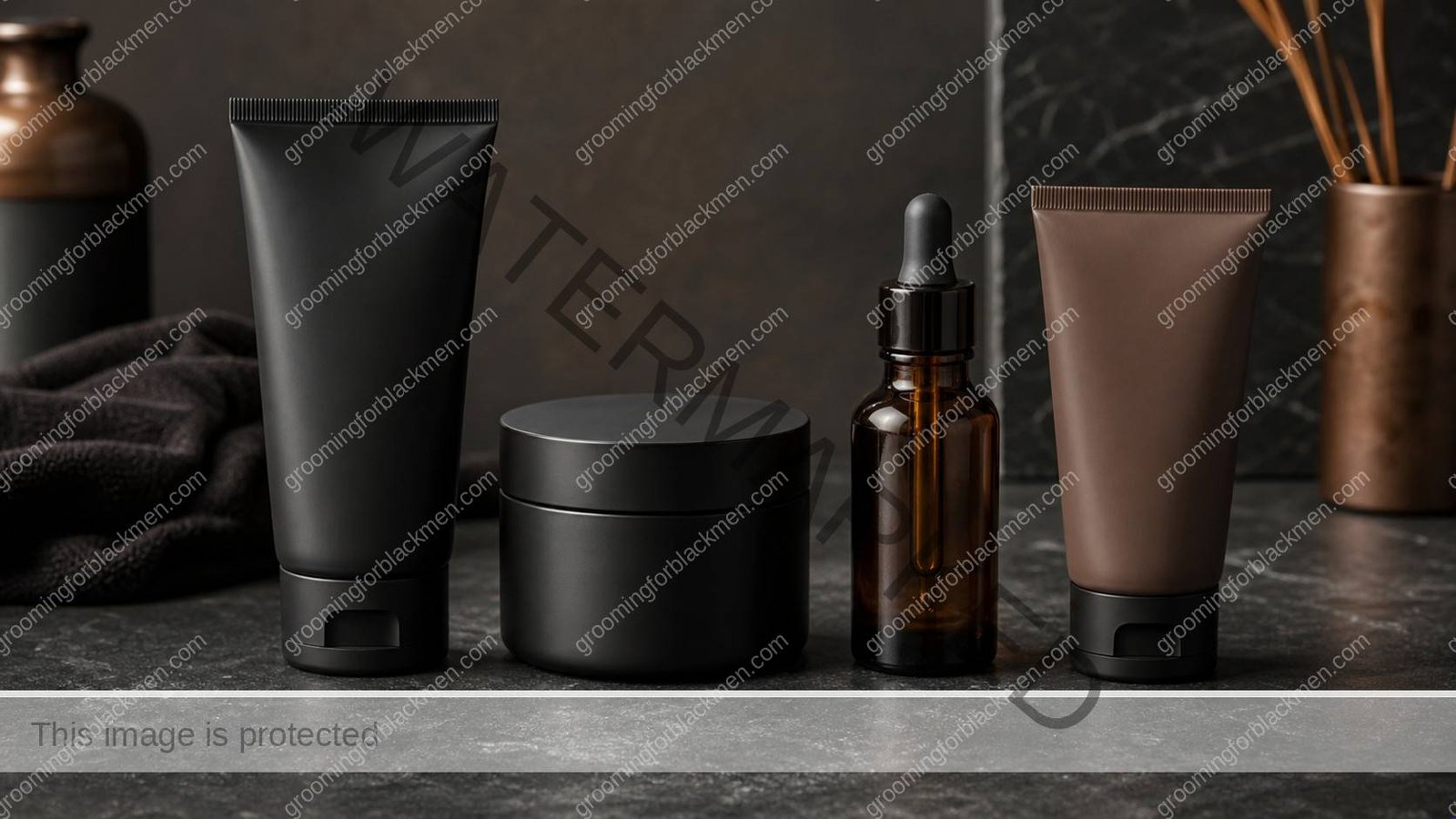
- fragrance free face cream for dry skin: compare ingredient lists, texture, fragrance, and label directions before buying.
- squalane facial oil for men: compare ingredient lists, texture, fragrance, and label directions before buying.
Real-Life Scenarios
Ash only around the mouth
Check toothpaste residue, lip licking, shaving friction, and whether moisturizer is being skipped close to facial hair.
In this situation, avoid rewriting the entire routine after one difficult day. Note the trigger, return to the most comfortable version of the basics, and watch what happens over the next several uses. That creates a fair comparison. It also keeps a routine for facial ashiness after moisturizing connected to the reader’s actual schedule rather than an abstract set of rules that collapses as soon as work, weather, shaving, or exercise changes.
Ash after sunscreen
Test the sunscreen by itself over a known comfortable moisturizer. Pilling or white cast can mimic dryness.
The decision point is whether the skin is merely different or genuinely irritated. A little more shine, a richer after-feel, or a temporary change after exercise may call for a texture adjustment. Burning, swelling, persistent itching, rash, or painful bumps call for stopping the suspect step. Black skin can show inflammation through tenderness and later discoloration even when bright redness is less obvious, so sensation deserves equal weight.
Dry cheeks and oily forehead
Treat the face in zones. Use cream on cheeks and a lighter layer through the center.
If this pattern repeats, write down the sequence: cleanser, shave, treatment, moisturizer, sunscreen, workout, and environmental exposure. You do not need a complicated diary. A few dates and observations can reveal whether the issue follows one product or one event. That evidence makes the next purchase more precise and helps prevent a familiar mistake from being renamed as a new skin problem.
Flakes that itch
Persistent itching, cracking, burning, or patterned flaking may need a dermatologist. Do not keep escalating scrubs.
This scenario is also a reminder that a product can be acceptable yet wrong for a particular moment. A lightweight texture may work in humid weather and feel inadequate in winter. An active may be tolerable on a non-shave night and uncomfortable immediately after a close shave. Adjusting context is not inconsistency; it is informed grooming. Keep the protective basics intact and change the smallest variable that addresses the situation.
Troubleshooting and Progress Checks
Review the routine by comfort first: less tightness, less burning, fewer new irritation triggers, and better repeatability. Then review the cosmetic goal in similar lighting every four weeks. Daily close inspection can make normal variation look like failure.
If a new product causes persistent burning, swelling, a rash, severe peeling, painful bumps, or new dark patches, stop forcing the schedule. Return to a gentle cleanser, moisturizer, and sunscreen as tolerated. Seek a dermatologist for symptoms that are painful, spreading, infected-looking, scarring, or persistent.
Use the three-step skincare foundation when the next question is about the base routine, and niacinamide for barrier support when you are deciding whether to add or remove a treatment step.

How to Judge the Routine Without Guessing
Build a baseline before changing a routine for facial ashiness after moisturizing. For one week, note how the skin feels after washing, at midday, after shaving, and at night. Record tightness, stinging, flaking, unusual shine, new bumps, and new dark marks. You are not trying to monitor every pore. You are learning the face’s normal rhythm so a later change has something honest to compare against. Use similar lighting for photos, keep the camera distance consistent, and avoid judging progress immediately after washing or applying a shiny product.
Separate comfort signals from appearance goals
Comfort can change before tone or texture does. Less burning, less post-wash tightness, and fewer irritated beard-area bumps are meaningful improvements even if a dark mark has not visibly faded. That order matters because a comfortable barrier makes consistency possible. Cosmetic changes usually require patience and depend on the cause. If comfort worsens while the mirror seems temporarily smoother, do not call that a win. Swelling, persistent itching, rash, painful peeling, or worsening discoloration are reasons to stop the suspected product and simplify.
Account for shaving, sweat, and weather
Do not evaluate a formula as though every day places the same demand on the skin. A close shave can make an active sting. Heavy sweat can leave salt and residue that call for a gentle rinse or cleanse. Cold outdoor air and indoor heat may make a moisturizer that worked in summer feel too light. Humidity can make a rich cream feel heavy. Keep the function of the routine stable while adjusting texture or timing. That is responsive grooming, not inconsistency, and it reduces the urge to own a separate product for every minor change.
Change one variable and choose a review date
When you add or replace a product, put a review date on the calendar. In the meantime, keep the cleanser, moisturizer, sunscreen, and shave technique as stable as possible. A short note such as “new serum Monday, used three nights, no shave on those nights” is enough. If several changes happen together, you may see a result but still not know what caused it. Controlled changes protect your budget and make it easier to remove the step that is creating trouble without abandoning everything that was already working.
Know what deserves professional evaluation
Skincare guidance has limits. Seek a board-certified dermatologist or another qualified clinician when a concern is painful, rapidly changing, bleeding, infected-looking, causing scars, or not improving with a consistent gentle approach. Sudden widespread pigment change, severe swelling, eye involvement, or trouble breathing needs prompt medical attention. Bring your product list and timeline. For Black men, it can help to look for a clinician experienced with skin of color, but the immediate priority is someone qualified who listens carefully and examines the actual pattern rather than guessing from a product trend.
Measure cost in dollars, time, and irritation
A product is not affordable merely because its shelf price is low. It also has to fit the routine without creating extra corrective purchases, wasted bottles, or a schedule you cannot maintain. For a routine for facial ashiness after moisturizing, compare cost per use, how much product the directions require, whether it replaces an existing step, and whether the texture works with the rest of the routine. A basic formula that you finish and tolerate can provide more value than a prestige product that sits unused. Keep receipts when possible, check return policies, and resist stocking backups until the first container has proved useful.
Finally, decide what success would make the step worth keeping. The answer might be a more comfortable after-feel, fewer new irritation events, easier shaving, or a routine you complete most days. Write that standard down before marketing claims move the goalposts. When a product does not meet the stated job after a fair, well-tolerated trial, finishing it out of guilt is not discipline. Removing an unhelpful step is part of building a routine with intention.
Evidence Behind the Guidance
This article uses conservative skincare guidance rather than product hype. The sources below support gentle cleansing, moisturizing, sunscreen, and the topic-specific claims. Study populations and formulations do not perfectly predict how every Black man will respond, so the article treats evidence as a boundary for reasonable advice, not a promise.
- American Academy of Dermatology: face washing guidance
- American Academy of Dermatology: simple skin care on a budget
- American Academy of Dermatology: sunscreen selection
- AAD: relieving dry skin
- AAD: choosing moisturizer
Frequently Asked Questions
Is an ashy face the same as being dehydrated?
Ashiness can reflect surface dryness, but ‘dehydrated skin’ is a broad cosmetic description rather than a precise diagnosis. Look at cleanser strength, moisturizer texture, application timing, and environment before assuming one cause.
Why does my skin look gray right after sunscreen?
The sunscreen may be leaving a white cast or pilling over another product. Try a tinted or transparent-finish formula, use thinner layers, and let moisturizer settle. Do not mistake product residue for a failure to moisturize.
Should I use facial oil?
Oil can be a useful final layer for dry zones, but it should usually follow a water-containing moisturizer. Use a small amount and stop if it contributes to clogged pores or beard-area buildup.
Can I exfoliate the flakes?
Do not start by scrubbing. Repeated physical exfoliation can worsen irritation. Stabilize cleansing and moisture first; if scale persists, professional evaluation is safer than escalating acids.
What ingredients should I look for?
Fragrance-free creams with glycerin, ceramides, dimethicone, petrolatum, hyaluronic acid, or squalane may be useful depending on texture preference and tolerance. The whole formula matters more than one ingredient.
How often can I reapply moisturizer?
You can reapply when the face feels dry, especially in harsh weather or air conditioning. If you need constant reapplication despite a gentle routine, reassess the cleanser and moisturizer texture.
When is ashiness a reason to see a dermatologist?
Seek care when dryness is painful, cracked, bleeding, intensely itchy, burning, spreading, or not improving with gentle changes. Those signs can reflect a condition that needs more than cosmetic moisturizer.
What to Do Next
When ashiness returns quickly, the problem is often not a lack of effort. The cleanser may be stripping, the moisturizer may be too light, the product may be going onto fully dry skin, or the environment may be pulling water from the surface faster than the routine can hold it. Pick one change you can repeat this week, write down what you are changing, and leave the rest of the routine alone long enough to learn from it. Your skin is not failing because it needs a gentler pace.
Continue with a cautious retinol start or choosing a gentle face wash. Each guide answers the next practical question without requiring you to rebuild the routine from zero.