

Oily Skin Routine for Black Men
Oily skin is a common concern for Black men. It manifests as a persistent shine, enlarged pores, and a higher propensity for breakouts. While some oil is essential for healthy skin, excessive sebum production can lead to a host of issues, from a greasy appearance to clogged pores and acne. This guide provides a direct, actionable routine to manage oily skin, ensuring a clear, matte, and healthy complexion.
Understanding your skin is the first step. Black skin often produces more sebum, which can be a double-edged sword. On one hand, it provides a natural protective barrier and can contribute to a youthful appearance as we age. On the other, it requires a targeted approach to prevent shine and breakouts. This routine focuses on balance: controlling oil without stripping the skin, maintaining hydration, and preventing common issues like hyperpigmentation and razor bumps.
This isn’t about eliminating oil entirely; it’s about intelligent management. We combine barbershop wisdom with modern skincare science to deliver practical, no-nonsense advice. Expect direct instructions, clear product categories, and a focus on consistency. Your journey to balanced, clear skin starts here.
Quick Routine for Oily Skin (Copy/Paste)
For immediate application, here’s a streamlined routine designed to control oil and maintain skin health. Integrate these steps consistently for best results.
Morning Routine:
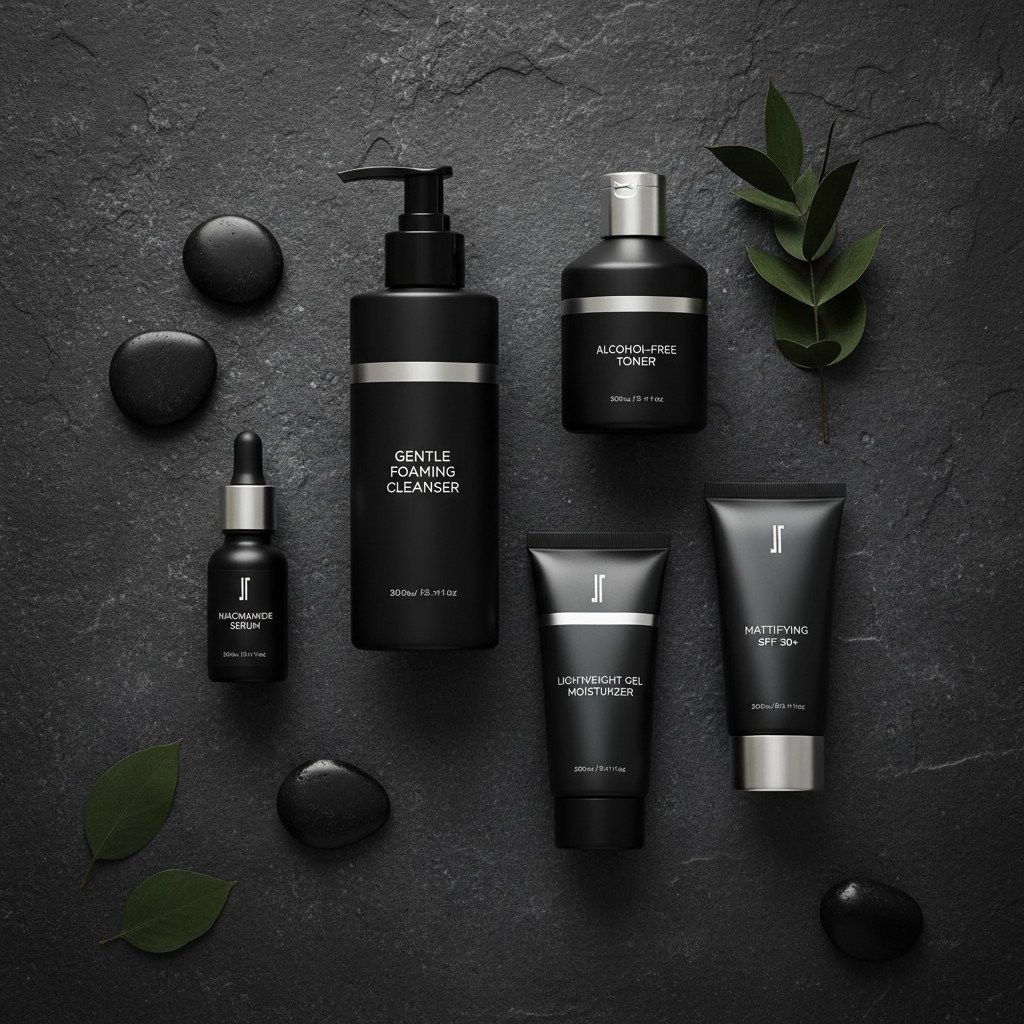
- Cleanse: Use a gentle, oil-controlling cleanser. Splash face with lukewarm water, apply a dime-sized amount, cleanse for 30-60 seconds, rinse thoroughly.
- Tone (Optional, but recommended): Apply an alcohol-free toner with salicylic acid or witch hazel using a cotton pad. Gently swipe across the face.
- Treat (If needed): Apply targeted treatments for acne or dark spots.
- Moisturize: Use a lightweight, oil-free moisturizer. Apply a pea-sized amount evenly.
- Protect: Finish with a broad-spectrum mattifying SPF 30+ sunscreen. Apply generously.
Evening Routine:
- Cleanse: Repeat morning cleansing. If wearing SPF or heavy products, consider a double cleanse with an oil cleanser first.
- Tone (Optional): Repeat morning toning.
- Treat: Apply targeted treatments (e.g., retinoids, salicylic acid, niacinamide).
- Moisturize: Use a lightweight, non-comedogenic moisturizer.
Weekly Routine:
- Exfoliate (1-2 times/week): Use a chemical exfoliant (AHA/BHA) or a gentle physical scrub.
- Mask (1 time/week): Apply a clay or charcoal mask to absorb excess oil and purify pores.
Understanding Oily Skin in Black Men
Oily skin, medically known as seborrhea, is characterized by an overproduction of sebum from the sebaceous glands. While sebum is crucial for skin hydration and protection, too much leads to a greasy appearance, enlarged pores, and a higher likelihood of acne and post-inflammatory hyperpigmentation (PIH). For Black men, these concerns are often amplified due to specific physiological factors.
The Role of Sebum in Black Skin
Research indicates that Black skin tends to have larger sebaceous glands and may produce more sebum compared to other skin types. This increased sebum production can be both a blessing and a curse. On the positive side, it contributes to the resilience and youthful appearance often associated with Black skin, providing a natural barrier against environmental damage and delaying the appearance of fine lines and wrinkles. The natural oils help maintain skin elasticity and a healthy glow.
However, this increased oil production also means a higher predisposition to issues like:
- Persistent Shine: A noticeable greasy or shiny appearance, particularly in the T-zone (forehead, nose, chin).
- Enlarged Pores: Excess sebum can stretch pore walls, making them appear larger.
- Acne Vulgaris: Clogged pores, due to a combination of sebum, dead skin cells, and bacteria, lead to blackheads, whiteheads, papules, pustules, and cysts.
- Post-Inflammatory Hyperpigmentation (PIH): A significant concern for Black men. Any inflammation or trauma to the skin, including acne breakouts, razor bumps, or minor cuts, can trigger an overproduction of melanin, resulting in dark spots that can linger for months or even years. Managing oily skin effectively is crucial for preventing the initial inflammation that leads to PIH.
- Razor Bumps (Pseudofolliculitis Barbae): While primarily a shaving issue, oily skin can exacerbate razor bumps by creating an environment where hair follicles are more prone to inflammation and ingrown hairs. Excess oil can trap hair and bacteria, leading to more severe irritation.
Understanding these specific challenges allows us to tailor a routine that addresses the root causes and prevents secondary issues, rather than just treating symptoms.
Common Misconceptions About Oily Skin
Many myths surround oily skin, leading to ineffective or even harmful practices:
- Myth 1: Oily skin doesn’t need moisturizer. False. Stripping the skin of all moisture can trigger it to produce even more oil to compensate, leading to a vicious cycle of oiliness and dehydration.
- Myth 2: Frequent, harsh cleansing will eliminate oil. False. Over-cleansing with strong, stripping cleansers can damage the skin barrier, leading to irritation, increased oil production, and sensitivity.
- Myth 3: Oily skin can’t get dehydrated. False. You can have oily skin that is also dehydrated. This is a crucial concept for Black men.
Oily But Dehydrated Skin: A Critical Distinction for Black Men
This is a concept often overlooked but vital for effective oily skin management, especially for Black men. Your skin can be producing excess oil (oily) while simultaneously lacking water (dehydrated). These are two distinct conditions that require different approaches.
What is Oily But Dehydrated Skin?
Oily skin refers to an overproduction of sebum, leading to a shiny appearance, enlarged pores, and a tendency for breakouts. Your skin feels greasy to the touch.
Dehydrated skin refers to a lack of water in the skin’s outermost layer (stratum corneum). This can happen to any skin type, including oily skin. Dehydrated skin might feel tight, look dull, show fine lines more prominently, and sometimes even feel itchy. Paradoxically, dehydrated skin can also trigger the sebaceous glands to produce more oil to compensate for the perceived lack of moisture, making the oiliness worse.
Why is This Important for Black Men?
Black skin, while often oilier, is also susceptible to transepidermal water loss (TEWL). This means water evaporates from the skin more easily. If you’re using harsh cleansers or skipping moisturizer in an attempt to control oil, you’re likely exacerbating dehydration. This leads to a cycle:
- Harsh products strip natural oils and water.
- Skin becomes dehydrated and its barrier is compromised.
- Skin signals for more oil production to protect itself.
- You perceive more oiliness and use harsher products again.
This cycle can lead to:
- Increased Oiliness: The skin overcompensates, leading to even more shine.
- Breakouts: A compromised barrier and increased oil create a perfect environment for acne.
- Sensitivity and Irritation: The skin barrier is weakened, making it reactive to products and environmental factors.
- Dullness and Uneven Texture: Dehydrated skin lacks plumpness and can appear rough.
- Exacerbated Hyperpigmentation: Irritation and inflammation from a compromised barrier can worsen existing dark spots or create new ones.
How to Identify Oily But Dehydrated Skin
- Tightness after cleansing: Even if your skin looks shiny, does it feel tight or stretched after washing?
- Dullness despite oil: Does your skin lack a healthy glow, appearing somewhat flat or dull even with shine?
- Fine lines more visible: Are minor lines around your eyes or mouth more noticeable?
- Increased sensitivity: Does your skin sting or burn with products that didn’t bother it before?
- Flakiness or dry patches: Despite the oil, do you notice any flaky areas, especially around the nose or mouth?
If you experience these symptoms, you likely have oily but dehydrated skin. The solution is to focus on gentle cleansing, hydration, and barrier repair, alongside oil control.
The Comprehensive Oily Skin Routine for Black Men
This routine is built on the principles of balance, hydration, and targeted treatment. Consistency is paramount.
Step 1: Cleansing (Morning & Evening)
Cleansing is the foundation. The goal is to remove excess oil, dirt, and impurities without stripping the skin.
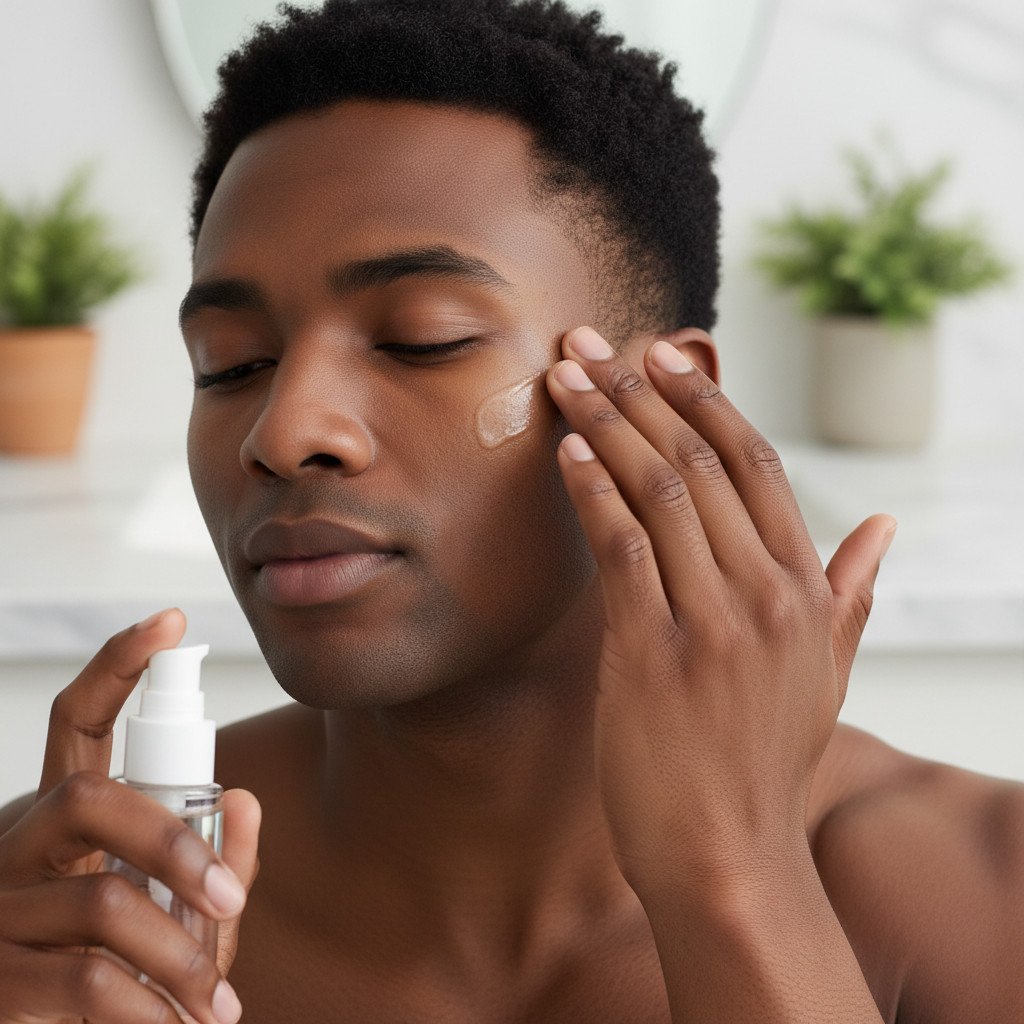
Morning Cleanse:
- Product Type: A gentle, foaming or gel cleanser specifically formulated for oily skin. Look for ingredients like salicylic acid (BHA) in low concentrations (0.5-2%) or niacinamide, which help control oil and clarify pores. Avoid harsh sulfates.
- Technique: Splash your face with lukewarm water. Apply a dime-sized amount of cleanser to your fingertips. Gently massage onto your face in circular motions for 30-60 seconds, paying attention to the T-zone. Rinse thoroughly with lukewarm water until all product is removed. Pat dry with a clean, soft towel.
- Why: Removes overnight oil accumulation and prepares the skin for subsequent steps.
Evening Cleanse:
- Product Type: Repeat morning cleanse. If you wear sunscreen, makeup, or feel your skin is particularly congested, consider a double cleanse.
- Double Cleansing (Optional, but recommended):
- First Cleanse (Oil-based): Use an oil cleanser, balm, or micellar water. Apply to dry skin, massage gently to dissolve sunscreen, dirt, and oil. Rinse with lukewarm water.
- Second Cleanse (Water-based): Follow with your regular gentle foaming or gel cleanser.
- Why: Ensures complete removal of sunscreen, environmental pollutants, and accumulated oil, preventing clogged pores and allowing treatments to penetrate effectively.
Step 2: Toning (Morning & Evening, Optional but Recommended)
Toner is not about stripping the skin. Modern toners balance pH, provide light exfoliation, and deliver active ingredients.
- Product Type: An alcohol-free toner. Look for ingredients like witch hazel (natural astringent), salicylic acid (BHA for pore clearing), niacinamide (oil control, barrier support), or hyaluronic acid (hydration).
- Technique: After cleansing, dispense a small amount onto a cotton pad or directly into your hands. Gently pat or swipe across your face, avoiding the immediate eye area. Allow it to absorb fully before the next step.
- Why: Helps remove any residual impurities, minimizes the appearance of pores, and preps the skin to better absorb serums and moisturizers. For oily skin, it can provide an extra layer of oil control and mild exfoliation.
Step 3: Targeted Treatments (Morning & Evening, As Needed)
This step addresses specific concerns like acne, dark spots, or texture issues.
Morning Treatments:
- Antioxidant Serum: A vitamin C serum can protect against environmental damage, brighten the complexion, and help fade dark spots. Apply a few drops after toning.
- Niacinamide Serum: Excellent for oily skin, niacinamide (Vitamin B3) helps regulate oil production, minimize pore appearance, reduce inflammation, and improve skin barrier function. Apply 2-3 drops.
Evening Treatments:
- Retinoids (Retinol, Retinaldehyde, Tretinoin): These are powerful for cell turnover, collagen production, acne treatment, and fading hyperpigmentation. Start with a low concentration 2-3 times a week and gradually increase frequency. Apply a pea-sized amount to dry skin after cleansing and toning.
- Salicylic Acid (BHA) Serum: If your cleanser doesn’t contain enough BHA, a dedicated BHA serum can deeply penetrate oil-filled pores to dissolve sebum and dead skin cells, preventing breakouts. Use 2-3 times a week on alternate nights from retinoids.
- Alpha Hydroxy Acids (AHAs – Glycolic Acid, Lactic Acid): These exfoliate the surface of the skin, improving texture and brightness. Use 2-3 times a week, again, on alternate nights from retinoids.
- Hyperpigmentation Treatments: Serums containing ingredients like alpha arbutin, kojic acid, azelaic acid, or tranexamic acid can target dark spots. Apply after your main treatment (e.g., retinoid) or as a standalone step.
Step 4: Moisturizing (Morning & Evening)
Crucial for all skin types, especially oily and dehydrated skin. Do not skip this step.
- Product Type: A lightweight, oil-free, non-comedogenic gel or gel-cream moisturizer. Look for ingredients like hyaluronic acid, glycerin (humectants that draw water into the skin), niacinamide, and ceramides (to support the skin barrier). Avoid heavy creams or those with occlusive oils.
- Technique: Apply a pea-sized amount evenly to your face and neck. Gently pat it in until absorbed.
- Why: Hydrates the skin without adding extra oil, prevents dehydration, supports the skin barrier, and signals to your skin that it doesn’t need to overproduce sebum.
Step 5: Sun Protection (Morning Only)
Non-negotiable, especially for Black men prone to hyperpigmentation.
- Product Type: A broad-spectrum SPF 30+ (or higher) sunscreen. Look for mattifying formulas or those specifically designed for oily skin. Mineral sunscreens (zinc oxide, titanium dioxide) often have a mattifying effect, but ensure they are formulated to avoid a white cast on darker skin tones. Chemical sunscreens are also effective if they don’t feel too heavy.
- Technique: Apply a generous amount (about a nickel-sized dollop for your face and neck) as the last step in your morning routine. Reapply every two hours if exposed to direct sunlight or sweating.
- Why: Protects against UV damage, which can worsen hyperpigmentation and accelerate skin aging. Crucially, it prevents sun-induced inflammation that can trigger new dark spots. Many modern sunscreens also offer oil control benefits.
Weekly Boosters for Oily Skin
These steps provide deeper treatment and complement your daily routine.
Exfoliation (1-2 times per week)
Exfoliation removes dead skin cells that can clog pores and contribute to a dull, uneven complexion.
- Product Type: Chemical exfoliants (AHAs like glycolic or lactic acid; BHAs like salicylic acid) are generally preferred over harsh physical scrubs for oily skin, as they are less likely to cause micro-tears and irritation. If using a physical scrub, ensure it’s very fine-grained and used gently.
- Technique: Apply after cleansing and toning in the evening. Follow product instructions carefully. If using a leave-on chemical exfoliant, apply a thin layer and follow with moisturizer. If using a wash-off mask/peel, rinse thoroughly.
- Why: Prevents clogged pores, improves skin texture, and enhances the penetration of other skincare products. For Black men, proper exfoliation is key to preventing ingrown hairs and reducing the appearance of dark spots.
- Frequency: Start with once a week and increase to twice if your skin tolerates it. Over-exfoliation can lead to irritation and increased oil production.
Masking (1 time per week)
Masks offer concentrated benefits.
- Product Type: Clay masks (bentonite, kaolin) or charcoal masks are excellent for oily skin. They absorb excess sebum, draw out impurities, and minimize the appearance of pores.
- Technique: Apply an even layer to clean, dry skin. Leave on for 10-15 minutes (or as directed) until it begins to dry but not crack. Rinse thoroughly with lukewarm water. Follow with toner, serum, and moisturizer.
- Why: Provides an intensive oil-absorbing and purifying treatment, leaving the skin feeling fresh and matte.
Gym & Sweat Adjustments for Oily Skin
Physical activity is essential, but sweat can exacerbate oily skin issues if not managed properly.
Before Your Workout:
- Cleanse: If you’re wearing SPF or makeup, a quick cleanse before your workout can prevent products from mixing with sweat and clogging pores. Otherwise, a splash of water is fine.
- No Heavy Products: Avoid applying heavy moisturizers or serums right before a strenuous workout. Light hydration is fine.
During Your Workout:
- Blot, Don’t Wipe: Use clean blotting papers or a clean towel to gently blot sweat from your face. Wiping can spread bacteria and irritate the skin.
Immediately After Your Workout:
- Cleanse Promptly: This is the most crucial step. As soon as possible after your workout, cleanse your face with your gentle cleanser. Don’t let sweat, dirt, and bacteria sit on your skin, especially if you’re prone to breakouts.
- Tone & Moisturize: Follow with your regular toner and lightweight moisturizer to rebalance and hydrate.
Common Mistakes Oily Skin Men Make
Avoiding these pitfalls is as important as following the right steps.
1. Over-Cleansing or Using Harsh Cleansers
- Mistake: Washing your face too frequently (more than twice a day) or using strong, stripping cleansers (e.g., those with high concentrations of sulfates or alcohol).
- Impact: This strips the skin of its natural oils, damages the skin barrier, and triggers the sebaceous glands to produce even more oil in compensation. Leads to dehydration, irritation, and increased breakouts.
- Correction: Stick to cleansing twice a day with a gentle, pH-balanced, oil-controlling cleanser.
2. Skipping Moisturizer
- Mistake: Believing that oily skin doesn’t need hydration, leading to complete omission of moisturizer.
- Impact: Leads to oily but dehydrated skin. The skin feels tight and uncomfortable but still looks greasy. Dehydration can exacerbate oil production and compromise the skin barrier.
- Correction: Always use a lightweight, oil-free, non-comedogenic moisturizer.
3. Not Using Sunscreen
- Mistake: Neglecting daily SPF, especially common among men of color due to misconceptions about melanin protection.
- Impact: UV radiation damages skin cells, worsens hyperpigmentation (dark spots become darker and last longer), and contributes to premature aging. Inflammation from sun exposure can also trigger increased oil production and breakouts.
- Correction: Apply a broad-spectrum SPF 30+ mattifying sunscreen every morning, rain or shine.
4. Over-Exfoliating
- Mistake: Using physical scrubs too aggressively or chemical exfoliants too frequently/at too high concentrations.
- Impact: Damages the skin barrier, causes irritation, redness, sensitivity, and can actually stimulate more oil production. For Black men, irritation can directly lead to post-inflammatory hyperpigmentation.
- Correction: Limit exfoliation to 1-2 times per week. Choose chemical exfoliants over harsh physical scrubs.
5. Picking at Breakouts
- Mistake: Squeezing, popping, or picking at pimples, blackheads, or ingrown hairs.
- Impact: Introduces bacteria, causes further inflammation, spreads infection, and significantly increases the risk of scarring and severe post-inflammatory hyperpigmentation.
- Correction: Resist the urge. Use targeted spot treatments (salicylic acid, benzoyl peroxide) and let your skin heal naturally.
6. Using Products Not Suited for Oily Skin
- Mistake: Using heavy, occlusive creams, oil-rich serums, or comedogenic ingredients.
- Impact: Clogs pores, exacerbates oiliness, and leads to more breakouts.
- Correction: Look for labels like “oil-free,” “non-comedogenic,” “gel-based,” or “mattifying.”
7. Inconsistent Routine
- Mistake: Following the routine sporadically, skipping steps, or changing products too frequently.
- Impact: Skincare requires consistency to show results. Frequent changes don’t give products enough time to work and can confuse the skin.
- Correction: Stick to a consistent routine for at least 4-6 weeks before evaluating results.
Troubleshooting Common Oily Skin Issues
Even with a solid routine, issues can arise. Here’s how to address them.
Symptom: Persistent Shine Throughout the Day
- Cause: Your skin is still producing excess oil, or your products aren’t providing enough oil control. Could also be due to not reapplying SPF, which can contribute to shine.
- Fix:
- Re-evaluate Cleanser: Ensure your cleanser is effectively removing oil without stripping.
- Incorporate Toner: An alcohol-free toner with witch hazel or salicylic acid can help.
- Check Moisturizer: Ensure it’s truly oil-free and mattifying.
- Blotting Papers: Carry blotting papers to absorb excess oil throughout the day without disturbing your routine.
- Mattifying Primer (Optional): If shine is a major concern, a mattifying primer can be used before sunscreen.
- Reapply SPF: Some sunscreens can get shiny over time. Reapplying a mattifying SPF can help.
Symptom: Clogged Pores & Blackheads
- Cause: Inadequate cleansing, insufficient exfoliation, or using comedogenic products.
- Fix:
- Double Cleanse: Especially in the evening, to thoroughly remove all impurities and sunscreen.
- Regular Exfoliation: Incorporate a BHA (salicylic acid) exfoliant 2-3 times a week. BHAs are oil-soluble and penetrate pores to clear blockages.
- Clay Masks: Use a clay or charcoal mask once a week to draw out impurities.
- Check Products: Ensure all your products (cleanser, moisturizer, SPF) are labeled “non-comedogenic.”
Symptom: Breakouts (Acne)
- Cause: Clogged pores, bacterial overgrowth, inflammation, hormonal factors, or irritation from harsh products.
- Fix:
- Salicylic Acid: Integrate a salicylic acid cleanser or serum into your routine.
- Benzoyl Peroxide: A spot treatment with benzoyl peroxide can kill acne-causing bacteria. Use sparingly as it can be drying.
- Retinoids: Introduce a retinoid (retinol or prescription tretinoin) in the evening. They promote cell turnover, preventing pores from clogging.
- Niacinamide: Reduces inflammation and helps regulate oil.
- Avoid Picking: This prevents further inflammation and hyperpigmentation.
- Consult a Professional: If severe or persistent, see a dermatologist.
Symptom: Sunscreen Feels Greasy or Leaves a White Cast
- Cause: The wrong type of sunscreen for your skin tone and type, or improper application.
- Fix:
- Choose Wisely: Opt for chemical sunscreens or newer generation mineral sunscreens specifically formulated for darker skin tones (often labeled “no white cast”). Look for fluid, gel, or serum textures.
- Mattifying Formulas: Many brands offer sunscreens with a mattifying finish.
- Apply in Layers: If your sunscreen is thick, apply a smaller amount, let it absorb, then apply another thin layer.
- Powder (Optional): A translucent setting powder can help reduce shine after sunscreen application.
- Explore Options: Try different brands and formulations until you find one that works for you. Check out our guide on best sunscreens for Black men with no white cast.
Symptom: Oily But Dehydrated Skin (Tightness, Dullness, Flakiness with Shine)
- Cause: Over-stripping the skin, insufficient hydration, or a compromised skin barrier.
- Fix:
- Gentle Cleansing: Use a very mild, hydrating cleanser. Avoid anything that makes your skin feel tight.
- Hydrating Toner: Use an alcohol-free toner with humectants like hyaluronic acid.
- Hydrating Serum: Incorporate a hyaluronic acid or glycerin serum.
- Barrier-Repair Moisturizer: Choose a lightweight moisturizer rich in ceramides, fatty acids, and cholesterol to rebuild the skin barrier.
- Reduce Exfoliation: Temporarily reduce or pause active exfoliants (AHAs/BHAs/retinoids) until your barrier recovers.
- Avoid Hot Water: Use lukewarm water for cleansing.
Advanced Tips for Oily Skin Management
Diet and Lifestyle Considerations
- Hydration: Drink plenty of water throughout the day. Internal hydration reflects on your skin.
- Balanced Diet: Focus on whole foods, lean proteins, fruits, and vegetables. Some anecdotal evidence suggests high glycemic index foods and dairy might exacerbate acne in some individuals, but this varies.
- Stress Management: Stress can trigger hormonal fluctuations that increase oil production. Incorporate stress-reducing activities like exercise, meditation, or hobbies.
- Sleep: Adequate sleep is crucial for skin repair and overall health.
- Cleanliness: Regularly change pillowcases, clean phone screens, and wash hands before touching your face to minimize bacteria transfer.
Product Layering Order
Always apply products from thinnest to thickest consistency. A general order:
- Cleanser
- Toner
- Targeted Serums (e.g., Vitamin C, Niacinamide, Hyaluronic Acid)
- Treatments (e.g., Retinoids, BHA/AHA)
- Moisturizer
- Sunscreen (AM only)
Consistency and Patience
Skincare is a marathon, not a sprint. It takes time for products to work and for your skin to adapt. Stick to a routine for at least 4-6 weeks before making significant changes. Track your progress with photos if you wish.
When to Stop and Get Help
While this routine is designed for general oily skin management, some symptoms warrant professional attention. Do not hesitate to consult a dermatologist if you experience:
- Severe, persistent, or painful acne: Cystic acne, deep nodules, or acne that doesn’t respond to over-the-counter treatments.
- Signs of infection: Increased redness, swelling, warmth, pus, or fever.
- Worsening hyperpigmentation: Dark spots that are spreading, getting darker, or not fading with consistent treatment.
- Extreme irritation or allergic reaction: Severe redness, itching, burning, hives, or swelling after using products.
- Sudden, unexplained changes in skin: Rapid onset of severe oiliness, dryness, or breakouts without clear cause.
A dermatologist can provide prescription-strength treatments, conduct patch tests, and offer personalized advice for complex skin conditions. Your health and skin integrity are paramount.
Maintaining Your Results
Once you’ve achieved a balanced, clear complexion, the work isn’t over. Maintaining results requires ongoing commitment to your routine and adapting it as needed.
Seasonal Adjustments
Your skin’s needs can change with the seasons. In warmer, more humid months, your skin might be oilier, requiring lighter moisturizers and potentially more frequent use of oil-absorbing masks. In drier, colder months, even oily skin can experience more dehydration, necessitating slightly richer (but still non-comedogenic) moisturizers and perhaps fewer strong exfoliants.

Listen to Your Skin
Pay attention to how your skin feels and looks each day. Is it feeling tight? More oily than usual? Breaking out in new areas? These are signals that your routine might need a minor tweak. Perhaps you need to increase hydration, reduce exfoliation, or re-evaluate a product.
Product Rotation
While consistency is key, you don’t have to use the exact same products forever. As your skin improves, you might introduce new ingredients to target residual concerns or enhance overall skin health. For example, once acne is under control, you might shift focus more towards anti-aging or hyperpigmentation prevention. Always introduce new products one at a time to monitor your skin’s reaction.
Stress and Lifestyle Management
Remember that skincare is holistic. External products are only one part of the equation. Continue to prioritize stress reduction, adequate sleep, a healthy diet, and regular exercise. These lifestyle factors significantly impact skin health and can influence oil production and breakout frequency.
Regular Check-ins
Consider periodic check-ins with a dermatologist, especially if you have chronic issues or are looking to optimize your routine further. They can offer advanced treatments or prescription options not available over-the-counter.
The Long Game
Managing oily skin is a lifelong journey. There will be good days and challenging days. The goal is to equip yourself with the knowledge and tools to navigate these fluctuations effectively. This routine provides a robust framework, but your consistent effort and attentiveness to your skin’s unique needs will ultimately determine your success.
The Grooming For Black Men Philosophy
At Grooming For Black Men, we believe in empowering you with knowledge and practical tools. This guide is designed to cut through the noise, offering direct, actionable advice rooted in understanding the specific needs of Black men’s skin. We combine the timeless wisdom passed down in barbershops with the precision of modern science, delivering a comprehensive approach to self-mastery.
Your skin is a reflection of your overall health and discipline. By committing to a consistent, intelligent skincare routine, you’re not just managing oil; you’re investing in your confidence, your appearance, and your long-term skin health. This isn’t about vanity; it’s about self-respect and presenting your best self to the world.
Take control of your oily skin. Implement this routine. Observe the changes. And remember, clarity and confidence are within your reach. This is grooming, elevated.
Frequently Asked Questions
Why is oily skin common in Black men?
Black skin often has larger sebaceous glands and may produce more sebum, leading to a naturally oilier complexion. This can provide protective benefits but also increases the likelihood of shine, enlarged pores, and acne if not managed correctly.
Can oily skin be dehydrated?
Yes, absolutely. Oily skin refers to excess sebum production, while dehydration means a lack of water in the skin. Harsh products or insufficient hydration can strip the skin, causing it to produce more oil to compensate, creating an ‘oily but dehydrated’ state.
What are the essential steps for an oily skin routine?
The core routine includes gentle cleansing twice daily, applying a lightweight, oil-free moisturizer, and using a broad-spectrum, mattifying SPF 30+ sunscreen every morning. Targeted treatments and weekly exfoliation are also crucial.
How often should I exfoliate oily skin?
For oily skin, exfoliate 1-2 times per week. Chemical exfoliants (AHAs/BHAs) are generally preferred over harsh physical scrubs as they are more effective at clearing pores and less likely to cause irritation or micro-tears.
What ingredients should I look for in products for oily skin?
Look for ingredients like salicylic acid (BHA) for pore clearing, niacinamide for oil regulation and barrier support, hyaluronic acid for hydration, and clay/charcoal in masks for oil absorption. Ensure products are labeled ‘oil-free’ and ‘non-comedogenic’.
How can I prevent dark spots (hyperpigmentation) with oily skin?
Preventing dark spots involves managing acne and razor bumps, using daily SPF 30+ sunscreen, and incorporating ingredients like niacinamide, vitamin C, alpha arbutin, or retinoids to fade existing spots and prevent new ones. Avoid picking at breakouts.
My sunscreen makes my oily skin look greasy. What should I do?
Opt for mattifying sunscreens or those specifically formulated for oily skin. Look for chemical sunscreens or newer mineral formulations designed to leave no white cast. You can also try applying it in thinner layers or using a translucent setting powder to reduce shine.
What’s the best way to handle oily skin after a workout?
Cleanse your face as soon as possible after your workout to remove sweat, dirt, and bacteria that can clog pores. Follow with your regular toner and lightweight moisturizer to rebalance and hydrate your skin.
Should I still moisturize if my skin feels very oily?
Yes, absolutely. Skipping moisturizer can trick your skin into producing even more oil to compensate for perceived dryness. Use a lightweight, oil-free, non-comedogenic gel or gel-cream moisturizer to hydrate without adding greasiness.
Are there any lifestyle changes that can help with oily skin?
Yes. Staying well-hydrated, maintaining a balanced diet, managing stress, getting adequate sleep, and regularly changing pillowcases can all contribute to better oil control and overall skin health.
When should I see a dermatologist for my oily skin concerns?
Consult a dermatologist if you experience severe, persistent, or painful acne, signs of infection, worsening hyperpigmentation, extreme irritation, or sudden, unexplained changes in your skin that don’t respond to consistent over-the-counter care.
How long does it take to see results from an oily skin routine?
Consistency is key. You should expect to see noticeable improvements in oil control and skin clarity within 4-6 weeks of consistently following a targeted routine. Full results for issues like hyperpigmentation may take several months.
Shop oil-controlling cleanser on Amazon
Shop lightweight oil-free moisturizer on Amazon
Shop mattifying SPF 30+ sunscreen on Amazon
Shop gentle foaming cleanser on Amazon
Shop alcohol-free toner on Amazon
Shop antioxidant serum on Amazon
Shop niacinamide serum on Amazon
Shop salicylic acid serum on Amazon

Shop hyperpigmentation treatments on Amazon
Shop gel moisturizer on Amazon
Shop gel-cream moisturizer on Amazon
Shop chemical exfoliants on Amazon
Shop blotting papers on Amazon
Shop mattifying primer on Amazon
Shop translucent setting powder on Amazon
Shop hydrating cleanser on Amazon
Shop hydrating toner on Amazon
Shop hyaluronic acid serum on Amazon