
Sensitive Skin Routine for Black Men: Master Your Grooming
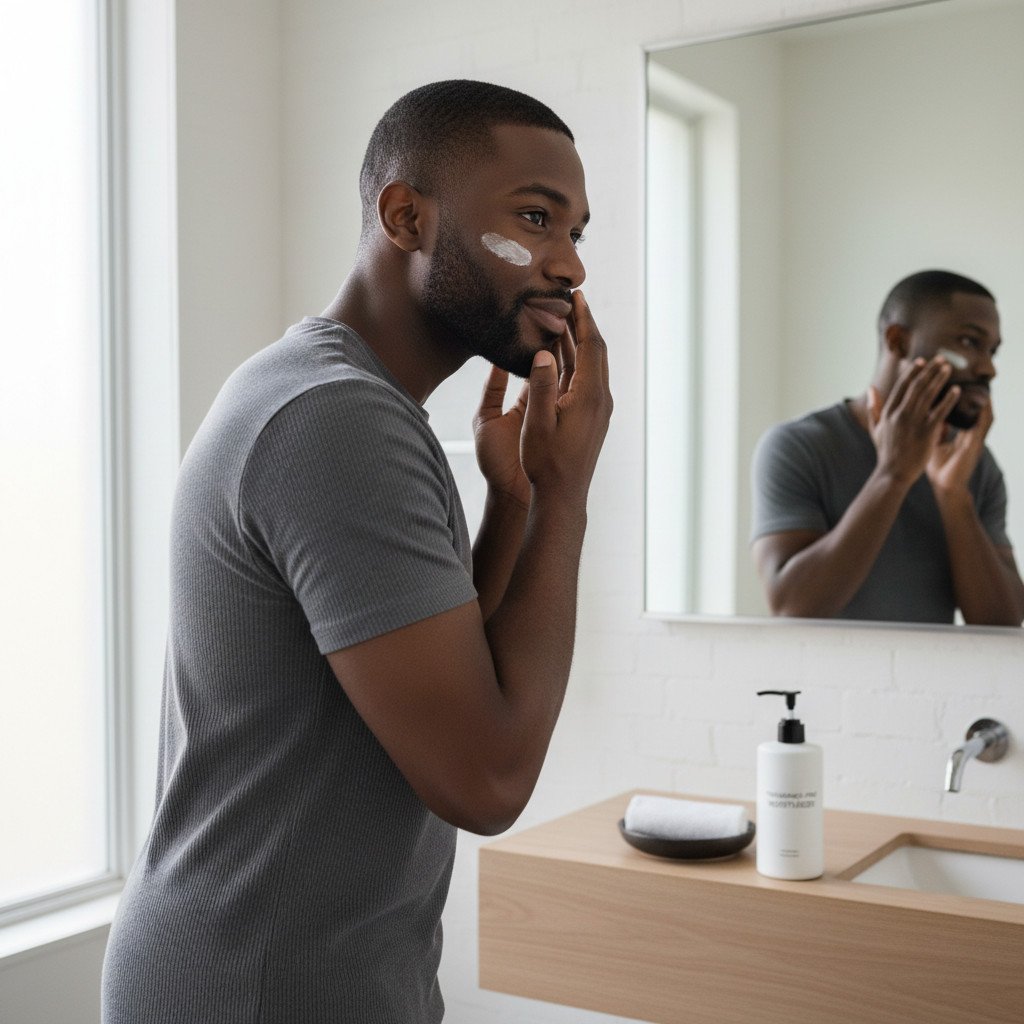
Sensitive skin demands a precise approach. For Black men, this often means navigating unique challenges: post-shave irritation, hyperpigmentation, and dryness, all while maintaining skin health. This guide cuts through the noise, offering a direct, actionable routine designed to soothe, protect, and fortify sensitive skin. We combine barbershop wisdom with modern science, delivering clarity without compromise. Your skin deserves respect. This is how you give it.
Understanding your sensitive skin is the first step toward mastering it. It’s not a flaw; it’s a characteristic that requires specific attention. This routine is built on a barrier-first philosophy, prioritizing gentle care and robust protection. We’ll cover everything from daily cleansing to strategic shaving adjustments, ensuring every step supports your skin’s natural defenses. No more guesswork. Just results.
This isn’t about quick fixes. It’s about building a sustainable foundation for healthy, resilient skin. We’ll equip you with the knowledge to identify triggers, implement a calming regimen, and troubleshoot common issues. From the initial 7-day reset to long-term maintenance, you’ll gain the confidence to manage your sensitive skin effectively, revealing a smoother, more comfortable complexion.
Quick Routine: Your Daily Sensitive Skin Blueprint
This streamlined routine provides immediate guidance for managing sensitive skin. Follow these steps consistently for optimal results.
Morning Routine (AM)
- Gentle Cleanse: Use a low-pH, sulfate-free cleanser. Rinse with lukewarm water. Pat dry.
- Hydrate & Soothe: Apply a lightweight, fragrance-free hydrating serum or toner.
- Moisturize & Protect: Use a barrier-supporting, fragrance-free moisturizer.
- Sun Protection: Finish with a broad-spectrum mineral SPF 30+ sunscreen.
Evening Routine (PM)
- Double Cleanse (Optional, if wearing SPF/makeup): Start with a cleansing balm or oil, then follow with your gentle cleanser.
- Gentle Cleanse: Use your low-pH, sulfate-free cleanser. Rinse. Pat dry.
- Hydrate & Repair: Apply a hydrating serum (hyaluronic acid, niacinamide, ceramides).
- Moisturize & Restore: Apply a richer, barrier-repairing moisturizer.
Weekly Adjustments
- Exfoliation: Limit to 1-2 times per week, using a gentle chemical exfoliant (PHA or low-concentration AHA/BHA).
- Masks: Use a soothing, hydrating mask as needed, 1-2 times per week.
Understanding Sensitive Skin: Beyond the Surface
Sensitive skin is a condition where the skin’s barrier function is compromised, leading to increased reactivity to environmental factors, topical products, and internal stressors. For Black men, this sensitivity can manifest as irritation, redness, itching, burning, and a heightened propensity for post-inflammatory hyperpigmentation (PIH) following any inflammatory response. The skin’s natural defenses are weakened, making it more permeable and susceptible to irritants.
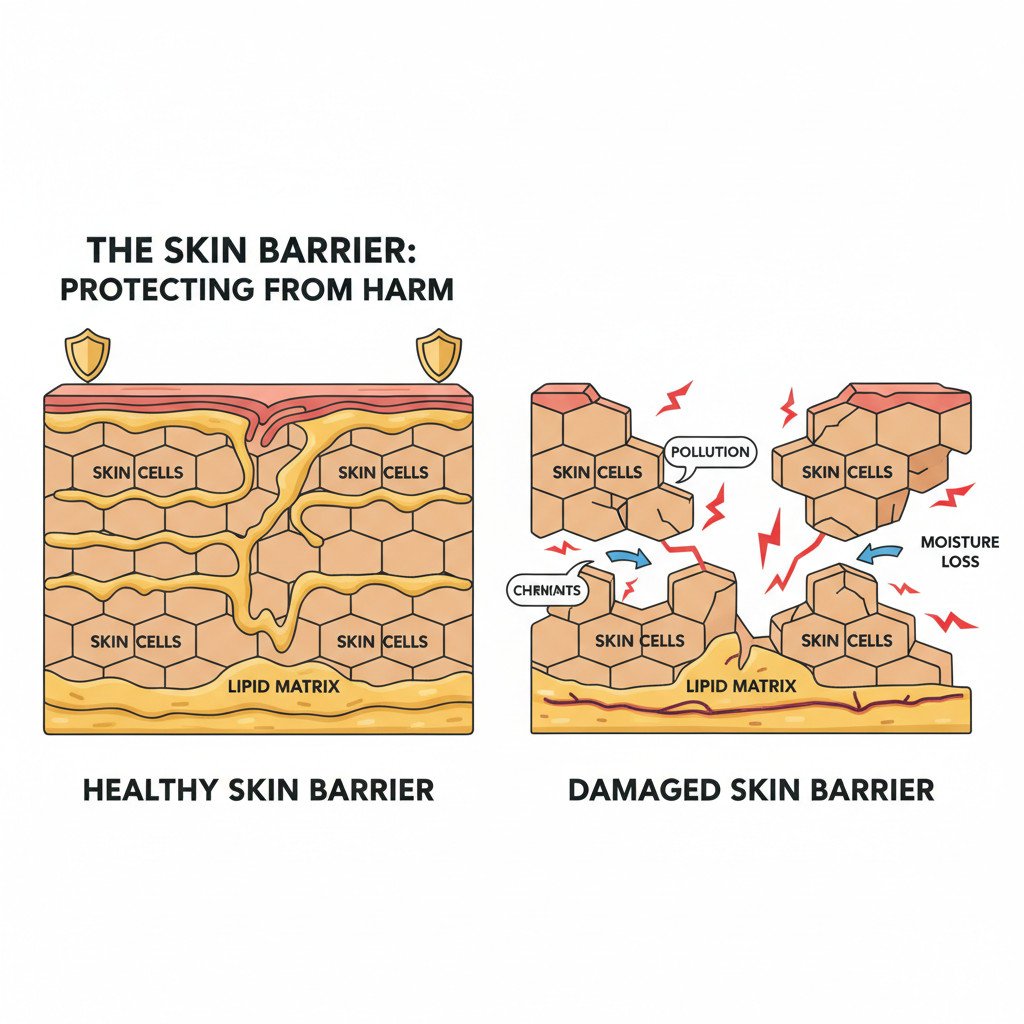
The skin barrier, also known as the stratum corneum, is the outermost layer of the epidermis. It functions like a brick wall, with skin cells (corneocytes) acting as bricks and a lipid matrix (ceramides, cholesterol, fatty acids) acting as mortar. When this wall is intact, it effectively locks moisture in and keeps irritants, allergens, and pathogens out. In sensitive skin, this wall has gaps or weaknesses, allowing moisture to escape more easily (leading to dryness) and allowing potential irritants to penetrate deeper (leading to inflammation).
Several factors contribute to sensitive skin. Genetics play a significant role; some individuals are simply predisposed to a more reactive skin type. Environmental aggressors like harsh weather (extreme cold, wind, low humidity), pollution, and UV radiation can exacerbate sensitivity. Lifestyle choices, including stress, lack of sleep, and an imbalanced diet, also impact skin health and barrier function. Furthermore, the use of inappropriate skincare products—those containing harsh chemicals, strong fragrances, or abrasive exfoliants—is a primary trigger for many.
For Black men, specific considerations amplify these challenges. The presence of melanin provides natural photoprotection but does not make the skin immune to sun damage or sensitivity. In fact, inflammatory responses in melanin-rich skin are more likely to result in hyperpigmentation, making gentle care even more critical. Shaving practices, if not optimized, can introduce micro-traumas that further compromise the skin barrier and lead to issues like razor bumps and ingrown hairs, which then contribute to sensitivity and PIH.
Recognizing the signs of sensitive skin is crucial. These can include a feeling of tightness or discomfort, particularly after cleansing. Visible redness or flushing, especially after exposure to certain products or environmental conditions, is another common indicator. Itching, stinging, or burning sensations upon product application are clear signals. Dryness, flakiness, or rough patches are also frequent companions of a compromised barrier. Sometimes, sensitivity can manifest as breakouts or an increase in acne, as inflammation disrupts the skin’s natural balance.
The goal of a sensitive skin routine is twofold: to minimize exposure to triggers and to actively strengthen and repair the skin barrier. This involves selecting products specifically formulated for sensitive skin—meaning they are typically fragrance-free, dye-free, alcohol-free, and contain soothing, barrier-supporting ingredients. It also means adopting gentle application techniques and avoiding over-processing the skin with too many active ingredients or aggressive treatments. By understanding these fundamentals, you lay the groundwork for a calm, resilient complexion.
Identifying Your Triggers: A Sensitive Skin Checklist
Understanding what irritates your skin is paramount. Sensitive skin reacts to specific stimuli. Pinpointing these triggers allows you to avoid them, preventing flare-ups and maintaining skin comfort. This checklist helps you systematically identify common culprits.
Product-Related Triggers
- Fragrances: Both synthetic and natural fragrances (essential oils) are common irritants. Check ingredient lists for “fragrance,” “parfum,” or specific essential oils.
- Dyes/Colorants: Artificial colors added to products can cause reactions.
- Sulfates: Sodium Lauryl Sulfate (SLS) and Sodium Laureth Sulfate (SLES) are harsh cleansing agents that strip natural oils, compromising the skin barrier. Found in many cleansers and shampoos.
- Alcohols: Drying alcohols like ethanol, isopropyl alcohol, alcohol denat, and SD alcohol can dehydrate and irritate. Fatty alcohols (cetyl, stearyl, cetearyl) are generally non-irritating.
- Harsh Exfoliants: Abrasive physical scrubs (walnut shells, large beads) or high concentrations of chemical exfoliants (AHAs, BHAs) can over-exfoliate sensitive skin.
- Retinoids (Initial Use): While beneficial, retinoids (retinol, tretinoin) can cause initial irritation, redness, and peeling, especially in sensitive skin. Proper introduction and formulation are key.
- Preservatives: Certain preservatives like parabens or formaldehyde-releasers can sometimes trigger reactions in highly sensitive individuals.
- Acids (High Concentration): L-Ascorbic Acid (Vitamin C) at high concentrations, or strong alpha hydroxy acids (glycolic, lactic) can be too potent.
- Essential Oils: Despite being “natural,” many essential oils (peppermint, tea tree, citrus, lavender) are potent allergens and irritants.
Environmental Triggers
- Extreme Temperatures: Very hot or very cold water, harsh winds, or extreme humidity fluctuations can stress sensitive skin.
- Sun Exposure: UV radiation damages the skin barrier and triggers inflammation, leading to redness and increased sensitivity.
- Pollution: Airborne pollutants can create oxidative stress and inflammation.
- Hard Water: High mineral content in water can leave a residue that dries and irritates skin.
Lifestyle & Internal Triggers
- Stress: Psychological stress can trigger inflammatory responses throughout the body, including the skin.
- Diet: While highly individual, some people find certain foods (spicy foods, alcohol, dairy, highly processed foods) can exacerbate skin sensitivity or conditions like rosacea.
- Lack of Sleep: Insufficient rest impairs the skin’s ability to repair itself overnight.
- Dehydration: Not drinking enough water affects overall skin hydration and barrier function.
- Friction/Pressure: Tight clothing, rough towels, or even aggressive rubbing during cleansing can irritate.
Shaving-Related Triggers
- Dull Blades: Cause tugging and pulling, leading to irritation and micro-cuts.
- Dry Shaving: Shaving without adequate lubrication causes friction and razor burn.
- Shaving Against the Grain: Increases the risk of irritation, razor bumps, and ingrown hairs, especially for coarse, curly hair.
- Harsh Shaving Products: Foams or gels with strong fragrances, alcohol, or harsh chemicals.
- Post-Shave Products: Aftershaves containing alcohol or strong fragrances.
How to Use This Checklist
Review this list and reflect on your experiences. When does your skin react? What products have you recently introduced? What environmental conditions precede a flare-up? Keep a simple journal for a week or two, noting new products, environmental exposures, and any skin reactions. This systematic approach will help you draw connections and identify your specific triggers. Once identified, the goal is to minimize or eliminate exposure to these irritants.
Patch Test Guidance: Your Skin’s Safety Check
Before introducing any new product into your routine, especially with sensitive skin, a patch test is non-negotiable. This simple, yet critical step helps you identify potential irritants or allergens without risking a full-face reaction. It’s your skin’s safety check, providing valuable information about how your skin will respond.
Why Patch Test?
- Prevent Widespread Reactions: A localized reaction is far easier to manage than a full-face breakout, rash, or severe irritation.
- Identify Allergies: Some ingredients can cause allergic contact dermatitis, which is an immune response. A patch test helps detect this.
- Distinguish Irritation from Purging: While some active ingredients can cause temporary purging, a patch test helps confirm if the product is simply irritating your skin.
- Save Time and Money: Avoid investing in a full-size product that your skin won’t tolerate.
How to Perform a Patch Test (Step-by-Step)
- Choose an inconspicuous area: The inner forearm, behind the ear, or a small patch on the side of your neck are ideal locations. These areas are less visible but still representative of your skin’s reactivity.
- Cleanse the area: Gently wash the chosen area with a mild, fragrance-free cleanser and pat dry.
- Apply a small amount: Apply a pea-sized amount of the new product to the test area. Do not rub it in excessively.
- Leave it on: Allow the product to sit on your skin for at least 24-48 hours. If the product is meant to be rinsed off (like a cleanser or mask), apply it, leave it on for the recommended contact time, then rinse and observe for 24-48 hours.
- Observe for reactions: During the testing period, monitor the area for any signs of redness, itching, burning, stinging, swelling, or rash.
- Repeat (Optional): For products that will be used daily, some experts recommend repeating the application on the same spot for 5-7 consecutive days to catch delayed reactions.
- Interpret results:
- No reaction: If you observe no adverse reaction after the testing period, the product is likely safe for broader use.
- Reaction: If you experience any irritation, redness, itching, or discomfort, immediately wash off the product and discontinue use. This product is not suitable for your sensitive skin.
Important Considerations
- Test one product at a time: If you’re testing multiple new products, test them individually on different areas or at different times to accurately pinpoint the culprit if a reaction occurs.
- Be patient: Some reactions can be delayed. Give your skin adequate time to respond.
- Test products used in combination: If you plan to use two new products together, consider patch testing them together on a small area after testing them individually.
- Don’t ignore mild reactions: Even slight itching or redness is a sign of irritation. Your sensitive skin is telling you something.
- Refer to our detailed guide: For a more in-depth understanding and advanced patch testing techniques, refer to our comprehensive guide on Patch Testing New Products for Black Men.
By making patch testing a routine part of your product introduction process, you empower yourself to make informed decisions for your sensitive skin, minimizing discomfort and maximizing the effectiveness of your skincare regimen.
The Barrier-First Approach: Foundation of Sensitive Skin Care
The cornerstone of managing sensitive skin, especially for Black men, is the barrier-first approach. This philosophy prioritizes strengthening and protecting the skin’s natural barrier function above all else. A healthy skin barrier is your first line of defense against irritants, pollution, and moisture loss. When compromised, sensitive skin becomes reactive, prone to dryness, inflammation, and conditions like hyperpigmentation and razor bumps.
What is the Skin Barrier?
As previously discussed, the skin barrier (stratum corneum) is the outermost layer of your epidermis, composed of skin cells (corneocytes) held together by a lipid matrix. This structure acts like a brick-and-mortar wall. Its primary functions are:
- Protection: Shields against environmental aggressors, pathogens, and irritants.
- Moisture Retention: Prevents transepidermal water loss (TEWL), keeping skin hydrated and plump.
In sensitive skin, this wall is often leaky or damaged, allowing irritants to penetrate easily and moisture to escape rapidly. This leads to the characteristic symptoms of sensitivity: redness, itching, stinging, dryness, and increased reactivity.
Principles of a Barrier-First Approach
- Gentle Cleansing: Avoid harsh cleansers that strip natural oils. Opt for sulfate-free, low-pH formulas that clean without disrupting the barrier.
- Hydration is Key: Replenish moisture with humectants (hyaluronic acid, glycerin) that draw water into the skin.
- Barrier-Repairing Ingredients: Incorporate ingredients that mimic the skin’s natural lipid composition, such as ceramides, cholesterol, and fatty acids. Niacinamide also plays a crucial role in strengthening the barrier.
- Minimize Irritants: Strictly avoid known triggers like fragrances, harsh alcohols, dyes, and aggressive exfoliants.
- Sun Protection: Daily broad-spectrum SPF is non-negotiable. UV radiation is a significant barrier disruptor and inflammatory trigger.
- Gradual Introduction of Actives: If using active ingredients (e.g., retinoids, AHAs), introduce them slowly, at lower concentrations, and less frequently, allowing the skin to adapt.
- Avoid Over-Exfoliation: Excessive exfoliation physically or chemically damages the barrier. Limit exfoliation to gentle methods, 1-2 times per week at most.
- Soothing & Anti-inflammatory: Incorporate ingredients known for their calming properties, such as centella asiatica (cica), green tea extract, colloidal oatmeal, or aloe vera.
Benefits for Black Men’s Skin
- Reduced Hyperpigmentation: A healthy barrier reduces inflammation, which is a primary driver of post-inflammatory hyperpigmentation (PIH) in melanin-rich skin.
- Fewer Razor Bumps & Ingrown Hairs: Stronger skin is less prone to irritation from shaving, and better hydration makes hair removal smoother.
- Improved Texture & Tone: Well-hydrated, protected skin appears smoother, more even, and healthier.
- Enhanced Product Efficacy: When the barrier is intact, beneficial ingredients can penetrate more effectively without causing irritation.
- Increased Comfort: Less itching, stinging, and dryness lead to a more comfortable skin experience day-to-day.
Adopting a barrier-first approach is not just about managing symptoms; it’s about building resilience. It empowers your skin to better protect itself, leading to long-term health, comfort, and a visibly improved complexion. This foundational strategy underpins every step of the sensitive skin routine outlined in this guide.
The 7-Day Barrier Reset: Calming the Storm
When your sensitive skin is flaring up—red, irritated, dry, or stinging—it’s time for a reset. The 7-Day Barrier Reset is a minimalist approach designed to calm inflammation, soothe discomfort, and allow your skin’s natural protective barrier to heal. This period involves stripping back your routine to the absolute essentials, eliminating all potential irritants, and focusing solely on gentle cleansing, deep hydration, and barrier repair.
Why a Reset is Necessary
Constant exposure to irritants, over-exfoliation, or stress can push sensitive skin past its breaking point. A compromised barrier cannot effectively protect itself or retain moisture. The reset provides a much-needed break, allowing the skin to recover its natural balance without interference from complex formulations or active ingredients that might be doing more harm than good in its current state.
The 7-Day Barrier Reset Protocol
This protocol is strict. Adhere to it precisely for the full seven days. No exceptions.
Step 1: Eliminate All Potential Irritants
- Stop all active ingredients: This includes retinoids (retinol, tretinoin), AHAs (glycolic, lactic), BHAs (salicylic acid), Vitamin C serums, and any other exfoliating or potent treatments.
- Discontinue fragranced products: Remove anything with “fragrance,” “parfum,” or essential oils.
- Avoid harsh cleansers: No foaming cleansers with sulfates.
- No physical exfoliation: Absolutely no scrubs, brushes, or abrasive towels.
- Limit makeup (if applicable): Ideally, go makeup-free. If absolutely necessary, use minimal, fragrance-free, non-comedogenic products.
Step 2: Simplify Your Routine to the Bare Essentials
For 7 days, your routine consists of only three core products:
Morning (AM)
- Gentle Cleanser: Use a creamy, hydrating, sulfate-free, fragrance-free cleanser. Apply with clean fingertips, gently massage onto damp skin for 30 seconds, and rinse thoroughly with lukewarm water. Pat dry with a soft, clean towel.
- Barrier-Repairing Moisturizer: Apply a generous amount of a rich, fragrance-free moisturizer specifically formulated with ceramides, cholesterol, and fatty acids. This is crucial for rebuilding the lipid matrix of your skin barrier.
- Mineral Sunscreen SPF 30+: Finish with a broad-spectrum mineral sunscreen (zinc oxide and/or titanium dioxide) to protect your vulnerable skin from UV damage, which is a major inflammatory trigger. Ensure it’s fragrance-free and designed for sensitive skin.
Evening (PM)
- Gentle Cleanser: Repeat the morning cleansing step.
- Barrier-Repairing Moisturizer: Apply your rich, fragrance-free, barrier-repairing moisturizer. Consider a slightly thicker layer for overnight repair.
Step 3: Lifestyle Adjustments for Enhanced Healing
- Lukewarm Water Only: Avoid hot showers or face washing, as hot water strips oils and exacerbates dryness.
- Pat, Don’t Rub: Always pat your skin dry with a soft towel. Rubbing creates friction and irritation.
- Hydrate Internally: Drink plenty of water throughout the day.
- Manage Stress: Practice stress-reducing techniques (meditation, deep breathing, light exercise). Stress impacts skin health.
- Avoid Touching Your Face: Minimize contact to prevent introducing bacteria or additional irritation.
- Clean Pillowcases: Change your pillowcase every 2-3 days to reduce exposure to dirt, oil, and allergens.
What to Expect During the Reset
In the first few days, your skin might still feel tight or irritated as it adjusts. However, by day 3-4, you should start noticing a significant reduction in redness, stinging, and overall discomfort. Your skin should feel calmer, more hydrated, and less reactive. This period is about allowing your skin to breathe and focus its energy on repair.
After the 7 Days: Transition to Stabilization
Once the 7-day reset is complete, your skin should be significantly calmer. Do NOT immediately reintroduce all your old products. The next phase is the 14-Day Stabilization Period, where you slowly and carefully reintroduce products one by one, always with a patch test, to identify what your skin truly tolerates. The reset is the foundation; stabilization builds upon it carefully.
This reset is a powerful tool for regaining control over sensitive skin. It teaches you the importance of simplicity and the profound impact of supporting your skin’s natural healing processes. Embrace this period as an investment in your long-term skin health.
The 14-Day Stabilization Period: Reintroducing with Caution
After successfully completing the 7-Day Barrier Reset, your skin should be significantly calmer and less reactive. This doesn’t mean it’s time to revert to your old routine or introduce every product at once. The 14-Day Stabilization Period is a critical phase where you carefully and systematically reintroduce products, one at a time, to identify what your now-calmer skin tolerates and what it doesn’t. This prevents overwhelming the barrier and causing new flare-ups.
The Goal of Stabilization
- Identify Tolerated Products: Pinpoint which products your sensitive skin can handle without irritation.
- Build a Sustainable Routine: Gradually construct a functional and effective routine tailored to your skin’s needs.
- Maintain Barrier Health: Continue to prioritize and support your skin barrier as you expand your product selection.
- Prevent Future Flare-ups: Avoid reintroducing known irritants or overwhelming your skin.
The 14-Day Stabilization Protocol
This period requires patience and meticulous observation. Do not rush this process.
Phase 1: Continue the Core Routine (Days 1-7 of Stabilization)
For the first 7 days of the stabilization period, continue with the exact minimalist routine from your 7-Day Barrier Reset:
- AM: Gentle Cleanser + Barrier-Repairing Moisturizer + Mineral SPF
- PM: Gentle Cleanser + Barrier-Repairing Moisturizer
This ensures your skin remains stable and gives you a baseline of comfort. Observe your skin daily. It should continue to feel calm and healthy.
Phase 2: Gradual Product Reintroduction (Days 8-14 of Stabilization)
This is where you begin to add back products, one at a time, over several days. The key is to introduce only one new product every 3-4 days. This allows ample time to observe for any delayed reactions.
- Choose Your First Product: Select a single product you wish to reintroduce. Start with a hydrating serum (e.g., hyaluronic acid or niacinamide serum) or a gentle, fragrance-free eye cream, as these are generally less irritating than active treatments.
- Perform a Patch Test: Before applying to your entire face, perform a patch test with the new product on a small, inconspicuous area (e.g., behind the ear or inner forearm) for 24-48 hours.
- Introduce to Full Face (if patch test is clear): If no reaction occurs during the patch test, begin incorporating the new product into your routine. Apply it once a day (either AM or PM, depending on the product) for 3-4 days.
- Observe Closely: During these 3-4 days, monitor your skin for any signs of irritation, redness, itching, stinging, or breakouts.
- If Reaction Occurs: Immediately discontinue the new product. It’s not suitable for your sensitive skin. Return to your core minimalist routine for a few days until your skin calms down, then select a different product to test.
- If No Reaction Occurs: If your skin tolerates the new product well after 3-4 days, it can be considered a safe addition to your routine. You can then proceed to introduce the next new product following the same patch test and observation protocol.
Example Reintroduction Schedule (Illustrative)
- Days 1-7 (Stabilization Phase 1): Core minimalist routine only.
- Day 8: Patch test new Hydrating Serum.
- Day 9: Observe patch test.
- Day 10: If clear, apply Hydrating Serum to full face (e.g., AM routine).
- Day 11-12: Continue Hydrating Serum, observe skin.
- Day 13: If Hydrating Serum is tolerated, patch test new Gentle Exfoliant (e.g., PHA).
- Day 14: Observe patch test.
- Day 15: If clear, apply Gentle Exfoliant to full face (e.g., PM, 2-3x/week).
Continue this methodical process until you have built a comprehensive routine that addresses your specific concerns (e.g., hyperpigmentation, texture) using products your sensitive skin tolerates. This may extend beyond the initial 14 days, and that’s perfectly fine. Patience is your greatest asset here.
Key Takeaways for Stabilization
- One Product at a Time: This is the golden rule.
- Listen to Your Skin: Any sign of discomfort means stopping the new product.
- Document: Keep a simple log of what you introduced, when, and how your skin reacted.
- Don’t Rush: Building a sensitive skin routine is a marathon, not a sprint.
By following the 14-Day Stabilization Period, you empower yourself to build a robust, effective, and irritation-free skincare routine, ensuring that your sensitive skin remains calm, healthy, and resilient in the long term.
The Daily Sensitive Skin Routine for Black Men
This routine is designed for daily maintenance of sensitive skin after the initial reset and stabilization phases. It prioritizes gentle care, barrier support, and protection, with specific considerations for the unique needs of Black men’s skin. Consistency is key.
Morning Routine (AM) – Protection & Preparation
The morning routine focuses on cleansing away overnight impurities, hydrating, reinforcing the skin barrier, and providing crucial sun protection.
Gentle Cleanse
Purpose: To remove excess oil, sweat, and any residual nighttime products without stripping the skin’s natural moisture or disrupting its barrier.
Method: Use a creamy, hydrating, sulfate-free, and fragrance-free cleanser. Apply a small amount (dime-sized) to damp skin. Gently massage in circular motions with your fingertips for about 30-60 seconds. Avoid scrubbing or using harsh cloths. Rinse thoroughly with lukewarm water. Hot water can strip natural oils and exacerbate sensitivity. Pat your face dry with a clean, soft towel. Never rub.
Why it matters: Harsh cleansers can compromise the skin barrier, leading to dryness, irritation, and increased sensitivity. A gentle cleanser maintains the skin’s natural pH and lipid balance, preparing it for subsequent steps.
Hydrate & Soothe (Optional, but Recommended)
Purpose: To infuse the skin with additional hydration and deliver soothing ingredients that calm any potential morning reactivity.
Method: After cleansing and patting dry, apply a few drops of a lightweight, fragrance-free hydrating serum or toner. Look for ingredients like hyaluronic acid, niacinamide, centella asiatica (cica), or green tea extract. Gently press or pat the product into your skin until absorbed.
Why it matters: Hydrating ingredients like hyaluronic acid draw moisture into the skin, plumping it and improving barrier function. Soothing ingredients reduce inflammation and redness, which is particularly beneficial for sensitive skin prone to reactive flushing or irritation from environmental exposure.
Targeted Treatment (Optional, if tolerated)
Purpose: To address specific concerns like hyperpigmentation or mild acne, using ingredients that have been carefully patch-tested and introduced during stabilization.
Method: If you are targeting specific concerns, and your skin has proven to tolerate it through the stabilization phase, apply a small amount of your chosen treatment. For hyperpigmentation, consider a serum with ingredients like alpha arbutin, azelaic acid, or a low-concentration niacinamide. For very mild acne, a salicylic acid (BHA) toner at a low percentage (0.5-1%) might be used sparingly, but proceed with extreme caution and ensure it’s fragrance-free and non-irritating.
Why it matters: Sensitive skin can still have specific concerns. Introducing targeted treatments carefully allows you to address these without compromising barrier health. Always prioritize barrier health over aggressive treatment.
Moisturize & Protect
Purpose: To seal in hydration, reinforce the skin barrier, and provide a protective layer against environmental stressors.
Method: Apply a generous, even layer of a fragrance-free, barrier-supporting moisturizer. Look for ingredients like ceramides, cholesterol, fatty acids, and glycerin. Gently massage it into your face and neck until fully absorbed. Ensure the moisturizer is non-comedogenic (won’t clog pores).
Why it matters: A good moisturizer is critical for sensitive skin. It replenishes lipids in the skin barrier, preventing moisture loss and protecting against irritants. For Black men, maintaining hydration is key to preventing ashiness and supporting overall skin health.
Sun Protection (Non-Negotiable)
Purpose: To shield the skin from harmful UV radiation, which is a major trigger for inflammation, barrier damage, and hyperpigmentation.
Method: Apply a broad-spectrum mineral sunscreen with an SPF of 30 or higher as the final step in your morning routine. Look for formulations with zinc oxide and/or titanium dioxide, as these are generally less irritating for sensitive skin. Ensure it’s fragrance-free and formulated to leave minimal to no white cast on darker skin tones. Apply liberally to all exposed skin on your face and neck, ideally 15-20 minutes before sun exposure.
Why it matters: UV radiation is a primary cause of skin damage, accelerating aging, and triggering inflammatory responses that lead to hyperpigmentation in melanin-rich skin. Even on cloudy days or indoors, UV rays can penetrate. Daily SPF is the single most effective anti-aging and anti-inflammatory step you can take for sensitive skin.
Evening Routine (PM) – Repair & Restoration
The evening routine focuses on thorough cleansing, repairing daily damage, and optimizing the skin’s natural overnight regeneration process.
Double Cleanse (If Wearing SPF or Makeup)
Purpose: To effectively remove sunscreen, environmental pollutants, and any makeup (if applicable) before the main cleanse, ensuring a truly clean canvas.
Method: If you wore sunscreen or were exposed to significant pollution, start with an oil-based cleanser, cleansing balm, or micellar water. Apply to dry skin, gently massage to dissolve impurities, then rinse thoroughly with lukewarm water. Follow immediately with your gentle water-based cleanser.
Why it matters: Sunscreen, especially mineral formulations, can be tenacious. A single cleanse may not fully remove it, leaving residue that can clog pores or prevent subsequent products from penetrating effectively. Double cleansing ensures a clean slate without harsh scrubbing.
Gentle Cleanse
Purpose: To remove any remaining impurities, sweat, and oils from the day, preparing the skin for treatment and repair.
Method: Use the same creamy, hydrating, sulfate-free, fragrance-free cleanser as in the morning. Gently massage onto damp skin for 30-60 seconds. Rinse with lukewarm water and pat dry with a clean, soft towel.
Why it matters: Consistent gentle cleansing prevents irritation and maintains barrier integrity, which is crucial for sensitive skin’s overnight repair processes.
Hydrate & Repair
Purpose: To replenish moisture lost throughout the day and deliver targeted ingredients that support barrier repair and skin regeneration.
Method: Apply a hydrating serum (e.g., hyaluronic acid, niacinamide, ceramides) or a soothing toner to damp skin. Gently pat or press into the skin. If using a specific treatment for hyperpigmentation (e.g., alpha arbutin, azelaic acid) or a gentle retinoid (only if fully tolerated and introduced slowly), apply it now. Start with the thinnest consistency product and layer up.
Why it matters: The skin undergoes significant repair and regeneration overnight. Providing it with hydrating and barrier-supporting ingredients during this time optimizes its natural healing processes, reducing sensitivity and improving overall skin health.
Moisturize & Restore
Purpose: To provide a rich, occlusive layer that locks in moisture, supports barrier repair, and allows the skin to restore itself overnight.
Method: Apply a generous amount of a richer, barrier-repairing moisturizer. Look for ingredients like ceramides, cholesterol, fatty acids, shea butter, or squalane. Gently massage into your face and neck. For very dry or compromised skin, consider a thicker cream or even a thin layer of occlusive balm (like petroleum jelly or a similar barrier cream) on top of your moisturizer to prevent transepidermal water loss.
Why it matters: A robust evening moisturizer is essential for sensitive skin. It creates a protective seal, preventing moisture evaporation and allowing the skin’s natural repair mechanisms to function optimally. This leads to calmer, more hydrated, and resilient skin by morning.
Weekly Adjustments for Sensitive Skin
While daily consistency is vital, weekly adjustments allow for targeted care without overwhelming sensitive skin.

Gentle Exfoliation (1-2 times per week, if tolerated)
Purpose: To gently remove dead skin cells, improve texture, and prevent clogged pores, without causing irritation.
Method: For sensitive skin, chemical exfoliants are generally preferred over physical scrubs, as they are less abrasive. Opt for polyhydroxy acids (PHAs) like gluconolactone or lactobionic acid, which are very gentle and hydrating. Low concentrations of lactic acid (AHA) or salicylic acid (BHA) can also be used, but with extreme caution and only if previously patch-tested and tolerated. Apply to clean, dry skin 1-2 times per week, typically in the evening, replacing your hydrating/treatment serum step. Follow with moisturizer. Always skip exfoliation on days you use retinoids or other potent actives.
Why it matters: Exfoliation helps with cell turnover, which can improve skin texture, reduce the appearance of hyperpigmentation, and allow other products to penetrate better. However, over-exfoliation is a major trigger for sensitive skin, leading to barrier damage and increased reactivity. Less is always more. Refer to our guide on Exfoliation for Sensitive Skin for more details.
Soothing Masks (1-2 times per week, as needed)
Purpose: To provide an intensive dose of hydration, soothing ingredients, and barrier support when skin feels particularly stressed or dry.
Method: Choose a cream-based, hydrating, or soothing mask that is fragrance-free and designed for sensitive skin. Look for ingredients like colloidal oatmeal, aloe vera, centella asiatica, or ceramides. Apply an even layer to clean skin, leave on for 10-15 minutes (or as directed), then rinse thoroughly with lukewarm water and follow with your regular serum/moisturizer. Use 1-2 times per week, or whenever your skin feels a bit overwhelmed.
Why it matters: Masks can provide a concentrated boost of beneficial ingredients, helping to calm inflammation, reduce redness, and deeply hydrate, offering a luxurious yet effective treatment for sensitive skin.
Key Principles for Daily Sensitive Skin Care
- Consistency: Adhere to this routine daily. Your skin thrives on predictability.
- Gentle Touch: Always use light, patting motions. Avoid rubbing, pulling, or scrubbing.
- Listen to Your Skin: If a product causes discomfort, stop using it. Your skin is communicating.
- Ingredient Awareness: Continue to check ingredient lists for known irritants.
- Patience: Results take time. Stick with the routine for at least 4-6 weeks to see significant improvements.
By diligently following this daily and weekly regimen, you are actively supporting your sensitive skin’s health, building its resilience, and ensuring a comfortable, confident complexion. This is not just a routine; it’s a commitment to self-mastery in your grooming journey.
Shaving Adjustments for Sensitive Skin
Shaving is a critical component of grooming for Black men, but it’s also a common source of irritation, razor bumps (pseudofolliculitis barbae), and ingrown hairs, especially for those with sensitive skin and coarse, curly hair. Adjusting your shaving technique and products is paramount to maintaining a calm, clear complexion.
Pre-Shave Preparation: The Foundation
Proper preparation softens the hair and skin, reducing friction and making the shave smoother and less irritating.
- Cleanse with Warm Water: Wash your face with a gentle, hydrating, fragrance-free cleanser and warm water. This removes dirt and oil, and the warmth helps to open pores and soften hair.
- Warm Compress (Optional): For extra softening, apply a warm, damp towel to your face for 2-3 minutes before shaving. This relaxes the hair follicles.
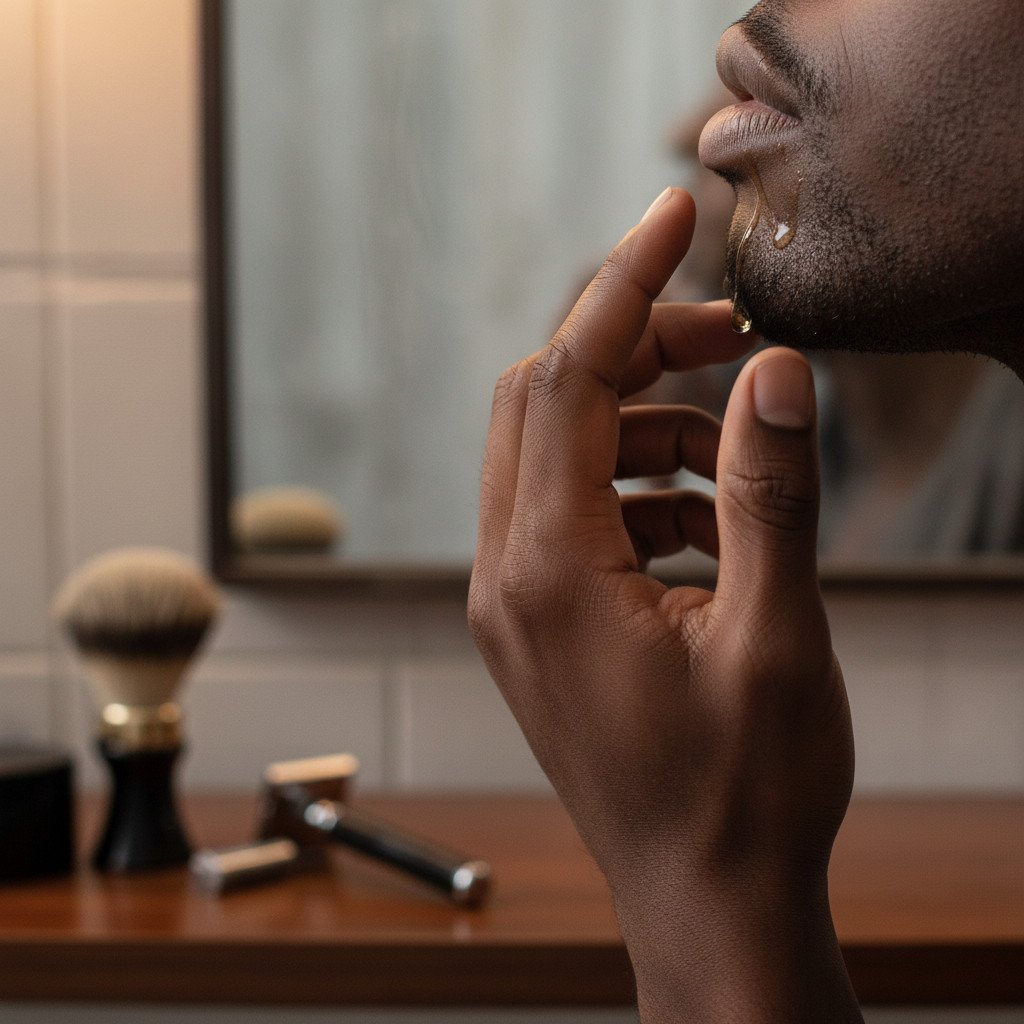
- Pre-Shave Oil or Cream: Apply a thin layer of a fragrance-free pre-shave oil or cream. This creates an additional protective barrier between the blade and your skin, reducing drag and irritation. Look for ingredients like jojoba oil, grapeseed oil, or squalane.
Shaving Technique: Precision and Care
How you shave is as important as what you use.
- Use a Sharp Blade: A dull blade tugs at hair, causing irritation and increasing the risk of razor bumps. Change your razor blade every 3-5 shaves, or at the first sign of dullness or discomfort. For electric shavers, ensure the foils and cutters are clean and sharp, replacing them as recommended by the manufacturer.
- Shave with the Grain: This is arguably the most crucial step for sensitive skin and curly hair. Shaving in the direction your hair grows minimizes irritation and prevents hair from being cut too short or below the skin’s surface, which can lead to ingrown hairs. To determine grain direction, gently run your hand over your stubble; the direction with the least resistance is the grain.
- Use a Quality Shaving Cream/Gel: Opt for a thick, lubricating, fragrance-free shaving cream or gel designed for sensitive skin. Avoid aerosol foams that can be drying. Apply a generous layer to create a rich lather that lifts hairs and provides ample cushion.
- Short, Light Strokes: Use short, controlled strokes. Do not apply excessive pressure. Let the blade do the work. Rinse your blade frequently under warm water to prevent clogging.
- Single Pass (Ideally): Aim for a single pass over each area. If a second pass is needed, reapply shaving cream and shave with the grain again. Avoid multiple passes over the same spot without re-lubricating.
- Consider Your Tool:
- Single-Blade Razor: Many Black men with sensitive skin find single-blade safety razors or straight razors reduce irritation compared to multi-blade cartridges, as they cut the hair cleanly without pulling and cutting below the skin line.
- Electric Shaver: A high-quality electric shaver, especially one designed for sensitive skin, can be a good option as it minimizes direct blade-to-skin contact. Ensure it’s cleaned regularly.
Post-Shave Care: Soothe and Protect
The steps immediately after shaving are vital for calming the skin and preventing post-shave issues.
- Rinse with Cool Water: After shaving, rinse your face thoroughly with cool water to remove any residual shaving cream and help close pores.
- Pat Dry: Gently pat your skin dry with a clean, soft towel. Do not rub.
- Apply a Soothing Post-Shave Balm: Immediately apply a generous amount of a fragrance-free, alcohol-free post-shave balm or moisturizer. Look for ingredients like aloe vera, allantoin, bisabolol, or niacinamide to calm irritation and reduce redness. Avoid traditional alcohol-based aftershaves, which can be extremely drying and irritating.
- Moisturize: Follow with your regular barrier-repairing moisturizer to lock in hydration and further support the skin barrier.
Long-Term Shaving Strategies for Sensitive Skin
- Consistency: Stick to your chosen method and products. Your skin adapts to routine.
- Hydration: Keep your skin well-hydrated daily, not just on shave days. Hydrated skin is more resilient.
- Exfoliation (Carefully): Gentle chemical exfoliation (PHA or low-concentration BHA) 1-2 times a week can help prevent ingrown hairs by keeping pores clear, but introduce this very cautiously and not on shave days.
- Consider a Shave Break: If irritation is severe, allow your skin to heal completely before shaving again.
- Professional Guidance: If razor bumps or ingrown hairs are persistent and severe, consult a dermatologist who can offer targeted treatments or prescriptions.
By implementing these shaving adjustments, you can significantly reduce irritation, razor bumps, and ingrown hairs, transforming shaving from a source of discomfort into a smooth, irritation-free part of your grooming ritual. This proactive approach ensures your sensitive skin remains calm and clear, enhancing your overall confidence.
Common Mistakes with Sensitive Skin
Managing sensitive skin effectively requires precision and patience. Many men, in an effort to solve their skin issues, inadvertently make mistakes that exacerbate sensitivity. Recognizing and correcting these common errors is crucial for achieving a calm, healthy complexion.
1. Over-Exfoliation
The Mistake: Using harsh physical scrubs, abrasive cleansing brushes, or high concentrations of chemical exfoliants (AHAs, BHAs) too frequently. The belief is that more exfoliation will lead to smoother skin or clear breakouts faster.
Why it’s Harmful: Over-exfoliation strips the skin’s protective barrier, leading to increased dryness, redness, stinging, peeling, and heightened sensitivity. It makes the skin more vulnerable to environmental damage and can trigger inflammatory responses, which for Black men, often leads to post-inflammatory hyperpigmentation.
The Fix: Limit exfoliation to 1-2 times per week, at most. Opt for gentle chemical exfoliants like PHAs or low-concentration lactic acid. Avoid physical scrubs with large, irregular particles. Always patch test new exfoliants and listen to your skin. If you experience any discomfort, reduce frequency or stop.
2. Using Fragranced Products
The Mistake: Choosing skincare and shaving products based on their scent, or not checking ingredient lists for hidden fragrances (e.g., “parfum,” “essential oils”).
Why it’s Harmful: Fragrances, both synthetic and natural, are among the most common skin irritants and allergens. They can trigger redness, itching, stinging, and contact dermatitis, especially in sensitive skin. This irritation contributes to barrier damage and can worsen conditions like eczema or rosacea.
The Fix: Commit to a fragrance-free routine. Always check ingredient lists for “fragrance,” “parfum,” or specific essential oils. Many brands offer dedicated fragrance-free lines for sensitive skin. This applies to cleansers, moisturizers, serums, and especially shaving products.
3. Over-Complicating the Routine
The Mistake: Using too many products, especially multiple active ingredients (e.g., retinoid, Vitamin C, and AHA all at once), or constantly switching products in search of a quick fix.
Why it’s Harmful: A complex routine with numerous active ingredients can overwhelm sensitive skin, leading to irritation, redness, and barrier disruption. It also makes it impossible to identify which product is causing a reaction if one occurs. Constantly introducing new products prevents the skin from adapting and stabilizing.
The Fix: Embrace minimalism, especially during flare-ups or when introducing new products. Stick to a core routine of gentle cleanser, moisturizer, and SPF. Introduce new products one at a time, with a patch test and a stabilization period (as outlined in the 14-Day Stabilization section). Allow at least 4-6 weeks for your skin to adapt to a new routine before making changes.
4. Using Hot Water
The Mistake: Washing your face or showering with very hot water.
Why it’s Harmful: Hot water strips the skin of its natural protective oils, leading to dryness, tightness, and a compromised barrier. This exacerbates sensitivity and can trigger redness and irritation.
The Fix: Always use lukewarm water for cleansing your face and showering. Finish your face rinse with cool water to help calm the skin.
5. Neglecting Sun Protection
The Mistake: Believing that melanin-rich skin doesn’t need daily sunscreen, or skipping SPF because of white cast concerns.
Why it’s Harmful: UV radiation is a major inflammatory trigger and damages the skin barrier. For Black men, sun exposure can worsen hyperpigmentation and lead to premature aging. While melanin offers some natural protection, it’s not complete immunity.
The Fix: Apply a broad-spectrum mineral sunscreen (SPF 30+) daily, regardless of weather or indoor/outdoor activity. Seek out formulations specifically designed for darker skin tones to avoid a white cast. Mineral sunscreens (zinc oxide, titanium dioxide) are generally better tolerated by sensitive skin. Refer to our guide on Best Sunscreen for Black Men with No White Cast.
6. Aggressive Shaving Techniques
The Mistake: Shaving against the grain, using dull blades, dry shaving, or applying too much pressure.
Why it’s Harmful: These practices cause micro-traumas to the skin, leading to razor burn, irritation, razor bumps, and ingrown hairs—all of which are significant issues for sensitive skin and curly hair, and often result in hyperpigmentation.
The Fix: Review and implement the shaving adjustments for sensitive skin outlined in this guide. Prioritize sharp blades, pre-shave prep, shaving with the grain, and soothing post-shave care.
7. Ignoring Patch Testing
The Mistake: Applying new products directly to the entire face without first testing a small area.
Why it’s Harmful: This is a gamble with sensitive skin. A full-face reaction to an irritant or allergen can be severe, painful, and take weeks to resolve, causing significant discomfort and potentially leading to hyperpigmentation.
The Fix: Make patch testing a non-negotiable step for every new product. Refer to our patch test guidance for detailed instructions.
8. Not Hydrating Internally
The Mistake: Neglecting adequate water intake, assuming topical products alone are sufficient for hydration.
Why it’s Harmful: Dehydration impacts overall bodily functions, including skin health. Internally dehydrated skin can appear dull, feel tight, and be more prone to dryness and sensitivity, making topical products less effective.
The Fix: Drink plenty of water throughout the day. Aim for at least 8 glasses (around 2 liters), adjusting based on activity level and climate. Internal hydration supports skin elasticity and barrier function.
By consciously avoiding these common pitfalls, you empower your sensitive skin to heal, strengthen, and thrive, paving the way for a more comfortable and confident grooming experience.
Troubleshooting Sensitive Skin Issues
Even with a well-established routine, sensitive skin can sometimes present new challenges or unexpected reactions. This troubleshooting guide helps you identify common symptoms, understand their potential causes, and implement effective fixes to restore calm and balance.
Symptom: Persistent Redness or Flushing
- Possible Cause 1: Product Irritation. You might be using a product with an ingredient your skin doesn’t tolerate (e.g., fragrance, harsh alcohol, certain actives).
- Fix: Immediately stop using all new products introduced in the last 2-3 weeks. Revert to your 7-Day Barrier Reset routine for several days until redness subsides. Then, slowly reintroduce products one by one with a patch test.
- Possible Cause 2: Over-Exfoliation. Too much physical or chemical exfoliation can damage the skin barrier, leading to chronic redness.
- Fix: Cease all exfoliation for at least 2 weeks. Focus on barrier repair with ceramides and soothing ingredients. When reintroducing, use a gentler exfoliant (PHA) once a week.
- Possible Cause 3: Environmental Factors. Exposure to extreme temperatures (hot showers, cold wind), sun, or pollution can trigger redness.
- Fix: Use lukewarm water for cleansing. Protect your skin from harsh weather with scarves or hats. Apply broad-spectrum SPF daily. Consider an air purifier if pollution is a concern.
Symptom: Stinging or Burning Sensation Upon Product Application
- Possible Cause 1: Compromised Skin Barrier. Your skin barrier is damaged, making it highly reactive to even mild ingredients.
- Fix: This is a clear signal to go back to the 7-Day Barrier Reset. Focus on gentle, fragrance-free, barrier-repairing products until the stinging stops.
- Possible Cause 2: Allergic Reaction. You might be allergic to a specific ingredient in a product.
- Fix: Discontinue the product immediately. If the reaction is severe or accompanied by swelling, seek medical attention. Always patch test new products.
- Possible Cause 3: Active Ingredients. You might be using an active ingredient (e.g., retinoid, Vitamin C, AHA) that is too strong, too frequent, or not suitable for your sensitive skin.
- Fix: Reduce the frequency or concentration of the active. If stinging persists, discontinue use. Ensure your skin barrier is healthy before attempting active ingredients.
Symptom: Dryness, Flakiness, or Tightness
- Possible Cause 1: Dehydration. Not drinking enough water internally, or using drying skincare products.
- Fix: Increase your daily water intake. Ensure your cleanser is hydrating and sulfate-free. Use a moisturizer rich in humectants (hyaluronic acid, glycerin) and emollients (ceramides, fatty acids).
- Possible Cause 2: Compromised Barrier. The skin barrier is not effectively retaining moisture.
- Fix: Focus on barrier-repairing moisturizers with ceramides. Consider adding a hydrating serum. Avoid hot water and harsh cleansers.
- Possible Cause 3: Over-Exfoliation. Stripping the natural oils and lipids.
- Fix: Stop all exfoliation. Rebuild the barrier with nourishing moisturizers.
Symptom: Increased Breakouts or Acne
- Possible Cause 1: Product Irritation/Clogging. Some ingredients, even in “sensitive skin” products, can be comedogenic for certain individuals. Also, irritation can trigger inflammation leading to breakouts.
- Fix: Review all products for potential comedogenic ingredients. If a new product coincides with breakouts, discontinue it. Ensure thorough, but gentle, cleansing.
- Possible Cause 2: Over-Drying. Using harsh acne treatments that strip the skin can paradoxically lead to more oil production and breakouts.
- Fix: Balance oil control with hydration. Use targeted, gentle acne treatments (e.g., low-concentration salicylic acid) sparingly, and always follow with a good moisturizer.
- Possible Cause 3: Shaving Irritation. Razor bumps and ingrown hairs can resemble acne.
- Fix: Review your shaving technique and products, focusing on gentle methods and proper pre- and post-shave care.
Symptom: Razor Bumps or Ingrown Hairs
- Possible Cause 1: Improper Shaving Technique. Shaving against the grain, dull blades, dry shaving.
- Fix: Refer to the “Shaving Adjustments for Sensitive Skin” section. Always shave with the grain, use sharp blades, and proper lubrication.
- Possible Cause 2: Clogged Follicles. Dead skin cells or oil trapping hair.
- Fix: Gentle chemical exfoliation (PHA or low-concentration BHA) 1-2 times a week (not on shave days) can help keep follicles clear. Ensure thorough cleansing.
- Possible Cause 3: Hair Type. Coarse, curly hair is naturally prone to ingrowns.
- Fix: Consistent gentle shaving practices are key. Consider a single-blade razor or electric shaver.
Symptom: Dark Spots (Hyperpigmentation)
- Possible Cause: Inflammation. Any form of irritation, acne, razor bumps, or sun exposure can trigger post-inflammatory hyperpigmentation (PIH) in melanin-rich skin.
- Fix: The primary fix is to prevent the inflammation. Follow the entire sensitive skin routine diligently, especially sun protection and gentle shaving. Once inflammation is controlled, introduce targeted treatments for hyperpigmentation (e.g., niacinamide, alpha arbutin, azelaic acid) very slowly and carefully, ensuring they don’t cause new irritation. Refer to our guide on Dark Spots for Black Men.
General Troubleshooting Principle: The Elimination Method
When in doubt, simplify. If your skin is reacting, strip your routine back to the absolute basics (gentle cleanser, barrier-repairing moisturizer, SPF). Once your skin calms, reintroduce products one by one, giving each new product 3-4 days and observing for reactions. This systematic approach allows you to pinpoint the exact culprit. Patience and observation are your most powerful tools in managing sensitive skin.
When to Stop and Get Help
While this guide provides comprehensive strategies for managing sensitive skin, there are instances when self-care isn’t enough. Knowing when to seek professional help is crucial for your skin’s health and your overall well-being. Do not hesitate to consult a board-certified dermatologist if you experience any of the following:
Signs of Severe Irritation or Allergic Reaction
- Intense, Persistent Redness: Redness that covers a large area, is extremely bright, or doesn’t subside within a few days of discontinuing all products.
- Severe Itching or Burning: An uncontrollable itch or a burning sensation that is painful and interferes with daily activities.
- Swelling: Any noticeable swelling of the face, eyelids, or lips. This can indicate a serious allergic reaction.
- Blisters or Oozing: The appearance of fluid-filled blisters, open sores, or oozing skin. This is a sign of significant skin damage or infection.
- Hives or Rash: Widespread itchy welts or a persistent, spreading rash that doesn’t improve.
Signs of Infection
- Pus: Yellow or green discharge from breakouts, razor bumps, or any open skin lesions.
- Increased Pain or Tenderness: Localized pain that worsens over time, especially around a bump or lesion.
- Warmth to the Touch: An area of skin that feels noticeably warmer than the surrounding skin.
- Fever or Flu-like Symptoms: If skin issues are accompanied by systemic symptoms, it could indicate a more serious infection.
- Red Streaks: Red lines spreading from a wound or lesion, which can indicate cellulitis (a serious bacterial infection).
Persistent or Worsening Conditions
- Uncontrolled Acne: If your acne is severe, painful, cystic, or not responding to consistent over-the-counter treatments after several weeks.
- Chronic Hyperpigmentation: Dark spots that are widespread, very dark, or do not fade despite consistent use of appropriate treatments and sun protection.
- Recurrent Razor Bumps/Ingrown Hairs: If you’ve diligently followed all shaving adjustments and still experience severe, painful, or infected razor bumps (pseudofolliculitis barbae) or ingrown hairs.
- Suspected Skin Conditions: If you suspect you have a chronic skin condition like eczema, rosacea, or psoriasis, which require specific medical diagnosis and treatment.
Any Concerns About Skin Changes
- New or Changing Moles/Lesions: Any mole that changes in size, shape, color, or develops irregular borders, or any new, suspicious skin lesion.
- Unexplained Growths: Any persistent lumps, bumps, or growths on your skin.
A dermatologist is a skin expert who can accurately diagnose your condition, identify specific triggers, and prescribe medical-grade treatments (topical or oral) that are not available over-the-counter. They can also provide guidance on advanced procedures or ingredient formulations tailored to your unique skin needs, especially for melanin-rich skin. Do not delay seeking professional help if your skin is causing significant discomfort, pain, or if you notice any concerning changes. Your skin is an organ, and its health is important.
Building a Resilient Skin Barrier: Long-Term Strategies
Managing sensitive skin is not just about avoiding irritants; it’s about actively building and maintaining a strong, resilient skin barrier. This long-term commitment ensures your skin remains calm, hydrated, and protected against daily stressors. Think of it as fortifying your skin’s natural defenses, making it less reactive and more robust over time.
1. Consistent Barrier-Supporting Routine
Strategy: Adhere strictly to your established sensitive skin routine. This means daily gentle cleansing, consistent hydration with barrier-repairing ingredients, and non-negotiable sun protection. Your skin thrives on predictability and consistent nourishment.
Why it works: Regular application of products rich in ceramides, cholesterol, fatty acids, niacinamide, and hyaluronic acid replenishes the skin’s natural lipid matrix, strengthens cell junctions, and improves its ability to retain moisture and fend off irritants. Consistency prevents the cycle of damage and repair.
2. Mindful Ingredient Selection
Strategy: Continuously scrutinize ingredient lists. Prioritize fragrance-free, dye-free, and alcohol-free formulations. Become adept at identifying common irritants and avoid them. Don’t assume a product is safe just because it’s labeled “for sensitive skin”—always check the ingredients and patch test.
Why it works: Reducing exposure to potential irritants minimizes inflammation, which is the root cause of many sensitive skin issues, including hyperpigmentation. By being selective, you prevent unnecessary stress on your skin barrier.
3. Strategic Exfoliation
Strategy: If you choose to exfoliate, do so sparingly and gently. Opt for PHAs or low-concentration AHAs/BHAs (e.g., lactic acid, salicylic acid at 0.5-1%) 1-2 times per week at most. Never exfoliate if your skin is irritated or compromised.
Why it works: Gentle exfoliation helps remove dead skin cells, improving texture and allowing beneficial ingredients to penetrate. However, over-exfoliation is a major barrier disruptor. Strategic, gentle exfoliation supports cell turnover without stripping the skin.
4. Internal Hydration and Nutrition
Strategy: Drink plenty of water throughout the day. Incorporate a diet rich in antioxidants, healthy fats (omega-3s), and vitamins. Foods like fatty fish, nuts, seeds, fruits, and vegetables support overall skin health from within.
Why it works: Skin health is intrinsically linked to overall health. Adequate internal hydration ensures skin cells are plump and functional. Nutrients provide the building blocks for healthy skin and help combat oxidative stress, which can damage the barrier.
5. Stress Management
Strategy: Recognize and manage stress. Incorporate stress-reducing practices into your daily life, such as meditation, deep breathing exercises, regular physical activity, or hobbies.
Why it works: Stress triggers inflammatory responses throughout the body, including the skin. Chronic stress can impair barrier function and exacerbate sensitive skin conditions. Managing stress contributes to a calmer complexion.
6. Adequate Sleep
Strategy: Aim for 7-9 hours of quality sleep per night. Establish a consistent sleep schedule.
Why it works: Your skin undergoes significant repair and regeneration during sleep. Insufficient sleep can impair barrier recovery, increase inflammation, and make skin more reactive. Prioritizing sleep is a non-negotiable for skin resilience.
7. Environmental Protection
Strategy: Beyond daily SPF, protect your skin from harsh environmental conditions. Use a humidifier in dry indoor environments. Wear protective clothing (hats, scarves) in extreme weather. Consider antioxidants in your routine to combat pollution.
Why it works: Environmental aggressors constantly challenge the skin barrier. Proactive protection minimizes damage and reduces the workload on your skin’s natural defenses, allowing it to remain strong.
8. Regular Review and Adjustment
Strategy: Periodically review your routine and assess your skin’s needs. Skin changes with age, seasons, and lifestyle. Be prepared to make minor adjustments (e.g., a richer moisturizer in winter, lighter in summer) while maintaining core principles.
Why it works: A static routine may not always meet evolving skin needs. Regular assessment ensures your approach remains effective and responsive to your skin’s current state, preventing new sensitivities from arising.
Building a resilient skin barrier is a journey, not a destination. It requires consistent effort, informed choices, and a deep understanding of your skin’s unique language. By integrating these long-term strategies, you move beyond merely managing sensitive skin to truly mastering it, achieving lasting comfort, health, and confidence in your complexion.
Conclusion: Master Your Sensitive Skin
Sensitive skin is not a sentence; it’s a characteristic that demands respect and a strategic approach. For Black men, this means a routine that not only soothes and protects but also actively fortifies the skin barrier against the specific challenges of irritation, razor bumps, and hyperpigmentation. We’ve laid out a direct, actionable path to achieving this: from understanding your unique triggers and implementing a crucial 7-day reset, to establishing a daily regimen focused on gentle care and robust protection.
You now possess the knowledge to navigate product choices, refine your shaving technique, and troubleshoot common issues with confidence. The barrier-first philosophy is your compass, guiding every decision. Remember, consistency is your most powerful tool. Every gentle cleanse, every application of a barrier-repairing moisturizer, and every layer of SPF is an investment in your skin’s long-term health and resilience.

This is about more than just skincare; it’s about self-mastery. By understanding and responding to your skin’s needs, you reclaim control, transforming discomfort into comfort, and reactivity into resilience. Embrace this journey. Your skin will respond. Step forward with a calm, clear, and confident complexion, ready to face the world on your terms.
Frequently Asked Questions
What makes Black men’s skin sensitive?
Black men’s skin can be sensitive due to various factors, including genetics, environmental stressors, and shaving practices. Coarse, curly hair is prone to ingrown hairs and razor bumps, which cause inflammation and lead to post-inflammatory hyperpigmentation. The skin barrier can also be compromised by harsh products or environmental factors, increasing reactivity.
Can I use active ingredients like retinoids or AHAs if I have sensitive skin?
Yes, but with extreme caution and a gradual approach. Always perform a patch test first. Start with lower concentrations, introduce them slowly (e.g., once or twice a week), and only use them when your skin barrier is healthy and calm. Discontinue use immediately if irritation occurs. Prioritize barrier repair over aggressive treatments.
How often should I exfoliate sensitive skin?
For sensitive skin, limit exfoliation to 1-2 times per week at most. Opt for gentle chemical exfoliants like PHAs (polyhydroxy acids) or low concentrations of AHAs (lactic acid) or BHAs (salicylic acid). Avoid harsh physical scrubs, which can damage the skin barrier. Never exfoliate if your skin is currently irritated or compromised.
What are the best shaving practices for sensitive skin to prevent razor bumps?
Key practices include using a sharp, clean blade (single-blade razors often work best), applying a pre-shave oil and a thick, lubricating, fragrance-free shaving cream, and always shaving with the grain of your hair. Finish with a soothing, alcohol-free post-shave balm. Proper preparation and gentle technique are crucial.
Why is sunscreen so important for sensitive skin, especially for Black men?
Sunscreen is vital because UV radiation is a major inflammatory trigger that damages the skin barrier and exacerbates sensitivity. For Black men, sun exposure can significantly worsen post-inflammatory hyperpigmentation (dark spots). Daily broad-spectrum SPF 30+ protects the skin, prevents further damage, and helps maintain an even tone.
What does a ‘barrier-first’ approach mean for sensitive skin?
A barrier-first approach prioritizes strengthening and protecting the skin’s natural protective barrier. This means using gentle, fragrance-free products, focusing on ingredients like ceramides, cholesterol, and fatty acids to repair the barrier, and avoiding harsh treatments or irritants that can compromise it. A healthy barrier prevents moisture loss and keeps irritants out.
How do I know if a product is irritating my sensitive skin?
Signs of irritation include redness, itching, stinging, burning, increased dryness, flakiness, or new breakouts. These reactions can occur immediately or be delayed. If you experience any of these symptoms after using a new product, discontinue it immediately. Patch testing all new products helps prevent widespread reactions.
Can diet affect sensitive skin?
While highly individual, diet can influence skin health. Some people find that certain foods, such as spicy foods, alcohol, or highly processed items, can trigger or exacerbate skin sensitivity and inflammation. Focusing on a balanced diet rich in antioxidants, healthy fats, and adequate hydration can support overall skin health and resilience.
What is the ‘7-Day Barrier Reset’ and when should I do it?
The 7-Day Barrier Reset is a minimalist routine designed to calm severely irritated or reactive sensitive skin. It involves temporarily stopping all active ingredients and using only a gentle cleanser, a barrier-repairing moisturizer, and mineral SPF for seven days. You should do it when your skin is flaring up with persistent redness, stinging, or extreme dryness to allow the barrier to heal and reset.
How long does it take to see results from a sensitive skin routine?
Patience is key. You may notice some immediate relief from irritation within a few days of starting a gentle, barrier-focused routine. However, significant improvements in skin resilience, reduced reactivity, and fading of concerns like hyperpigmentation typically take 4-6 weeks of consistent use. Long-term results require ongoing commitment.
Are natural ingredients always better for sensitive skin?
Not necessarily. While some natural ingredients can be soothing (e.g., aloe vera, colloidal oatmeal), many others, particularly essential oils (e.g., tea tree, lavender, citrus), are potent irritants and allergens for sensitive skin. Always prioritize fragrance-free formulations, whether natural or synthetic, and patch test all new products regardless of their origin.
What if my sensitive skin still gets razor bumps despite following all advice?
If you’ve diligently followed all shaving adjustments and continue to experience severe, painful, or infected razor bumps (pseudofolliculitis barbae), it’s time to consult a board-certified dermatologist. They can offer prescription-strength treatments, advise on specialized shaving tools, or explore other solutions tailored to your specific condition.
Shop low-pH, sulfate-free cleanser on Amazon
Shop fragrance-free hydrating serum on Amazon
Shop barrier-supporting, fragrance-free moisturizer on Amazon
Shop broad-spectrum mineral SPF 30+ sunscreen on Amazon
Shop cleansing balm or oil on Amazon
Shop hyaluronic acid serum on Amazon
Shop niacinamide serum on Amazon
Shop ceramide-rich moisturizer on Amazon
Shop low-concentration AHA/BHA exfoliant on Amazon
Shop soothing, hydrating mask on Amazon
Shop pre-shave oil or cream on Amazon
Shop fragrance-free shaving cream or gel on Amazon
Shop single-blade safety razor on Amazon