Skin Barrier Repair for Black Men: Fix Burning, Tightness, and Random Breakouts
Your skin is your shield. For Black men, maintaining a robust skin barrier is not just about comfort; it’s about preventing hyperpigmentation, managing dryness, and ensuring a smooth, even complexion. When that shield is compromised, the signs are unmistakable: persistent burning, uncomfortable tightness, and frustrating, seemingly random breakouts. This isn’t just a minor irritation; it’s your skin signaling distress. Ignoring these signals leads to a cycle of inflammation, increased sensitivity, and a host of other issues that undermine your grooming efforts and overall skin health.
Understanding and actively repairing your skin barrier is foundational. It’s the difference between reactive problem-solving and proactive skin mastery. This guide cuts through the noise, offering direct, actionable strategies rooted in both scientific understanding and the unique needs of Black skin. We’ll show you how to identify a compromised barrier, implement an effective repair protocol, and maintain your skin’s strength for lasting resilience and clarity. This isn’t about quick fixes; it’s about building a solid defense for your skin, ensuring it looks and feels its best, day in and day out. For a comprehensive approach to your skin health, start with our Skin Care for Black Men pillar guide.
If your face burns, your barrier is probably compromised
That persistent burning sensation, the uncomfortable tightness after washing, or the sudden appearance of red, irritated patches – these are not normal. They are clear indicators that your skin’s protective barrier, its outermost layer, is under attack. For Black men, these symptoms can be particularly frustrating, often leading to post-inflammatory hyperpigmentation (PIH) if not addressed promptly. When your barrier is compromised, your skin loses its ability to retain moisture effectively and becomes vulnerable to environmental aggressors, irritants, and bacteria. This vulnerability manifests as sensitivity, dehydration, and a cycle of inflammation that can trigger breakouts even if you’re not typically acne-prone.
Think of your skin barrier as a meticulously constructed brick wall, where skin cells are the bricks and natural lipids are the mortar. This wall keeps the good stuff in (hydration) and the bad stuff out (pollutants, allergens, pathogens). When this wall is damaged, whether by harsh products, over-exfoliation, environmental stress, or even internal factors like diet and stress, gaps appear. Moisture escapes, irritants penetrate, and your skin reacts. The burning and tightness are not just sensations; they are your nerve endings signaling that the protective layer is no longer functioning optimally. Recognizing these early warning signs is the first, critical step towards effective repair and long-term skin health. It’s time to listen to what your skin is telling you.
What the skin barrier is (simple explanation)
At its core, your skin barrier is the outermost layer of your epidermis, known as the stratum corneum. Imagine it as a sophisticated, microscopic brick-and-mortar wall. The ‘bricks’ are your skin cells (corneocytes), and the ‘mortar’ is a rich blend of lipids—ceramides, cholesterol, and fatty acids. This intelligent construction serves two primary, vital functions: it keeps essential moisture locked into your skin and acts as a formidable shield against environmental threats. These threats include pollution, UV radiation, bacteria, allergens, and harsh chemicals. Without a robust barrier, your skin is essentially an open door, susceptible to dehydration, irritation, inflammation, and infection.
For Black men, a healthy skin barrier is particularly crucial. Our skin often has a higher ceramide content, which contributes to its natural resilience and ability to retain moisture. However, when this barrier is disrupted, the consequences can be more pronounced. Increased transepidermal water loss (TEWL) leads to dryness and ashiness. The inflammation that results from a compromised barrier can easily trigger post-inflammatory hyperpigmentation (PIH), leaving behind dark spots that are challenging to fade. Furthermore, a weakened barrier can exacerbate conditions like razor bumps (Pseudofolliculitis Barbae) by making the skin more reactive to shaving trauma and allowing bacteria to penetrate more easily. Understanding this fundamental protective layer is not just academic; it’s practical. It empowers you to make informed decisions about your skincare, moving beyond superficial concerns to address the root cause of many common skin issues. A strong barrier means resilient, hydrated, and clear skin, reducing sensitivity and promoting an even tone.
The 7-day barrier reset (exact routine)
When your skin barrier is compromised, less is more. The goal is to strip back, soothe, and support your skin’s natural healing process. This 7-day reset is a focused, minimalist approach designed to stabilize your skin, reduce inflammation, and kickstart barrier repair. Consistency is key. Stick to this protocol strictly for one week, and you’ll notice a significant reduction in burning, tightness, and overall reactivity. This isn’t a long-term routine, but a critical intervention to get your skin back on track. For those dealing with persistent sensitivity, this reset is a crucial first step before reintroducing any active ingredients or complex routines. Remember, patience and gentle care are your best allies here.
AM
Your morning routine during a barrier reset focuses on gentle cleansing, deep hydration, and essential protection. The aim is to remove any overnight impurities without stripping the skin, replenish moisture, and shield it from environmental stressors throughout the day. Keep it simple, consistent, and deliberate.
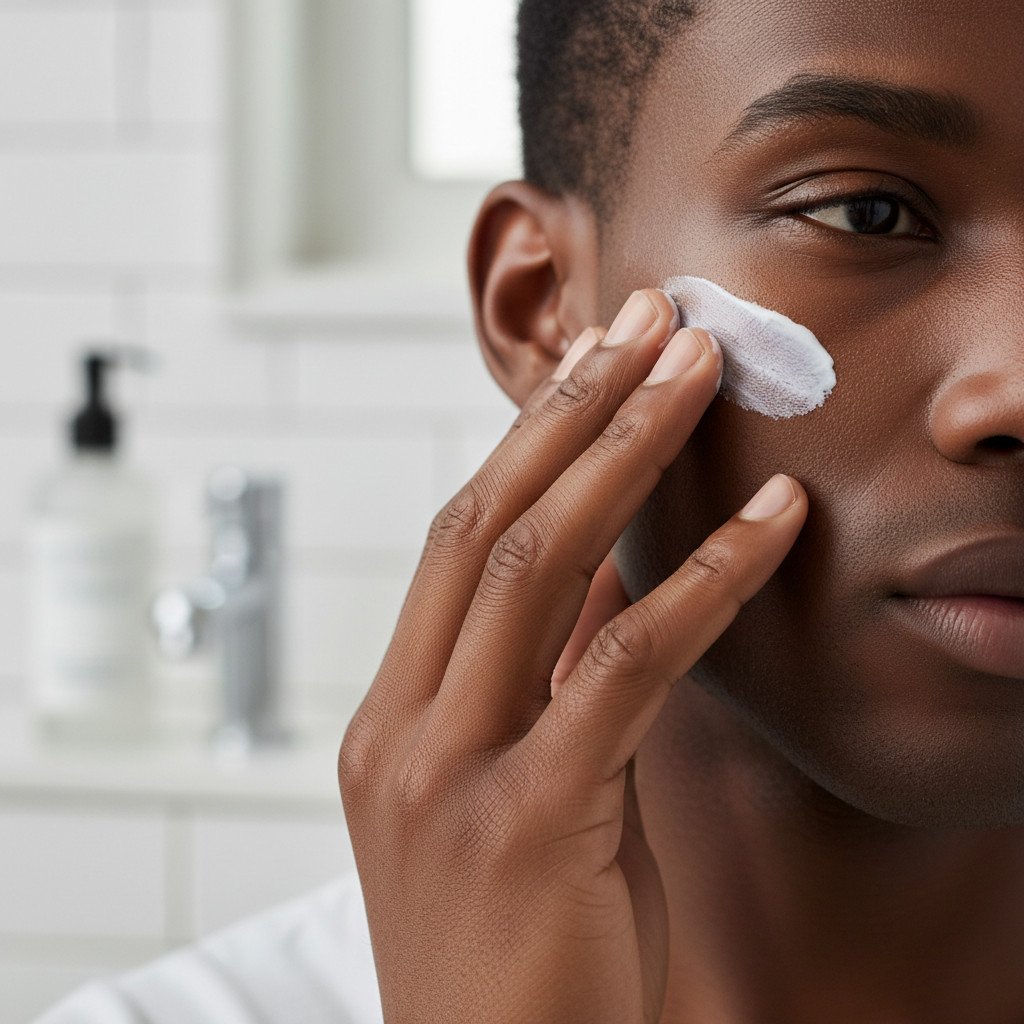
- Gentle Cleanse: Start your day with a lukewarm water rinse. If your skin feels particularly oily or you prefer a cleanse, use a gentle face cleanser. Opt for a creamy, hydrating, fragrance-free formula. Apply a small amount to damp skin, massage gently for 30 seconds, and rinse thoroughly. Pat your face dry with a clean, soft towel. Avoid any scrubbing or harsh rubbing.
- Hydrate & Repair: While your skin is still slightly damp, apply a generous amount of a barrier-repairing moisturizer. Look for ingredients like ceramides, hyaluronic acid, glycerin, and niacinamide. These components work synergistically to replenish lost lipids, attract and retain moisture, and calm inflammation. Press the product into your skin gently.
- Sun Protection: This step is non-negotiable, especially for Black men, to prevent hyperpigmentation. Apply a broad-spectrum face sunscreen for sensitive skin with an SPF of 30 or higher. Choose a mineral-based formula (zinc oxide, titanium dioxide) if chemical sunscreens typically irritate your skin. Ensure it’s fragrance-free and leaves no white cast.
PM
Your evening routine is dedicated to intensive repair and recovery. It’s when your skin does most of its healing, so providing it with the right environment and ingredients is paramount. Focus on cleansing away the day’s impurities and then saturating your skin with barrier-supporting ingredients.
- Thorough, Gentle Cleanse: Even if you didn’t wear sunscreen or makeup, your skin accumulates pollutants and oils throughout the day. Use the same gentle face cleanser from your AM routine. Massage it into your skin for at least 60 seconds to ensure all impurities are dissolved, then rinse thoroughly with lukewarm water. Pat dry. If you shave in the evening, use a post-shave balm for sensitive skin immediately after shaving and before your moisturizer.
- Intensive Repair: Apply a generous layer of a rich, restorative barrier repair moisturizer. This is your skin’s prime time for healing. Look for products specifically formulated for compromised barriers, often labeled as
Frequently Asked Questions
How long does it take to repair a damaged skin barrier?
The initial repair process can take anywhere from 1 to 4 weeks, depending on the extent of the damage. A 7-day reset can significantly improve symptoms, but consistent gentle care for several weeks is often needed for full restoration. Long-term maintenance is crucial to prevent future damage.
Can a damaged skin barrier cause acne or breakouts?
Yes, absolutely. A compromised skin barrier allows bacteria and irritants to penetrate more easily, leading to inflammation. This inflammation can trigger breakouts, even in individuals not typically prone to acne. It also impairs the skin’s natural healing process, making existing breakouts worse and increasing the risk of post-inflammatory hyperpigmentation.
What ingredients should I look for in barrier repair products?
Prioritize ingredients that mimic the skin’s natural barrier components. Look for ceramides, cholesterol, and fatty acids. Hyaluronic acid and glycerin are excellent humectants that draw and retain moisture. Niacinamide (Vitamin B3) helps strengthen the barrier and reduce inflammation. Avoid common irritants like fragrance, essential oils, and harsh alcohols.
Is it possible to over-repair the skin barrier?
While you can’t technically ‘over-repair’ your skin barrier, you can over-apply products, leading to clogged pores or product pilling. The goal is to restore balance, not to smother your skin. Once your barrier is healthy, you can transition to a maintenance routine that focuses on prevention and protection, rather than intensive repair.
How can I prevent future skin barrier damage?
Prevention involves consistent gentle care. Always use a gentle cleanser, moisturize regularly with barrier-supporting ingredients, and apply broad-spectrum sunscreen daily. Avoid over-exfoliation, harsh scrubs, and products with high concentrations of irritating active ingredients. Patch test new products, manage stress, and maintain a healthy diet. For shaving, use proper technique and soothing post-shave products.
Shop gentle face cleanser on Amazon

Shop barrier repair moisturizer on Amazon
Shop face sunscreen for sensitive skin on Amazon
Shop post-shave balm for sensitive skin on Amazon