
How Long Spots Fade for Black Men: Practical Grooming Guide

Dark spots and uneven skin tone are familiar concerns for Black men, especially those with rich brown skin and coarse or curly facial hair. Whether the marks come from shaving, breakouts, or minor injuries, the question is always the same: how long do these spots actually take to fade? There’s no one-size-fits-all answer, but there are clear, practical steps you can take to support your skin’s natural recovery—without hype, shame, or empty promises.
This guide breaks down what really affects how long spots fade for Black men, why it’s different for our skin, and what you can do to support a smoother, more even complexion. You’ll get grounded, culturally aware advice rooted in real grooming routines—not miracle claims or influencer trends. We cover what usually goes wrong, what to do instead, how to choose the right products, troubleshooting, and when it’s time to get professional help. If you want to understand the process and take disciplined, effective action, you’re in the right place.
For a broader overview of dark spots and hyperpigmentation, see our complete guide to dark spots & hyperpigmentation for Black men.
Why This Matters for Black Men

Black men are more likely to experience dark spots (post-inflammatory hyperpigmentation) after shaving, acne, or minor skin trauma. Our melanin-rich skin is both a strength and a challenge: while it offers some natural protection from the sun, it also reacts more visibly to inflammation and irritation. This means spots can last longer and look more pronounced compared to lighter skin tones.
Understanding how long spots fade for Black men isn’t just about appearance. It’s about confidence, self-respect, and taking ownership of your grooming routine. Too often, generic advice ignores the unique needs of Black men’s skin and hair. The right approach respects your skin’s strengths, avoids unnecessary irritation, and sets realistic expectations for results.
- Melanin response: More melanin means a stronger pigment response to inflammation, so spots can linger.
- Shaving challenges: Coarse, curly hair increases the risk of razor bumps and ingrown hairs, which often leave marks.
- Product safety: Some common skincare ingredients and methods can worsen hyperpigmentation if not chosen carefully.
- Sun protection: Even though melanin gives some UV protection, sun exposure can darken existing spots and slow fading.
For more on why and how hyperpigmentation happens in Black men, see our hyperpigmentation guide.
What Usually Goes Wrong
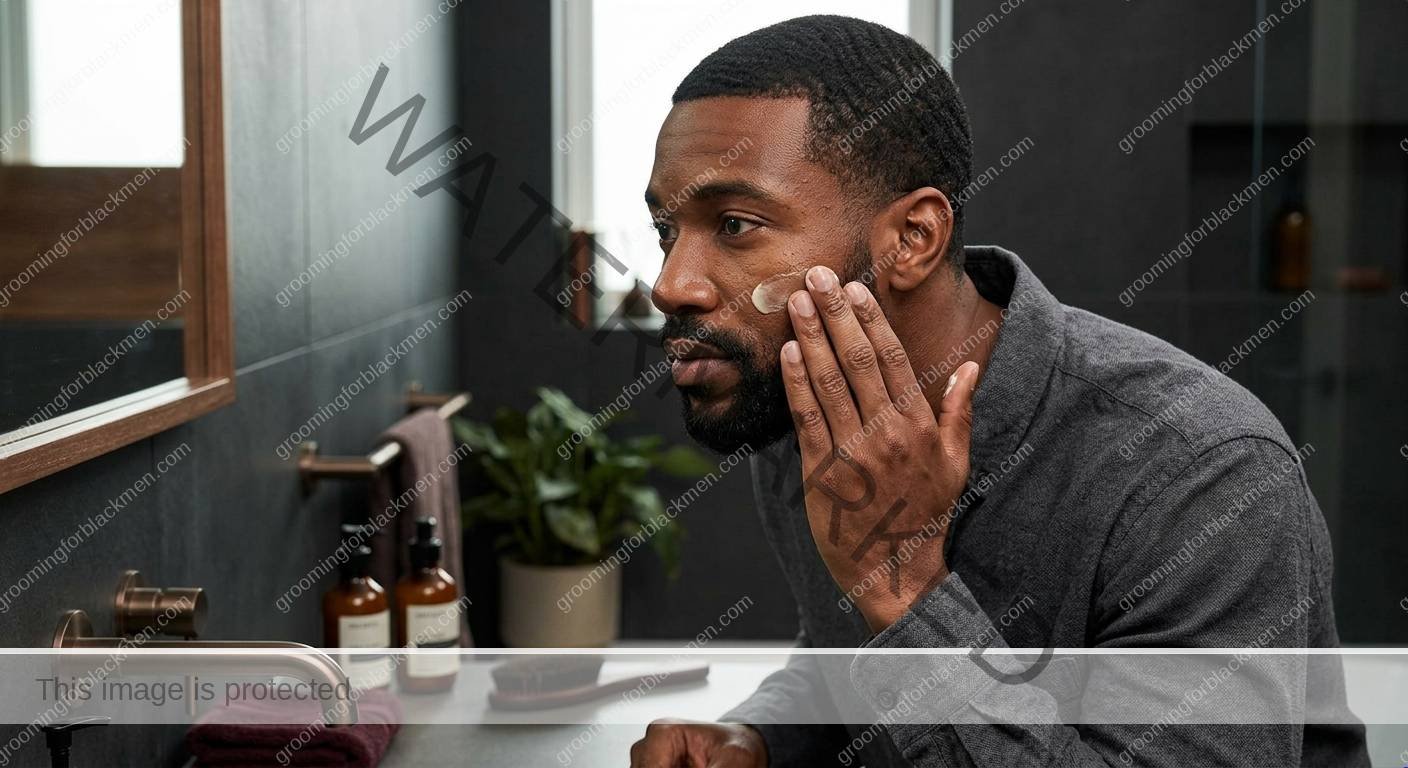
Many Black men find that dark spots stick around much longer than expected. Here’s where things often go off track:
- Harsh routines: Over-scrubbing, using strong astringents, or applying undiluted essential oils can irritate skin and worsen spots.
- Skipping sunscreen: Not using sun protection allows UV rays to darken existing marks, making them last longer.
- Poor shaving habits: Shaving against the grain, using dull blades, or skipping pre-shave prep increases irritation and ingrown hairs.
- Inconsistent routines: Using products sporadically or switching too often prevents steady progress.
- Unrealistic expectations: Expecting spots to fade in days or weeks leads to frustration and abandoning routines too soon.
For those dealing with razor bumps and dark marks, our razor bumps and dark marks guide covers this issue in depth.
What to Do Instead

Fading dark spots is about patience, consistency, and protecting your skin. Here’s a practical, disciplined approach for Black men:
- Gentle cleansing: Use a mild, non-stripping cleanser to keep skin clean without aggravating spots. Avoid harsh scrubs and soaps.
- Moisturize daily: Hydrated skin heals better and is less likely to develop new marks. Choose a fragrance-free moisturizer that suits your skin type.
- Targeted serums: Consider a serum with proven ingredients like niacinamide, licorice root, or vitamin C. These can help even tone over time, but results require consistent use for several months.
- Sun protection: Daily sunscreen is essential—even for rich brown skin. It prevents spots from darkening and supports fading. Look for formulas that don’t leave a gray or ashy cast.
- Smart shaving: Shave with the grain, use a sharp blade, and prep skin with warm water or a gentle cleanser. Don’t dig at ingrown hairs; see a pro if they’re painful or persistent.
- Patience and discipline: Most dark spots fade gradually over 3-6 months with steady care. Some may take longer, especially if they’re deep or have been present for years.
For more on safe, effective routines, see our beard wash and grooming guide and our razor bump prevention guide.
Step-by-Step Routine Logic
Consistency is key. Here’s how to structure your daily and weekly routine for best results:
- Morning:
- Cleanse gently with lukewarm water and a non-stripping cleanser.
- Apply a lightweight, fragrance-free moisturizer.
- Use a targeted serum (if using) with niacinamide, licorice root, or vitamin C.
- Finish with sunscreen (SPF 30 or higher), even if you’re indoors.
- Evening:
- Cleanse skin again to remove sweat, oil, and sunscreen.
- Apply moisturizer.
- Use your targeted serum again if tolerated.
- Weekly:
- Consider gentle chemical exfoliation (like a mild lactic acid or mandelic acid product) once or twice a week. Avoid physical scrubs.
- Monitor for irritation. If skin feels raw or stings, scale back and focus on hydration.
Every step should feel comfortable—never burning or stinging. If your skin reacts, simplify your routine and reintroduce products one at a time.
Real-Life Scenarios
Scenario 1: Shaving-Related Dark Spots
You notice dark marks on your cheeks and neck after shaving. You’ve been using a dull blade and shaving against the grain. Solution: Switch to shaving with the grain, use a fresh blade, and prep skin with a warm towel. Add a gentle cleanser and moisturizer to your routine, and apply sunscreen daily. Expect gradual fading over several months.
Scenario 2: Acne-Related Hyperpigmentation
Breakouts leave behind stubborn spots on your jawline. You’re tempted to pick at healing pimples. Solution: Resist picking. Use a gentle cleanser, apply a serum with niacinamide, and keep skin moisturized. Protect with sunscreen. If breakouts persist, consider seeing a dermatologist for tailored advice.
Scenario 3: Slow Progress
You’ve been consistent for a month but see little change. Solution: Stay patient. Most spots take at least 8-12 weeks to show visible improvement. Double-check that you’re not skipping sunscreen or using harsh products that could slow healing.
Product and Tool Criteria

Not all products are created equal, and some can do more harm than good. Here’s how to choose wisely:
- Gentle cleansers: Look for sulfate-free, non-drying formulas. Avoid anything with harsh exfoliants or strong fragrances.
- Serums for dark spots: Ingredients like niacinamide, licorice root, and vitamin C are well-tolerated by most skin types. Avoid high-strength acids or bleaching agents without professional guidance.
- Sunscreen for dark skin: Choose broad-spectrum SPF 30 or higher. Mineral sunscreens with tinted options or chemical sunscreens designed for men of color can help avoid an ashy finish.
- Moisturizers: Lightweight, non-comedogenic, and fragrance-free options are best. Shea butter and ceramides are good choices for hydration and barrier support.
GFBM may earn a small commission from qualifying purchases, but product examples are included to clarify criteria, not to promise results.
- Gentle cleanser for Black men (Amazon search)
- Dark spot serum for men (Amazon search)
- Sunscreen for dark skin men (Amazon search)
For ingredient safety and what to avoid, see our ingredient safety guide.
Decision Criteria for Product Selection
- Check for fragrance and alcohol: Fragrance and alcohol can irritate melanin-rich skin and slow fading. Opt for fragrance-free and alcohol-free whenever possible.
- Patch test new products: Always test a small amount on your jawline or behind your ear for a few days before applying to your whole face.
- Read ingredient lists: Avoid hydroquinone, strong acids, or bleaching agents unless prescribed and monitored by a professional.
- Look for “for men of color” or “for sensitive skin” labels: These often signal more suitable formulations for Black men’s needs.
Troubleshooting and When to Get Help
Sometimes, dark spots don’t fade as expected. Here’s how to troubleshoot:
- Check your routine: Are you using products consistently? Are you skipping sunscreen? Are you using harsh scrubs or alcohol-based products?
- Give it time: If you’ve only been consistent for a few weeks, keep going. Most spots need at least 8-12 weeks to show visible improvement.
- Watch for irritation: If your skin is burning, stinging, or breaking out, stop new products and return to basics. Sometimes less is more.
- Don’t dig or pick: Digging at ingrown hairs or picking at scabs increases the risk of deeper, longer-lasting marks.
- Track your progress: Take photos every 2-4 weeks in similar lighting. This helps you notice gradual improvements that might not be obvious day-to-day.
When to see a dermatologist or qualified clinician:
- Spots are painful, infected, spreading, or not improving after several months of disciplined care.
- You notice scarring, keloids, or thickened skin.
- You’re unsure if a spot is a dark mark or something else.
Professional guidance is especially important for persistent or severe hyperpigmentation. For more on post-inflammatory hyperpigmentation, see our PIH guide for Black men.
Adapting Your Spot-Fading Routine to Real Life
When it comes to how long spots fade for Black men, practical grooming is about more than just the products you use. Your routine needs to fit your lifestyle, work schedule, and daily realities. The best results come from consistency, but that doesn’t mean you have to follow a rigid, time-consuming process. Here’s how to keep your skin goals on track, no matter what your day looks like.
Work and Busy Schedules
Long hours, shift work, or unpredictable days can make it tough to stick to a multi-step routine. If you’re pressed for time, focus on the essentials: a gentle cleanser, a moisturizer with SPF, and one targeted treatment for dark spots. Keep travel-sized products in your bag or at your desk for midday touch-ups, especially if you work outdoors or in environments with harsh lighting. If you wear a mask for work, choose non-comedogenic products to avoid clogging pores and worsening marks.
Barber Visits and Shaving
Barber visits are a staple for many Black men, but haircuts and shaves can sometimes trigger or worsen dark spots and hyperpigmentation. Communicate with your barber about any skin sensitivities or areas you’re treating. If you shave at home, use a sharp, clean razor and shave in the direction of hair growth to minimize irritation. Incorporate a soothing aftershave balm and avoid alcohol-based products that can dry out and darken skin. For more on managing razor bump marks, see our razor bump marks guide.
Workouts and Outdoor Time
Regular exercise is great for your overall health, but sweat and friction can aggravate dark spots if you’re not careful. Always cleanse your face after workouts to remove sweat and bacteria. If you’re outdoors, reapply sunscreen every two hours—even on cloudy days. Sun exposure can make dark marks linger longer, so a broad-spectrum SPF is non-negotiable. Consider a lightweight, sweat-resistant sunscreen that won’t leave a white cast on brown skin.
Budget-Friendly Adjustments
Effective grooming for Black men doesn’t have to break the bank. If you’re on a budget, prioritize a gentle cleanser, a fragrance-free moisturizer, and sunscreen. Targeted treatments like niacinamide or vitamin C serums can be added as your budget allows. For a practical breakdown of affordable routines, check out our dark spots starter routine.
Managing Sensitive Skin
Melanin-rich skin can be more prone to irritation, which means sensitive skin requires extra care. Patch-test new products on a small area before applying them to your whole face. Look for formulas labeled “for sensitive skin” and avoid harsh scrubs or high concentrations of active ingredients. If you notice increased redness, burning, or new spots, scale back and stick to the basics until your skin calms down.
What Real Progress Looks Like
Understanding how long spots fade for Black men means setting realistic expectations. Progress is rarely linear, and results can be subtle at first. Here’s what you might notice as you stick with your routine:
- Gradual Fading: Spots may start to look lighter or less defined over time, but they won’t disappear overnight. Some marks may fade faster than others depending on their cause and depth.
- Evenness Over Perfection: The goal is a more even skin tone, not flawless skin. Small imperfections are normal and part of your unique look.
- Texture Improvements: As your skin heals, you may notice smoother texture and less roughness around old spots.
- Fewer New Marks: With consistent care, you should see fewer new dark spots forming, especially if you’re protecting your skin from sun and irritation.
It’s important to track your progress with photos rather than relying on memory. Take a picture every few weeks in the same lighting to see subtle changes. Remember, patience and discipline are key—melanin-rich skin heals at its own pace.
How to Avoid Making Dark Marks Worse
One of the most overlooked aspects of how long spots fade for Black men is preventing setbacks. Certain habits and products can actually make dark spots and hyperpigmentation worse, especially on brown skin. Here’s how to protect your progress:
- Don’t Pick or Scratch: Picking at pimples, ingrown hairs, or scabs can lead to new marks or deepen existing ones. Keep your hands off your face as much as possible.
- Skip Harsh Scrubs: Physical exfoliants with rough particles can cause microtears and worsen hyperpigmentation. Opt for gentle chemical exfoliants if your skin tolerates them.
- Watch Out for Irritating Ingredients: Alcohol, strong fragrances, and high concentrations of acids can trigger inflammation. Always read ingredient lists and start slow with new actives.
- Sun Protection Is Essential: UV rays can darken spots and slow down fading. Use a broad-spectrum sunscreen daily, even if you’re indoors or it’s cloudy.
- Shave Carefully: Use proper technique and tools to avoid razor bumps and post-shave marks. For more, visit our razor bump marks guide.
Consistency and gentle care are your best defense against making dark marks worse. If you’re unsure about a product or step, less is often more—stick to what works for your skin.
When to Simplify, Pause, or Ask a Dermatologist
Grooming for Black men is about listening to your skin and knowing when to adjust your approach. Here’s how to decide if it’s time to switch things up:
Simplify Your Routine
If you’re overwhelmed by too many steps or products, it’s perfectly fine to scale back. Focus on the basics: cleanse, moisturize, and protect. Add one targeted treatment at a time and give your skin a few weeks to adjust before introducing anything new. Simpler routines are often more sustainable and just as effective over the long run.
Pause and Reassess
If you notice increased irritation, redness, or a sudden breakout of new spots, pause any new products and return to your core routine. Give your skin time to recover before reintroducing treatments. Sometimes, less is more—especially for sensitive or reactive skin types.
Consult a Dermatologist
If you’ve been consistent for several months and see little to no improvement, or if your spots are getting worse, it may be time to consult a dermatologist. A professional can help identify underlying causes and recommend prescription-strength treatments tailored to melanin-rich skin. Don’t hesitate to seek expert advice if you’re feeling stuck or frustrated.
For more in-depth strategies and product recommendations, explore our dark spots and hyperpigmentation guide. Remember, the journey to clearer skin is personal—stay patient, stay disciplined, and celebrate every bit of progress along the way.
Adapting Your Routine to Real Life: Work, Barber Visits, and Active Lifestyles
Consistency is key when managing dark spots and hyperpigmentation, but life doesn’t pause for skincare. Black men often juggle work, workouts, barber appointments, and time outdoors, all of which can impact your routine and results. Here’s how to keep your regimen practical and effective, no matter your schedule.
Work and Busy Mornings
If your mornings are packed, streamline your routine to the essentials: a gentle cleanser, a targeted treatment for dark spots, and a broad-spectrum sunscreen. Keep products in visible, easy-to-reach places—on your bathroom counter or in your work bag. For those working long shifts or outdoors, reapply sunscreen every two hours if possible. Consider a travel-size moisturizer or sunscreen stick for quick touch-ups.
Barber Visits and Shaving
Regular barber visits are a staple for many Black men, but fresh cuts and line-ups can expose new skin and sometimes trigger irritation or ingrown hairs. Schedule your exfoliating treatments and active ingredients (like retinoids or vitamin C) for non-barber days to avoid extra sensitivity. After a haircut or shave, focus on soothing, hydrating products and skip harsh scrubs or acids for at least 24 hours. For more on handling razor bumps and marks, check the razor bump marks guide.
Workouts and Sweat
Exercise is good for your skin, but sweat can mix with oil and bacteria, potentially worsening dark spots if not managed. After workouts, cleanse your face to remove sweat and grime. If you’re short on time, gentle cleansing wipes can help until you can wash properly. Avoid heavy, greasy products before exercising, as they can clog pores under sweatbands or hats.
Outdoor Time and Sun Protection
Sun exposure can make dark marks more stubborn and visible on melanin-rich skin. Even if you don’t burn easily, UV rays can deepen hyperpigmentation. Apply a broad-spectrum sunscreen daily, and reapply if you’re outside for extended periods. Hats and sunglasses add another layer of protection. For more on effective ingredients, see the vitamin C guide.
Budget and Sensitive Skin Adjustments
Grooming doesn’t have to break the bank. Focus on affordable basics: a gentle cleanser, a fragrance-free moisturizer, and a sunscreen suitable for your skin tone. If your skin is sensitive, avoid products with strong fragrances, alcohol, or harsh exfoliants. Patch test new products on a small area before applying to your whole face. If you’re unsure where to start, the dark spots starter routine offers practical, budget-conscious options.
What Real Progress Looks Like: Setting Practical Expectations
Understanding what progress should look like is crucial for staying motivated and avoiding frustration. Fading dark spots on melanin-rich skin is a gradual process, and results are rarely linear. Here’s what you can realistically expect as you work your routine.
- Early Weeks: Skin may feel more hydrated and look brighter overall, but spots may not visibly change yet. Some areas might look darker before they get lighter, especially if you’re using actives like retinoids or vitamin C.
- Ongoing Progress: Over time, spots may soften at the edges and blend more with your natural skin tone. Some marks may fade faster than others, depending on their depth, age, and your routine’s consistency.
- Plateaus: It’s normal for progress to slow or stall at times. This doesn’t always mean your routine isn’t working—skin renews itself in cycles, and deeper marks take longer to fade.
- Overall Skin Health: Even if spots remain, you may notice fewer new marks, less irritation, and a smoother, more even complexion. These are all signs your routine is supporting your skin’s health.
Document your journey with photos every few weeks in consistent lighting. This helps you track subtle changes that might not be obvious day-to-day. Remember, patience and discipline pay off over time.
How to Avoid Making Dark Marks Worse on Melanin-Rich Skin
Melanin-rich skin is resilient but also more prone to post-inflammatory hyperpigmentation—meaning any irritation, picking, or harsh treatment can deepen dark spots. Here’s how to protect your skin and avoid setbacks:
- Hands Off: Resist the urge to pick, squeeze, or scratch at spots or bumps. This can trigger more pigment and worsen marks.
- Gentle Cleansing: Use your fingertips, not rough washcloths or scrubs. Over-exfoliating can strip your skin and lead to more hyperpigmentation.
- Smart Shaving: Shave with the grain, use a sharp blade, and soften hair with warm water first. Consider electric clippers if you’re prone to ingrowns. For more tips, see the razor bump marks guide.
- Sun Protection: Daily sunscreen is non-negotiable. UV exposure can undo weeks of progress and darken existing spots.
- Patch Test New Products: Before adding a new serum or cream, test it on a small area for a few days. Watch for redness, itching, or burning—signs it may be too harsh for your skin.
- Limit Strong Actives: Ingredients like retinoids and acids can help, but overuse can irritate. Start slow and follow product instructions. For more on retinoids, check the retinoids guide.
Remember, less is often more. Gentle, consistent care protects your skin’s barrier and helps fade spots without causing new ones.
When to Simplify, Pause, or Consult a Dermatologist
Grooming routines should fit your lifestyle and skin’s needs—not the other way around. There are times when simplifying or pausing your routine is the best move. Here’s how to know when to adjust and when to seek professional advice:
- Overwhelmed or Irritated Skin: If your face feels tight, stings, or looks red and flaky, scale back to the basics: gentle cleanser, moisturizer, and sunscreen. Give your skin a break from actives until it calms down.
- Too Many Products, Not Enough Results: More isn’t always better. If you’re using several serums and not seeing improvement, simplify. Focus on one or two proven ingredients and give them time to work.
- Persistent or Worsening Spots: If dark marks aren’t budging after several months of disciplined care, or if you notice new types of discoloration, it may be time to consult a dermatologist. They can recommend prescription options or identify underlying issues.
- Uncertain About Ingredients: If you’re unsure which products are right for your skin, or if you have a history of allergies or reactions, professional guidance can save you time and discomfort.
Ultimately, your grooming journey is personal. Adjust your approach as needed, listen to your skin, and don’t hesitate to seek expert support if you hit a wall. For more foundational advice, explore the dark spots and hyperpigmentation guide.
Frequently Asked Questions
How long do dark spots usually take to fade for Black men?
Most dark spots (post-inflammatory hyperpigmentation) fade gradually over 3-6 months with consistent, gentle care. Deeper or older marks may take longer. Sun protection and avoiding further irritation are key to supporting the process.
What makes dark spots last longer on Black men’s skin?
Melanin-rich skin responds to inflammation by producing more pigment, which can make spots darker and more persistent. Shaving, ingrown hairs, and acne can all trigger this response. Without proper care, spots may linger or darken with sun exposure.
Can I speed up the fading process?
There’s no safe, instant fix. Consistent use of gentle cleansers, targeted serums, daily sunscreen, and disciplined shaving habits support your skin’s natural fading process. Avoid harsh DIY remedies, aggressive scrubbing, and unproven treatments.
Is it safe to use skin lightening creams?
Many over-the-counter lightening creams contain harsh or unsafe ingredients that can damage melanin-rich skin. Stick to products with well-studied ingredients like niacinamide or vitamin C, and avoid anything that promises rapid bleaching or contains hydroquinone without a prescription. See our ingredient safety guide for more.
Why do I get new spots even when I’m treating old ones?
New spots often come from ongoing irritation—like shaving, picking, or breakouts. Focus on prevention: use sharp blades, shave with the grain, avoid picking, and keep your skin moisturized and protected from the sun.
Should I exfoliate to fade dark spots?
Gentle exfoliation (like a mild chemical exfoliant) can help, but overdoing it or using harsh scrubs can worsen hyperpigmentation. Start slow, watch for irritation, and prioritize hydration and sun protection.
When should I see a dermatologist about dark spots?
If spots are painful, spreading, not improving after several months, or you notice scarring or thickening, see a dermatologist or qualified clinician. They can recommend safe, effective options based on your skin’s needs.
What to Do Next
Fading dark spots as a Black man is a disciplined process—not a quick fix. Start by reviewing your current routine for harsh products, skipping sunscreen, or inconsistent habits. Choose gentle, proven products and stick with them for at least 8-12 weeks. Protect your skin from the sun every day, even if you’re indoors or it’s cloudy. Avoid digging, picking, or using harsh DIY remedies.
If you want a deeper dive into dark spots and hyperpigmentation, revisit our complete guide. For practical routines and prevention strategies, explore our guides on razor bumps and dark marks and sunscreen for dark marks. If your spots are persistent, painful, or causing concern, consult a dermatologist who understands the needs of melanin-rich skin.
Stay consistent, stay disciplined, and respect your skin’s process. Results come from steady, informed action—not shortcuts or hype.