
Ingredient Safety for Black Men: Practical Grooming Guide
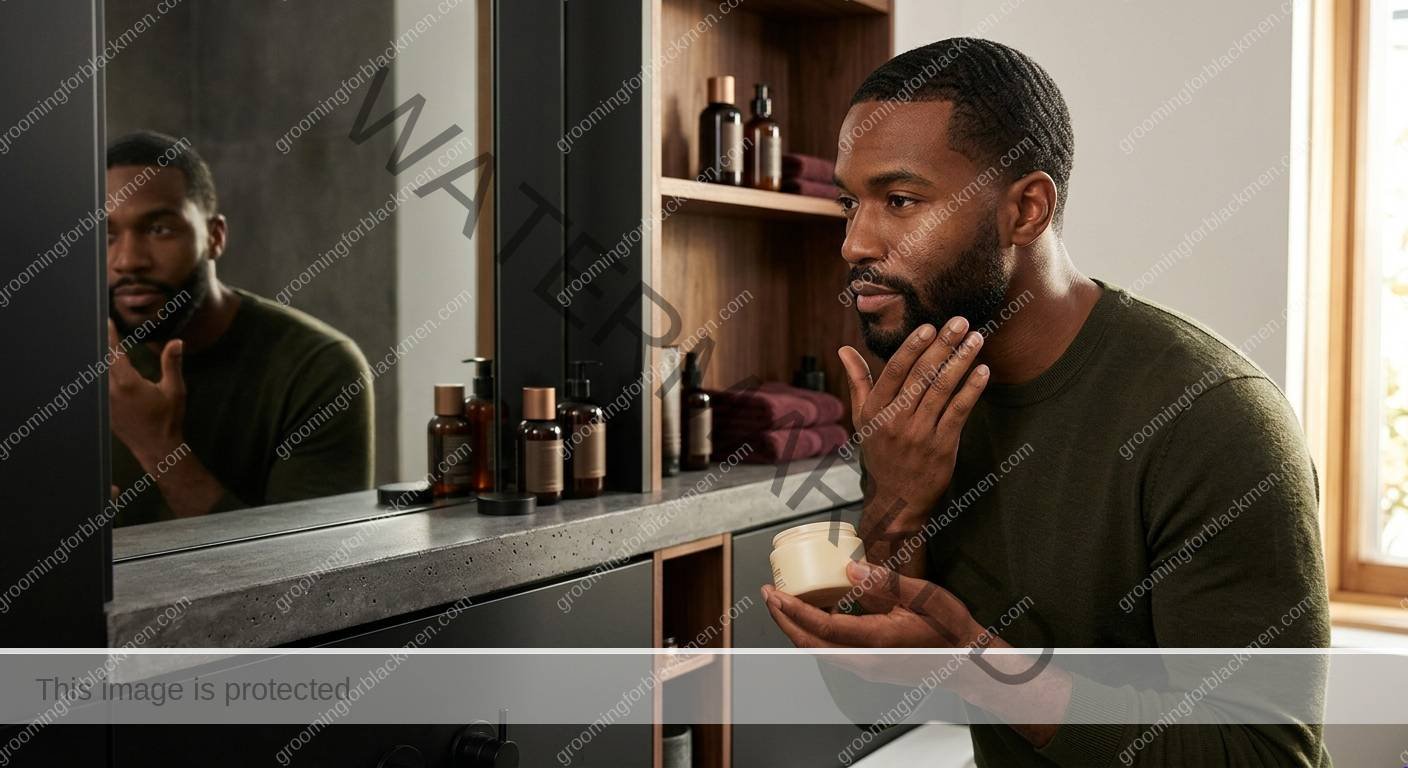
Ingredient safety for Black men is a foundation, not a fad. If you’ve ever faced razor bumps, dark spots, or stubborn hyperpigmentation, you know firsthand that what you put on your skin isn’t just about appearance—it’s about health, confidence, and self-respect. Many mainstream grooming products simply aren’t designed with rich brown skin or coarse, curly hair in mind. While some ingredients might work for others, they can trigger irritation, dryness, or worsen dark marks for Black men.
This guide is about clarity and discipline. No miracle claims. No hype. Just practical, grounded advice on ingredient safety for Black men—especially if you’re managing dark spots or hyperpigmentation. You’ll learn what to look for, what to avoid, and how to build a routine that works for your skin, not against it. Whether you’re new to grooming or refining your approach, this is about protecting your skin and making informed, culturally aware choices—without guesswork or stereotypes.
For a deeper dive into how dark spots and hyperpigmentation affect Black men, see our complete guide to dark spots & hyperpigmentation. Ingredient safety is a key part of that journey. Let’s get into what really matters for your skin.
Why Ingredient Safety Matters for Black Men

Black men’s skin is unique—rich in melanin, naturally resilient, but also more prone to certain challenges. Shaving, harsh cleansers, and the wrong products can trigger irritation, ingrown hairs, and post-inflammatory hyperpigmentation (PIH). A single bad ingredient choice can lead to weeks or months of dark marks or discomfort. Ingredient safety is about protecting your skin’s future, not just today’s appearance.
- Melanin-rich skin reacts differently: Ingredients that are harmless for others can trigger hyperpigmentation or uneven tone in Black skin.
- Coarse, curly hair needs respect: Shaving or grooming products with harsh chemicals can increase the risk of razor bumps, ingrowns, and scarring.
- Fragrance and alcohol are common irritants: These are found in many men’s grooming products but can dry out or inflame Black skin, making dark spots worse.
- Long-term impact: Consistent exposure to the wrong ingredients can break down your skin’s natural barrier, leading to chronic issues.
Choosing safe, effective ingredients isn’t about chasing trends—it’s about discipline and respect for your skin. For more on how ingredient choices affect hyperpigmentation, see our hyperpigmentation guide for Black men.
What Usually Goes Wrong

Most men’s grooming routines are built around convenience and marketing, not safety or suitability for Black men’s skin. Here’s what often goes wrong, and why:
- Harsh cleansers: Many face washes strip away natural oils, leaving skin dry and vulnerable to irritation and dark marks.
- Alcohol-heavy aftershaves: These sting, dry out the skin, and can worsen razor bumps and hyperpigmentation.
- Fragranced products: Artificial scents are a top trigger for allergic reactions and irritation, especially on freshly shaved or sensitive skin.
- Bleaching agents and harsh acids: Some products promise to “fade” dark spots but contain ingredients that can burn or unevenly lighten Black skin.
- Ignoring sunscreen: Many men skip sunscreen, assuming dark skin doesn’t need it. But sun exposure can make dark spots and hyperpigmentation worse.
- DIY fixes gone wrong: Digging at ingrown hairs, using undiluted essential oils, or aggressive scrubbing can lead to infection, scarring, or more dark marks.
These mistakes aren’t about carelessness—they’re about not having the right information. Ingredient safety for Black men means knowing what to avoid and why. For more on how to prevent razor bumps and dark marks, see our razor bumps and dark marks guide.
What to Do Instead: Step-by-Step Routine Logic
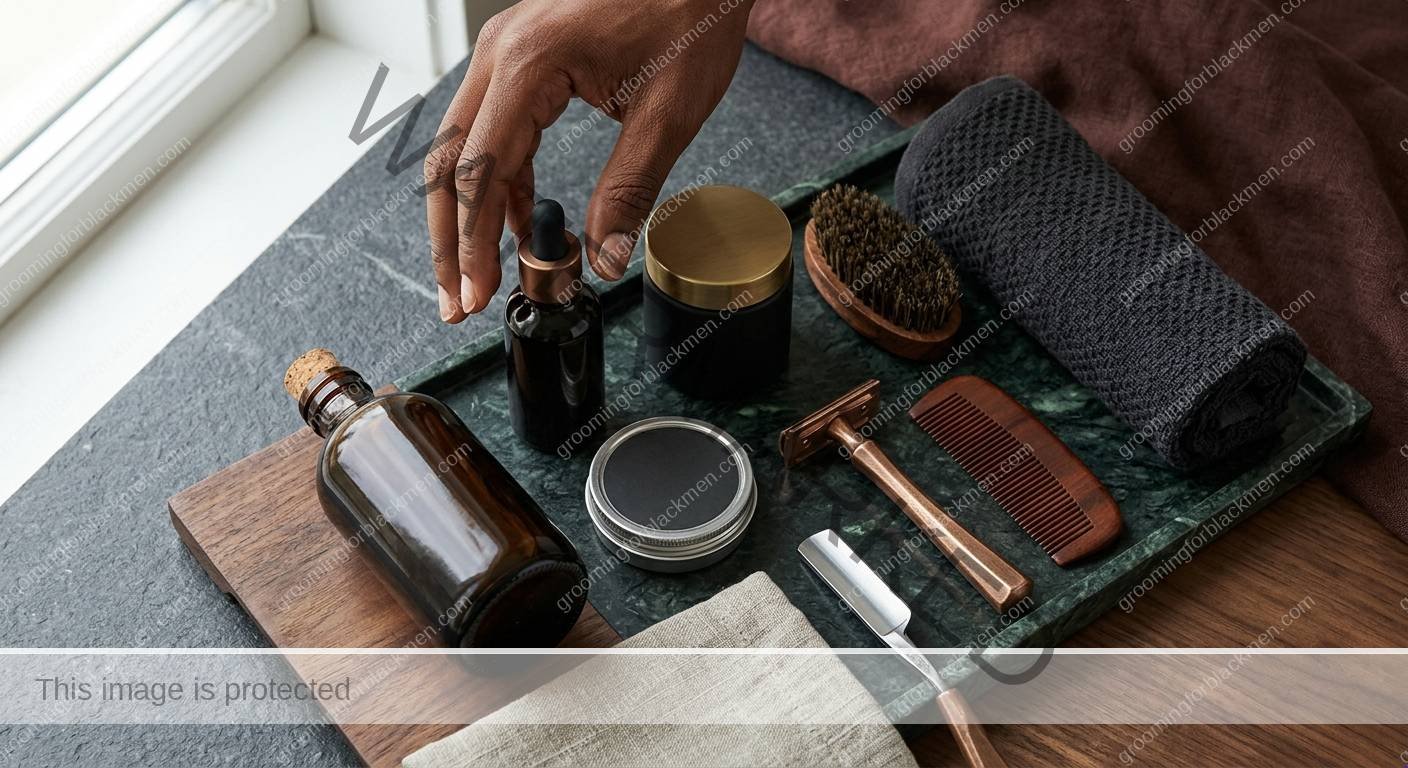
Building a safe, effective grooming routine isn’t complicated—it just requires a disciplined approach. Here’s how to protect your skin and avoid common ingredient pitfalls, step by step:
1. Read Ingredient Labels—Not Just the Front
- Look for short, simple ingredient lists. Fewer fillers and fragrances mean less risk of irritation.
- Skip products with “parfum” or “fragrance” high on the list—these are common irritants.
- Watch for alcohol (especially “denatured alcohol” or “SD alcohol”), which dries out skin.
- Be wary of “brightening” or “lightening” claims—many rely on harsh actives or bleaching agents that can damage melanin-rich skin.
2. Choose Gentle, Fragrance-Free Cleansers
- Opt for sulfate-free, non-foaming cleansers. These clean without stripping natural oils.
- Look for products labeled “fragrance-free” or “for sensitive skin.”
- Ingredients like glycerin, ceramides, and aloe are safe bets for moisture and repair.
- Wash your face with lukewarm water—hot water can increase dryness and irritation.
3. Moisturize with Discipline
- Use a fragrance-free moisturizer daily, especially after shaving or washing your face.
- Look for ingredients like shea butter, squalane, or hyaluronic acid for hydration without greasiness.
- Apply moisturizer while your skin is still slightly damp to lock in hydration.
4. Use Sunscreen—Every Day
- Choose a broad-spectrum sunscreen (SPF 30+), even if you rarely burn. Sun exposure worsens dark spots and slows healing.
- Look for formulas labeled “sheer” or “for dark skin” to avoid white cast.
- Mineral sunscreens with iron oxides offer extra protection against visible light, which can worsen hyperpigmentation.
5. Avoid Aggressive Treatments
- Skip harsh scrubs, peels, and undiluted essential oils. These can damage your skin barrier and cause more problems than they solve.
- Don’t dig at ingrown hairs. If you have painful, infected, or persistent bumps, see a dermatologist.
- If you exfoliate, use a soft washcloth or a gentle chemical exfoliant (like lactic acid at low concentrations, 5% or less), no more than once or twice a week.
6. Build a Routine You Can Stick With
- Consistency beats complexity. A simple, repeatable routine is more effective than chasing new products every month.
- Introduce only one new product at a time. Monitor your skin’s response for at least two weeks before adding anything else.
For more on safe routines, check our razor bump prevention guide and post-inflammatory hyperpigmentation guide.
Product and Tool Criteria: What to Look for and Why

Not every product on the shelf is safe for Black men’s skin. Here’s how to choose wisely, with practical decision criteria:
- Fragrance-free: Fragrance is a top trigger for irritation and allergic reactions. Stick to fragrance-free or naturally unscented products.
- Alcohol-free: Avoid products with denatured alcohol, SD alcohol, or isopropyl alcohol, especially in aftershaves and toners.
- Non-comedogenic: These products won’t clog pores, which is key for preventing breakouts and dark spots.
- Gentle surfactants: Look for cleansers with mild surfactants like coco-glucoside or decyl glucoside instead of sulfates.
- Moisturizing ingredients: Shea butter, glycerin, squalane, and ceramides help repair and protect the skin barrier.
- Physical vs. chemical exfoliants: If you exfoliate, stick to gentle chemical exfoliants like lactic acid (at low concentrations, 5% or less) and avoid gritty scrubs.
- Sun protection: Use broad-spectrum sunscreen, ideally with iron oxides (for extra protection against visible light that can worsen hyperpigmentation).
GFBM may earn a small commission from qualifying purchases, but product examples are included to clarify criteria, not to promise results.
- Gentle cleanser for Black men: Look for sulfate-free, fragrance-free options with moisturizing ingredients.
- Fragrance free moisturizer for men: Prioritize non-comedogenic, hydrating formulas with ceramides or squalane.
- Sunscreen for dark skin men: Choose broad-spectrum, sheer formulas that blend without a white cast.
For more on sunscreen and dark marks, see our sunscreen for dark marks guide.
Real-Life Scenarios: Navigating Ingredient Safety
Ingredient safety isn’t theoretical—it’s a daily reality for Black men. Here are practical scenarios and troubleshooting steps for common situations:
Scenario 1: You Start a New Face Wash and Notice Burning
You switch to a “deep clean” face wash and immediately feel a burning sensation, followed by tightness and flaking. This is a classic sign of a harsh cleanser or hidden irritants (like fragrance or alcohol). Stop use immediately. Rinse your face with cool water and switch to a fragrance-free, gentle cleanser. Moisturize with a simple, non-comedogenic lotion. If the burning or redness persists, consult a dermatologist. For more on safe cleansing, see our face wash guide for Black men.
Scenario 2: Razor Bumps After Shaving
After shaving, you notice bumps and dark marks along your jawline. This is often caused by products with alcohol, fragrance, or harsh surfactants. Switch to an alcohol-free, fragrance-free aftershave or skip aftershave altogether. Use a gentle moisturizer and consider a single-blade razor or electric shaver designed for curly hair. For more, see our razor bump prevention guide.
Scenario 3: Persistent Dark Spots That Won’t Fade
You’ve tried multiple “dark spot correctors” with little success. Many contain high-strength acids or bleaching agents that can worsen hyperpigmentation in melanin-rich skin. Instead, focus on gentle hydration, daily sunscreen, and patience. Look for products with niacinamide or licorice root extract, which support even tone without harshness. For more on treating dark spots, see our dark spots & hyperpigmentation guide.
Scenario 4: Beard Feels Dry and Skin Underneath Itches
Beard care is skin care. If your beard feels dry or itchy, avoid heavy oils with artificial fragrance. Instead, use a gentle, fragrance-free beard conditioner or a lightweight oil like squalane. Moisturize the skin beneath your beard with a non-comedogenic lotion. For more, see our beard care guide for Black men.
Scenario 5: You Want to Try a New Product but Are Unsure
Patch test every new product. Apply a small amount to your jawline or neck and wait 24-48 hours. If you notice redness, itching, or burning, don’t use it on your face. This disciplined approach saves you from weeks of irritation or dark marks.
Troubleshooting and When to Get Help
Even with the best routine, issues can happen. Here’s how to troubleshoot safely:
- Sudden irritation or burning: Stop using new products immediately. Rinse with cool water and switch to a simple, fragrance-free moisturizer.
- Persistent dryness or flaking: Check for hidden alcohol or fragrance. Simplify your routine and use a richer moisturizer.
- Worsening dark spots or hyperpigmentation: Sun exposure, irritation, or harsh products may be to blame. Double down on sunscreen and gentle care.
- Ingrown hairs or razor bumps: Don’t dig or pick. Use a warm compress and a gentle exfoliant (like a soft washcloth). For severe or infected bumps, see a dermatologist.
- Allergic reactions (swelling, blisters, spreading rash): Stop all new products and seek medical attention if symptoms are severe or spreading.
If you have painful, infected, spreading, scarring, or persistent irritation, consult a dermatologist or qualified clinician. Ingredient safety means knowing when to get help, not just what to use.
Making Ingredient Safety Work for Your Lifestyle
Ingredient safety for Black men is not just about reading labels—it’s about making smart, practical choices that fit your daily life. Whether you’re headed to work, the gym, or your barber, your grooming routine should flex with your schedule and environment. Here’s how to keep your skin protected and your routine realistic, no matter where life takes you.
Adapting Your Routine for Work and Busy Days
For many Black men, workdays can mean long hours indoors under artificial lighting, or frequent trips outside. If you’re in an office, focus on lightweight, non-comedogenic moisturizers and sunscreen to prevent clogged pores and protect against incidental sun exposure. If your job keeps you outdoors, a broad-spectrum sunscreen with iron oxides can help shield against both UV and visible light, which are known to worsen dark spots and hyperpigmentation on melanin-rich skin.
- Keep it simple: A gentle cleanser, a fragrance-free moisturizer, and a mineral sunscreen form a strong foundation. Add targeted treatments only if your skin tolerates them well.
- Travel sizes: Keep a small tube of sunscreen or moisturizer in your bag for reapplication, especially if you sweat or wipe your face during the day.
- Watch for irritation: Office air or outdoor pollutants can make skin more reactive. If you notice redness, itching, or burning, scale back to basics and avoid introducing new actives until your skin calms down.
Barber Visits and Shaving: Protecting Your Skin Barrier
Barber visits and at-home shaving are central to grooming for Black men, but they can also introduce risks for irritation and dark marks. Ingredient safety is crucial here—products with harsh alcohols, strong fragrances, or comedogenic oils can trigger razor bumps, ingrown hairs, or worsen hyperpigmentation.
- Before the barber: Cleanse your face gently and avoid exfoliating or using strong actives (like retinoids or acids) the night before your appointment. This reduces the risk of over-sensitizing your skin.
- After shaving: Use a fragrance-free, soothing moisturizer. Look for ingredients like niacinamide (see our niacinamide guide) or panthenol, which help calm irritation and support the skin barrier.
- Skip heavy oils: If you’re prone to razor bumps or dark spots, avoid thick oils and pore-clogging ingredients post-shave. Instead, opt for lightweight, non-comedogenic hydrators.
- Barber hygiene: Don’t hesitate to ask your barber about their disinfecting practices. Dirty tools can introduce bacteria and worsen dark marks or trigger breakouts.
For more on managing razor bump marks safely, visit our razor bump marks guide.
Workouts, Outdoor Time, and Sweat: Keeping Skin Safe
Exercise and outdoor activities are great for your health, but sweat, friction, and sun can challenge ingredient safety for Black men. Sweat can cause actives like retinoids or acids to sting, and friction from towels or helmets can worsen dark spots.
- Pre-workout: If you use strong actives (like retinoids or exfoliating acids), apply them at night rather than before a workout. This reduces the risk of irritation from sweat.
- Post-workout: Gently cleanse your skin to remove sweat, sunscreen, and grime. Avoid harsh scrubs or cleansers with sulfates.
- Sun protection: Always reapply sunscreen if you’re outside, especially if you’ve been sweating. Choose mineral sunscreens with added antioxidants for extra protection against hyperpigmentation triggers.
- Friction control: Use soft, clean towels and avoid rubbing your skin. Pat dry instead to avoid trauma that can worsen dark marks.
For a deeper dive into routines that target dark spots and hyperpigmentation, check out our dark spots and hyperpigmentation guide.
Budget-Friendly Ingredient Safety: Smart Choices Without Compromise
Ingredient safety doesn’t have to mean expensive products. Many effective, safe options are available at every price point. The key is to focus on essentials and avoid unnecessary extras that can irritate or overload your skin.
- Prioritize essentials: A gentle cleanser, a basic moisturizer, and a mineral sunscreen are non-negotiable. Everything else is optional.
- Read labels: Look for fragrance-free, alcohol-free, and non-comedogenic claims. Avoid products with long lists of unfamiliar actives or essential oils, which can trigger reactions on melanin-rich skin.
- Patch test: Even budget products can cause issues. Test new items on a small area before using them on your face.
- Don’t chase trends: Stick to proven ingredients like niacinamide, vitamin C, and ceramides. For more on these, see our vitamin C guide and niacinamide guide.
What Real Progress Looks Like: Setting Expectations
When it comes to ingredient safety for Black men, practical grooming means understanding that skin improvement is gradual. Especially with dark spots and hyperpigmentation, progress is often subtle and steady rather than dramatic. Here’s what you can expect as you build a safe, effective routine:
- Improved comfort: Skin feels less irritated, less tight, and more resilient to shaving or environmental stressors.
- Even texture: Over time, skin may look smoother, with fewer bumps and less flakiness.
- Gradual fading: Dark marks and hyperpigmentation may slowly become lighter and less noticeable. This process is measured in months, not days or weeks.
- Fewer new marks: With consistent sun protection and gentle care, you’ll likely notice fewer new dark spots forming after breakouts or shaving.
It’s important to track your own progress with photos or notes, rather than relying on memory. This helps you notice small but meaningful changes and adjust your routine as needed. If you’re looking for a starting point, our dark spots starter routine offers a practical framework.
How to Avoid Making Dark Marks Worse
Melanin-rich skin is more prone to post-inflammatory hyperpigmentation, which means that even minor irritation or injury can leave lasting marks. Ingredient safety for Black men is about more than just avoiding harsh chemicals—it’s about protecting your skin from anything that can trigger or worsen dark spots.
- Skip harsh scrubs: Physical exfoliants and rough towels can cause microtears, leading to more hyperpigmentation. Opt for gentle chemical exfoliants (like lactic acid or mandelic acid) only if your skin tolerates them well.
- Limit actives: Using too many strong ingredients (like retinoids, acids, or vitamin C) at once can backfire. Introduce one at a time and monitor your skin’s response. For more on retinoids, see our retinoids guide.
- Sun protection is non-negotiable: UV exposure makes dark marks darker and slows healing. Daily sunscreen is essential, even on cloudy days or if you’re mostly indoors.
- Hands off: Picking, scratching, or squeezing bumps can create new dark spots. If you struggle with this, keep your nails short and consider using hydrocolloid patches on active breakouts.
- Watch for reactions: If a product stings, burns, or causes redness, stop using it. Irritation is a sign your skin barrier is compromised, which increases the risk of hyperpigmentation.
Ingredient safety is about discipline and patience. Protect your skin from unnecessary trauma, and focus on consistency over intensity.
When to Simplify, Pause, or Consult a Dermatologist
Knowing when to adjust your grooming routine is a sign of self-awareness and respect for your skin’s needs. Not every product or ingredient will work for every Black man, and sometimes less is more.
Signs It’s Time to Simplify
- Persistent irritation: If your skin feels constantly tight, itchy, or looks red and inflamed, scale back to a basic cleanser and moisturizer. Eliminate actives until your skin recovers.
- Breakouts or worsening marks: New breakouts or dark spots may signal that a product is too harsh or not right for your skin type.
- Overwhelmed by steps: If your routine feels like a chore, simplify. The essentials—cleanser, moisturizer, sunscreen—are enough for most men.
When to Pause and Observe
- Trying a new product: Introduce only one new item at a time and give it at least two weeks before adding anything else. This helps you spot reactions early.
- After irritation: If your skin becomes reactive, pause all actives and focus on barrier repair. Only reintroduce treatments when your skin feels calm and healthy.
When to Consult a Dermatologist
- Stubborn dark spots: If hyperpigmentation isn’t improving after several months of consistent care, a dermatologist can recommend prescription-strength options or in-office treatments.
- Unexplained rashes or pain: Sudden, severe, or spreading symptoms deserve professional attention.
- Complex skin needs: If you have multiple concerns (like acne, eczema, and dark spots), a dermatologist can help you build a safe, effective routine tailored to your skin.
Ingredient safety for Black men is a journey, not a sprint. Respect your skin’s signals, stay disciplined with your routine, and don’t hesitate to seek expert guidance when needed. For more practical advice, explore our in-depth dark spots and hyperpigmentation guide.
Frequently Asked Questions
How do I know if an ingredient is safe for my skin?
Start by looking for products labeled “fragrance-free,” “alcohol-free,” and “non-comedogenic.” Short, simple ingredient lists are best. Patch test new products on a small area of your jaw or neck for 24-48 hours before using them on your whole face. If you notice redness, burning, or itching, stop use immediately.
Are natural ingredients always safer for Black men’s skin?
Not always. Some natural ingredients (like undiluted essential oils or citrus extracts) can be harsh or irritating. Focus on proven, gentle ingredients—whether natural or synthetic. Shea butter, aloe, and squalane are generally safe bets, but always patch test first.
What ingredients should I avoid if I have dark spots or hyperpigmentation?
Avoid harsh scrubs, high-concentration acids, alcohol-heavy products, and anything with artificial fragrance. Steer clear of “bleaching” agents unless prescribed by a dermatologist. Instead, focus on gentle hydration, sun protection, and ingredients that support skin repair.
Is it safe to use products marketed for women?
Yes, if the ingredients are right. Many “men’s” products use extra fragrance or alcohol for marketing reasons. If a product is fragrance-free, non-comedogenic, and fits your skin’s needs, it doesn’t matter who it’s marketed to.
How often should I change my grooming products?
Stick with what works. Only change products if you’re having issues (irritation, dryness, breakouts) or if you want to address a new concern. When switching, introduce one new product at a time and patch test first.
Can I use the same products on my face and beard?
Generally, yes—if they’re gentle and fragrance-free. Coarse, curly beard hair can benefit from extra moisture. Use a gentle cleanser and a rich, non-comedogenic moisturizer on both skin and beard. Avoid heavy oils or waxes that can clog pores.
What should I do if I have a reaction to a grooming product?
Stop using the product immediately. Rinse your skin with cool water and apply a simple, fragrance-free moisturizer. If symptoms are severe, spreading, or not improving after a few days, consult a dermatologist or qualified clinician.
What to Do Next
Ingredient safety for Black men isn’t about chasing trends—it’s about discipline, education, and respect for your skin. Start by reviewing your current products. Check ingredient lists for fragrance, alcohol, and harsh chemicals. Replace them with gentle, fragrance-free alternatives. Patch test new products and introduce changes slowly.
If you’re dealing with dark spots or hyperpigmentation, double down on sun protection and avoid anything that stings or burns. For more targeted advice, see our ingredient safety guide and the full dark spots & hyperpigmentation pillar.
Above all, stay disciplined. Your skin is worth the effort. If you run into persistent issues, don’t hesitate to get professional help. Safe grooming is smart grooming—no shortcuts, no hype, just results you can trust.