
Shaving trauma for Black men is a real, daily concern—one that goes far beyond a few nicks or the occasional razor bump. If you’ve got rich brown skin and coarse, curly facial hair, you know how quickly a simple shave can turn into a cycle of irritation, bumps, dark spots, and frustration. This is not just about looking good. It’s about feeling comfortable in your own skin, keeping your grooming routine efficient, and protecting your face from long-term issues like hyperpigmentation.
Too many guides ignore the realities Black men face: curly hair that grows back into the skin, higher risk for razor bumps, and a tendency for dark spots to linger long after the irritation fades. You don’t need miracle claims or shame-based advice. You need practical, grounded steps that respect your skin’s unique needs and your time. This guide breaks down what goes wrong, what actually works, and how to build a disciplined routine that helps prevent and manage shaving trauma—without hype or empty promises.
If you want to get deeper into the science and context of dark spots and hyperpigmentation for Black men, check our full pillar guide. For now, let’s get straight to the point: why this matters, what to avoid, what to do instead, and how to keep your skin looking its best.
Why This Matters for Black Men

Shaving trauma isn’t just about surface irritation. For Black men, the combination of curly or coily hair and rich melanin makes the skin more vulnerable to specific issues:
- Razor bumps (pseudofolliculitis barbae): When curly hair grows back into the skin, it causes inflammation, bumps, and sometimes infection.
- Dark spots and hyperpigmentation: Even after the bump heals, melanin-rich skin often develops dark marks that can last for months or longer.
- Chronic irritation: Repeated trauma from improper shaving builds up, leading to rough texture, uneven tone, and a cycle that’s hard to break.
These issues aren’t about vanity—they affect comfort, confidence, and the health of your skin. They can also impact how you’re perceived at work and in social settings, especially when dark spots or bumps are visible and persistent. Understanding the unique challenges of grooming for Black men is the first step to building a routine that works for you, not against you.
Understanding the Cycle of Shaving Trauma
For many Black men, shaving trauma is a cycle: you shave, develop bumps, those bumps turn into dark spots, and the irritation lingers. The skin never gets a chance to fully recover before the next shave. This isn’t just a cosmetic issue—it’s a chronic skin health challenge. Breaking this cycle requires understanding your hair’s natural curl pattern, your skin’s response to trauma, and the impact of every product and technique you use.
The Cultural and Professional Context
Grooming expectations in professional and social settings can add pressure. Many workplaces still expect a clean-shaven look, but for Black men, that expectation can come at the cost of skin health. Navigating these pressures means making informed choices about your grooming routine—choices that protect your skin and your confidence.
What Usually Goes Wrong

Most shaving problems for Black men start with a mismatch between technique, tools, and skin/hair type. Here’s what typically causes trauma:
- Using multi-blade razors: These pull hair below the skin’s surface, making it more likely for curly hair to grow back into the skin and form bumps.
- Shaving too close: Trying to get a “baby-smooth” finish often means cutting hair too short, increasing the risk of ingrown hairs.
- Dry shaving or skipping prep: Shaving without softening the hair and skin first leads to more tugging, irritation, and micro-cuts.
- Alcohol-heavy aftershaves: These sting, dry out the skin, and can worsen dark spots and irritation.
- Harsh scrubbing or picking at bumps: This increases inflammation and the risk of scarring or post-inflammatory hyperpigmentation.
- Ignoring sun protection: Unprotected skin, especially with dark spots, is more likely to develop stubborn hyperpigmentation.
Many of these mistakes are pushed by mainstream grooming advice that doesn’t consider the realities of Black men’s skin and hair. Breaking the cycle means understanding what’s actually happening and making disciplined changes.
Real-Life Scenario: The “Clean Shave” Trap
Consider Marcus, who shaves every morning with a multi-blade razor and foaming gel. He wants a smooth look for work, but by midweek, his jawline is covered in bumps and dark marks. He tries scrubbing harder and using alcohol-heavy aftershave, but the irritation only gets worse. This is a common trap—chasing a smooth finish with the wrong tools and products, and then trying to “fix” the resulting trauma with harsh treatments. The solution isn’t to shave closer or scrub harder; it’s to rethink the entire approach.
Decision Criteria: When to Change Your Routine
If you notice persistent bumps, dark marks that linger, or skin that always feels irritated after shaving, it’s time to change your routine. The right approach is not about perfection—it’s about minimizing trauma and supporting your skin’s natural healing process.
What to Do Instead
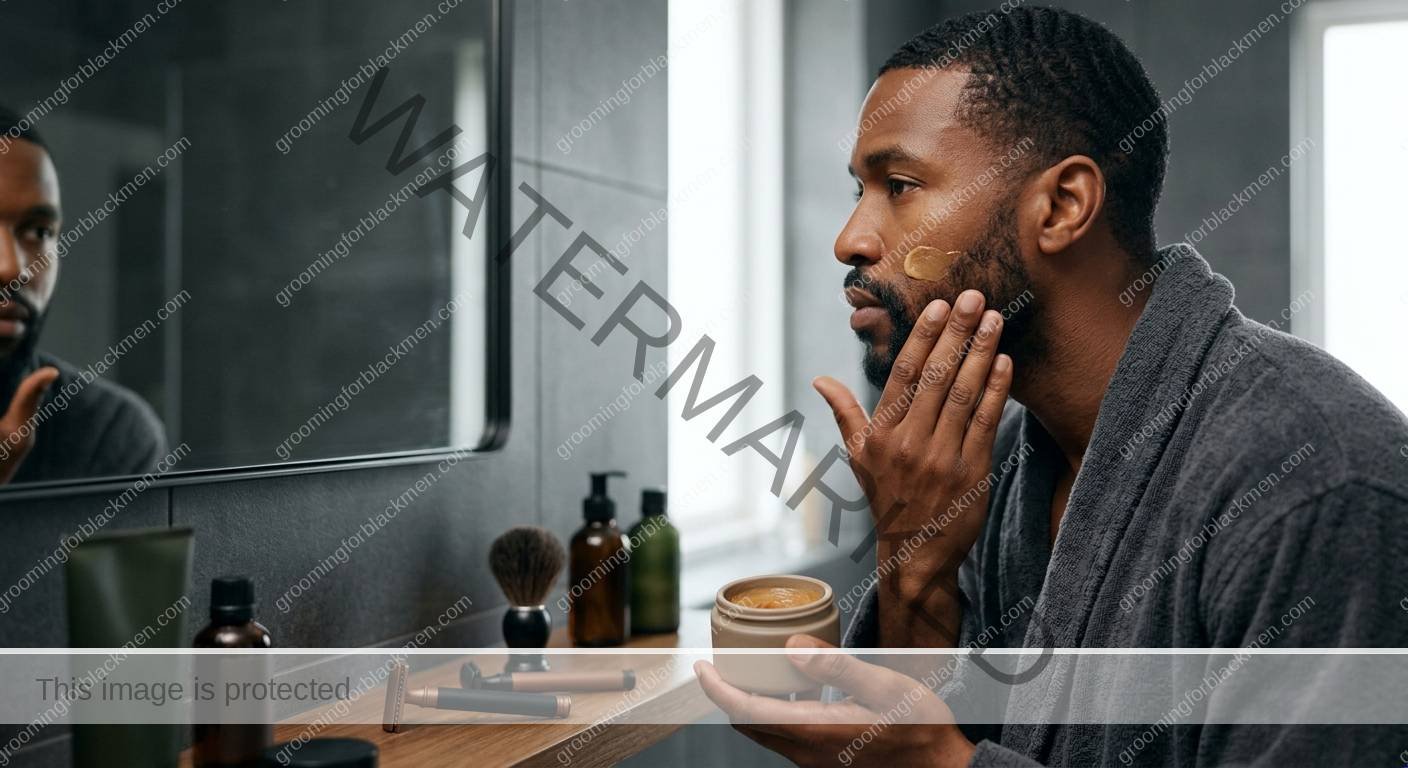
Building a shaving routine that respects your skin and hair type is about prevention, not just quick fixes. Here’s what works for most Black men dealing with shaving trauma:
- Choose the right razor: A single-blade safety razor or electric shaver (foil or rotary) is less likely to cut hair below the skin’s surface. Avoid multi-blade cartridges if you’re prone to bumps.
- Prep your skin every time: Wash your face with warm water and a gentle cleanser. Use a damp, warm towel for a few minutes to soften hair and open pores.
- Use a quality shaving cream or gel: Look for products that cushion the blade and reduce friction. Avoid harsh foams and anything with strong alcohol content.
- Shave with the grain: Always shave in the direction your hair grows. This reduces the chance of hair curling back into the skin.
- Don’t chase a perfectly smooth finish: Leave a bit of stubble if needed. A close shave isn’t worth weeks of bumps and dark marks.
- Rinse and soothe: After shaving, rinse with cool water. Pat dry—don’t rub. Apply an alcohol-free aftershave balm to calm the skin.
- Moisturize and protect: Use a gentle moisturizer and daily sunscreen, especially if you have dark spots or are outdoors often. This helps prevent hyperpigmentation from getting worse.
- Be disciplined: Stick to your routine. Avoid picking at bumps or scrubbing aggressively. Consistency is key for prevention and recovery.
Step-by-Step Shaving Routine for Black Men
- Cleanse: Start with a gentle, fragrance-free cleanser to remove oil and debris. This sets the stage for a smooth shave and reduces the risk of clogged pores.
- Soften: Use a warm, damp towel or shave after a hot shower. This softens coarse facial hair and opens pores, making the shave smoother and less traumatic.
- Apply Shaving Cream or Gel: Choose a lubricating, non-drying formula. Apply a generous layer and let it sit for a minute to further soften hair.
- Shave with the Grain: Use short, gentle strokes. Rinse the blade often. If you need a closer shave, do a second pass across (not against) the grain.
- Rinse with Cool Water: This helps close pores and calm the skin.
- Pat Dry: Use a clean, soft towel. Avoid rubbing, which can irritate freshly shaved skin.
- Apply Aftershave Balm: Use an alcohol-free, soothing balm to reduce redness and irritation.
- Moisturize and Protect: Finish with a lightweight moisturizer and, in the morning, a broad-spectrum sunscreen.
For a more detailed breakdown on preventing razor bumps, see our razor bump prevention guide. If you’re on a budget, check our budget shaving kit for razor bumps for practical, affordable options.
Troubleshooting: If You Still Get Bumps
If bumps persist, try spacing out your shaves, switching to an electric trimmer, or using a targeted serum for dark spots and ingrown hairs. Sometimes, less is more—giving your skin a break can make a big difference.
Product and Tool Criteria for Shaving Trauma
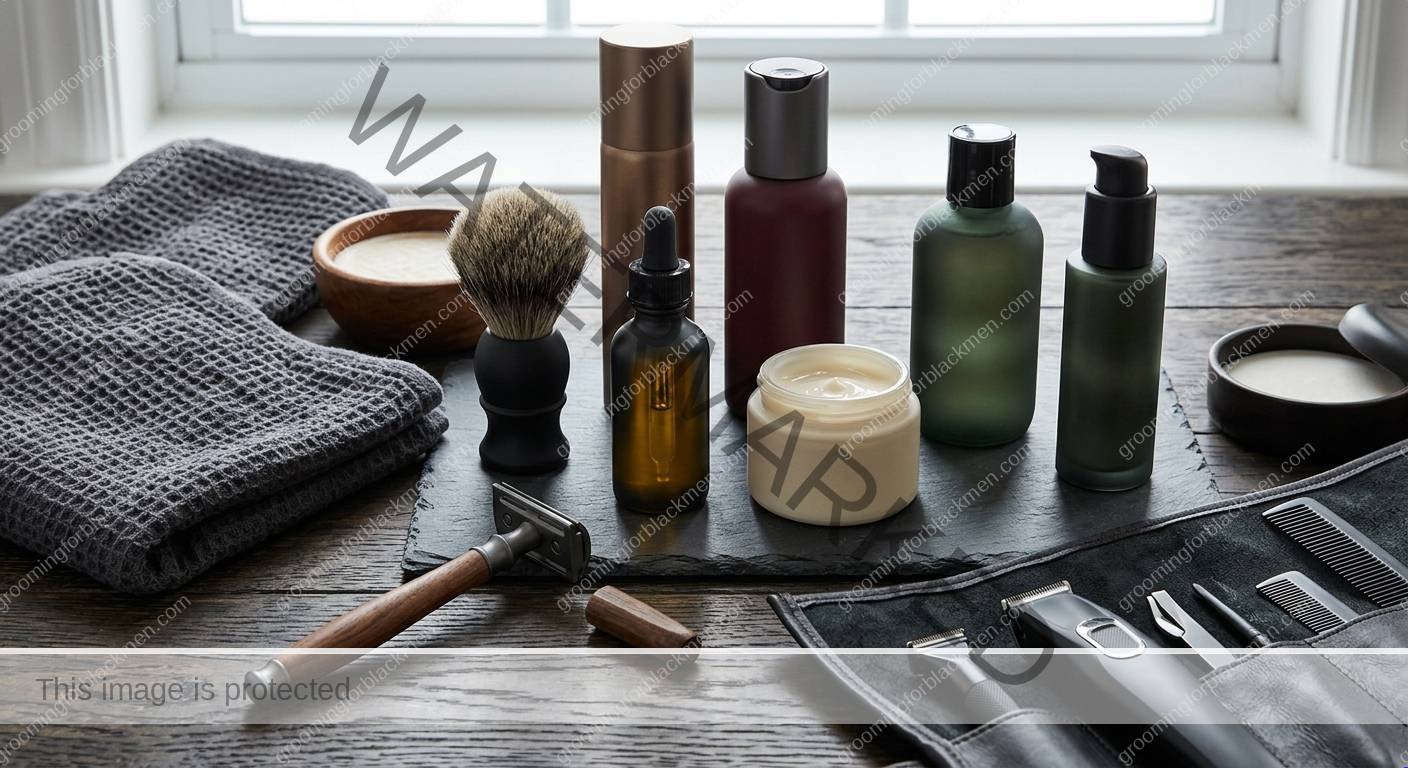
GFBM may earn a small commission from qualifying purchases, but product examples are included to clarify criteria, not to promise results.
When choosing products for shaving trauma, look for these qualities:
- Razor bump dark spot serum: Look for serums with ingredients like niacinamide, licorice root, or azelaic acid. These help fade dark spots and support even skin tone. Avoid harsh bleaching agents or products with high alcohol content. Browse razor bump dark spot serums on Amazon.
- Alcohol-free aftershave balm: Choose balms with soothing ingredients like aloe, allantoin, or chamomile. These calm irritation and support healing without stinging or drying out your skin. Browse alcohol-free aftershave balms on Amazon.
- Sunscreen for dark skin men: Daily sunscreen is non-negotiable if you want to prevent dark spots from getting darker. Look for broad-spectrum SPF 30+ that doesn’t leave a gray or purple cast. Browse sunscreens for dark skin men on Amazon. For more on sunscreen, see our sunscreen for dark marks guide.
- Shaving tools: Prioritize single-blade safety razors or electric shavers designed for sensitive skin. Replace blades regularly. Clean your tools after every use to prevent bacteria buildup.
Always patch test new products on a small area first. For ingredient safety, check our ingredient safety guide for Black men.
How to Choose the Right Razor
Single-blade safety razors are the gold standard for minimizing trauma, but not every man is comfortable using them. Electric shavers (especially foil types) offer a solid alternative, especially for those who need to shave daily. If you’re new to safety razors, start with a mild model and practice on a small area first. Replace blades every 5-7 shaves to keep things sharp and clean.
What to Look for in Shaving Creams and Gels
Skip the drugstore foam. Look for creams or gels that list glycerin, aloe, or shea butter high on the ingredient list. These cushion the blade and help prevent micro-cuts. Avoid products with strong fragrances, menthol, or alcohol, as these can irritate sensitive, melanin-rich skin.
Aftershave and Moisturizer Essentials
Alcohol-free balms with aloe, allantoin, or panthenol help soothe and repair. For daily moisture, choose a lightweight, non-comedogenic moisturizer that won’t clog pores. If you’re dealing with dark spots, layer a serum underneath your moisturizer for targeted care.
Sunscreen: The Non-Negotiable Step
Daily sunscreen is essential for Black men—especially if you’re fighting dark spots or hyperpigmentation. Go for broad-spectrum SPF 30 or higher, and look for formulas that blend clear or are tinted for dark skin. For more, see our sunscreen for dark marks guide.
Routine Logic: Building a Sustainable Shaving Habit
Consistency is everything. A disciplined routine not only prevents trauma but also supports your skin’s recovery. Here’s how to build a routine that fits your lifestyle and skin needs:
- Frequency: Shave as infrequently as your lifestyle allows. Every 2-3 days is ideal for most men prone to bumps. Daily shavers should consider electric shavers or trimmers.
- Timing: Shave at night if possible. This gives your skin time to recover before facing environmental stressors like sun and pollution.
- Track your results: Make one change at a time—switch razors, try a new cream, or adjust your shave frequency. Track how your skin responds for at least two weeks before making another change.
- Be patient: Results take time. Hyperpigmentation and bumps won’t disappear overnight, but a steady routine will minimize new trauma and help your skin heal.
Real-Life Scenario: The “Trim and Treat” Approach
Not every Black man needs or wants a clean-shaven look. If you prefer a beard or goatee, use a quality trimmer to keep lines sharp and avoid shaving sensitive areas altogether. This approach reduces trauma and gives you more control over your look. For beard care, see our complete beard care guide.
Troubleshooting and When to Get Help

Even with the best routine, issues can pop up. Here’s how to troubleshoot common problems and know when it’s time to see a professional:
- Persistent razor bumps: If you’re still getting bumps after switching razors and following a disciplined routine, try spacing out shaves or trimming instead of shaving. Consider using a targeted serum for dark spots and bumps.
- Dark spots not fading: Hyperpigmentation can take months to improve. Consistent sunscreen use and gentle serums help, but patience is key. For more on this, see our post-inflammatory hyperpigmentation guide.
- Severe irritation, pain, or spreading bumps: If you notice pain, pus, spreading redness, or scarring, stop shaving and see a dermatologist or qualified clinician. Do not dig at ingrown hairs or use harsh scrubs.
- Routine not working: Sometimes, what works for others won’t work for you. Adjust one variable at a time—razor, product, frequency—so you can track what helps or hurts.
Remember: No routine can guarantee perfect results. But a disciplined, practical approach will minimize trauma and help your skin recover between shaves.
Scenario: When to See a Dermatologist
If you’ve tried multiple approaches and still struggle with painful bumps, spreading irritation, or scarring, a dermatologist can help. Medical treatments may include topical antibiotics, retinoids, or other prescription solutions. Don’t wait for things to get severe—early intervention can prevent long-term marks and scarring.
Common Pitfalls to Avoid
- Switching products too often: Give your skin at least two weeks to adjust before trying something new.
- Over-exfoliating: Gentle exfoliation (once or twice a week) can help, but harsh scrubs or daily exfoliation will worsen trauma.
- Ignoring blade hygiene: Dirty blades harbor bacteria and increase the risk of infection. Clean and replace your razor regularly.
Adapting Your Grooming Routine to Your Lifestyle
Shaving trauma for Black men is rarely a one-size-fits-all challenge. Your daily routine, work schedule, and lifestyle choices all influence how your skin responds to grooming. Understanding how to adjust your approach for different situations can make a real difference in preventing irritation, dark spots, and hyperpigmentation.
Work and Professional Life
If your job requires a clean-shaven look or frequent touch-ups, prioritize gentle techniques and products that support skin barrier health. Use a single-blade razor or electric trimmer to minimize irritation. Shave after a warm shower when hair is soft, and always follow up with a soothing, fragrance-free moisturizer. If you have flexibility, consider shaving in the evening to give your skin overnight recovery time before facing the elements or workplace stress.
Barber Visits
Barbershop grooming can be a double-edged sword for melanin-rich skin. Communicate your skin sensitivities and history of shaving trauma. Ask your barber to avoid close shaves with straight razors if you’re prone to ingrown hairs or dark spots. Request clean, sanitized tools and gentle aftershaves. If you notice increased irritation after a visit, give your skin a few days to recover before your next shave at home.
Workouts and Outdoor Activities
Frequent sweating and outdoor exposure can aggravate shaving trauma and worsen dark marks. After workouts, cleanse your face with a gentle, non-stripping wash to remove sweat and bacteria. If you spend time outside, daily sunscreen is non-negotiable—UV rays deepen hyperpigmentation and slow healing. Choose a broad-spectrum sunscreen that won’t leave a white cast on brown skin. Reapply if you’re outdoors for extended periods.
Budget-Friendly Adjustments
Effective grooming for Black men doesn’t require expensive products. Focus on a few essentials: a gentle cleanser, a basic moisturizer, and a non-comedogenic sunscreen. If you can, invest in a high-quality razor or trimmer designed for curly hair. When money is tight, prioritize consistency over variety. Simple routines, done well, protect your skin and help prevent new dark spots.
For Sensitive Skin
If your skin reacts easily, avoid harsh scrubs, alcohol-based aftershaves, and strong fragrances. Patch test new products on a small area before using them on your face. Look for soothing ingredients like aloe, oat, or niacinamide. For more on this, see our niacinamide guide.
What Realistic Progress Looks Like
Managing shaving trauma and dark spots on melanin-rich skin is a gradual process. Expect small, steady improvements rather than overnight changes. Early signs of progress include:
- Less irritation and burning after shaving
- Fewer new bumps or ingrown hairs
- Dark spots slowly fading to a lighter brown
- Smoother, more even skin texture
Progress may stall or fluctuate, especially if you’re trying new products or routines. It’s normal for older marks to take longer to fade. Consistency—using gentle products, protecting your skin from the sun, and avoiding triggers—matters more than perfection. If you’re looking for a foundational approach, our dark spots starter routine offers a practical place to begin.
How to Avoid Making Dark Marks Worse
Melanin-rich skin is more susceptible to post-inflammatory hyperpigmentation, especially after shaving trauma. Protecting your skin from further damage is key to preventing dark spots from deepening or spreading.
- Don’t pick or squeeze bumps: This increases inflammation and can lead to permanent marks.
- Limit exfoliation: Over-scrubbing or using strong acids can strip your skin and worsen discoloration. Gentle, infrequent exfoliation is best.
- Always use sunscreen: UV exposure darkens existing spots and triggers new ones. Apply sunscreen daily, even on cloudy days or indoors if you’re near windows.
- Use targeted treatments carefully: Ingredients like vitamin C, niacinamide, or retinoids can help, but introduce them slowly. For more, see our vitamin C guide and retinoids guide.
- Moisturize daily: Hydrated skin heals better and is less prone to irritation and scarring.
By focusing on prevention and gentle care, you give your skin the best chance to recover from shaving trauma without worsening hyperpigmentation. For a deeper dive into this topic, explore our dark spots and hyperpigmentation guide.
When to Simplify, Pause, or Seek Professional Advice
Sometimes, less is more. If your skin feels irritated, inflamed, or overwhelmed by too many products, it’s time to simplify. Strip your routine back to the basics: a gentle cleanser, moisturizer, and sunscreen. Give your skin a week or two to recover before reintroducing any targeted treatments.
- Simplify: If you notice new irritation or breakouts after adding a product, stop using it and observe your skin’s response.
- Pause: If you’re experiencing ongoing burning, stinging, or worsening dark marks, take a break from active ingredients like acids or retinoids.
- Ask a dermatologist: If your skin isn’t improving, or if you see signs of infection, scarring, or severe hyperpigmentation, consult a professional. They can recommend prescription treatments or identify underlying issues that may be affecting your skin’s healing process.
Remember, your grooming journey is personal. The goal is healthy, comfortable skin—not perfection. Stay patient, stay consistent, and don’t hesitate to seek guidance when you need it.
Frequently Asked Questions
How often should Black men shave to avoid razor bumps and trauma?
Shave as infrequently as your lifestyle allows—every 2-3 days or longer is ideal for most men prone to bumps. The less often you shave, the more time your skin has to recover. If you need to look clean-shaven daily, consider using an electric shaver or trimming close instead of a blade shave.
What’s the best way to prep coarse, curly facial hair before shaving?
Start with a warm shower or use a damp, heated towel for a few minutes to soften hair and open pores. Always use a gentle cleanser to remove oil and debris. Apply a lubricating shaving gel or cream—never dry shave. This reduces friction and helps prevent trauma.
Are single-blade razors really better for Black men?
For most Black men with curly or coarse hair, single-blade safety razors or electric shavers are less likely to cause ingrown hairs than multi-blade cartridges. They cut hair at or just above the skin, reducing the risk of hair curling back into the skin and forming bumps.
How can I fade dark spots from shaving trauma?
Use a gentle serum with ingredients like niacinamide, licorice root, or azelaic acid. Always apply sunscreen daily, even if you’re indoors most of the time. Avoid picking at bumps or using harsh scrubs, as these can make dark spots worse. For more, see our razor bumps and dark marks guide.
Is it safe to use aftershave if I have sensitive skin?
Yes, but choose an alcohol-free aftershave balm with soothing ingredients like aloe or allantoin. Avoid products with high alcohol content, fragrances, or menthol, as these can sting and worsen irritation. Always patch test new products first.
What should I do if I get a painful or infected bump?
Stop shaving the area and avoid digging or squeezing the bump. Wash gently with a mild cleanser and apply a soothing, alcohol-free balm. If the bump is painful, spreading, or not improving, see a dermatologist or qualified clinician for professional care.
Do I really need sunscreen if I have dark skin?
Absolutely. Sunscreen is essential for preventing dark spots and hyperpigmentation from getting worse. Choose a broad-spectrum SPF 30+ that doesn’t leave a visible cast. For more tips, see our sunscreen for dark marks guide.
What to Do Next
Shaving trauma doesn’t have to be a permanent part of your routine. Start by making one or two changes—switch your razor, add a proper prep step, or commit to daily sunscreen. Track your results, stay disciplined, and give your skin time to adjust. If you want to go deeper, explore our guides on dark spots and hyperpigmentation, hyperpigmentation in Black men, razor bumps and dark marks, and beard care for Black men.
Above all, remember: Your routine should work for you. No shame, no stereotypes—just practical, premium grooming for Black men who want healthy, comfortable, and confident skin.