
Seasonal Sun Protection for Black Men: Practical Grooming Guide
Sun protection is not just a summer problem, and it is not just a beach-day problem. For Black men dealing with dark spots, uneven tone, razor bump marks, acne marks, or irritation after shaving, the season can change how much protection your skin needs and how easy it is to stay consistent. Hot weather brings sweat and more outdoor time. Cold weather brings dryness, wind, and the false idea that sunscreen no longer matters. Cloudy weather can make you forget the habit completely.
This guide is built for real life: work schedules, barbershop visits, workouts, driving, travel, hats, hoodies, outdoor events, and grooming routines that have to fit around everything else. If you need the main dark spot foundation, start with our guide to hyperpigmentation in Black men. Here, we are focusing on how to adjust sun protection across seasons so your skin has fewer reasons to hold on to dark marks.
Why Seasonal Sun Protection Matters for Dark Spots

Melanin gives rich brown skin some natural defense, but it does not make the skin immune to UV exposure. For Black men, the bigger issue is often not sunburn. It is dark marks getting darker, taking longer to fade, or showing up more clearly after shaving irritation, acne, or friction. When the skin is healing, UV exposure can keep the mark more active and more visible.
That is why seasonal thinking matters. In summer, you may be outside longer, sweating more, wiping your face more, and spending more time around water or sports. In winter, you may be dealing with dry skin, indoor heat, wind, and skipped sunscreen because the sun feels weaker. In spring and fall, the weather may change from cool to bright within the same day. Your routine has to adapt without becoming complicated.
Seasonal sun protection is not about fear. It is about reducing one of the common reasons dark spots stay stubborn. If you are using products for dark marks but skipping sunscreen for half the year, the routine is working with one hand tied behind its back. Sunscreen does not erase marks overnight, but it helps protect the progress you are trying to make.
The goal is a routine you can repeat. A product you hate will not help if it stays in the drawer. A system that only works on vacation will not carry you through workdays. The best seasonal plan is practical: one daily baseline, a few adjustments for heat or dryness, and a simple way to reapply when your day demands it.
What Usually Goes Wrong Season by Season

Summer: sweating it off and forgetting to reapply
Summer makes sunscreen feel obvious, but it also makes consistency harder. Sweat, heat, outdoor work, sports, cookouts, festivals, and beach days can all break down your protection. If you apply sunscreen once in the morning and then sweat through your shirt by noon, your face may not be protected the way you think it is.
Another summer problem is texture. Some sunscreens feel greasy in heat, especially on oily skin or under facial hair. When a product feels heavy, men stop using it. If summer makes your current sunscreen feel uncomfortable, the solution is not skipping SPF. The solution is finding a lighter formula and planning reapplication around the day you actually live.
Fall: losing the habit when the weather cools
Fall is when many routines quietly fall apart. The sun feels less intense, the air gets cooler, and outdoor time may seem less risky. But UV exposure does not disappear because the temperature drops. If you are still commuting, driving, walking outside, sitting near windows, or training outdoors, your skin is still exposed.
Fall can also be a repair season. If summer left you with breakouts, shaving irritation, or darker marks, this is the time to rebuild consistency. A steady fall routine can set your skin up better before winter dryness hits.
Winter: dryness, wind, and skipped sunscreen
Winter tricks a lot of men into thinking sunscreen is optional. The days are shorter, the air is colder, and the sun may not feel strong. But dark marks can still respond to UV exposure, especially if you spend time outdoors, drive often, work near windows, or live somewhere with bright winter sun. Snow and reflective surfaces can also increase exposure in some environments.
The bigger winter issue is often dryness. Dry skin can look dull, feel rough, and make dark marks appear more obvious. If your sunscreen feels drying or your moisturizer is too light, you may start skipping steps. Winter sun protection should usually be paired with better moisture support.
Spring: inconsistent weather and allergy irritation
Spring can be confusing. One day is cool and cloudy; the next is bright and warm. Allergies may make you rub your face or eyes more often. Sweat starts to return. Outdoor time increases. If your skin is prone to dark marks, this is the season to rebuild the sunscreen habit before summer makes exposure stronger.
Spring is also a good time to check expiration dates, replace a sunscreen you dislike, and choose a formula that works for the warmer months ahead. Do not wait until the first long outdoor day to discover your product leaves a cast, burns your eyes, or feels too greasy.
What to Try Instead: A Seasonal Protection System
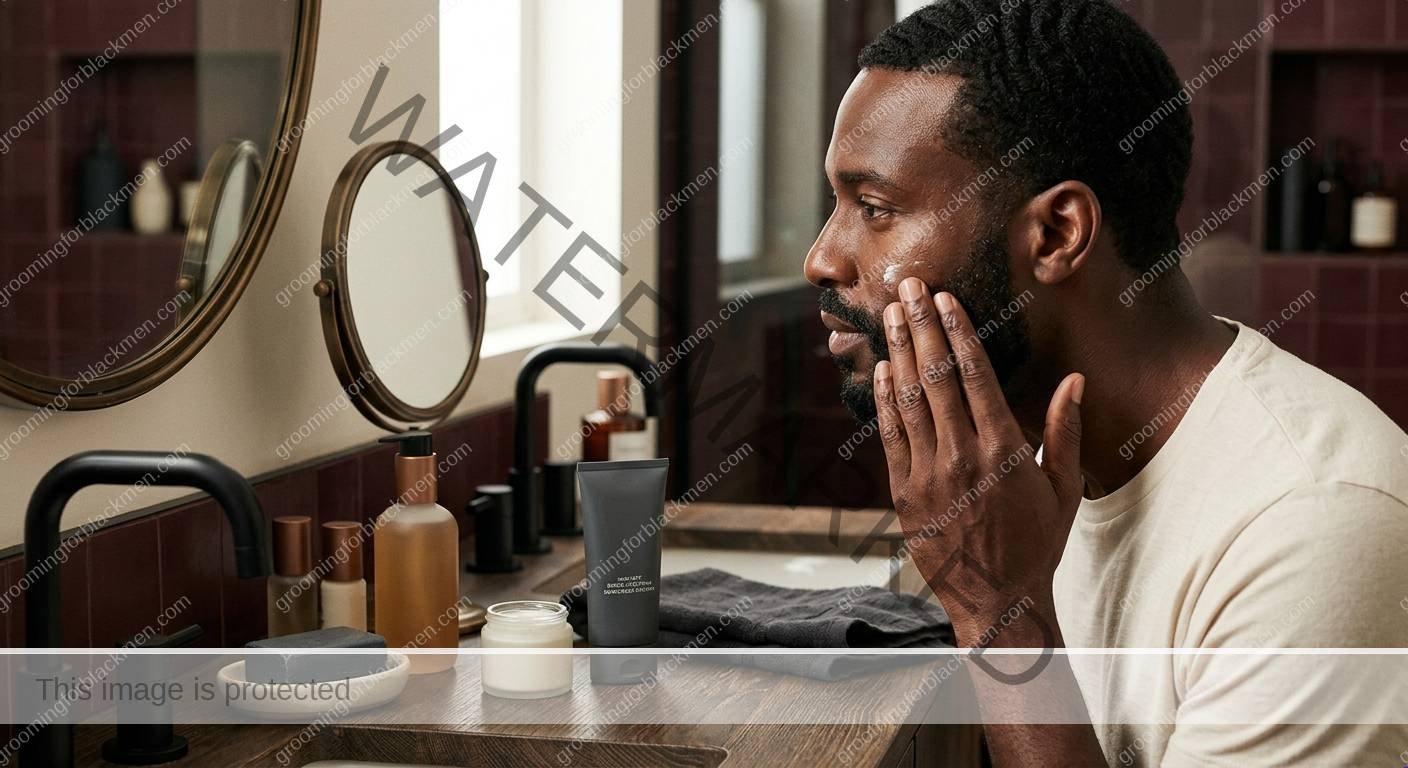
A seasonal system starts with a baseline. Every morning, use a gentle cleanse or rinse, apply moisturizer if your skin needs it, and finish exposed skin with broad-spectrum SPF 30 or higher. That baseline does not have to be dramatic. It just has to happen consistently.
After that, adjust by season and lifestyle. A man who works indoors near a window needs a different plan than a man who works outside. A man with oily skin in Houston may need a different texture than a man with dry skin in Chicago. The principle stays the same: protect exposed skin, reduce irritation, and make the routine comfortable enough to repeat.
Summer plan: lightweight and reapplication-ready
In hot weather, choose a lightweight sunscreen that does not leave a gray cast or heavy shine. Gel, fluid, invisible, or sheer formulas may be easier to wear. If you sweat heavily, look for water-resistant options. Keep a travel-size sunscreen in your bag, locker, car, or grooming kit, but avoid storing it in extreme heat for long periods if the label warns against it.
Reapply when the day calls for it. If you are sweating, swimming, wiping your face, or outside for hours, one morning application is not enough. If reapplying lotion feels annoying, sunscreen sticks or sprays may help for some situations, but make sure you apply enough and blend evenly. Do not rely on a quick mist in the air as full coverage.
Fall plan: rebuild consistency
Fall is the season to tighten your baseline. Put sunscreen next to the product you already use every morning, like your moisturizer, beard oil, deodorant, or toothbrush. Keep the step visible. If you only remember sunscreen when it is hot outside, you need a location cue, not more motivation.
This is also a good time to review dark marks from summer. Take a simple photo in consistent lighting every two to four weeks. You are not looking for perfection. You are checking whether fewer new marks are forming and whether older marks are softening. If marks keep getting darker, your sunscreen use, shaving routine, or breakout control may need adjustment.
Winter plan: moisture first, sunscreen still last
Winter sun protection works best when your skin is comfortable. If your face feels dry or tight, use a more supportive moisturizer before sunscreen. Look for a sunscreen that layers well and does not pill over moisturizer. If your skin is very dry, a hydrating sunscreen may work better than a matte one.
Do not forget exposed areas: face, ears, neck, bald scalp, and the back of the neck after a haircut. Hoodies and hats help, but they do not replace sunscreen on exposed skin. If you are treating dark spots on your neck or jawline, bring protection there too.
Spring plan: test before the heat arrives
Use spring to test formulas. Wear a sunscreen for a normal day and notice the finish, eye sting, white cast, breakouts, and how it behaves with sweat. If it fails, replace it before summer. The best sunscreen is the one that fits your skin tone, facial hair, sweat level, and budget well enough that you will actually use it.
GFBM may earn a small commission from qualifying purchases, but product examples are included to clarify criteria, not to promise results.
- Sunscreen for dark skin men: look for sheer, invisible, or tinted formulas that blend on rich brown skin.
- Water-resistant sunscreen for men: useful for sweat, outdoor work, sports, or long summer days.
- Hydrating sunscreen for men: a better fit when winter dryness makes matte formulas uncomfortable.
Building a Seasonal Grooming Kit
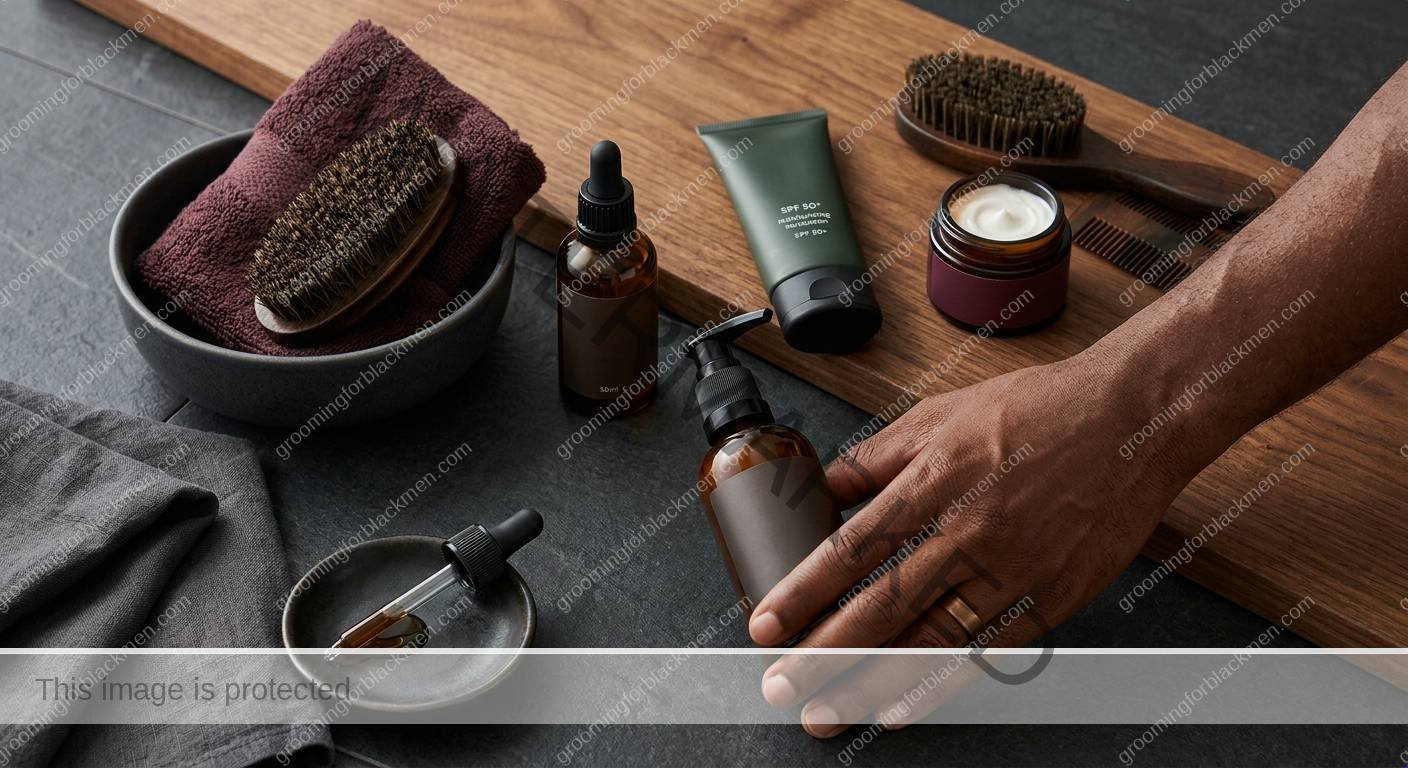
A seasonal sun protection routine is easier when your products are organized by use, not by hype. You do not need a bathroom full of products. You need a small kit that covers your normal day, your outdoor day, and your recovery day after shaving or irritation. When the kit is simple, you are less likely to skip steps or keep buying products that do the same thing.
Your daily baseline kit
Your daily kit should include a gentle cleanser, a moisturizer that matches your skin type, and a sunscreen that blends on your skin tone. That is the foundation. If you are oily, the moisturizer can be light. If you are dry, it can be richer. If your skin is sensitive, fragrance-free or low-fragrance options may be easier to tolerate. The sunscreen should be comfortable enough to use on a regular workday, not just when you are forcing yourself to be responsible.
Keep the daily kit visible. If sunscreen is hidden in a drawer, it becomes optional in your mind. Put it beside your toothbrush, beard brush, moisturizer, or deodorant. A simple placement cue can do more for consistency than another motivational promise.
Your outdoor kit
Your outdoor kit is for long exposure: outdoor work, sports, walking, fishing, cookouts, festivals, barbecues, travel days, and beach trips. This kit should include a water-resistant sunscreen, a hat if it fits the setting, sunglasses, and a small towel or blotting cloth if you sweat heavily. If you are bald, have a low cut, or recently got a lineup, include scalp and hairline protection in the plan.
Reapplication is the part most men miss. You do not need to be perfect, but you do need a system. Set a phone reminder for long outdoor days. Reapply after heavy sweat or towel wiping. If you are outdoors for hours, treat sunscreen like water: something you maintain, not something you did once in the morning and forgot.
Your recovery kit
Your recovery kit is for days when your skin is irritated. Maybe you shaved too close, tried a new product, got a harsh lineup, or spent too much time in the sun. On those days, simplify. Cleanse gently, moisturize well, and use sunscreen without layering a lot of strong actives. Avoid scrubs and high-strength exfoliants until the skin feels calm again.
This is especially important for dark spots. Irritated skin is more likely to mark. If your recovery plan is harsh, you may stretch out the problem. A calm recovery day is not a setback. It is part of disciplined grooming.
Barbershop, Travel, and Event-Day Adjustments
The seasons are not the only thing that changes your exposure. Your calendar matters too. A fresh haircut, wedding weekend, vacation, football game, outdoor workday, or long drive can change how much sun and irritation your skin deals with. Build small adjustments around those moments.
After a fresh cut or lineup
A fresh lineup can expose skin around the forehead, temples, ears, neck, and beard edges. If the skin is slightly irritated from clippers or razors, protect it. Use a calm moisturizer and sunscreen on exposed areas before heading out. Avoid heavy alcohol aftershave if your skin is already tender. If the lineup area keeps turning dark after appointments, ask your barber for lighter pressure or a less aggressive finish.
During travel
Travel disrupts routines. You may be in a different climate, using hotel soap, sweating more, sleeping less, or forgetting products. Pack a small version of your daily kit: cleanser, moisturizer, sunscreen, and a simple shaving tool if needed. Do not depend on random hotel products if your skin is sensitive or prone to marks. Travel is when many men accidentally create the irritation they spend the next month trying to fade.
Flights and long drives can dry the skin out. If your face feels tight, moisturize before sunscreen. If you land somewhere hot and bright, reapply before spending time outdoors. If you are going somewhere cold and windy, bring enough moisture so sunscreen does not feel like it is sitting on dry, uncomfortable skin.
For weddings, dates, photos, and professional events
Do not test a brand-new sunscreen the morning of an important event. White cast, eye sting, pilling, or breakouts are not problems you want to discover right before photos. Test your product at least a few days before. Look at it in natural light. See whether it layers with moisturizer. Notice whether it makes your skin look greasy or gray. A tested routine is part of looking polished.
If you want a cleaner finish, choose a formula that dries down well on your skin and give it a few minutes to set. Blot shine if needed. Do not skip sunscreen just because you want the photo to look good. The right formula should support the look, not fight it.
How to Match Protection to Your Real Day
The mistake is treating every day the same. Your skin does not care whether the calendar says summer or winter. It responds to exposure, irritation, dryness, sweat, shaving, and consistency. Use your actual day as the guide.
If you drive often
Driving counts. UVA rays can pass through side windows and contribute to uneven tone over time. If one side of your face gets more light during the commute, be consistent with sunscreen before you leave. Keep the face, neck, and ears covered. Sunglasses and a hat can help, but sunscreen still matters on exposed skin.
If you work outdoors
Outdoor work needs a stronger plan. Use broad-spectrum SPF 30 or higher, reapply during long shifts, and consider hats, neck coverage, and shade when possible. If sweat breaks down your sunscreen, choose water-resistant formulas and keep a small option accessible. The goal is not vanity. It is protecting skin that may already be healing from shaving, bumps, or acne.
If you work indoors
Indoor work still may involve windows, lunch breaks, errands, driving, and walking between buildings. A single morning application may be enough for many indoor days, but skipping sunscreen entirely can become a habit that hurts you on brighter days. Keep the baseline steady.
If you have a beard
Facial hair can make sunscreen feel more complicated. Focus on exposed skin and areas where marks show: cheeks, forehead, nose, ears, neck, and the skin around the beard line. If your beard is short or patchy, work sunscreen down to the skin where possible. If your beard is thick, do not ignore the skin at the edges, where shaving and lineups often create marks.
If you have a bald head or low cut
Do not forget the scalp. A fresh cut can leave more skin exposed, especially around the hairline, temples, crown, and back of the neck. Use sunscreen on exposed scalp or combine hats with SPF when you will be outside. Dark marks and irritation can show up around the hairline too, especially after lineups.
Troubleshooting Seasonal Sun Protection
If sunscreen keeps failing, do not assume the whole category is not for you. Figure out the specific problem. White cast means the formula may not match your skin tone. Greasy feel means the texture may be wrong for your skin or climate. Breakouts may mean the formula is too heavy, not being removed well at night, or clashing with other products. Eye sting may mean you need a different formula around the eye area.
If your dark marks are not improving, look beyond sunscreen too. Are you still getting razor bumps? Are you picking at acne? Are you using a harsh scrub? Are you skipping moisturizer in winter? Are you shaving against the grain before every event? Sun protection is important, but it works best as part of a routine that lowers irritation overall.
If you experience painful burning, swelling, infection, scarring, or marks that spread quickly, get professional care. Do not try to solve serious skin reactions with more sunscreen or more exfoliation. A dermatologist or qualified clinician can help you separate hyperpigmentation, acne, eczema, shaving irritation, and other skin concerns.
How to Audit Your Sun Protection Each Season
At the start of each season, take five minutes to audit the routine. First, check the product itself. Is it expired, separated, gritty, or smelling different than usual? Replace it. Second, check the finish. Does it still blend on your skin, or did a change in dryness, oiliness, or facial hair make it harder to wear? Third, check your schedule. Are you outdoors more, driving more, shaving more often, or traveling? Your routine should reflect that change.
Then check your skin. Are new marks forming in the same places? If the jawline and neck are darker after every haircut, the issue may be lineup pressure or shave aftercare. If the cheeks get darker after summer weekends, the issue may be reapplication. If winter makes every mark look sharper, the issue may be dryness plus skipped sunscreen. The audit is not about blaming yourself. It is about finding the one weak point that needs adjustment.
Keep the audit simple: product, schedule, skin response, next adjustment. That is enough. A routine that gets reviewed four times a year will usually outperform one that only changes when frustration builds.
Frequently Asked Questions
Do Black men really need sunscreen in winter?
Yes. Winter sun may feel weaker, but UV exposure still exists, especially during driving, outdoor work, snow reflection, or bright winter days. If you are dealing with dark spots, sunscreen helps protect your progress. Winter routines may need more moisture underneath SPF, but the protection step still matters.
Is sunscreen only important if I burn?
No. Many Black men do not burn easily, but dark marks can still get darker or take longer to fade with UV exposure. The goal is not just preventing sunburn. It is helping the skin recover from irritation, acne, shaving bumps, and post-inflammatory hyperpigmentation without extra UV stress.
What SPF should I use daily?
SPF 30 or higher is a practical baseline for daily use. More important than chasing the highest number is applying enough, using a broad-spectrum formula, and wearing it consistently. If you are outside for long periods, sweating, or swimming, reapply according to the product directions and your exposure.
How do I avoid white cast on dark skin?
Look for sunscreens labeled sheer, invisible, clear, gel, or tinted. Some mineral sunscreens can leave a cast unless tinted well. Some chemical sunscreens blend more easily on deeper skin, though tolerance varies. Test the formula on your face and neck in natural light before committing to it for daily use.
Can I use a moisturizer with SPF instead?
Sometimes, if it is broad-spectrum SPF 30 or higher and you apply enough. Many men under-apply moisturizer, so the protection may be weaker than expected. If your dark spots are a major concern, a dedicated sunscreen can be easier to dose correctly. A moisturizer with SPF can still be useful for low-exposure days if used properly.
Should I reapply sunscreen every day?
Reapplication depends on the day. If you are indoors most of the day and not sweating or wiping your face, one morning application may be enough. If you are outdoors, sweating, swimming, driving for long periods, or wiping your face, reapply. Summer and outdoor work usually need more reapplication than a quiet indoor winter day.
What if sunscreen breaks me out?
Try a lighter, non-comedogenic formula and make sure you cleanse well at night. Heavy, greasy, fragranced, or pore-clogging formulas can bother some men. If breakouts continue across several formulas or become painful or scarring, talk with a dermatologist. You may need a plan for acne and sun protection together.
What to Do Next
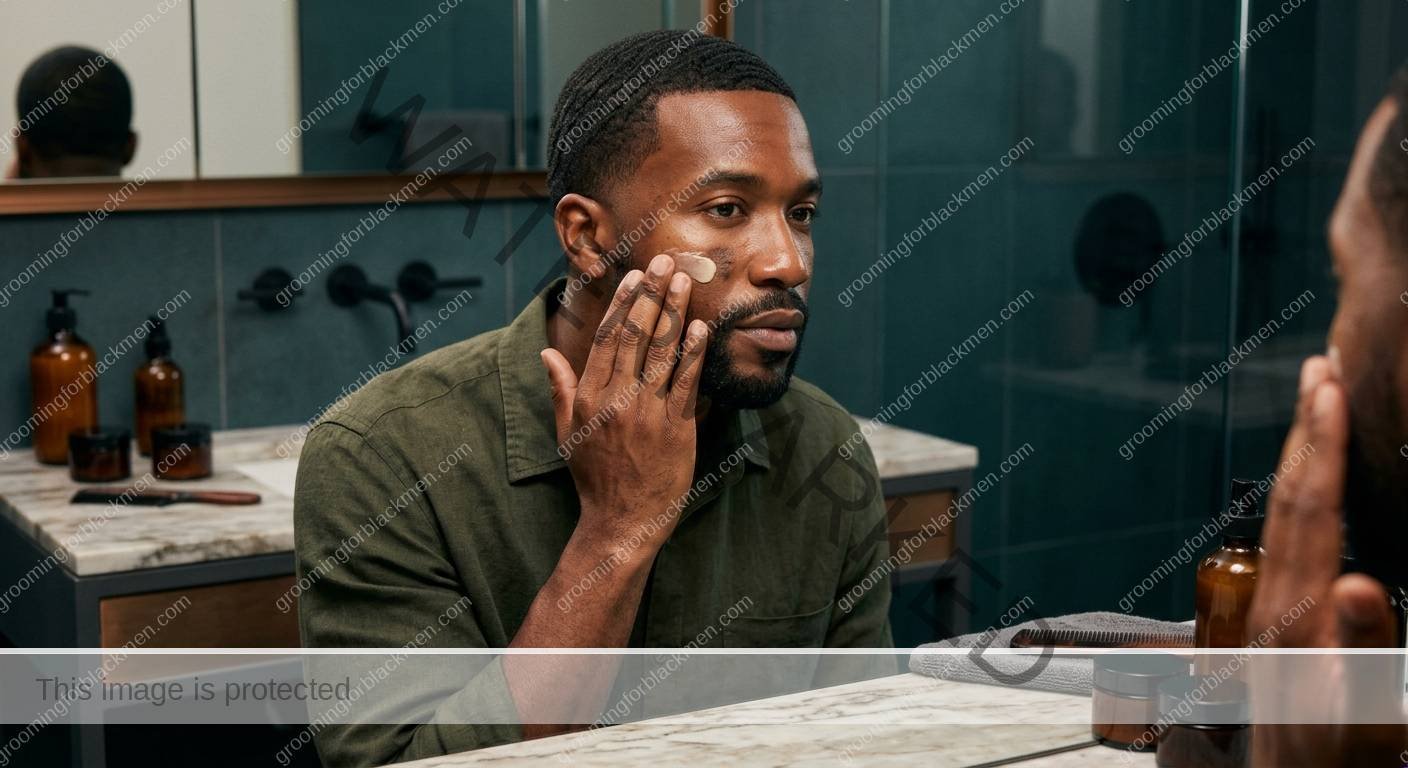
Seasonal sun protection is not complicated when you build it around your real life. Keep a daily SPF baseline, then adjust for heat, sweat, dryness, outdoor time, driving, and grooming habits. If the formula feels wrong, change the formula. Do not drop the habit.
For dark spots, the win is fewer new triggers and better protection for the skin that is already healing. Start with one sunscreen that blends on your skin, one moisturizer that keeps your face comfortable, and one clear reapplication plan for long outdoor days. To keep building the system, read our guides to sunscreen for dark marks, post-inflammatory hyperpigmentation, and ingredient safety for Black men.