
Real-Life Beard Routine Scenarios for Commercial Beard Products for Black Men
A strong beard routine has to work outside of perfect bathroom-counter conditions. It has to work when you are rushing before work, when your beard feels dry after a long day, when the weather changes, and when your barber has shaped the line cleaner than you expected. For Black men, that routine also has to respect dense curls, coarse strands, sensitive skin under the beard, and the fact that product buildup can hide until the beard starts itching, flaking, or looking dull.
Start by reading the beard before adding more product. If the beard feels rough but the skin underneath is calm, you may need better conditioning, a lighter oil, or more consistent brushing. If the skin feels tight, itchy, or irritated, the answer is usually not more shine. It may be a gentler wash schedule, a cleaner rinse, a lighter hand with balm, or a pause from heavy fragrance. The discipline is in changing one variable at a time so you can tell what actually helped.
For a short beard, keep the routine direct: cleanse when needed, moisturize the skin beneath, use a small amount of oil or balm, and brush enough to distribute product without scraping the skin. For a fuller beard, section the work. Apply product from the skin outward, then shape the hair so the surface looks neat without leaving the roots dry. The fuller the beard gets, the more important it becomes to separate grooming from coating. A beard can look shiny and still be dehydrated underneath.
Budget matters too. You do not need a crowded shelf to manage commercial beard products for black men. A dependable wash, one conditioning product, and one tool you actually use will outperform five products that fight each other. If money is tight, upgrade the item that touches your skin or beard most often. If time is tight, simplify the routine instead of skipping care entirely. Consistency beats a complicated plan that only happens twice a month.
How to Audit Your Beard Without Overreacting
Give any beard change enough time to show a pattern. One dry morning does not mean the routine failed. One good beard day does not mean every product is perfect. Track how your beard feels after washing, how the skin underneath feels at night, whether flakes return quickly, and whether the beard holds shape without becoming stiff. Those signals tell you more than packaging claims or social media routines built for a different texture.
If irritation shows up, simplify. Remove the newest product first, reduce fragrance, avoid scratching, and return to a basic cleanse-and-moisturize rhythm. If flakes, soreness, bleeding, swelling, or persistent itching keep coming back, that is a reason to get professional help rather than forcing stronger products into the routine. Grooming should make you look more put together, but it should also leave your skin calmer over time.
Real-Life Beard Routine Scenarios for Commercial Beard Products for Black Men
A strong beard routine has to work outside of perfect bathroom-counter conditions. It has to work when you are rushing before work, when your beard feels dry after a long day, when the weather changes, and when your barber has shaped the line cleaner than you expected. For Black men, that routine also has to respect dense curls, coarse strands, sensitive skin under the beard, and the fact that product buildup can hide until the beard starts itching, flaking, or looking dull.
Start by reading the beard before adding more product. If the beard feels rough but the skin underneath is calm, you may need better conditioning, a lighter oil, or more consistent brushing. If the skin feels tight, itchy, or irritated, the answer is usually not more shine. It may be a gentler wash schedule, a cleaner rinse, a lighter hand with balm, or a pause from heavy fragrance. The discipline is in changing one variable at a time so you can tell what actually helped.
For a short beard, keep the routine direct: cleanse when needed, moisturize the skin beneath, use a small amount of oil or balm, and brush enough to distribute product without scraping the skin. For a fuller beard, section the work. Apply product from the skin outward, then shape the hair so the surface looks neat without leaving the roots dry. The fuller the beard gets, the more important it becomes to separate grooming from coating. A beard can look shiny and still be dehydrated underneath.
Budget matters too. You do not need a crowded shelf to manage commercial beard products for black men. A dependable wash, one conditioning product, and one tool you actually use will outperform five products that fight each other. If money is tight, upgrade the item that touches your skin or beard most often. If time is tight, simplify the routine instead of skipping care entirely. Consistency beats a complicated plan that only happens twice a month.
How to Audit Your Beard Without Overreacting
Give any beard change enough time to show a pattern. One dry morning does not mean the routine failed. One good beard day does not mean every product is perfect. Track how your beard feels after washing, how the skin underneath feels at night, whether flakes return quickly, and whether the beard holds shape without becoming stiff. Those signals tell you more than packaging claims or social media routines built for a different texture.
If irritation shows up, simplify. Remove the newest product first, reduce fragrance, avoid scratching, and return to a basic cleanse-and-moisturize rhythm. If flakes, soreness, bleeding, swelling, or persistent itching keep coming back, that is a reason to get professional help rather than forcing stronger products into the routine. Grooming should make you look more put together, but it should also leave your skin calmer over time.
Real-Life Beard Routine Scenarios for Commercial Beard Products for Black Men
A strong beard routine has to work outside of perfect bathroom-counter conditions. It has to work when you are rushing before work, when your beard feels dry after a long day, when the weather changes, and when your barber has shaped the line cleaner than you expected. For Black men, that routine also has to respect dense curls, coarse strands, sensitive skin under the beard, and the fact that product buildup can hide until the beard starts itching, flaking, or looking dull.
Start by reading the beard before adding more product. If the beard feels rough but the skin underneath is calm, you may need better conditioning, a lighter oil, or more consistent brushing. If the skin feels tight, itchy, or irritated, the answer is usually not more shine. It may be a gentler wash schedule, a cleaner rinse, a lighter hand with balm, or a pause from heavy fragrance. The discipline is in changing one variable at a time so you can tell what actually helped.
For a short beard, keep the routine direct: cleanse when needed, moisturize the skin beneath, use a small amount of oil or balm, and brush enough to distribute product without scraping the skin. For a fuller beard, section the work. Apply product from the skin outward, then shape the hair so the surface looks neat without leaving the roots dry. The fuller the beard gets, the more important it becomes to separate grooming from coating. A beard can look shiny and still be dehydrated underneath.
Budget matters too. You do not need a crowded shelf to manage commercial beard products for black men. A dependable wash, one conditioning product, and one tool you actually use will outperform five products that fight each other. If money is tight, upgrade the item that touches your skin or beard most often. If time is tight, simplify the routine instead of skipping care entirely. Consistency beats a complicated plan that only happens twice a month.
How to Audit Your Beard Without Overreacting
Give any beard change enough time to show a pattern. One dry morning does not mean the routine failed. One good beard day does not mean every product is perfect. Track how your beard feels after washing, how the skin underneath feels at night, whether flakes return quickly, and whether the beard holds shape without becoming stiff. Those signals tell you more than packaging claims or social media routines built for a different texture.
If irritation shows up, simplify. Remove the newest product first, reduce fragrance, avoid scratching, and return to a basic cleanse-and-moisturize rhythm. If flakes, soreness, bleeding, swelling, or persistent itching keep coming back, that is a reason to get professional help rather than forcing stronger products into the routine. Grooming should make you look more put together, but it should also leave your skin calmer over time.
Commercial Beard Products for Black Men: Practical Grooming Guide

Beard care is personal, especially for Black men with rich brown skin and coarse or curly facial hair. The right commercial beard products can make a real difference in your daily routine, but the market is crowded with options that don’t always respect your needs. This guide cuts through the noise, focusing on practical, disciplined grooming for Black men—no hype, no empty promises, just what works and why.
Whether you’re maintaining a full beard, shaping a goatee, or just starting your beard journey, understanding which products actually support your hair and skin is key. Many commercial beard products are not formulated with Black men in mind. That means they often miss the mark on moisture, texture, and long-term skin health. This guide is here to help you avoid wasted money, irritation, and disappointment.
We’ll break down what matters most in beard care for Black men, what usually goes wrong with commercial products, how to choose wisely, and how to troubleshoot common issues. If you want a disciplined, premium approach to grooming—one that respects your time, your hair, and your skin—you’re in the right place.
For a deeper dive into beard care fundamentals, see our Beard Care & Beard Growth for Black Men pillar guide.
Why This Matters for Black Men

Black men’s facial hair is unique. Coarse, curly, or tightly coiled beards require more moisture, gentler handling, and products that won’t clog pores or dry out the skin. Commercial beard products are often designed for straighter hair types and lighter skin, which can leave you with dryness, flakes, or irritation.
Ignoring these needs can lead to:
- Dry, brittle beard hair that breaks easily
- Itchy, irritated skin beneath your beard
- Ingrown hairs and razor bumps
- Beard dandruff (seborrheic dermatitis)
- Uneven growth or patchiness
Choosing the right products isn’t about chasing trends. It’s about protecting your skin barrier, supporting healthy hair growth, and presenting your best self every day. A disciplined routine, built on the right products, means less frustration and more confidence. For foundational advice, see our Beginner Beard Routine for Black Men.
What Usually Goes Wrong

Most commercial beard products are not formulated for the realities of Black men’s grooming. Here’s what often goes wrong:
- Insufficient Moisture: Many beard oils and balms are too light, evaporate quickly, or fail to penetrate coarse hair. This leaves your beard dry and your skin flaky.
- Pore-Clogging Ingredients: Heavy mineral oils, petrolatum, and synthetic fragrances can clog pores, leading to bumps or acne.
- Alcohol-Based Formulas: Some washes, toners, or aftershaves contain alcohol, which strips natural oils and worsens dryness and irritation.
- Harsh Detergents in Beard Washes: Sulfate-based cleansers can leave your beard rough and your skin tight or itchy.
- Unrealistic Claims: Products that promise instant growth or miracle fixes often disappoint and can even cause harm if they contain harsh chemicals.
It’s easy to get caught up in influencer hype or marketing that doesn’t reflect your reality. The wrong products can set you back, causing more problems than they solve. For more on common beard issues, check out our guides on Patchy Beard Fixes and Beard Dandruff.
What to Do Instead
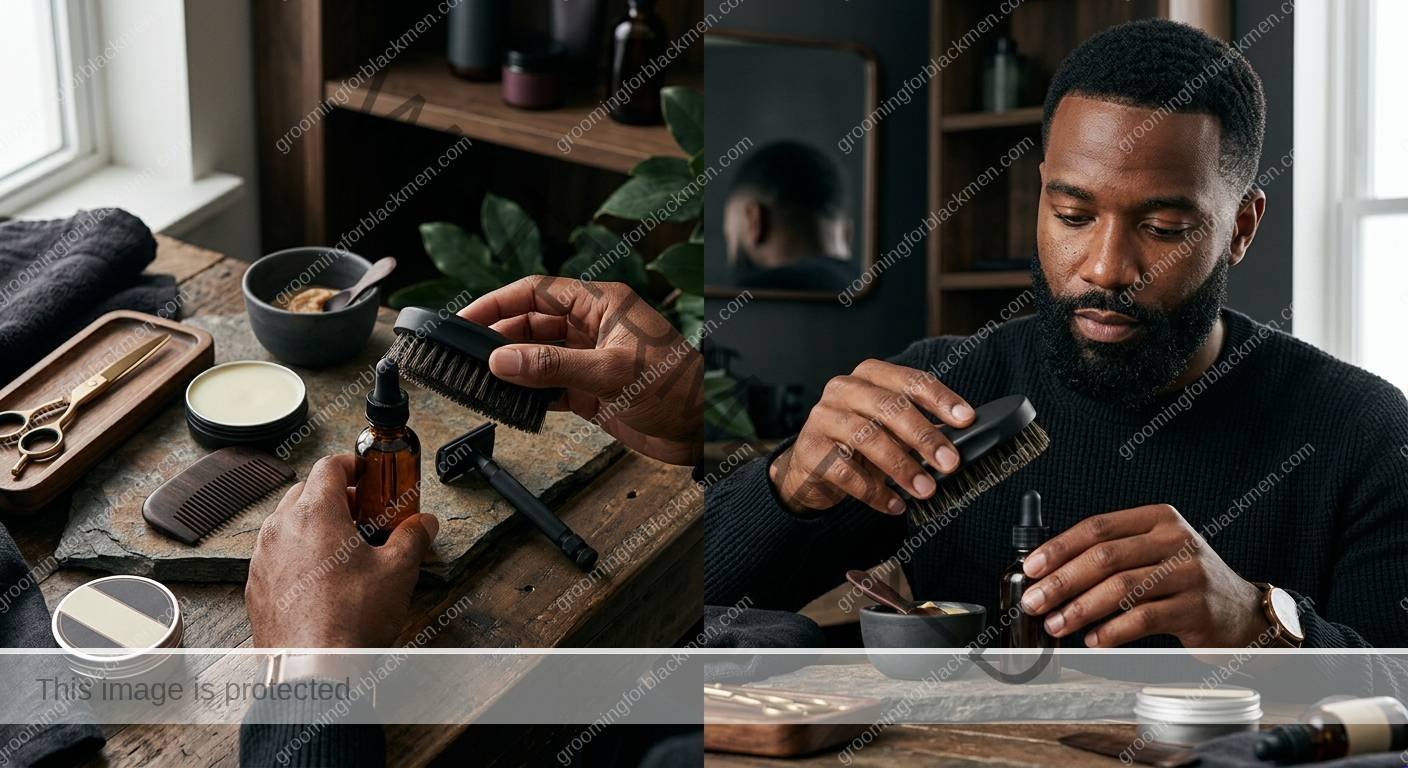
Effective beard care for Black men starts with understanding your hair and skin. Here’s how to build a disciplined, practical grooming routine using commercial products that actually work for you:
- Prioritize Moisture: Look for beard oils, balms, and butters with natural, plant-based oils (like jojoba, argan, grapeseed, or castor) and butters (like shea or mango). These ingredients nourish coarse hair and support skin health.
- Choose Gentle Cleansers: Use sulfate-free beard washes or mild cleansers that clean without stripping. Over-washing can dry out your beard and skin—see our Beard Wash Frequency Guide for details.
- Seal in Hydration: After washing, apply beard oil or butter while your beard is slightly damp. This locks in moisture and softens your hair.
- Style with Purpose: Use beard balm or butter for hold and shape, especially if you have a longer or fuller beard. These products help control frizz and define your beard without stiffness.
- Brush and Comb with Care: Use a wide-tooth comb or a boar bristle brush designed for coarse hair. This helps distribute product and detangle without breakage. For recommendations, see our Best Beard Brush and Comb for Black Men.
- Be Consistent: Results come from routine, not miracles. Stick with your routine and adjust based on how your beard and skin respond.
For a breakdown of when to use oil, balm, or butter, see Beard Oil vs Balm vs Butter for Black Men.
Step-by-Step Routine: Building a Practical Beard Care Regimen
Every beard is different, but a disciplined approach helps you get the most out of commercial products. Here’s a practical, step-by-step routine tailored for Black men with coarse or curly facial hair:
- Cleanse (2-3x per week): Use a sulfate-free beard wash or gentle cleanser. Wet your beard, lather a small amount, and massage into the skin beneath. Rinse thoroughly. Over-washing strips natural oils, so stick to 2-3 times weekly unless you sweat heavily or work in dusty environments.
- Condition (After Every Wash): Apply a beard conditioner or a light leave-in conditioner. Let it sit for a few minutes, then rinse. This step softens coarse hair and helps prevent tangling.
- Hydrate (Daily): After cleansing or showering, pat your beard damp—not dripping. Apply beard oil, working it into both hair and skin. Use your fingertips to massage the oil down to the roots.
- Seal and Style (As Needed): For extra moisture or hold, apply beard balm or butter. Focus on the ends and any areas prone to dryness or frizz. Use balm for shaping, butter for deep conditioning.
- Detangle and Distribute (Daily): Use a wide-tooth comb to gently detangle. Follow with a boar bristle brush to distribute oils and smooth the beard. Always start at the ends and work upward to avoid breakage.
- Trim and Shape (Weekly or Biweekly): Use sharp, clean clippers or scissors to maintain your beard’s shape. Trim stray hairs and define your neckline and cheek lines. For shaping tips, see How to Shape Your Beard.
- Exfoliate (1-2x per week): Use a soft brush or gentle exfoliating scrub to lift dead skin and prevent ingrown hairs. Be gentle—avoid harsh scrubs or aggressive brushing.
Consistency is key. Adjust product amounts and frequency based on your beard’s needs, climate, and how your skin feels. If you’re new to disciplined grooming, start simple and build as you learn what works for you.
Product and Tool Criteria for Black Men’s Beards

Not all beard products are created equal. Here’s what to look for—and what to avoid—when choosing commercial beard products for Black men:
- Ingredients: Favor natural oils (jojoba, argan, grapeseed, coconut, castor), natural butters (shea, mango), and minimal synthetic fragrances. Avoid mineral oil, petrolatum, parabens, and strong artificial scents.
- Texture: Oils should be rich but not greasy; balms and butters should melt into your beard without leaving heavy residue.
- Non-Comedogenic: Products should not clog pores or cause breakouts. Look for “non-comedogenic” on the label or check for lightweight oils.
- Alcohol-Free: Avoid products with denatured alcohol, especially in washes, toners, or aftershaves.
- pH-Balanced: Beard washes and conditioners should be pH-balanced to avoid disrupting your skin’s natural barrier.
- Packaging: Dark glass bottles help preserve natural oils. Pumps or droppers make application easier and more hygienic.
GFBM may earn a small commission from qualifying purchases, but product examples are included to clarify criteria, not to promise results.
- Beard Oil: Look for blends with jojoba, argan, or castor oil. See options here: Beard Oil for Black Men on Amazon.
- Beard Balm: Choose balms with shea butter and natural waxes for hold and moisture: Beard Balm for Black Men on Amazon.
- Beard Butter: For deep conditioning and softening, look for whipped butters with minimal fillers: Beard Butter for Black Men on Amazon.
Always patch test new products on a small area of skin before full use. If irritation occurs, discontinue and consult a qualified clinician.
Real-Life Scenarios: Choosing and Using Commercial Beard Products
Let’s look at how these principles play out in real life. Here are a few scenarios Black men often face, and how to apply a disciplined, premium approach to each:
Scenario 1: The New Beard Grower
You’ve decided to grow your beard out for the first time. The hair feels rough, your skin is itchy, and you’re tempted to reach for whatever oil is on the shelf. Instead, start with a gentle beard wash, a lightweight beard oil (jojoba or argan-based), and a boar bristle brush. Keep your routine simple—wash 2-3 times a week, oil daily, and brush gently. Avoid heavy balms or butters until your beard fills in. For more, see our Beginner Beard Routine.
Scenario 2: The Full Beard with Patchiness
Your beard is mostly full but has a few patchy spots. Resist the urge to over-apply thick products or chase miracle serums. Focus on hydration and scalp health—consistent oiling, gentle exfoliation, and regular trims. Use a balm to shape and fill in uneven areas, but don’t overdo it. For patchiness strategies, see Patchy Beard Fixes for Black Men.
Scenario 3: The Active Lifestyle
If you sweat a lot or work outdoors, your beard may collect salt, dirt, or debris. Stick to a gentle, sulfate-free wash after heavy activity, and always reapply oil after cleansing. Beard butters can help protect against dryness from sun or wind. Don’t skip exfoliation—use a soft brush to lift sweat and dirt from the skin beneath.
Scenario 4: The Sensitive Skin Challenge
If your skin reacts to most products, look for fragrance-free, hypoallergenic beard oils and balms. Avoid anything with alcohol, menthol, or strong essential oils. Patch test every new product, and keep your routine minimal. For persistent irritation, see our Beard Itch Guide.
Scenario 5: The Mature Beard
Longer, fuller beards need extra moisture and regular shaping. Use a richer beard butter at night, and a lighter oil in the morning. Comb and brush daily to prevent matting and split ends. Trim regularly to maintain shape and remove damaged ends. For advanced care, see How to Shape Your Beard.
Troubleshooting and When to Get Help
Even with the best products, issues can come up. Here’s how to address common problems—and when to seek professional help:
- Dryness or Flakes: Increase the frequency of oil or butter application. Use a humidifier in dry climates. Avoid over-washing.
- Itch or Irritation: Switch to fragrance-free or hypoallergenic products. Avoid alcohol-based formulas. For persistent itch, see our Beard Itch Guide.
- Ingrown Hairs or Bumps: Don’t dig or tweeze. Use a gentle exfoliating brush or soft washcloth once or twice a week. If bumps are painful, spreading, or scarring, see a dermatologist.
- Oily or Greasy Beard: Use less product or switch to lighter oils. Wash your beard 2-3 times per week with a gentle cleanser.
- Patchy Growth: Stay consistent with your routine. Focus on scalp and beard health, not miracle serums. For more, see Patchy Beard Fixes for Black Men.
If you experience painful, infected, spreading, or persistent irritation, consult a dermatologist or qualified clinician. Don’t try harsh DIY fixes or aggressive scrubbing—these can make things worse.
Frequently Asked Questions
How often should I use beard oil, balm, or butter?
For most Black men, beard oil or butter should be applied daily, especially after washing or showering. Balm can be used as needed for styling or extra hold. Adjust frequency based on your beard’s dryness and your climate.
Can I use hair products on my beard?
Most scalp hair products are not formulated for facial skin and can clog pores or cause irritation. Stick to products specifically labeled for beard care, with ingredients that support both hair and skin health.
What’s the difference between beard oil, balm, and butter?
Beard oil hydrates and softens; balm adds light hold and seals in moisture; butter deeply conditions and softens coarse hair. For a full breakdown, see Beard Oil vs Balm vs Butter for Black Men.
How do I prevent beard dandruff?
Keep your beard and skin moisturized, avoid harsh cleansers, and use a gentle beard wash 2-3 times per week. For persistent flakes, see our Beard Dandruff Guide.
What should I do if my beard feels rough or wiry?
Use a richer beard butter or oil, and apply while your beard is slightly damp. Regular brushing with a boar bristle brush can also help soften and distribute product evenly.
Is it safe to use commercial beard dyes or colorants?
Many beard dyes contain harsh chemicals that can irritate sensitive skin. Always patch test first, and consider consulting a barber or dermatologist before using permanent dyes. If you experience burning or swelling, discontinue use immediately.
What tools are best for grooming coarse or curly beards?
Use a wide-tooth comb for detangling and a boar bristle brush for smoothing and distributing oils. Avoid fine-tooth combs or metal picks, which can cause breakage. For more, see Best Beard Brush and Comb for Black Men.
What to Do Next
Building a disciplined beard care routine is about understanding your hair, respecting your skin, and choosing products that work for you—not against you. Start by reviewing your current products and routines. Swap out anything with harsh detergents, heavy synthetic fragrances, or pore-clogging oils. Invest in a quality beard oil, balm, or butter designed for Black men’s needs, and commit to a consistent, practical routine.
Stay patient—real results come from daily discipline, not overnight miracles. If you’re ready to level up your grooming, explore our guides on How to Shape Your Beard and Best Beard Oils for Black Men for more practical advice.
For a full overview of beard care, visit our Beard Care & Beard Growth for Black Men pillar page. Your beard, your skin, your rules—keep it disciplined, keep it premium, and keep it real.