
360 waves aren’t just a hairstyle—they’re a disciplined routine, a statement of self-respect, and a nod to Black men’s unique hair texture and culture. If you’re new to the process, you’ve probably seen the crisp, uniform ripples and wondered how to get there without falling for hype or shortcuts. The truth is, 360 waves require patience, the right tools, and a consistent approach that respects your hair and scalp health. This 360 waves beginner routine for Black men practical grooming guide breaks down what works, what doesn’t, and how to build a routine that fits real life—not just Instagram highlights.
This guide is designed for Black men with rich brown skin and coarse or curly hair, especially those who want a straightforward, no-nonsense path to healthy, defined waves. You’ll find practical steps, grounded advice, and clear criteria for choosing products and tools. If you’ve tried before and didn’t see results, or if you’re starting fresh, you’ll walk away with a routine that respects your time, your hair, and your culture.
For a broader look at hair and scalp health, see our Hair & Scalp Health Guide for Black Men. For a deep dive on 360 waves, visit our 360 Waves Guide.
Real-Life Hair and Waves Scenarios for 360 Waves Beginner Routine for Black Men
A waves or scalp routine has to work after the bathroom mirror, not just during the first ten minutes after brushing. Black men often have to balance dense curls, scalp comfort, haircut timing, durag habits, sweat, product buildup, and the pressure to keep the pattern looking clean every day. That is why 360 waves beginner routine for black men needs a practical system instead of random brushing, heavy product, or panic changes whenever the pattern looks uneven.
Start by separating three questions. First, what is the hair doing? It may be dry, overcoated, frizzy, compressed unevenly, or not trained enough yet. Second, what is the scalp doing? Tightness, flakes, itching, or soreness usually means the routine needs gentler cleansing, cleaner tools, better rinsing, or less buildup. Third, what is your schedule doing? If you work out, wear hats, sweat heavily, or sleep without consistent compression, your routine has to account for that reality.
The goal is not to force the hair into a pattern overnight. The goal is to create steady conditions: clean scalp, moisturized hair, consistent brushing direction, reasonable compression, and enough patience to let the curl pattern train over time. For many Black men, the mistake is not lack of effort. It is too much inconsistent effort: changing brushes every few days, adding more product when the scalp needs washing, or brushing aggressively until the scalp feels tender.
Tools matter, but standards matter more. A wave brush should match your hair length and texture. A durag or wave cap should hold the hair down without leaving painful lines. Wash day should clean the scalp without stripping it so hard that the hair feels brittle. Product should support moisture and control, not bury the scalp under a waxy layer. When those basics are consistent, the routine starts to feel less like guesswork.
How to Audit Waves and Scalp Progress Without Overreacting
Audit the routine weekly, not every hour. Look at whether the pattern is becoming more consistent, whether the scalp feels calmer, whether flakes or itch are improving, and whether the hair still has movement after product. A clean routine should not make the scalp feel trapped. If the hair only looks controlled because it is stiff, greasy, or coated, the routine may be hiding a problem instead of solving it.
If progress stalls, change one variable at a time. Adjust brush firmness, brushing direction, wash frequency, compression time, or product amount separately so you can tell what helped. If the scalp becomes painful, inflamed, bleeding, or persistently flaky, pause aggressive styling and consider a dermatologist or qualified clinician. A polished look should not require ignoring discomfort. The best routine is the one that trains the hair while protecting the scalp underneath.
Real-Life Hair and Waves Scenarios for 360 Waves Beginner Routine for Black Men
A waves or scalp routine has to work after the bathroom mirror, not just during the first ten minutes after brushing. Black men often have to balance dense curls, scalp comfort, haircut timing, durag habits, sweat, product buildup, and the pressure to keep the pattern looking clean every day. That is why 360 waves beginner routine for black men needs a practical system instead of random brushing, heavy product, or panic changes whenever the pattern looks uneven.
Start by separating three questions. First, what is the hair doing? It may be dry, overcoated, frizzy, compressed unevenly, or not trained enough yet. Second, what is the scalp doing? Tightness, flakes, itching, or soreness usually means the routine needs gentler cleansing, cleaner tools, better rinsing, or less buildup. Third, what is your schedule doing? If you work out, wear hats, sweat heavily, or sleep without consistent compression, your routine has to account for that reality.
The goal is not to force the hair into a pattern overnight. The goal is to create steady conditions: clean scalp, moisturized hair, consistent brushing direction, reasonable compression, and enough patience to let the curl pattern train over time. For many Black men, the mistake is not lack of effort. It is too much inconsistent effort: changing brushes every few days, adding more product when the scalp needs washing, or brushing aggressively until the scalp feels tender.
Tools matter, but standards matter more. A wave brush should match your hair length and texture. A durag or wave cap should hold the hair down without leaving painful lines. Wash day should clean the scalp without stripping it so hard that the hair feels brittle. Product should support moisture and control, not bury the scalp under a waxy layer. When those basics are consistent, the routine starts to feel less like guesswork.
How to Audit Waves and Scalp Progress Without Overreacting
Audit the routine weekly, not every hour. Look at whether the pattern is becoming more consistent, whether the scalp feels calmer, whether flakes or itch are improving, and whether the hair still has movement after product. A clean routine should not make the scalp feel trapped. If the hair only looks controlled because it is stiff, greasy, or coated, the routine may be hiding a problem instead of solving it.
If progress stalls, change one variable at a time. Adjust brush firmness, brushing direction, wash frequency, compression time, or product amount separately so you can tell what helped. If the scalp becomes painful, inflamed, bleeding, or persistently flaky, pause aggressive styling and consider a dermatologist or qualified clinician. A polished look should not require ignoring discomfort. The best routine is the one that trains the hair while protecting the scalp underneath.
Real-Life Hair and Waves Scenarios for 360 Waves Beginner Routine for Black Men
A waves or scalp routine has to work after the bathroom mirror, not just during the first ten minutes after brushing. Black men often have to balance dense curls, scalp comfort, haircut timing, durag habits, sweat, product buildup, and the pressure to keep the pattern looking clean every day. That is why 360 waves beginner routine for black men needs a practical system instead of random brushing, heavy product, or panic changes whenever the pattern looks uneven.
Start by separating three questions. First, what is the hair doing? It may be dry, overcoated, frizzy, compressed unevenly, or not trained enough yet. Second, what is the scalp doing? Tightness, flakes, itching, or soreness usually means the routine needs gentler cleansing, cleaner tools, better rinsing, or less buildup. Third, what is your schedule doing? If you work out, wear hats, sweat heavily, or sleep without consistent compression, your routine has to account for that reality.
The goal is not to force the hair into a pattern overnight. The goal is to create steady conditions: clean scalp, moisturized hair, consistent brushing direction, reasonable compression, and enough patience to let the curl pattern train over time. For many Black men, the mistake is not lack of effort. It is too much inconsistent effort: changing brushes every few days, adding more product when the scalp needs washing, or brushing aggressively until the scalp feels tender.
Tools matter, but standards matter more. A wave brush should match your hair length and texture. A durag or wave cap should hold the hair down without leaving painful lines. Wash day should clean the scalp without stripping it so hard that the hair feels brittle. Product should support moisture and control, not bury the scalp under a waxy layer. When those basics are consistent, the routine starts to feel less like guesswork.
How to Audit Waves and Scalp Progress Without Overreacting
Audit the routine weekly, not every hour. Look at whether the pattern is becoming more consistent, whether the scalp feels calmer, whether flakes or itch are improving, and whether the hair still has movement after product. A clean routine should not make the scalp feel trapped. If the hair only looks controlled because it is stiff, greasy, or coated, the routine may be hiding a problem instead of solving it.
If progress stalls, change one variable at a time. Adjust brush firmness, brushing direction, wash frequency, compression time, or product amount separately so you can tell what helped. If the scalp becomes painful, inflamed, bleeding, or persistently flaky, pause aggressive styling and consider a dermatologist or qualified clinician. A polished look should not require ignoring discomfort. The best routine is the one that trains the hair while protecting the scalp underneath.
Why This Matters for Black Men
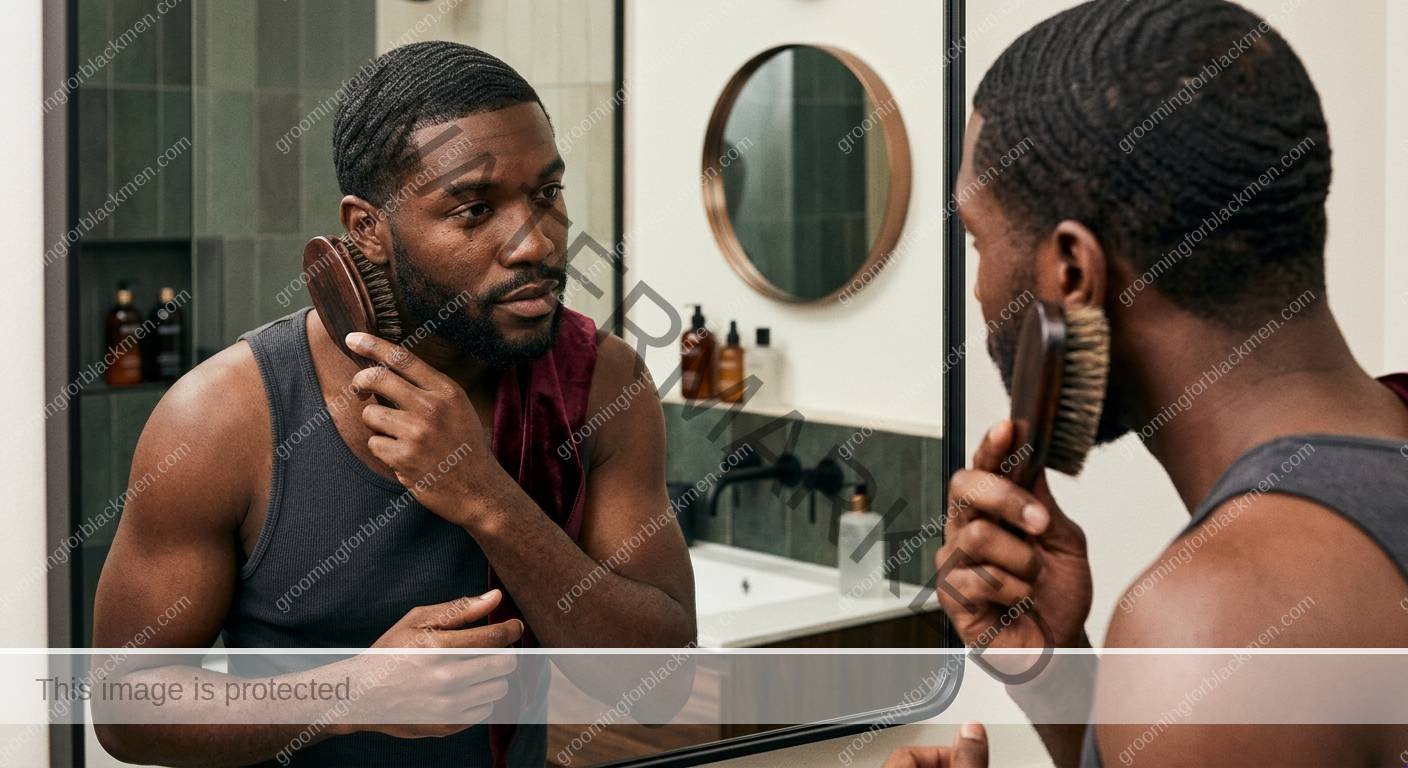
360 waves are more than a trend—they’re a tradition rooted in Black barbershop culture and personal grooming. For Black men, hair is both a form of self-expression and a reflection of discipline. Coarse, curly hair offers the perfect foundation for waves, but it also demands respect. Neglect, harsh routines, or the wrong products can lead to breakage, dryness, or scalp irritation.
Building waves is about more than appearance. It’s about learning your hair’s needs, building a routine that fits your lifestyle, and taking pride in the results. A disciplined approach to grooming for Black men isn’t just about looking good—it’s about feeling confident, maintaining scalp health, and honoring the culture that made waves iconic.
What Usually Goes Wrong

Most beginners run into the same roadblocks:
- Over-brushing or under-brushing: Too much brushing can cause scalp irritation and breakage. Too little, and waves never form.
- Skipping moisture: Coarse hair needs hydration. Dry routines lead to brittle hair and dull waves.
- Wrong tools: Brushes that are too hard, cheap durags, or low-quality products can set you back.
- Impatience: Expecting results in days or weeks leads to frustration. Waves require consistency over months.
- Ignoring scalp health: Product buildup, clogged pores, or rough handling can cause flakes, bumps, or irritation.
- Harsh DIY methods: Aggressive scrubbing, digging at ingrown hairs, or using undiluted oils can do more harm than good.
Understanding these common mistakes is the first step to building a routine that works for your hair and scalp.
What to Do Instead

Building a 360 waves routine as a Black man is about discipline, patience, and the right steps. Here’s a practical, step-by-step approach:
1. Start with a Clean Slate
Begin with a fresh haircut—usually a low cut with the grain (WG). This gives your hair an even starting point. Ask your barber for a cut that’s not too low; if it’s too short, waves won’t form. A #1.5 or #2 guard is a good starting point for most men. If you’re unsure, talk to your barber about your wave goals and hair texture. The right cut sets the foundation for your entire journey.
2. Wash and Condition Regularly
Clean hair is the foundation of healthy waves. Wash your hair 1-2 times per week with a sulfate-free shampoo. Follow with a moisturizing conditioner to keep your hair soft and manageable. Avoid harsh scrubbing—massage gently with your fingertips to avoid scalp irritation. On wash days, brush your hair while the conditioner is in to help train your pattern. Rinse thoroughly to avoid buildup.
3. Moisturize Daily
Coarse, curly hair thrives with moisture. Use a lightweight, water-based moisturizer or leave-in conditioner daily. Avoid heavy greases or petroleum-based products—they can clog pores and attract dirt. Focus on products that hydrate without buildup. If your hair feels dry midday, lightly mist with water before reapplying moisturizer. Pay attention to your scalp as well; a healthy scalp is the bedrock of healthy waves.
4. Brush with Purpose
Brushing is the core of wave formation. Use a medium or soft wave brush, depending on your hair length and scalp sensitivity. Brush in the direction your hair naturally grows—usually forward, down the sides, and back. Aim for 10-20 minutes per session, 1-2 times daily. Consistency matters more than intensity. Focus on even, controlled strokes. If you’re new, start with shorter sessions and gradually increase as your scalp adapts. Brushing after moisturizing helps lay the pattern and distribute product evenly.
5. Protect Your Progress
After brushing, wear a durag or wave cap to lay your hair down and lock in moisture. This prevents frizz and helps train your hair. Wear your durag overnight and during naps or workouts. If you sweat heavily, change to a clean durag to avoid buildup. Satin or silk-like fabrics are best for reducing friction and breakage. For extra compression, some men layer a wave cap over their durag.
6. Maintain Your Routine
Stick to your routine for at least 4-8 weeks before expecting visible results. Adjust your brushing, moisturizing, and washing based on how your hair and scalp respond. If you notice irritation, scale back and focus on scalp health. The key is consistency—waves are built over time, not overnight. Document your progress with photos to see subtle changes and stay motivated.
7. Trim, Don’t Chop
Regular shape-ups keep your waves looking sharp, but avoid cutting your hair too low. Trimming every 2-4 weeks is usually enough to maintain your pattern without starting over. Communicate with your barber about your wave goals. A good barber will know how to keep your hair at the right length for wave development and maintenance.
Routine Logic: How and Why Each Step Matters
Each step in the 360 waves beginner routine for Black men practical grooming guide is designed to respect your hair’s needs and your lifestyle. Clean hair and scalp prevent buildup and irritation. Moisture keeps coarse hair flexible and healthy. Brushing trains the curl pattern into waves. Protection with a durag or wave cap locks in progress and moisture. Regular trims keep your pattern sharp without undoing your hard work. This routine is about discipline, not perfection—adjust as needed for your hair type, schedule, and comfort.
Real-Life Scenarios and Adjustments
- Busy schedule? Focus on shorter, high-quality brush sessions and keep a travel-size moisturizer handy. Consistency matters more than marathon sessions.
- Active lifestyle? Sweat can dry out hair and scalp. Rinse with water after workouts, reapply moisturizer, and use a clean durag.
- Thick, stubborn hair? You may need longer brushing sessions and richer moisturizers. Patience is key—some hair types take longer to train.
- Sensitive scalp? Start with a soft brush and gentle products. If irritation develops, take a break and focus on scalp health before resuming.
For more detail on each step, see our 360 Waves Guide and Hair & Scalp Health Guide.
Product and Tool Criteria for 360 Waves
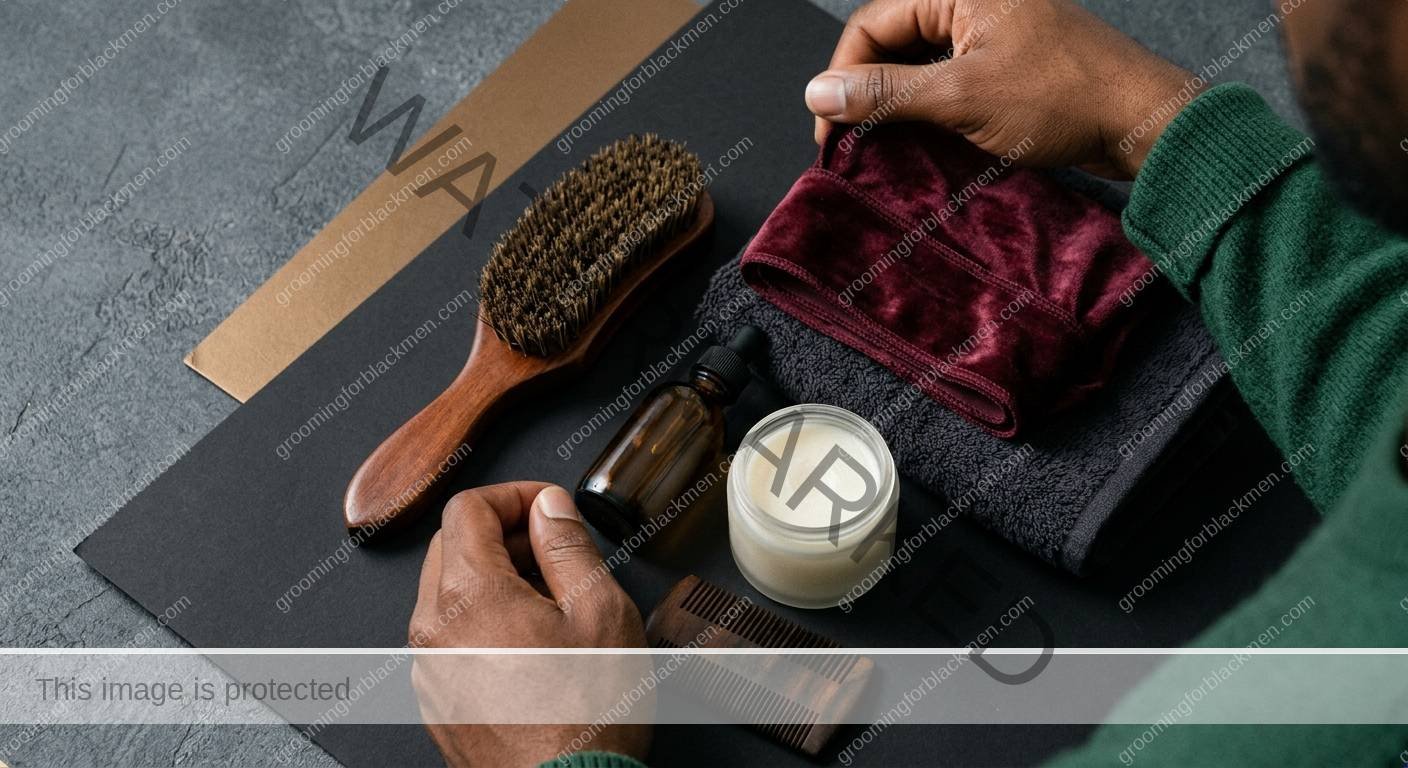
Choosing the right tools and products is critical for building and maintaining waves. Here’s what to look for:
- Wave Brush: Look for a brush with natural or high-quality synthetic bristles. Medium brushes work well for most beginners; soft brushes are good for sensitive scalps or shorter hair. Avoid hard brushes until your hair is longer and your scalp is conditioned. See our Wave Brush Selection Guide for more detail.
- Moisturizer: Choose a water-based moisturizer or leave-in conditioner. Avoid products with heavy petroleum, mineral oil, or alcohol as primary ingredients. Ingredients like shea butter, aloe vera, and coconut oil (in balanced, diluted formulas) are good for hydration and scalp comfort.
- Durag or Wave Cap: Use a high-quality durag or wave cap made from satin or silk-like material. These fabrics reduce friction and help retain moisture. For a comparison, check our Durag vs Wave Cap Guide.
- Shampoo & Conditioner: Use sulfate-free, moisturizing formulas designed for curly or coarse hair. Avoid anything that leaves your hair feeling stripped or dry. Look for products that rinse clean and leave your scalp comfortable.
GFBM may earn a small commission from qualifying purchases, but product examples are included to clarify criteria, not to promise results.
- Wave brush for Black men (Amazon search)
- Durag for waves (Amazon search)
- Wave cap for Black men (Amazon search)
How to Choose What Works for You
Not every product or tool will work for every head of hair. If you have a sensitive scalp, prioritize soft brushes and fragrance-free moisturizers. If your hair dries out quickly, look for richer, cream-based leave-ins. If you’re prone to buildup, use lighter products and clarify monthly. Your routine should fit your lifestyle, comfort, and hair’s needs—not just what’s trending.
360 Waves: Troubleshooting and When to Get Help

Even with a disciplined routine, you might run into issues. Here’s how to handle common problems:
- Dryness or flaking: Increase your moisturizing frequency. Switch to a richer leave-in conditioner if needed. Avoid alcohol-heavy products. If your scalp is dry, consider a light, non-comedogenic oil applied sparingly to the scalp, not just the hair.
- Scalp irritation or bumps: Ease up on brushing. Make sure you’re not using a brush that’s too hard. Wash durags and wave caps regularly to prevent buildup. If irritation persists, switch to a fragrance-free moisturizer and avoid scratching.
- Waves not forming: Check your brushing technique and consistency. Make sure you’re brushing in the right direction and using enough sessions per day. Be patient—some hair types take longer to train. If you’ve been consistent for months with little progress, consult a barber experienced with waves for personalized advice.
- Product buildup: Use a clarifying shampoo once a month to remove residue. Don’t overdo it—clarifying too often can dry out your hair. Always follow with a deep conditioner to restore moisture.
- Persistent irritation, pain, infection, or scarring: If you notice any of these, stop your routine and consult a dermatologist or qualified clinician. Don’t try to dig out ingrown hairs or use harsh DIY remedies.
For more troubleshooting tips, see our Waves Troubleshooting Guide and Hair & Scalp Health Guide.
When to Adjust or Pause Your Routine
If you experience ongoing irritation, excessive dryness, or breakage, it’s time to reassess your products and technique. Sometimes, less is more—scalp health always comes first. If you’re dealing with medical scalp issues, pause your wave routine and focus on healing. A healthy scalp will always produce better waves in the long run.
Frequently Asked Questions
How long does it take to get 360 waves?
Most Black men see early wave patterns in 4-8 weeks with consistent brushing, moisturizing, and protection. Full, deep waves can take several months. Genetics, hair texture, and routine discipline all play a role. Patience and consistency are key.
How often should I brush my hair for waves?
Brush 1-2 times daily for 10-20 minutes per session. Focus on quality and direction, not just time. Over-brushing can irritate your scalp, while under-brushing slows progress. Adjust based on your hair’s response.
What’s the best way to moisturize my hair for waves?
Use a water-based moisturizer or leave-in conditioner daily. Apply to damp hair after washing or lightly mist with water before moisturizing. Avoid heavy greases or petroleum-based products, which can clog pores and attract dirt.
Should I use a durag or a wave cap?
Both work, but a high-quality satin or silk durag is the standard for locking in moisture and laying hair down. Wave caps can be layered for extra compression. Choose based on comfort and how well your hair stays laid. See our Durag vs Wave Cap Guide for a full breakdown.
How do I wash my hair without ruining my waves?
Use a sulfate-free shampoo and a moisturizing conditioner. Brush your hair in the wave pattern while washing and conditioning. After rinsing, gently pat dry with a microfiber towel, apply moisturizer, and brush before tying down with a durag. For step-by-step guidance, see our Waves Wash Day Guide.
What if my scalp gets irritated or bumps appear?
Ease up on brushing and switch to a softer brush. Make sure your durag or wave cap is clean and not too tight. If irritation, pain, or bumps persist, stop your routine and consult a dermatologist or qualified clinician. Don’t dig at bumps or use harsh DIY treatments.
Can I get 360 waves with any hair type?
Most coarse and curly hair types can develop waves with the right routine. Straighter hair may not form deep waves, but can still achieve a ripple pattern. Focus on what’s realistic for your hair and scalp, and don’t compare your progress to others.
What to Do Next
Building 360 waves as a Black man is about more than brushing—it’s a disciplined, culturally-rooted grooming routine that respects your hair and scalp. Start with the basics: a clean cut, regular washing, daily moisture, consistent brushing, and protection with a quality durag or wave cap. Adjust your routine based on your hair’s needs and be patient with the process.
For more on maintaining healthy hair and scalp, visit our Hair & Scalp Health Guide. For step-by-step wave routines, see our 360 Waves Guide. If you need help choosing the right brush, check our Wave Brush Selection Guide. For a detailed look at wash day routines, read our Waves Wash Day Guide.
Stay disciplined, stay patient, and respect the process. Your waves—and your confidence—will reflect the work you put in.