
Real-Life Hair and Waves Scenarios for Waves Wash Day for Black Men
A waves or scalp routine has to work after the bathroom mirror, not just during the first ten minutes after brushing. Black men often have to balance dense curls, scalp comfort, haircut timing, durag habits, sweat, product buildup, and the pressure to keep the pattern looking clean every day. That is why waves wash day for black men needs a practical system instead of random brushing, heavy product, or panic changes whenever the pattern looks uneven.
Start by separating three questions. First, what is the hair doing? It may be dry, overcoated, frizzy, compressed unevenly, or not trained enough yet. Second, what is the scalp doing? Tightness, flakes, itching, or soreness usually means the routine needs gentler cleansing, cleaner tools, better rinsing, or less buildup. Third, what is your schedule doing? If you work out, wear hats, sweat heavily, or sleep without consistent compression, your routine has to account for that reality.
The goal is not to force the hair into a pattern overnight. The goal is to create steady conditions: clean scalp, moisturized hair, consistent brushing direction, reasonable compression, and enough patience to let the curl pattern train over time. For many Black men, the mistake is not lack of effort. It is too much inconsistent effort: changing brushes every few days, adding more product when the scalp needs washing, or brushing aggressively until the scalp feels tender.
Tools matter, but standards matter more. A wave brush should match your hair length and texture. A durag or wave cap should hold the hair down without leaving painful lines. Wash day should clean the scalp without stripping it so hard that the hair feels brittle. Product should support moisture and control, not bury the scalp under a waxy layer. When those basics are consistent, the routine starts to feel less like guesswork.
How to Audit Waves and Scalp Progress Without Overreacting
Audit the routine weekly, not every hour. Look at whether the pattern is becoming more consistent, whether the scalp feels calmer, whether flakes or itch are improving, and whether the hair still has movement after product. A clean routine should not make the scalp feel trapped. If the hair only looks controlled because it is stiff, greasy, or coated, the routine may be hiding a problem instead of solving it.
If progress stalls, change one variable at a time. Adjust brush firmness, brushing direction, wash frequency, compression time, or product amount separately so you can tell what helped. If the scalp becomes painful, inflamed, bleeding, or persistently flaky, pause aggressive styling and consider a dermatologist or qualified clinician. A polished look should not require ignoring discomfort. The best routine is the one that trains the hair while protecting the scalp underneath.
Real-Life Hair and Waves Scenarios for Waves Wash Day for Black Men
A waves or scalp routine has to work after the bathroom mirror, not just during the first ten minutes after brushing. Black men often have to balance dense curls, scalp comfort, haircut timing, durag habits, sweat, product buildup, and the pressure to keep the pattern looking clean every day. That is why waves wash day for black men needs a practical system instead of random brushing, heavy product, or panic changes whenever the pattern looks uneven.
Start by separating three questions. First, what is the hair doing? It may be dry, overcoated, frizzy, compressed unevenly, or not trained enough yet. Second, what is the scalp doing? Tightness, flakes, itching, or soreness usually means the routine needs gentler cleansing, cleaner tools, better rinsing, or less buildup. Third, what is your schedule doing? If you work out, wear hats, sweat heavily, or sleep without consistent compression, your routine has to account for that reality.
The goal is not to force the hair into a pattern overnight. The goal is to create steady conditions: clean scalp, moisturized hair, consistent brushing direction, reasonable compression, and enough patience to let the curl pattern train over time. For many Black men, the mistake is not lack of effort. It is too much inconsistent effort: changing brushes every few days, adding more product when the scalp needs washing, or brushing aggressively until the scalp feels tender.
Tools matter, but standards matter more. A wave brush should match your hair length and texture. A durag or wave cap should hold the hair down without leaving painful lines. Wash day should clean the scalp without stripping it so hard that the hair feels brittle. Product should support moisture and control, not bury the scalp under a waxy layer. When those basics are consistent, the routine starts to feel less like guesswork.
How to Audit Waves and Scalp Progress Without Overreacting
Audit the routine weekly, not every hour. Look at whether the pattern is becoming more consistent, whether the scalp feels calmer, whether flakes or itch are improving, and whether the hair still has movement after product. A clean routine should not make the scalp feel trapped. If the hair only looks controlled because it is stiff, greasy, or coated, the routine may be hiding a problem instead of solving it.
If progress stalls, change one variable at a time. Adjust brush firmness, brushing direction, wash frequency, compression time, or product amount separately so you can tell what helped. If the scalp becomes painful, inflamed, bleeding, or persistently flaky, pause aggressive styling and consider a dermatologist or qualified clinician. A polished look should not require ignoring discomfort. The best routine is the one that trains the hair while protecting the scalp underneath.
Real-Life Hair and Waves Scenarios for Waves Wash Day for Black Men
A waves or scalp routine has to work after the bathroom mirror, not just during the first ten minutes after brushing. Black men often have to balance dense curls, scalp comfort, haircut timing, durag habits, sweat, product buildup, and the pressure to keep the pattern looking clean every day. That is why waves wash day for black men needs a practical system instead of random brushing, heavy product, or panic changes whenever the pattern looks uneven.
Start by separating three questions. First, what is the hair doing? It may be dry, overcoated, frizzy, compressed unevenly, or not trained enough yet. Second, what is the scalp doing? Tightness, flakes, itching, or soreness usually means the routine needs gentler cleansing, cleaner tools, better rinsing, or less buildup. Third, what is your schedule doing? If you work out, wear hats, sweat heavily, or sleep without consistent compression, your routine has to account for that reality.
The goal is not to force the hair into a pattern overnight. The goal is to create steady conditions: clean scalp, moisturized hair, consistent brushing direction, reasonable compression, and enough patience to let the curl pattern train over time. For many Black men, the mistake is not lack of effort. It is too much inconsistent effort: changing brushes every few days, adding more product when the scalp needs washing, or brushing aggressively until the scalp feels tender.
Tools matter, but standards matter more. A wave brush should match your hair length and texture. A durag or wave cap should hold the hair down without leaving painful lines. Wash day should clean the scalp without stripping it so hard that the hair feels brittle. Product should support moisture and control, not bury the scalp under a waxy layer. When those basics are consistent, the routine starts to feel less like guesswork.
How to Audit Waves and Scalp Progress Without Overreacting
Audit the routine weekly, not every hour. Look at whether the pattern is becoming more consistent, whether the scalp feels calmer, whether flakes or itch are improving, and whether the hair still has movement after product. A clean routine should not make the scalp feel trapped. If the hair only looks controlled because it is stiff, greasy, or coated, the routine may be hiding a problem instead of solving it.
If progress stalls, change one variable at a time. Adjust brush firmness, brushing direction, wash frequency, compression time, or product amount separately so you can tell what helped. If the scalp becomes painful, inflamed, bleeding, or persistently flaky, pause aggressive styling and consider a dermatologist or qualified clinician. A polished look should not require ignoring discomfort. The best routine is the one that trains the hair while protecting the scalp underneath.
Waves Wash Day for Black Men: Practical Grooming Guide
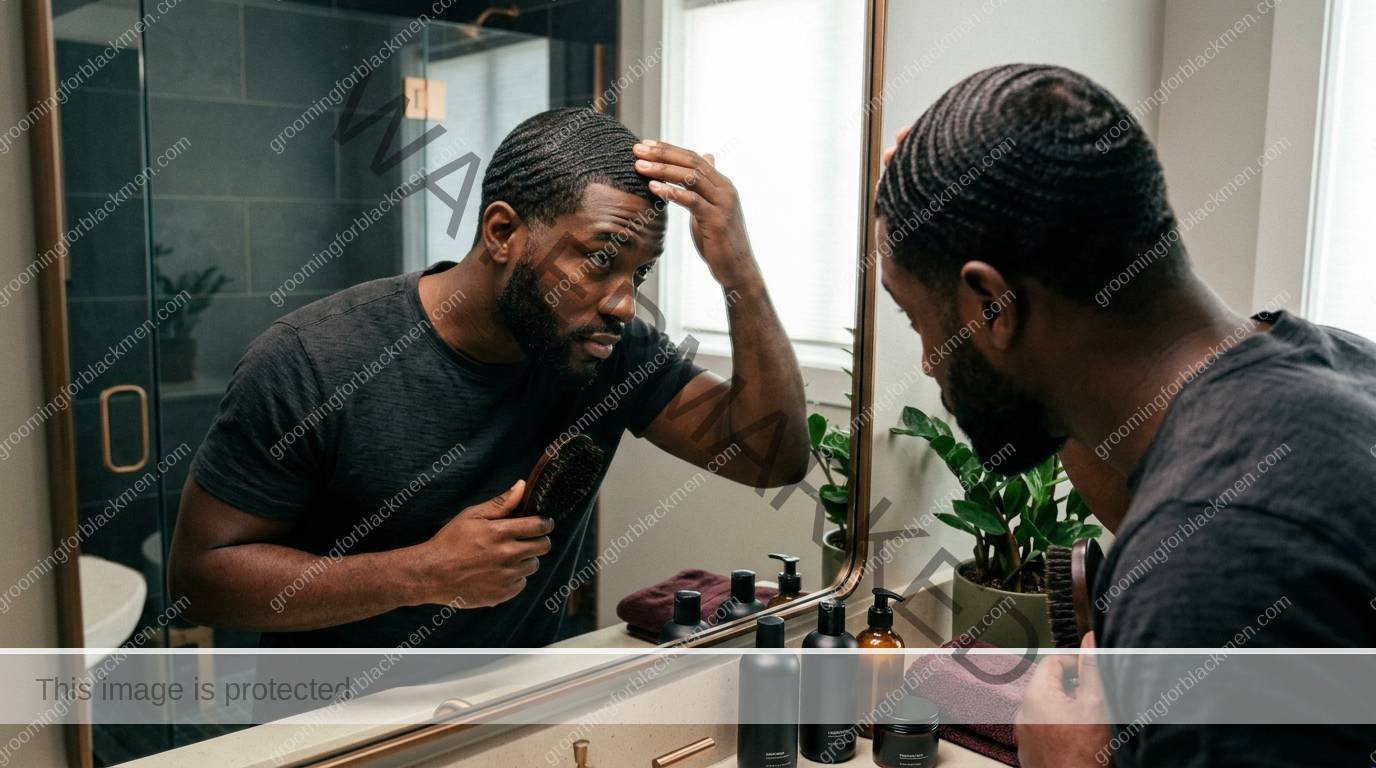
Waves aren’t just a hairstyle—they’re a discipline. For Black men with rich brown skin and coarse or curly hair, maintaining 360 waves is a commitment to self-care, heritage, and personal style. The real foundation is a solid wash day routine built around your hair’s needs, your scalp’s health, and the realities of your lifestyle. If you’re serious about grooming, understanding how to approach waves wash day can mean the difference between crisp, healthy waves and a patchy, dry mess.
This guide is direct, practical, and rooted in experience—not hype. You’ll get a clear breakdown of what matters for waves wash day, what usually goes wrong, and what to do instead. We’ll cover product and tool criteria, troubleshooting, and when to get professional help. If you’re looking for a routine that respects your hair’s texture, your scalp’s needs, and your time, you’re in the right place.
For a deeper look at overall hair and scalp health, see our Hair & Scalp Health Guide for Black Men. If you’re focused on 360 waves specifically, check out our 360 Waves Guide.
Why This Matters for Black Men

Waves are more than a look—they’re a statement of care, discipline, and cultural pride. But Black men face unique challenges when it comes to hair and scalp care:
- Coarse, curly hair is prone to dryness and breakage if not handled with care.
- Scalp health can be undermined by harsh products, buildup, or neglect.
- Wave definition depends on consistent routines, not shortcuts or miracle products.
- Cultural context: Waves are a form of self-expression and heritage. The right routine respects that history.
A disciplined waves wash day routine helps you avoid common pitfalls—like product buildup, scalp irritation, and lost wave pattern—while keeping your hair healthy and your look sharp. This isn’t about chasing trends or promising overnight results. It’s about building a routine that works for your real hair, your real scalp, and your real life.
What Usually Goes Wrong
Even with the best intentions, a lot can go sideways on waves wash day. Here’s what trips up most Black men trying to maintain their waves:
- Overwashing: Stripping natural oils leaves hair dry, brittle, and prone to breakage.
- Using harsh shampoos: Sulfate-heavy formulas can irritate the scalp and weaken your curl pattern.
- Poor detangling technique: Aggressive brushing or combing on wet hair can cause unnecessary breakage.
- Skipping conditioning: Waves need moisture to stay defined and soft. Skipping this step leads to frizz and dullness.
- Product buildup: Heavy pomades or creams without proper cleansing can suffocate the scalp and dull your waves.
- Ignoring the scalp: Healthy waves start with a healthy scalp. Neglect leads to flakes, itchiness, and irritation.
- Improper drying: Rubbing with a towel or using high heat can disrupt your pattern and cause frizz.
- Inconsistent routines: Skipping steps or washing too often/too little throws off your progress.
These mistakes aren’t about lack of effort—they’re about not having the right information or tools. Let’s get into what actually works.
What to Do Instead: Step-by-Step Waves Wash Day Routine
Building a disciplined, practical waves wash day routine means focusing on the basics—and doing them well. Here’s a step-by-step approach that respects your hair and scalp, with nuance for real-life situations:
1. Set Your Wash Day Frequency
- Most Black men with waves should wash their hair once a week. If your scalp is very dry, you may stretch to every 10 days. If you sweat heavily, work out often, or use a lot of product, consider every 5 days.
- More frequent washing can strip natural oils; less frequent can lead to buildup and irritation. Listen to your scalp—itchiness, flakes, or dullness are signs to adjust.
- Consistency is more important than perfection. Find a rhythm that fits your lifestyle and stick to it.
2. Pre-Wash Prep: Set the Stage for Clean, Healthy Waves
- Before washing, use a soft brush or your fingers to gently loosen any product buildup. This helps your shampoo work more effectively and prevents tangling.
- If your hair is particularly dry or tangled, apply a lightweight oil (like jojoba or argan) 30 minutes before washing to soften and protect. This is especially useful if you’re coming off a week of heavy product use or after outdoor activities.
- Real-life tip: If you’re pressed for time, a quick finger detangle before you hop in the shower is better than skipping prep altogether.
3. Shampoo Smart: Cleanse Without Stripping
- Choose a sulfate-free, moisturizing shampoo designed for coarse or curly hair. Avoid harsh cleansers that strip oils—these can leave your hair and scalp dry and vulnerable.
- Apply with fingertips, focusing on the scalp. Massage gently—don’t scratch. This stimulates circulation and helps lift dirt and buildup.
- Rinse thoroughly. If you use heavy products, a second gentle cleanse may be needed. Don’t rush this step—leftover shampoo can cause irritation.
- Decision point: If your scalp feels clean but your hair feels dry, stick to one wash. If you still feel buildup, go for a second gentle round.
4. Condition for Moisture and Strength
- Always follow with a rich, hydrating conditioner. Focus on the hair, not just the scalp. This restores moisture, softens curls, and protects against breakage.
- Use a wide-tooth comb or your fingers to detangle gently while the conditioner is in. Start at the ends and work up to the roots.
- Let the conditioner sit for at least 3-5 minutes before rinsing. For extra moisture, cover with a plastic cap and let the steam from your shower help the conditioner penetrate.
- Scenario: If your hair feels rough or you’re seeing more breakage than usual, try a deep conditioning treatment every 2-3 weeks.
5. Brush Session (Wash and Style Method)
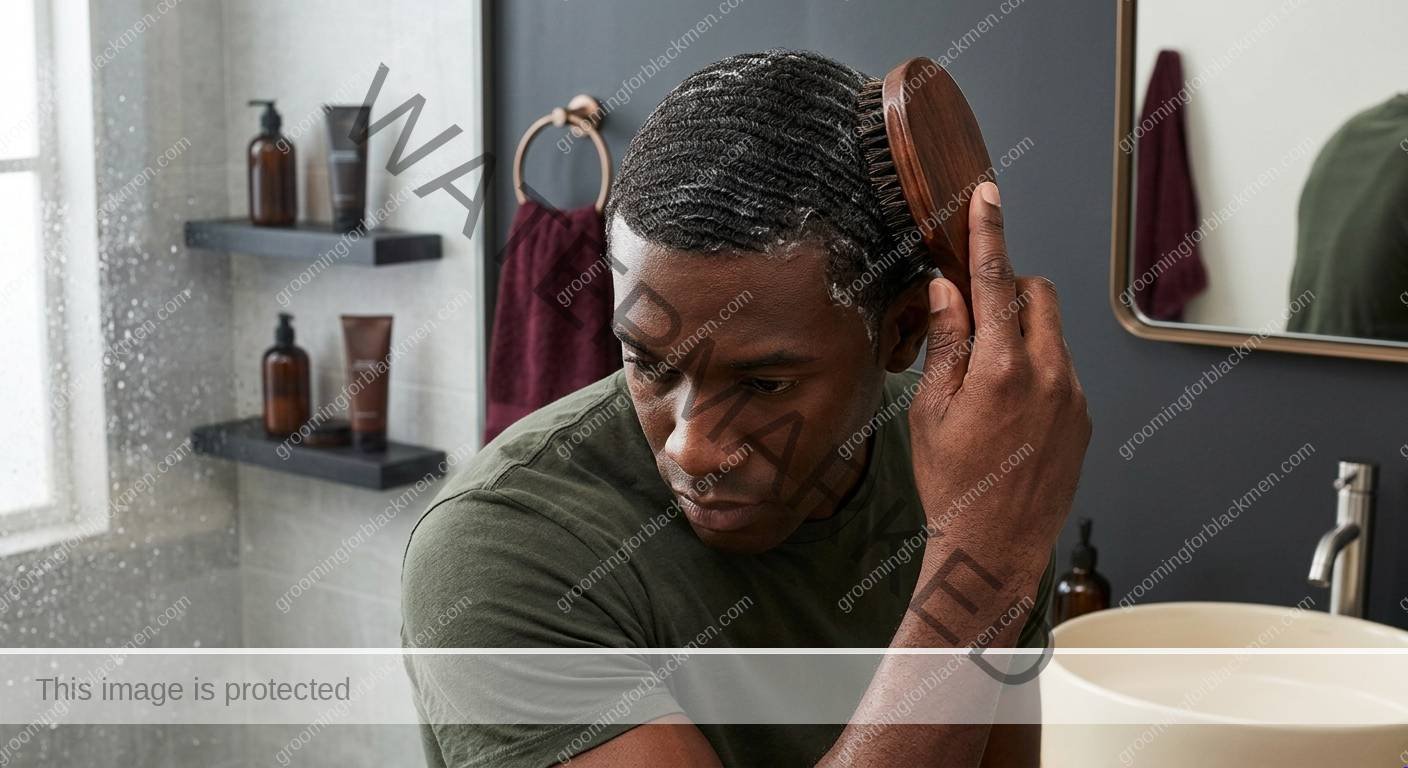
- With conditioner still in, use a quality wave brush to brush your hair in your wave pattern. This helps define waves while the hair is soft and pliable.
- Rinse out the conditioner while continuing to brush. This “wash and style” method helps set your pattern and makes detangling easier.
- Tip: Use a mirror to check your angles, especially if you’re new to waves. Consistency in brushing direction is key for definition.
6. Drying: Patience and Protection
- Pat your hair dry with a microfiber towel or soft old t-shirt. Don’t rub or twist—this can cause frizz and disrupt your wave pattern.
- While hair is still damp, apply a lightweight leave-in conditioner or moisturizer. This locks in moisture and helps prevent dryness as your hair dries.
- Brush again briefly to set your pattern. This is your last chance to reinforce your waves before tying down.
- Immediately tie down with a clean, smooth durag to lock in moisture and set your waves as your hair dries. The durag should be snug but not too tight—comfort matters for scalp health.
- Scenario: If you’re in a rush, use a blow dryer on the cool setting with a diffuser, but always tie down with a durag afterward.
7. Maintain Between Washes
- Moisturize daily or as needed with a light cream or oil. Avoid heavy greases that cause buildup and weigh down your waves.
- Brush consistently, but don’t overdo it—quality over quantity. A focused 10-minute brush session is better than mindless brushing all day.
- Wear your durag at night and whenever you need to protect your pattern—during naps, workouts, or under hats.
- Real-life tip: If you’re traveling or have a busy week, pack a travel-size moisturizer and an extra durag. Consistency matters, even on the go.
This approach keeps your hair and scalp healthy, your waves defined, and your routine sustainable. For more on troubleshooting, see our Waves Troubleshooting Guide.
Product and Tool Criteria: What Matters for Waves Wash Day

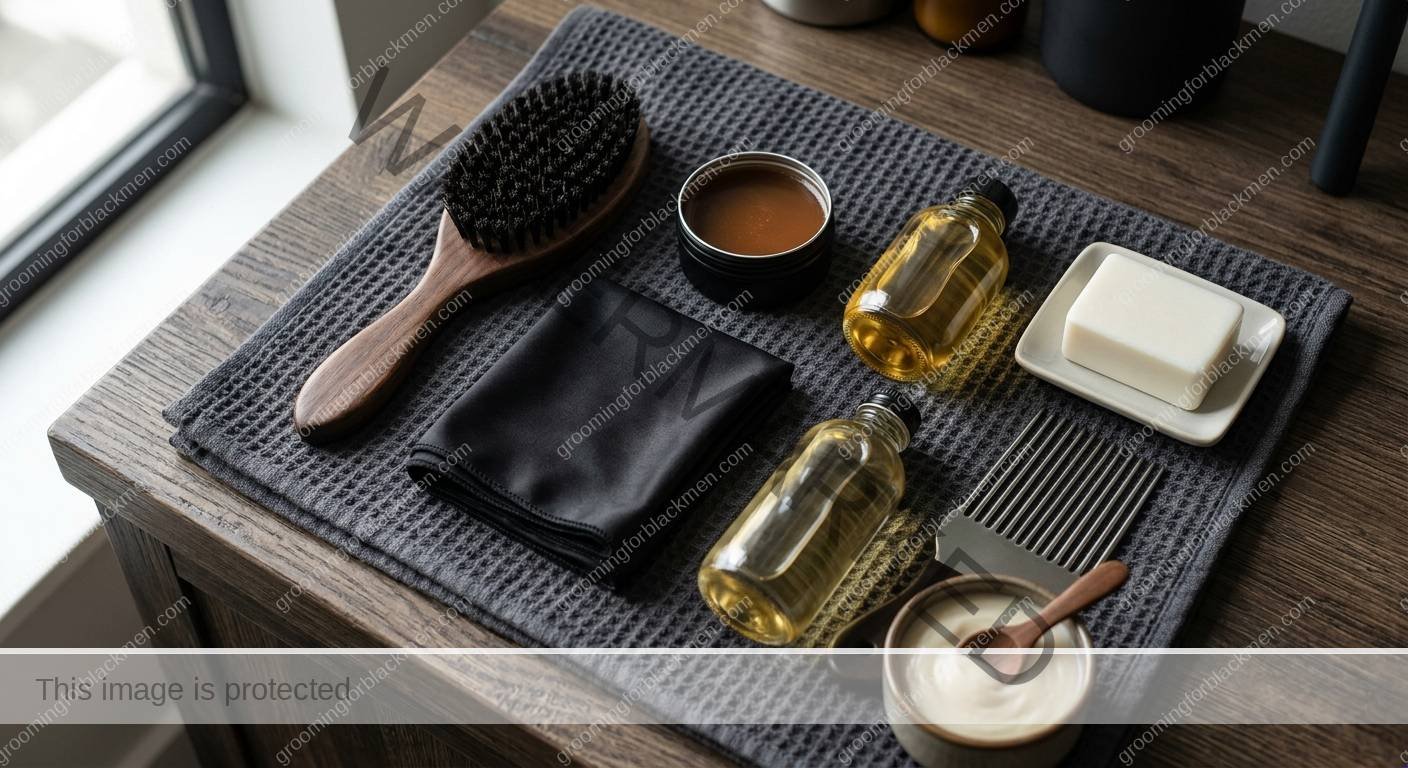
Not all products and tools are created equal. Here’s what to look for when building your waves wash day kit:
- Shampoo: Sulfate-free, moisturizing, and gentle. Look for formulas with natural oils, aloe, or shea butter. Avoid drying alcohols and harsh detergents.
- Conditioner: Rich, hydrating, and designed for curly or textured hair. Ingredients like coconut oil, shea butter, or argan oil are good signs.
- Wave Brush: Medium or soft bristles for wash day. Hard brushes can be too rough on wet hair. The brush should fit comfortably in your hand and match your hair length. For more on choosing the right brush, see our Wave Brush Selection Guide.
- Durag: Smooth, breathable, and snug without being too tight. Silky or satin materials help lock in moisture and prevent frizz. For a breakdown of durags vs. wave caps, see Durag vs. Wave Cap Guide.
- Moisturizer/Leave-in: Lightweight, non-greasy, and formulated for coarse hair. Avoid heavy petroleum-based products for daily use.
- Towel: Microfiber or soft cotton to avoid friction and breakage. Old t-shirts work in a pinch and are gentler than standard towels.
GFBM may earn a small commission from qualifying purchases, but product examples are included to clarify criteria, not to promise results.
- Example wave shampoos: Browse wave shampoos for Black men on Amazon
- Example wave brushes: Browse wave brushes for Black men on Amazon
- Example durags: Browse durags for waves on Amazon
For more on choosing the right brush, see our Wave Brush Selection Guide. For a breakdown of durags vs. wave caps, see Durag vs. Wave Cap Guide.
Real-Life Scenarios: Adapting Your Routine
- Active lifestyle: If you work out daily or sweat a lot, rinse your hair with water between washes and reapply a light moisturizer. Don’t over-shampoo—focus on scalp cleanliness and moisture balance.
- Busy schedule: If you’re short on time, prioritize the essentials: cleanse, condition, moisturize, and tie down. Skip deep treatments until you have more time, but don’t skip the basics.
- Travel: Pack travel-size products, a soft brush, and at least two durags. Hard water at hotels can be drying—use a leave-in conditioner to compensate.
- Seasonal changes: In winter, increase moisture and use heavier creams if needed. In summer, wash more frequently if you sweat or swim, but always moisturize after exposure to sun or chlorine.
Troubleshooting and When to Get Help
Even with a disciplined routine, issues can come up. Here’s how to handle common problems—and when to see a professional:
- Persistent dryness or flaking: Double-check your products for harsh ingredients. Increase conditioning and avoid overwashing. If irritation, pain, or flakes persist, see a dermatologist.
- Loss of wave pattern: Revisit your brushing technique and consistency. Make sure you’re tying down with a durag after every wash and at night.
- Itchiness or irritation: Avoid scratching. Use a gentle, fragrance-free scalp oil if needed. If symptoms are painful, spreading, or not improving, consult a qualified clinician.
- Product buildup: Use a clarifying shampoo once a month, but not more often, to avoid stripping natural oils.
- Breakage or thinning: Be gentle with wet hair. Use a soft brush and avoid aggressive towel drying. Persistent breakage may require professional advice.
Never dig at ingrown hairs or use harsh scrubs. If you notice painful, infected, spreading, or scarring irritation, it’s time to see a dermatologist or qualified clinician. Your hair and scalp health come first. For more on scalp and hair troubleshooting, see our Waves Troubleshooting Guide and Hair & Scalp Health Guide.
Frequently Asked Questions
How often should Black men wash their hair when maintaining waves?
Most Black men with waves should wash their hair once a week. Adjust based on your scalp’s needs, product usage, and activity level. Overwashing can dry out your hair, while under-washing can lead to buildup and irritation.
What type of shampoo is best for waves on coarse or curly hair?
Look for sulfate-free, moisturizing shampoos designed for textured hair. Avoid harsh detergents and drying alcohols. Ingredients like shea butter, aloe, and natural oils help maintain moisture and scalp health.
Should you brush your hair during or after washing for waves?
Brushing during conditioning (the wash and style method) helps set your wave pattern while hair is soft and manageable. Use a medium or soft brush and always brush in your wave pattern. Avoid hard brushes on wet hair.
How important is a durag after wash day?
Very important. A durag locks in moisture, sets your wave pattern, and protects your hair as it dries. Always tie down with a clean, smooth durag immediately after washing and moisturizing.
What’s the best way to dry hair after washing for waves?
Pat your hair dry with a microfiber towel or soft t-shirt—never rub. Apply leave-in conditioner or moisturizer while damp, brush briefly, and tie down with a durag. Avoid high heat and rough handling.
How do you prevent product buildup with waves?
Use lightweight, non-greasy products and avoid heavy pomades for daily use. Wash weekly with a gentle shampoo, and use a clarifying shampoo once a month if needed. Always rinse thoroughly and avoid layering too many products.
When should you see a dermatologist about scalp or hair issues?
If you have painful, infected, spreading, or persistent irritation, flakes, or hair loss that doesn’t improve with routine changes, see a dermatologist or qualified clinician. Don’t try to self-treat serious scalp issues.
What to Do Next
Waves wash day isn’t about shortcuts—it’s about consistent, disciplined care. Start by setting your wash day schedule, choosing the right products, and refining your technique. Protect your pattern with a quality durag, and don’t skip on scalp health. If you run into problems, address them early and don’t hesitate to get professional help when needed.
For a full breakdown of hair and scalp health, visit our Hair & Scalp Health Guide. For more on 360 waves, check out our 360 Waves Guide. If you need help picking the right brush or durag, see our guides on wave brush selection and durag vs. wave cap.
Stay disciplined, stay sharp, and respect your hair and scalp. That’s grooming for Black men—no shortcuts, no hype, just results you can trust.