
Hair Loss Next Steps for Black Men: Practical Grooming Guide
Hair loss isn’t just about looks—it’s about identity, confidence, and self-respect. For Black men, the journey is different. Our hair is thicker, our scalp is often drier, and our hairlines and crowns tell a story of genetics, grooming, and life. If you’re noticing thinning, patchiness, or a receding hairline, you’re not alone. The right next steps aren’t about chasing hype or miracle cures. They’re about understanding what’s happening, protecting what you have, and making grooming choices that respect your hair, scalp, and culture.
This guide is for Black men who are ready to take practical, informed action. Whether you’re dealing with early thinning, patchy spots, or you just want to future-proof your grooming routine, you’ll find clear, grounded advice here. No shame, no stereotypes—just real-world steps for men with rich brown skin, coarse or curly hair, and busy lives. If you’re looking for a quick fix or a promise of regrowth, this isn’t it. But if you want to protect your hair and scalp, look sharp, and walk with confidence, you’re in the right place.
For a broader look at hair and scalp health, see our Hair & Scalp Health Guide for Black Men. This article focuses on hair loss next steps for Black men—what to do, what to avoid, how to choose products, and when to seek professional help.
Real-Life Hair and Waves Scenarios for Hair Loss Next Steps for Black Men
A waves or scalp routine has to work after the bathroom mirror, not just during the first ten minutes after brushing. Black men often have to balance dense curls, scalp comfort, haircut timing, durag habits, sweat, product buildup, and the pressure to keep the pattern looking clean every day. That is why hair loss next steps for black men needs a practical system instead of random brushing, heavy product, or panic changes whenever the pattern looks uneven.
Start by separating three questions. First, what is the hair doing It may be dry, overcoated, frizzy, compressed unevenly, or not trained enough yet. Second, what is the scalp doing Tightness, flakes, itching, or soreness usually means the routine needs gentler cleansing, cleaner tools, better rinsing, or less buildup. Third, what is your schedule doing If you work out, wear hats, sweat heavily, or sleep without consistent compression, your routine has to account for that reality.
The goal is not to force the hair into a pattern overnight. The goal is to create steady conditions: clean scalp, moisturized hair, consistent brushing direction, reasonable compression, and enough patience to let the curl pattern train over time. For many Black men, the mistake is not lack of effort. It is too much inconsistent effort: changing brushes every few days, adding more product when the scalp needs washing, or brushing aggressively until the scalp feels tender.
Tools matter, but standards matter more. A wave brush should match your hair length and texture. A durag or wave cap should hold the hair down without leaving painful lines. Wash day should clean the scalp without stripping it so hard that the hair feels brittle. Product should support moisture and control, not bury the scalp under a waxy layer. When those basics are consistent, the routine starts to feel less like guesswork.
How to Audit Waves and Scalp Progress Without Overreacting
Audit the routine weekly, not every hour. Look at whether the pattern is becoming more consistent, whether the scalp feels calmer, whether flakes or itch are improving, and whether the hair still has movement after product. A clean routine should not make the scalp feel trapped. If the hair only looks controlled because it is stiff, greasy, or coated, the routine may be hiding a problem instead of solving it.
If progress stalls, change one variable at a time. Adjust brush firmness, brushing direction, wash frequency, compression time, or product amount separately so you can tell what helped. If the scalp becomes painful, inflamed, bleeding, or persistently flaky, pause aggressive styling and consider a dermatologist or qualified clinician. A polished look should not require ignoring discomfort. The best routine is the one that trains the hair while protecting the scalp underneath.
Real-Life Hair and Waves Scenarios for Hair Loss Next Steps for Black Men
A waves or scalp routine has to work after the bathroom mirror, not just during the first ten minutes after brushing. Black men often have to balance dense curls, scalp comfort, haircut timing, durag habits, sweat, product buildup, and the pressure to keep the pattern looking clean every day. That is why hair loss next steps for black men needs a practical system instead of random brushing, heavy product, or panic changes whenever the pattern looks uneven.
Start by separating three questions. First, what is the hair doing It may be dry, overcoated, frizzy, compressed unevenly, or not trained enough yet. Second, what is the scalp doing Tightness, flakes, itching, or soreness usually means the routine needs gentler cleansing, cleaner tools, better rinsing, or less buildup. Third, what is your schedule doing If you work out, wear hats, sweat heavily, or sleep without consistent compression, your routine has to account for that reality.
The goal is not to force the hair into a pattern overnight. The goal is to create steady conditions: clean scalp, moisturized hair, consistent brushing direction, reasonable compression, and enough patience to let the curl pattern train over time. For many Black men, the mistake is not lack of effort. It is too much inconsistent effort: changing brushes every few days, adding more product when the scalp needs washing, or brushing aggressively until the scalp feels tender.
Tools matter, but standards matter more. A wave brush should match your hair length and texture. A durag or wave cap should hold the hair down without leaving painful lines. Wash day should clean the scalp without stripping it so hard that the hair feels brittle. Product should support moisture and control, not bury the scalp under a waxy layer. When those basics are consistent, the routine starts to feel less like guesswork.
How to Audit Waves and Scalp Progress Without Overreacting
Audit the routine weekly, not every hour. Look at whether the pattern is becoming more consistent, whether the scalp feels calmer, whether flakes or itch are improving, and whether the hair still has movement after product. A clean routine should not make the scalp feel trapped. If the hair only looks controlled because it is stiff, greasy, or coated, the routine may be hiding a problem instead of solving it.
If progress stalls, change one variable at a time. Adjust brush firmness, brushing direction, wash frequency, compression time, or product amount separately so you can tell what helped. If the scalp becomes painful, inflamed, bleeding, or persistently flaky, pause aggressive styling and consider a dermatologist or qualified clinician. A polished look should not require ignoring discomfort. The best routine is the one that trains the hair while protecting the scalp underneath.
Real-Life Hair and Waves Scenarios for Hair Loss Next Steps for Black Men
A waves or scalp routine has to work after the bathroom mirror, not just during the first ten minutes after brushing. Black men often have to balance dense curls, scalp comfort, haircut timing, durag habits, sweat, product buildup, and the pressure to keep the pattern looking clean every day. That is why hair loss next steps for black men needs a practical system instead of random brushing, heavy product, or panic changes whenever the pattern looks uneven.
Start by separating three questions. First, what is the hair doing It may be dry, overcoated, frizzy, compressed unevenly, or not trained enough yet. Second, what is the scalp doing Tightness, flakes, itching, or soreness usually means the routine needs gentler cleansing, cleaner tools, better rinsing, or less buildup. Third, what is your schedule doing If you work out, wear hats, sweat heavily, or sleep without consistent compression, your routine has to account for that reality.
The goal is not to force the hair into a pattern overnight. The goal is to create steady conditions: clean scalp, moisturized hair, consistent brushing direction, reasonable compression, and enough patience to let the curl pattern train over time. For many Black men, the mistake is not lack of effort. It is too much inconsistent effort: changing brushes every few days, adding more product when the scalp needs washing, or brushing aggressively until the scalp feels tender.
Tools matter, but standards matter more. A wave brush should match your hair length and texture. A durag or wave cap should hold the hair down without leaving painful lines. Wash day should clean the scalp without stripping it so hard that the hair feels brittle. Product should support moisture and control, not bury the scalp under a waxy layer. When those basics are consistent, the routine starts to feel less like guesswork.
How to Audit Waves and Scalp Progress Without Overreacting
Audit the routine weekly, not every hour. Look at whether the pattern is becoming more consistent, whether the scalp feels calmer, whether flakes or itch are improving, and whether the hair still has movement after product. A clean routine should not make the scalp feel trapped. If the hair only looks controlled because it is stiff, greasy, or coated, the routine may be hiding a problem instead of solving it.
If progress stalls, change one variable at a time. Adjust brush firmness, brushing direction, wash frequency, compression time, or product amount separately so you can tell what helped. If the scalp becomes painful, inflamed, bleeding, or persistently flaky, pause aggressive styling and consider a dermatologist or qualified clinician. A polished look should not require ignoring discomfort. The best routine is the one that trains the hair while protecting the scalp underneath.
Why This Matters for Black Men

Hair loss isn’t just a cosmetic issue. For Black men, it’s tied to personal style, cultural pride, and even professional image. Our hair texture—coarse, curly, or coily—means we face unique challenges. The way we cut, brush, wash, and protect our hair all play a role in how healthy our hair and scalp stay over time.
- Genetics and Hairline Patterns: Many Black men experience hairline recession or crown thinning earlier than other groups. This can be hereditary, but grooming habits can speed it up or slow it down.
- Scalp Sensitivity: Rich brown skin and curly hair mean the scalp can be more prone to dryness, irritation, and inflammation. Overly harsh products or routines can make things worse.
- Cultural Grooming Practices: Tight fades, frequent brushing, and wave routines are part of our culture. But aggressive brushing, tight hats, or over-styling can lead to traction alopecia or breakage.
- Barbershop Realities: Not every barber is trained to spot early signs of hair loss or scalp issues in Black men. It’s up to you to know what to look for and how to speak up.
Understanding these factors is the first step. Hair loss is common, but it’s not inevitable. The right grooming for Black men means respecting your hair’s needs, not fighting against them.
How Hair Loss Shows Up in Real Life
For some, it starts as a subtle thinning at the temples. For others, it’s a patchy spot at the crown or a widening part. You might notice more hair on your pillow, in your brush, or after a fresh cut. Sometimes, friends or your barber mention it before you see it yourself. The emotional impact is real—hair loss can affect how you see yourself and how you show up in the world. That’s why practical, culturally aware steps matter.
What Usually Goes Wrong

Most hair loss in Black men isn’t just about age or genetics. It’s often made worse by habits and routines that don’t fit our hair or scalp. Here’s what tends to go wrong:
- Over-Brushing or Aggressive Waves Routines: Brushing too hard, too often, or with the wrong brush can cause breakage and thin out the hairline or crown. See our Wave Brush Selection Guide for better options.
- Tight Hairstyles and Headgear: Constantly wearing tight durags, hats, or braids can pull on hair roots, leading to traction alopecia—permanent hair loss from repeated tension. For more, check our Durag vs Wave Cap Guide.
- Harsh Products: Alcohol-heavy sprays, strong gels, and undiluted essential oils can dry out the scalp and weaken hair. These products can also cause irritation, especially on sensitive, richly pigmented skin.
- Skipping Wash Day: Not washing your hair and scalp regularly can lead to buildup, clogged follicles, and inflammation. This is especially true if you use pomades, creams, or oils. See our Waves Wash Day Guide for a balanced approach.
- Ignoring Early Signs: Waiting until hair loss is obvious makes it harder to manage. Early action is always better, even if it’s just adjusting your routine.
Most of these issues are preventable with the right information and discipline. The next section covers what to do instead—practical steps for protecting your hair and scalp.
Real-World Example: The “Wave Brusher” Trap
Many brothers chasing perfect waves brush multiple times a day, sometimes with hard bristles and heavy pomade. Over time, this can thin the crown and hairline, especially if you skip moisturizing or use harsh cleansers. If you notice your waves aren’t as deep or your hairline is creeping back, it’s time to rethink your approach. Gentle brushing, regular washing, and scalp care are non-negotiable if you want to keep your look sharp.
What to Do Instead
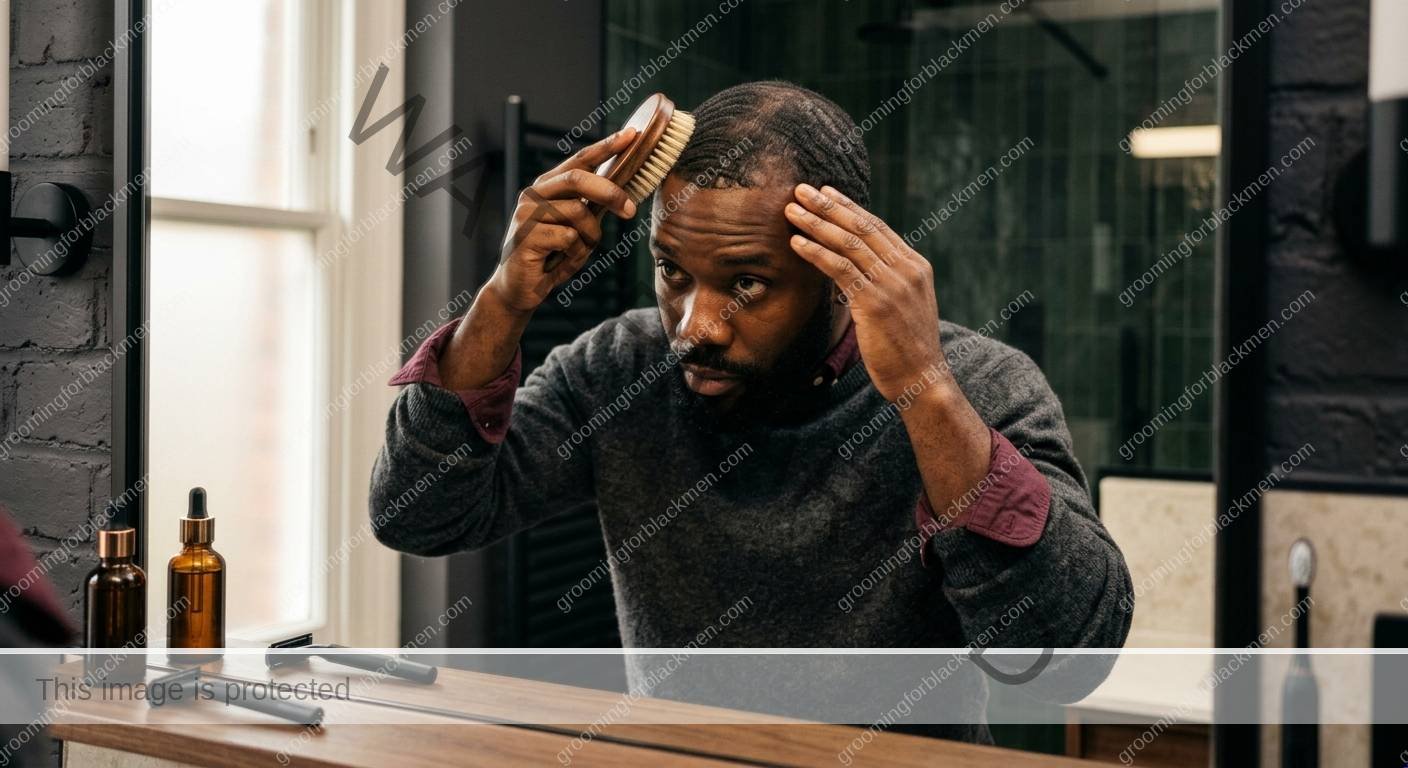
When you notice hair loss or thinning, the goal is to protect what you have, keep your scalp healthy, and make smart grooming choices. Here’s how to take control, step by step:
- Switch to Gentle Cleansing: Use a sulfate-free, moisturizing shampoo. Wash your hair and scalp regularly—once or twice a week is enough for most. This keeps follicles clear and reduces inflammation. If you work out daily or sweat heavily, rinse with water between washes.
- Moisturize and Seal: After washing, use a lightweight, non-greasy moisturizer. Look for products with natural oils (like jojoba or argan) but avoid heavy greases that can clog pores. Apply to damp hair and scalp for best absorption.
- Brush with Care: If you brush for waves or grooming, use a soft or medium brush. Avoid brushing the same spot repeatedly or with excessive force. See our Wave Brush Selection Guide for details. If you’re seeing breakage, reduce brushing frequency.
- Protect Your Hairline: Avoid tight hats, durags, or styles that pull on the edges. Alternate headgear and make sure it’s snug, not tight. For more, check our Durag vs Wave Cap Guide. Consider satin-lined caps or looser durags to reduce friction and tension.
- Scalp Massage: Gentle scalp massage can help with blood flow and relaxation. Use your fingertips or a soft scalp massager. Don’t dig or scratch—just light, circular motion for 2-3 minutes a few times a week. This can also help distribute natural oils and reduce tension headaches.
- Trim, Don’t Tug: If you see short, broken hairs or patchiness, trim them evenly rather than pulling or plucking. This keeps your look sharp and reduces stress on follicles. If you cut your own hair, use clean, sharp clippers and avoid going over the same spot repeatedly.
- See a Professional if Needed: If you notice rapid loss, pain, or scarring, see a dermatologist or qualified clinician. Early intervention is key. Don’t wait for things to get worse—your scalp health is worth the investment.
Step-by-Step Routine Logic
- Assess: Take a close look at your hairline, crown, and parting. Use natural light and a handheld mirror. Notice any changes in density, texture, or scalp health.
- Cleanse: Wash with a sulfate-free shampoo, focusing on the scalp. Rinse thoroughly to remove all product and buildup.
- Moisturize: Apply a lightweight moisturizer or leave-in conditioner to damp hair and scalp. Massage gently.
- Style: Use a soft brush or wide-tooth comb. Style gently—avoid excessive pressure or repetitive motion on thinning areas.
- Protect: Wear a satin-lined durag or cap at night. Alternate styles and headgear to reduce tension.
- Monitor: Check your progress every few weeks. Adjust your routine if you notice new thinning, irritation, or buildup.
Decision Criteria: When to Change Your Routine
- If you notice more breakage or shedding than usual, scale back on brushing and switch to gentler products.
- If your scalp feels dry, tight, or itchy, add more moisture and avoid alcohol-based products.
- If you see patchy spots or scarring, stop any tight styles and seek professional advice.
- If your waves or curls are fading, focus on scalp health and hydration before adding more styling products.
Product and Tool Criteria for Hair Loss Next Steps
As an affiliate site, GFBM may earn from qualifying purchases through product links.
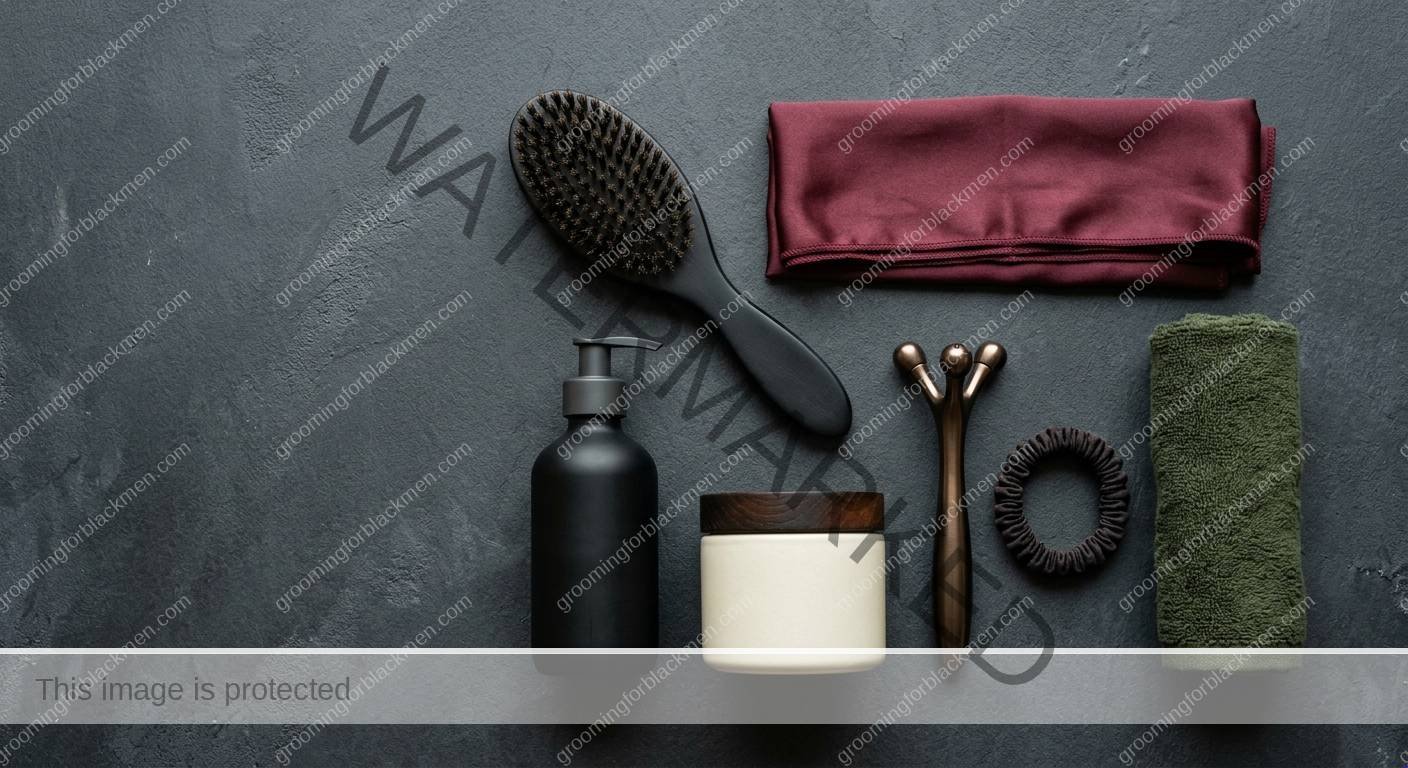
Choosing the right products and tools is about protection, not promises. Here’s what to look for when updating your grooming routine:
- Shampoo: Look for sulfate-free, moisturizing formulas. Avoid heavy fragrances, alcohol, and harsh cleansers. A good hair thinning shampoo for men can help keep your scalp clear and hair feeling fuller.
GFBM may earn a small commission from qualifying purchases, but product examples are included to clarify criteria, not to promise results. - Scalp Massager: A soft, flexible scalp massager for men can help distribute oils, stimulate the scalp, and relax tension. Choose silicone bristles over hard plastic or metal.
- Hair Fibers or Sprays: If you want to fill in thinning spots for a sharper look, consider a hair fiber spray for Black men. Look for shades that match your hair color and avoid formulas with heavy alcohol or dyes that stain the scalp.
- Brushes and Combs: Use soft or medium brushes with rounded bristles. Avoid metal combs or anything that snags or pulls. For wave maintenance, see our Wave Brush Selection Guide.
- Moisturizers: Lightweight, non-comedogenic products are best. Avoid heavy greases and thick pomades if you have thinning areas. Water-based creams and natural oils like argan or jojoba are good choices.
How to Vet a Product for Your Routine
- Check the ingredient list—avoid sulfates, parabens, and alcohols high on the list.
- Test a small amount on your inner arm if you have sensitive skin or a history of irritation.
- Stick with one new product at a time for at least two weeks before adding another.
- If you notice redness, itching, or flaking, stop use and switch to a gentler formula.
Tool Maintenance
- Clean brushes and combs weekly with warm water and mild soap. Let them air dry completely.
- Replace brushes when bristles are bent, broken, or rough.
- Disinfect clippers and trimmers after every use, especially if you cut your own hair.
Troubleshooting and When to Get Help

Even with a disciplined routine, you might run into problems. Here’s how to troubleshoot common issues and know when it’s time to see a professional:
- Persistent Itching or Flaking: Switch to a gentle, moisturizing shampoo and avoid scratching. If irritation continues, see a dermatologist.
- Rapid or Patchy Hair Loss: If you notice sudden bald spots, pain, or scarring, don’t wait. Book an appointment with a qualified clinician.
- Product Buildup: If your scalp feels greasy or clogged, clarify with a gentle shampoo. Avoid harsh scrubs or stripping agents. If you use a lot of styling products, consider a monthly clarifying wash with a sulfate-free clarifier.
- Style Not Holding: For thinning hair, avoid heavy gels or waxes. Try a light styling cream or hair fiber spray for a fuller look. If your style still won’t hold, focus on scalp health and hydration.
- Wave Patterns Fading: If your waves are thinning, focus on scalp health and gentle brushing. See our Waves Troubleshooting Guide for more tips.
Real-Life Scenario: The “Barbershop Wake-Up Call”
You sit in the chair and your barber pauses, then asks if you’ve noticed your crown thinning. This isn’t the time to panic or reach for a miracle oil. Instead, thank your barber for the heads-up, ask for a cut that minimizes the appearance of thinning, and double down on scalp care at home. If you’re not sure what to ask for, check out our Barbershop Etiquette Guide for tips on communicating with your barber.
When to See a Dermatologist or Trichologist
- Rapid, patchy loss that appears over weeks, not years
- Pain, burning, or visible scarring on the scalp
- Persistent infection, bumps, or sores that don’t heal
- Family history of early or severe hair loss and you want a personalized plan
Early help can prevent further loss and protect your scalp health. Don’t wait until you’re frustrated or discouraged—your confidence and well-being are worth the investment.
Frequently Asked Questions
How do I know if my hair loss is permanent
Permanent hair loss is often gradual and may run in your family. If you notice scarring, shiny bald spots, or hair that doesn’t grow back after several months, it may be permanent. For a clear answer, consult a dermatologist.
Can brushing or wave routines cause hair loss
Brushing too hard, too often, or with the wrong tool can cause breakage and thin out your hairline or crown. Use a soft or medium brush, and avoid excessive pressure. See our Wave Brush Selection Guide for safer options.
Should I stop wearing durags or hats if I’m losing hair
You don’t have to stop, but avoid tight styles that pull on your hairline or crown. Alternate your headgear, and make sure it fits snugly, not tightly. For more, see our Durag vs Wave Cap Guide.
What’s the best shampoo for thinning hair
Look for sulfate-free, moisturizing shampoos designed for men with thinning hair. Avoid heavy fragrances and harsh cleansers. See our product criteria above for examples.
Can hair fibers or sprays damage my scalp
When used as directed, most hair fibers and sprays are safe for the scalp. Avoid formulas with heavy alcohol or dyes that stain the skin. Always wash out thoroughly at the end of the day.
Is it safe to massage my scalp if I have thinning hair
Yes, gentle scalp massage can help with relaxation and oil distribution. Use your fingertips or a soft scalp massager, and avoid digging or scratching.
When should I see a dermatologist about hair loss
If you notice rapid loss, pain, infection, scarring, or persistent irritation, see a dermatologist or qualified clinician. Early help can prevent further loss and protect your scalp health.
What to Do Next
Hair loss is common, but it doesn’t have to define your style or confidence. The next steps are about discipline and self-respect:
- Update your grooming routine with gentle, scalp-friendly products. See our Hair & Scalp Health Guide for a full breakdown.
- Protect your hairline and crown by avoiding tight styles and harsh tools. For style-specific tips, check our 360 Waves Guide and Waves Troubleshooting Guide.
- Stay consistent—healthy hair and scalp require regular care, not quick fixes. If you’re new to disciplined routines, start with the basics and build from there.
- If you notice pain, infection, or scarring, book an appointment with a dermatologist. Don’t wait for things to get worse—early action is always better.
- Explore more on hair and scalp health for Black men or see our 360 Waves Guide for style-specific tips.
Grooming for Black men is about more than products—it’s about knowledge, confidence, and respect for your roots. Take the next step with purpose and pride.