
Post-inflammatory hyperpigmentation for Black men is a reality that’s rarely discussed with the clarity and respect it deserves. If you’re seeing dark spots or patches after shaving, breakouts, or irritation, you’re not alone—and you’re not stuck with them. This practical grooming guide breaks down what post-inflammatory hyperpigmentation (PIH) means for Black men, why it happens, and how to manage it with discipline and intention. No hype, no empty promises, just grounded advice for men who want to look sharp and feel confident in their own skin.
PIH isn’t a flaw or a failure—it’s a natural response to inflammation, especially on rich brown skin. But the way you care for your skin can make a real difference in how long those marks stick around. This guide is built for men with coarse or curly facial hair, deeper skin tones, and real grooming routines. Whether your dark spots come from razor bumps, acne, or the occasional nick, you’ll get straightforward steps to help your skin recover and stay resilient.
For a broader look at dark spots, causes, and solutions, check the Dark Spots & Hyperpigmentation pillar. This article focuses on PIH: what it is, why it’s common for Black men, and how to handle it without harsh shortcuts or miracle claims. If you’re ready to take control of your grooming routine and support your skin’s natural strength, keep reading.
Why This Matters for Black Men

Post-inflammatory hyperpigmentation (PIH) shows up as dark spots or patches after your skin has healed from an injury, irritation, or inflammation. For Black men, PIH is more common and can last longer due to the way melanin responds to trauma. This isn’t a weakness—it’s just biology. But it does mean that careless grooming, harsh products, or ignoring irritation can leave lasting marks.
Here’s why PIH deserves your attention:
- Melanin-rich skin reacts differently: Your skin produces more melanin in response to inflammation, which leads to darker spots after healing.
- Shaving and grooming risks: Coarse, curly hair is more likely to cause ingrown hairs and razor bumps, both of which can trigger PIH.
- Visible impact: Dark spots can be more noticeable on brown skin, affecting confidence and how you present yourself.
- Longer recovery: PIH can linger for months if not managed with care and patience.
Understanding PIH isn’t about shame or hiding; it’s about equipping yourself with the right knowledge and tools. If you want to dive deeper into the basics, see our Post-Inflammatory Hyperpigmentation Guide.
What Usually Goes Wrong

Most PIH problems for Black men start with common grooming missteps or misunderstandings about skin care. Here’s what often leads to stubborn dark spots:
- Over-aggressive shaving: Using dull blades, shaving too close, or rushing the process causes nicks, cuts, and razor bumps.
- Picking or digging: Trying to “fix” ingrown hairs or pimples by picking at them only increases inflammation and the risk of PIH.
- Harsh products: Alcohol-heavy aftershaves, strong scrubs, and undiluted essential oils can irritate skin and worsen dark spots.
- Skipping sunscreen: UV exposure makes dark spots darker and slows fading, but many men skip sunscreen because of old myths about melanin and sun protection.
- Ignoring irritation: Letting razor bumps, acne, or irritation linger without proper care gives PIH more time to set in.
These aren’t failures—they’re just common pitfalls. The good news: disciplined, intentional grooming can prevent most PIH and help your skin recover if it happens. For more on razor bumps and dark marks, visit our Razor Bumps and Dark Marks guide.
What to Do Instead

If you want to minimize post-inflammatory hyperpigmentation and keep your skin looking its best, focus on prevention, gentle care, and consistency. Here’s a practical approach:
1. Treat Your Skin With Respect
- Shave with care: Use a sharp, clean blade and shave in the direction of hair growth. Don’t stretch the skin or press too hard. If you’re prone to razor bumps, consider using a single-blade razor or electric trimmer to reduce trauma. For more, see our Razor Bump Prevention guide.
- Prep and soften: Always soften your beard with warm water and a gentle cleanser before shaving. Use a lubricating shaving cream or gel. Let the product sit for a minute or two to soften hair and minimize tugging.
- Moisturize daily: Hydrated skin is less likely to scar or develop dark spots. Choose a fragrance-free, non-comedogenic moisturizer. Apply after cleansing and shaving to lock in moisture and soothe irritation.
2. Don’t Pick, Dig, or Scrub
- Hands off: Resist the urge to pick at bumps, ingrown hairs, or pimples. This only increases inflammation and PIH risk. If you struggle with this habit, keep tweezers and sharp tools out of your bathroom.
- Gentle exfoliation: If you exfoliate, use a mild chemical exfoliant (like lactic acid or mandelic acid) no more than 1-2 times per week. Avoid rough scrubs. Chemical exfoliants can help fade dark spots by encouraging cell turnover without causing microtears.
3. Use Targeted Products—But Be Disciplined
- Serums for PIH: Ingredients like niacinamide, azelaic acid, or licorice root extract can help fade dark spots over time. Use as directed and don’t expect overnight changes. Apply to clean, dry skin before moisturizer.
- Sunscreen, every day: Even indoors, UV rays can worsen PIH. Choose a broad-spectrum sunscreen made for dark skin that won’t leave a white cast. Reapply if you sweat heavily or spend extended time outdoors. For more, see our Sunscreen for Dark Marks guide.
4. Be Consistent and Patient
- Stick to your routine: Results come from steady, daily care—not from harsh treatments or quick fixes. Consistency is more important than perfection.
- Track your progress: Take photos every few weeks to see real changes, since improvement is gradual. This helps you stay motivated and notice subtle improvements others might miss.
If you want a deeper dive into safe ingredients, check our Ingredient Safety Guide.
Step-by-Step Routine Logic
Building a routine for PIH isn’t about stacking as many products as possible—it’s about making each step count. Here’s a sample routine for morning and night:
- Morning: Gentle cleanser → targeted serum (if using) → moisturizer → sunscreen.
- Night: Gentle cleanser → chemical exfoliant (1–2x/week) or targeted serum → moisturizer.
Adjust based on your skin’s needs. If you’re new to actives (like acids or vitamin C), introduce one at a time and monitor for irritation. Less is often more—especially if your skin is recovering from bumps or breakouts.
Real-Life Scenarios and Troubleshooting
Let’s ground this with a few scenarios:
- You nick yourself shaving: Rinse with cool water, pat dry, and apply a soothing, fragrance-free moisturizer. Don’t pick at the area. Apply sunscreen the next morning.
- Razor bumps appear: Pause shaving for a few days. Use a warm compress and gentle cleanser. If bumps persist, switch to an electric trimmer or single-blade razor, and review your shaving prep.
- Dark spots linger for months: Double down on sunscreen and add a gentle serum with niacinamide or azelaic acid. Track progress with photos. If there’s no improvement after 4–6 months, consult a dermatologist.
- Skin feels tight or stings after products: Simplify your routine. Drop all actives for a week and focus on gentle cleansing and moisturizing. Reintroduce products one at a time.
Product and Tool Criteria for Managing PIH
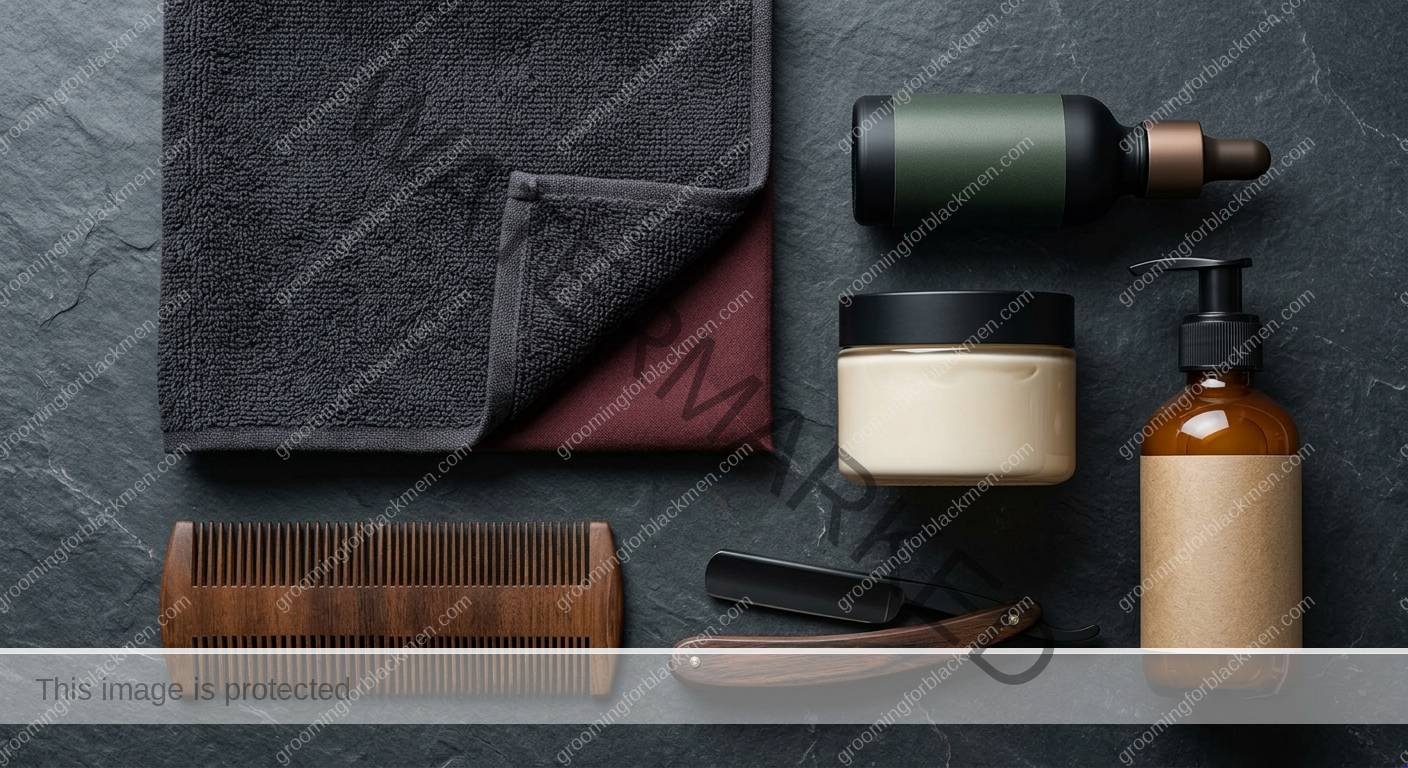
GFBM may earn a small commission from qualifying purchases, but product examples are included to clarify criteria, not to promise results.
1. Gentle Cleansers
Look for sulfate-free, fragrance-free cleansers that remove dirt and oil without stripping your skin. Avoid harsh soaps or anything that leaves your face tight or dry. Example search: gentle cleanser for Black men.
2. Targeted Serums for PIH
Choose serums with ingredients like niacinamide, azelaic acid, licorice root, or vitamin C. Avoid products that promise instant results or contain high concentrations of hydroquinone without medical supervision. Example search: post inflammatory hyperpigmentation serum.
3. Sunscreen for Dark Skin
Use a broad-spectrum SPF 30 or higher, formulated for deeper skin tones to avoid a white cast. Daily use is non-negotiable for fading dark spots. Example search: sunscreen for dark skin men. For more on choosing sunscreen, see our Sunscreen for Dark Marks guide.
4. Tools
- Sharp razors: Replace blades regularly to avoid tugging and irritation. If you use a safety razor, change blades every 5–7 shaves. For electric trimmers, clean heads after each use.
- Soft washcloths: Use only for gentle cleansing, not scrubbing. Wash after every use to prevent bacteria buildup.
- Clean hands: Always wash your hands before touching your face or applying products. This simple habit prevents bacteria transfer and reduces the risk of breakouts and PIH.
How to Choose Products That Work for You
With so many options, it’s easy to get overwhelmed. Focus on:
- Short ingredient lists: Fewer ingredients mean less chance of irritation.
- Fragrance-free or low-fragrance: Fragrance can irritate sensitive skin and worsen PIH.
- Non-comedogenic: Won’t clog pores or trigger new breakouts.
- Patch test new products: Apply a small amount to your jawline or neck for a few days before using on your whole face.
For more on ingredient safety, visit our Ingredient Safety Guide.
Troubleshooting and When to Get Help

Most PIH will fade gradually with disciplined care, but sometimes you need to step back and reassess. Here’s when to adjust your approach or seek professional help:
- Persistent, spreading, or worsening dark spots: If marks don’t improve after several months of careful routine, consult a dermatologist. Sometimes, prescription-strength options or in-office treatments are needed for stubborn PIH.
- Painful, infected, or scarring bumps: If you have pain, pus, or new scars, don’t try to fix it yourself. See a qualified clinician. Early intervention can prevent permanent scarring.
- Severe irritation or allergic reactions: Stop new products immediately and get professional advice if you notice burning, swelling, or severe redness. This may indicate an allergy or sensitivity to an ingredient.
- Uncertain about ingredients: If you’re unsure about a product, check our Ingredient Safety Guide or consult a professional.
Remember: patience and discipline are your best tools. If you need more context on hyperpigmentation, see our Hyperpigmentation for Black Men support article.
Adapting Your Routine: Work, Barber Visits, Shaving, and Daily Life
Managing post-inflammatory hyperpigmentation for Black men is not just about the products you use—it’s about how you fit those choices into your real life. Whether you’re heading to the office, hitting the gym, or sitting in the barber’s chair, your routine needs to flex with your lifestyle. Here’s how to keep your grooming both practical and effective, no matter your schedule.
Work and Professional Settings
For many Black men, a consistent grooming routine needs to fit into busy workdays. If you’re working long hours or in environments where you sweat or touch your face often, focus on simplicity and protection. Cleanse gently in the morning and evening, and always apply a broad-spectrum sunscreen before leaving home. If you’re exposed to indoor lighting or screens all day, know that some types of hyperpigmentation can be aggravated by visible light—so don’t skip the SPF, even if you’re mostly indoors.
Barber Visits and Haircuts
Barber visits are a cornerstone of grooming for Black men, but they can also be a source of irritation and new dark marks if not handled with care. Before your appointment, make sure your skin is clean and well-moisturized. If you’re prone to razor bumps or irritation, communicate clearly with your barber about your skin concerns. Ask for fresh blades and gentle techniques, especially around areas where you have existing hyperpigmentation. Avoid harsh alcohol-based aftershaves, which can sting and worsen dark spots. For more on managing marks from shaving, see our razor bump marks guide.
Shaving Strategies
Shaving is a common trigger for post-inflammatory hyperpigmentation in melanin-rich skin. To minimize risk:
- Shave after a warm shower when hair is softest.
- Use a sharp, clean blade every time.
- Shave in the direction of hair growth to reduce irritation.
- Apply a soothing, fragrance-free moisturizer or an aftershave balm designed for sensitive skin.
If you notice new bumps or irritation, pause shaving for a few days and focus on gentle care. Consider electric clippers or trimmers if razors consistently cause problems.
Workouts and Outdoor Activities
Exercise is essential, but sweat and friction can aggravate dark spots. After workouts, cleanse your face as soon as possible to remove sweat and bacteria. If you’re outdoors, reapply sunscreen every two hours—especially if you’re sweating heavily or wiping your face with towels. Choose a sunscreen that won’t leave a white cast on brown skin, and look for formulas labeled “non-comedogenic” to avoid clogging pores.
Budget-Friendly Adjustments
Effective care doesn’t have to break the bank. Focus on the essentials: a gentle cleanser, a moisturizer, and a sunscreen. If you want to add targeted treatments for dark spots, look for products with proven ingredients like niacinamide or vitamin C. For more on these options, explore our niacinamide guide and vitamin C guide. Prioritize consistency over quantity—using a few products regularly is more effective than constantly switching up your routine.
For Sensitive Skin
If your skin reacts easily, avoid harsh scrubs, strong fragrances, and high concentrations of actives until you know how your skin will respond. Patch test new products on a small area before applying to your whole face. Stick to fragrance-free and hypoallergenic options whenever possible. If you experience burning, stinging, or increased darkness, stop using the new product and give your skin time to recover.
Understanding Realistic Progress: What to Expect
When addressing post-inflammatory hyperpigmentation, patience and discipline are essential. Melanin-rich skin often holds onto dark marks longer than lighter skin, and the process of fading can be gradual. Here’s what realistic progress looks like for Black men dealing with dark spots and hyperpigmentation:
- Initial Weeks: You may notice your skin feels smoother and looks more even-toned overall, but individual dark spots may not change much at first.
- Ongoing Care: With consistent use of gentle cleansers, moisturizers, and daily sunscreen, you should see gradual softening of the edges of dark marks. They may appear less intense and start to blend more with your surrounding skin.
- Long-Term Maintenance: Some spots may fade significantly, while others linger. Progress is often uneven, and new marks can appear if you experience irritation, breakouts, or shaving bumps.
It’s important to track your progress with photos or notes every few weeks. This helps you see subtle improvements that might not be obvious day-to-day. If you’re looking for a structured place to start, our dark spots starter routine offers practical steps tailored for Black men.
How to Avoid Making Dark Marks Worse on Melanin-Rich Skin
Melanin-rich skin is both beautiful and resilient, but it’s also more reactive to trauma, friction, and certain ingredients. To avoid making post-inflammatory hyperpigmentation worse, keep these disciplined practices in mind:
- Avoid Picking or Scratching: Resist the urge to pick at scabs, bumps, or ingrown hairs. This can deepen pigmentation and prolong healing.
- Limit Physical Exfoliation: Harsh scrubs and brushes can cause microtears and worsen dark spots. Opt for chemical exfoliants (like gentle AHAs or BHAs) only if your skin tolerates them, and use sparingly.
- Be Cautious with New Actives: Ingredients like retinoids and vitamin C can help, but starting too strong or using too many at once can irritate the skin. Introduce one new product at a time and monitor your skin’s reaction. For more on safe use, see our retinoids guide.
- Protect Against Sun and Visible Light: Sun exposure can darken existing marks and trigger new ones. Use a broad-spectrum sunscreen daily, and reapply as needed, especially if you’re outdoors or near windows.
- Watch for Irritation: Redness, burning, or increased darkness are signs your skin is stressed. If this happens, simplify your routine and focus on soothing, hydrating products until your skin calms down.
Consistency and gentle care are your best allies. If you’re unsure about a product or technique, less is often more—especially when dealing with sensitive, melanin-rich skin.
Knowing When to Simplify, Pause, or Consult a Dermatologist
Grooming for Black men is about more than just products—it’s about listening to your skin and knowing when to adjust your approach. Here’s how to make informed decisions as you manage post-inflammatory hyperpigmentation:
When to Simplify
If your skin feels irritated, dry, or overwhelmed, it’s time to pare back. Stick to the basics: a gentle cleanser, a moisturizer, and sunscreen. Eliminate actives and exfoliants until your skin feels balanced again. Simplicity is often the fastest route to recovery after a setback.
When to Pause
If you introduce a new product and notice burning, stinging, or worsening dark marks, stop using it immediately. Give your skin at least a week to recover before trying anything new. During this time, avoid shaving or any treatments that could further irritate your skin.
When to Consult a Dermatologist
Sometimes, even the most disciplined routine isn’t enough. If your dark spots are spreading, becoming raised, or not improving after several months of consistent care, it’s wise to consult a dermatologist. Seek professional advice if you experience:
- Persistent or severe irritation
- Unusual changes in the color, size, or texture of dark marks
- Signs of infection (pain, swelling, pus)
- Emotional distress or impact on your quality of life
A dermatologist can recommend prescription treatments or identify underlying issues that may be affecting your skin. Remember, seeking help is a sign of discipline and self-respect—not defeat.
For more foundational knowledge and practical steps, explore our comprehensive dark spots and hyperpigmentation guide.
Adapting Your Routine for Real Life: Work, Barber Visits, and Active Lifestyles
Managing post-inflammatory hyperpigmentation as a Black man means finding a routine that fits your daily life. Whether you’re in the office, at the gym, or sitting in the barber’s chair, your grooming habits should support your skin’s healing without adding stress or complexity.
Work and Busy Schedules
If your mornings are rushed, focus on consistency over complexity. A gentle cleanser, a hydrating moisturizer, and a broad-spectrum sunscreen are non-negotiable, even if you skip everything else. Keep a travel-sized sunscreen in your bag or desk drawer for midday touch-ups, especially if you work near windows or spend time outdoors. For those with facial hair, use a beard oil or balm that’s free from heavy fragrances and comedogenic ingredients to avoid irritation around dark spots.
Barber Visits and Shaving
Barber visits are a cultural staple, but they can also be a source of irritation if your skin is sensitive or you’re prone to razor bumps. Communicate openly with your barber about your skin concerns. Ask for clean, sharp blades and request minimal pressure during shaves or line-ups. If you shave at home, always use a fresh blade and a lubricating shave gel. After shaving, apply a soothing, alcohol-free aftershave or a serum with niacinamide to calm the skin and reduce the risk of new dark marks. For more tailored advice, the razor bump marks guide offers practical tips specific to melanin-rich skin.
Workouts and Outdoor Time
Sweat and friction from workouts can aggravate post-inflammatory hyperpigmentation. After exercising, cleanse your face with a gentle, non-stripping wash to remove sweat and bacteria. If you train outdoors, reapply sunscreen every two hours and wear a hat for added protection. Look for sunscreens that don’t leave a white cast and are formulated for darker skin tones. If you’re on a budget, consider multi-use products—such as a moisturizer with built-in SPF—to streamline your routine without sacrificing protection.
What Realistic Progress Looks Like for Black Men
Patience and consistency are essential when addressing post-inflammatory hyperpigmentation. On melanin-rich skin, dark spots may appear more prominent and linger longer than on lighter skin tones. Progress is rarely linear. Some weeks, your skin may look unchanged; other times, you’ll notice subtle fading or a more even tone.
- Early Signs: The skin may feel smoother and less irritated before you see visible fading of dark marks.
- Gradual Fading: Spots often shift from deep brown or purple to lighter brown or tan before blending with your natural skin tone.
- Texture and Glow: Improved texture and a healthy glow are positive signs, even if spots are still visible.
How to Avoid Making Dark Marks Worse on Melanin-Rich Skin
- Don’t Pick or Scratch: Resist the urge to pick at bumps, scabs, or ingrown hairs. This increases inflammation and can deepen pigmentation.
- Choose Gentle Products: Avoid harsh scrubs, high-percentage acids, or products with alcohol and strong fragrances. These can irritate the skin and trigger new dark spots.
- Sun Protection is Key: UV exposure can darken existing hyperpigmentation and slow healing. Use sunscreen daily, even on cloudy days or indoors near windows.
- Monitor New Products: Introduce one new product at a time and watch for signs of irritation, such as redness, burning, or increased darkness. If your skin reacts, stop use immediately.
- Shave with Care: Always shave in the direction of hair growth and avoid going over the same area repeatedly. Use a sharp blade and plenty of lubrication to minimize trauma.
Knowing When to Simplify, Pause, or Consult a Dermatologist
- Simplify: If your skin feels overwhelmed, scale back to the basics: gentle cleanser, moisturizer, and sunscreen. Give your skin a break from actives like acids or retinoids until irritation subsides.
- Pause: If you experience persistent redness, burning, or new breakouts, stop all non-essential products. Allow your skin to recover before reintroducing treatments one at a time.
- Consult a Dermatologist: If you’ve been consistent for several months with little to no improvement, or if your hyperpigmentation is spreading, seek professional advice. A dermatologist can recommend prescription-strength options or investigate underlying causes.
Frequently Asked Questions
What is post-inflammatory hyperpigmentation and why does it affect Black men more?
Post-inflammatory hyperpigmentation (PIH) is the darkening of skin after it heals from irritation, injury, or inflammation. Black men have more active melanin-producing cells, so any trauma—like shaving, breakouts, or scratches—can trigger more melanin and leave dark spots. It’s a normal biological response, not a sign of poor hygiene or care.
How long does it take for PIH to fade on brown skin?
PIH can take several months to fade, sometimes longer, depending on your skin tone, the depth of the mark, and your grooming habits. Consistent use of gentle cleansers, targeted serums, and daily sunscreen can help—but patience is key. If spots persist for more than six months or worsen, see a dermatologist.
Can I use scrubs or exfoliating brushes to speed up fading?
Harsh scrubs and aggressive tools can actually worsen PIH by causing more irritation and inflammation. Instead, stick to gentle chemical exfoliants (like lactic acid or mandelic acid) once or twice a week, and avoid anything that leaves your skin red or sore.
Is it safe to use skin-lightening creams for PIH?
Some lightening creams contain harsh or unsafe ingredients, especially if bought from unreliable sources. Stick to products with proven, gentle ingredients like niacinamide, azelaic acid, or licorice root. Avoid high-dose hydroquinone without medical supervision. When in doubt, consult a dermatologist.
Do I really need sunscreen if I have dark skin?
Yes. Sunscreen is essential for everyone, including Black men. UV rays can make PIH darker and slow down fading. Choose a broad-spectrum sunscreen made for deeper skin tones to avoid a white cast, and use it daily—even on cloudy days or indoors near windows.
Should I pop ingrown hairs or pimples to prevent dark spots?
No. Popping or digging at bumps increases inflammation and the risk of PIH. Instead, use warm compresses and gentle cleansers. If you have persistent or painful ingrown hairs, see a professional for safe removal and advice.
When should I see a dermatologist about dark spots?
See a dermatologist if your PIH is painful, spreading, infected, or not improving after several months of disciplined care. Also seek help for severe irritation, allergic reactions, or if you’re unsure about safe products for your skin. Professional advice can prevent long-term scarring and help you build a routine that works.
What to Do Next
Managing post-inflammatory hyperpigmentation as a Black man is about discipline, patience, and respect for your skin’s unique needs. Start by building a simple, consistent routine: gentle cleansing, targeted serums, and daily sunscreen. Avoid harsh shortcuts, picking, or aggressive scrubbing. Track your progress and give your skin time to recover.
If you want to explore more, check out our Dark Spots & Hyperpigmentation guide for a broader look at causes and solutions. For focused advice on razor bumps, see our Razor Bump Prevention guide. And if you’re ever in doubt, don’t hesitate to consult a qualified clinician for tailored support.
Stay disciplined, stay sharp, and respect your skin—it’s the foundation of every great grooming routine.