
Intro: Body Hyperpigmentation for Black Men—What You Need to Know

Body hyperpigmentation is a reality for many Black men, especially those with rich brown skin and coarse or curly body hair. Whether you’re dealing with dark patches on your chest, elbows, knees, back, or underarms, these changes can feel stubborn and hard to manage. But you’re not alone—and you’re not without options. Understanding the roots of body hyperpigmentation, and how it shows up on Black skin, puts you in control of your grooming journey. This guide is built for Black men who want real, practical solutions—grounded in respect for your skin, not hype or quick fixes.
Your melanin-rich skin is both a shield and a trigger. Melanin protects against sun damage, but it also reacts strongly to irritation, injury, and inflammation. Everyday things—friction from clothing, shaving, breakouts, bug bites, or harsh products—can leave behind dark spots or uneven tone. The science behind these changes is covered in our pillar guide on dark spots & hyperpigmentation. Here, we zero in on body hyperpigmentation for Black men: what causes it, what makes it worse, and how to build a disciplined, effective routine to keep your skin even, healthy, and resilient.
This is not about shame or chasing unrealistic standards. It’s about understanding your skin, respecting your routine, and making informed, confident choices. We’ll break down what typically goes wrong, how to set up a routine that works for you, what to look for in products, how to troubleshoot, and when to get professional help.
Why This Matters for Black Men
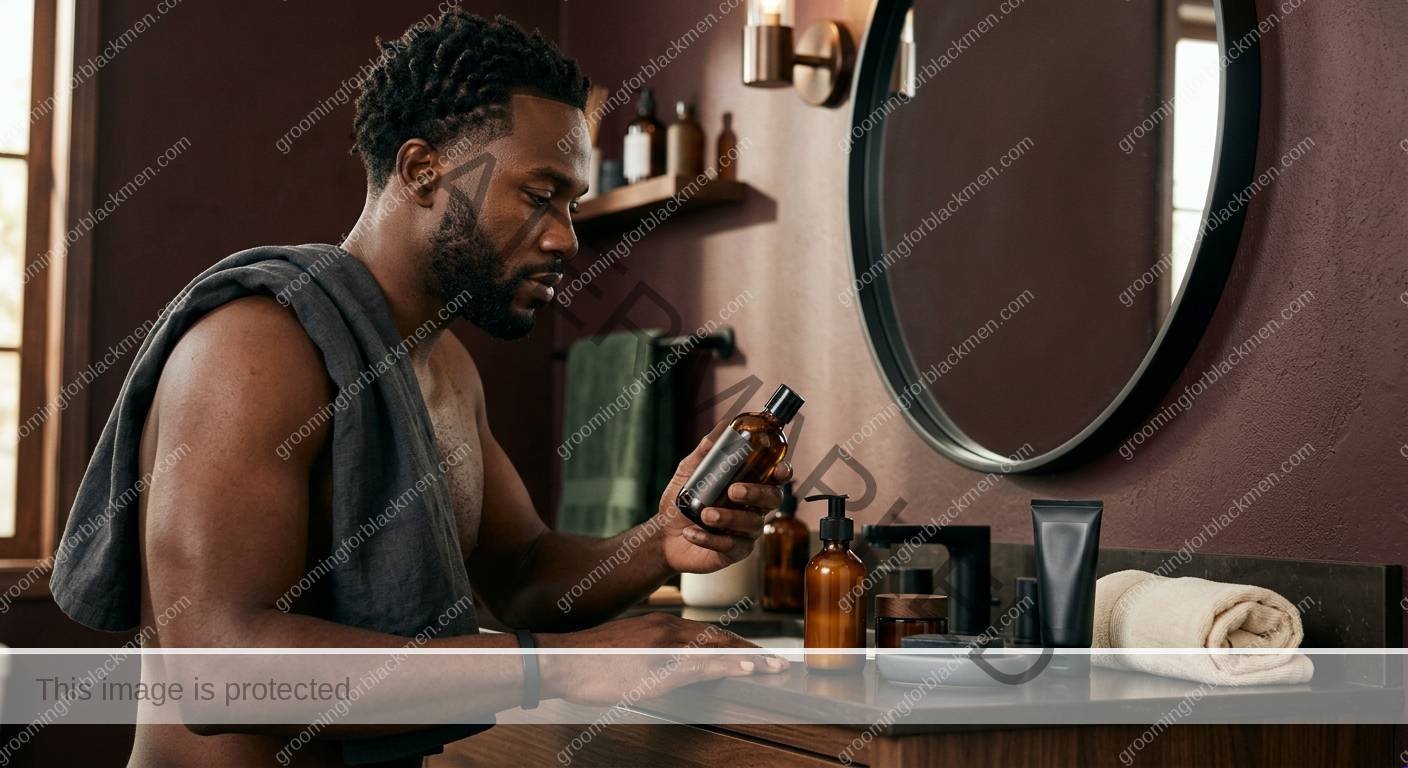
Melanin-rich skin is resilient, but it’s also reactive. For Black men, body hyperpigmentation isn’t just a cosmetic issue—it’s a sign of how your skin responds to daily life. Friction from clothing, gym routines, shaving, breakouts, and bug bites can all trigger your skin’s natural defense system, sometimes leaving behind dark patches or uneven tone.
- Visibility: Dark spots and patches are often more noticeable on brown skin, especially in areas like knees, elbows, and underarms.
- Persistence: Hyperpigmentation can linger for months or years without the right care, especially if you’re dealing with repeated irritation.
- Confidence: Even if you’re disciplined about grooming, uneven tone can affect how you feel about your skin.
- Prevention: Knowing your skin’s triggers and building a routine that respects your needs can save time, money, and frustration.
Grooming for Black men is about more than appearance—it’s about comfort, self-respect, and health. For a deeper dive into the science and causes of hyperpigmentation, see our core guide on hyperpigmentation in Black men.
What Usually Goes Wrong

Most body hyperpigmentation for Black men comes down to three main issues: irritation, inflammation, and neglect. Here’s how it usually happens, and how it plays out in real life:
- Friction and Pressure: Tight clothing, athletic gear, or backpacks can cause dark patches on shoulders, thighs, elbows, and knees. If you’re active, sweat and repeated movement add to the problem.
- Shaving and Hair Removal: Shaving body hair (chest, arms, groin, underarms) with dull blades or poor technique often leads to razor bumps and post-inflammatory hyperpigmentation, especially for coarse or curly hair. Shaving dry or against the grain increases risk.
- Breakouts and Ingrown Hairs: Acne or ingrown hairs on the chest, back, or thighs can leave dark marks long after the bump is gone. Picking or squeezing makes it worse.
- Harsh Products: Strong soaps, alcohol-heavy aftershaves, or undiluted essential oils strip the skin, causing irritation and uneven tone. Some “antibacterial” or “deodorizing” body washes are too harsh for daily use.
- Ignoring Sunscreen: UV exposure darkens existing spots and slows fading—even on brown skin. Many men skip sunscreen on the body, thinking it’s unnecessary.
- Picking or Scratching: Scratching bug bites, picking scabs, or digging at ingrown hairs increases the risk of dark marks and scarring. This is especially common on legs, arms, and back.
Many routines fail because they focus on “lightening” rather than protecting and repairing the skin barrier. Overly aggressive exfoliation, harsh chemicals, or DIY hacks can backfire, making hyperpigmentation worse. For more on safe ingredient choices, see our ingredient safety guide.
What to Do Instead: Step-by-Step Routine Logic
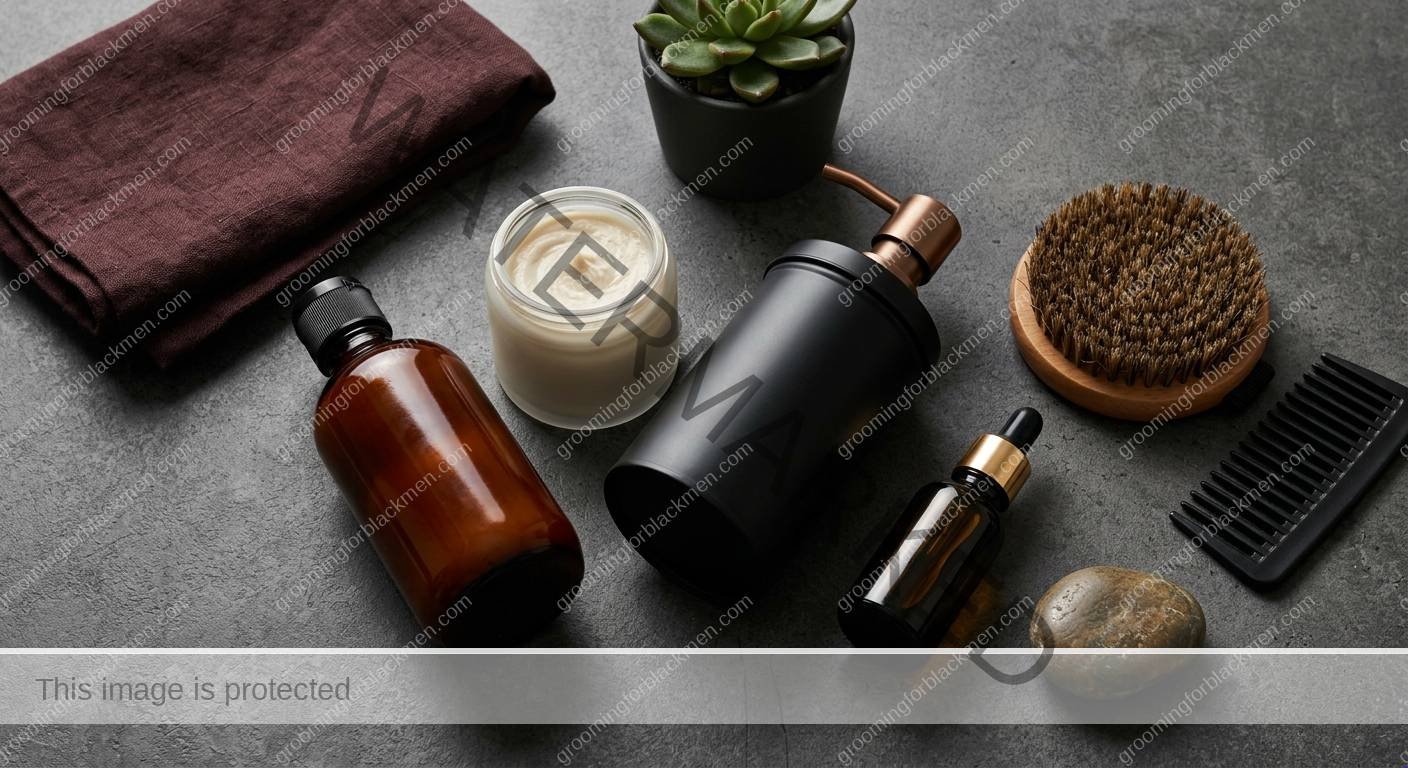
Effective grooming for Black men with body hyperpigmentation is about discipline, patience, and respect for your skin’s natural processes. Here’s a practical, step-by-step approach—adaptable for real life:
-
Reduce Friction and Pressure
- Choose looser, breathable clothing when possible, especially for workouts or long days.
- Use moisture-wicking fabrics to minimize sweat and friction.
- Adjust backpack straps and avoid sitting in one position for too long.
- For high-friction areas (like thighs or underarms), consider anti-chafing balms or powders that don’t clog pores.
-
Gentle Cleansing
- Use a mild, non-stripping body wash—fragrance-free and sulfate-free is best.
- Avoid scrubbing with rough towels, loofahs, or brushes. Use your hands or a soft washcloth.
- Pat your skin dry after showering. Rubbing increases irritation.
-
Daily Moisturizing
- Apply a fragrance-free, non-comedogenic lotion after showering. Look for ingredients like ceramides, niacinamide, or shea butter.
- Moisturizing supports your skin barrier, reduces dryness, and helps prevent irritation.
-
Targeted Care for Dark Spots
- Use products with niacinamide, licorice root, or low-strength alpha hydroxy acids (AHA) to help even tone over time.
- Avoid high-strength bleaching agents or anything promising instant results. Consistency is key.
- Spot treat rather than applying strong actives to large areas.
-
Sun Protection
- Apply a broad-spectrum sunscreen (SPF 30 or higher) to exposed areas—even if you have dark skin and even if you’re not at the beach.
- Reapply if you sweat heavily or spend extended time outdoors.
- Choose formulas designed for dark skin to avoid white cast.
-
Smart Shaving
- Use a sharp, single-blade razor or an electric trimmer for body hair. Shave in the direction of hair growth.
- Never dry shave. Use a gentle shaving gel or cream, and rinse blades often.
- Moisturize after shaving to soothe the skin and reduce irritation.
- For more on shaving and razor bumps, see our razor bump prevention guide.
-
Hands Off
- Don’t pick, scratch, or dig at bumps, scabs, or ingrown hairs. Let your skin heal naturally.
- If you have persistent or painful irritation, see a dermatologist.
For a detailed look at preventing and managing razor bumps and dark marks, check out our razor bumps and dark marks guide.
Product and Tool Criteria for Body Hyperpigmentation

Choosing the right products is about more than brand names. Focus on formulas that respect your skin’s needs and avoid common irritants. Here’s what to look for—and what to avoid—when building your routine:
GFBM may earn a small commission from qualifying purchases, but product examples are included to clarify criteria, not to promise results.
- Body Wash: Sulfate-free, fragrance-free, and alcohol-free cleansers are best. Avoid “antibacterial” or “deodorizing” claims unless you know the ingredients are gentle. Browse gentle body wash for men.
- Body Lotion: Non-comedogenic, fragrance-free moisturizers with ceramides, niacinamide, or shea butter help support your skin barrier. Avoid lotions with high alcohol content or strong fragrances. Browse body hyperpigmentation lotion.
- Sunscreen: Broad-spectrum SPF 30 or higher, designed for dark skin tones to avoid white cast. Apply to exposed areas daily. Browse sunscreen for dark skin men. For more on sunscreen and dark marks, see our sunscreen guide.
When choosing products, less is more. Stick to a simple, repeatable routine. If you want more on ingredient safety, our ingredient safety guide breaks down what to look for and what to avoid.
Real-Life Scenarios and Troubleshooting
Every Black man’s skin is different, and so are the challenges. Here’s how body hyperpigmentation can show up in real life, and how to adapt your routine:
- Active Lifestyle: If you’re in the gym or outdoors often, sweat and friction can trigger dark patches on inner thighs, underarms, or shoulders. Prioritize moisture-wicking fabrics, shower soon after workouts, and use anti-chafing balms that don’t clog pores. Reapply sunscreen if you’re sweating heavily.
- Manual Labor or Uniforms: Work clothing, tool belts, or uniforms can cause repeated friction on elbows, knees, or waist. Use protective padding where possible, and moisturize after work. If you notice persistent darkening, rotate gear or adjust fit.
- Shaving Body Hair: If you shave your chest, arms, or groin, use a sharp blade or electric trimmer, shave after a warm shower, and follow with a soothing, fragrance-free moisturizer. If you’re prone to razor bumps, see our razor bump prevention guide.
- Dealing with Breakouts: If you get body acne or ingrown hairs, avoid picking or squeezing. Use a gentle cleanser and spot-treat with products containing niacinamide or low-strength AHA. Persistent breakouts may need a dermatologist’s input.
- Travel and Sun Exposure: On vacation or working outdoors, don’t skip sunscreen. UV rays can darken existing spots quickly. Reapply every two hours if you’re in direct sun.
If you’re not seeing progress after several months of consistent care, or if you notice pain, infection, or scarring, it’s time to see a dermatologist. For more on post-inflammatory hyperpigmentation and when to seek help, see our guide to post-inflammatory hyperpigmentation.
Troubleshooting and When to Get Help
Even with a disciplined routine, some cases of body hyperpigmentation need professional attention. Here’s when to see a dermatologist or qualified clinician:
- Painful, spreading, or infected areas
- Persistent irritation that doesn’t improve with gentle care
- Scarring, keloids, or thickened patches
- Unusual changes in skin color, texture, or sensation
Don’t try to treat severe or persistent hyperpigmentation with harsh DIY methods or over-the-counter bleaching creams. Professional evaluation ensures you get safe, effective care tailored to your skin’s needs.
Adapting Your Body Hyperpigmentation Routine to Real Life
Addressing body hyperpigmentation for Black men requires more than just picking up a few products. Your lifestyle, work schedule, grooming habits, and even your time outdoors all play a role in how you care for your skin. Here’s how to adjust your routine for real-world situations, so you can build habits that last and actually fit your life.
Work Schedules and Professional Environments
Whether you’re in an office, on your feet all day, or working outdoors, your routine should respect your daily grind. If you’re short on time in the mornings, focus on essentials: a gentle cleanser, a targeted treatment for dark spots, and a broad-spectrum sunscreen. For those who sweat or move a lot at work, consider a midday cleanse or wipe-down to remove sweat and grime, which can worsen hyperpigmentation if left on the skin.
- Desk jobs: Keep a travel-sized moisturizer or sunscreen in your bag or desk drawer for quick touch-ups, especially if you’re near windows or step outside often.
- Physical or outdoor work: Reapply sunscreen every two hours and wear protective clothing when possible. Sweat can break down sunscreen faster, so reapplication is key.
- Night shifts: Stick to your routine based on your sleep/wake cycle, not the clock. The most important steps are cleansing after work and applying treatments before rest.
Barber Visits, Shaving, and Body Hair Grooming
Barber visits and shaving routines can directly impact body hyperpigmentation, especially if you’re prone to ingrown hairs or razor bumps. Always communicate with your barber about sensitive areas or spots you’re treating. If you shave at home, use a sharp, clean razor and shave in the direction of hair growth to minimize trauma to the skin.
- Prep skin with a warm shower or towel before shaving to soften hair.
- Use a gentle, non-comedogenic shaving cream or gel.
- After shaving, apply a soothing, fragrance-free moisturizer or a product with niacinamide to calm the skin. For more on this, check the razor bump marks guide.
- Limit exfoliation on freshly shaved areas to avoid irritation and worsening hyperpigmentation.
Workouts, Sports, and Outdoor Activities
Regular exercise is great for your health, but sweat, friction, and sun exposure can complicate body hyperpigmentation for Black men. After workouts, shower promptly to remove sweat and bacteria. Use a gentle cleanser and avoid harsh scrubbing, which can inflame dark spots. If you’re active outdoors, sunscreen is non-negotiable—even for rich brown skin. Look for formulas that won’t leave a white cast and reapply as needed.
- Wear moisture-wicking, loose-fitting clothing to reduce friction on areas prone to dark marks.
- For athletes or gym-goers, consider a body spray with niacinamide or a lightweight lotion post-shower to help soothe skin and support even tone.
- Don’t skip sunscreen on cloudy days or during winter—UV rays are still present and can worsen hyperpigmentation.
Budget-Friendly Approaches Without Sacrificing Results
Premium results don’t always require premium prices. Focus on a few high-impact products: a gentle cleanser, a targeted treatment (like a serum with niacinamide or vitamin C), a fragrance-free moisturizer, and a sunscreen suitable for deep skin tones. Drugstore brands often offer effective options. Consistency is more important than the number of products or their price tag.
- Stick to proven ingredients—niacinamide, vitamin C, and retinoids have strong evidence for supporting even skin tone. For more, see the niacinamide guide and vitamin C guide.
- Don’t fall for hype or expensive “miracle” products. Simplicity and discipline pay off.
- Buy travel sizes or sample kits to test how your skin responds before committing to full sizes.
Adjusting for Sensitive Skin
Melanin-rich skin can be sensitive to irritation, which often leads to more dark marks. If your skin reacts easily, avoid products with alcohol, strong fragrances, or harsh exfoliants. Introduce new treatments slowly—start with every other day, then increase as tolerated. Always patch-test new products on a small area before using them widely.
- Choose fragrance-free, hypoallergenic products whenever possible.
- If you notice burning, stinging, or increased darkness, stop the new product and give your skin a break.
- Moisturizing is critical for sensitive skin. A simple, non-comedogenic lotion can help maintain your skin barrier and reduce irritation.
What Realistic Progress Looks Like for Body Hyperpigmentation
Body hyperpigmentation for Black men is a gradual process. Rich brown skin often responds slowly to topical treatments, and progress can be subtle at first. Here’s what to expect as you stay disciplined with your routine:
- Early weeks: Your skin may feel smoother and more hydrated, but dark marks may not look much lighter yet. Reduced irritation and fewer new spots are good signs.
- Ongoing: Existing spots may slowly fade and blend with your natural skin tone. The edges of dark marks may soften before the center lightens.
- Long-term: Consistent care can lead to a more even skin tone, but some marks—especially those from old injuries or deep inflammation—may remain stubborn. Focus on overall skin health, not perfection.
Progress isn’t always linear. Some weeks you’ll see more change than others. Photos taken in consistent lighting can help you track subtle improvements. If you’re looking for a foundational approach, the dark spots starter routine breaks down the basics.
How to Avoid Making Dark Marks Worse on Melanin-Rich Skin
One of the biggest risks in treating body hyperpigmentation for Black men is accidentally making dark spots worse. Melanin-rich skin is prone to post-inflammatory hyperpigmentation, so discipline and gentle care are essential. Here’s how to protect your skin as you work toward an even tone:
- Don’t pick or scratch: Even minor trauma can trigger new dark marks. Keep nails trimmed and avoid picking at scabs or bumps.
- Limit harsh exfoliation: Physical scrubs, loofahs, or strong acids can cause micro-injuries. Opt for mild chemical exfoliants (like low-strength glycolic acid) no more than once or twice a week, if at all.
- Prioritize sun protection: UV exposure deepens existing dark spots and slows fading. Use sunscreen daily, even on covered areas, and wear protective clothing when outdoors.
- Be careful with new actives: Introduce one new product at a time and monitor for irritation. Overloading your skin with multiple treatments can backfire.
- Moisturize consistently: A healthy skin barrier is less likely to develop new dark marks. Hydration also helps treatments work more effectively.
For more strategies on protecting melanin-rich skin, the dark spots and hyperpigmentation guide offers deeper insights.
When to Simplify, Pause, or Consult a Dermatologist
Sometimes, less is more. If your routine feels overwhelming, your skin is irritated, or you’re not seeing any improvement after consistent effort, it may be time to reassess. Here’s how to know when to simplify, pause, or seek professional advice:
- Simplify your routine: If you’re using more than three or four products and your skin feels sensitive, strip back to the basics: cleanser, moisturizer, and sunscreen. Add targeted treatments only after your skin has stabilized.
- Pause new treatments: If you develop redness, burning, peeling, or increased darkness, stop all actives and focus on gentle care until your skin recovers.
- Consult a dermatologist: If you’ve been consistent for several months with little to no improvement, or if marks are spreading or changing in appearance, it’s wise to get a professional opinion. A dermatologist can recommend prescription options or rule out underlying conditions.
- Listen to your skin: Your skin will tell you when it’s time to slow down. Don’t push through pain or irritation—healing takes patience and respect for your body’s signals.
Remember, the journey toward even-toned, healthy skin is personal. Stay disciplined, stay informed, and don’t hesitate to adjust your approach as needed. Your routine should serve you, not the other way around.
Adapting Your Hyperpigmentation Routine to Real Life
Managing body hyperpigmentation for Black men requires a routine that fits into the realities of daily life. Whether you’re heading to work, hitting the gym, visiting the barber, or spending time outdoors, your approach needs to be flexible and practical. Here’s how to keep your skin goals on track without letting your routine become a burden.
Work and Busy Schedules
Long workdays and packed schedules can make it tough to stick to a multi-step skincare routine. Focus on consistency with the basics: gentle cleansing, targeted treatment (like a serum or cream for dark spots), and moisturizing. If you’re short on time, prioritize the step that addresses your main concern—usually your treatment product. For men who wear uniforms or business attire, opt for lightweight, non-greasy products that won’t stain clothes or leave a residue.
Barber Visits and Shaving
Barber visits and shaving routines can impact body hyperpigmentation, especially if you’re dealing with ingrown hairs or razor bumps. Communicate with your barber about any sensitive areas or dark spots, particularly on the neck or scalp. If you shave at home, use a sharp, clean razor and shave in the direction of hair growth to minimize irritation. Consider incorporating a soothing, fragrance-free aftershave or a product with niacinamide to calm the skin and support an even tone. For more on managing marks from shaving, check out the razor bump marks guide.
Workouts and Outdoor Activities
Exercise and outdoor time are essential for overall health, but sweat, friction, and sun exposure can aggravate hyperpigmentation. Shower promptly after workouts to remove sweat and bacteria. If you’re outdoors, use a broad-spectrum sunscreen that won’t leave a white cast on brown skin. Reapply as needed, especially if you’re sweating or swimming. Wear loose, breathable clothing to reduce friction on areas prone to dark spots, like underarms, thighs, and the back of the neck.
Budget-Friendly Adjustments
Grooming for Black men doesn’t have to break the bank. Focus on a few high-impact products: a gentle cleanser, a targeted treatment (like a serum with niacinamide or vitamin C), and a moisturizer with SPF. Many effective options are available at drugstores. If you need to cut back, skip extras like toners or masks and stick to the essentials. For ingredient-specific routines, explore the niacinamide guide or vitamin C guide to see what fits your needs and budget.
What Realistic Progress Looks Like
When addressing body hyperpigmentation, patience and discipline are key. Melanin-rich skin often takes time to show visible changes, especially with dark spots & hyperpigmentation that have been present for months or years. Here’s what to expect as you stay consistent with your routine:
- Gradual Fading: Dark marks may appear lighter and less defined over time. The process is subtle—expect a slow blending into your natural skin tone rather than overnight results.
- Improved Texture: Consistent care can lead to smoother, more even-feeling skin, even before you notice major changes in color.
- Fewer New Marks: With a disciplined routine, you may notice fewer new spots forming, especially if you’re protecting your skin from friction, irritation, and sun exposure.
Progress is rarely linear. Some weeks, your skin may look the same or even slightly darker before it improves. This is normal, especially if you’re exfoliating or introducing new products. Track your progress with photos under the same lighting every few weeks to notice subtle changes.
For a foundational approach, review the dark spots starter routine for Black men.
How to Avoid Making Dark Marks Worse
Melanin-rich skin is more prone to post-inflammatory hyperpigmentation, which means that irritation, harsh products, or aggressive grooming can make dark spots worse. Protect your skin by following these disciplined practices:
- Skip Harsh Scrubs: Physical exfoliants with rough particles can cause microtears and worsen hyperpigmentation. Opt for gentle chemical exfoliants if needed, and use them sparingly.
- Don’t Pick or Scratch: Picking at ingrown hairs, scabs, or blemishes increases the risk of new dark marks. Keep nails short and hands clean to avoid temptation.
- Use Fragrance-Free Products: Fragrances and dyes can irritate sensitive skin, especially on the body. Choose products labeled for sensitive skin or “fragrance-free.”
- Protect Against the Sun: UV exposure can darken existing spots and slow the fading process. Use a sunscreen formulated for brown skin, and cover up with clothing when possible.
- Be Mindful of Body Hair Removal: Waxing, shaving, or using depilatory creams can trigger inflammation. Prep skin beforehand, use proper technique, and soothe skin after hair removal.
For more on the science and care behind dark spots, visit the dark spots and hyperpigmentation guide.
When to Simplify, Pause, or Consult a Dermatologist
Frequently Asked Questions
How is body hyperpigmentation different for Black men?
Black men’s skin produces more melanin, which means it’s more likely to develop dark spots after irritation, injury, or inflammation. The process is called post-inflammatory hyperpigmentation. These spots can last longer and be more visible on brown skin, especially in high-friction or frequently shaved areas.
Can I use face hyperpigmentation products on my body?
Some face products are safe for the body, but body skin is usually thicker and may need different strengths or textures. Avoid using strong acids or retinoids meant for the face on large body areas. Stick to gentle, fragrance-free lotions and targeted treatments designed for body use.
How long does it take for body hyperpigmentation to fade?
Fading can take several months, depending on the cause, your routine, and your skin’s natural turnover rate. Consistency with gentle cleansing, moisturizing, and sun protection is key. Avoid harsh scrubbing or quick-fix products, as these can worsen the problem.
Is exfoliation safe for hyperpigmented areas?
Gentle exfoliation (once or twice a week) can help, but avoid rough scrubs or brushes. Use a mild chemical exfoliant (like a low-strength AHA body lotion) if your skin tolerates it. Always moisturize afterward, and stop if you notice irritation.
Do I really need sunscreen if I have dark skin?
Yes. UV rays can darken existing hyperpigmentation and slow healing, even on rich brown skin. Daily sunscreen use on exposed areas is essential for anyone managing dark spots or uneven tone. For more details, see our sunscreen guide for Black men.
What ingredients should I avoid for body hyperpigmentation?
Avoid high-strength bleaching agents, undiluted essential oils, and alcohol-heavy products. Steer clear of anything that promises instant results or requires aggressive scrubbing. For a full breakdown, see our ingredient safety guide.
When should I see a dermatologist about body hyperpigmentation?
If you notice pain, infection, spreading, scarring, or persistent irritation that doesn’t improve with gentle care, it’s time to see a professional. Dermatologists can offer prescription treatments and help rule out underlying conditions.
What to Do Next
Body hyperpigmentation for Black men is common, but manageable with the right approach. Start by simplifying your routine: gentle cleansing, daily moisturizing, targeted care for dark spots, and consistent sun protection. Avoid harsh products, picking, or aggressive scrubbing. If you’re not seeing progress or notice persistent irritation, consult a dermatologist for expert guidance.
For more on building a disciplined grooming routine, explore our complete guide to dark spots & hyperpigmentation. If you’re dealing with razor bumps or dark marks from shaving, see our razor bumps and dark marks guide and razor bump prevention guide. The best results come from consistency, patience, and respect for your skin’s unique needs.