
Real-Life Hair and Waves Scenarios for Durag vs Wave Cap for Black Men
A waves or scalp routine has to work after the bathroom mirror, not just during the first ten minutes after brushing. Black men often have to balance dense curls, scalp comfort, haircut timing, durag habits, sweat, product buildup, and the pressure to keep the pattern looking clean every day. That is why durag vs wave cap for black men needs a practical system instead of random brushing, heavy product, or panic changes whenever the pattern looks uneven.
Start by separating three questions. First, what is the hair doing? It may be dry, overcoated, frizzy, compressed unevenly, or not trained enough yet. Second, what is the scalp doing? Tightness, flakes, itching, or soreness usually means the routine needs gentler cleansing, cleaner tools, better rinsing, or less buildup. Third, what is your schedule doing? If you work out, wear hats, sweat heavily, or sleep without consistent compression, your routine has to account for that reality.
The goal is not to force the hair into a pattern overnight. The goal is to create steady conditions: clean scalp, moisturized hair, consistent brushing direction, reasonable compression, and enough patience to let the curl pattern train over time. For many Black men, the mistake is not lack of effort. It is too much inconsistent effort: changing brushes every few days, adding more product when the scalp needs washing, or brushing aggressively until the scalp feels tender.
Tools matter, but standards matter more. A wave brush should match your hair length and texture. A durag or wave cap should hold the hair down without leaving painful lines. Wash day should clean the scalp without stripping it so hard that the hair feels brittle. Product should support moisture and control, not bury the scalp under a waxy layer. When those basics are consistent, the routine starts to feel less like guesswork.
How to Audit Waves and Scalp Progress Without Overreacting
Audit the routine weekly, not every hour. Look at whether the pattern is becoming more consistent, whether the scalp feels calmer, whether flakes or itch are improving, and whether the hair still has movement after product. A clean routine should not make the scalp feel trapped. If the hair only looks controlled because it is stiff, greasy, or coated, the routine may be hiding a problem instead of solving it.
If progress stalls, change one variable at a time. Adjust brush firmness, brushing direction, wash frequency, compression time, or product amount separately so you can tell what helped. If the scalp becomes painful, inflamed, bleeding, or persistently flaky, pause aggressive styling and consider a dermatologist or qualified clinician. A polished look should not require ignoring discomfort. The best routine is the one that trains the hair while protecting the scalp underneath.
Real-Life Hair and Waves Scenarios for Durag vs Wave Cap for Black Men
A waves or scalp routine has to work after the bathroom mirror, not just during the first ten minutes after brushing. Black men often have to balance dense curls, scalp comfort, haircut timing, durag habits, sweat, product buildup, and the pressure to keep the pattern looking clean every day. That is why durag vs wave cap for black men needs a practical system instead of random brushing, heavy product, or panic changes whenever the pattern looks uneven.
Start by separating three questions. First, what is the hair doing? It may be dry, overcoated, frizzy, compressed unevenly, or not trained enough yet. Second, what is the scalp doing? Tightness, flakes, itching, or soreness usually means the routine needs gentler cleansing, cleaner tools, better rinsing, or less buildup. Third, what is your schedule doing? If you work out, wear hats, sweat heavily, or sleep without consistent compression, your routine has to account for that reality.
The goal is not to force the hair into a pattern overnight. The goal is to create steady conditions: clean scalp, moisturized hair, consistent brushing direction, reasonable compression, and enough patience to let the curl pattern train over time. For many Black men, the mistake is not lack of effort. It is too much inconsistent effort: changing brushes every few days, adding more product when the scalp needs washing, or brushing aggressively until the scalp feels tender.
Tools matter, but standards matter more. A wave brush should match your hair length and texture. A durag or wave cap should hold the hair down without leaving painful lines. Wash day should clean the scalp without stripping it so hard that the hair feels brittle. Product should support moisture and control, not bury the scalp under a waxy layer. When those basics are consistent, the routine starts to feel less like guesswork.
How to Audit Waves and Scalp Progress Without Overreacting
Audit the routine weekly, not every hour. Look at whether the pattern is becoming more consistent, whether the scalp feels calmer, whether flakes or itch are improving, and whether the hair still has movement after product. A clean routine should not make the scalp feel trapped. If the hair only looks controlled because it is stiff, greasy, or coated, the routine may be hiding a problem instead of solving it.
If progress stalls, change one variable at a time. Adjust brush firmness, brushing direction, wash frequency, compression time, or product amount separately so you can tell what helped. If the scalp becomes painful, inflamed, bleeding, or persistently flaky, pause aggressive styling and consider a dermatologist or qualified clinician. A polished look should not require ignoring discomfort. The best routine is the one that trains the hair while protecting the scalp underneath.
Real-Life Hair and Waves Scenarios for Durag vs Wave Cap for Black Men
A waves or scalp routine has to work after the bathroom mirror, not just during the first ten minutes after brushing. Black men often have to balance dense curls, scalp comfort, haircut timing, durag habits, sweat, product buildup, and the pressure to keep the pattern looking clean every day. That is why durag vs wave cap for black men needs a practical system instead of random brushing, heavy product, or panic changes whenever the pattern looks uneven.
Start by separating three questions. First, what is the hair doing? It may be dry, overcoated, frizzy, compressed unevenly, or not trained enough yet. Second, what is the scalp doing? Tightness, flakes, itching, or soreness usually means the routine needs gentler cleansing, cleaner tools, better rinsing, or less buildup. Third, what is your schedule doing? If you work out, wear hats, sweat heavily, or sleep without consistent compression, your routine has to account for that reality.
The goal is not to force the hair into a pattern overnight. The goal is to create steady conditions: clean scalp, moisturized hair, consistent brushing direction, reasonable compression, and enough patience to let the curl pattern train over time. For many Black men, the mistake is not lack of effort. It is too much inconsistent effort: changing brushes every few days, adding more product when the scalp needs washing, or brushing aggressively until the scalp feels tender.
Tools matter, but standards matter more. A wave brush should match your hair length and texture. A durag or wave cap should hold the hair down without leaving painful lines. Wash day should clean the scalp without stripping it so hard that the hair feels brittle. Product should support moisture and control, not bury the scalp under a waxy layer. When those basics are consistent, the routine starts to feel less like guesswork.
How to Audit Waves and Scalp Progress Without Overreacting
Audit the routine weekly, not every hour. Look at whether the pattern is becoming more consistent, whether the scalp feels calmer, whether flakes or itch are improving, and whether the hair still has movement after product. A clean routine should not make the scalp feel trapped. If the hair only looks controlled because it is stiff, greasy, or coated, the routine may be hiding a problem instead of solving it.
If progress stalls, change one variable at a time. Adjust brush firmness, brushing direction, wash frequency, compression time, or product amount separately so you can tell what helped. If the scalp becomes painful, inflamed, bleeding, or persistently flaky, pause aggressive styling and consider a dermatologist or qualified clinician. A polished look should not require ignoring discomfort. The best routine is the one that trains the hair while protecting the scalp underneath.
Durag vs Wave Cap for Black Men: Practical Grooming Guide
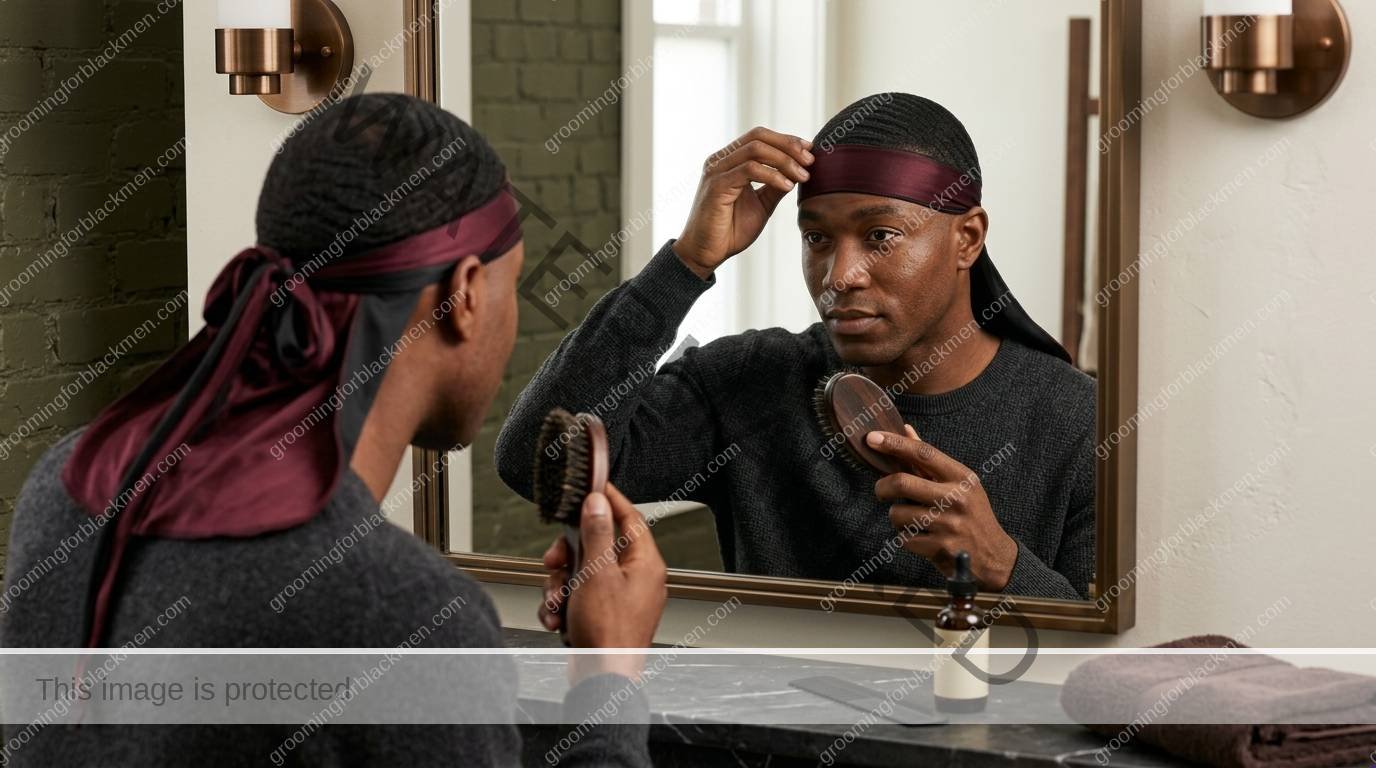
For Black men, the “durag vs wave cap for Black men practical grooming guide” isn’t just a style debate—it’s a matter of hair health, self-respect, and the discipline it takes to maintain a sharp look. Whether you’re building 360 waves, keeping a fade crisp, or protecting your natural texture, your choice of headwear shapes your results. This guide breaks down the real differences, strengths, and limitations of each option, so you can make informed, confident decisions for your grooming routine—without hype, stereotypes, or shortcuts.
We’ll cover the science and culture behind these tools, how to match them to your hair’s needs, and step-by-step logic for using each effectively. You’ll get practical troubleshooting, real-world scenarios, and nuanced advice for rich brown skin and coarse, curly hair. If you’re serious about your hair and scalp health, this is your blueprint. For a broader foundation, see our Hair & Scalp Health Guide for Black Men.
Why This Matters for Black Men

Black men’s hair is unique—coarse, curly, and prone to dryness, breakage, and frizz. That means your grooming tools have to do more than just look good. They need to protect your hair from friction, lock in moisture, and help you achieve your style goals—whether that’s deep 360 waves, a clean low cut, or a natural fro. The right headwear can make or break your results, especially if you’re putting in work with your brush, moisturizer, and wash day routine.
Durags and wave caps aren’t just accessories—they’re essential tools for:
- Sealing in moisture and product after brushing or washing
- Laying hair down for wave formation or a smooth finish
- Reducing friction from pillowcases, hats, or helmets
- Protecting styles from frizz, breakage, and environmental damage
- Preserving the results of your grooming routine, especially overnight
But not all headwear is created equal. The right choice depends on your hair texture, length, grooming goals, and daily habits. For a deep dive on wave care, check out our 360 Waves Guide.
Durag vs Wave Cap: Core Differences and Use Cases
Let’s get specific about what sets these tools apart, and when to use each for best results.
Durag: The Foundation of Wave Discipline
The durag is a staple for Black men serious about waves, moisture, and scalp health. Its long ties and structured fit provide firm, even compression—essential for laying down coarse, curly hair after a brush session or wash day. A quality durag creates a barrier that locks in product and moisture, while protecting against friction from pillowcases or hats.
- Best for: Deep wave formation, overnight protection, locking in product, and keeping hair laid after brushing
- Key features: Long, wide ties; external seams; silk or satin material; snug but not tight fit
- When to use: After applying moisturizer or pomade and brushing, overnight, or any time you need maximum compression and protection
Wave Cap: Lightweight, Flexible Coverage
The wave cap—sometimes called a stocking cap—offers lighter, more flexible hold. It fits like a beanie, using gentle elastic to keep hair in place. While it won’t give the same compression as a durag, it’s perfect for daytime wear, layering, or protecting styles under hats and helmets.
- Best for: Light compression, daytime protection, layering over a durag, or keeping hair neat under hats
- Key features: Smooth, stretchable fabric; strong but gentle elastic; no ties; low profile
- When to use: During the day, under hats, or when you want a less intense hold than a durag
Some men layer a wave cap over a durag for extra compression, especially during the “wolfing” phase (growing out waves). This can help train stubborn hair, but too much pressure can cause breakage or scalp irritation. Balance is key.
What Usually Goes Wrong (and How to Avoid It)

Most issues with durags and wave caps come down to poor fit, cheap materials, or mismatched routines. Here’s what to watch for:
- Too tight or too loose: Headwear that’s too tight can cause headaches, breakage, or even traction alopecia. If it’s too loose, it slides off or fails to lay your hair down.
- Poor materials: Rough polyester or cotton soaks up moisture and can snag hair. Low-quality elastic can dig into your skin or lose shape after a few washes.
- Wrong tool for the job: A wave cap may not hold down thick, coarse hair after a fresh brush session. A thick durag may be too hot for all-day wear or under a hat.
- Neglecting scalp health: Wearing headwear for too long without breaks, or not washing it regularly, can trap sweat and oil—leading to irritation, odor, or even breakouts.
- Ignoring maintenance: Dirty headwear transfers oil, sweat, and bacteria back onto your hair and scalp, undermining your routine.
These aren’t personal failures—they’re about using the wrong gear or lacking the right information. For more on troubleshooting, see our Waves Troubleshooting Guide.
Step-by-Step: Building a Headwear Routine That Works
Consistency and discipline are the foundation of healthy hair. Here’s how to use durags and wave caps in a practical, results-driven routine:
1. Prep Your Hair
Start with clean, moisturized hair. After a wash day or brush session, apply a leave-in conditioner or wave pomade to lock in moisture. For detailed wash routines, see our Waves Wash Day Guide.
2. Brush and Lay Down
Brush your hair in the direction of your wave pattern or desired style. Take your time—this is where the foundation is set. Use a quality wave brush that matches your hair length and texture. For brush selection, see our Wave Brush Selection Guide.
3. Choose the Right Headwear
- For maximum compression (overnight or after brushing): Use a silk or satin durag. Tie it firmly but not tightly, with the seam facing outward to avoid lines.
- For light hold (daytime, under hats, or low-key protection): Use a wave cap. Slip it on gently, making sure it’s snug but not digging into your skin.
- For extra compression (wolfing or stubborn hair): Layer a wave cap over your durag. Don’t overdo it—remove both if you feel discomfort or see marks on your skin.
4. Maintain and Rotate
- Wash your durag and wave cap at least once a week, or more often if you sweat heavily.
- Rotate between two or more headwear options to keep them clean and dry.
- Give your scalp time to breathe. Avoid wearing headwear 24/7.
- Replace stretched-out, damaged, or rough headwear promptly.
5. Troubleshoot and Adjust
If you notice breakage, irritation, or discomfort, review your materials, fit, and routine. Sometimes a simple switch to a silk or satin option, or loosening your ties, makes all the difference.
Real-Life Scenarios: Matching Headwear to Your Needs
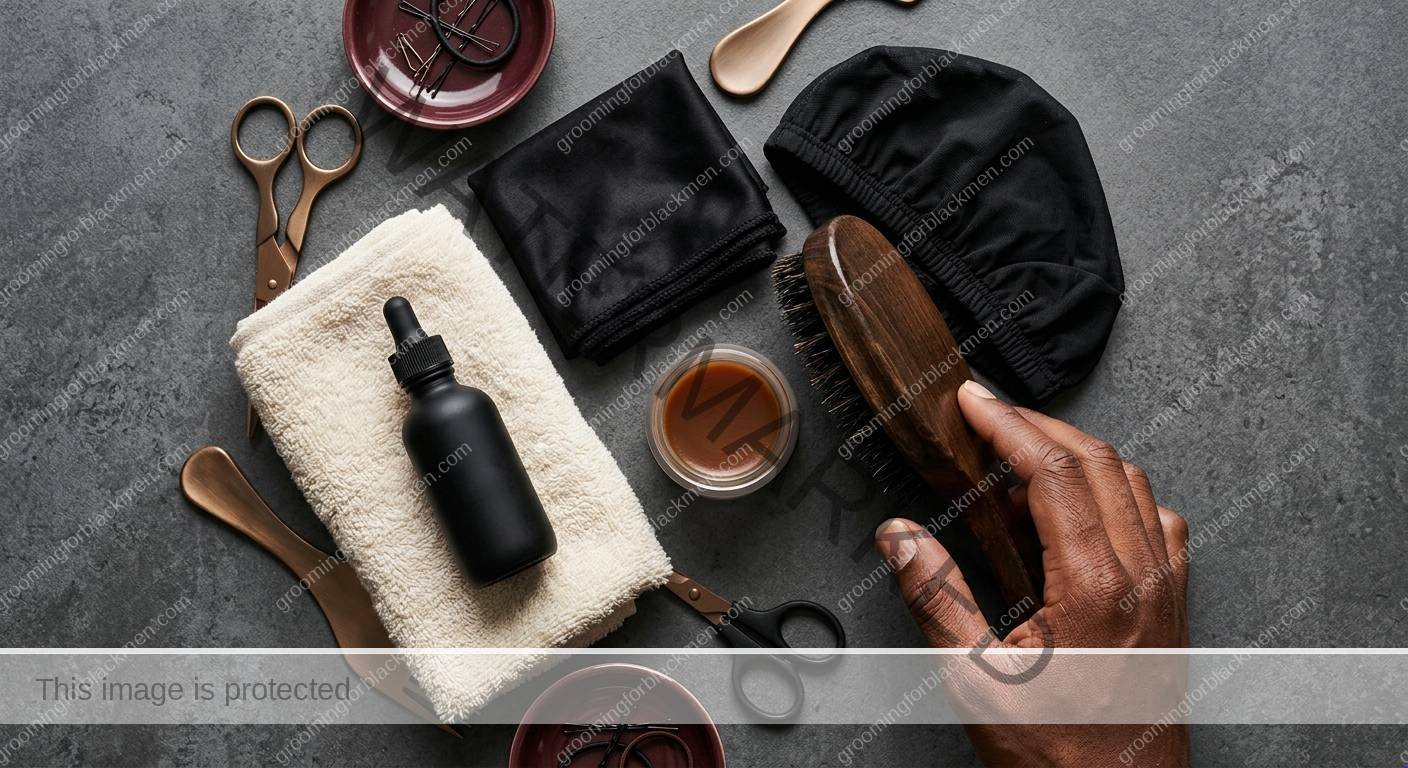
Every Black man’s hair journey is different. Here’s how to approach common scenarios:
Scenario 1: Building Deep 360 Waves
If you’re brushing daily and working on deep, uniform waves, a durag is your foundation. Use it every night after brushing, and consider layering a wave cap for extra compression during wolfing. Keep your routine disciplined—moisturize, brush, compress, repeat. For advanced wave strategies, see our 360 Waves Guide.
Scenario 2: Protecting a Fresh Fade or Low Cut
For a sharp fade or low cut, a wave cap is often enough for daytime protection. It keeps hair neat under hats or helmets and prevents frizz without heavy compression. At night, switch to a durag if you want to preserve a laid look or lock in product.
Scenario 3: Active Lifestyle or Heavy Sweating
If you work out, play sports, or sweat heavily, prioritize breathability and cleanliness. Use a lightweight, moisture-wicking wave cap during activity, and wash your headwear after each use. Let your scalp breathe between sessions. For scalp care tips, see our Hair & Scalp Health Guide.
Scenario 4: Dealing with Dryness or Breakage
If your hair is dry or breaking, switch to a silk or satin durag and avoid rough fabrics. Moisturize regularly, and don’t tie your headwear too tight. Give your scalp breaks, and reassess your products and routine. For more on breakage prevention, see our Waves Troubleshooting Guide.
Scenario 5: Traveling or On-the-Go
Pack at least two headwear options—a durag for overnight or after brushing, and a wave cap for daytime or under hats. Keep a travel-size bottle of gentle detergent to wash your gear on the road. Consistency is key, even when you’re away from home.

Product and Tool Criteria: How to Choose the Right Durag or Wave Cap
Not all durags and wave caps are built the same. Here’s what to look for when upgrading your gear:
- Material: Silk and satin blends are best for moisture retention and smooth compression. Avoid rough polyester or cotton that can snag hair or dry it out.
- Fit: Should be snug but never tight. Durag ties should be wide and flat to avoid lines and pressure points; wave cap elastic should hold without digging in.
- Seams: External seams on durags prevent hair lines and irritation. Inspect for smooth, finished stitching.
- Breathability: Especially important for long wear or hot climates. Look for lightweight, moisture-wicking fabrics.
- Durability: Quality stitching and elastic should last through regular washes without stretching out or fraying.
GFBM may earn a small commission from qualifying purchases, but product examples are included to clarify criteria, not to promise results.
- Durag for Waves: Look for silky or satin options with wide ties and external seams for comfort and performance.
- Wave Cap for Black Men: Choose a cap with strong but gentle elastic and a smooth, moisture-friendly fabric.
- Silky Durag: For maximum moisture retention and a premium feel, a silky durag is hard to beat.
For more on matching your brush to your headwear, see our Wave Brush Selection Guide.
Troubleshooting: Common Issues and Real Solutions
Even with the right gear, problems can pop up. Here’s how to handle them with discipline and care:
- Headaches or discomfort: Loosen your durag or switch to a wave cap with gentler elastic. Never tie so tight that you feel pain or see marks on your forehead.
- Breakage or thinning: Check for rough seams, harsh materials, or too much pressure. Use a silk or satin option, and give your scalp breaks.
- Odor or irritation: Wash your headwear more often, and let your scalp breathe between uses. Never share headwear.
- Persistent bumps, pain, or infection: If you notice painful, spreading, or scarring irritation, see a dermatologist or qualified clinician. Don’t dig at ingrown hairs or use harsh home remedies.
Remember: No headwear should cause pain or ongoing irritation. If you’re struggling with scalp issues that don’t improve with routine changes, professional help is the disciplined move.
Frequently Asked Questions
What’s the main difference between a durag and a wave cap?
A durag usually has long ties and provides firmer compression, making it ideal for laying down waves and locking in moisture overnight. A wave cap is lighter, fits like a beanie, and offers gentler hold—great for daytime wear or layering over a durag.
Can I wear a durag and wave cap together?
Yes. Many Black men layer a wave cap over a durag for extra compression, especially during the wolfing stage. Just make sure neither is too tight, and give your scalp breaks to avoid irritation.
How often should I wash my durag or wave cap?
Wash at least once a week, or more often if you sweat heavily or use a lot of product. Dirty headwear can transfer oil and bacteria back to your scalp, leading to irritation or odor.
Is silk or satin better for hair health?
Both silk and satin are smooth, moisture-friendly options that help prevent breakage and dryness. Silk is a natural fiber and often feels more premium, but high-quality satin blends can work just as well for most routines.
Will wearing a durag or wave cap help my hair grow?
No headwear can make your hair grow faster. Durags and wave caps protect your hair and help you maintain healthy routines, but growth depends on genetics, nutrition, and scalp care.
Can I wear a durag or wave cap all day?
It’s fine to wear headwear for long periods, but your scalp needs time to breathe. Take breaks, especially if you notice irritation or discomfort. Never sleep in a wet or dirty durag or cap.
What should I do if I get bumps or irritation from my durag or wave cap?
Switch to a smoother, less tight option, and wash your headwear more often. If irritation is painful, spreading, or doesn’t clear up, see a dermatologist or qualified clinician for advice.
What to Do Next
Choosing between a durag and a wave cap isn’t about hype—it’s about matching the right tool to your hair’s needs and your grooming goals. Start by evaluating your current routine: Are you protecting your hair at night? Are you using moisture-friendly materials? Are you rotating and washing your headwear regularly?
Upgrade your gear if needed, and remember: consistency and discipline matter more than any single product. For a full breakdown of hair and scalp care, revisit our Hair & Scalp Health Guide. For wave-specific routines and troubleshooting, see our Durag vs Wave Cap Guide and Waves Troubleshooting Guide.
Stay consistent, stay informed, and invest in quality tools. Your hair and scalp will thank you.